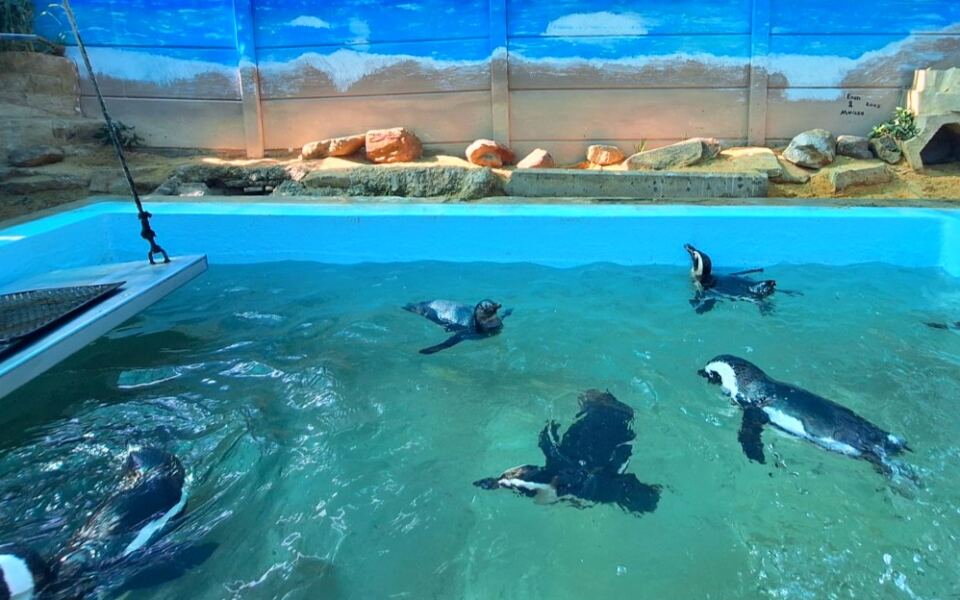
Penguins are tough little birds, but even the toughest swimmer can get into trouble. Oil spills coat their feathers, fishing nets tangle their flippers, and long storms can leave them hungry and worn out on a lonely beach.
That is where a special kind of hospital steps in. Around the world, teams of vets, staff, and volunteers spend their days washing oily feathers, feeding skinny chicks, and teaching weak birds to swim strong again.
Some of these places have helped more than 100,000 seabirds. Others have watched tiny colonies grow from fewer than 30 pairs to hundreds.
Many of them welcome visitors, so you can watch feeding time, peek through one-way glass, or cheer as rescued birds head home to the ocean. Keep reading to meet twelve centers on four continents that give penguins a true second chance, plus tips on tours, feeding times, and how your visit can help.
1. SANCCOB Cape Town, Cape Town, South Africa
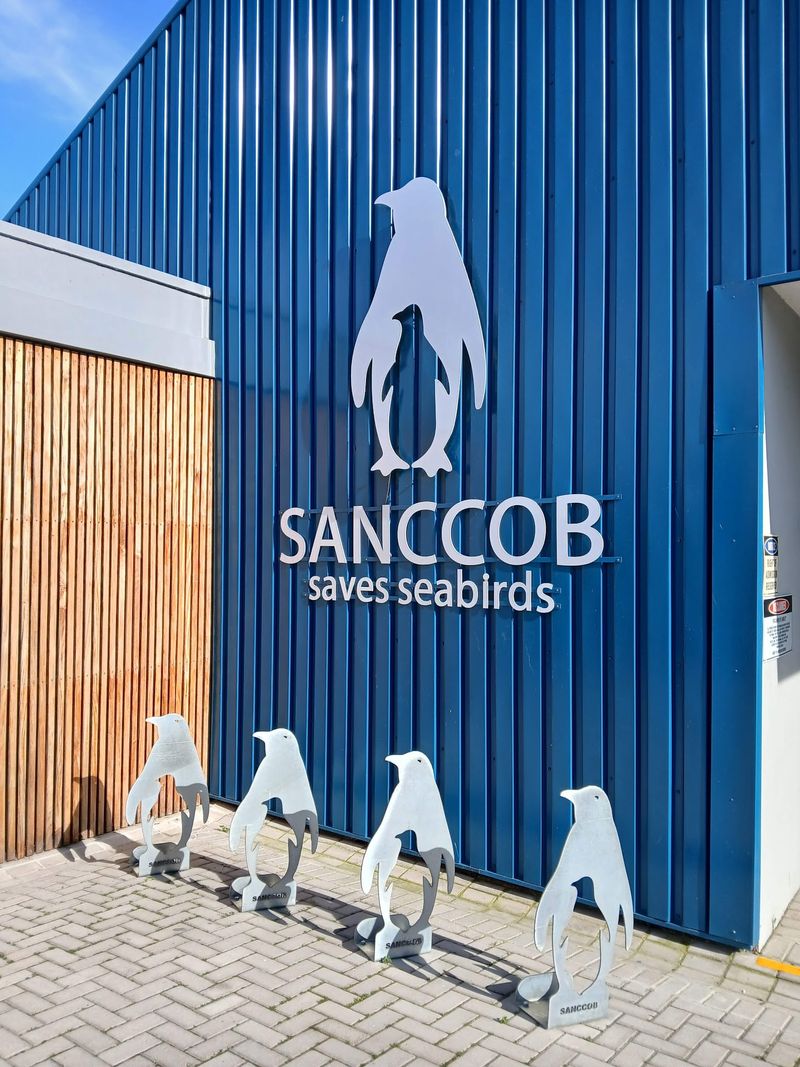
More than 100,000 seabirds have passed through this hospital since 1968. That number alone makes SANCCOB a heavyweight in the penguin rescue world.
The center sits in Table View, a short drive from central Cape Town. Its main goal is to help the critically endangered African penguin, along with other ill, injured, abandoned, and oiled seabirds.
Guided tours run daily from 9 AM to 3 PM, starting on the hour. Each one lasts about 45 minutes to an hour and covers the bird hospital, rehab enclosures, and the chick nursery.
Time your visit for feeding sessions at 11 AM or 3 PM. Watching staff serve fish to hungry patients is a top highlight for guests.
Want more time with the birds? Longer in-depth tours of about 2.5 hours can be booked ahead.
The team earned global respect during the 2000 Treasure oil spill, when thousands of oiled penguins needed help. Every ticket you buy goes straight back into rescue work, so your curiosity literally pays it forward.
2. African Penguin and Seabird Sanctuary, Gansbaai, South Africa
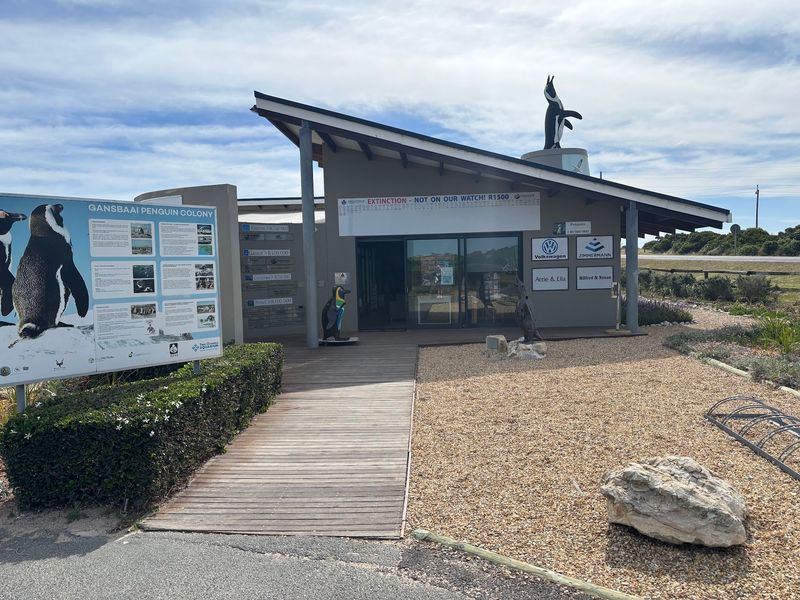
Free admission and penguins? That is a deal worth waddling toward.
Opened in 2015 by the Dyer Island Conservation Trust, this purpose-built sanctuary sits on South Africa’s Whale Coast. It was created for a serious reason.
The penguin colony on nearby Dyer Island has dropped by almost 90 percent in recent decades.
Birds arrive here with disease, injuries, oil on their feathers, or after being abandoned as chicks. Staff give them short-term care until they are ready for the sea.
Visitors watch through one-way glass overlooking the conditioning pen. The birds stay calm, and you get a clear view of their final training before release.
The sanctuary is open daily from 9 AM to 4 PM with a self-guided layout. Plan to arrive by 3 PM, when the public feeding session draws the biggest crowd.
A small curio shop sells penguin-themed goodies, and a café serves snacks. Every purchase and donation supports the birds, so buying that penguin mug counts as conservation work.
3. SANCCOB Gqeberha, Gqeberha, South Africa
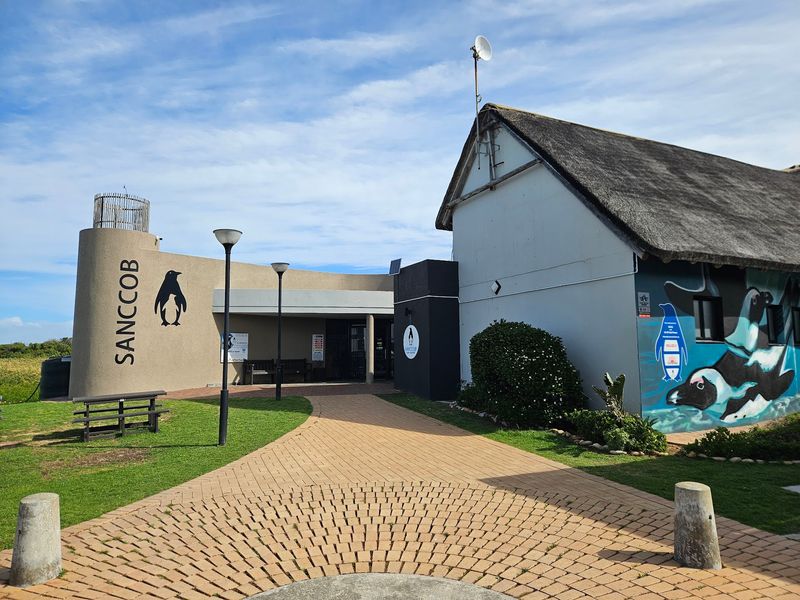
Algoa Bay holds the largest colony of African penguins on the planet. Having a seabird hospital right next door is a very smart move.
SANCCOB Gqeberha sits inside the Cape Recife Nature Reserve on the Eastern Cape. Like its sister site in Cape Town, it rescues, treats, and releases sick, injured, abandoned, and oiled seabirds.
The numbers tell the story. Over 25 years, the team has cared for more than 10,000 seabirds.
Tours leave every 30 minutes from 9 AM, with the last one at 3:30 PM. Guides explain how birds move from intake to release and what threats wild penguins face.
Feeding sessions at the Home Pen happen daily at 9:30 AM and 2:30 PM. Try to catch one, since it shows how carefully each bird’s meal is managed.
Booking ahead is wise for groups, though walk-ins are welcome when space allows. Ticket prices differ for locals, international guests, seniors, and kids.
Bring time to explore the reserve trails afterward.
4. The OPERA, Harington Point, New Zealand
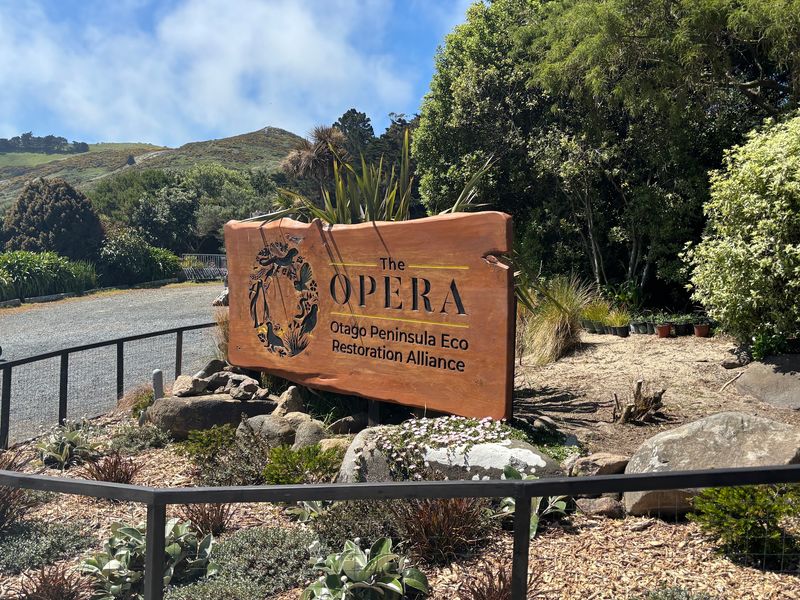
A 98 percent survival rate for admitted penguins is a stat that deserves a standing ovation. Fitting, for a place called The OPERA.
The name stands for Otago Peninsula Eco Restoration Alliance. It began in 1985 as Penguin Place and is the oldest private ecotourism operation in New Zealand.
The main star is the hoiho, or yellow-eyed penguin, one of the rarest penguins in the world. Little penguins and other native wildlife also get attention.
Guided tours last about 90 minutes. After a short talk, guests walk through covered trenches into hides, where shy penguins can be seen without being bothered.
When birds are in care, visitors can also stop by the rehab center. Yellow-eyed, little, crested, and rockhopper penguins have all been patients here.
The reserve also works on replanting native forest and protecting fur seals and sea lions. Tour money funds every part of this effort.
Bring a warm jacket, because Otago weather loves a surprise.
5. Ōamaru Penguins, Ōamaru, New Zealand
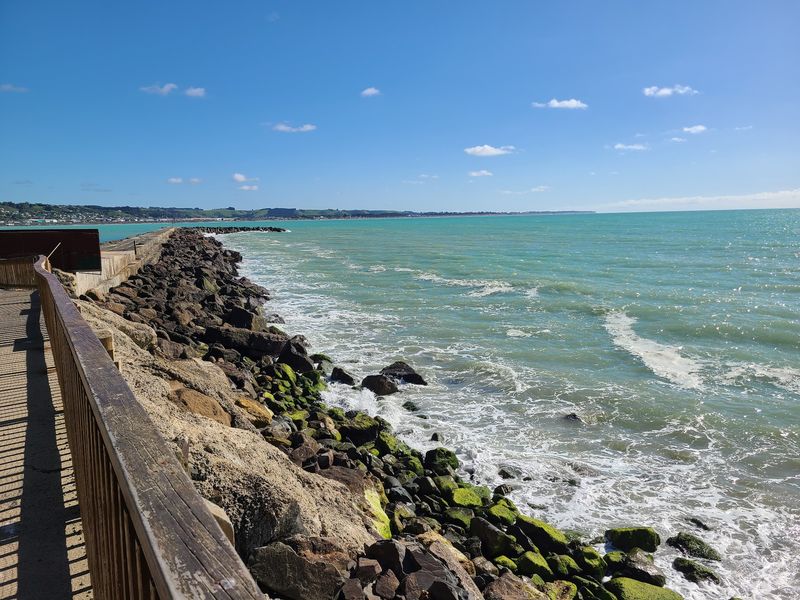
Fewer than 30 breeding pairs lived here in the 1990s. Today, roughly 270 pairs call this harbor colony home.
Ōamaru Penguins started in 1992 beside the town’s historic Victorian harbor. It protects the kororā, the smallest penguin species in the world, also called the little blue penguin.
The big show happens at dusk. Groups of little penguins swim ashore and shuffle to their burrows while guests watch from tiered grandstands.
Viewing times change with the seasons. Expect roughly 7 PM to 9 PM from October to March, and 5 PM to 6:30 PM from April to September.
Leave the flash at home. Cameras and recording devices are not allowed during evening viewing, so the birds can stay relaxed.
Daytime visits include a Discovery Centre and tours that let you peek into wooden nesting boxes. Researchers here use GPS trackers and tiny video loggers to study where penguins find food.
The team also helps rehabilitate yellow-eyed and Fiordland crested penguins.
6. Seabird and Penguin Rehabilitation Centre (SAPREC), Mossel Bay, South Africa
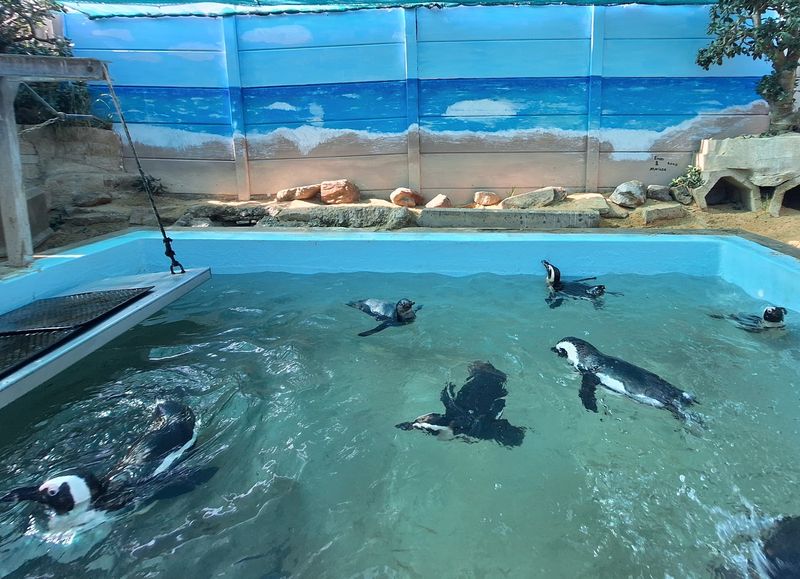
Carol Walton started this center in March 2005 with one clear mission. Rescue seabirds, help them heal, and send them home.
SAPREC covers a long stretch of the Garden Route, from Stilbaai to Plettenberg Bay. Patients include Cape gannets, Cape cormorants, and petrels, though African penguins make up most of the caseload.
That focus matters. Only about 14,000 African penguins remain worldwide, and experts warn the species could vanish from the wild by 2030 without help.
Recent patients have arrived with severe hunger, malaria, and even shark bites. Staff clean wounds, give medicine, and slowly rebuild each bird’s strength.
Some birds are too badly hurt to return to the ocean. They stay on as permanent residents.
Tours are by arrangement, so call ahead. Feeding sessions take place at 8:45 AM and 1:30 PM and can be watched by appointment.
As a nonprofit, SAPREC leans heavily on donations. Your entrance fee goes straight into fish, medicine, and supplies.
7. Phillip Island Nature Parks, Summerlands, Victoria, Australia
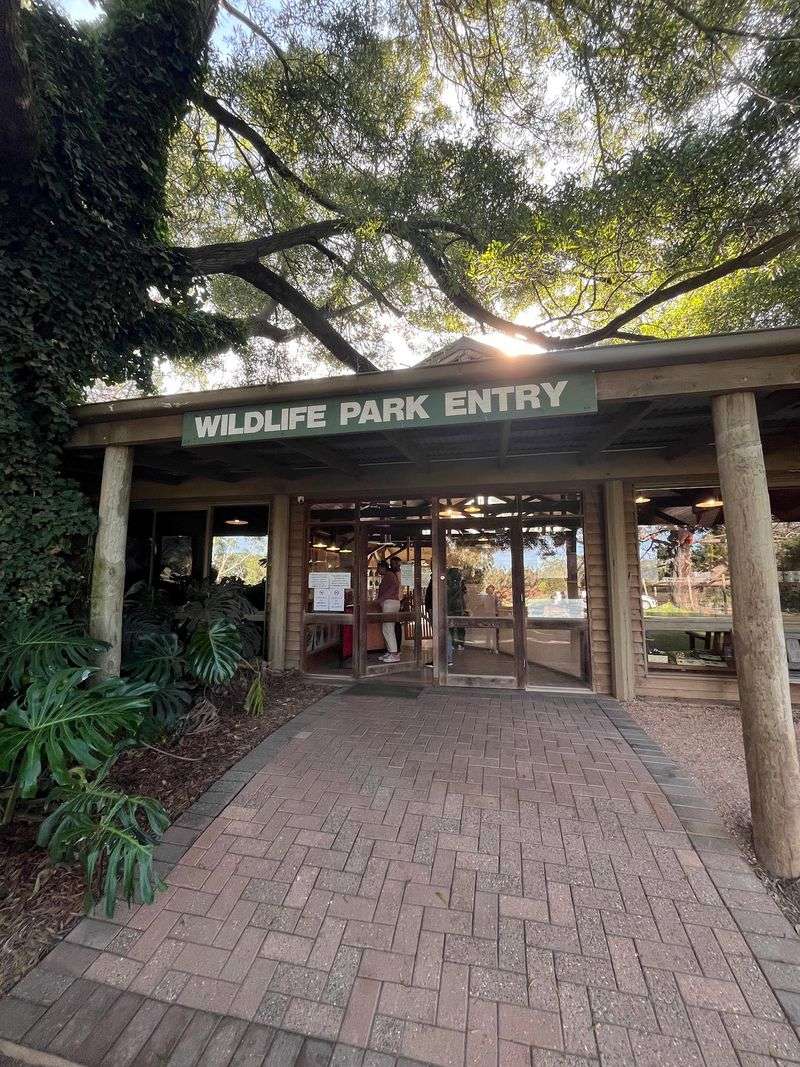
A spot of oil the size of a thumbnail can be enough to put a little penguin in serious danger. Phillip Island takes that risk very seriously.
Most people know the island for its famous Penguin Parade, where crowds watch little penguins waddle ashore at sunset. Fewer know about the Wildlife Rehabilitation Centre that opened here in 2011.
Each year the center treats about 150 little penguins. It also cares for 300 to 400 other animals, including short-tailed shearwaters, southern giant petrels, and even koalas.
Patients come in with starvation, road injuries, pet attacks, and oil exposure. The facility can handle up to 500 oiled penguins at once.
History proves the system works. During a 2001 spill, staff treated over 438 birds and released more than 95 percent of them.
Funding comes from ticket sales and the Penguin Foundation’s Adopt a Penguin program. So watching the parade is not just a fun night out.
It keeps the hospital running.
8. uShaka Sea World, Durban, South Africa
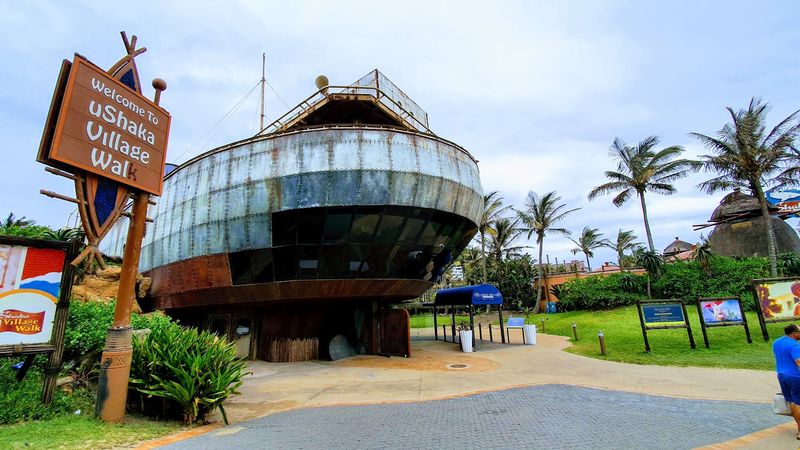
Meet Charlie, a young African penguin who survived a nasty shark bite. Thanks to the vet team at uShaka Sea World, Charlie bounced back.
This Durban waterfront park mixes fun with real science. It has kept a breeding colony of African penguins since 1980.
Stranded penguins often wash up on KwaZulu-Natal beaches tired, dehydrated, or hurt. They are rushed here for treatment.
Once healthy, many birds are flown to the Cape for release. uShaka works with groups like SANCCOB to get them back to colonies where they belong.
Visitors can learn about the species through specially designed exhibits. Daily penguin presentations show the birds feeding and zipping through the water.
School groups and families can join educational programs and guided tours about ocean protection. Pair your penguin time with the rest of the aquarium, since the park holds plenty more sea life.
Kids tend to leave with new questions, which is exactly the point.
9. Mundo Marino, San Clemente del Tuyú, Argentina
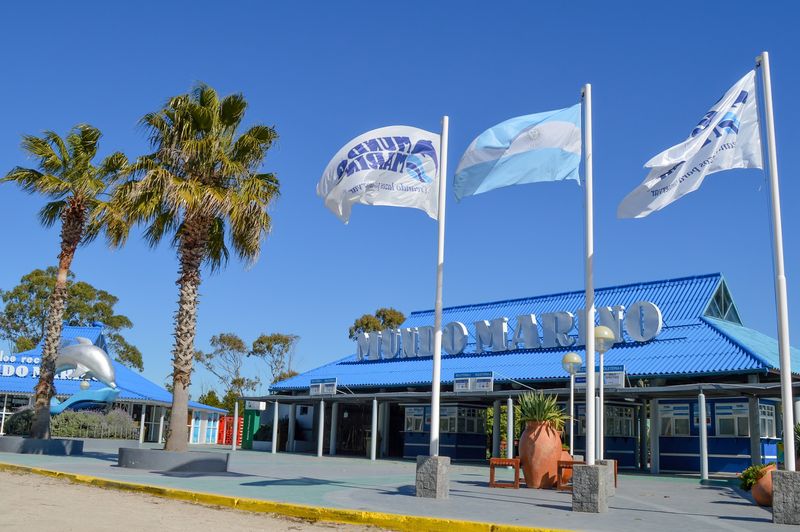
Fishermen are some of the best penguin helpers in Argentina. Local artisanal crews often report tangled birds fast, giving rescuers a head start.
Fundación Mundo Marino runs the rescue center on the Atlantic coast at San Clemente del Tuyú. Most patients are Magellanic penguins, with rockhopper and king penguins showing up too.
Many Magellanic penguins arrive with what experts call stranded penguin syndrome. That means hunger, dehydration, low blood count, and lots of parasites all at once.
Oiled birds get a careful wash. After that, they need time for their feathers to become waterproof again before swimming.
The results speak loudly. In April 2026, 15 penguins went back to sea after recovering from dehydration and cold.
Then in August 2026, six more were released. Four had been caught in fishing nets, and two had faced oil.
Mundo Marino is also the largest oceanarium in South America. A colony of captive-bred Magellanic penguins lives there in a recreated natural habitat.
10. Centro de Recuperação de Animais Marinhos (CRAM), Rio Grande, Brazil
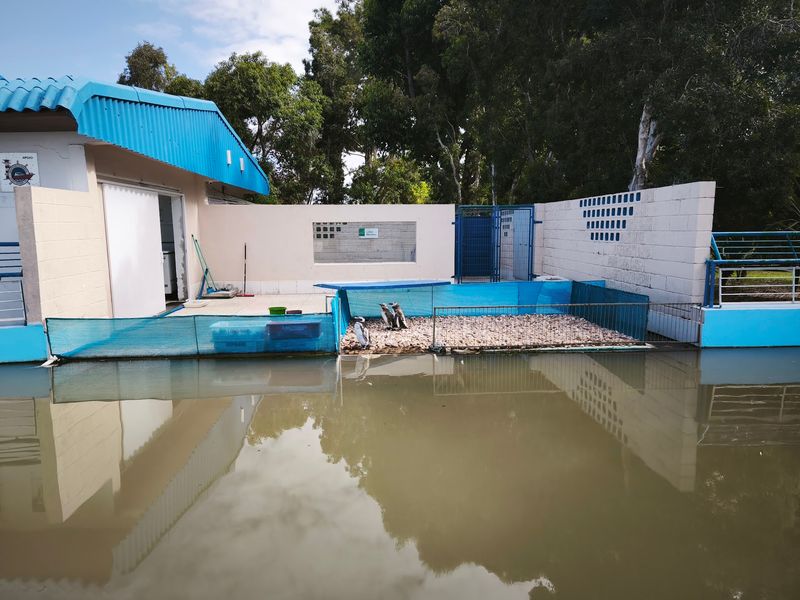
Sixteen Magellanic penguins swam free in July 2026 after 45 days of care. All of them had been found covered in oil.
That release came from CRAM, a marine recovery center linked to the Federal University of Rio Grande in southern Brazil. Its work goes back to 1974, which makes it a true veteran.
The facility has special rooms for removing oil, rehab pools, and plumbing systems built for marine patients. Oil on seabirds is an ongoing problem along this coast.
Treatment follows clear steps. First, staff stabilize the bird.
Next, they wash the feathers with products made to lift oil safely.
Magellanic penguins are the most common patients. Albatrosses, petrels, gulls, seals, sea lions, and sea turtles also get help.
Fishing nets and swallowed plastic cause many cases. In October 2025, six penguins and two fur seals returned to the ocean together.
As a university center, CRAM also runs research and school programs about how human habits affect sea life.
11. National Aquarium of New Zealand, Napier, New Zealand
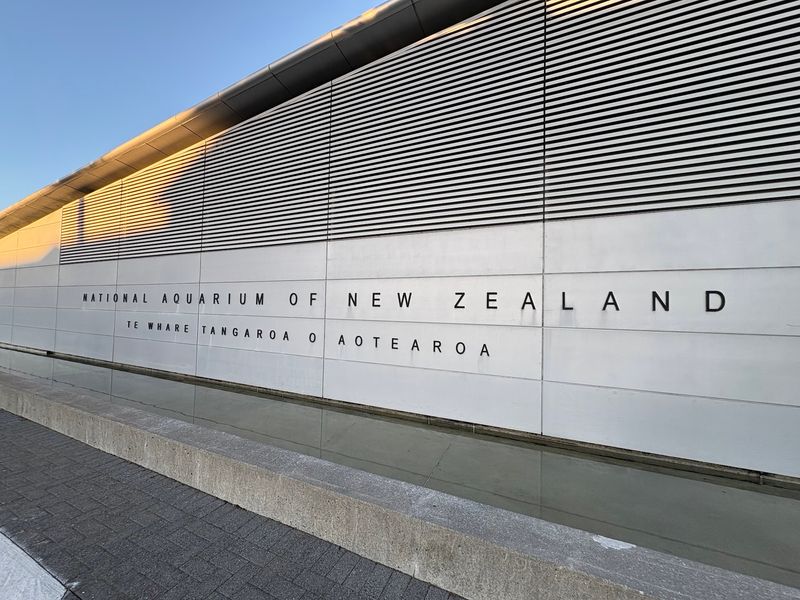
Naughty and Good Penguin of the Month awards made this aquarium a social media hit. Behind the jokes are real rescue stories.
The National Aquarium of New Zealand sits on Napier’s Marine Parade. It opened in 1957 and moved to its current spot in 1976.
Penguin Cove is home to rescued little penguins that cannot survive in the wild because of health problems. Each one has its own quirks, and keepers know them well.
Feeding sessions run daily at 9:30 AM, 1:30 PM, and 3:30 PM. Keepers share facts and personal stories about the birds during each one.
For an extra fee, Little Penguin Close Encounters let guests aged 6 and up go behind the scenes. You may even get to hand-feed a penguin.
The aquarium also helps injured wild penguins and partners with specialist wildlife hospitals. Before leaving, check out the kiwi and tuatara exhibits.
They round out a solid lesson in New Zealand wildlife.
12. Bonorong Wildlife Sanctuary, Brighton, Tasmania, Australia
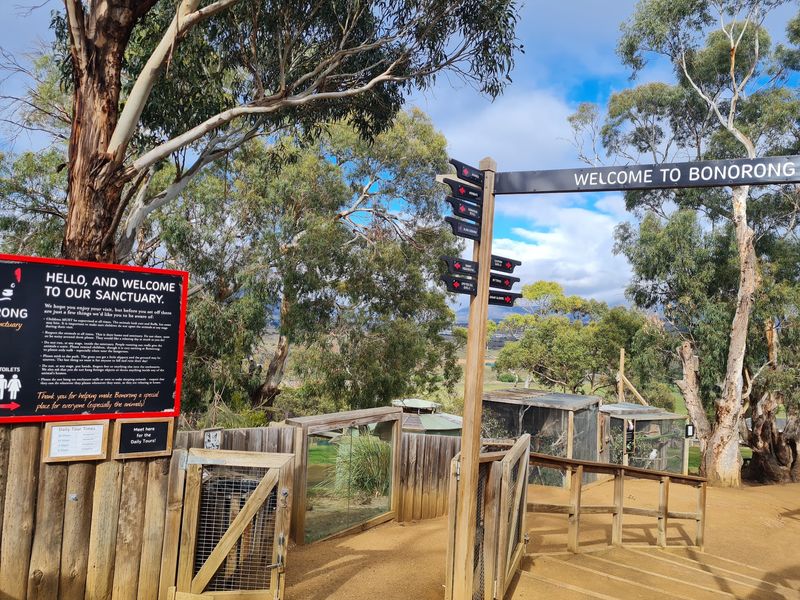
Over 20,000 calls for help reach Bonorong every year. That makes it Tasmania’s largest 24-hour wildlife rescue service.
The sanctuary sits in Brighton, just north of Hobart. In November 2025, it opened a new Wildlife Hospital and Rehabilitation Facility about seven times bigger than the old one.
Penguins get their own upgrade too. A seabird enclosure features a computer-controlled saltwater pool built for little penguins and other seabirds.
Birds use the extra space to swim and build strength before going home. The hospital also has digital X-rays, ultrasound, and endoscopy tools.
Curious visitors can watch real treatments from a public viewing platform. One-way glass keeps patients calm while you see vets at work.
The Sanctuary Day Tour shares stories of rescued residents. Private day and night tours offer a closer look.
Entry fees, tours, education programs, and donations pay for all this care. Your ticket helps thousands of animals each year, penguins included.
Share this story