Paris, Rome and Barcelona get most of the spotlight, but Europe hides many lovely places that stay quiet. Some have old castles, painted squares and winding rivers, and almost no crowds.
Others serve tasty local food and offer friendly streets made for slow walks. Ready to find your next trip idea?
Here are 15 places worth a spot on your map.
Kuldīga, Latvia
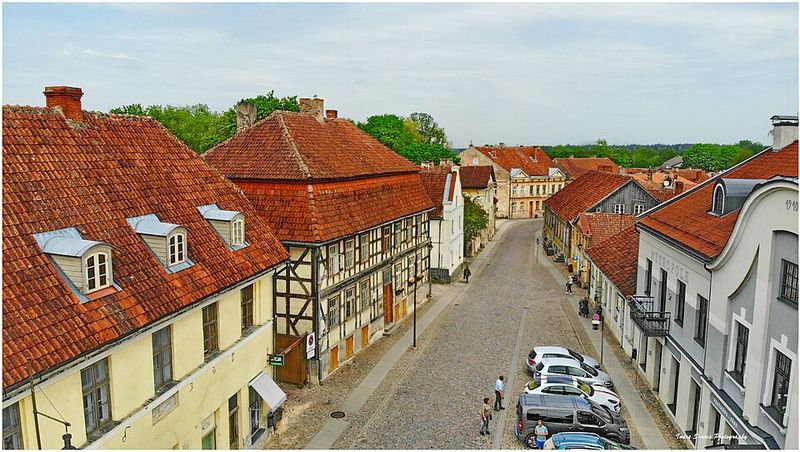
Picture a waterfall right in the middle of a town. In Kuldīga, the Venta River tumbles over Ventas Rumba, one of the widest waterfalls in Europe.
Locals say that in spring, fish try to leap right over it, and visitors gather to watch.
The old town earned UNESCO World Heritage status in 2023, and it is easy to see why. Wooden houses lean together along cobblestone lanes, and red-tiled roofs glow in the afternoon light.
Many buildings date back to the days of the Duchy of Courland.
Walk across the long 19th-century brick bridge for a classic view of the river and rooftops. It is one of the best photo spots in the country.
Bring a camera and good shoes, because the cobbles can be bumpy.
Small cafés tuck into old buildings, and a warm pastry with coffee tastes better here. The pace is calm, so nobody will rush you.
Most people come from Riga for a day, but staying overnight lets you see the town when the tour groups leave. Evenings are quiet, and the streets feel almost like a film set.
Ptuj, Slovenia
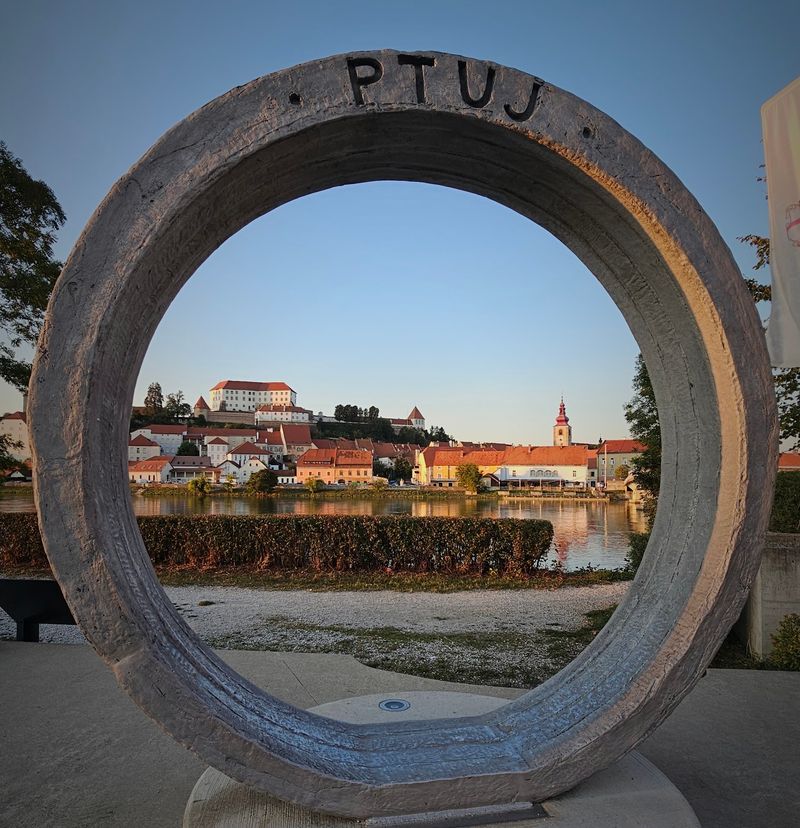
Once a year, Ptuj fills with people wearing huge furry costumes, bells and horned masks. That is Kurentovanje, a carnival where the Kurent figures chase away winter.
The tradition is recognized by UNESCO, and it is wonderfully loud.
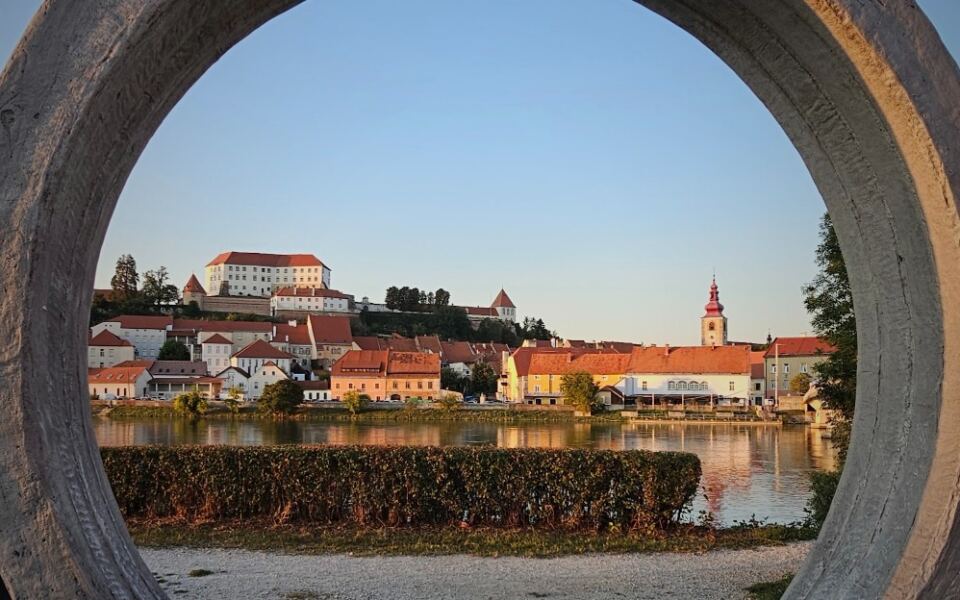
Even without the costumes, this is the oldest town in Slovenia, with roots going back to Roman times. Ptuj Castle sits on a hill above colorful houses and the Drava River.
Climb up for views over the red rooftops and the vineyards beyond.
Wine is a big deal here. Cellars under the old town store bottles that have aged for decades, and local winemakers love to explain their craft.
Ask for a tasting and try a crisp white from the surrounding hills.
The compact center is easy to explore on foot. Squares, medieval lanes and relaxed cafés make a good afternoon.
Thermal baths nearby offer a soothing break for tired legs. Give Ptuj at least two days, because it is the kind of place that sneaks up on you and makes you want to stay longer.
Ascoli Piceno, Italy
Here is a snack worth traveling for: olive all’ascolana, big green olives stuffed with meat, breaded and fried. Locals eat them by the paper cone.
Try them first, then go exploring.
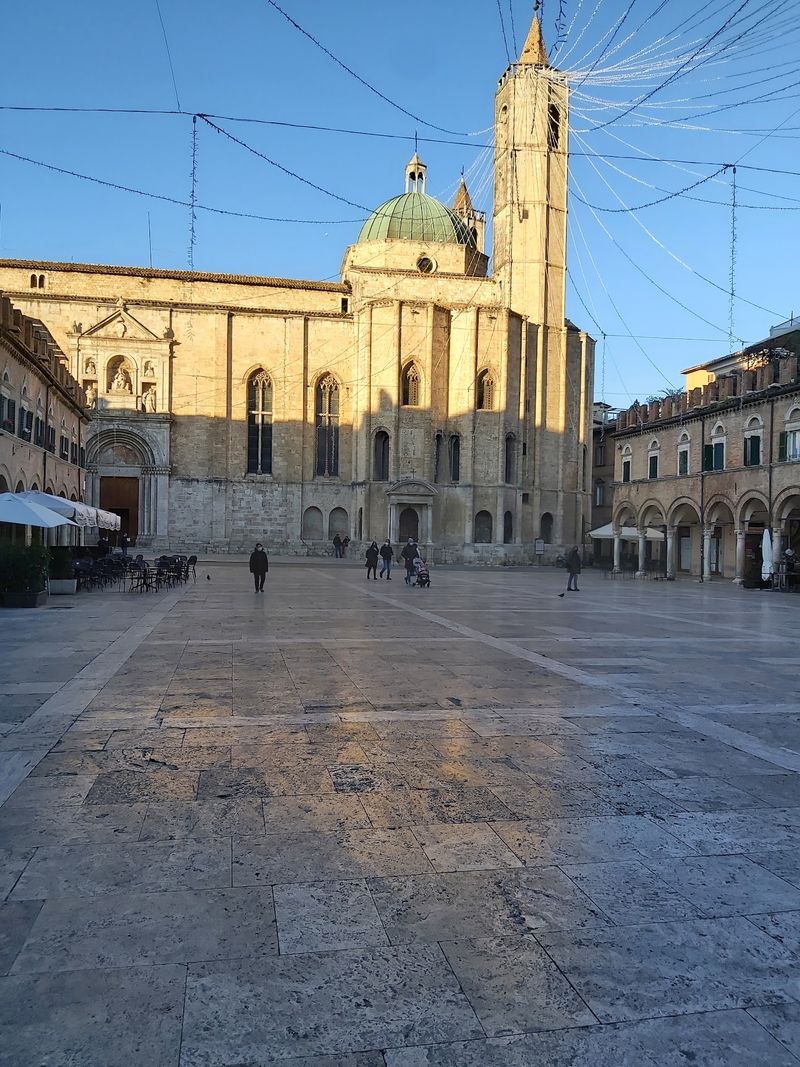
Ascoli Piceno in the Marche region is built from pale travertine stone, which gives the whole center a soft golden glow. Piazza del Popolo is the star, framed by Renaissance buildings, old cafés and the Church of San Francesco.
In the evening, people gather here for a chat and an aperitivo.
Medieval towers rise above narrow lanes, hinting at a rich past. Nearby, Piazza Arringo holds more historic buildings worth a peek.
The streets are easy to walk, and every corner offers a new photo.
Most visitors to Italy head straight for Tuscany, so Ascoli feels refreshingly calm. Prices are friendly, and the welcome is warm.
Use the city as a base to explore the hills and villages of the surrounding countryside. Come hungry, wear comfortable shoes, and leave room for dessert.
Zamora, Spain
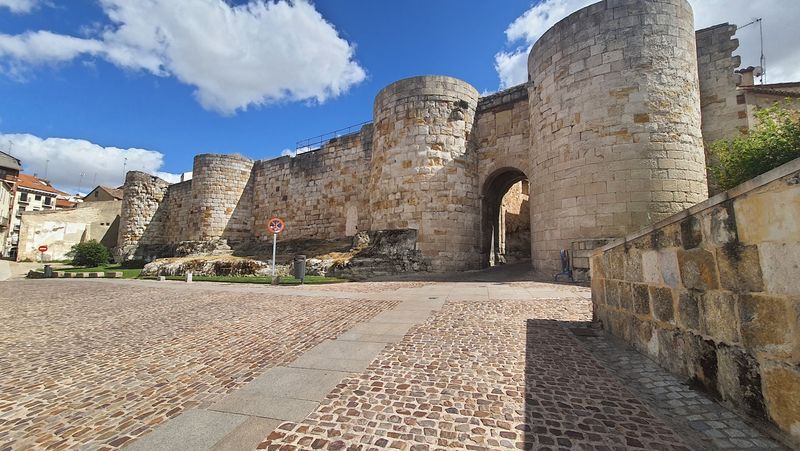
Zamora has more Romanesque churches than almost any other European city. You can spot them around every bend, built from honey-colored stone.
Some say it feels like a living museum, minus the ticket line.
The 12th-century cathedral wears an unusual dome covered in scaled tiles, and you will not forget it. Nearby, the castle and old walls look out over the Duero River and golden Castilian fields.
Climb up at sunset for the best light.
Wander the old quarter and notice carved doorways, quiet squares and ancient palaces. Look for small details like coats of arms above entrances.
Every street seems to hide a church or a tiny plaza.
Holy Week here is famous across Spain. Hooded processions move slowly through the streets, and the atmosphere is solemn and powerful.
Food is hearty, with local cheese, roasted lamb and regional wines. Trains connect Zamora with Madrid, so it is easy to add to a bigger trip.
Many travelers rush past it toward Salamanca, which is exactly why it feels so peaceful.
Tartu, Estonia
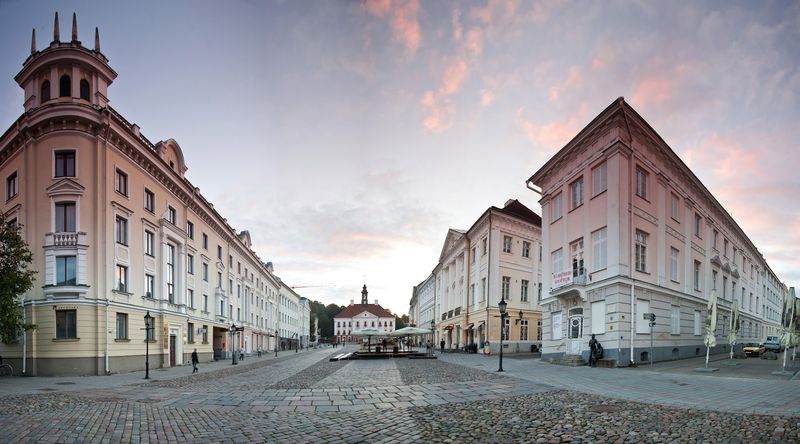
Two bronze students stand under an umbrella, locked in a kiss, in the middle of Tartu’s main square. The fountain is the city’s favorite meeting spot.
Meet a friend there and you will blend right in with the locals.
Tartu is home to the University of Tartu, founded in 1632, and the student energy shows. Pastel buildings surround Town Hall Square, and cafés spill onto the pavement when the weather is kind.
Named a European Capital of Culture for 2024, the city is packed with art and events.
Climb Toome Hill for quiet parkland and the ruins of a medieval cathedral. The paths are shady and perfect for an easy stroll.
Then head to Karlova and Supilinn, neighborhoods full of creaky wooden houses in bright colors.
The Estonian National Museum is a must for anyone curious about local life. Its long, modern building stretches out like a runway.
Tallinn gets most of the visitors, but Tartu offers a friendlier, more relaxed mood. Bring a good appetite and plan an unhurried afternoon.
Olomouc, Czechia
Smell first, ask questions later. Olomouc is home to Olomoucké tvarůžky, a cheese famous for its strong aroma.
Brave visitors order it fried with a cold beer and report that it tastes better than it smells.
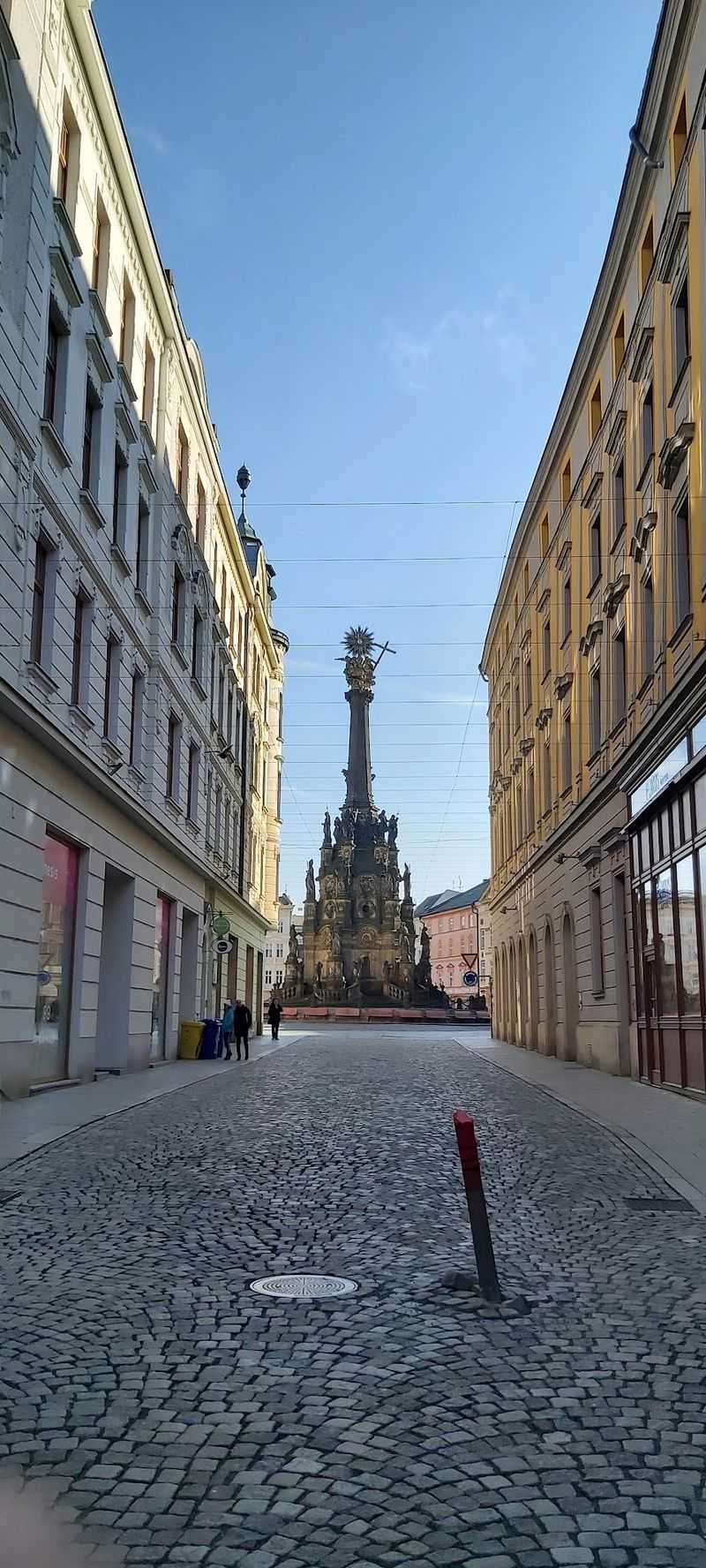
The Upper Square is the main attraction. The Holy Trinity Column rises more than 30 meters, covered in saints and carvings, and it has UNESCO recognition.
Close by, the town hall and its astronomical clock draw curious crowds at noon.
Fountains dot the city, many with figures from ancient myths. Count them as you walk and see how many you find.
Wenceslas Cathedral adds a Gothic touch, with a spire that can be seen from far away.
Olomouc is a university city, so cafés, bookshops and cheap eats are everywhere. The mood is relaxed and young.
Parks along the old city walls are great for a lazy picnic. Prague is only a few hours away by train, yet the crowds here feel worlds smaller.
Stay a night or two and enjoy the Baroque beauty at your own pace.
Albi, France
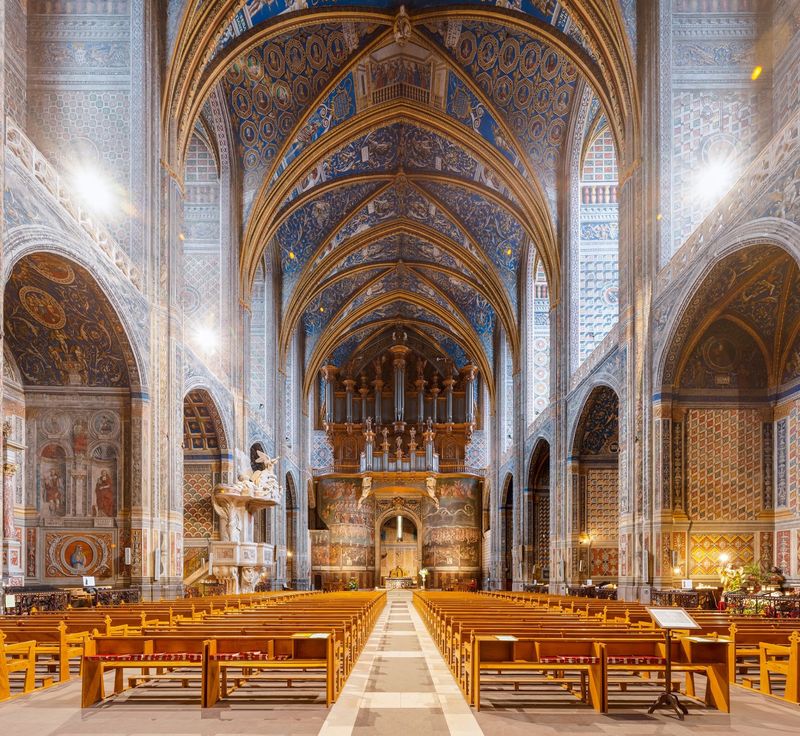
From the outside, Albi’s cathedral looks ready for battle. Sainte-Cécile is a huge brick fortress with thick walls and a tall tower.
Step inside, though, and you find a blaze of painted blue and gold decoration.
Red brick is everywhere in Albi, so the whole town glows pink and orange at sunset. The Tarn River curves past, and the old Pont Vieux bridge offers the best view of the cathedral.
Stand halfway across and let your camera do the work.
Next to the cathedral sits the Palais de la Berbie, which now holds the Toulouse-Lautrec Museum. The famous painter was born here, and the museum has one of the largest collections of his work.
Look for his bold posters of Paris nightlife.
UNESCO added Albi’s historic center to its list in 2010. Narrow lanes lead to small shops, bakeries and cozy restaurants serving southwestern dishes.
Toulouse is not far, but Albi has a slower rhythm. Visit in the morning, when the brick is warm and the streets are quiet, and stay for a long lunch.
Mechelen, Belgium
Sandwiched between Brussels and Antwerp, Mechelen gets skipped by many travelers on the train. That is their loss.
The town packs in grand squares, canals and a giant church tower.
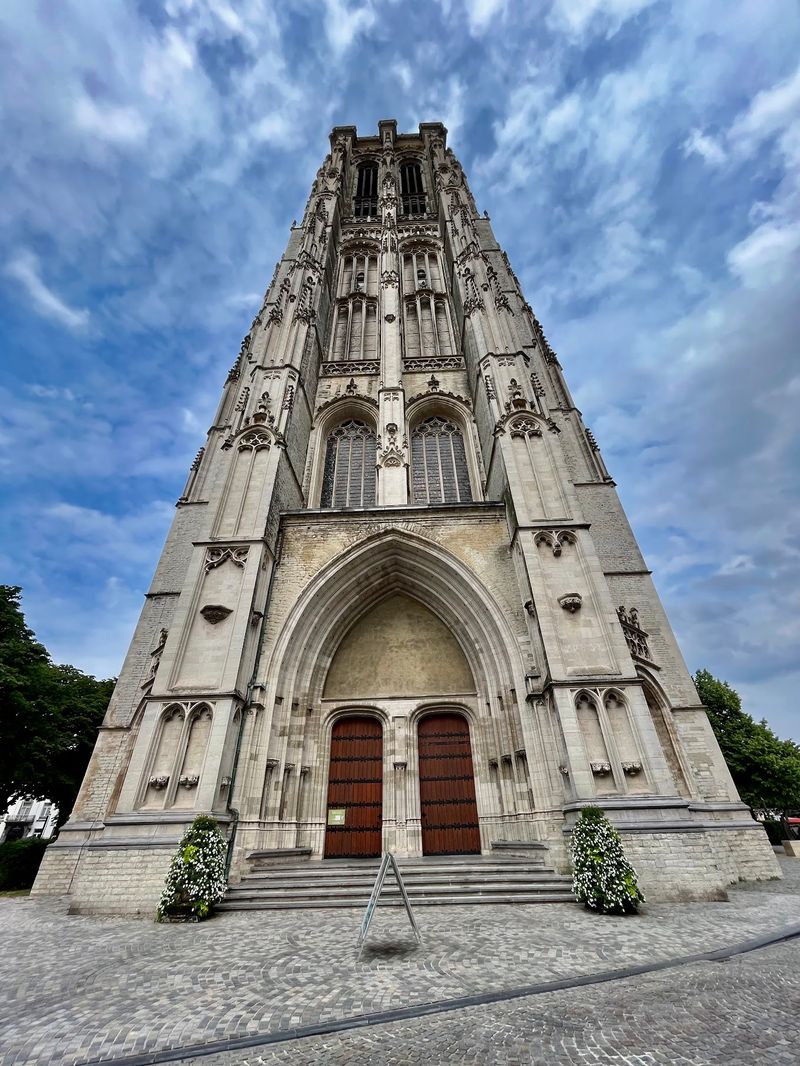
St. Rumbold’s Cathedral looms over the Grote Markt, and its tower has hundreds of steps. Climb them for a view across rooftops all the way to the Belgian flatlands.
On a clear day, you might even see Brussels in the distance.
The Large Beguinage, a UNESCO site, is a village within a town. Quiet lanes and tidy brick houses give it a calm, hushed feel.
The Palace of Margaret of Austria reminds visitors that Mechelen once played a leading role in Europe.
Take a boat trip along the Dyle River for a different view of the old streets. Beer fans can visit Het Anker, a local brewery with a long history.
Everything sits close together, so walking is the easiest way to get around. Bring a coat, since Belgian weather likes surprises.
Gjirokastër, Albania
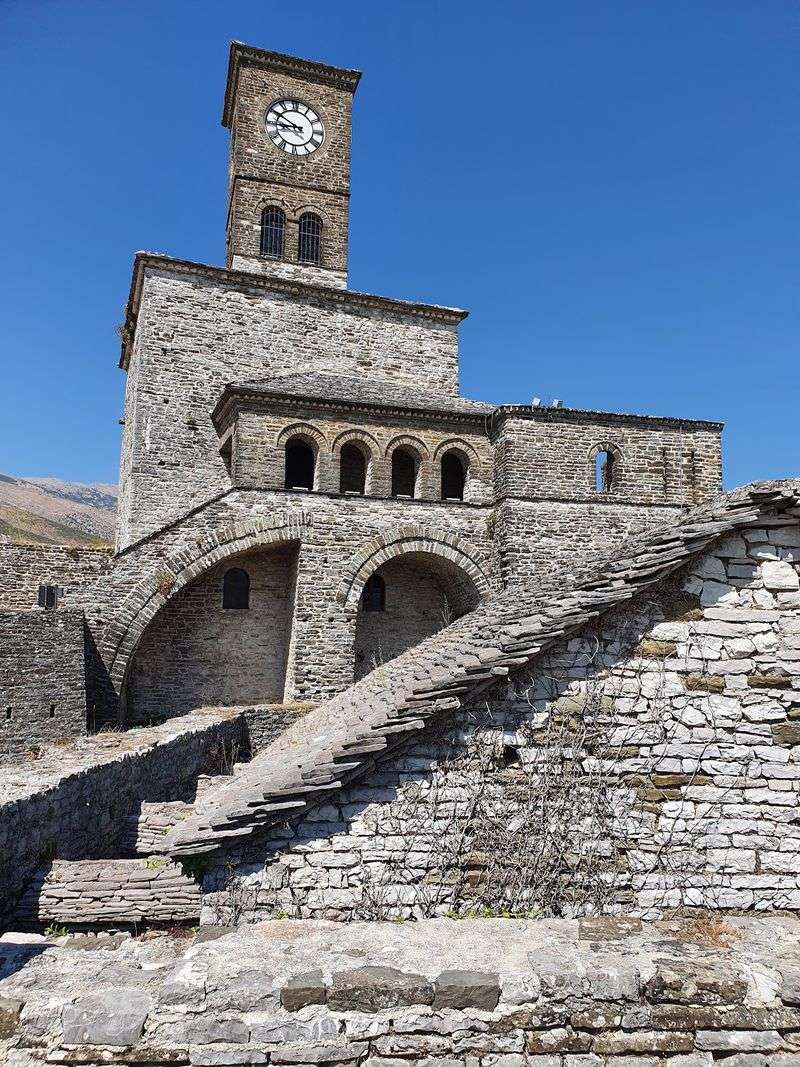
Houses here look like small castles, and many of them have stone roofs that shine after the rain. Gjirokastër is nicknamed the City of Stone, and one glance explains why.
Slate tiles, thick walls and cobbled lanes cover the steep hillside.
The fortress sits at the top and rules the skyline. Inside, you can explore tunnels, towers and a collection of old military exhibits.
The view over the Drino Valley and surrounding mountains is jaw-dropping.
Wander down into the old bazaar, where shops sell crafts, wool socks and local sweets. Prepare for steep streets, as your legs will get a workout.
Comfortable shoes are a must.
Skenduli House gives a peek at how wealthy Ottoman families lived. Rooms have carved wooden ceilings, cozy cushions and tiny windows.
UNESCO recognizes the town, together with Berat, for its well-kept architecture. Many visitors to Albania go straight to the beaches, but a stop here adds history and mountain drama.
Stay overnight in a restored stone guesthouse and enjoy a quiet evening on the terrace.
Šibenik, Croatia
Not a single brick or wooden beam holds up Šibenik’s cathedral. It is built entirely of stone, carved and fitted together like a puzzle.
The Cathedral of St. James took more than a century to finish, and UNESCO calls it a masterpiece.
Look closely at the outer walls and you will see a row of stone faces. Over seventy of them peek out from the apse, each one different.
Locals say they are portraits of regular townspeople from long ago.
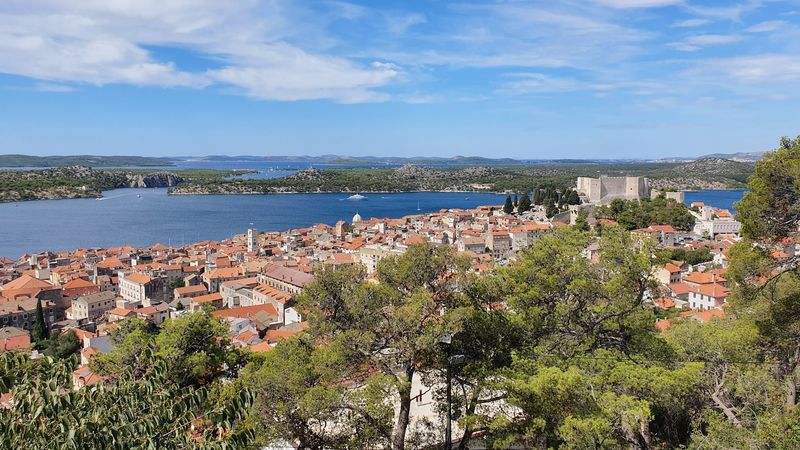
Climb through the narrow lanes to St. Michael’s Fortress for a sweeping view of the Adriatic and the islands. St. Nicholas’ Fortress guards the sea channel and is also part of a UNESCO listing.
Both are great for photos at sunset.
Day trips to Krka National Park are easy from here. Waterfalls, wooden walkways and swimming spots wait there.
Back in town, grab a seafood dinner by the water. Split and Dubrovnik fill up fast in summer, but Šibenik keeps a calmer, more local mood that many visitors love.
Viseu, Portugal
Ask a Portuguese friend about the Dão region and watch them smile. Its red wines are smooth, rich and loved by locals.
Viseu sits right in the heart of it, so tasting rooms are never far away.
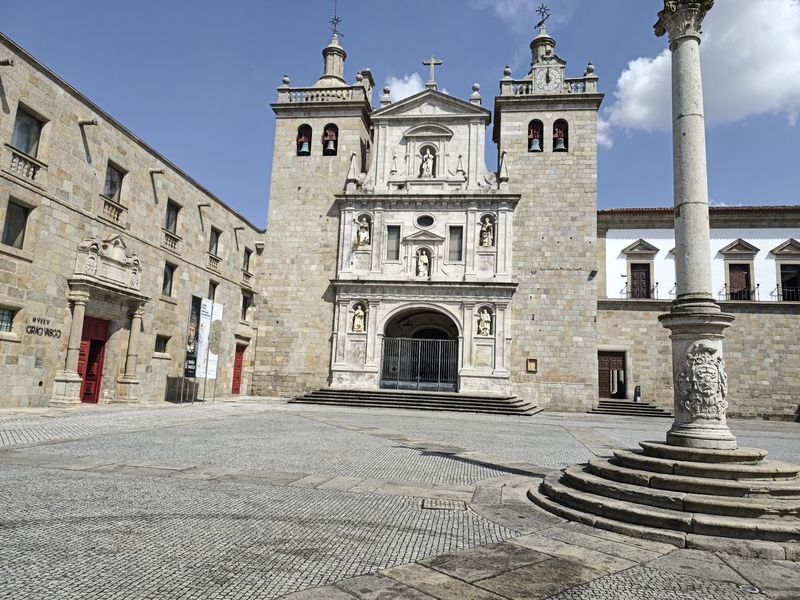
The old center is built from sturdy gray granite. A hilltop square holds the cathedral, and the buildings around it feel calm and dignified.
Stroll the lanes and you will find small shops, bakeries and shaded benches.
The Grão Vasco National Museum honors Vasco Fernandes, a famous Renaissance painter. His colorful religious scenes show how Portuguese art grew in the 1500s.
Close by, the Church of Misericórdia adds elegant white and stone details.
Parks and green spaces make Viseu relaxing, and the pace is slow. Order a plate of roasted veal or local cheese with a glass of Dão red.
Most visitors to Portugal stick to Lisbon, Porto and the Algarve coast. Viseu rewards those who head inland, with fewer crowds and plenty of charm.
Sandomierz, Poland
Under the market square, a secret town waits. Sandomierz has an underground route about 470 meters long, winding through old merchant cellars.
Some parts sit 12 meters below the surface, so bring a light jacket.
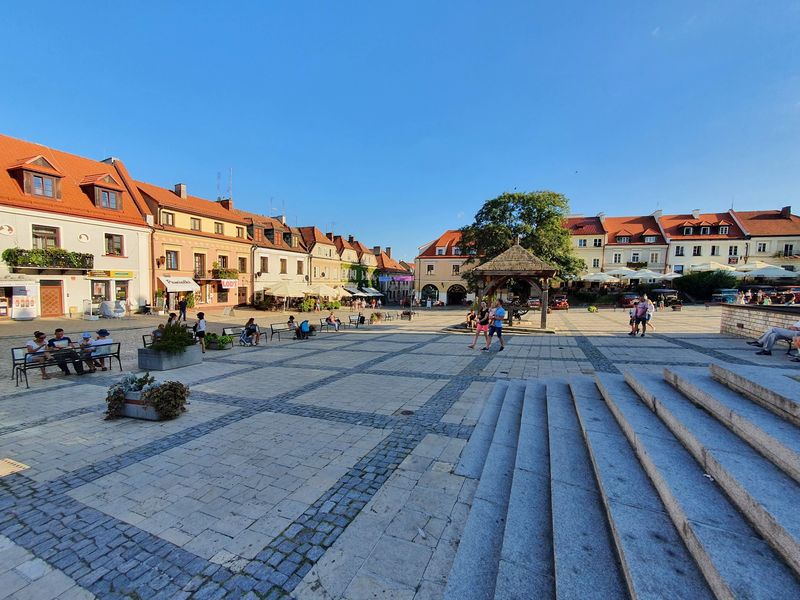
Above ground, the square is bright and cheerful. A Renaissance town hall stands in the middle, surrounded by colorful merchant houses.
Nearby you will find the Gothic cathedral, Sandomierz Castle and the old Opatów Gate.
The town sits high above the Vistula River, and the views are lovely. Orchards and rolling hills spread out in every direction.
In spring, blossoms make the whole area look like a painting.
The land around town is carved with narrow ravines called loess gorges. Walking through them feels like stepping into a green tunnel.
Local apples and cider are popular treats, so grab a bag to snack on.
Warsaw and Krakow get most of the attention in Poland. Sandomierz is smaller and easier to explore on foot.
A day here is relaxed, and an overnight stay makes it even better.
Görlitz, Germany
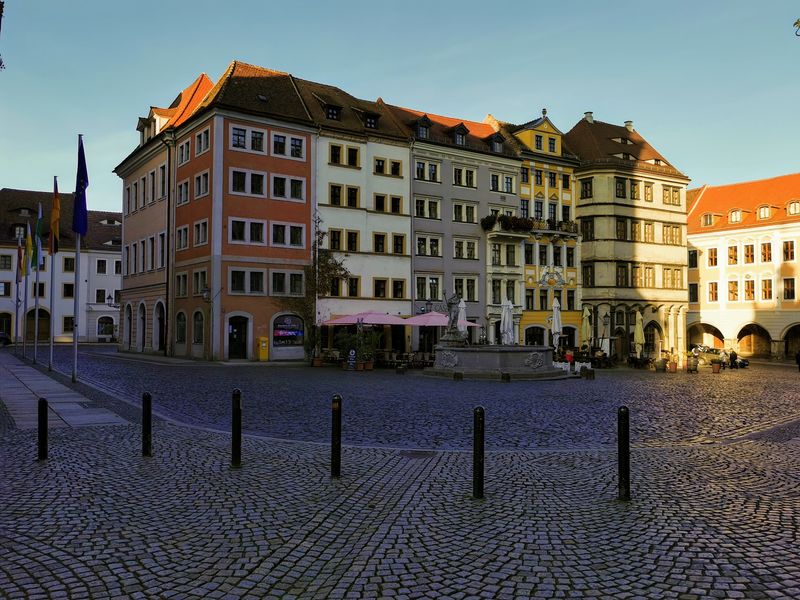
Hollywood loves Görlitz so much that locals nicknamed it Görliwood. Directors keep coming back to film in its untouched streets.
If a scene looks like old Europe, it might have been shot here.
The city escaped much of the bombing of World War II, so its buildings survived. Gothic, Renaissance, Baroque and Art Nouveau styles mix on a single block.
Walking the Untermarkt feels like flipping through an architecture book.
Merchant houses hide pretty courtyards and carved doorways. Peek inside when doors are open and you might find a staircase or a cozy café.
The Church of St. Peter and St. Paul towers above town with its twin spires.
Görlitz sits on the Lusatian Neisse River, right on the Polish border. A pedestrian bridge leads straight into Zgorzelec, so you can visit two countries before lunch.
Bring your passport or ID, just in case.
The mood is calm, and tour buses are rare. Come with a camera, comfortable shoes and plenty of curiosity.
Győr, Hungary
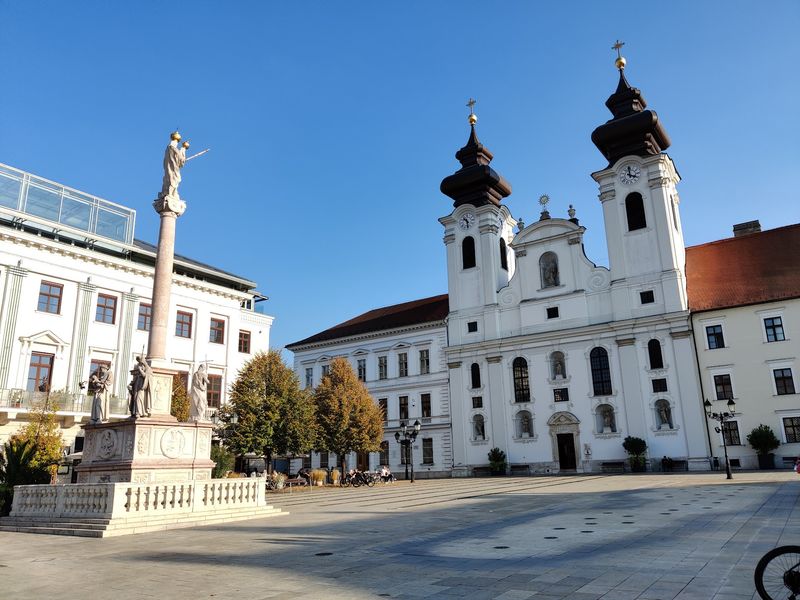
Most travelers watch Győr zip past their train window on the way between Budapest and Vienna. Hop off instead, and you get a lovely Baroque town almost to yourself.
The station is a short walk from the old center.
Széchenyi Square is the place to begin. Pastel buildings, a tall column and a grand church give it a storybook look.
Cafés line the edges, and a slice of cake with coffee is the perfect way to start.
Káptalandomb hill holds the cathedral and the Bishop’s Castle. It is the oldest part of town, with quiet lanes and a peaceful feel.
Look for little details such as carved stone doorways and old lanterns.
Several rivers meet in Győr, and the promenades are great for easy walks. Benches and playgrounds make them popular with families.
Trains run often, so there is no need to rent a car. A day trip works, but an overnight stay lets you see the town glow in the evening.
Prizren, Kosovo
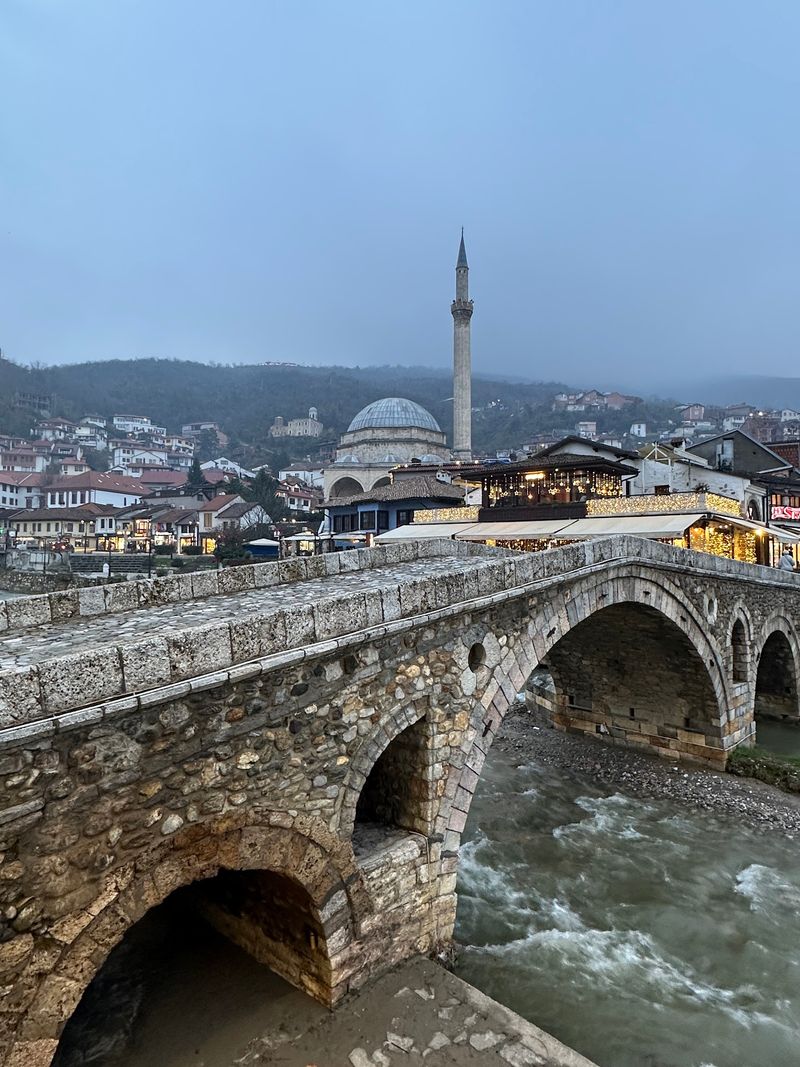
Bells and calls to prayer share the same skyline in Prizren. Mosques, churches and old stone bridges sit side by side.
That mix tells the story of a town where many cultures have lived together for centuries.
The Lumbardhi River runs through the old center, with cafés right beside the water. Order a strong coffee and watch the town go by.
Close to the river stands the graceful Sinan Pasha Mosque, one of the most photographed sights.
Climb up to Prizren Fortress for a panoramic view of red roofs and mountains. Some sections may be closed for conservation work, so check before you go.
The Sharr Mountains rise in the background and make a dramatic backdrop.
Shadërvan Square is the social heart of town. Locals meet here in the evening, and the mood is friendly and lively.
The League of Prizren complex tells an important chapter of Albanian history. Prices are low and portions are generous, so come hungry.
Prizren is one of the most distinctive towns in the Balkans.
Share this story