A horned, chain-rattling Alpine Christmas monster marching through a North Carolina town is about as far from a cozy Santa scene as holiday fun gets. Asheville’s Krampus listings bring that old European legend into a mountain town, and the story behind it is surprisingly rich.
Here is what was advertised, what it all means, and how to sort the details before you make plans.
What Asheville’s 2025 listing planned for Haywood Road
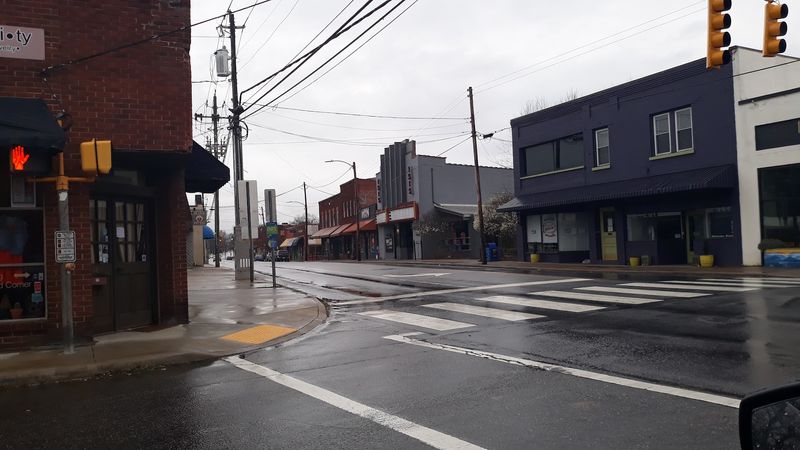
Picture a winter evening on a busy Asheville street, and then add a shaggy, horned figure strolling past the shop windows. That was the plan sketched out in ArtsAVL’s event listing, which advertised an annual Krampus parade for December 6, 2025.
According to the listing, participants were to gather at House of Black Cat Magic, walk down Haywood Road, and finish at The Well, where a holiday market was planned.
Keep in mind that a listing is an announcement. It shows what organizers advertised, but it does not confirm that the parade took place, and it does not promise that the parade will return.
Krampus accompanies St. Nicholas in many traditions
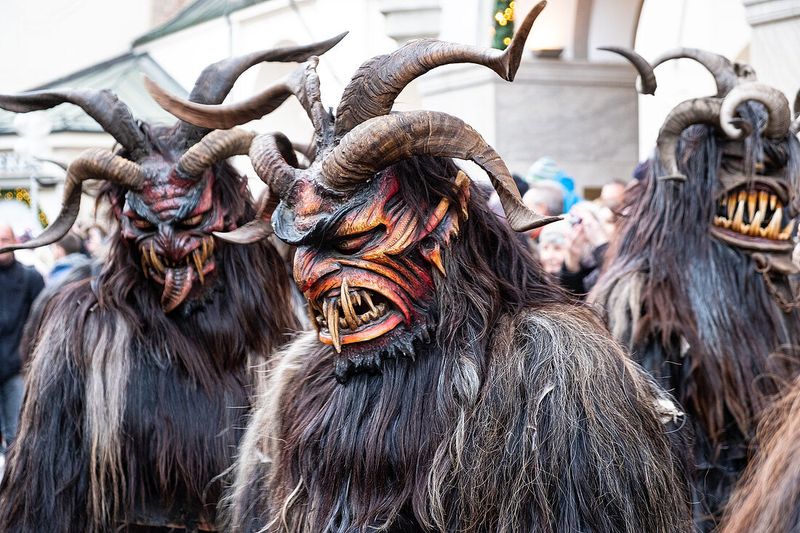
Long before anyone paraded down an Asheville street, Krampus was a figure of Alpine and nearby Central European winter folklore. As the Library of Congress explains, in many local customs he accompanies St. Nicholas around December 5 or 6.
The roles are split. St. Nicholas rewards children, while Krampus threatens or punishes the ones who misbehave, a point also reflected in material from the Austrian National Tourist Office.
You will often hear Krampus called Santa’s evil twin or helper. That is catchy shorthand, but it is not a precise description that fits every tradition.
Alpine customs vary from place to place
Ask ten Alpine villages how they do the season, and you may get ten different answers. The Austrian Foreign Ministry describes St. Nicholas Eve processions on December 5, with masked figures accompanying the saint, and it notes that customs and formats differ by locality.
That variety means no single date, costume, or ritual speaks for every community. Krampus processions are also a separate matter from Perchten customs, so the two should not be lumped together.
As for ancient roots, Austria’s tourism authority says the origins remain unclear and that pre-Christian links are disputed. One anthropological paper found no historical source tying the masked parades to worship of the deity Perchta.
Asheville’s event reflects a modern American interest
Krampus has found fresh fans far from the Alps. The Library of Congress describes American Krampus events as a 21st-century phenomenon, part of a growing curiosity about unusual holiday traditions.
Seen in that light, the Asheville listing looks like a modern local event inspired by European folklore. It is not an unchanged Alpine custom that has been practiced there for centuries.
That is part of the charm. Local organizers borrow a legend, mix in their own style, and create something new for their own community.
The 2026 listing confirms a market, not a parade
Dates can blur, so here they are side by side. ArtsAVL listed a parade plan for December 6, 2025.
Explore Asheville lists a Dark Market Krampuslauf Market for December 11, 2026, described as the market’s first Asheville Krampuslauf Market.
The 2026 listing gives a market date, time, and venue. It does not confirm a street parade or a parade route, and neither listing proves the parade will recur.
One more detail matters for families. The 2025 listing called only its separate Krampus-and-Santa photo opportunity family-friendly.
It did not apply that label to the parade as a whole or offer a broader age advisory, so check with the organizer before planning.
Check the current listing before you go
A mountain town with a horned visitor from the Alps makes for a fresh holiday twist. Before planning anything, look at the current Explore Asheville listing and see which event is posted and what its organizer confirms.
Folklore keeps its surprises, but schedules should never be one of them.
Share this story