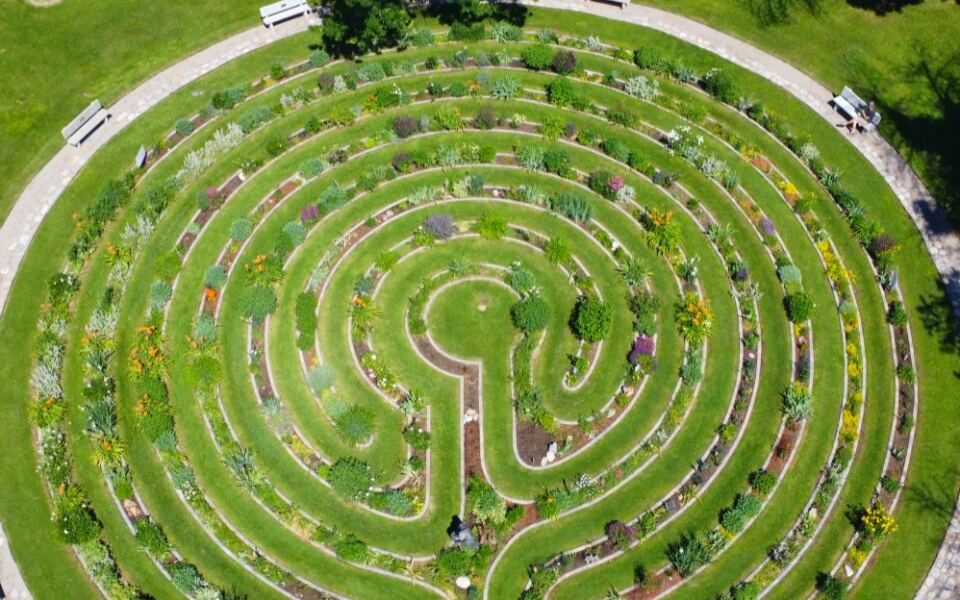
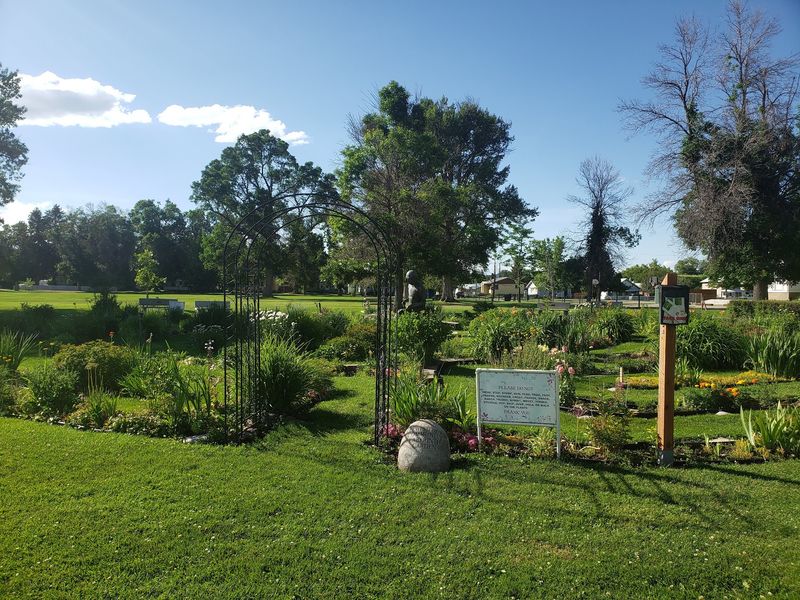
A Lewistown walking path is outlined not with stone or hedges but with flowering plants, and volunteers tend every bed by hand. The whole thing sits behind a fence, which keeps hungry wildlife from snacking on the blooms.
That detail alone tells you how much care goes into it.
The garden shifts through the growing season. As one flower fades, another opens, so a walk in June looks different from a walk in September.
I like the idea of a place built for slowing down. In central Montana, where people often drive long distances between towns, a quiet path with benches feels like a welcome reset.
Many visitors might miss a more personal layer. Small memory rocks placed in the garden honor loved ones, and they add meaning to every turn of the path.
A Flower Path Off Rainbow Lane
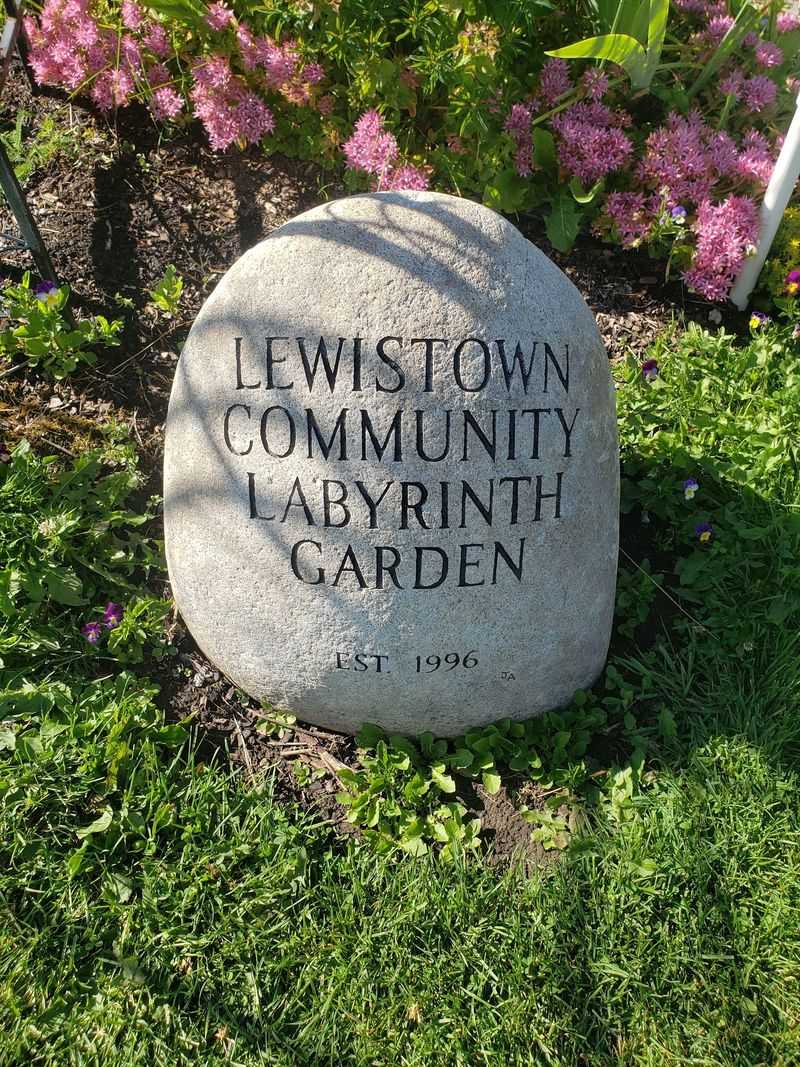
Rainbow Lane is a fitting street name for a garden that glows with color from spring to fall. The Lewistown Community Labyrinth Garden sits at 101 Rainbow Ln, Lewistown, MT 59457, in the United States.
You’ll find it off to one side of Frank Day Park, one of the city parks in Lewistown, Montana. It’s easy to reach, yet it feels separate from the ball games and playground noise nearby.
So what exactly is it? The garden is a walking labyrinth shaped by planted beds instead of walls.
Flowers and greenery line the route, guiding your steps as you move slowly toward the center.
I find that idea refreshing. Many parks give you a trail and a bench, but this one gives you a path designed for calm thinking.
The space is run as a community project. It depends on local volunteers rather than a big paid crew, and that shapes its whole personality.
Before talking about who keeps it blooming, it helps to clear up a common mix-up. A labyrinth and a maze sound alike, yet they work in very different ways, and the difference explains why people come here to unwind.
Why You Can’t Get Lost Here
Mazes are puzzles. Labyrinths are not, and that small fact changes everything about how a walk feels.
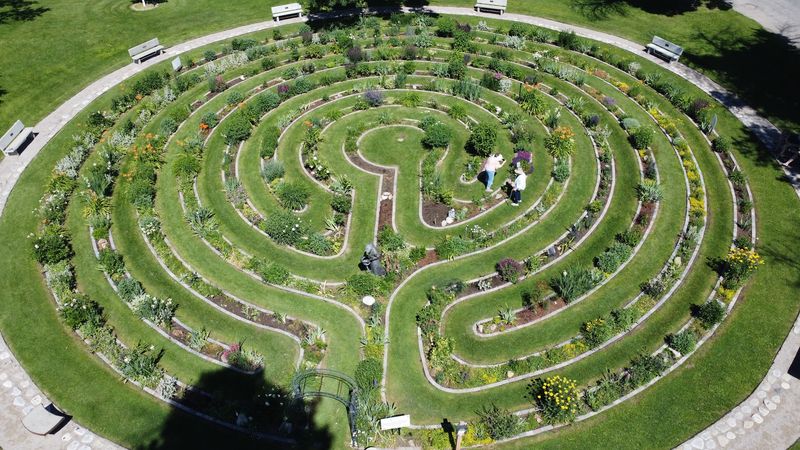
A maze tries to trick you with dead ends and wrong turns. A traditional labyrinth usually follows one continuous path that winds back and forth before reaching the center.
That means there’s no need to plan or worry. You simply follow the route, and it carries you inward and then back out again.
One visitor years ago called it a maze and garden, which is an honest first impression. The curving rows can look tricky from the edge, but the design is meant to relax you, not test you.
People have used labyrinths for a long time as tools for quiet reflection, prayer, or simply clearing the mind. Walking at an easy pace lets your thoughts settle while your feet do the work.
I’d suggest going slower than feels normal. Notice the plants beside you, take a few deep breaths, and let the turns set the rhythm.
Of course, a path made of living plants doesn’t stay neat on its own. Somebody has to weed, water, and replant those curves every year.
Volunteers Keep Every Bed Growing
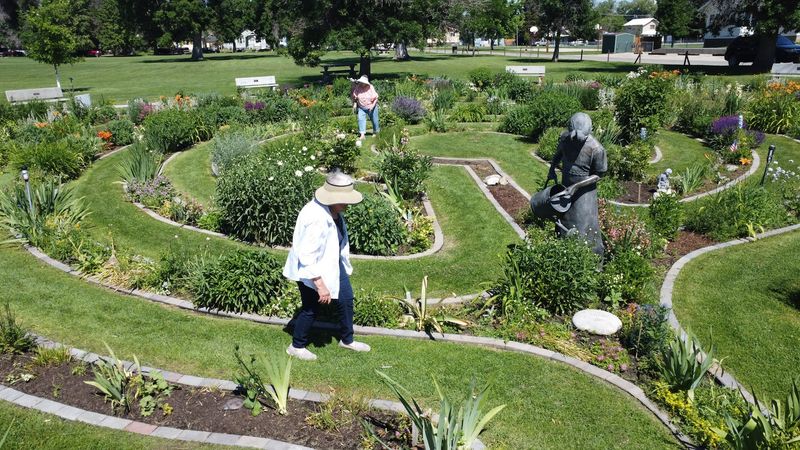
Behind every bloom in this garden is a pair of gloved hands. Local gardeners maintain the labyrinth, and the garden’s own replies to visitors make it clear that it takes many volunteers to keep things going.
That’s a lot of work for a public space. Planting, weeding, and watering a full labyrinth of flowers is a steady job across the whole growing season.
Visitors seem to notice the effort. Comments often thank the volunteers by name or credit the ladies who tend the beds, and several people mention how much work clearly went into it.
I like that this garden has a human story at its center. It isn’t a showpiece built once and forgotten, but something a community chooses to care for again each spring.
Gardens like this also invite people to join in. One visitor wrote that she was glad to be part of the garden, which hints at how personal it becomes for those who help.
If you visit, a simple thank-you to anyone working there goes a long way. And while you’re looking around, you’ll spot one practical feature that protects all that hard work.
A Fence With a Very Good Reason
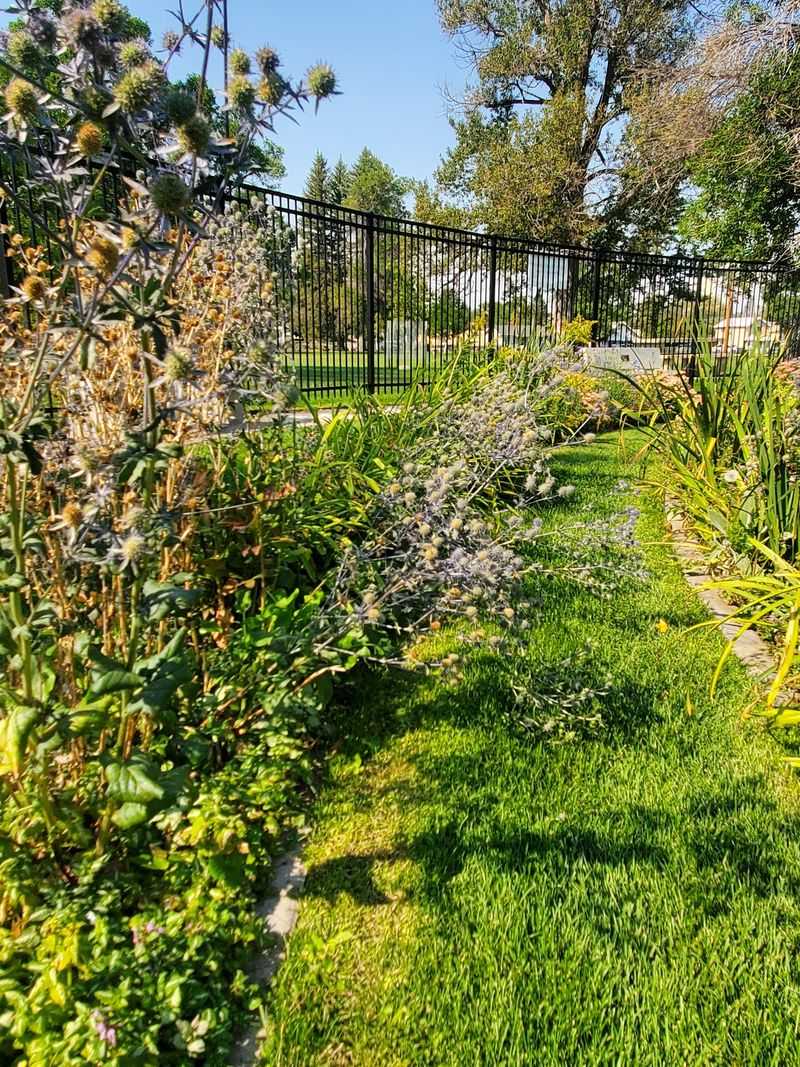
Deer love flowers almost as much as gardeners do. In Montana, that can spell trouble for anyone trying to grow a colorful public garden.
The Lewistown labyrinth is enclosed, and that choice protects the plants from wildlife. One recent visitor called it a great idea, and it’s hard to argue with that logic.
Without a barrier, months of volunteer planting could vanish overnight. A fence keeps the beds safe so the labyrinth path stays clear and full.
The enclosure also gives the garden a slightly tucked-in feel compared to the open park around it. Once inside, the space reads as its own quiet room, set apart from the fields and play areas.
Please remember to close any gate behind you. It’s a small courtesy, but it helps keep hungry visitors with hooves on the outside.
I appreciate details like this because they show the garden was planned with real local conditions in mind. Nobody wants to spend spring planting only to feed the neighborhood deer.
With the plants protected, they’re free to do what they do best. And here, that means changing color week after week through the warm months.
Blooms That Take Turns All Season
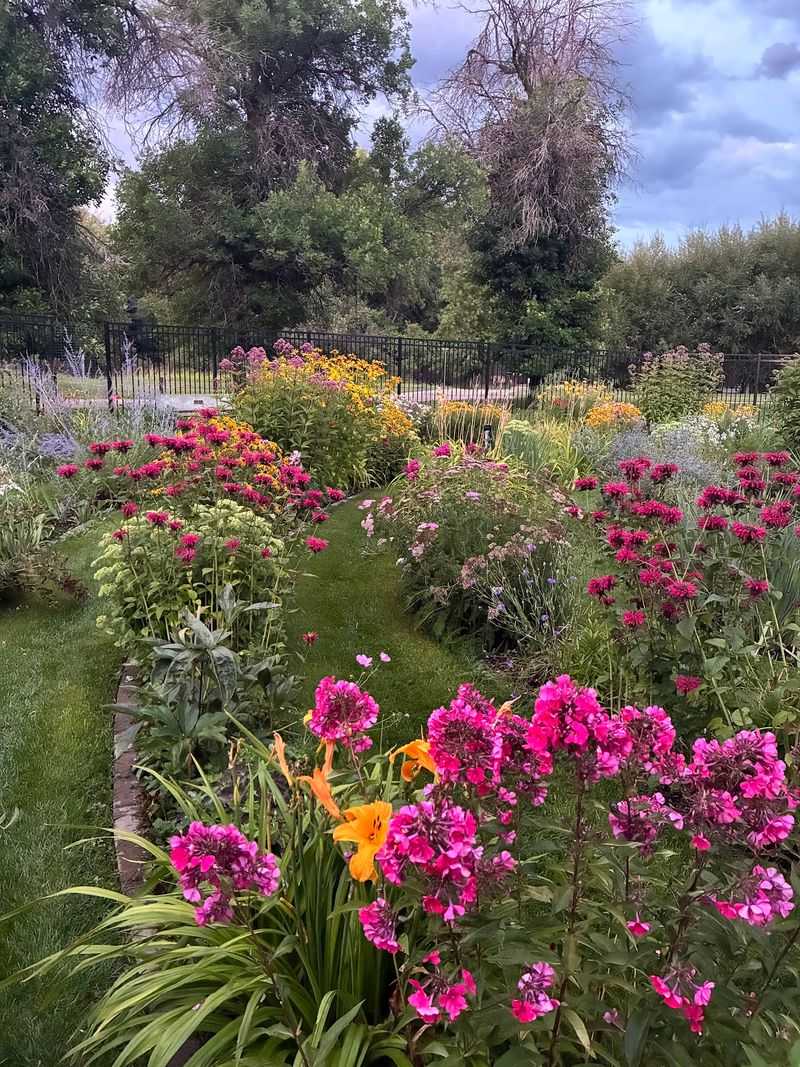
Come back in two weeks and the garden may look like a different place. Visitors describe a wide variety of flowers that bloom from spring to fall.
As one plant fades, another takes over. That steady handoff means the colors and shapes along the path keep shifting through the season.
For repeat walkers, this is a real treat. A route you walked in early summer can feel new again by late August simply because different flowers are now in charge.
Even the end of the season has something to offer. One visitor brought her mother near the close of the growing months and still found plenty of plants worth looking at.
I’d make a point of visiting at least twice in a year if you live nearby. Comparing the garden in spring and in fall is a fun way to see how much work and planning goes into it.
Bring a phone or a small notebook if you like tracking plants. Jotting down what’s blooming can turn a calm walk into a little nature journal.
Flowers aren’t the only things that catch the eye, though. Some of the most meaningful items here are much smaller and much quieter.
Small Stones Carrying Big Memories
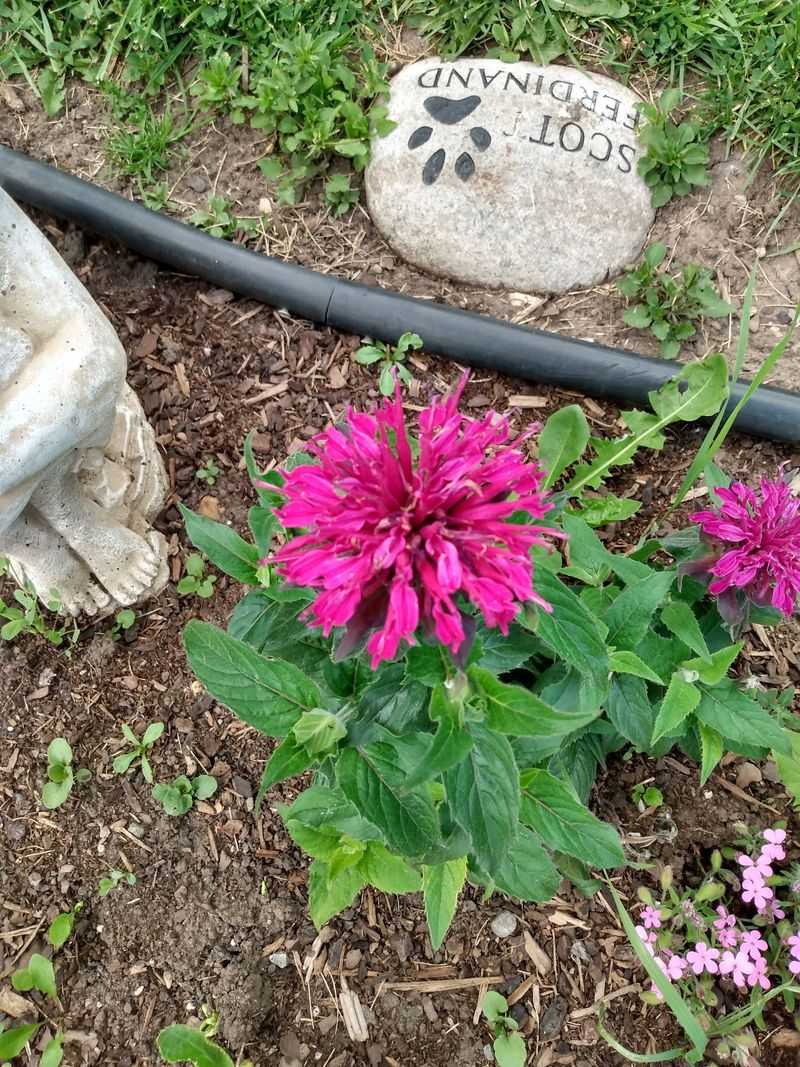
Some of the most moving things in this garden fit in the palm of your hand. Families have placed memory rocks here for their loved ones.
These stones turn a flower garden into a place of remembrance. They give people a spot to return to, think about someone special, and feel connected.
One visitor shared that they love the garden because of the memory rocks for their family. That simple comment says a lot about how personal this space has become.
When you spot these rocks, treat them gently. Look, read any names or words, but leave them exactly where they are.
I find that this layer gives the labyrinth deeper meaning. A path built for reflection feels even more fitting when it holds reminders of people who mattered.
Walking past them can be a good moment to pause. You don’t need to know the stories to feel the care behind each stone.
For many, this is what makes the garden spiritual. One longtime visitor said they go every year because it’s a spiritual place for them.
And after a thoughtful walk like that, you’ll probably want somewhere to sit down.
Benches Made for Slowing Down
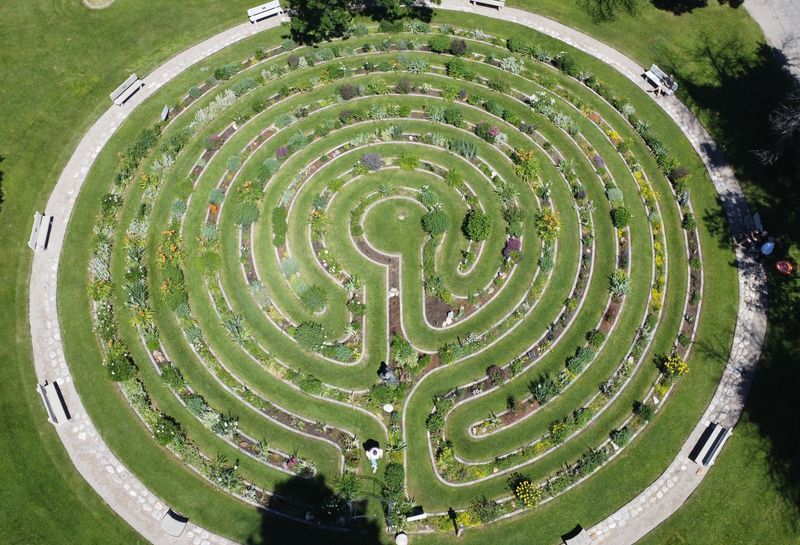
Not everyone wants to walk the whole path, and that’s perfectly fine. The garden includes benches where you can sit and take in the plants.
A bench changes how you experience a garden. Instead of moving through it, you let it move around you as bees, breezes, and shifting light do their thing.
I’d suggest walking the labyrinth first, then resting afterward. Sitting quietly once you’ve finished can help the calm feeling stick around a little longer.
Benches also make the space friendlier for older visitors. One guest brought her mother here, and having places to sit made the outing easy for both of them.
Earlier visitors have described it as a very peaceful spot to walk and pray. Others call it a good place for a meditative stroll or just to sit and relax.
If you like reading outdoors, a short book fits nicely here. So does a journal, a sketchpad, or simply nothing at all.
Of course, the labyrinth is only one corner of a bigger park. Step beyond the fence and the mood turns livelier, with plenty for families to do.
Frank Day Park Next Door

Ball fields, picnic shelters, and a hockey rink share the neighborhood with this quiet garden. The labyrinth sits to one side of Frank Day Park in Lewistown.
That setting makes the garden easy to pair with other plans. Visitors have mentioned stopping by after a little league game or a trip to the hockey rink.
Others have played soccer on the open grass. The mix of active fields and a calm garden means families can split up for a bit and still stay close.
Covered shelters and clean picnic tables add to the appeal. One road-tripping family called it a great stop for a picnic, which sounds like a smart way to break up a long Montana drive.
I like how the park gives the garden some balance. You can play hard, then walk the labyrinth to cool down your mind afterward.
Pack a simple lunch if the weather looks good. Shade under a shelter is handy on warm summer days.
With playgrounds and grass this close, the garden naturally becomes a family stop. That raises a fair question about bringing younger kids inside the labyrinth itself.
Bringing the Kids Along

Kids and quiet gardens can be a tricky pair. Here, though, the setup works in parents’ favor.
Visitors describe the area as kid-friendly, with adults relaxing nearby while children play in the park. That makes it easier for grown-ups to grab a few calm minutes.
The labyrinth itself can be a fun challenge for curious children. Following one winding path to the center feels a bit like a game, even though there are no wrong turns.
I’d set a few simple ground rules first. Stay on the path, keep hands off the flowers, and leave the memory rocks alone.
You could also turn the walk into a quick lesson. Ask kids to count colors, spot a bee, or name a flower they like.
Remind them that volunteers planted everything they see. Kids tend to treat things more gently when they know someone worked hard on them.
When energy runs high, the open park is right there. A few minutes on the grass can make the next walk through the garden much calmer.
A little planning before you arrive also helps everyone enjoy it more.
Planning a Calm Visit
Timing matters most for a flower garden in central Montana. The plants put on their show from spring to fall, so warm months give you the fullest experience.
Winter visits will look very different. If blooms are your goal, aim for late spring through early fall.
Because the garden sits in a busy city park, the mood can change with events. Game days may bring more people and noise to the nearby fields.
For the quietest walk, I’d try a weekday or an earlier hour. A calm path feels calmer when the surrounding park is calm too.
Bring water, sun protection, and comfortable shoes. A light jacket helps on cooler mornings, since Montana weather can shift quickly.
Respect goes a long way here. Stay on the path, don’t pick flowers, and close the gate when you leave.
In the end, this garden rewards anyone willing to slow down. A path of flowers, planted and protected by neighbors, gives Lewistown a peaceful place to think, remember, and simply breathe.
I can’t think of a nicer reason to pull off the road for a while.
Share this story