Europe is packed with small towns that feel like storybook pages come to life. Forget the big city crowds and long museum lines.
In these places, you can wander cobbled lanes, taste local food, and watch the sun set over rivers, seas, and mountains. Here are nine towns that deserve a spot at the very top of your travel list.
Bosa, Italy
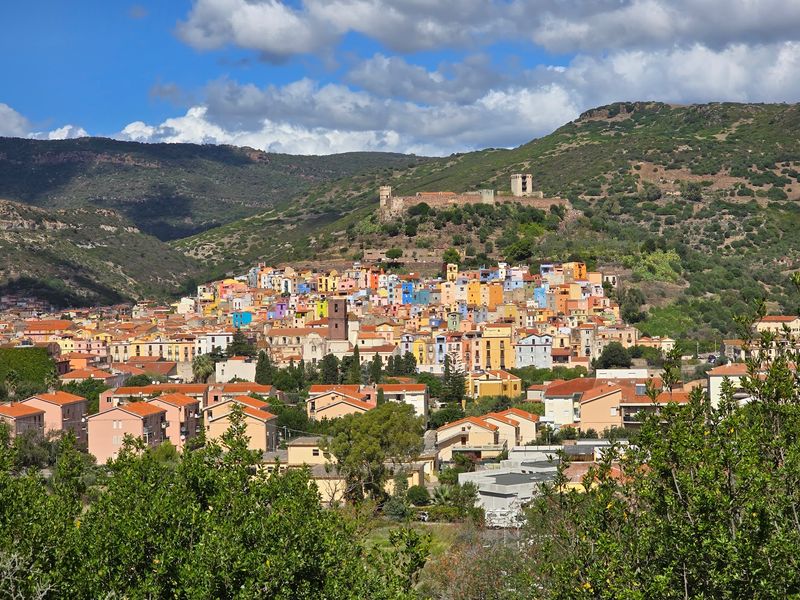
Pastel houses stacked up a hill like a box of melting crayons: that is Bosa on Sardinia’s western coast. The Temo River slides past the bottom, and Malaspina Castle keeps watch from the top.
Start in the Sa Costa neighborhood, where narrow cobblestone lanes twist between balconies and tiny shops. Pick up local goodies, then climb up to the castle walls for a view that makes your camera work overtime.
Wine fans, listen up. Bosa is famous for Malvasia, a golden sweet wine that local wineries love to pour.
A tasting here feels more like a visit with friendly neighbors than a fancy event.
When you need a beach day, Bosa Marina is a short ride away. Its sandy shore and warm Mediterranean water are perfect for lazy afternoons.
Stay a few days if you can. You can mix sightseeing, swimming, and scenic drives through one of Sardinia’s quieter corners, and you will never feel rushed.
Bring comfortable shoes, because those hills are steeper than they look, and every step is worth it for the views.
Dinant, Belgium
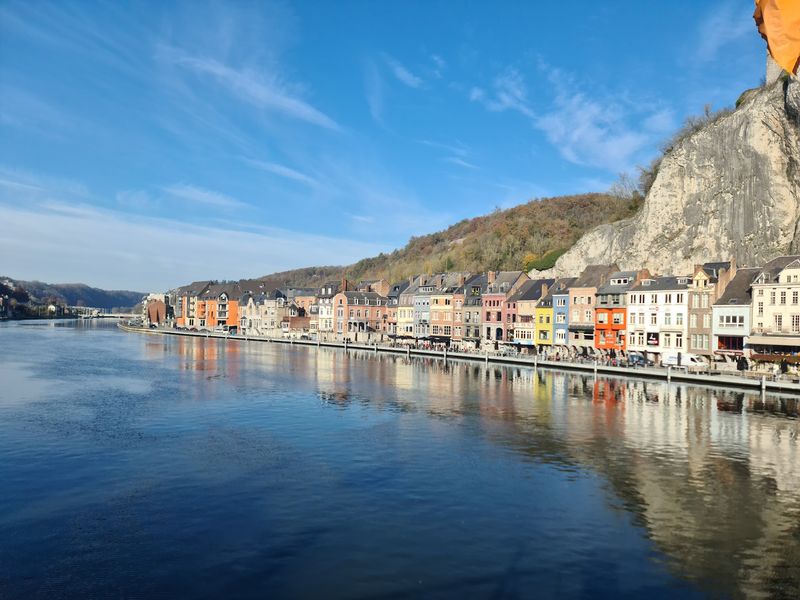
Here is a fun fact to share at dinner: the saxophone was invented in Dinant. Adolphe Sax was born here, and the town honors him with colorful sax statues and a small museum.
The setting is dramatic. Dinant squeezes onto a thin strip of land between the Meuse River and tall limestone cliffs.
Bright buildings line the water, the citadel looms above, and the onion-shaped tower of the Collegiate Church of Notre Dame pops up like a giant bulb.
Hop on a river cruise to see the cliffs from below. It is relaxing, and the photos come out wonderfully.
Once you are on land again, you can head for caves, castles, and forest trails in the Belgian Ardennes. Each one is only a short trip from the center of town.
Dinant is ideal for a weekend. Spend the morning on history, the afternoon by the river, and the evening with Belgian treats like waffles or a cold local beer.
Pack a light jacket, because river breezes can turn cool after sunset.
Telč, Czechia
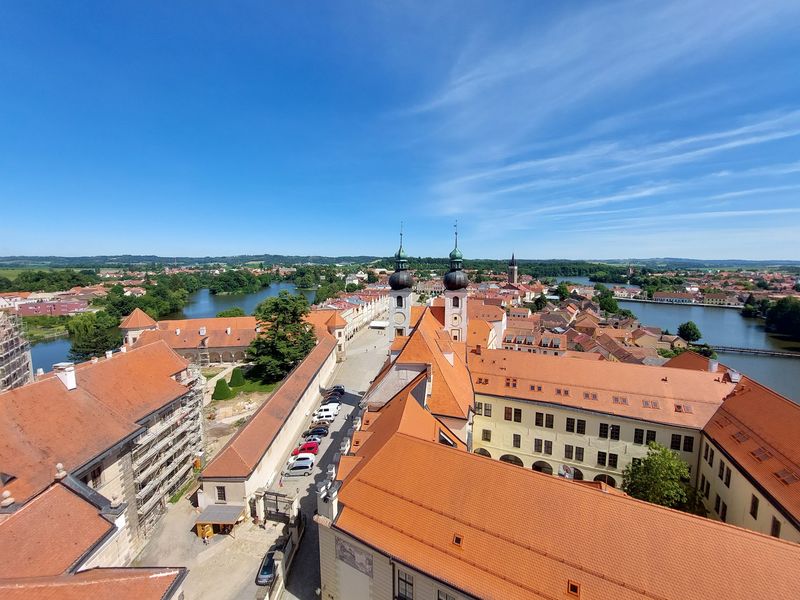
Step into Telč’s main square and you might just say “wow” out loud. Pastel houses with fancy gables, painted fronts, and shady arcades wrap around a wide open space in perfect harmony.
The Renaissance château sits right next door, with gardens that show off the town’s wealthy past. This whole center is a UNESCO World Heritage Site, so the care taken to protect it shows.
Look beyond the square and you will find ponds that once helped defend the town. Walking paths loop along the water, and they are lovely for a slow morning stroll.
Hungry? Local restaurants serve hearty Czech dishes like dumplings, roast pork, and creamy soups.
Portions are generous, so arrive with an appetite.
Here is a tip from smart travelers: stay overnight. Once the day trippers leave, the square turns calm and glows under evening lights.
The countryside of the Vysočina region is also right outside, with quiet roads for exploring. Telč proves that a small town can leave a big memory.
Piran, Slovenia
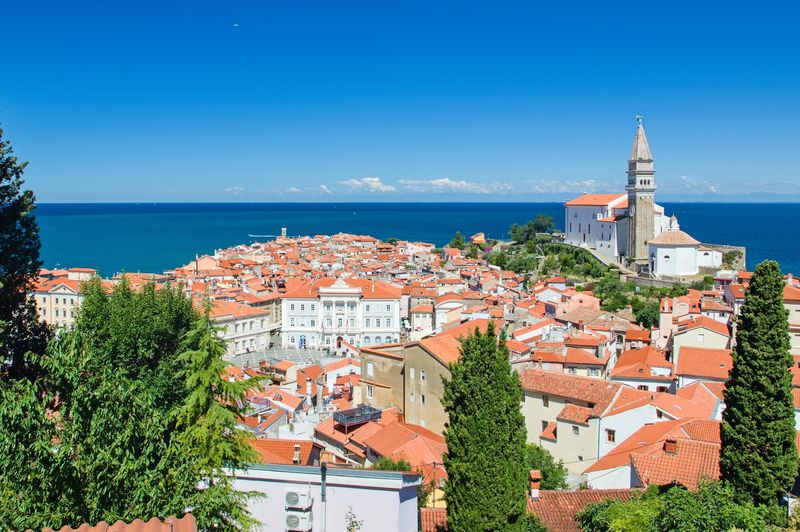
Salt, seafood, and sea breezes: Piran has all three. This little town pokes into the Adriatic on a narrow peninsula, covered in terracotta roofs and Venetian-style buildings.
Tartini Square is the heart of everything. It is named for violinist Giuseppe Tartini, and locals gather here to chat, sip coffee, and watch the world go by.
Climb up to St. George’s Church and the old town walls for the best view. You will see red rooftops, blue water, and boats drifting along the coast.
Back down by the harbor, grab a table at a waterfront restaurant and order the catch of the day. The narrow pedestrian lanes nearby are full of maritime history, so wander without a map.
For something different, visit the Sečovlje Salt Pans. People still harvest salt there the old-fashioned way, and birds love the area too.
Piran is perfect if you want Mediterranean charm without the big resort crowds.
Albarracín, Spain
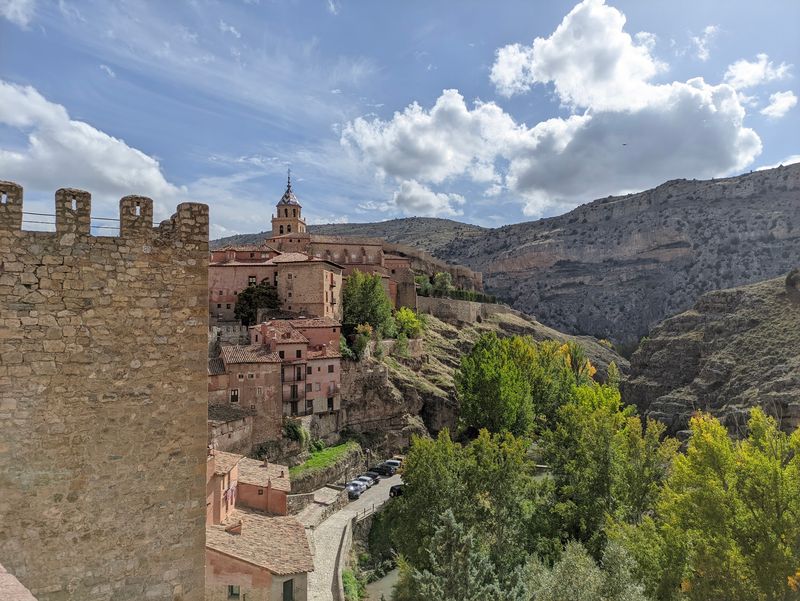
Red walls glowing at sunset make Albarracín look like it was painted by a very talented sky. This hill town in Spain’s Aragón region sits above a sharp bend in the Guadalaviar River.
Its reddish houses lean at cheerful angles, and the rooftops zigzag in every direction. Old defensive walls climb the nearby hill, hinting at how important this spot was in the Middle Ages.
Wander through Plaza Mayor, peek into the Cathedral of El Salvador, and take your time on the narrow streets. Photographers will need extra memory space.
Outside town, the Pinares de Rodeno protected area is a playground for hikers. Orange sandstone rocks rise between pine trees, and some even hold prehistoric paintings made thousands of years ago.
Albarracín suits history buffs, nature lovers, and anyone who enjoys a good view. Wear sturdy shoes, since the lanes are steep and uneven.
Reward yourself afterward with Aragón specialties like roasted lamb and local cured ham.
Gruyères, Switzerland
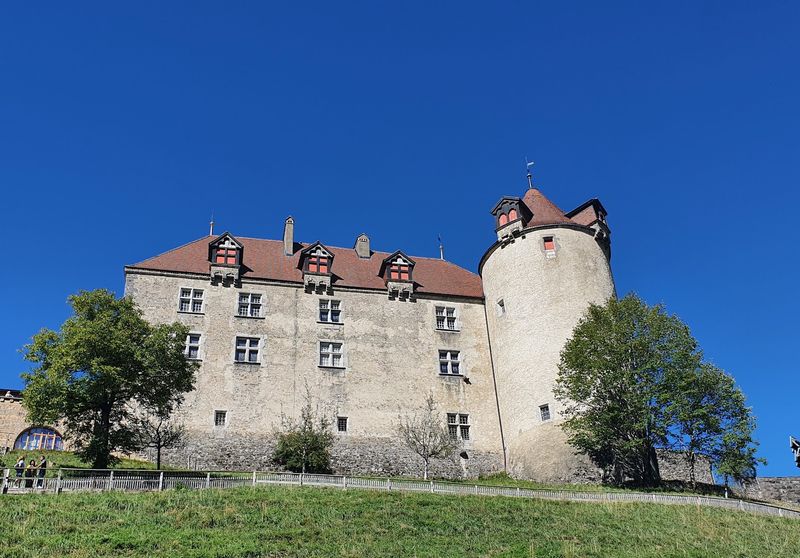
Cheese lovers, your pilgrimage starts here. Gruyères sits in the green foothills of the Swiss Alps, where cows wander mountain pastures and the milk becomes world-famous cheese.
The medieval center is all cobblestones and old stone buildings, topped by a castle with sweeping countryside views. It looks like a postcard even on a cloudy day.
Stop by La Maison du Gruyère to see how the cheese is made. Then head to a local restaurant for a bubbling pot of fondue, which is basically a warm hug in a bowl.
Here comes the surprise. The H.R.
Giger Museum, home to the creepy art behind the movie Alien, sits in town. It is a wild contrast with the storybook streets, and that is part of the fun.
If you want fresh air, ride up to Moléson for mountain views and hiking trails. Gruyères is a tasty, scenic stop for anyone who loves food, farms, and well-kept medieval charm.
Sighișoara, Romania
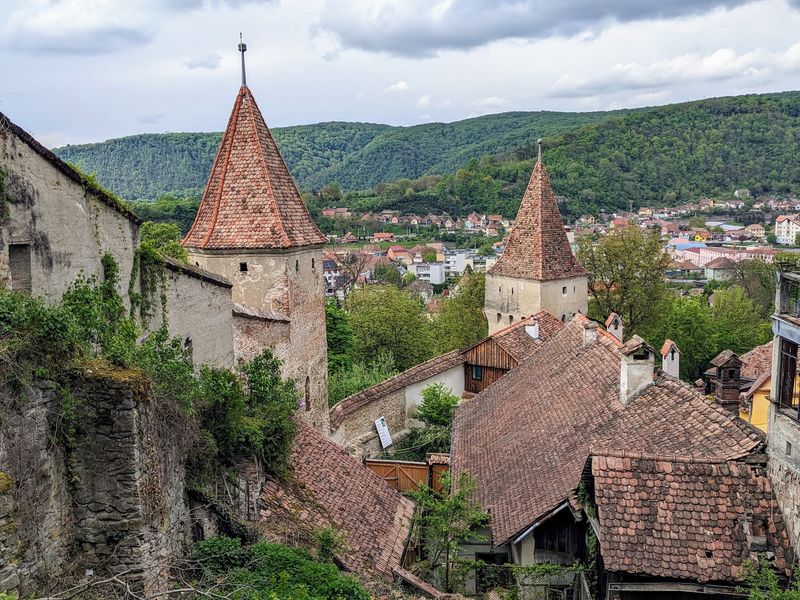
Dracula may be the town’s most famous rumor, but Sighișoara has real history that is even better. This fortified citadel in Transylvania was built by Saxon merchants and craftspeople centuries ago.
Colorful houses, defensive towers, and winding cobblestone streets fill the old center. The tall Clock Tower rules the skyline, and you can climb it for views over the red rooftops.
Next, try the covered wooden staircase that leads up to the Church on the Hill. It creaks, it is cozy, and it makes the climb feel like an adventure.
UNESCO added Sighișoara to its World Heritage list in 1999, and walking the streets makes it easy to see why. Few places keep their medieval look so well.
Plan to stay a bit longer than a day. Traditional Romanian restaurants serve warm, filling meals, and atmospheric guesthouses make evenings feel special.
You can also explore the rolling Transylvanian countryside, with its villages and fortified churches, on short excursions.
Tobermory, Scotland
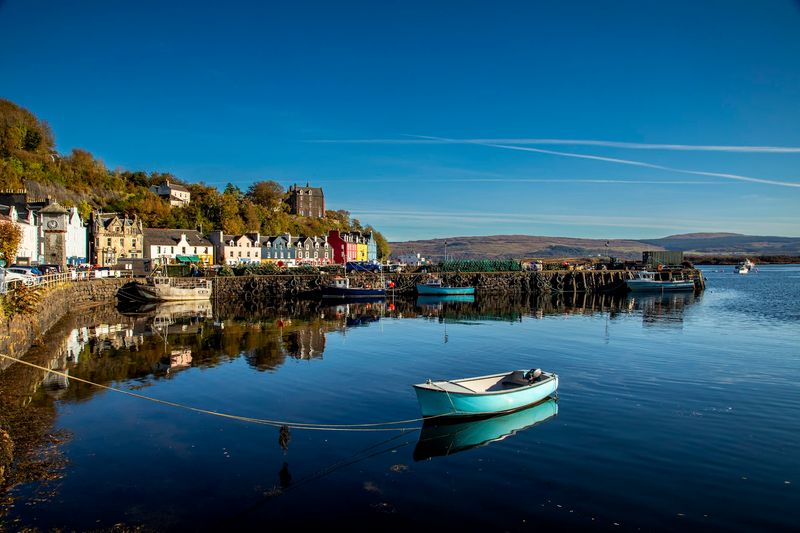
Calm mornings in Tobermory look like someone hit a color-saturation button. Brightly painted buildings curve around a sheltered harbor on Scotland’s Isle of Mull, and their reflections wobble in the water.
The town is small, but it is full of things to do. Poke into independent galleries, grab a seat in a traditional pub, or order fresh seafood by the quay.
Whisky fans can tour the Tobermory Distillery, one of the oldest on the Scottish islands. Even if you skip the tasting, the history is fun to hear.
Beyond the harbor, Mull is packed with wild beauty. Coastal trails, wildlife trips, and beaches like Calgary Bay are all close by, and you might spot seabirds or even seals.
For a real adventure, book a boat trip to see Fingal’s Cave, with its towering basalt columns. Tobermory makes a friendly base for exploring the Inner Hebrides.
Pack a rain jacket, because Scottish weather loves surprises.
Reine, Norway
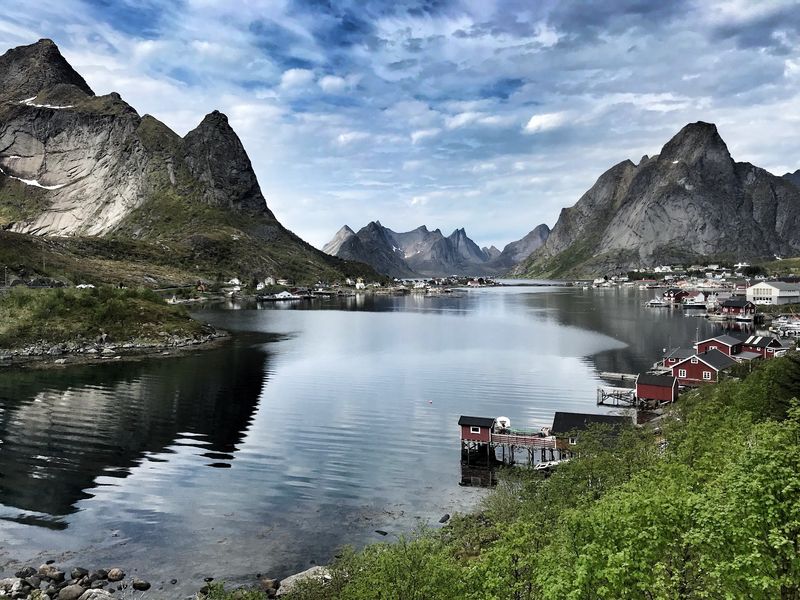
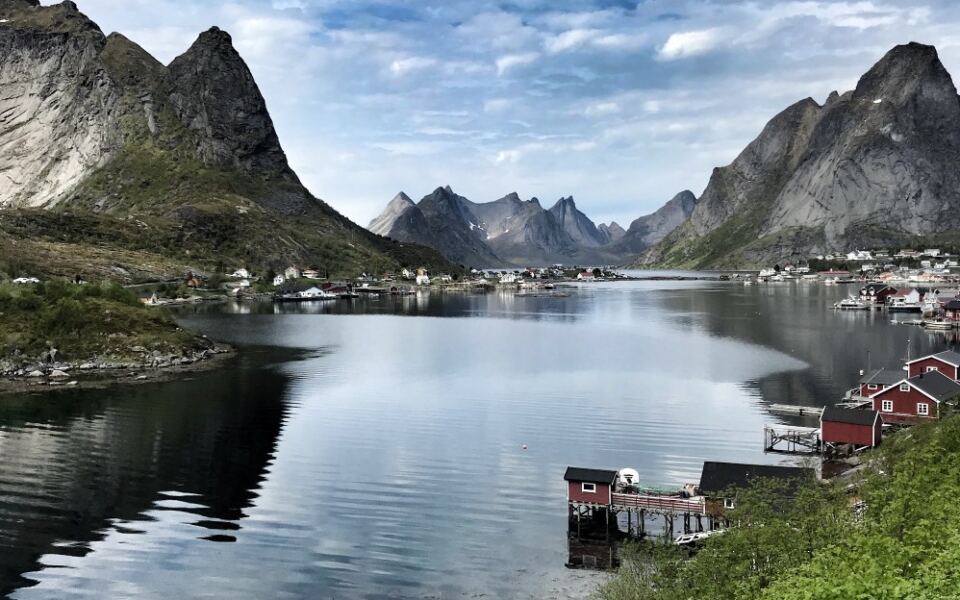
Red cabins, jagged peaks, and water so still it doubles the view: Reine looks unreal. It sits among rocky islands in Norway’s Lofoten archipelago, far above the Arctic Circle.
Even with all its fame, Reine is still a working fishing village. Boats come and go, fish dry on wooden racks, and the old maritime way of life continues.
You can sleep in a converted fishermen’s cabin, called a rorbu, and wake up to mountain views right outside your window. Sample fresh seafood at a local restaurant, since the catch often arrives that very day.
Boat trips through the surrounding fjords are a great way to see the cliffs up close. Hikers can also tackle nearby trails for jaw-dropping lookouts.
Timing matters here. Summer brings the midnight sun and endless daylight, while winter offers a chance to see the northern lights when skies are clear.
Reine is remote, but that is exactly why a trip here feels like a true Norwegian adventure.
Share this story