Fire up an old favorite from your childhood and you might notice something odd. The jokes land differently, the special effects look homemade, and the fashion seems like a costume party.
Television has changed fast since the 1960s, and many classic series now look very different through modern eyes. This list covers 8 well-known shows, from sitcoms to science fiction, and looks at which parts have grown dated and which parts still hold up.
A few might surprise you, because older does not always mean worse. Some of these series still have strong ideas at their center, even when the technology or style has aged.
Quantum Leap
When Quantum Leap premiered on NBC in 1989, its blend of science fiction, history, humor, and drama felt fresh. Scott Bakula played physicist Sam Beckett, who got stuck leaping through time and stepping into other people’s lives.
The original series ran for five seasons, ending in 1993.
The biggest sign of age is the technology. Computers, holograms, and other gadgets that once seemed dazzling now look charmingly retro.
Some episodes also handle tough historical and social topics in a simple way that modern prestige TV would likely avoid.
Still, the heart of the show has lasted far longer than its gadgets. Sam keeps trying to help strangers and fix what went wrong in their lives.
That kind and hopeful idea needs no fancy effects, which is why fans still talk about it today.
The Fresh Prince of Bel-Air
Here is a fun fact: a rap star turned a fictionalized version of himself into a TV legend. The Fresh Prince of Bel-Air debuted on NBC in September 1990 and ran for six seasons.
It followed Will Smith as he moved from West Philadelphia to the wealthy Banks household in Bel-Air.
The baggy outfits, early-’90s slang, hairstyles, celebrity references, and pop-culture jokes instantly show the show’s age. Some of the comedy leans on stereotypes and sitcom habits that would probably be handled differently now.
Calling the whole series outdated would be unfair, though. Episodes about absent parents, racism, class differences, and family bonds can still hit hard.
The surface may scream 1990s, but many of its strongest stories still ring true today.
Xena: Warrior Princess

Few heroines of the 1990s carried a spinning metal ring quite like Xena. Lucy Lawless became a fantasy icon when Xena: Warrior Princess arrived in syndication in 1995.
The show followed Xena and her friend Gabrielle through a loose, fictional ancient world full of warlords, gods, monsters, and sword fights. It ran six seasons and 134 episodes.
Viewers used to huge streaming budgets may find the effects, costumes, sets, and action scenes modest. The series also leaned into camp, mixing myth and drama with deliberately silly comedy.
That tone can feel jarring next to today’s polished fantasy epics.
Even so, its fast-moving stories and strong female lead built a devoted fan base. Its willingness to be weird is part of the fun when you revisit it.
ALF

Dated? Definitely.
Without charm? Not even close.
ALF had a wild premise: an alien named Gordon Shumway crash-lands in the garage of the suburban Tanner family. They then try to hide their sarcastic houseguest from the authorities.
The NBC sitcom ran from September 1986 to 1990.
The puppet work instantly places the show in another TV era, and its broad humor feels old-fashioned beside modern comedies. ALF’s running interest in eating the family cat is another joke that may strike new viewers as far stranger than audiences apparently found it in the 1980s.
Still, a hands-on puppet has a personality that slick computer effects can struggle to match. Watching ALF wisecrack his way around the house shows why the character stuck in so many memories.
Knight Rider
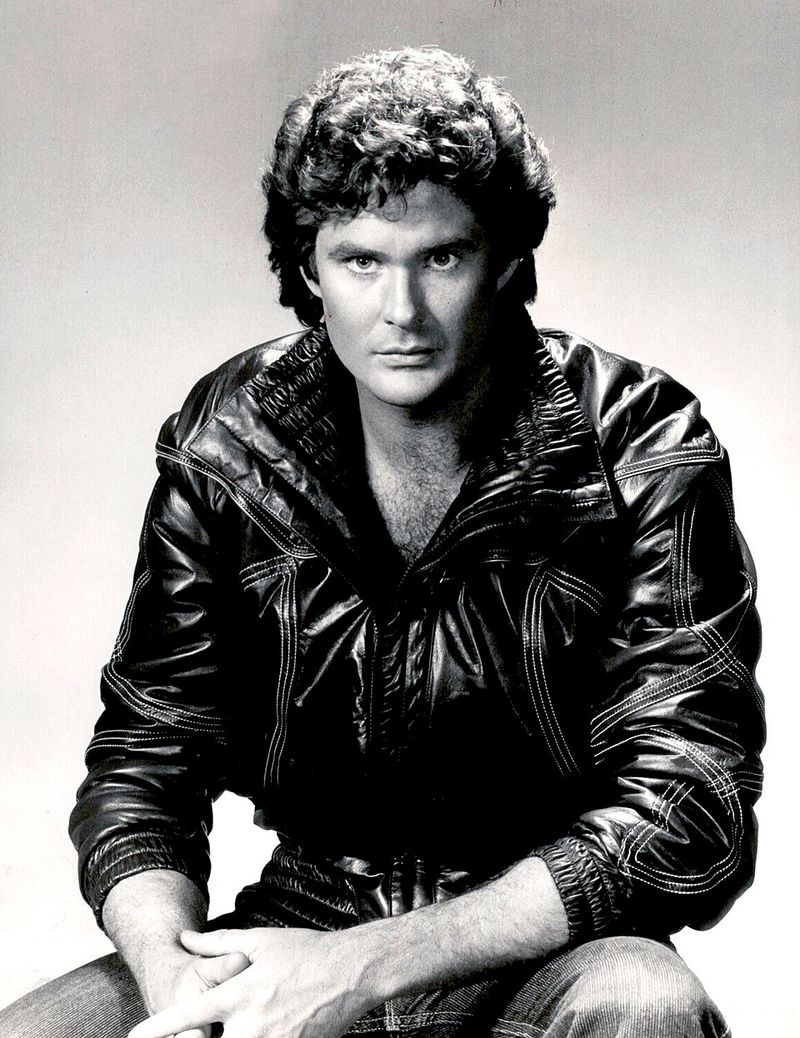
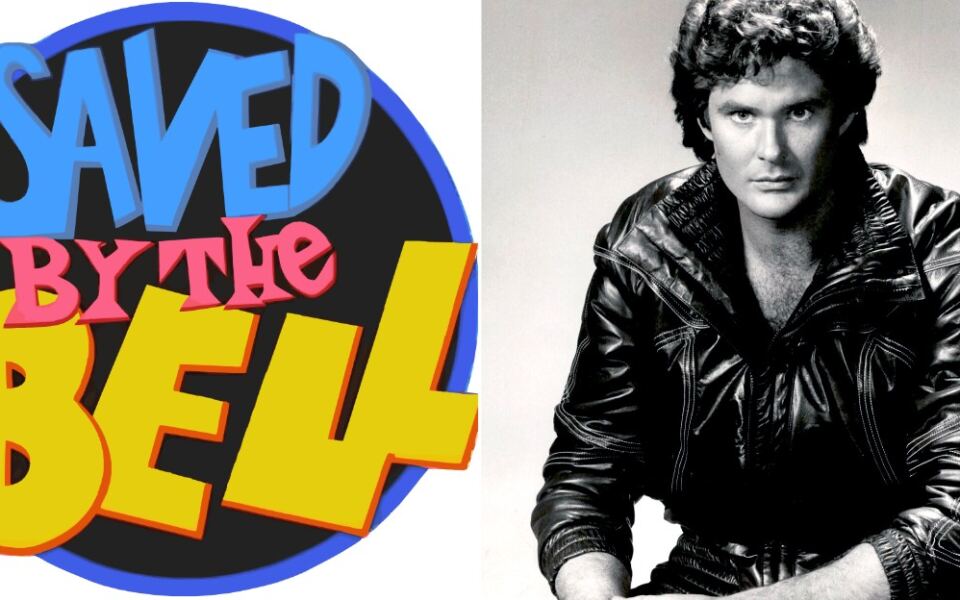
KITT may have been the coolest car on television in the 1980s. Knight Rider aired on NBC from 1982 to 1986 and starred David Hasselhoff as Michael Knight, a crime fighter teamed with a super-smart, artificially intelligent Pontiac Trans Am.
The funny part of watching now is that real technology has caught up with pieces of the dream. Cars today offer voice assistants, navigation, driver-assistance systems, cameras, and powerful onboard computers.
KITT is still far more capable than any ordinary car, but chatting with your vehicle no longer sounds so astonishing.
Add the dramatic villains, elaborate stunts, and unmistakable ’80s production style, and the show becomes a clear product of its decade. That makes it a fun rewatch, especially if you enjoy spotting what the writers got right.
The Outer Limits
“There is nothing wrong with your television set.” That famous opening line came from the Control Voice that began each episode of The Outer Limits. The original series aired on ABC from 1963 to 1965 and told self-contained science-fiction stories.
It was known for odd creatures, science experiments, and unexplained events.
Six decades of progress in visual effects make some of its monsters, props, and sets look primitive. Its slow pacing can also feel sluggish next to modern science fiction.
Still, dated should not be confused with irrelevant. Many episodes cared more about ideas than spectacle, using strange scenarios to explore fear, morality, identity, and human behavior.
The production methods have aged far more than the questions the series asked.
Twin Peaks
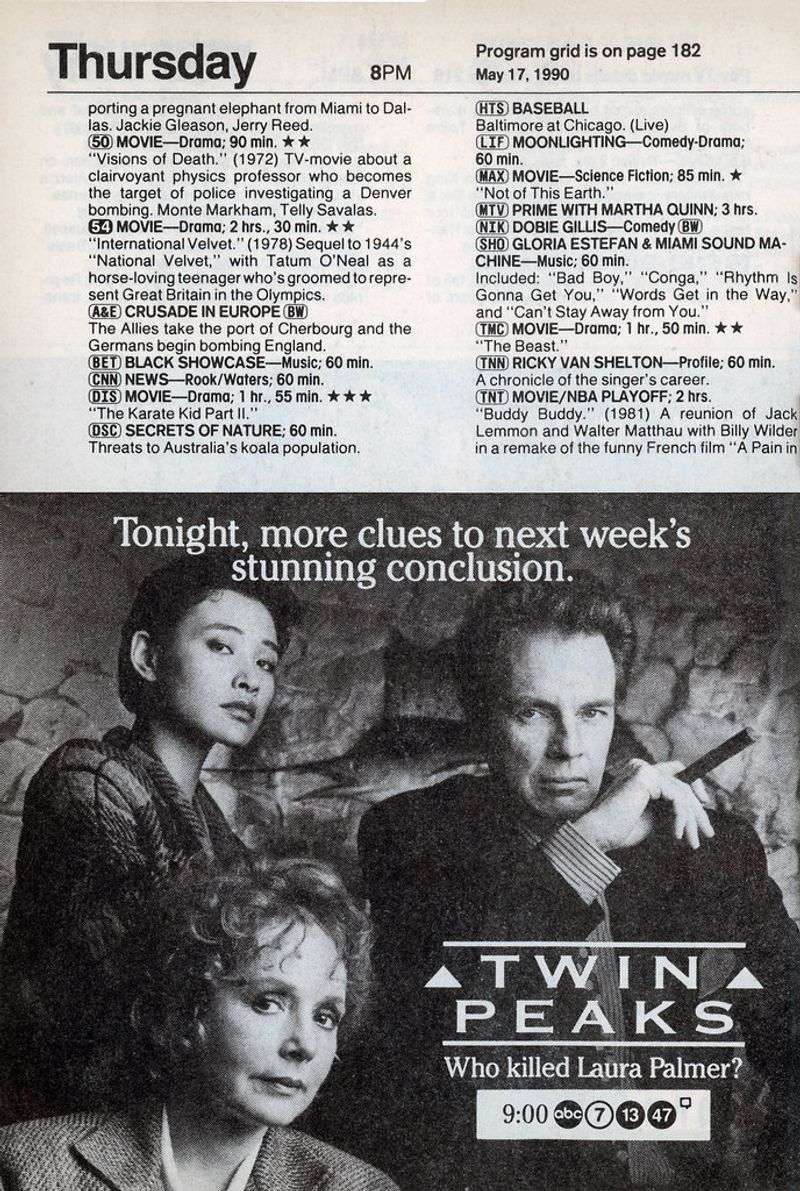
Twin Peaks may be the best argument against reading this list’s headline too literally. David Lynch and Mark Frost’s mystery debuted on ABC on April 8, 1990.
It opened with the murder of Laura Palmer and quickly grew into one of television’s strangest fictional towns. The original run lasted until 1991, and the show returned on Showtime in 2017.
Certain hairstyles, clothes, interiors, and production touches clearly belong to another era. Its slow, surreal storytelling can also puzzle viewers who expect a straightforward mystery.
Creatively, though, it has arguably aged better than many conventional shows around it. Its cinematic style and mix of crime, horror, melodrama, and surrealism helped influence generations of television that followed.
Saved by the Bell
For a generation of kids, Bayside High looked like the most colorful school ever built. Saved by the Bell began in 1989 and followed Zack Morris and his friends through dating, school rivalries, friendships, pranks, and teen problems.
The neon fashion and hairstyles have aged just as you would expect, but some of the behavior stands out even more. Zack regularly lies, schemes, and manipulates situations, and he chases girls in ways modern teen comedies would likely question.
One episode even has him trying subliminal messages to influence Kelly.
The show did tackle some serious topics now and then. Still, its ultra-bright, tidy version of adolescence feels very different from today’s more complicated teen television.
Share this story