Some monkeys spend years in tiny cages, laboratory rooms, or living rooms where they were never meant to be. When they finally get rescued, a big problem remains.
Many of them never learned how to find food, avoid danger, or get along with other monkeys, so the wild is no longer a safe option. That is where sanctuaries step in.
These special places give rescued primates room to climb, friends to groom, healthy meals, and vets who know exactly what a grumpy capuchin needs. Some sanctuaries welcome curious visitors on guided tours, while others stay private so their residents can enjoy a quiet retirement.
Keep reading to meet a dozen places on four continents that are giving monkeys a true second chance. You will learn which ones you can visit, how each one helps, and a few surprising facts that might make you see monkeys in a whole new way.
1. Monkey World Ape Rescue Centre, Wareham, England
More than 250 primates from over 20 species call this corner of Dorset home. That includes the largest group of chimpanzees living anywhere outside Africa.
The park covers 65 acres of woodland. Many residents were rescued from the illegal pet trade, laboratories, circuses, and beach photo stands in countries like Spain, Greece, and Thailand.
Staff also team up with foreign governments to stop primate smuggling at the source. Talk about monkey business with a serious mission.
Rescued animals are carefully placed into natural social groups. An on-site hospital and operating theatre handle checkups and surgeries, so help is never far away.
To keep space open for future rescues, female primates are given birth control. It is a smart way to make sure no rescue gets turned away.
Visitors can come daily from 10 am to 5 pm, with hours stretching to 6 pm in July and August. Daily keeper talks share each animal’s backstory.
Families will appreciate the picnic areas, cafes, and a big adventure playground. Ramps and lowered viewing windows make the park friendly for wheelchairs too.
2. Peaceable Primate Sanctuary, Winamac, Indiana
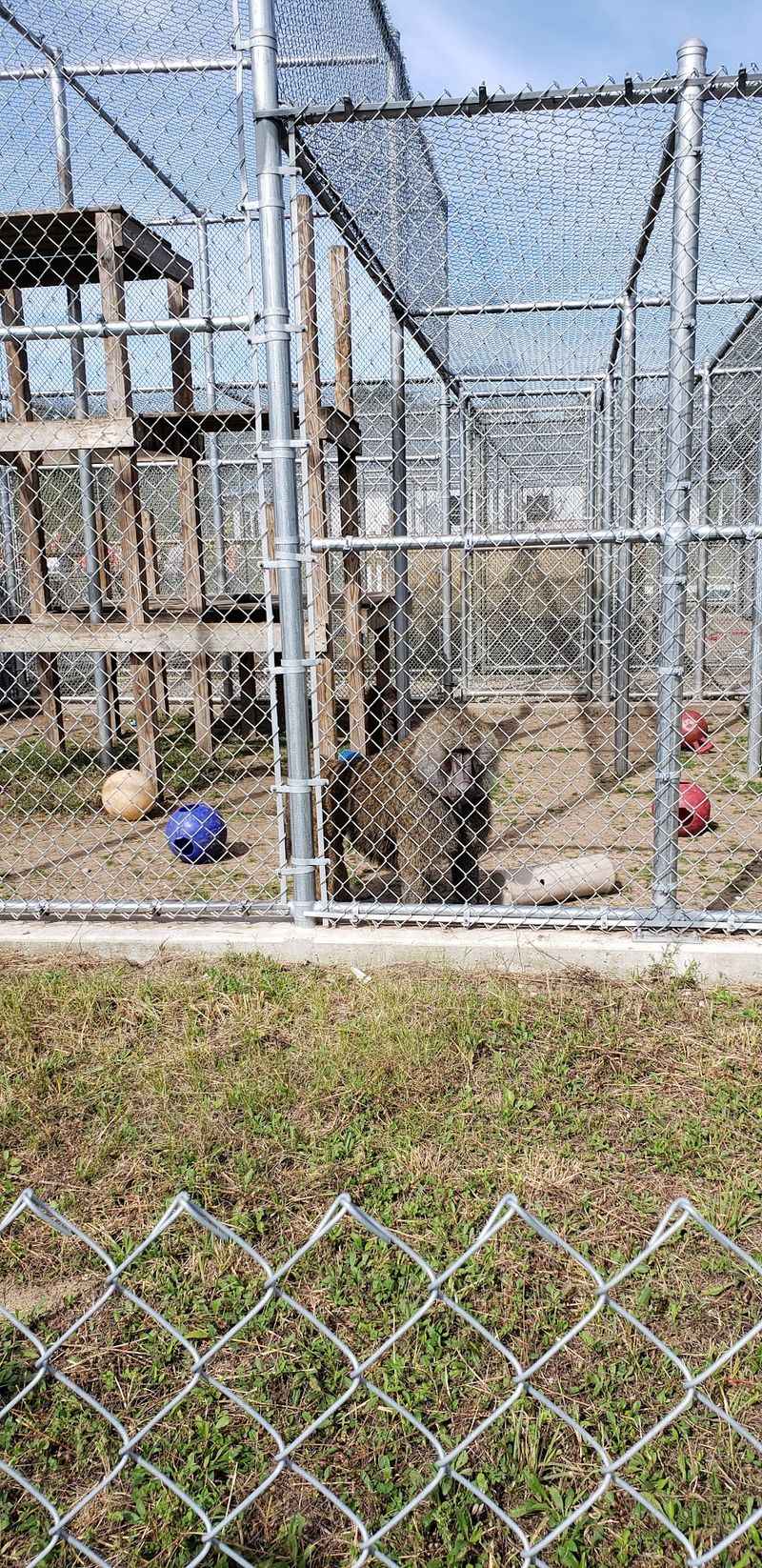
Ivy League schools are usually known for graduates, but some baboons and macaques here came straight from labs at places like Princeton and Yale.
Peaceable Primate Sanctuary spreads across 78 acres of rural Indiana. Roughly 100 to 150 baboons, macaques, and a few lemurs now live in retirement here.
Not every resident came from research. Others arrived from roadside zoos, the entertainment world, and private owners who kept them in tiny, dirty cages with poor diets.
Life is very different now. Residents get nutritious meals, full veterinary care, and daily enrichment that encourages natural behavior.
Caregivers study each animal’s habits before introducing new social groups. The goal is a life full of choices, which is something these monkeys rarely had.
One promise stands out. The sanctuary keeps ownership of every animal, so none can ever be sent back to a former owner or facility.
Squirrel and spider monkeys may join the crew in the future. Supporters can attend scheduled tours and special events, though paid interactions with the animals are never allowed.
3. Vervet Monkey Foundation, Tzaneen, South Africa
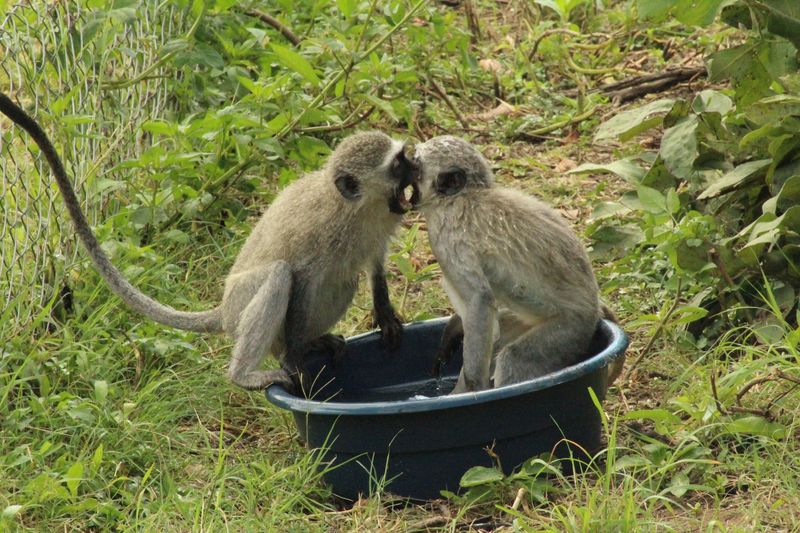
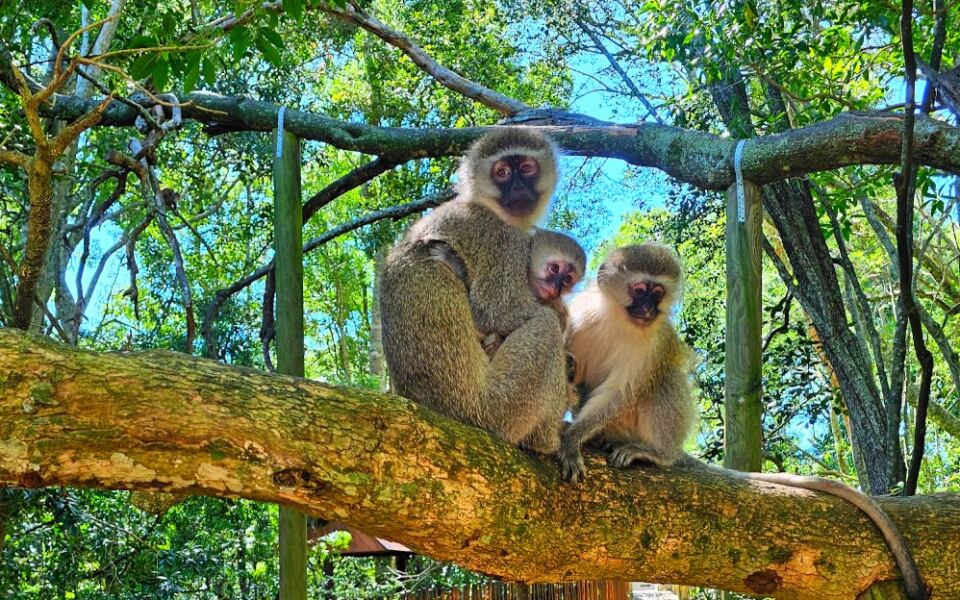
Foster care is not just for humans. At this Limpopo sanctuary, orphaned baby vervets get adopted by monkey foster mothers.
The foundation started in 1993 and pioneered that program in 1998. Youngsters join established troops inside large natural enclosures, learning monkey manners from the experts.
Between 500 and 600 vervets live here today. Residents include orphans, injured animals, former lab monkeys, and pets nobody wanted anymore.
The big dream is to release healthy troops into protected forest reserves. That takes patience, research, and a lot of fruit.
Staff also study vervet behavior to clear up myths about these clever monkeys. They teach local communities simple ways to avoid conflicts with troops raiding gardens.
Green living is a big deal here. The foundation is a fully vegan organization, and about 80 percent of its power comes from solar energy.
An on-site sickbay handles medical needs. Since it is a working sanctuary, guided tours run by appointment only, so plan ahead before making the trip.
4. AAP Primadomus, Villena, Spain
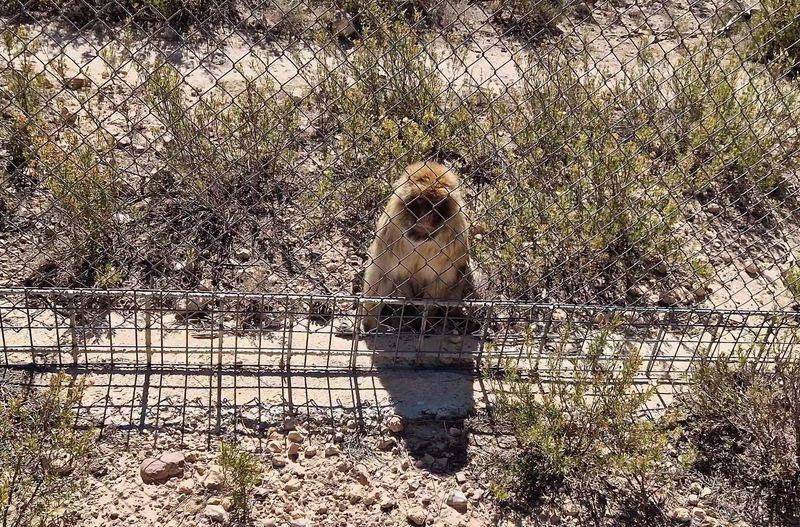
Chimpanzees, Barbary macaques, lions, and tigers might sound like a circus lineup. At AAP Primadomus, many of them actually escaped that life.
The center sits at the foot of the Sierra de Salinas mountains in southeastern Spain. Animals arrive from across Europe after illegal ownership, trafficking, or work in entertainment.
Built as part of the Dutch group Stichting AAP, it can house around 150 animals. Up to 70 of those spots are set aside for chimpanzees.
Recovery comes first. When possible, animals later move to suitable permanent homes elsewhere.
Those who cannot be relocated stay for life, always with companions of their own species. A dedicated big cat rescue area opened in 2016.
Guided visits happen in small groups, usually on Sundays across two morning time slots. Children must be at least 8 years old to join.
A solidarity entrance fee supports the work. The team also pushes for better animal welfare laws throughout Europe, hoping fewer animals will need rescuing someday.
5. International Primate Rescue, Pretoria, South Africa
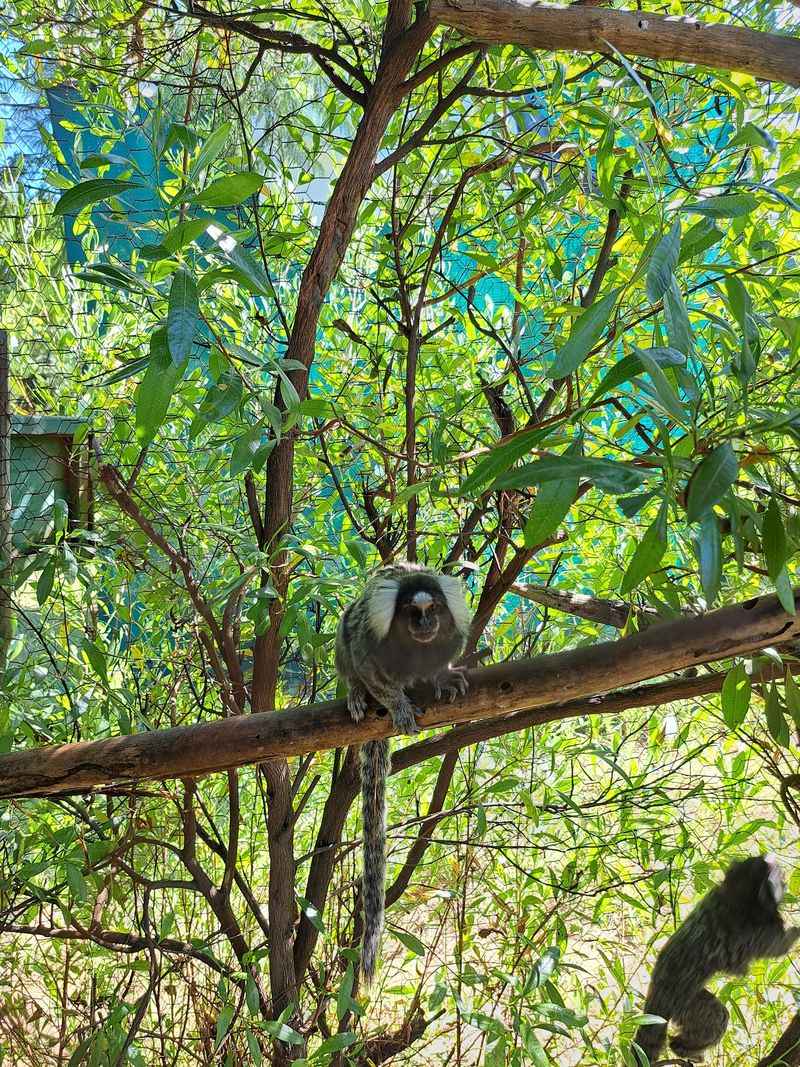
Marmosets started it all. The sanctuary began in 1996 as the Marmoset Welfare Foundation before growing into International Primate Rescue.
Today more than 60 primates live near Pretoria. The list includes marmosets, tamarins, capuchins, macaques, owl monkeys, squirrel monkeys, lemurs, and mona monkeys.
Many residents were hand-raised pets. Growing up with people instead of monkeys often leaves them with behavior problems that take years to ease.
Others came from labs and zoos. The sanctuary also gives temporary shelter to primates seized by authorities.
Rescues reach well beyond South Africa. Animals have arrived from Mali, Germany, Hungary, Israel, and France.
Meals are a big part of daily care. Fresh food is prepared and portioned every day to match each primate’s diet, so even the pickiest eater is pampered.
Sightseers will need to admire from afar, because this private facility is closed to casual visitors. Animal lovers can still get involved through volunteering opportunities, which is a hands-on way to support the cause.
6. Monkeyland Primate Sanctuary, The Crags, South Africa
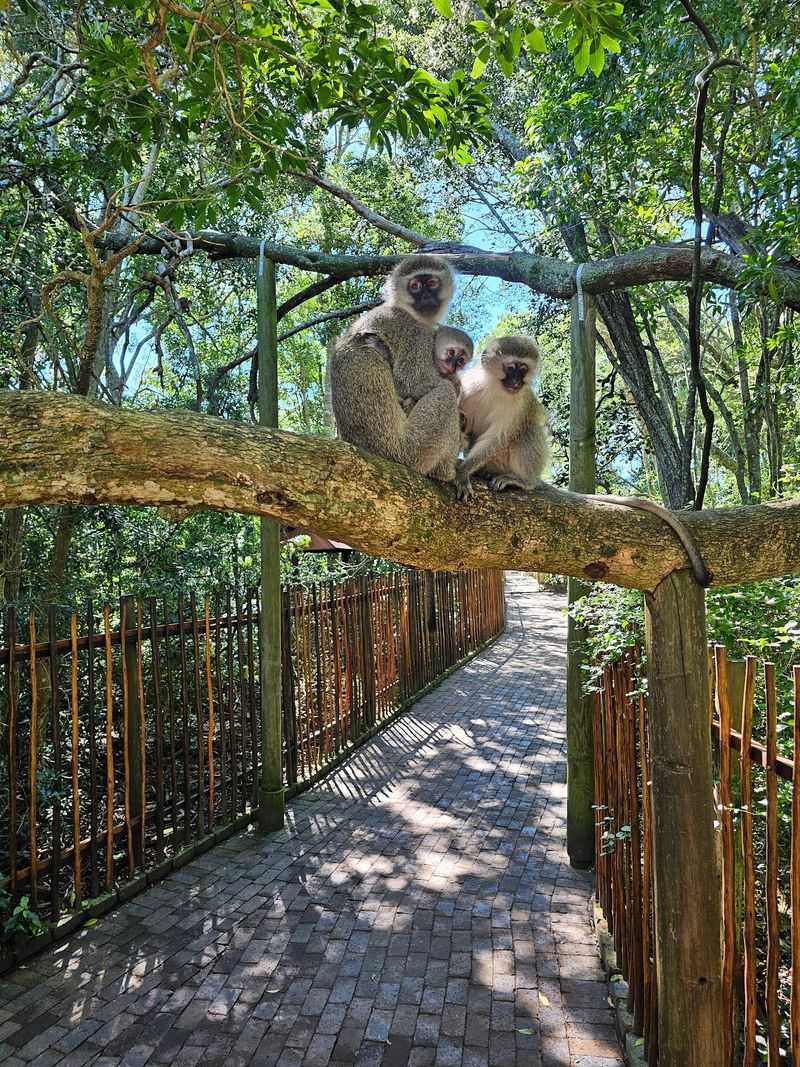
Forget cages and glass walls. Back in 1998, Monkeyland became the world’s first free-roaming, multi-species primate sanctuary.
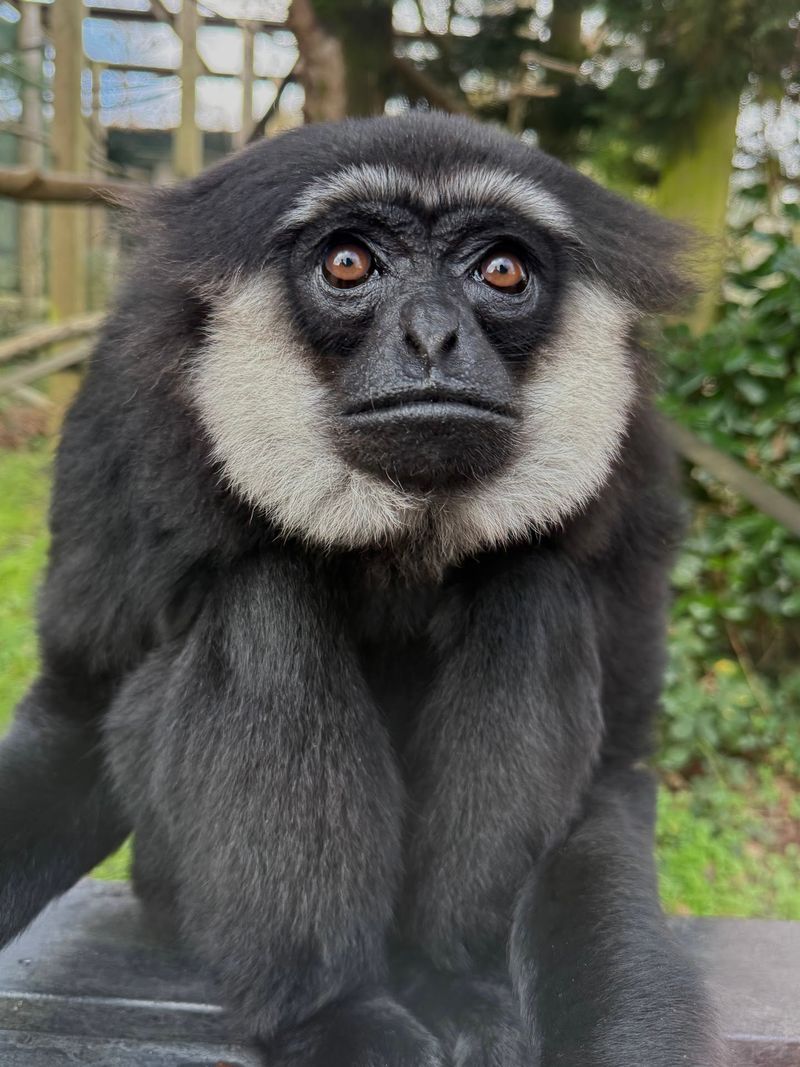
Its 12 hectares of native forest shelter over 550 primates from about ten species. Capuchins, squirrel monkeys, howlers, spider monkeys, gibbons, and lemurs all share the treetops.
Many arrived from zoos, circuses, and private homes. Former pets often show up with zero idea how to live in a group.
A rehabilitation program teaches them natural behaviors again, and it reports a 90 percent success rate. Feeding platforms offer chopped fruit, nuts, seeds, and vegetables as backup snacks.
Guided monkey safaris leave every 15 to 20 minutes. Each walk lasts about an hour and covers 1.3 kilometers of forest trail.
The star attraction might be the 128-meter suspension bridge. It lets guests spot monkeys at their own lofty level.
One rule never bends: no touching and no feeding. The sanctuary is open daily from 8 am to 5 pm and pays its own way through tourism, without government funding.
7. Wales Ape & Monkey Sanctuary, Abercrave, Wales
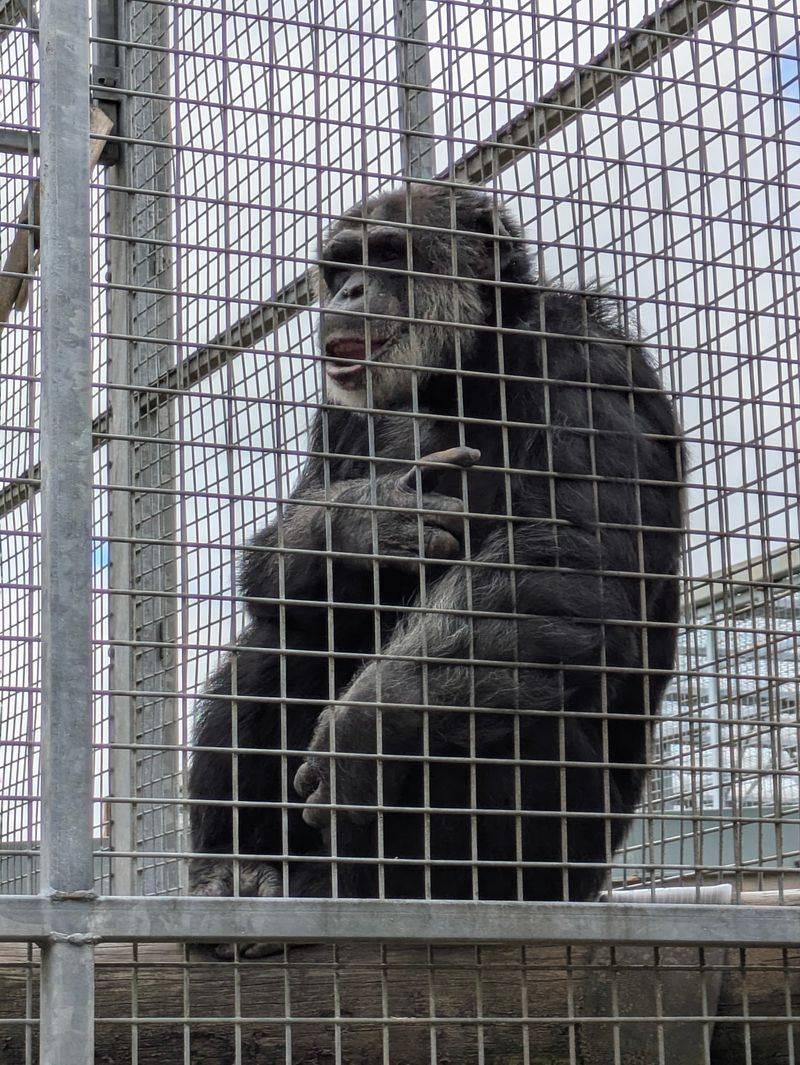
Wolfdogs, Highland cattle, and donkeys share the grounds with chimps and baboons here. Few sanctuaries can claim a guest list that mixed.
Set in Brecon Beacons National Park, the charity has cared for unwanted primates since 1998. Residents include gibbons, spider monkeys, capuchins, macaques, marmosets, vervets, mandrills, and mangabeys.
Some baboons came from several different countries. Other animals arrived from labs, circuses, the pet trade, and the former Penscynor Wildlife Park.
Most could never survive in the wild. So the main goal is simple: make the rest of their lives calm and enjoyable.
Visitors are welcome daily from 10:30 am to 5 pm, with earlier closing times in winter. Signs share each animal’s personal story.
Staff are happy to answer questions, so bring your curiosity. Want to go further?
The keeper for the day program offers a peek behind the scenes.
Every ticket and sponsorship matters. That money funds new rescues and veterinary care for the whole furry family.
8. Primate Rescue Center, Nicholasville, Kentucky
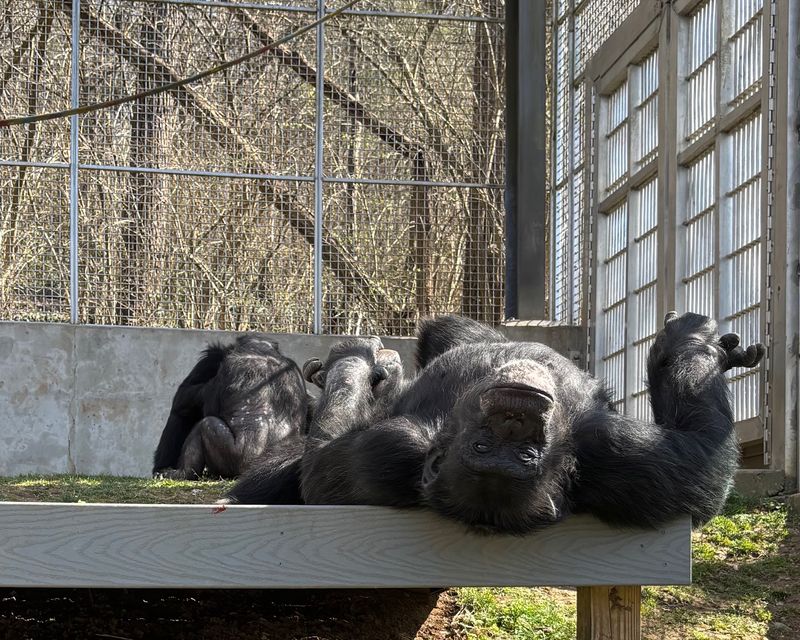
Some rescue stories begin in dark basements and empty apartments. Monkeys found in those places now get a fresh start in central Kentucky.
Founded in the 1980s, the Primate Rescue Center covers 30 acres. It cares for over 50 primates, including around 8 to 11 chimpanzees and nearly 40 monkeys.
Several chimps came from biomedical research. Many monkeys were once pets whose owners discovered that primates are not easy roommates.
Residents include several macaque species, capuchins, and spider monkeys. Ten custom enclosures connect heated indoor rooms with outdoor spaces.
Monkey groups decide for themselves where to hang out. On a chilly morning, the indoor heaters tend to be very popular.
Caregivers offer individual attention to every resident. The center is proud of the big recoveries many animals have made.
To keep stress low, regular public visits are not allowed. Members can attend an invitation-only event each spring, and volunteers help out without touching or feeding the primates.
9. Rescate Wildlife Rescue Center, Alajuela, Costa Rica
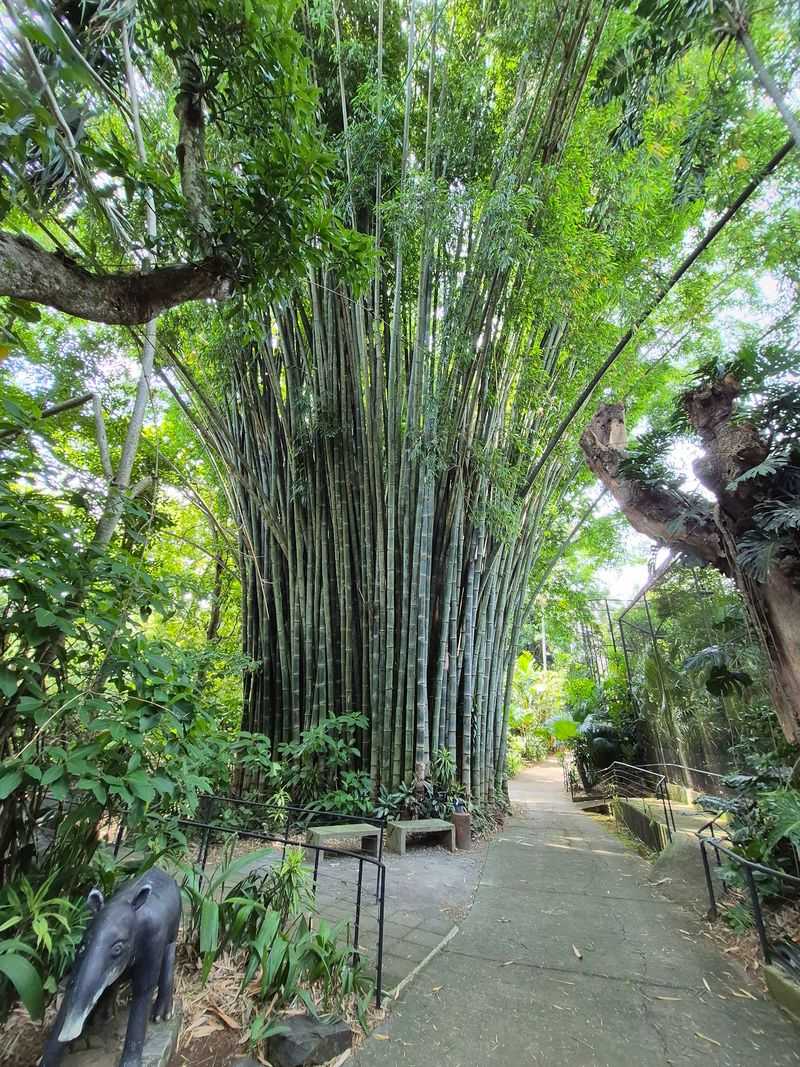
Over 3,000 wild animals arrive here every year. That is a busy schedule for any hospital, even Central America’s largest veterinary one.
Formerly called Zoo Ave, this nonprofit sits on 36 acres of forest in Alajuela. Patients include trafficked pets, orphans, and animals hurt by cars, dogs, or power lines.
All four native Costa Rican monkeys get care here. That means spider monkeys, mantled howlers, white-faced capuchins, and squirrel monkeys.
Release back into protected habitats is the main goal. More than 50 once-captive spider monkeys have already made it back to the wild.
About 2 percent of animals cannot survive on their own. They live permanently in natural habitats inside 13 acres of botanical gardens.
Visitors can drop by daily from 9 am to 5 pm. Self-guided entry works fine, or book a guided tour at 10 am or 2 pm lasting about 2.5 to 3 hours.
Free wheelchairs, a restaurant, and a souvenir shop round out the visit.
10. Stichting AAP, Almere, Netherlands
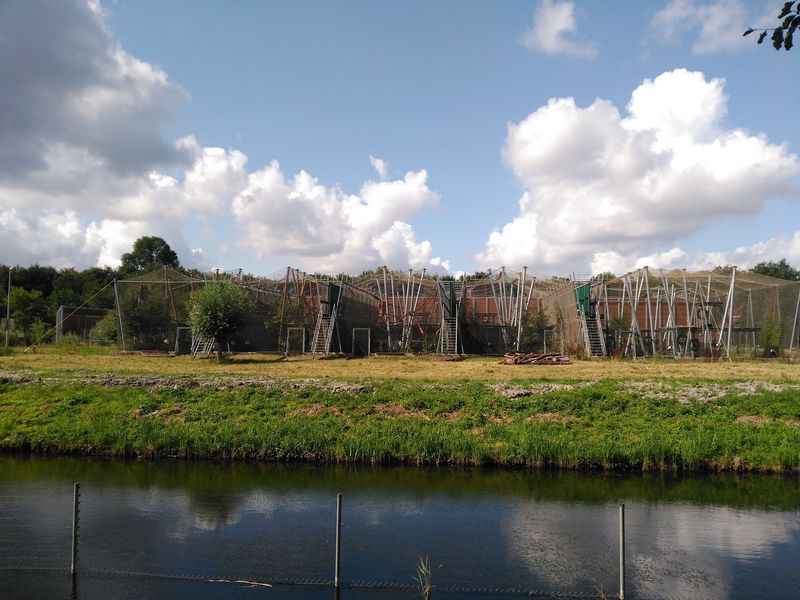
Royalty dropped by in May 2026. On May 12, Queen Máxima of the Netherlands opened a brand new Mammal Building at this Almere rescue center.
The sustainable building replaced an old greenhouse. It offers better climate controls and flexible habitats for marmosets and other small exotic mammals.
Stichting AAP has been around since 1972. It takes in animals from all over Europe, rescued from illegal trade, labs, circuses, shady zoos, and private homes.
Residents have included chimpanzees, baboons, Barbary macaques, lions, tigers, raccoons, and servals. Quite the neighborhood.
Rehabilitation helps animals regain health and natural behavior. Afterward, the team searches for permanent homes at trusted zoos or sanctuaries.
Some never leave. Chimpanzees carrying infections from past research, for example, stay at AAP because of their special care needs.
Educational tours run Fridays, Saturdays, and Sundays at 11 am and 2 pm. Guests must be 12 or older and should reserve ahead, since spots fill up.
11. Jaguar Rescue Center, Puerto Viejo de Talamanca, Costa Rica
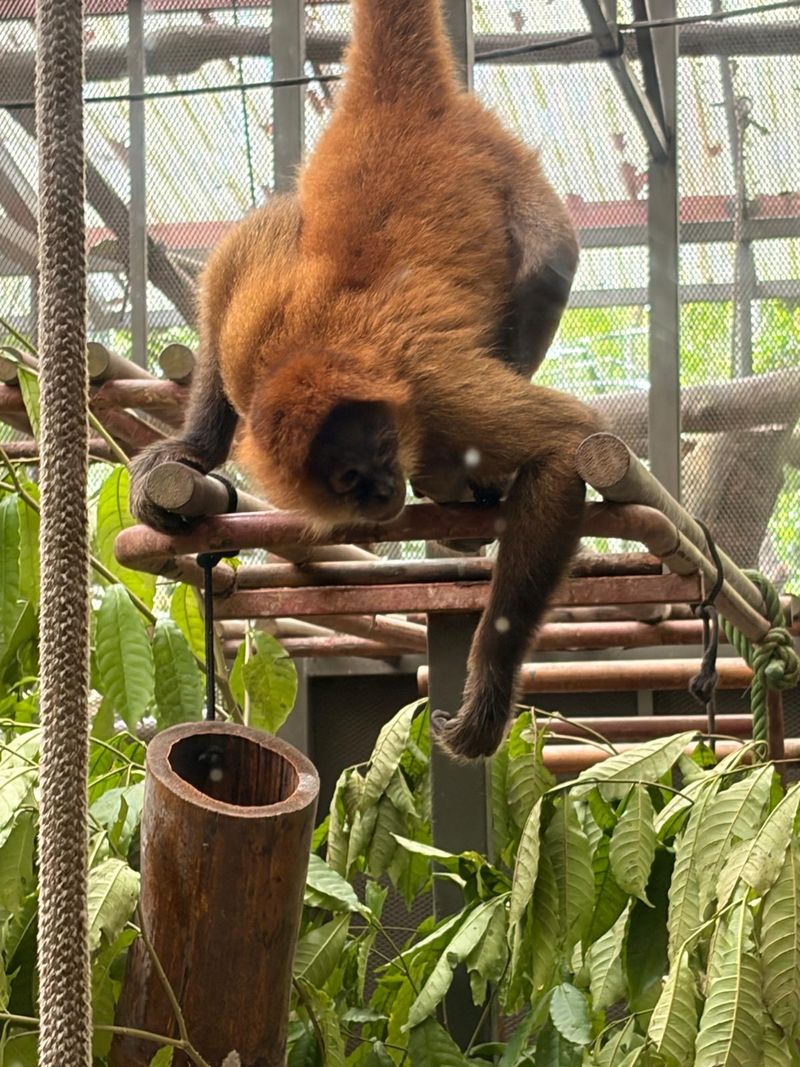
Despite the name, you are more likely to meet a monkey than a jaguar here. The center devotes huge attention to primates on Costa Rica’s Caribbean coast.
Founded in 2008, it helps injured, orphaned, mistreated, and confiscated wildlife. Common causes include power line shocks, dog attacks, road accidents, and the illegal pet trade.
Spider monkeys, howler monkeys, and white-faced capuchins all receive care. Sloths, birds, and reptiles keep them company.
Round-the-clock care prepares animals for life back in the rainforest. Many head to the La Ceiba primary forest release station.
Released primates get microchips. That lets the team keep tabs on how they are doing after they leave.
Animals that cannot be released become permanent residents. Guided tours run Monday through Saturday at 9:30 am and 11:30 am, lasting 1.5 to 2 hours.
Morning tours are a smart pick, since animals are more active and the heat is milder. The rehab area stays off-limits, and no touching is allowed.
12. Primarily Primates, San Antonio, Texas
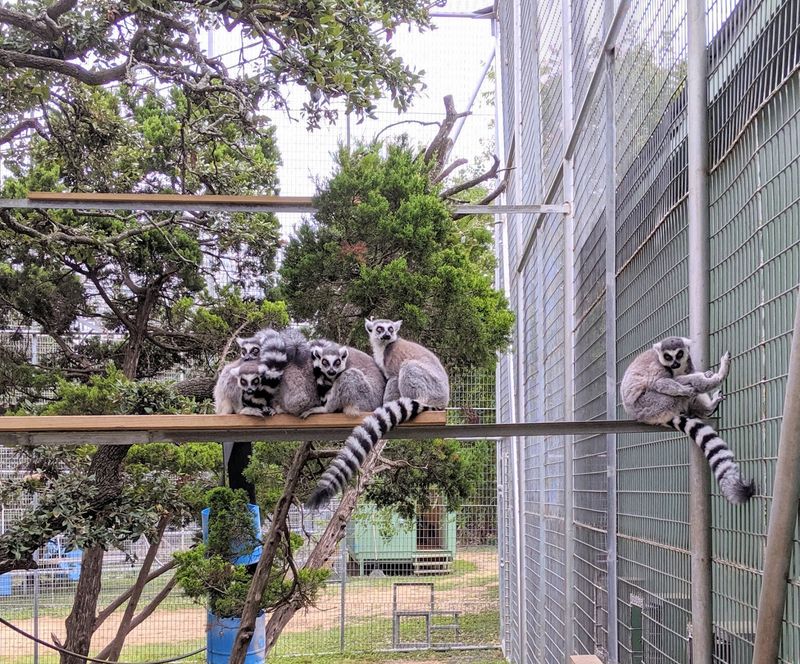
Back in 1978, North America got its very first primate sanctuary. Primarily Primates still holds that title in Bexar County, Texas.
More than 300 animals live across about 74 acres of Texas Hill Country. Around 31 or 32 of them are chimpanzees.
Some chimps came from U.S. Air Force and NASA space programs.
Others arrived from research labs, the pet trade, and entertainment settings.
Many once lived alone in small cages. Now they share space in carefully matched social groups.
Residents include lemurs, capuchins, spider monkeys, macaques, and even kinkajous. Every animal gets care shaped to its body and mind.
Enrichment here gets creative. Daily food puzzles, music, painting, and incense keep curious brains busy, proving these primates have real artistic range.
The sanctuary is accredited by the Global Federation of Animal Sanctuaries. It stays closed to the public to reduce stress, and volunteers work behind the scenes without direct contact with the animals.
Supporters can still help through donations, giving these Texas retirees the peaceful years they earned.
Share this story