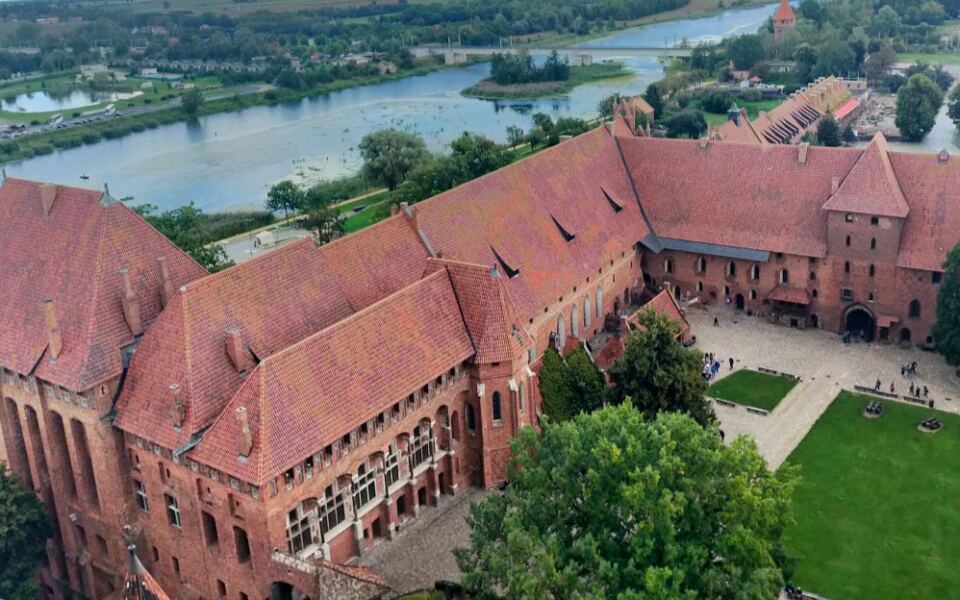
Imagine a fortress so big that visitors lose track of time inside its walls. Malbork Castle in northern Poland is the largest brick castle on Earth, built by Teutonic knights more than 700 years ago.
It is now a UNESCO World Heritage Site packed with armor, amber, and wild stories. Here are ten things that make it worth the trip.
A Brick Giant by the River
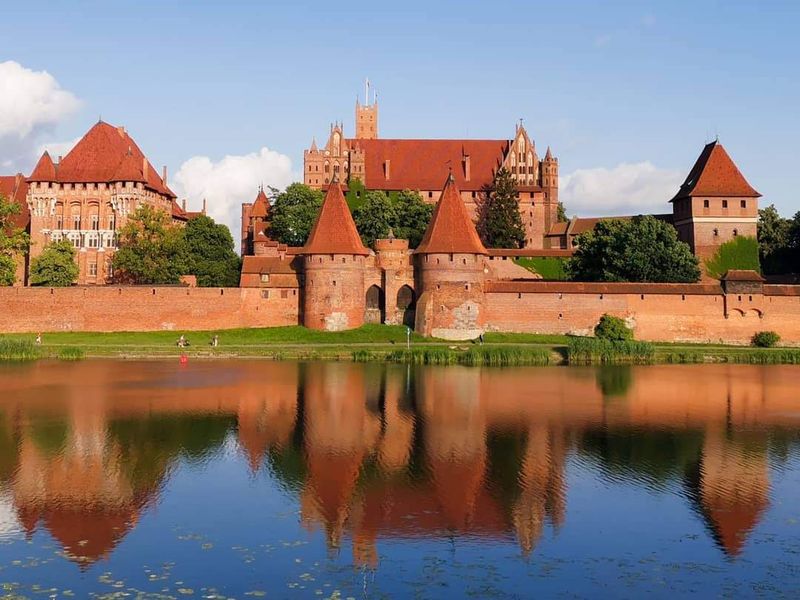
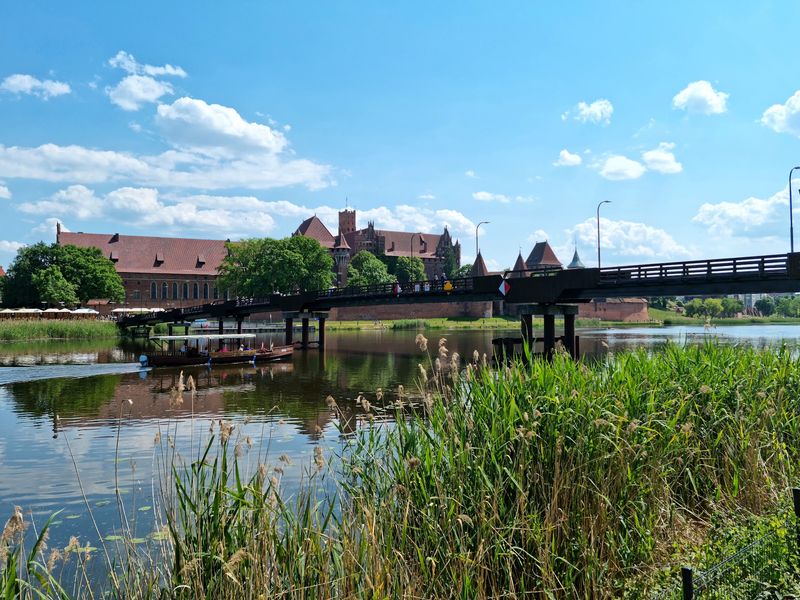
Bricks, bricks, and more bricks. Malbork Castle is the largest castle in the world built from brick, and it shows from the first glance across the Nogat River.
The Teutonic Order began the fortress in the late 1200s. Over the years it grew into a huge complex of towers, halls, courtyards, and walls that stretch along the water.
Visitors often say the scale is hard to believe until they stand in front of it. Walk across the wooden bridge on the far side of the river for the classic postcard view.
The reflection of the red walls in the water looks great in photos, especially in soft evening light.
Builders used brick in clever ways, from patterned walls to graceful vaulted ceilings. One reviewer loved how many different ways the bricks were arranged.
Look closely at the walls and you will spot details that most people miss.
Plan time to stroll the promenade around the outside too. Each angle reveals a new tower or gate, and the views change with every few steps you take.
The Teutonic Knights Story
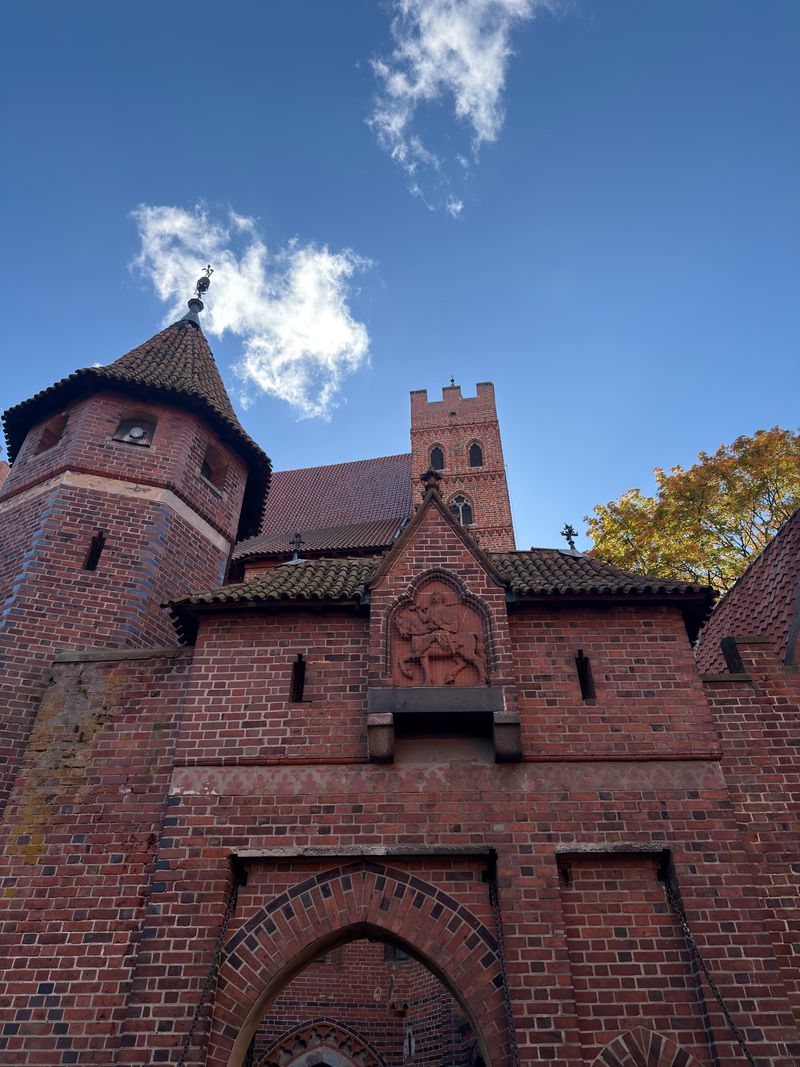
Here is a quirky fact: this fortress was once the capital of a monastic state run by crusader knights. The Teutonic Order moved its headquarters here in 1309, and Malbork became the center of their power.
The knights wore white cloaks marked with black crosses. They were monks and warriors at the same time, which made their daily life a strange mix of prayer and battle plans.
Inside the castle, the story unfolds room by room. You learn how the knights ruled, how they traded, and why their rivals in Poland eventually pushed back.
History fans will enjoy the long timeline, from medieval glory to Polish rule and later restoration. Even readers who know little about the era can follow along easily.
Many visitors say the tale feels more like a drama than a school lesson. Keep an eye out for the clues about power struggles and clever politics hidden in the exhibits.
The Talking Audio Guide
Reviewers keep raving about one gadget, and it is not a sword. The audio guide here knows which room you are standing in and starts talking at just the right moment.
One visitor said it felt almost psychic. Another loved the battle sounds and medieval music that play along with the history.
The guide follows a set route, so wander off and it may beep loudly. That can be annoying, but it keeps the story in order and helps you see the highlights.
Pick up the device at the correct building, since some visitors had to walk to another spot to collect it. Ask at the entrance if you are unsure.
Some people found the narration a bit old-fashioned, with plenty of walk here and look there. Still, most agree it adds real depth and makes the castle far easier to understand than reading signs alone.
Planning Your Time Wisely
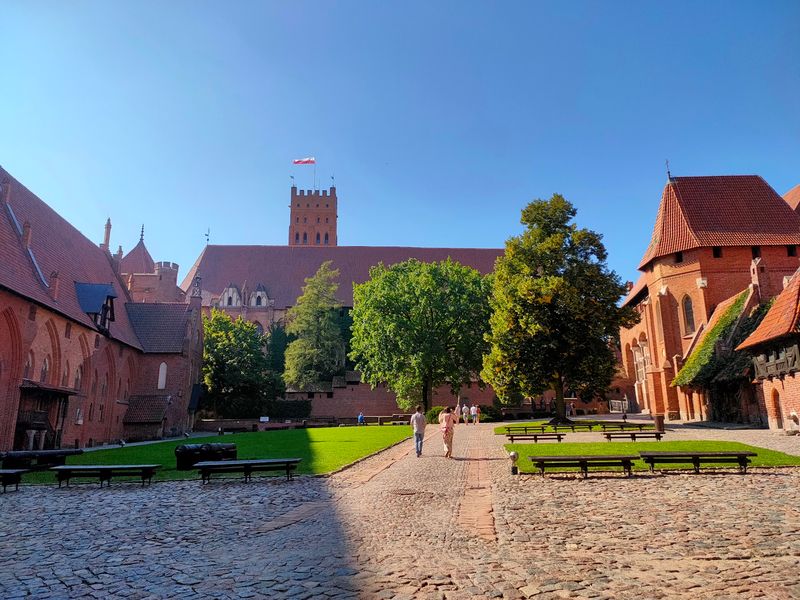
Time can sneak away fast here. Most visitors spend three to five hours exploring, and a few stayed six without noticing.
Last entry times matter a lot. Several travelers arrived late and were told they could not enter the full route, so check the latest rules on the official website before you go.
Aim to arrive in the morning, ideally well before midday. Rooms close earlier than the grounds, so a late start means missing parts of the tour.
Buying tickets online is a smart move. You skip the box office line and choose a time slot that suits your day.
Short on time? One reviewer suggested skipping the early audio sections and heading straight to the Grand Master’s Hall, where the tour gets more exciting.
Wear comfortable shoes, because the path is long and there are plenty of stairs along the way.
The Grand Master’s Palace
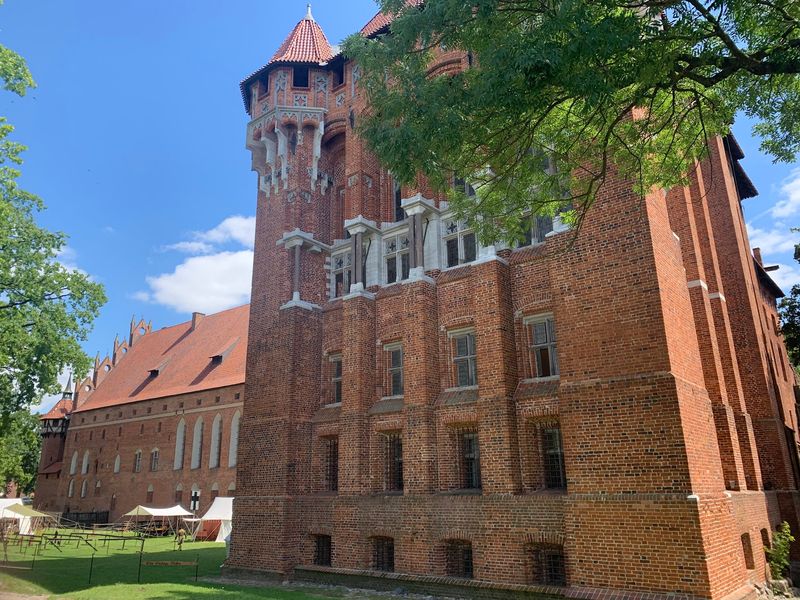
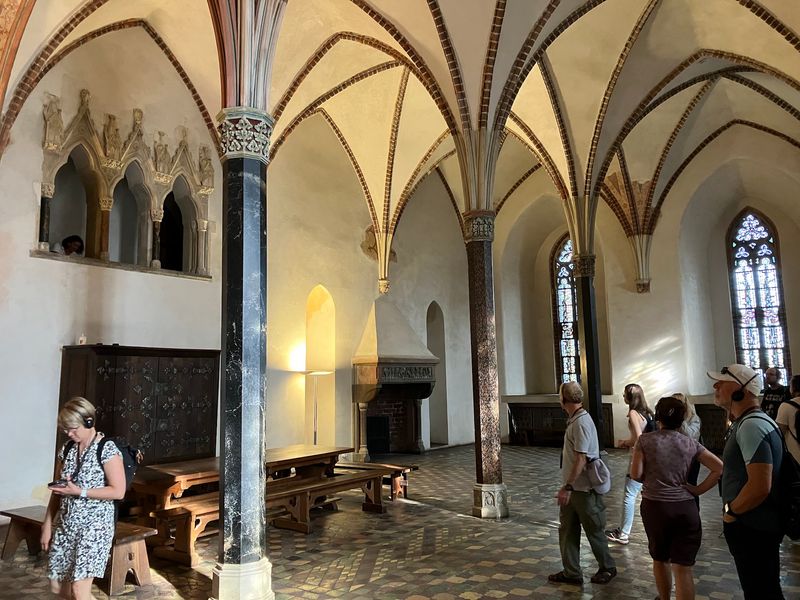
Stand under the ceiling and look up. The Grand Master’s Palace holds some of the most elegant rooms in the whole complex, with slender columns and ribbed vaults.
This was the home of the leader of the Teutonic Order. It had to impress visiting nobles, so the builders did not hold back.
The halls feel grand yet surprisingly calm. Tall windows let in daylight, and the brick patterns create a rich, warm mood.
Visitors often notice how well the rooms are kept, even though the castle suffered heavy damage in World War II. Restoration work continues, and some rooms still show bare brick as a reminder of that past.
Take your time here, since this part of the visit is a highlight. It is also a good spot to rest your feet and picture medieval feasts, visiting dignitaries, and important decisions being made.
Amber Treasures
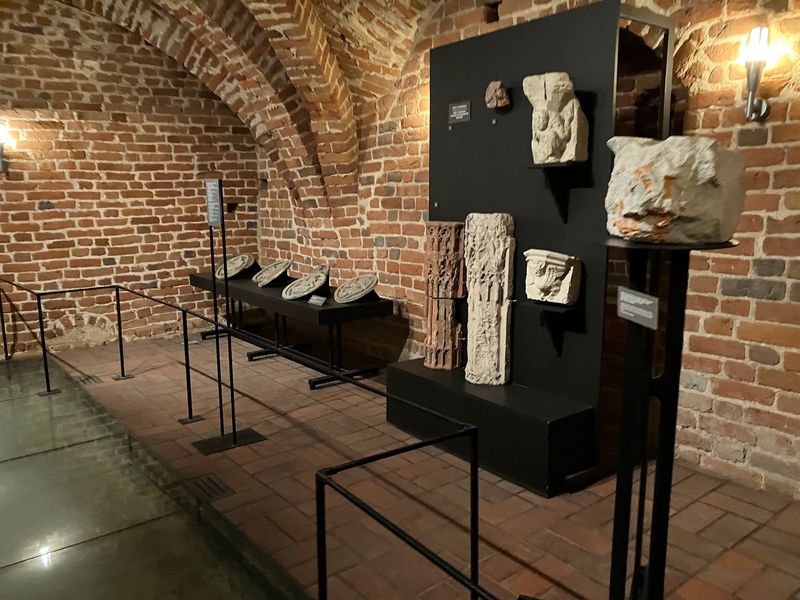
Golden and glowing, amber is the Baltic coast’s famous treasure. The castle’s amber collection shows how this fossil resin became jewelry, art, and even fancy decoration.
Some pieces are tiny and delicate, while others are surprisingly large. Look for items with ancient insects trapped inside, which always draw a crowd.
The Edmar Amber Gallery is one of the popular topics among visitors. It adds a colorful break from the stone and brick halls.
Amber was valuable in the Middle Ages, and the Teutonic Order controlled much of the trade. That explains why it fits so well in this fortress.
If you want a keepsake, shops nearby sell amber items. Buying a small souvenir also helps support the castle’s ongoing restoration, so your purchase has a purpose beyond looking pretty on a shelf.
Armor and Weapons Galore
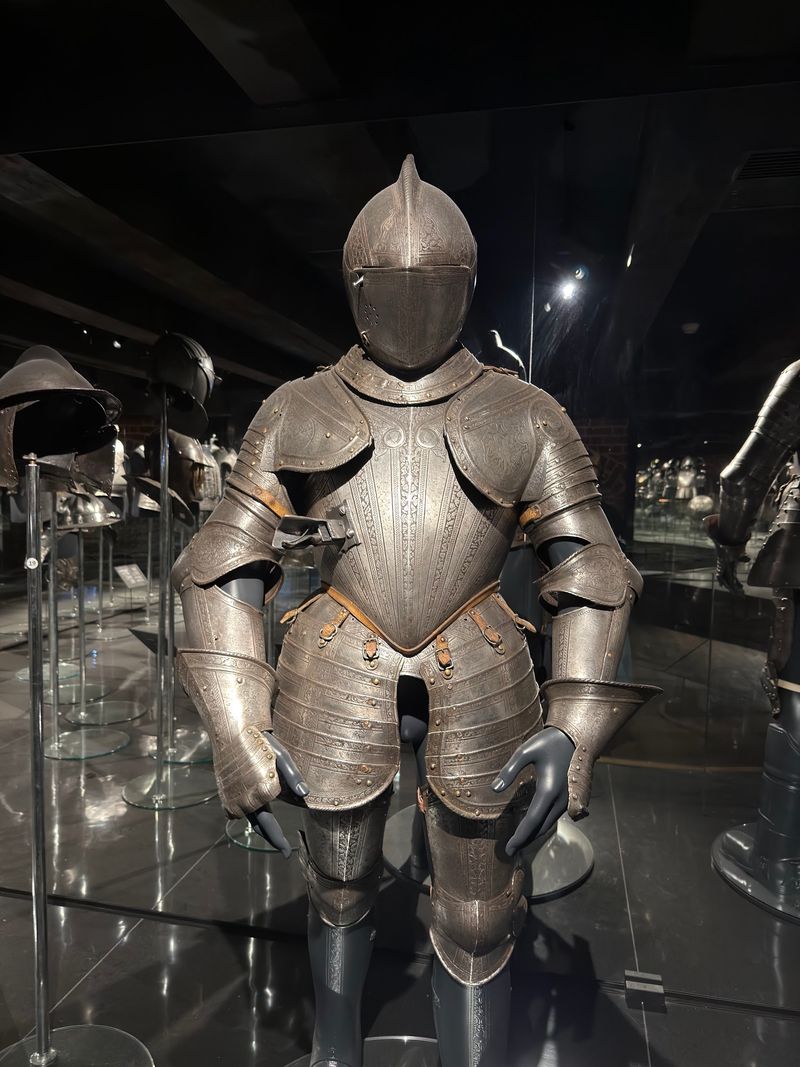
Clang! Okay, the armor stays quiet, but the weapon collection still makes noise in your imagination.
Swords, helmets, crossbows, and shields fill the display cases.
Reviewers called the collection brilliant and well worth slowing down for. It is easy to rush past, so give it a few extra minutes.
Look at the details on the metalwork. Some pieces show careful craftsmanship, while others show dents that hint at real fights.
Kids tend to love this part. The castle is known as a children’s attraction, and the weapons are a big reason why.
Beyond the weapons, the museum includes paintings and medieval artifacts that tell more of the story. Pair the exhibits with the audio guide to learn how knights trained, what they wore, and how a castle defended itself against sieges and surprise attacks.
Climbing the Tower
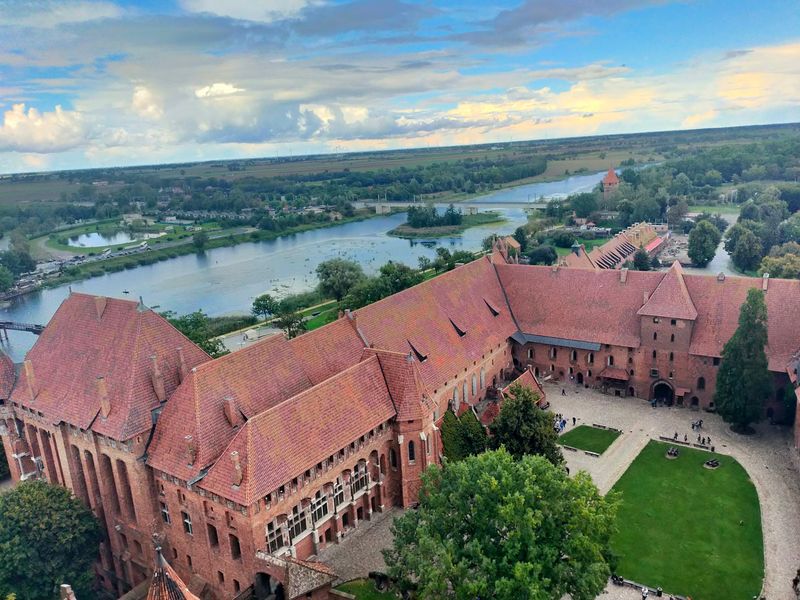
Got legs? Then the tower might be for you.
Some visitors call the view spectacular, while others found it limited for the effort.
The climb needs an extra ticket. Reviewers who skipped it sometimes regretted it, so decide before you buy at the gate.
Benches on each level give you places to rest. That helps older travelers and anyone who likes to pause for a breather.
At the top, you can see the town, the winding river, and the huge sprawl of the castle roofs below. It gives a clear sense of just how big the complex really is.
Clear weather makes a big difference, so check the forecast. A sunny day gives you sharp photos and brighter colors, while rain can turn the experience into a damp, foggy adventure.
Easy Trip from Gdansk
Forty minutes by train is all it takes. Gdansk travelers can hop aboard and arrive in Malbork in less time than many city commutes.
From the station, the walk to the castle takes about twenty minutes. It is simple and pleasant, passing through town before you reach the river and that huge first view.
Driving is possible, but parking can be tricky. Visitors reported limited spaces near the castle, and private lots can be expensive.
Taking the train avoids that headache. It also lets you relax and enjoy the scenery along the way.
Make a full day of it. Eat in town before or after your visit, since food inside is basic.
Carry water and a small snack, then head back to the station with tired legs and a camera full of photos.
Crowds, Seasons, and Free Mondays
Free entry sounds amazing, right? On Mondays, one visitor noted, admission can be free, but the crowds can feel like sardines in a can.
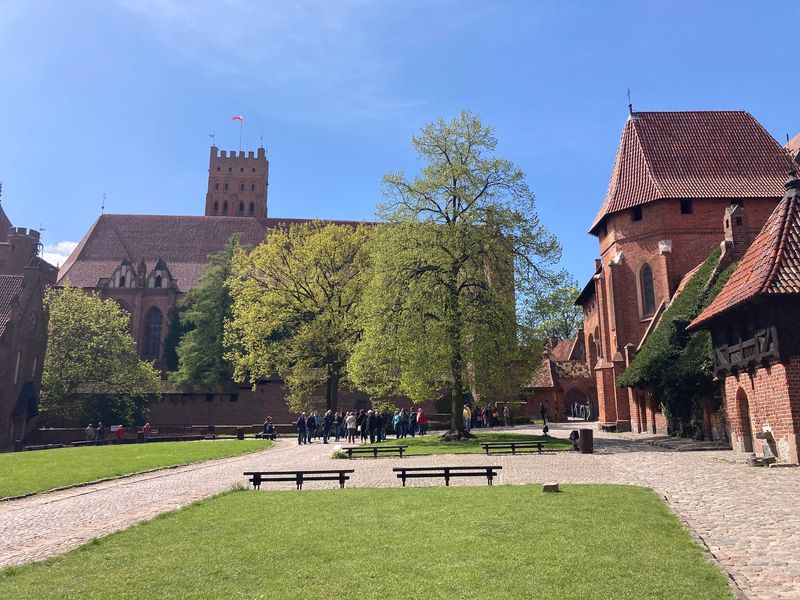
Many reviewers say the castle gets busy, especially when school groups arrive. Narrow stairways and corridors can slow everyone down.
Low season is calmer. Fewer tourists mean you can linger at exhibits and enjoy the atmosphere at your own pace.
One October visitor went during the last hour on a Thursday and found the place nearly empty. That made for wonderful photos and a peaceful walk.
Weather matters too. Rain can spoil the outdoor sections, so pack layers or an umbrella.
Whatever day you choose, the castle’s size helps spread people out, and there is always another courtyard or hall to explore when one gets crowded.
Share this story