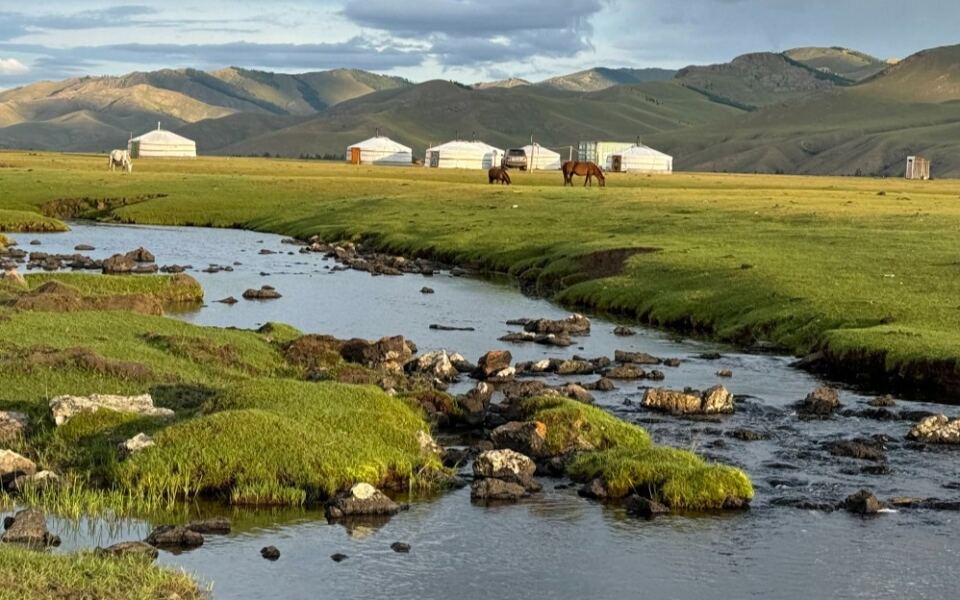
Mongolia is one of the least crowded countries on Earth, and its national parks show off wild land that few travelers ever see. From glaciers and sand dunes to deep lakes and open steppe, the scenery changes sharply from region to region.
Knowing what each park offers helps travelers plan a trip that fits their interests. Here are thirteen remote parks worth learning about.
1. Altai Tavan Bogd National Park
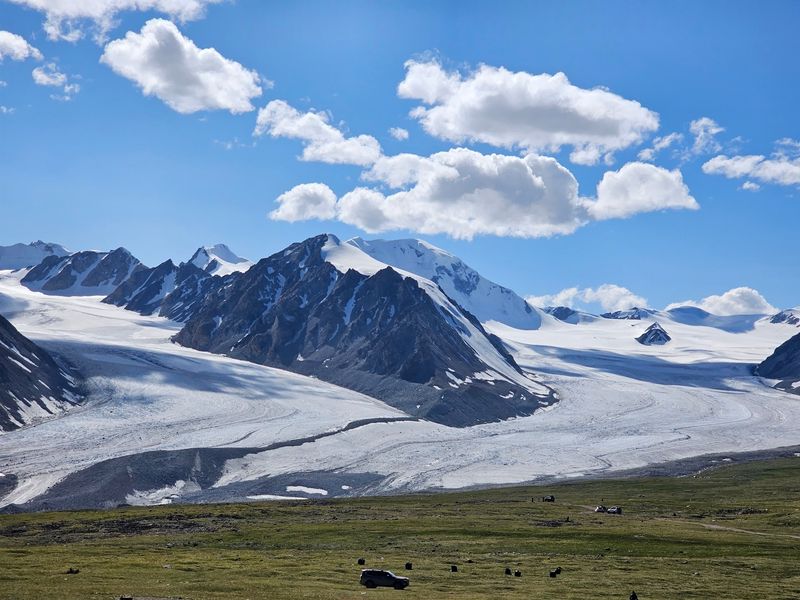
Standing at the far western edge of Mongolia, this park is where the country meets China and Russia. Its snowy summits include Khuiten Peak, the highest point in Mongolia at about 4,374 meters.
Glaciers such as Potanin spill down from the high ridges, and clear alpine lakes sit in the valleys below. Kazakh eagle hunters live in the region and are known for training golden eagles.
Getting here takes effort. Most travelers fly to Ulgii, then drive for a day or more on rough tracks.
Summer is the easiest season to visit, since winter brings deep snow and extreme cold.
Bring layers, a good tent, and a local guide. Weather can shift quickly at altitude, and a border permit is required, so arrange it ahead of time through a tour operator.
2. Gobi Gurvansaikhan National Park
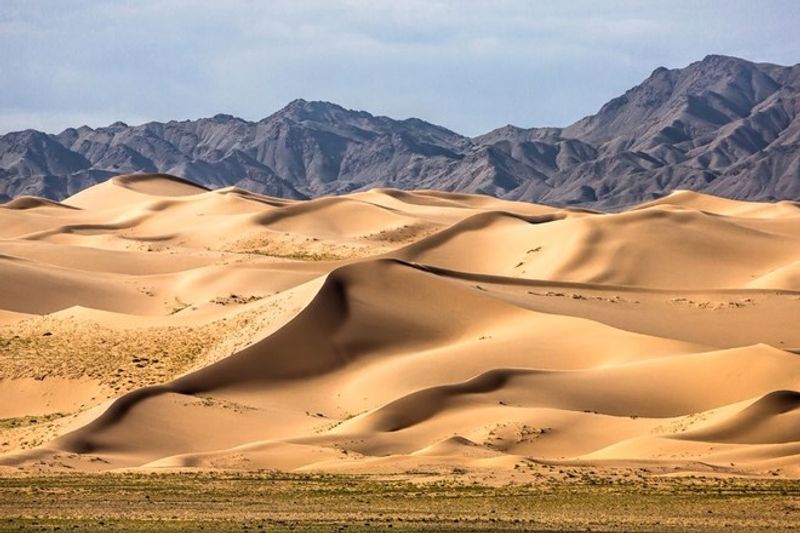
Picture a sea of golden sand rising nearly 300 meters above the desert floor. That is Khongoryn Els, often called the singing dunes, because shifting sand can make a low humming sound.
The park is the largest national park in Mongolia, and its name means Three Beauties. It holds rugged mountains, dry plains, and the narrow Yolyn Am gorge, where ice can linger in the shaded canyon well into summer.
Wildlife includes ibex, argali sheep, and the rare snow leopard in higher areas. Many travelers stay in ger camps and explore by jeep or camel.
Late spring and early autumn are comfortable times to go. Summer days can be very hot, so carry plenty of water and sun protection.
3. Khuvsgul National Park
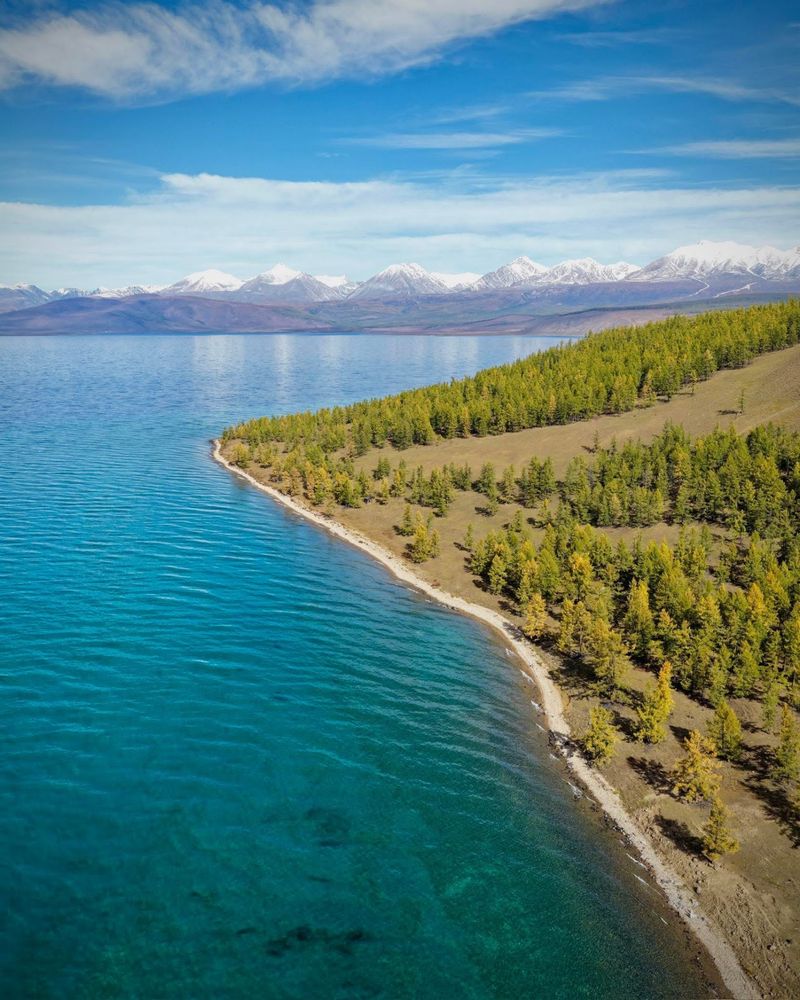
Locals call Lake Khuvsgul the Blue Pearl, and one look explains why. It holds about 70 percent of Mongolia’s fresh surface water and stretches roughly 136 kilometers from north to south.
Pine and larch forests climb the hills around the shore, and quiet valleys lead toward the Siberian border. Reindeer herders of the Dukha people live in the northern taiga, keeping a way of life tied to the seasons.
Visitors can hike, ride horses, kayak, or simply relax at a lakeside camp. Fishing is popular, though rules apply, so check with local rangers.
The lake freezes thick enough in winter for vehicles to cross. Summer, from June to August, is the most popular time for a visit.
4. Khorgo-Terkhiin Tsagaan Nuur National Park
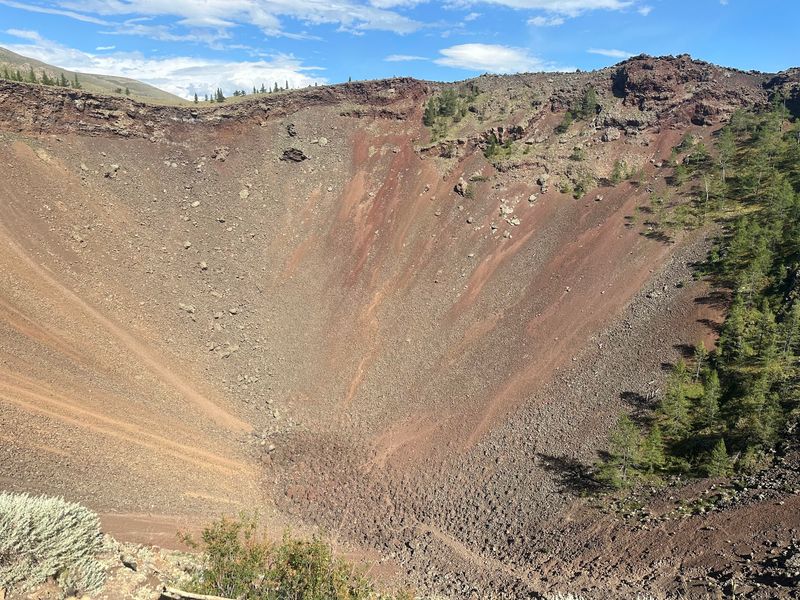
Few places in Mongolia let you stand on the rim of a volcano. Khorgo is an extinct volcano with a crater about 200 meters across, and a short climb leads to wide views over black lava fields.
Not far away lies Terkhiin Tsagaan Lake, a freshwater lake formed when lava blocked a river valley thousands of years ago. Its calm water attracts pelicans, geese, and many other birds.
The park sits in the Khangai region, and nearby volcanic rocks and caves add to the scenery. Herding families camp on the grassy hills around the lake.
Plan for a long drive from Ulaanbaatar, usually a full day or more. Camps and guesthouses near the lake make a comfortable base for a few days.
5. Khar Us Nuur National Park
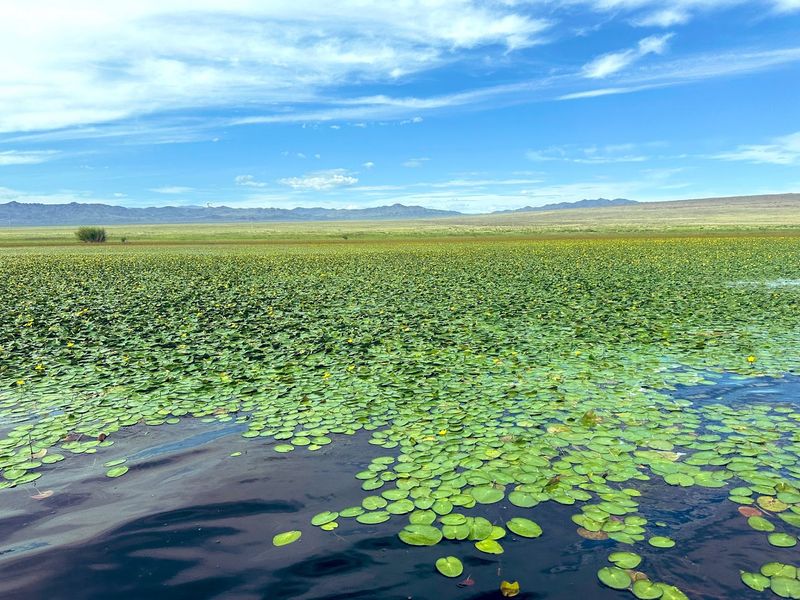
Bird lovers will find plenty to watch here. Khar Us Nuur is a large freshwater lake in western Mongolia, ringed by marshes and thick reed beds that shelter many species.
Pelicans, swans, herons, and cranes stop here during migration, and the water supports fish that feed them. Dry mountains rise in the distance, creating a striking contrast with the green wetlands.
The Chono Kharaiach river delta feeds the lake and adds to the maze of channels and islands. Because the area is flat and open, sunrise and sunset light up the water beautifully.
Bring binoculars and a field guide. Spring and autumn are the best seasons for birds, while summer brings mosquitoes, so pack repellent.
6. Khangai Nuruu National Park
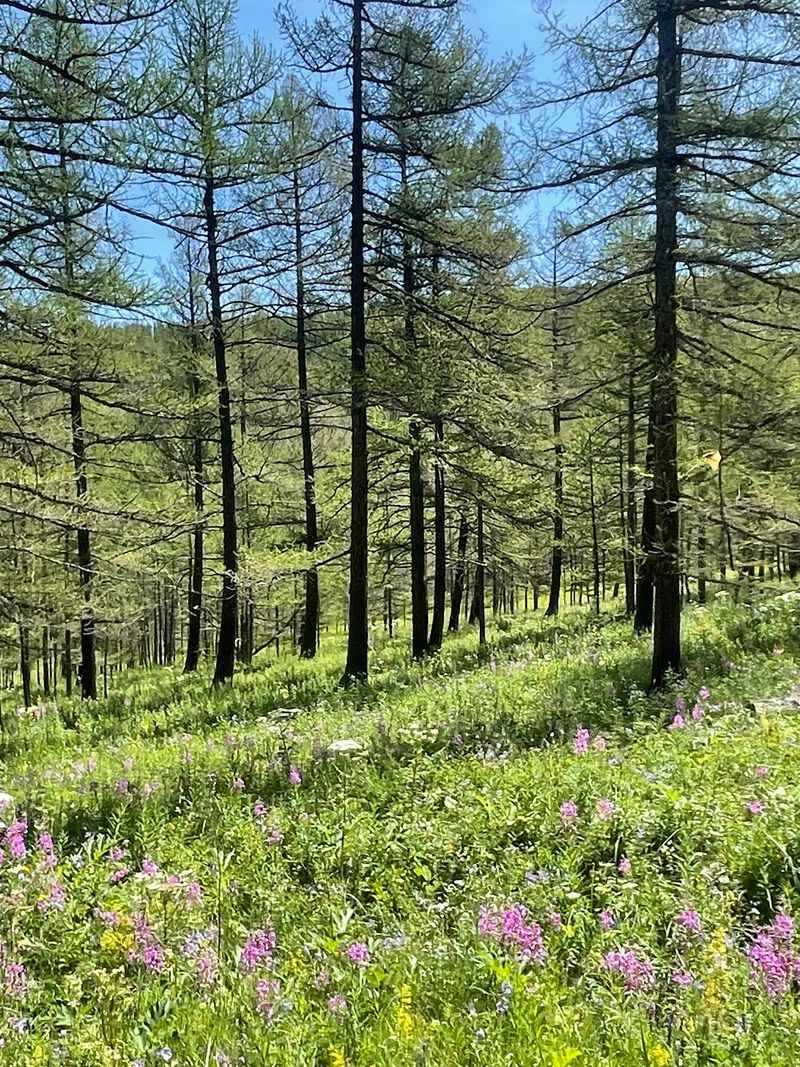
Gentle peaks and open meadows define the Khangai range, one of the most scenic mountain regions in central Mongolia. Rivers carve through wide valleys, and larch forests cover the cooler slopes.
The park protects the headwaters of several important rivers. In summer, wildflowers carpet the high meadows, and herders move their yaks, sheep, and horses to fresh pasture.
Wildlife includes red deer, marmots, and many birds of prey. Hikers can follow old herder trails across ridges with sweeping views.
Hot springs are scattered around the surrounding region, offering a welcome soak after a long walk. Roads can be rough, so travel with an experienced driver, and always carry extra fuel and food for remote stretches.
7. Tsambagarav Uul National Park
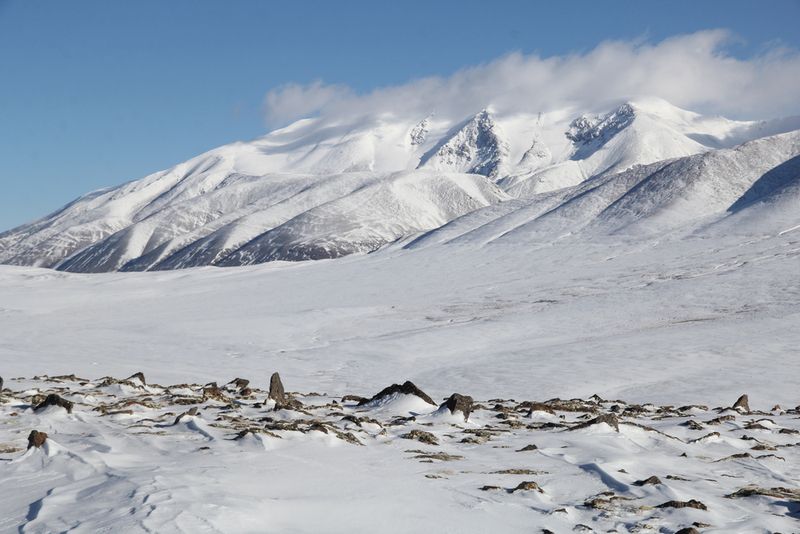
The white dome of Tsambagarav catches the eye from far across the western plains. Its top reaches about 4,200 meters, and glaciers cover much of the upper slopes.
The park lies in Khovd and Bayan-Ulgii provinces and forms part of the Mongolian Altai. Rocky ridges, cold streams, and high pastures make up the landscape.
Snow leopards and argali sheep live here, though they are hard to spot. Ancient stone carvings and burial mounds in the foothills show that people have passed through for thousands of years.
Trekking is possible in summer, but the altitude demands care. Allow time to adjust, wear sturdy boots, and hire a local guide who knows the weather and the safest routes.
8. Tarvagatai Nuruu National Park
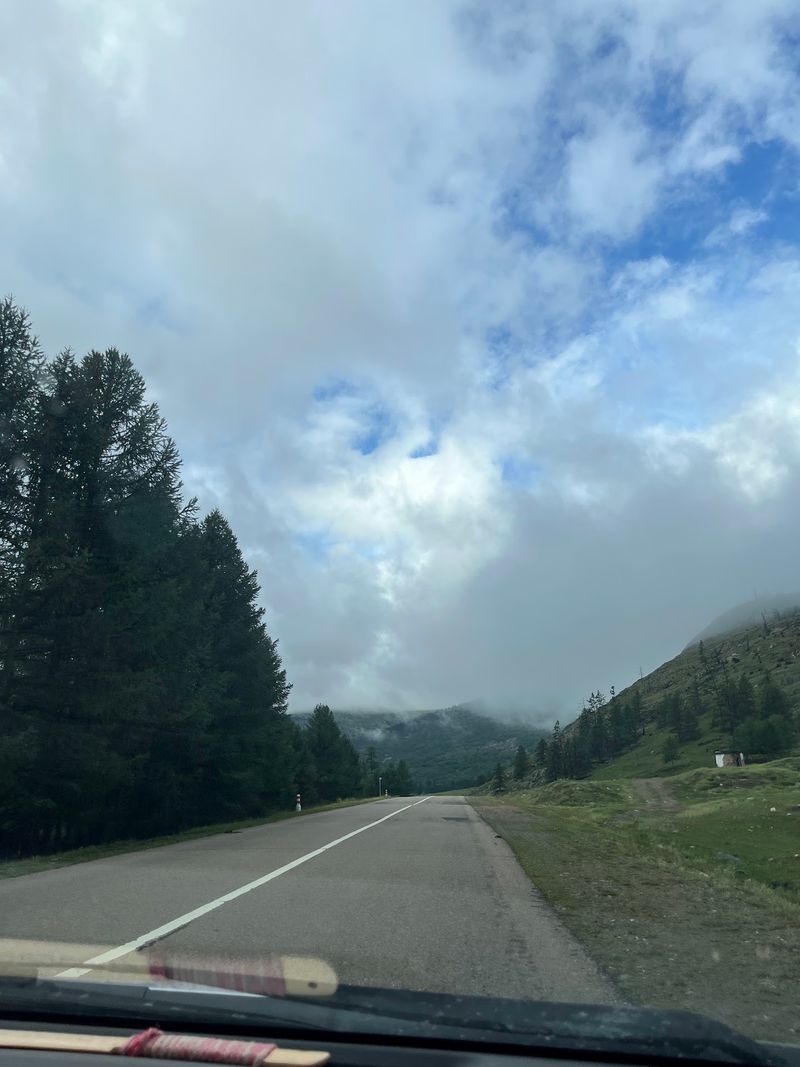
Quiet is the main feature of this park. Tarvagatai Nuruu sees few visitors, so the forests, grasslands, and river valleys feel almost untouched.
Located in central Mongolia, the range is part of the wider Khangai system. Larch and pine woods cover the shaded slopes, while open alpine meadows brighten with flowers in summer.
Clean rivers wind through the valleys and support trout and other fish. Birds, deer, and small mammals thrive in the protected habitat.
Services are limited, so self-sufficiency matters. Travelers usually come with a guide, camping gear, and supplies for several days.
The reward is a chance to see everyday Mongolian pastoral life, with herding families still moving across the hills each season.
9. Onon-Balj National Park
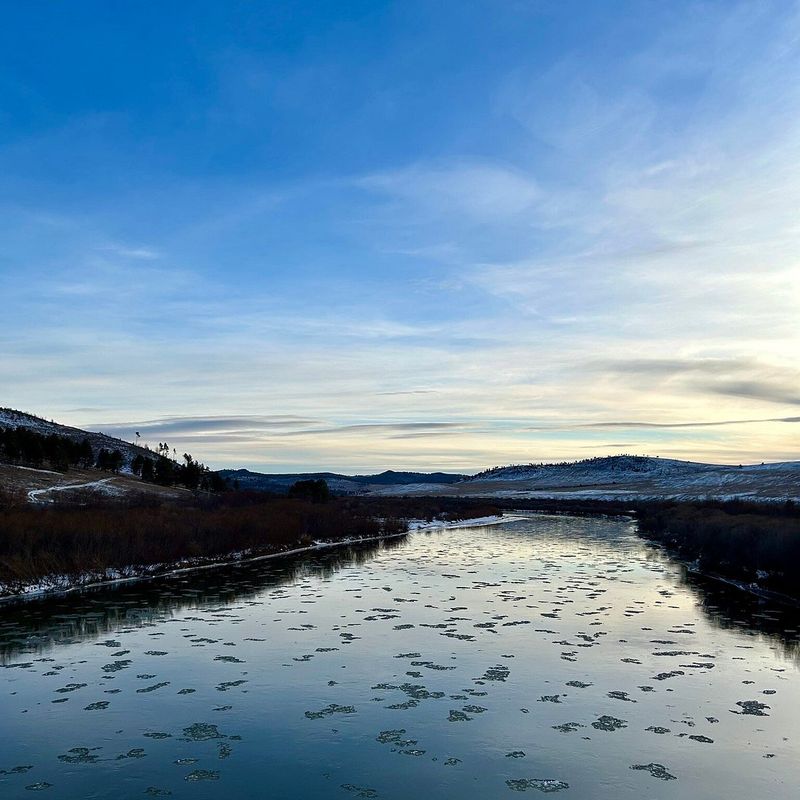
History and scenery meet in this northeastern corner of Mongolia. The Onon River winds through forested hills, and the region is closely tied to the birthplace of Genghis Khan.
The park lies in Khentii Province near the Russian border. Pine and larch woods mix with open meadows, and the river valleys hold fish, otters, and many birds.
Visitors can hike, fish, or ride horses along quiet trails. Cultural sites in the wider area add depth to a trip, from ancient burial grounds to monuments honoring Mongolian history.
Summer is the best time to go, when the valleys are green and the roads are drier. Mosquitoes can be thick near water, so bring protection and light long sleeves for evenings.
10. Noyon Khangai National Park
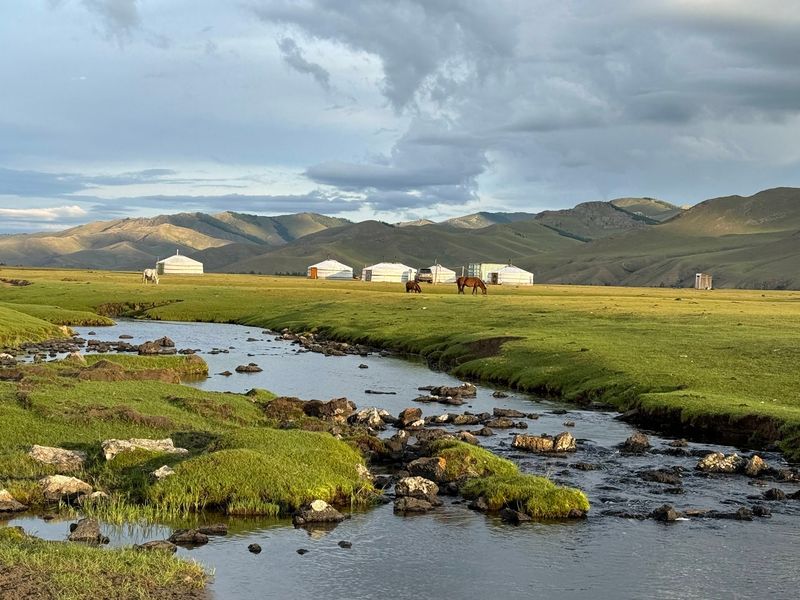
Wide skies and soft green slopes set the mood in Noyon Khangai. The scenery includes mountain ridges, open valleys, and rolling grasslands where livestock graze through the warm months.
The area sits in the heart of the Khangai region, a place that shaped much of Mongolia’s pastoral culture. Streams run down from the hills, feeding meadows that stay green well into summer.
Wildlife is varied. Look for marmots near burrows, raptors circling overhead, and wild goats on rocky outcrops.
Because few tourists come this way, meeting local herders is a highlight. A cup of salty milk tea in a ger is a common welcome.
Learn a few Mongolian greetings, and bring small gifts from home to share politely.
11. Khan Khukhii National Park
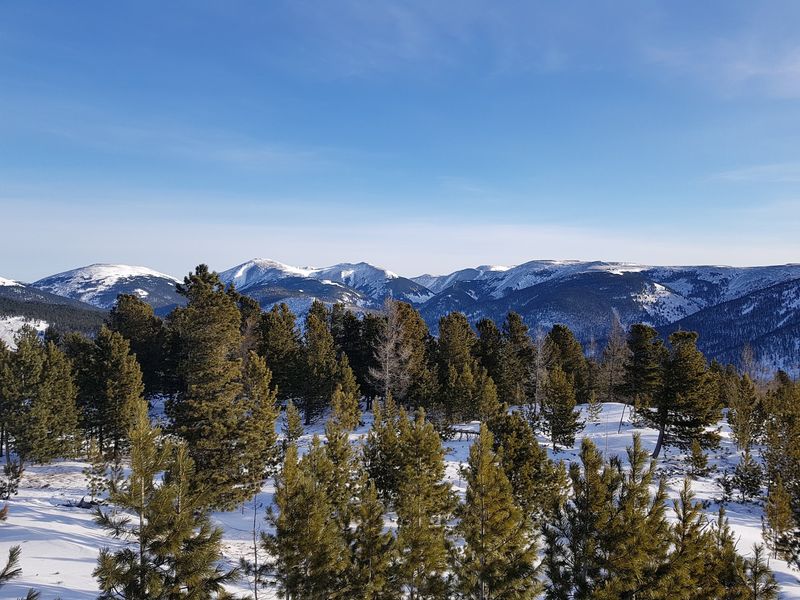
Rugged ridgelines meet endless grass in northwestern Mongolia. Khan Khukhii offers a mix of mountain terrain and open steppe, with few roads and even fewer crowds.
The range sits in Uvs Province, a region known for its salt lakes, dry basins, and sharp seasonal changes. Wind sweeps across the high ground, and temperatures drop fast after sunset.
Animals such as ibex, wolves, and golden eagles use the rocky slopes. Spring brings new grass and newborn livestock to the lower valleys.
Reaching the park takes planning, since distances are long and fuel stops are rare. Hire a driver with local knowledge, carry spare tires, and check the forecast before heading into the hills.
12. Silkhemiin Nuruu National Park
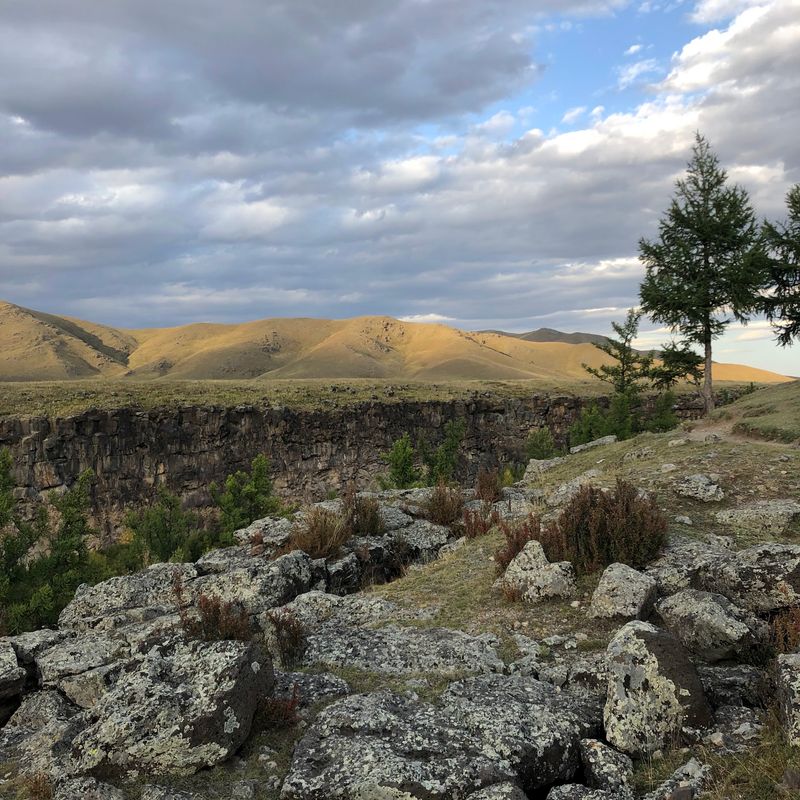
Along the border with Russia, the Silkhemiin range rises in a remote section of the Altai. Visitors here are rare, and border rules mean a permit is needed.
The terrain features steep slopes, high plateaus, and cold streams. Highland habitats shelter animals such as argali sheep, ibex, and, in the quietest corners, snow leopards.
Vegetation shifts with altitude, moving from grassy lowlands to rocky tundra near the summits. Summer is short, and snow can return early in autumn.
Preparation is everything. Work with a licensed operator, bring cold-weather gear even in July, and tell someone your route.
Satellite communication is a smart backup because mobile signals rarely reach these valleys.
13. Munkhkhairkhan National Park
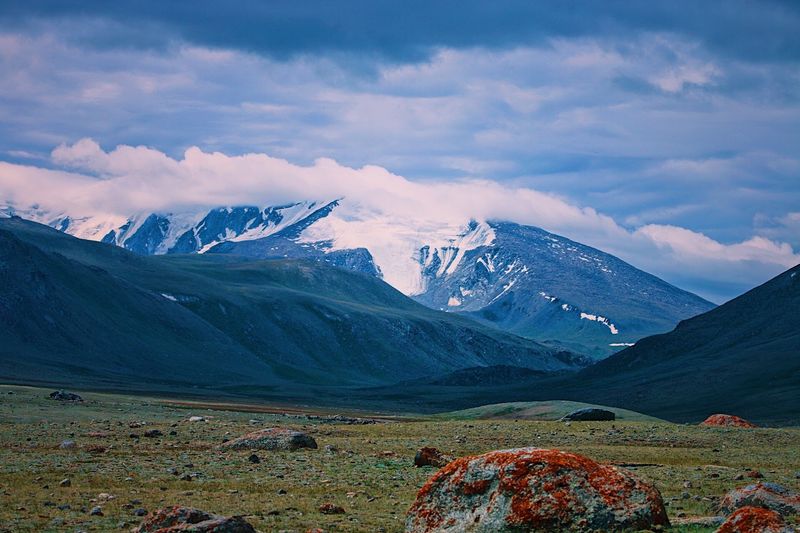
Rising to about 4,200 meters, Munkhkhairkhan is a lofty peak in Khovd Province, and glaciers cling to its upper slopes. The name is often translated as Eternal Mountain.
The park protects high ridges, cold lakes, and quiet alpine valleys. Local herders consider the mountain sacred and travel here with respect, a custom visitors are encouraged to follow.
Wildlife includes ibex, argali, and a number of mountain birds. In the lower valleys, grazing animals dot the green slopes in summer.
Treks require good fitness and proper gear. Go with a guide, keep trails clean, and ask before taking photos of nearby families.
Late June to August offers the most stable weather for exploring.
Share this story