Some of the wealthiest and most successful people in the world share one surprising habit: they read constantly. From Warren Buffett spending hours a day with books to Bill Gates publishing annual reading lists, billionaires rely on books to sharpen their thinking and grow their ideas.
The titles they return to again and again cover investing, leadership, science, and philosophy. Here are 15 books that the world’s richest people consistently recommend.
1. The Intelligent Investor by Benjamin Graham
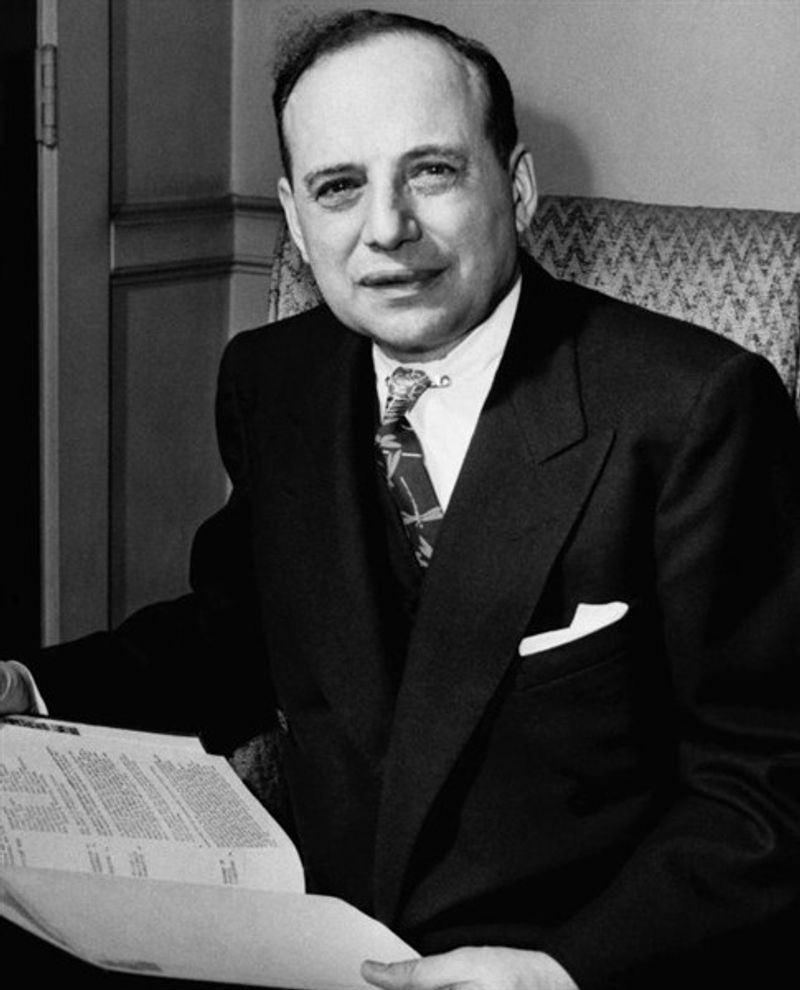
Warren Buffett once called this book “by far the best book on investing ever written,” and he first read it as a teenager. That kind of praise from the world’s most famous investor says a lot.
Benjamin Graham wrote this guide to help everyday people make smart, rational decisions with their money.
The book introduces the concept of “value investing,” which means buying stocks that are priced lower than what they are actually worth. Graham teaches readers to think like business owners rather than gamblers.
This mindset has made many investors very wealthy over time.
Bill Ackman, another highly successful investor, also credits this book as foundational to his career. The writing is clear and practical, even for beginners.
Anyone serious about growing wealth through the stock market will find this book genuinely life-changing.
2. Business Adventures by John Brooks

Bill Gates called this his favorite business book of all time after Warren Buffett personally mailed him a copy in the 1990s. That exchange between two of the world’s greatest investors made this decades-old collection of stories famous all over again.
John Brooks originally wrote these pieces for The New Yorker magazine in the 1960s.
The book covers twelve real business stories, including the dramatic failure of Ford’s Edsel car and a wild stock market panic on Wall Street. What makes it special is how Brooks explains complicated financial events in a storytelling style that feels more like reading fiction than a finance textbook.
Both Gates and Buffett agree that human behavior drives business outcomes more than spreadsheets ever could. This book proves that point beautifully.
It remains remarkably relevant today, even though it was written over half a century ago.
3. Poor Charlie’s Almanack by Charles T. Munger

Charlie Munger, Warren Buffett’s longtime business partner at Berkshire Hathaway, was famous for his sharp, witty wisdom. This book collects his speeches, talks, and ideas into one big, beautifully illustrated volume.
Many investors and entrepreneurs treat it almost like a personal bible for clear thinking.
Munger believed that the smartest people borrow ideas from many different fields, including psychology, biology, economics, and physics. He called these borrowed ideas “mental models,” and he argued that building a large collection of them helps you make far better decisions in life and business.
The book is packed with humor, honesty, and hard-earned lessons from a man who built one of history’s greatest investment track records. Munger passed away in 2023, but his ideas live on through these pages.
Readers consistently say it reshapes how they think about nearly everything.
4. The Essays of Warren Buffett by Warren Buffett and Lawrence Cunningham
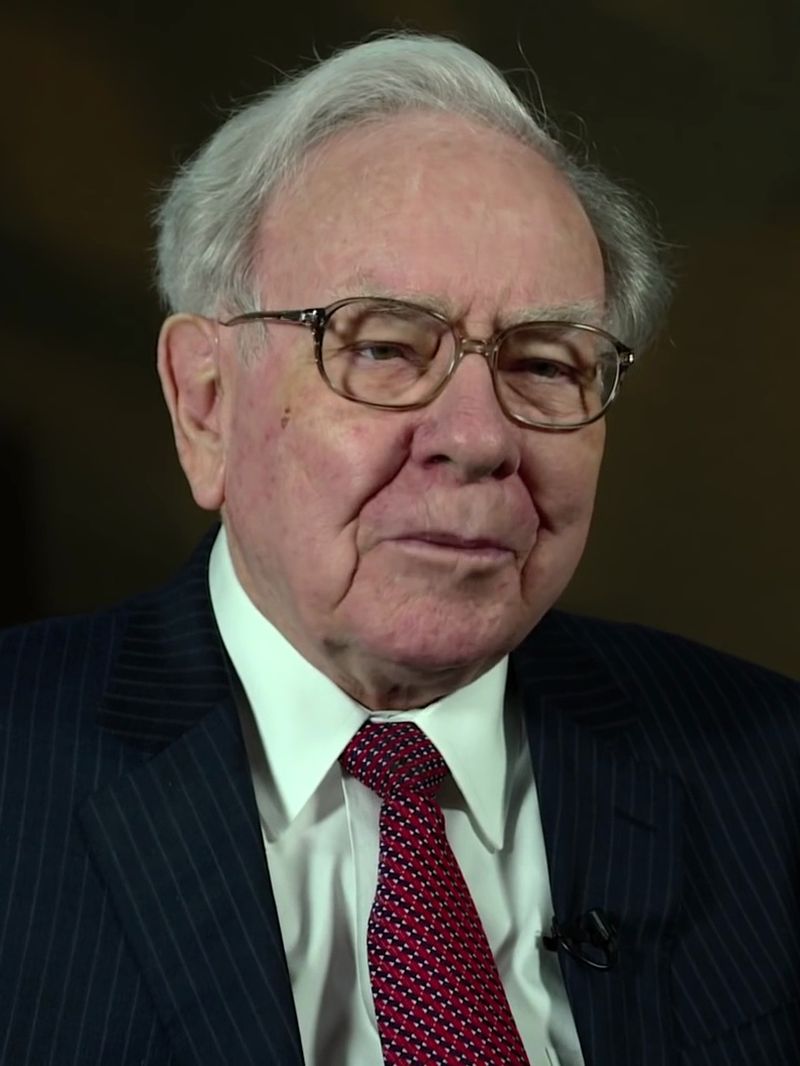
Warren Buffett has written letters to Berkshire Hathaway shareholders every year for decades, and those letters are legendary in the investing world. Lawrence Cunningham took the best of those letters and organized them by topic into this incredibly useful book.
The result is essentially a masterclass in business and investing, straight from Buffett himself.
Buffett writes with rare honesty, often admitting his own mistakes alongside his successes. He explains complex ideas like accounting, corporate governance, and capital allocation in plain, everyday language.
That combination of humility and clarity is what makes the book so widely respected.
Many business school professors use this book in their courses, and it is considered essential reading for anyone who wants to understand how great companies are built and run. Reading it feels like sitting down with one of the smartest business minds in history for a long, candid conversation.
5. Principles: Life and Work by Ray Dalio

Ray Dalio built Bridgewater Associates into the world’s largest hedge fund, and this book explains exactly how he thinks and operates. He spent decades writing down the rules he lives and works by, calling them his “principles.” The book is his attempt to share those rules with anyone willing to learn from them.
One of Dalio’s most powerful ideas is called “radical transparency,” which means being completely honest with people even when it is uncomfortable. He believes that most organizations fail because people avoid difficult truths.
Bridgewater’s culture of open, sometimes brutally honest feedback is built around this idea.
The book is split into two parts: one about life principles and one about work principles. Both sections are filled with specific, actionable advice.
Entrepreneurs, managers, and investors around the world have praised it as one of the most practical guides to building a successful organization ever written.
6. The Innovator’s Dilemma by Clayton M. Christensen

Jeff Bezos, Steve Jobs, and Intel’s Andy Grove all praised this book as one of the most important business books they had ever read. That is a remarkable group of endorsements.
Clayton Christensen, a Harvard Business School professor, wrote it to explain why great, well-managed companies so often fail when new technologies appear.
His central idea is called “disruptive innovation.” Basically, small companies with simpler, cheaper products can quietly grow until they eventually knock out the industry giants who ignored them. Christensen showed this pattern happening again and again across industries like steel, computers, and disk drives.
For anyone building a company or trying to understand why businesses rise and fall, this book is eye-opening. It helps explain why companies like Blockbuster missed the rise of Netflix, or why Kodak struggled with digital photography.
Understanding this pattern is essential for anyone navigating today’s fast-changing business world.
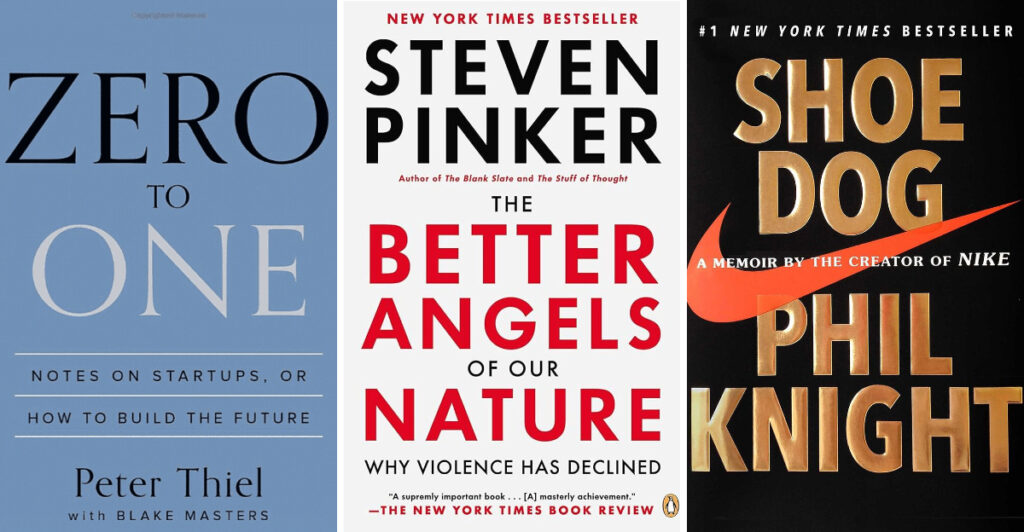
7. Zero to One by Peter Thiel
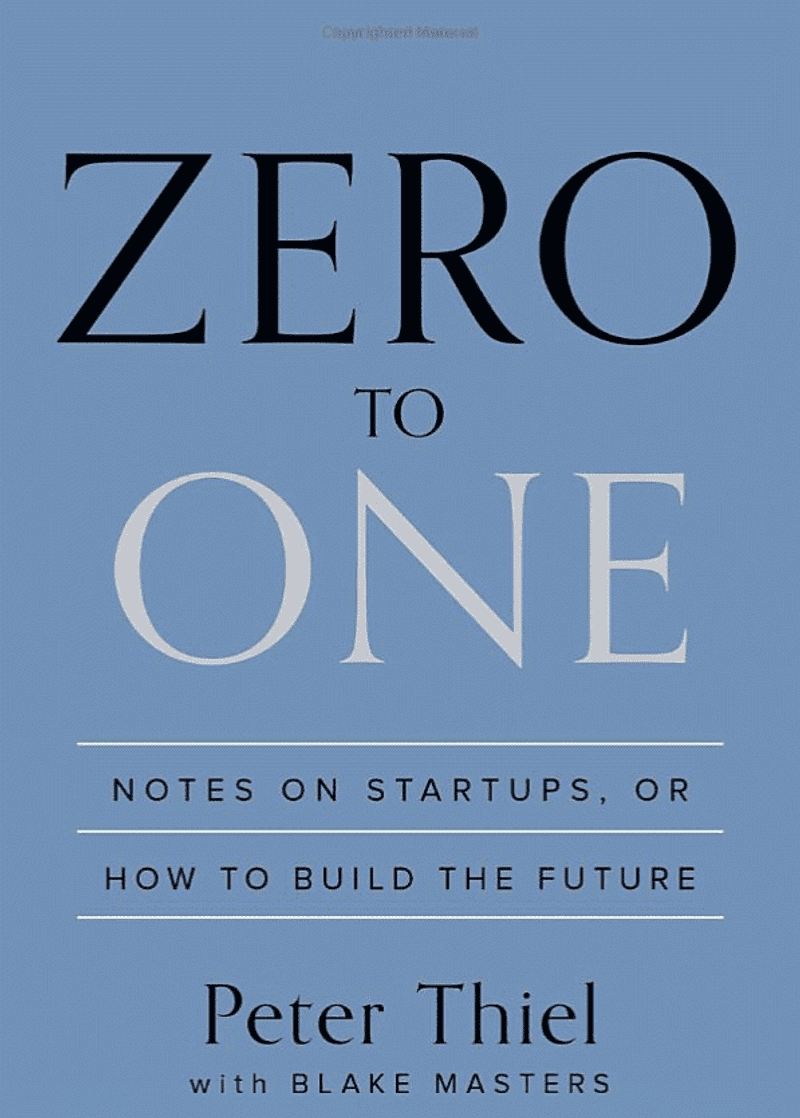
Peter Thiel co-founded PayPal and was Facebook’s first outside investor, so when he writes about building startups, people pay close attention. This book grew out of a class he taught at Stanford University, and students’ notes from that class spread so widely online that Thiel decided to turn them into a proper book.
The central argument is bold: the best businesses do not compete, they create something entirely new. Going from “zero to one” means building something that has never existed before, rather than copying what already works.
Thiel argues that true innovation is about secrets, monopolies, and thinking differently from the crowd.
The book is short, sharp, and full of ideas that challenge conventional business wisdom. Entrepreneurs and investors everywhere recommend it as required reading.
Even if you disagree with some of Thiel’s contrarian views, the book forces you to think harder about what truly makes a business valuable and unique.
8. The Hard Thing About Hard Things by Ben Horowitz

Most business books tell you how to succeed when things go well. Ben Horowitz wrote this book for the moments when everything is falling apart.
Horowitz co-founded the venture capital firm Andreessen Horowitz after surviving years of brutal challenges running his own tech company, Opsware.
Mark Zuckerberg, Marc Andreessen, and countless Silicon Valley founders have recommended this book because it is brutally honest about the loneliness and fear that come with leadership. Horowitz writes about laying off employees, dealing with bad press, and making impossible decisions without a clear answer in sight.
What makes the book stand out is its raw, unfiltered voice. Horowitz even opens chapters with rap lyrics that capture his emotional state during key moments.
It reads less like a polished management textbook and more like a survival guide from someone who has genuinely been through the fire and made it out.
9. Thinking, Fast and Slow by Daniel Kahneman
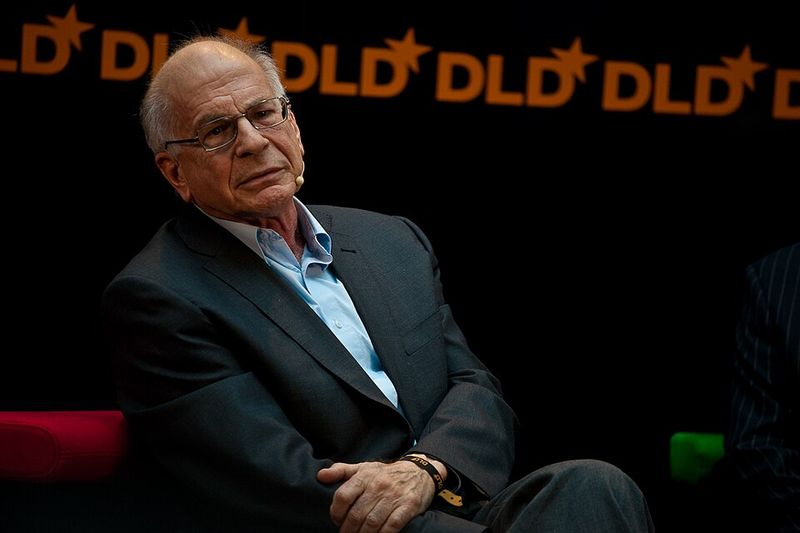
Daniel Kahneman won the Nobel Prize in Economics even though he is a psychologist, not an economist. That unusual fact hints at just how groundbreaking his research is.
This book summarizes decades of work on how humans actually make decisions, which turns out to be far messier and less rational than most people assume.
Kahneman explains that the brain operates in two modes: System 1, which is fast, intuitive, and emotional, and System 2, which is slow, careful, and logical. Most of our daily decisions happen in System 1, which means we are constantly falling for mental shortcuts and biases without even realizing it.
Bill Gates and Charlie Munger have both recommended this book enthusiastically. Understanding your own thinking patterns can help you avoid costly mistakes in business, investing, and everyday life.
Kahneman writes with clarity and humor, making heavy psychological research feel surprisingly accessible and immediately useful.
10. Factfulness by Hans Rosling, Ola Rosling, and Anna Rosling Ronnlund

Bill Gates loved this book so much that he once offered a free copy to every college graduate in the United States. That is a pretty strong recommendation.
Hans Rosling was a Swedish doctor and statistician who spent his life fighting the widespread human habit of seeing the world as worse than it actually is.
The book is built around a simple but powerful idea: most people, including highly educated experts, hold deeply outdated and overly negative views about global poverty, health, and education. Rosling uses real data to show that the world has improved dramatically in ways most people never notice.
Rosling passed away in 2017, but his daughter-in-law and son completed the book in his memory. Reading it feels like a genuine mental reset.
It does not dismiss real problems, but it replaces fear and despair with a clearer, more hopeful, and more accurate picture of human progress.
11. The Better Angels of Our Nature by Steven Pinker
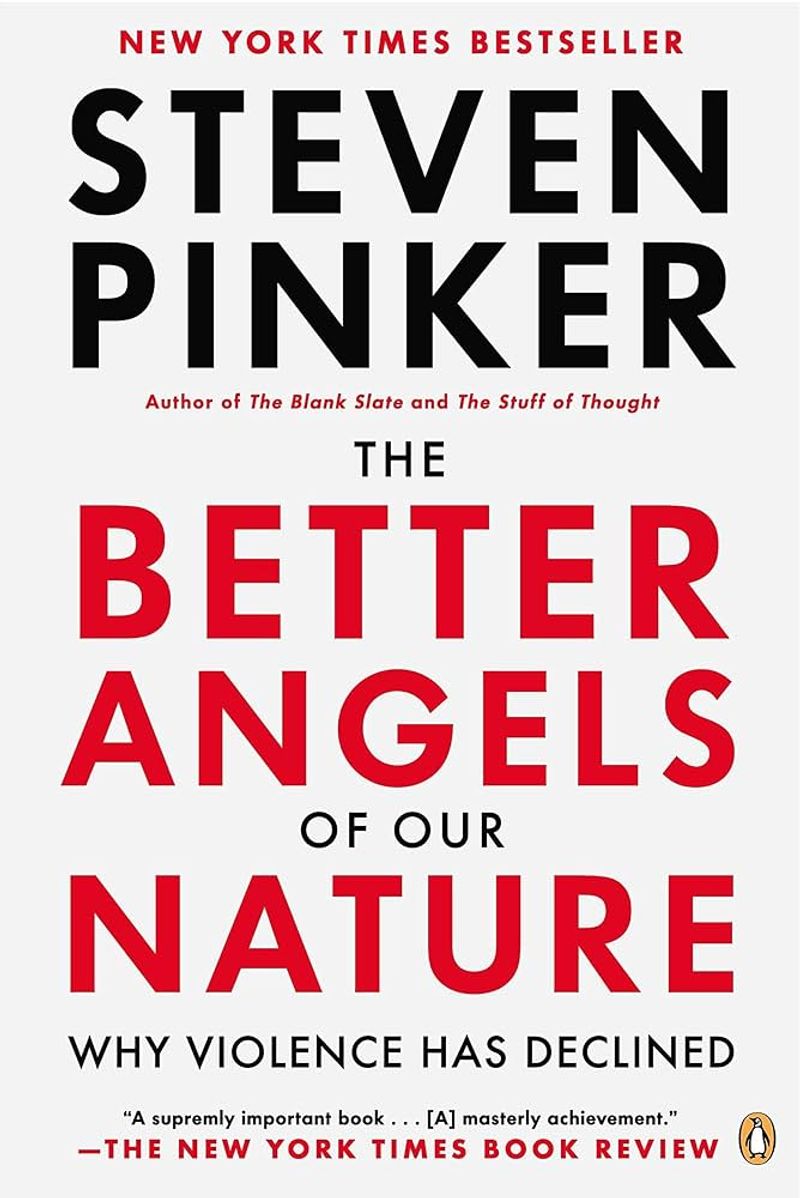
At nearly 800 pages, this is not a quick read, but Bill Gates has called it one of the most important books he has ever read. Steven Pinker, a Harvard psychology professor, makes a sweeping and carefully argued case that violence in human society has declined dramatically over thousands of years.
Using data from historians, archaeologists, and criminologists, Pinker shows that despite what the daily news suggests, people today are far less likely to die from war, murder, or torture than at any previous point in human history. The argument is counterintuitive and backed by an enormous amount of evidence.
The book matters for leaders and decision-makers because it challenges the instinct to assume the world is constantly getting worse. Pinker argues that reason, science, and human cooperation deserve credit for genuine moral progress.
It is a challenging read, but readers consistently say it permanently changes how they see history and humanity.
12. The Beginning of Infinity by David Deutsch

Elon Musk has mentioned this book as one of his favorites, which fits perfectly given Musk’s obsession with expanding the boundaries of what humanity can achieve. David Deutsch is a British physicist and one of the founders of quantum computing theory, and this book is his ambitious attempt to explain how human knowledge grows.
Deutsch’s central idea is that good explanations are the engine of all human progress. When people create genuinely good explanations for how things work, there is no limit to what can eventually be understood and achieved.
He applies this idea to science, politics, art, and even the future of civilization itself.
The book is dense and philosophical, requiring real concentration, but readers who stick with it often say it reshapes their entire worldview. Musk’s admiration makes sense: the book is fundamentally about why human potential has no ceiling.
For anyone fascinated by big ideas and the long-term future, it is deeply rewarding.
13. The Outsiders by William N. Thorndike Jr.

Warren Buffett praised this book as “an outstanding book about CEOs who excelled at capital allocation.” That single sentence from Buffett sent it flying up the bestseller lists. William Thorndike studied eight unconventional chief executives who quietly produced extraordinary returns for their shareholders over long periods of time.
The CEOs in this book were not famous media personalities or flashy visionaries. They were careful, disciplined operators who focused obsessively on one question: what is the best use of this company’s money right now?
That focus on capital allocation, rather than growth for its own sake, is what set them apart.
For investors and business leaders, the lessons here are both practical and humbling. Great leadership often looks boring from the outside.
The book makes a compelling case that quiet, rational decision-making consistently beats charisma and ambition in the long run. It is a short, accessible, and genuinely eye-opening read.
14. Shoe Dog by Phil Knight
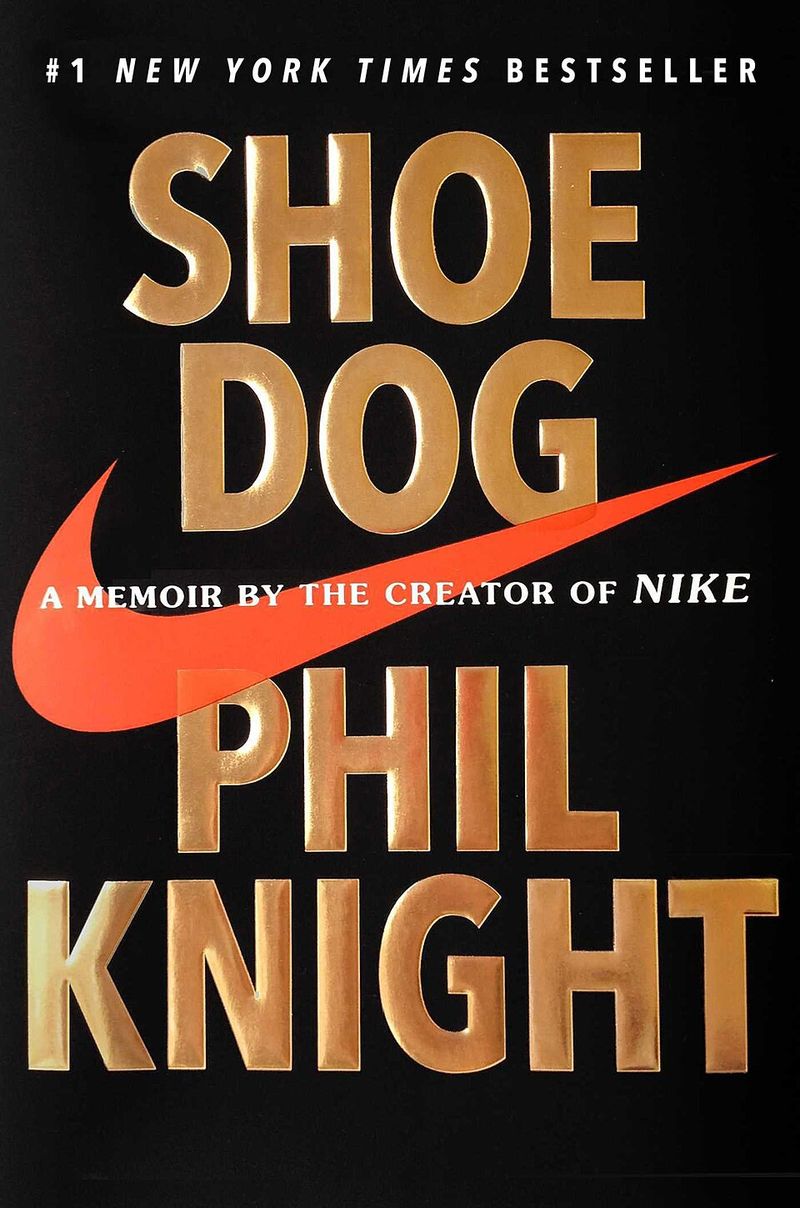
Bill Gates called this memoir “a refreshingly honest reminder of what the path to business success really looks like.” Phil Knight, the founder of Nike, wrote this book in his late seventies, and the honesty he brought to it is remarkable. Nike is one of the most recognized brands on earth, but its early years were a constant fight for survival.
Knight describes borrowing money, battling suppliers, navigating legal disputes, and nearly going bankrupt multiple times before Nike became what it is today. The story is filled with colorful characters, unexpected twists, and moments of genuine fear.
It reads more like an adventure novel than a typical CEO memoir.
What stays with readers long after finishing is Knight’s deep love for running, competition, and the team he built around him. The book is a reminder that most great companies are built through stubbornness and passion far more than through clever strategy or perfect planning.
15. Meditations by Marcus Aurelius
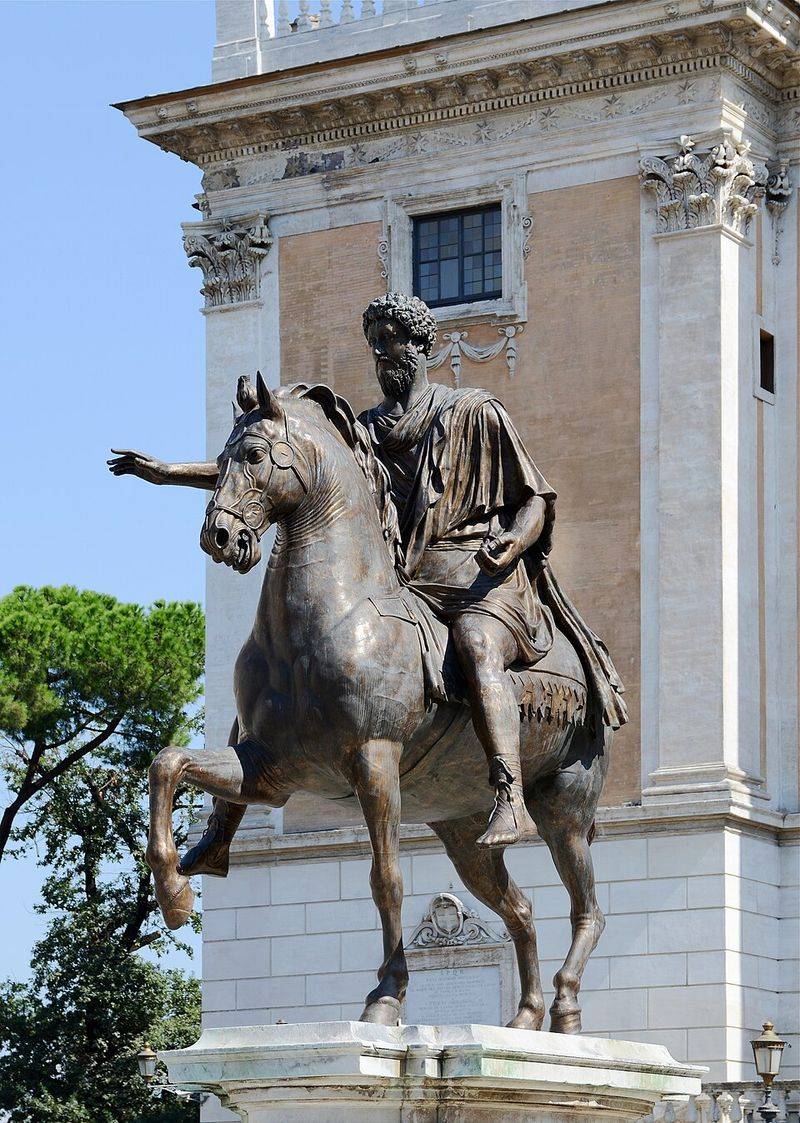
Written nearly 2,000 years ago by a Roman emperor, this book was never meant to be published. Marcus Aurelius wrote these private notes to himself as a personal exercise in Stoic philosophy, reminding himself daily how to stay humble, patient, and focused despite holding enormous power.
The fact that it survived at all is remarkable.
Marc Andreessen, Peter Thiel, and many other modern billionaires have publicly praised the book. Ryan Holiday, who has built an entire career around Stoic philosophy, consistently places it at the top of every reading list he shares.
The book’s appeal crosses every era and every profession.
The core message is surprisingly simple: you cannot control what happens to you, but you can always control how you respond. For leaders dealing with pressure, failure, and uncertainty, that idea is deeply practical.
Short, quietly powerful, and endlessly re-readable, Meditations rewards anyone who picks it up with genuine clarity and calm.
Share this story