Oklahoma has a way of surprising you when you least expect it. One minute you are driving through rolling hills and open sky, and the next you are face-to-face with a massive bison grazing just a few yards from your car window.
The Joseph H. Williams Tallgrass Prairie Preserve near Pawhuska is one of those places that makes you stop, stare, and wonder how you never heard of it before.
If you love wide-open spaces, wildlife, and the kind of quiet that resets your whole mood, this place deserves a spot on your Oklahoma bucket list.
The Preserve and Its Place in Oklahoma’s Landscape
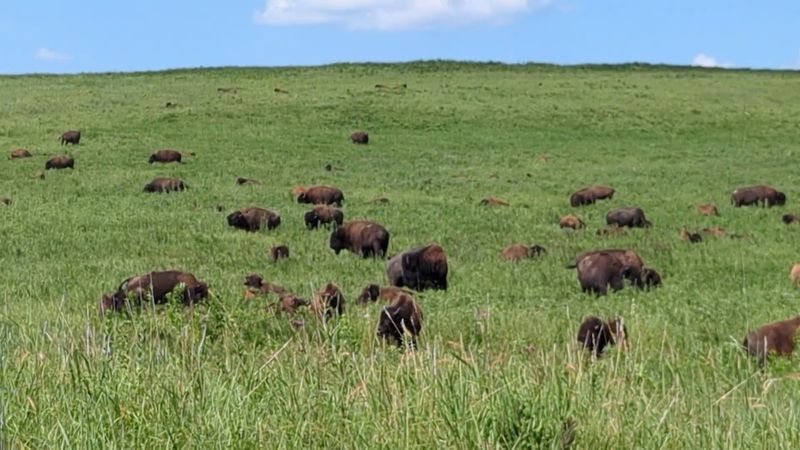
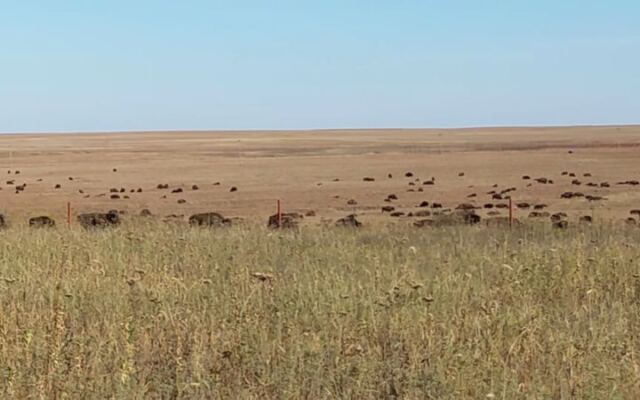
Stretching across the Osage Hills of north-central Oklahoma, the Joseph H. Williams Tallgrass Prairie Preserve is one of the largest protected tallgrass prairie ecosystems in the entire world.
Managed by The Nature Conservancy, it covers roughly 39,000 acres of unbroken grassland that once blanketed much of the central United States. Standing at its edge, you get a real sense of what this continent looked like before the plow changed everything.
The preserve sits near Pawhuska, Oklahoma, a small town with its own rich history tied to the Osage Nation. Getting there from Tulsa takes about an hour and a half, making it a very doable day trip for families, couples, and solo adventurers alike.
The landscape here belongs to a rare category of natural places that feel genuinely untouched.
Tallgrass prairie once covered around 170 million acres across North America, but today less than four percent of that original habitat remains intact. The fact that this preserve exists at all is a conservation success story worth celebrating.
Visitors often say the sheer scale of the place does not fully register until they are actually driving through it, surrounded by nothing but grass, sky, and silence.
History Behind the Herd
Bison once numbered in the tens of millions across North America, forming herds so massive they shook the ground beneath travelers’ feet. By the late 1800s, relentless hunting had reduced that population to fewer than a thousand animals, pushing the species to the edge of extinction.
The story of how bison came back from that collapse is one of the most remarkable wildlife recoveries in American history.
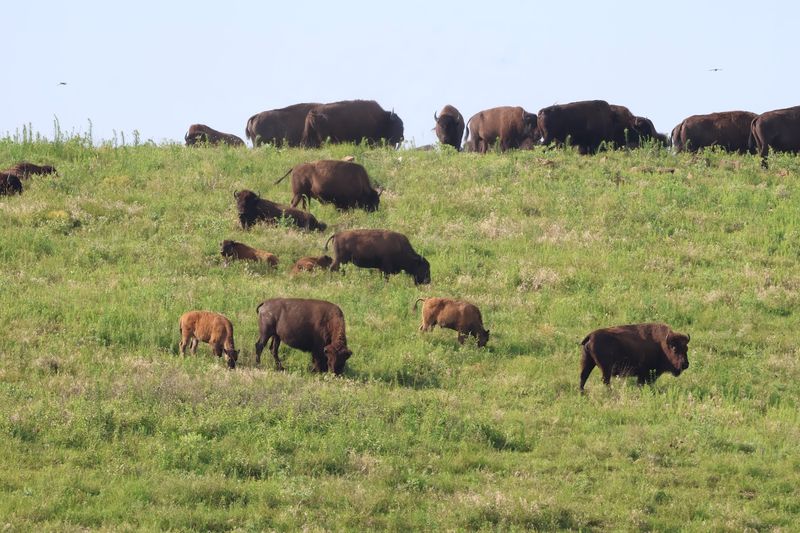
The Nature Conservancy reintroduced bison to the Tallgrass Prairie Preserve in 1993, starting with just 300 animals. Today, the herd has grown to around 2,500 bison, freely roaming across the preserve’s vast acreage in a setting that closely mirrors their original habitat.
Watching them graze in groups across the open prairie, it is easy to feel the weight of what was nearly lost.
The Osage Nation has deep cultural and historical ties to both the land and the bison that once sustained life across this region. Preserving this ecosystem honors that connection in a very real and visible way.
Many visitors leave the preserve with a renewed appreciation for conservation efforts and a better understanding of just how fragile wild places can be without active protection.
The Bison Loop Drive
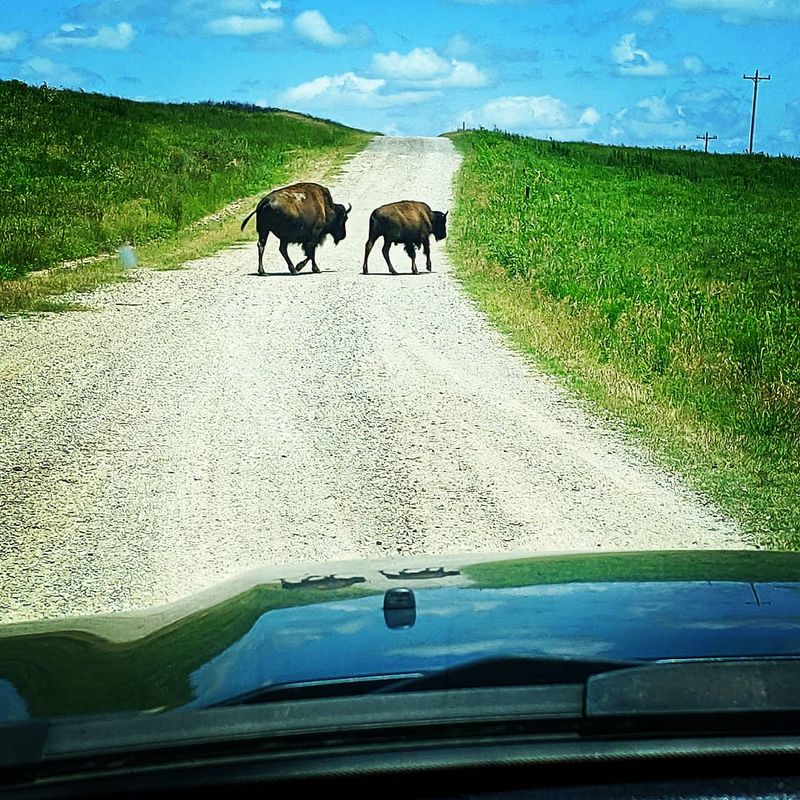
The main attraction for most visitors is the Bison Loop, a scenic gravel road that winds through the heart of the preserve and gives you the best chance of encountering the herd up close. The loop takes roughly an hour to complete at a leisurely pace, and many visitors find themselves stopping frequently to photograph bison, deer, and the sweeping prairie views.
Plan to take your time because rushing through it would mean missing everything that makes it special.
Gravel roads are the standard throughout the preserve, so expect your vehicle to collect a fine layer of dust by the time you exit. Visitors with SUVs or trucks tend to feel most comfortable on the rougher sections, though standard cars can manage the route in dry conditions.
One thing everyone agrees on is that the roads feel intentionally raw, keeping the experience as close to nature as possible.
Bison sightings along the loop are common but not guaranteed on every visit. Some days the herd grazes right beside the road, close enough to feel almost surreal.
Other visits may require binoculars to spot them at a distance. Either way, the drive itself through endless rolling grass is worth every mile of the journey.
Getting Up Close Without Getting Too Close
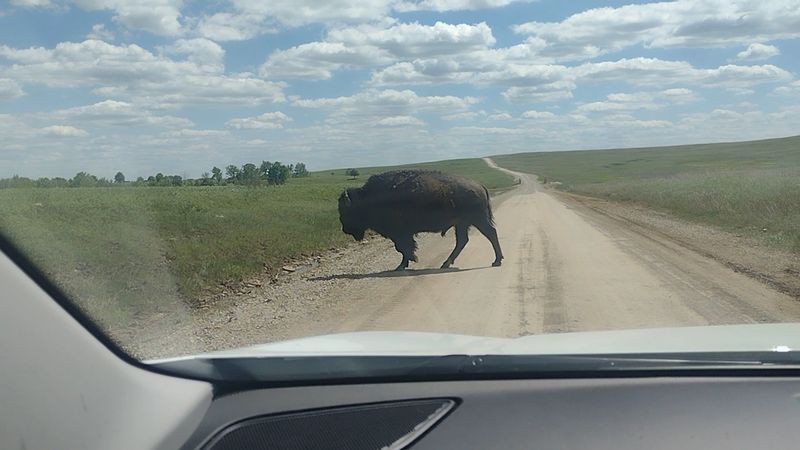
Few wildlife experiences in Oklahoma match the adrenaline rush of a bison approaching your vehicle along the loop road. These animals can weigh over a ton and move with surprising speed, which means admiring them from inside your car is not just recommended but genuinely essential.
Every visitor is strongly advised to stay inside their vehicle when bison are nearby, no matter how tempting a closer look might seem.
Visitors who have had bison walk directly past their windows describe it as one of the most unforgettable moments of their lives. The animals are not aggressive by nature, but they are wild and unpredictable, and they will assert themselves if they feel crowded.
Giving them space and letting them move at their own pace is the respectful approach that keeps both people and animals safe.
Spring visits tend to offer the most dramatic encounters because calves are often present alongside the adults. The calves have a distinctive cinnamon color that stands out beautifully against the darker coats of mature bison, and their protective coloration can even make them blend into the rocky soil at certain angles.
Watching a calf stay close to its mother while the herd moves slowly across the grass is the kind of scene that stays with you long after you drive home.
The Visitor Center and the People Who Bring It to Life
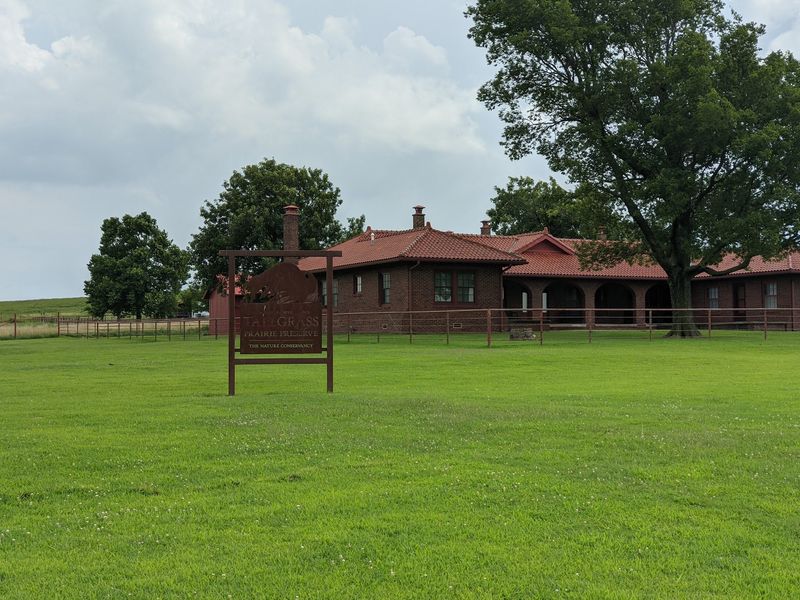
Tucked within the preserve, the visitor center serves as a welcoming starting point for anyone who wants more context before heading out on the loop. Staffed by enthusiastic volunteers, it offers exhibits on tallgrass prairie ecology, bison biology, and the history of the land.
The people working there are genuinely passionate about what they do, and that energy is contagious.
Visitors frequently mention how much they appreciated chatting with the volunteers before heading out. Staff members are known for sharing tips on where the herd has been spotted recently and offering fascinating background on everything from bison behavior to the wildflowers growing along the trail edges.
Having that kind of local, knowledgeable guidance before you set out makes a real difference in what you notice and appreciate on the drive.
Hours at the visitor center can vary, and it is not always open, so arriving early on a weekday gives you the best chance of finding volunteers on site. Even when the center is closed, the restrooms are available, which visitors on a long drive genuinely appreciate.
The building itself is modest, but the knowledge and warmth inside it consistently leave a strong impression on first-time visitors and returning guests alike.
Wildlife Beyond the Bison
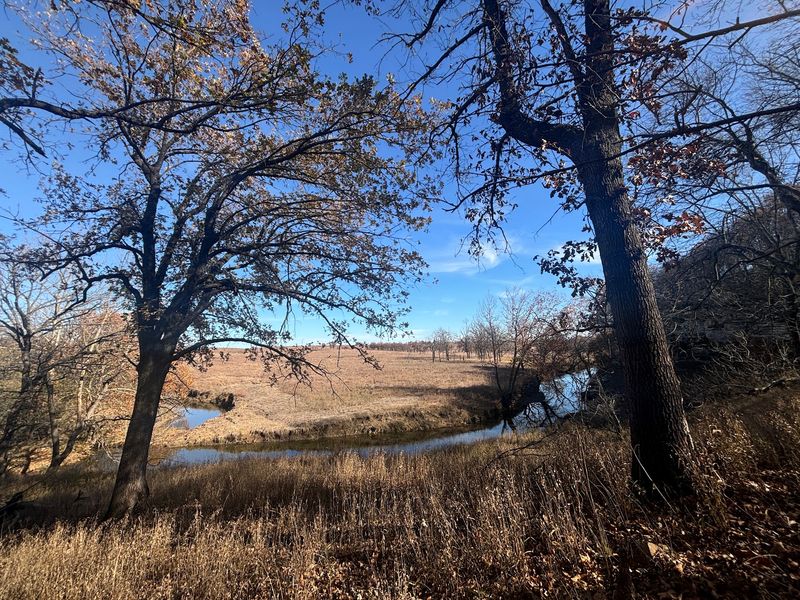
Bison get most of the headlines, but the preserve is home to a surprisingly rich variety of wildlife that rewards patient observers. White-tailed deer are spotted frequently along the roads and trails, often appearing in small groups near the treelines at the edges of the grassland.
Coyotes make occasional appearances too, moving quietly through the grass in a way that can catch you completely off guard.
Birdwatchers have plenty to enjoy as well, with a wide range of grassland bird species calling the preserve home throughout the year. The open sky above the prairie creates ideal conditions for spotting raptors circling on thermals, and the quieter corners of the preserve attract songbirds that thrive in undisturbed tallgrass habitat.
Bringing a pair of binoculars pays off whether you are scanning for bison on the horizon or tracking a hawk overhead.
Butterflies are another unexpected highlight, with visitors noting the variety of species floating through the wildflowers during warmer months. The preserve’s protected status means the native plant community is intact, which supports a healthy insect population that in turn supports everything above it in the food chain.
Even a short walk along one of the trails can turn into a surprisingly rich natural history lesson if you slow down and pay attention.
The Walking Trails and What They Offer
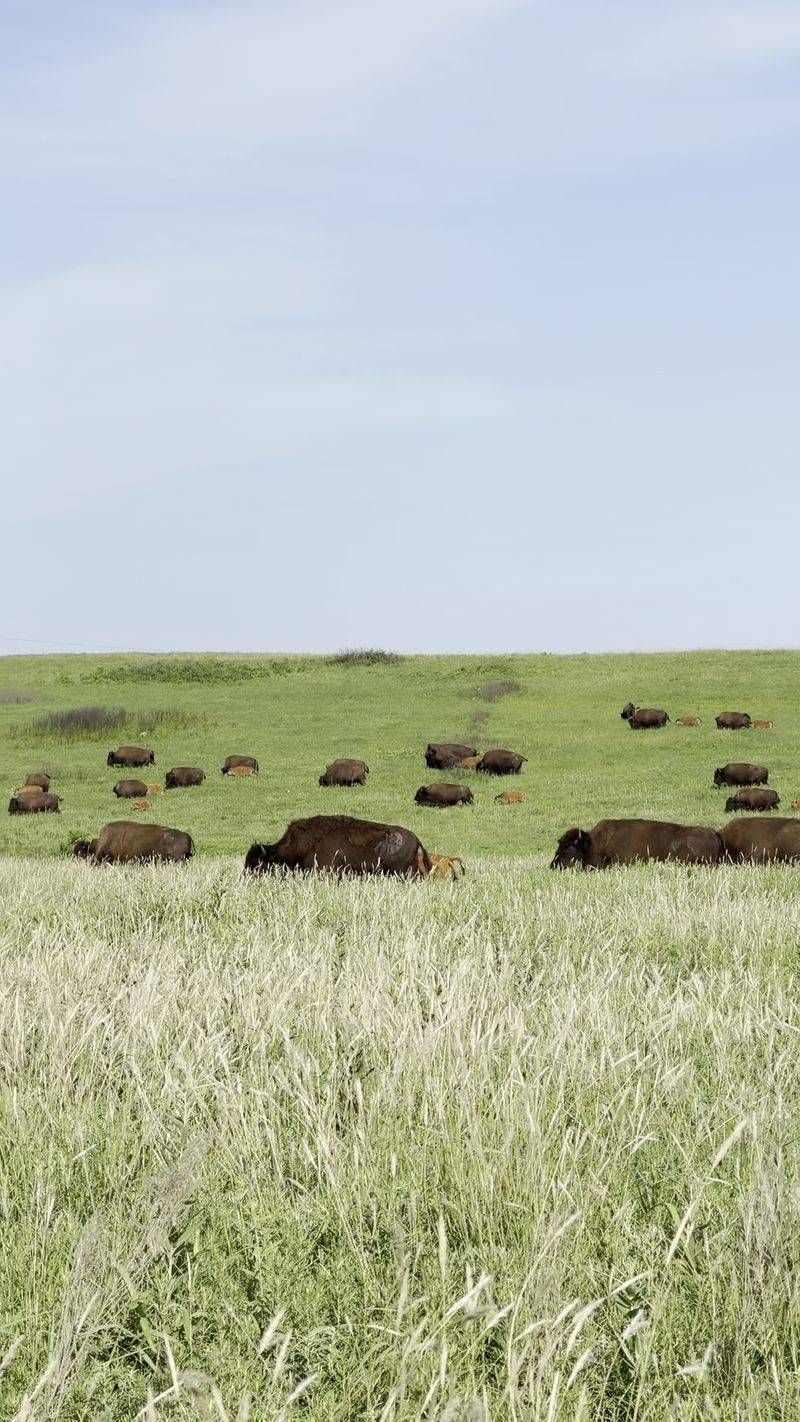
Beyond the drive-through loop, the preserve offers walking trails for visitors who want to experience the prairie at a slower, more deliberate pace. The trails are mowed and well-maintained, making them accessible for most fitness levels without requiring specialized gear.
Several benches are placed along the routes, giving hikers natural stopping points to rest and absorb the landscape around them.
One thing worth knowing before you lace up your shoes is that most of the trails run through open, exposed terrain with very little shade. Sunscreen and plenty of water are not optional extras here but genuine necessities, especially during the warmer months when the Oklahoma sun bears down without mercy.
A hat and insect repellent are equally smart additions to your pack, since ticks and other insects are active in the tall grass.
The longer trail is sometimes described as challenging, but most visitors find it manageable if they pace themselves and take breaks along the way. The reward for completing it is a series of sweeping views across the Osage Hills that feel like something out of a classic American landscape painting.
Visitors who have walked the trails often describe the experience as meditative, a rare kind of quiet that feels harder and harder to find in the modern world.
Spring on the Prairie
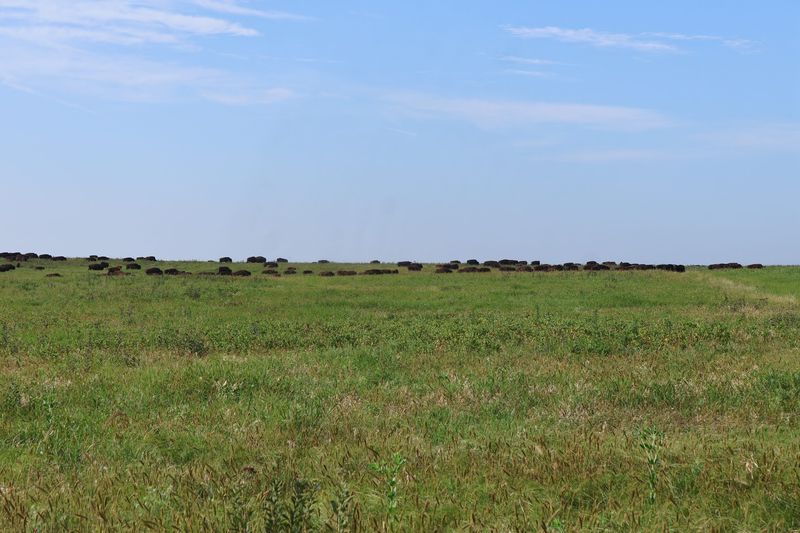
Spring transforms the Tallgrass Prairie Preserve into something almost impossibly alive. The grass comes back with vivid intensity after the dormant winter months, and wildflowers begin pushing up through the soil in waves of color that shift from week to week.
Everything feels new and buzzing with energy, and the light during morning hours casts a warmth across the landscape that photographers absolutely love.
The biggest draw of a spring visit is the arrival of bison calves. Born with a distinctive cinnamon coat that gradually darkens as they age, the calves stay close to their mothers and move with a kind of wobbly enthusiasm that is genuinely charming to watch.
Their coloring can blend surprisingly well with the rocky soil in certain light, which makes spotting them feel like a small victory every time.
Visitors who time their trips for late spring tend to encounter the herd in larger, more active groups as the animals take advantage of the fresh grass growth. The overall mood of the preserve in spring has an energy that is hard to match at any other time of year.
If you can only visit once and want the full experience packed into a single trip, spring is the season that delivers the most memorable version of this place.
Autumn and the Changing Grass
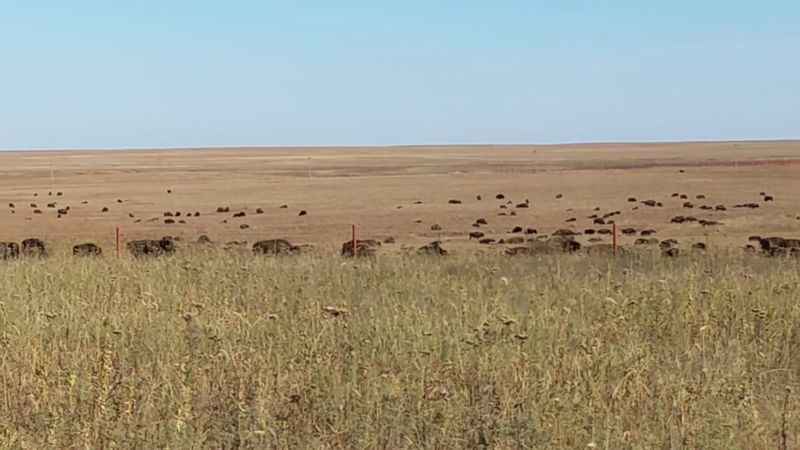
One visitor captured it perfectly when they wrote that they never knew they could fall in love with a land so seemingly empty. Autumn has a way of making the preserve feel like an entirely different place, with the grasses shifting from summer green into deep shades of gold, amber, and russet that ripple in the wind like a slow wave.
The colors are subtle compared to a forest in fall, but they have their own quiet drama that grows on you the longer you sit with it.
Cooler temperatures in autumn make hiking the trails far more comfortable than the summer months, and the reduced insect activity is a welcome change for anyone who found the warmer season a bit too buzzy. The light in fall also sits lower in the sky, casting long shadows across the rolling hills that add depth and texture to every photograph.
Bison sightings remain consistent throughout the season as the herd continues its natural grazing patterns across the preserve.
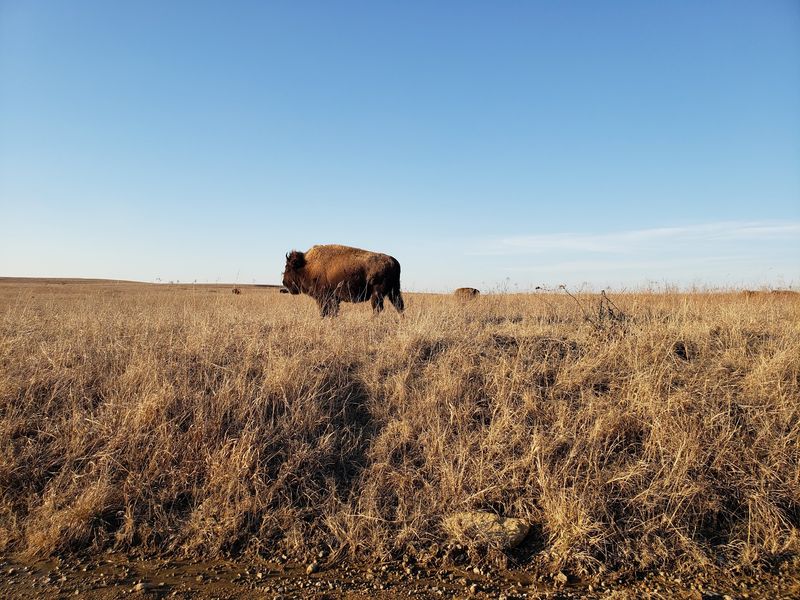
The preserve’s scale becomes even more apparent in autumn when the grass takes on that endless, rolling quality that stretches to the horizon in every direction. Many visitors who come in fall say they immediately start planning a return trip to compare it with spring.
The seasonal contrast is dramatic enough that the preserve genuinely rewards multiple visits across the year.
Stargazing and Night Skies Above the Prairie
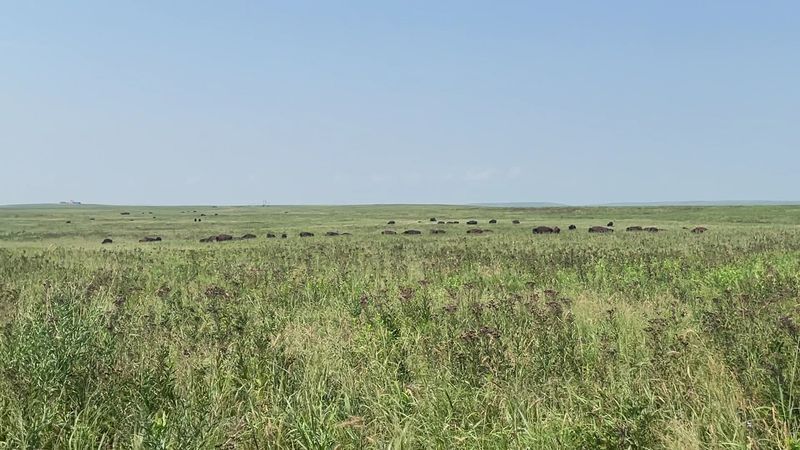
Far from city lights and sitting in one of the least densely populated parts of Oklahoma, the Tallgrass Prairie Preserve offers something increasingly rare in modern life: genuine darkness after sunset. The absence of light pollution means the night sky above the preserve is extraordinary on clear nights, with the Milky Way visible in a way that most people living near urban areas simply never get to experience.
Visitors who have ventured out after dark describe the sky as genuinely breathtaking.
Astrophotography enthusiasts have taken notice, with the preserve earning a reputation as an excellent location for capturing wide-angle shots of the night sky above open grassland. The flat horizon of the prairie creates a dramatic foreground for long-exposure images, especially when bison silhouettes happen to appear in the frame.
Patience and the right camera settings can produce images that look almost too good to be real.
Anyone planning an after-dark visit should be aware that coyotes are active in the area at night, so staying alert and sticking close to your vehicle is a smart approach. The preserve closes at 7 PM, so nighttime access should be confirmed with the preserve directly before planning a late visit.
That said, the experience of standing under that sky with nothing but prairie around you is one that is genuinely hard to forget.
Rules, Respect, and How to Be a Good Guest
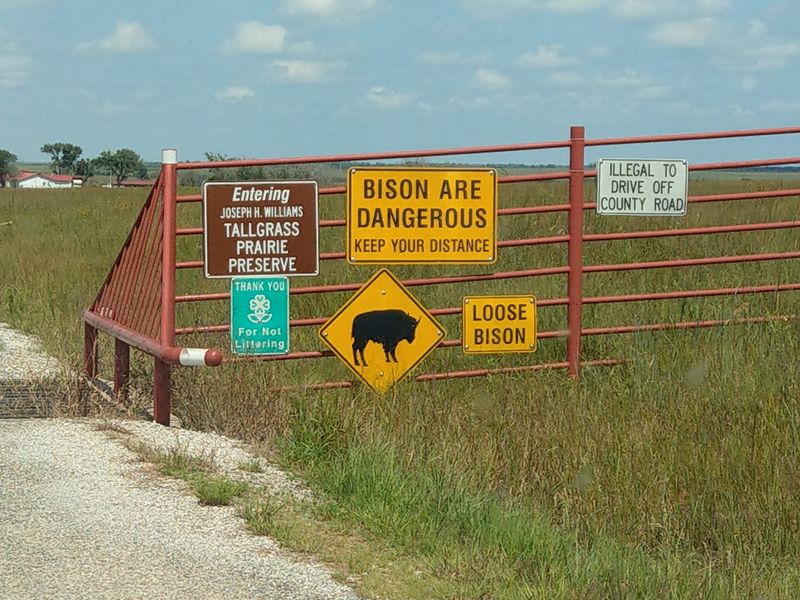
Protected status means the preserve operates under a clear set of rules designed to keep both wildlife and visitors safe. No littering, no weapons, and no substances of any kind are permitted within the preserve boundaries.
These are not suggestions but firm conditions of access, and they exist because the ecosystem here is fragile in ways that are not always visible to the casual observer.
Staying in your vehicle around bison is perhaps the most important guideline the preserve enforces, and for good reason. Bison are wild animals that can move faster than most people expect, and getting too close puts both visitors and the animals in a difficult situation.
Respecting their space is not just a safety rule but a gesture of basic courtesy toward animals that have already survived so much.
Leaving the preserve exactly as you found it is the standard that every visitor should hold themselves to. Picking wildflowers, feeding wildlife, or veering off designated roads disrupts the delicate balance that the preserve’s managers work hard to maintain.
The good news is that following these guidelines requires very little effort and makes no difference to the quality of your experience. The preserve is extraordinary precisely because it has been treated with care, and every visitor plays a small role in keeping it that way.
Hours, Access, and Getting There
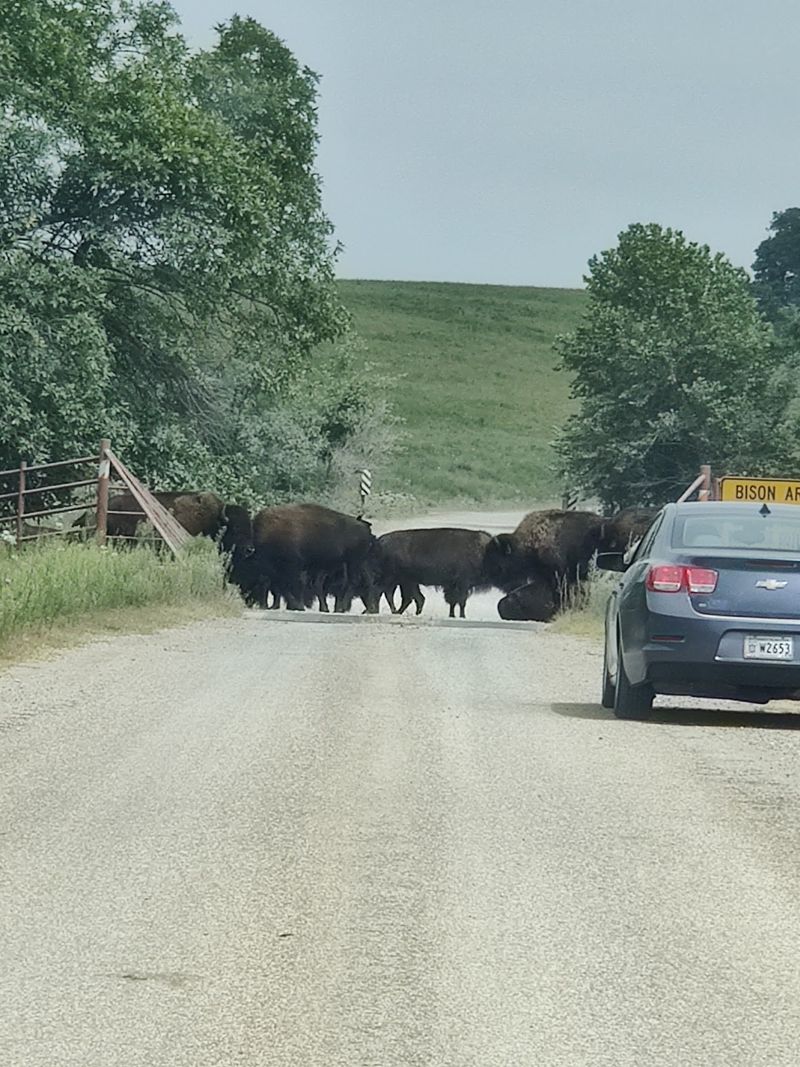
The preserve is open every day of the week from 7 AM to 7 PM, giving visitors a solid window of time to explore without feeling rushed. Admission is completely free, which makes it one of the most accessible wildlife experiences in the state.
There are no ticket booths, no reservation systems, and no crowds blocking the road, just open prairie and whatever the day decides to show you.
Getting there requires a bit of navigation, and first-time visitors are advised to follow the signs from Grandview Avenue heading north rather than relying solely on a mapping app. The network of dirt roads in the surrounding area can be confusing, and some visitors have found themselves temporarily turned around when following digital directions too literally.
Starting from Pawhuska and watching for the preserve’s posted signage is the most reliable approach.
The address is 15316 Co Rd 4201, Pawhuska, OK 74056, and the preserve sits about an hour and a half from Tulsa, making it a comfortable day trip from the Tulsa metro area. Pawhuska itself is worth a stop before or after your visit, with the nearby Mercantile offering a meal in a charming historic setting.
Fill your gas tank before heading out since services are limited once you leave town and the preserve roads cover a lot of ground.
Who Will Love This Place Most
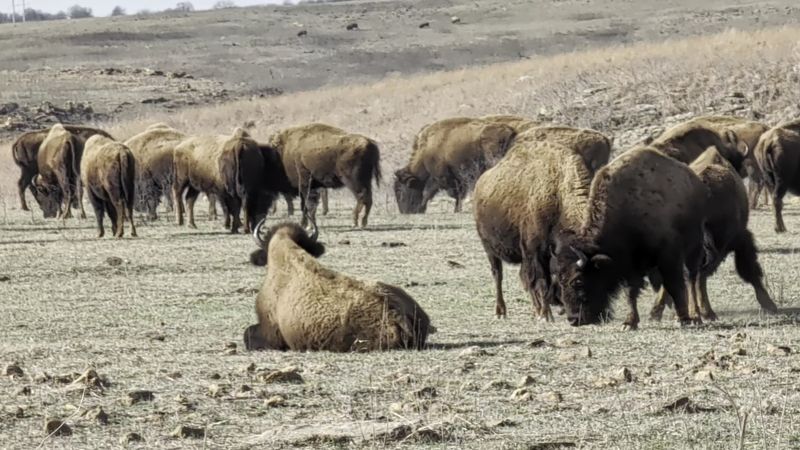
Families with curious kids tend to have an absolute blast at the preserve, especially when bison appear close to the road. Children who have grown up seeing these animals only in books or on screens react with a wide-eyed wonder that reminds adults why wild places matter.
The experience requires no special skills, no expensive gear, and no athletic ability, just a willingness to slow down and look around.
Nature photographers find the preserve endlessly rewarding across every season, with changing light, diverse wildlife, and dramatic skies providing fresh material on every visit. The lack of fences and manicured landscaping gives images an authenticity that managed wildlife parks cannot replicate.
Even amateur photographers with a smartphone tend to come away with shots they are genuinely proud of.
Solo travelers and couples looking for a peaceful, unhurried experience also fit right in here. The preserve has a meditative quality that makes it appealing to anyone who needs a break from noise and routine.
Road-trippers passing through northern Oklahoma on a longer journey often call the preserve one of the most unexpected highlights of their entire trip. Whatever brings you there, the preserve has a reliable habit of exceeding expectations and sending visitors home already planning their next return.
Why the Preserve Deserves a Place on Your Oklahoma List
Some places earn their reputation through spectacle, and others earn it through something quieter and harder to name. The Tallgrass Prairie Preserve belongs firmly in the second category.
There are no roller coasters, no admission lines, and no souvenir shops, just one of the most intact wild landscapes left in North America and a herd of bison living exactly the way their ancestors did for thousands of years before them.
The preserve manages to feel both humbling and energizing at the same time, which is a combination that is genuinely rare. Standing at the edge of 39,000 acres of unbroken grassland with a herd of bison moving slowly across the middle distance has a way of putting everyday concerns into perspective.
Visitors who describe it as a magical place are not exaggerating; they are just trying to communicate something that resists easy explanation.
Oklahoma has plenty of great outdoor destinations, but the Tallgrass Prairie Preserve occupies a category of its own. Free to visit, open year-round, and consistently delivering experiences that visitors carry with them long after they leave, it represents exactly the kind of place worth protecting and worth seeking out.
Go once, and you will almost certainly start thinking about when you can go back before you have even made it back to the highway.
Share this story