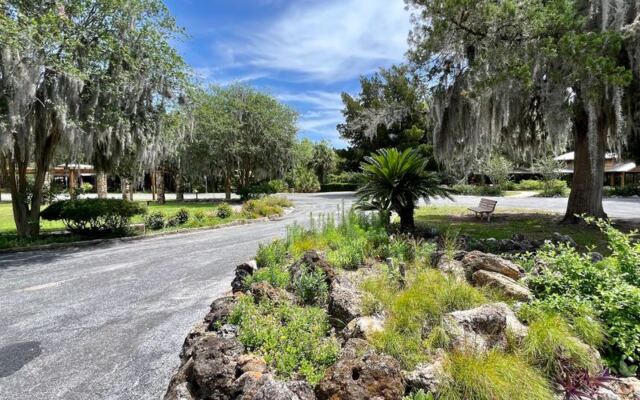
Some of the best places in Florida are the ones you drive past for years without a second glance. I expected a quick stretch of the legs and a patch of green, and instead I found myself staring down into a deep ravine that felt more like the mountains than the Sunshine State.
There were swaying bridges, old stone stairs, clear streams, and flowers everywhere I turned. By the time I left, I was already hungry for a return trip and curious why nobody had told me about it sooner.
A Mountain Mood Along the St. Johns
Tucked into the middle of Palatka, a North Florida river town, Ravine Gardens State Park is the kind of spot that surprises people who think they know the state. Its official address is 1600 Twigg St, and from the parking lot you would never guess what waits just past the tree line.
One step toward the rim, and the ground simply drops away.
The park covers 152 acres of gardens, trails, and steep wooded slopes. Its ravines wrap around Whitewater Branch, a spring-fed stream that flows east into the St. Johns River.
Visitors often say it feels like the mountains, which is not a phrase most folks expect to hear about Florida.
Up top, you get a tidy, landscaped setting with a playground, picnic tables, benches, and a civic center. Down below, the mood changes completely, with shade, roots, running water, and birdsong.
Having both worlds in one small park is a big part of the charm.
Plenty of travelers admit they passed the sign many times before finally stopping. Once they did, many wished they had blocked out a whole day instead of a quick hour or two.
Consider that a friendly warning before you plan your own visit.
Ground That Sinks From Below
Most valleys are carved by water rushing over the top. The ravines here were shaped in a sneakier way.
Water seeping underground slowly undercuts the sandy slopes until they collapse, creating what scientists call steephead ravines.
That hidden process is why the walls here feel so sudden and dramatic. The slopes drop down toward Whitewater Branch, with elevations reaching roughly 70 to 120 feet.
In a state famous for flat land and beaches, that kind of depth feels almost unreal.
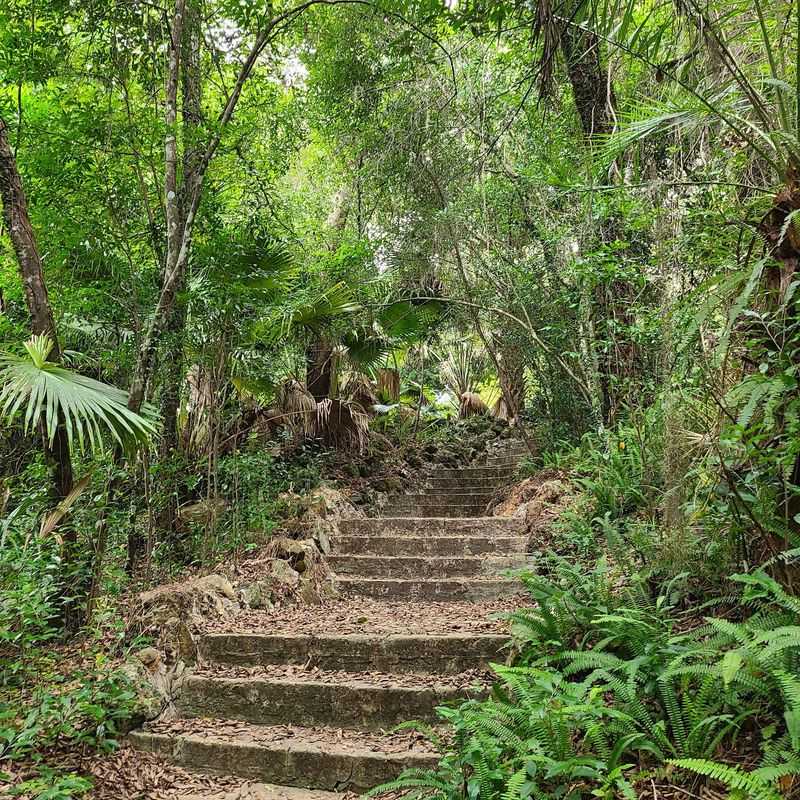
History left its mark too. Historic stone staircases lead down into the ravine interior, and regulars point out that most of these steps lack handrails because of how the park was originally built.
Walking them feels like stepping back into an older, quieter version of Florida.
There is also a striking obelisk on the grounds that catches many first-timers off guard. It adds a formal, old-fashioned touch to a place that is otherwise wild and green.
Between the geology and the stonework, the park rewards anyone who likes a little story with their scenery.
Take a moment at one of the overlook platforms before heading down. From above, you can trace the shape of the land and understand just how unusual this corner of the state really is.
Azalea Season, Pink From Rim to Creek
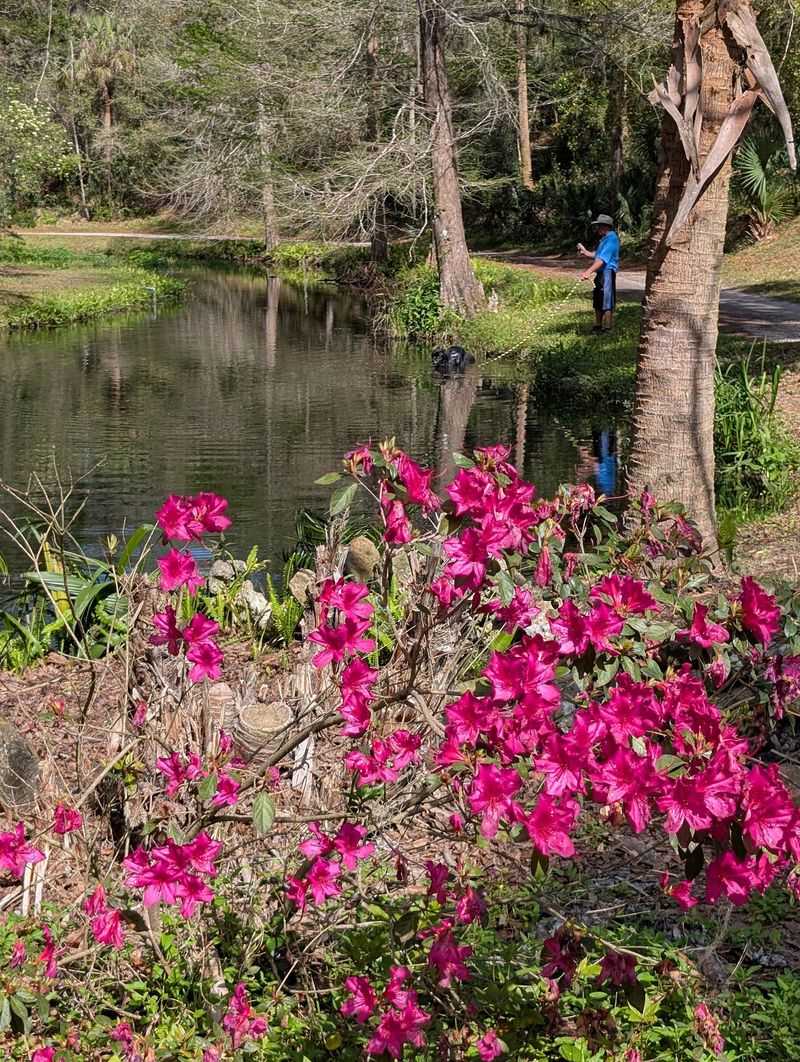
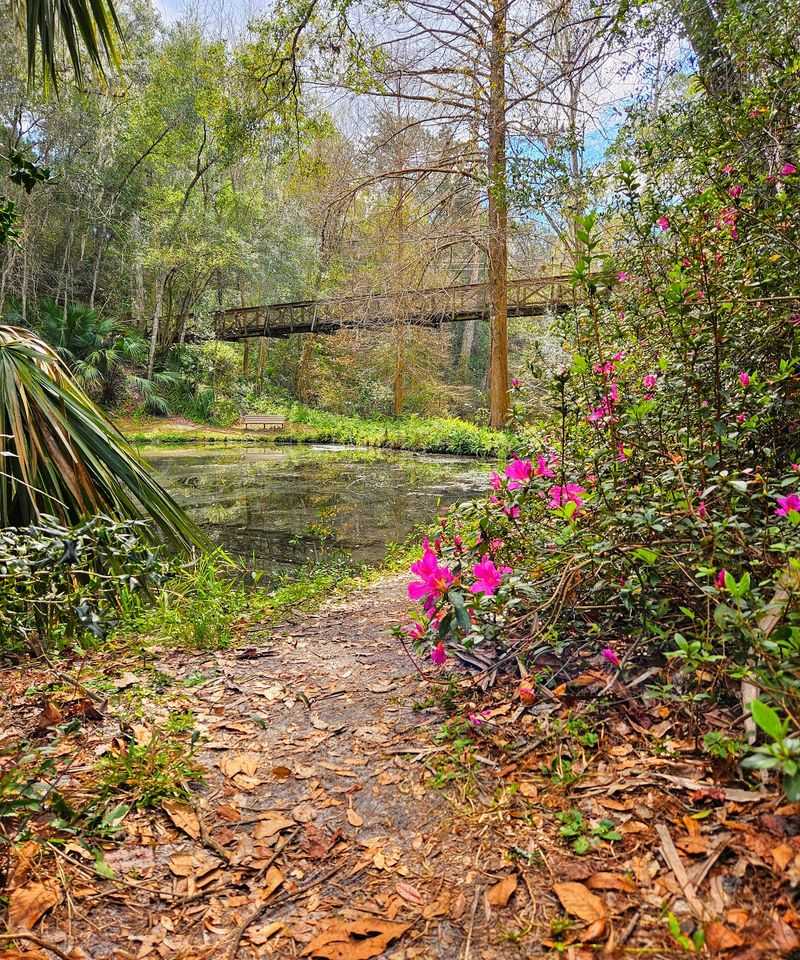
Mark your calendar for March. That is when the azaleas put on their big show, splashing pink and white color across the slopes and along the trails.
Flowers are easily one of the most talked-about features of the whole park.
Timing matters here. Visitors say the blooms usually peak around mid-March, and many recommend going before about March 25, since the flowers begin to fade afterward.
One late-March guest found plenty of blossoms still hanging on but could tell the peak had passed just days earlier.
Even outside bloom season, the gardens hold their own. Butterflies, bees, and birds drift through the landscaped areas, and a garden club building sits on the grounds.
Many people visit in winter or summer and leave promising to return when the azaleas open.
Photographers and artists especially love this stretch of the year. The mix of bright petals, deep green shade, and old stone creates frames that almost compose themselves.
Bring a camera, and plan to walk slowly.
Expect company during peak weeks, though. The parking lot can fill up on spring weekends, so arriving close to the 8 am opening is a smart move if you want quieter paths and softer light.
Two Swinging Bridges and a Few Wobbly Knees
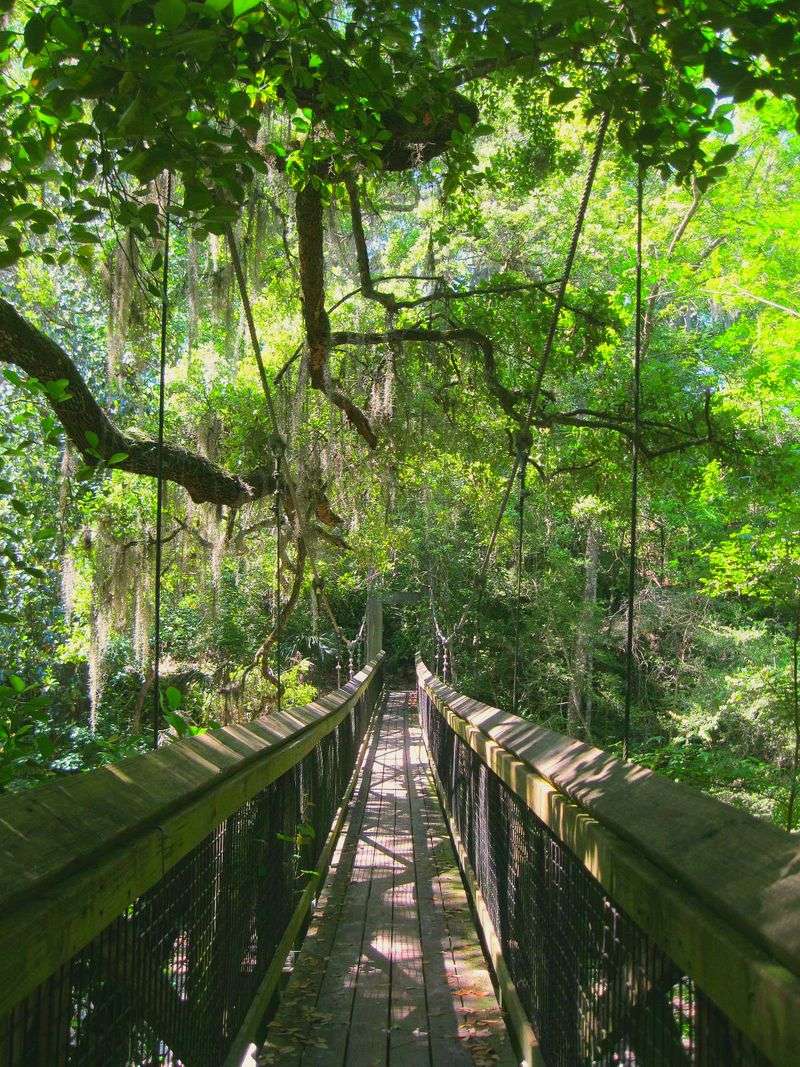
Don’t look down. That was the running joke in one family’s head as they crossed, and they made it across safe, sound, and smiling.
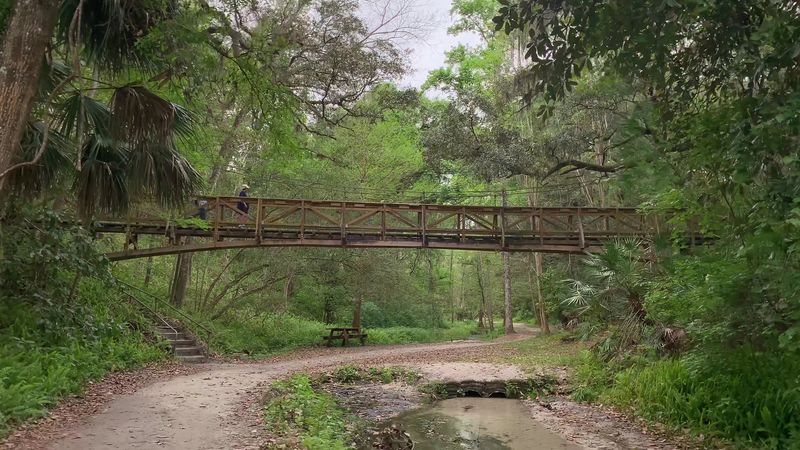
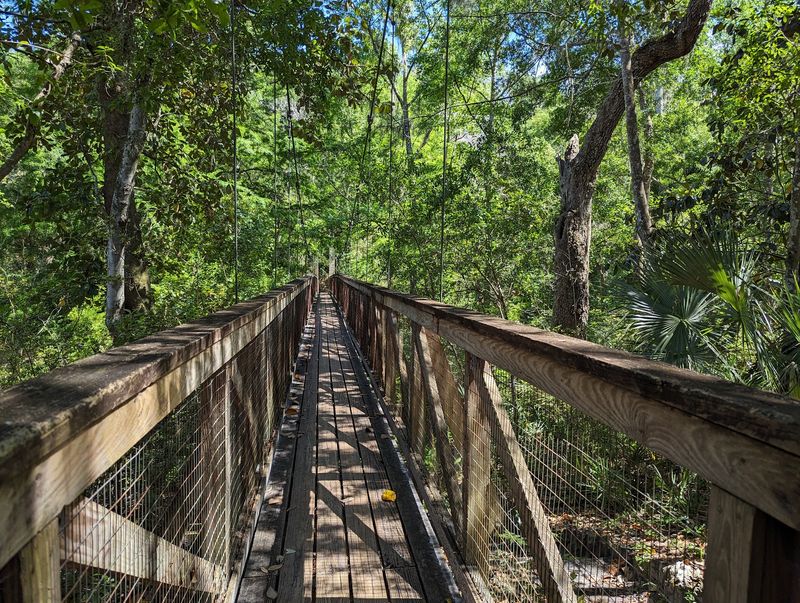
The park’s two suspension bridges are a highlight for nearly everyone who visits.
Each bridge hangs over the ravine with a little creek flowing below. They sway just enough to make the crossing feel like an adventure without being scary for most people.
Kids in particular seem to adore them, and one parent shared that children ranging from 4 to 14 all loved the experience.
Getting to the bridges takes a bit of effort. You will need to head down into the ravine, which often means stairs, roots, and elevation changes.
Visitors note the bridges are not accessible for wheelchairs, so plan your route with that in mind.
Once you are out in the middle, pause for a second. The view down the creek, framed by trees on both sides, is one of the most peaceful spots in the park.
Crossing both bridges makes a fun mini goal for a morning hike. It gives kids something to aim for and adults a great excuse for a photo break.
Trails for Easy Strollers and Stair Climbers
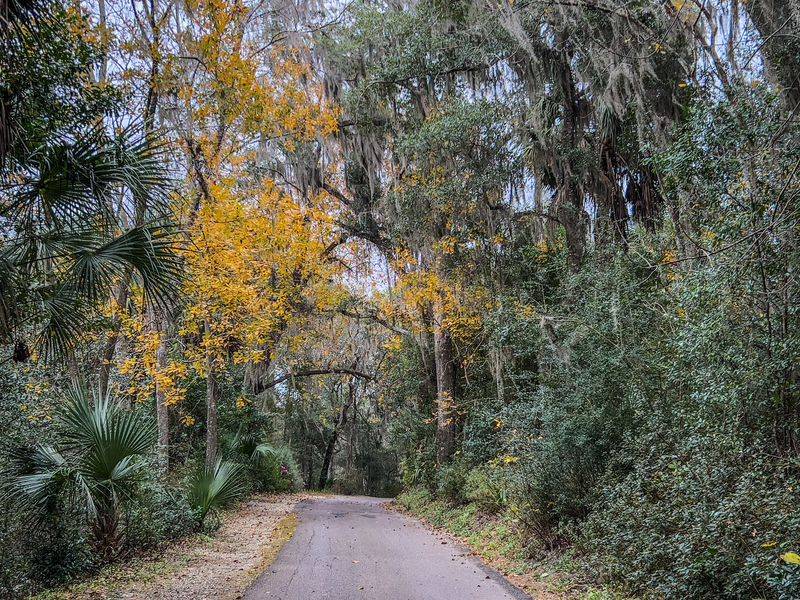
Trails are the most mentioned feature here, and for good reason. The park offers two very different ways to explore, a smooth paved loop and rugged natural paths through the ravine.
You can pick one or mix both in a single visit.
The paved loop runs about 1.8 miles around the park. It works well for walking, strollers, and even a short drive, with a one-way road following the rim and stops where you can pull over at points of interest.
Along the way you will pass a small playground, a fitness area, and overlooks.
For something tougher, the Azalea Trail loops about 2.5 miles and is labeled strenuous. Expect roots, stairs, shade, and some full-sun stretches.
One visitor called it a great workout, while another felt casual walkers could still manage it comfortably.
Steep steps without railings are the main challenge. A walking stick is a smart idea, and children should be supervised on the slopes.
Trails are well marked, though cell service can be weak, so a quick photo of the park map helps.
One note about driving: the road loop has occasionally been closed. If someone in your group relies on it, call ahead first.
Spring Water and Sand Like a Beach
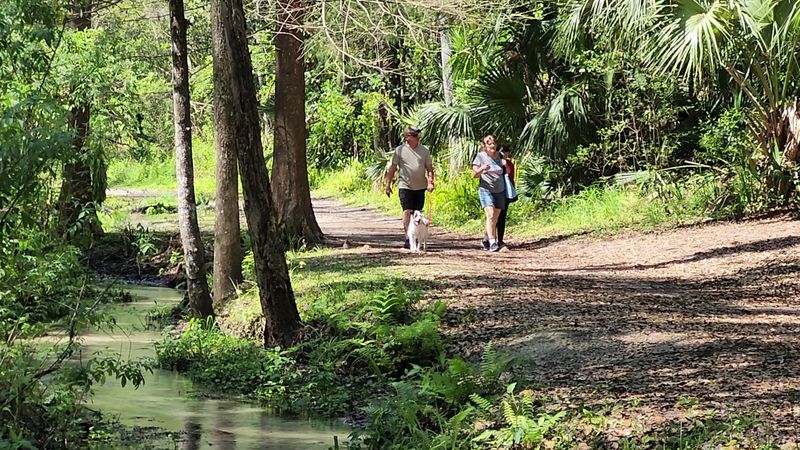
Here is a surprise at the bottom of the stairs. The creek sand is incredibly fine and white, with one visitor comparing it to the soft sand of Clearwater Beach.
Finding beach-quality sand deep in a wooded ravine feels like a secret the park keeps for those who make the climb.
Whitewater Branch and its little streams run clear over that pale bottom. Springs bubble up along the ravine floor, and there is a pond near one of the parking areas.
The lowest trail stays mostly flat as it follows the water, a welcome break after the descent.
You may catch a faint sulfur smell near the water. Visitors explain it is completely natural and not a sign of pollution.
After a few minutes, most people barely notice it.
For anyone who wants water views without steep stairs, there is a helpful tip. If you park by the pond, the nearby trail is considered accessible, with a dirt and rock bed surface.
Linger a while down here if you can. The shade, the trickle of water, and the quiet make this the coolest and calmest part of the whole park.
Pups, Picnics, and Garden Parties
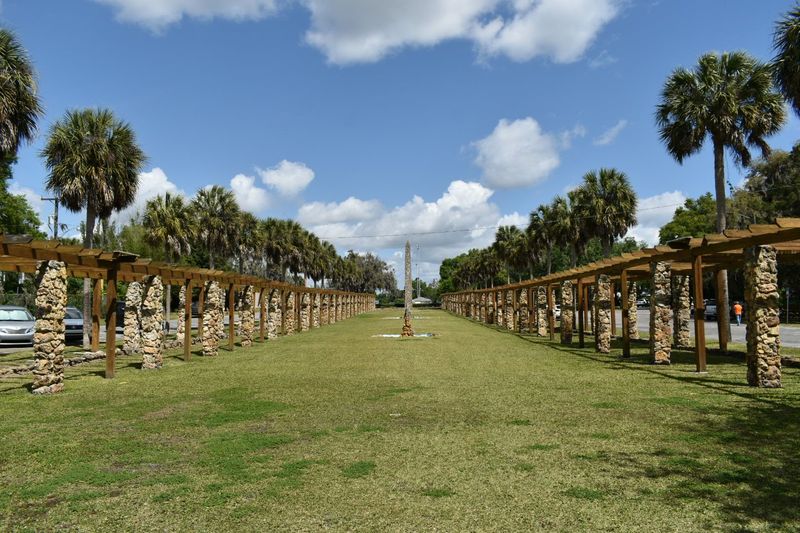
Leashed pups are everywhere on a nice weekend. The park is dog friendly, and it even provides waste stations in several spots.
Many locals treat it as a favorite walking route with their four-legged friends.
Families have plenty to work with too. There are picnic areas, grills, restrooms throughout, a playground, and lots of benches for resting.
One midday hiker was grateful for the air-conditioned civic center, a smart place to cool down on a hot afternoon.
Beyond everyday visits, the park doubles as a gathering spot. Guests have spotted weddings and baby showers being set up, and an amphitheater adds another option for events.
Fundraisers like the Hatter Ball bring decorations and live music while raising money for the park.
Who will enjoy it most? Nature lovers, casual walkers, active hikers, photographers, and families looking for an easy day outdoors.
Something here fits nearly every fitness level.
Travelers with limited mobility can still enjoy it with a little planning. Overlook platforms have short ramps, and the rangers at the entrance are known for being friendly and helpful with suggestions for accessible areas.
Hours, Fees, and What to Pack
Budget travelers, rejoice. Entry costs just $5 per vehicle, covering up to 8 people, or $2 per person if you walk or bike in.
Payment is cashless, so bring a card.
The park opens daily from 8 am to 5:45 pm, seven days a week. Arriving early helps during azalea season, when the lot can fill quickly.
Parking is otherwise spacious, with extra pull-offs along the loop road.
Pack comfortable shoes and water, since the ravine trails involve plenty of stairs. A hat and sunglasses are wise, because some sections sit in full sun even in cooler months.
A walking stick can make the unrailed stone steps feel much steadier.
Summer heat can make hiking tough. One group found it a bit too warm and happily used the driving path instead, planning a return in cooler months.
Fall, winter, and early spring tend to feel most pleasant for longer walks.
Questions about accessibility or road closures are best handled before you go. Call the park at 386-329-3721, or check the Florida State Parks website for current details.
Five Dollars Well Spent
Some day trips cost a small fortune and leave you tired. This one costs about the price of a sandwich and leaves you refreshed.
That trade feels hard to beat.
Ravine Gardens State Park packs a lot into its 152 acres. You get dramatic ravines, historic stone stairs, swinging bridges, spring-fed streams with soft white sand, and gardens that burst with azaleas each March.
It is clean, well maintained, and thoughtfully laid out.
It is not perfectly smooth for everyone. Steep steps, missing handrails, and occasional road closures mean some visitors should plan ahead.
Still, the paved loop and accessible pond trail give nearly everyone a way to enjoy the view.
Returning guests often say it feels just as peaceful years later as it did on their first trip. That kind of steady charm is exactly what Old Florida fans go looking for.
So next time you pass through Palatka, skip the quick drive-by. Pull in, pay your few dollars, and give yourself at least a couple of hours.
You might find yourself planning the next visit before you even reach the car.
Share this story