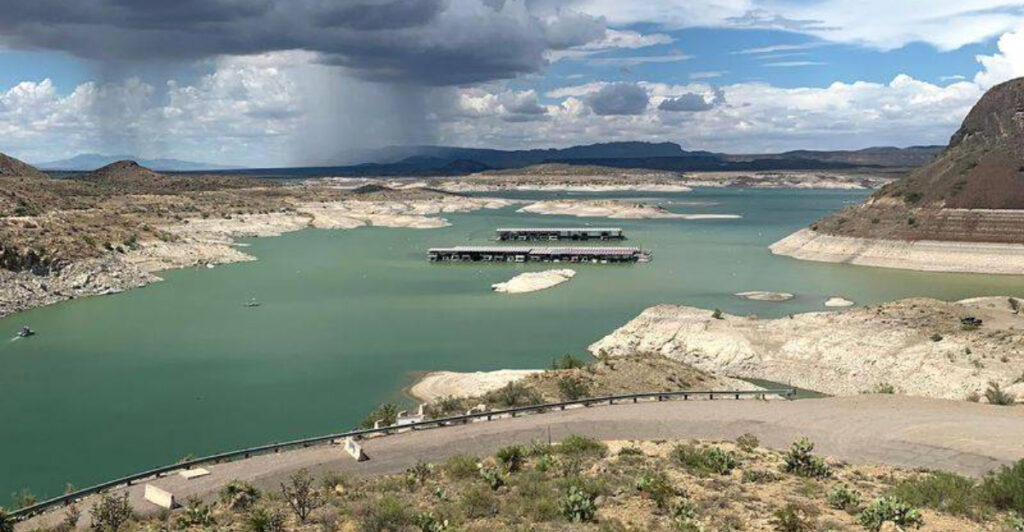
Something strange happens when the desert gets thirsty and a giant reservoir starts to shrink. Old shapes appear along the shoreline, and stretches of ground that spent years underwater see daylight again.
New Mexico’s biggest lake has been sitting at record low levels, and the retreating water keeps uncovering pieces of the past that most people never expected to walk across. Yet crowds still show up with boats, paddle boards, and camping gear because the place is enormous and the fun has not stopped.
What makes this spot worth a full day, or a full weekend, comes down to more than a low waterline. Keep reading, because the story behind this shrinking lake is a lot bigger than the puddle it has become.
The Vanishing Waterline Everybody Is Talking About
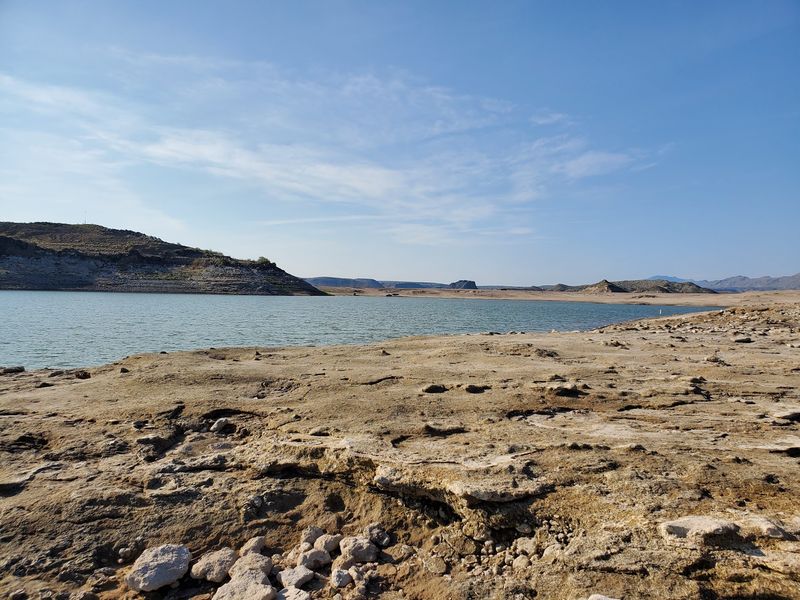
The dropping water is not a rumor. Guests bring up the water level constantly, with dozens of mentions of how low it has gotten and plenty of notes about record lows.
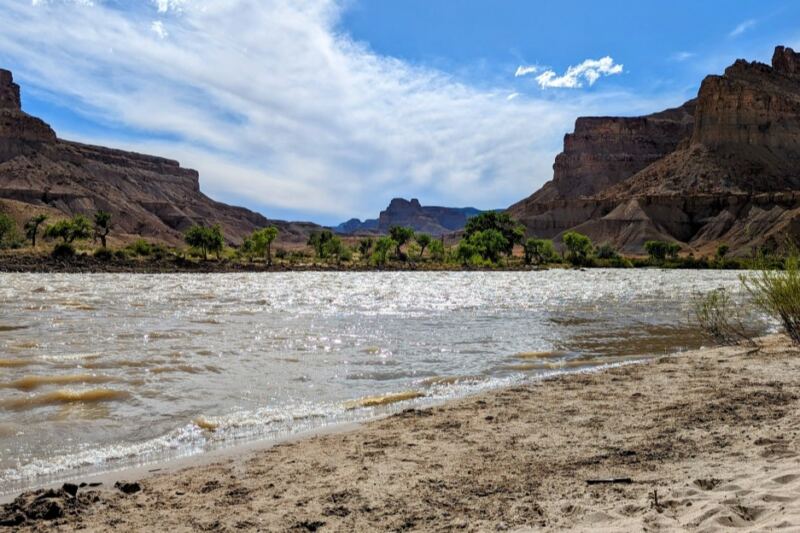
As the reservoir pulls back, more of the old lakebed sits exposed, and the shoreline keeps shifting farther out. That is why the beach areas feel so vast right now.
Low water changes how people use the place. Boats that once launched easily from ramps now face shallow, tricky conditions, and some folks drive their trailers right down to the water’s edge instead.
Even with the shrinkage, the fun holds up. People still paddle board, float around, and soak up quiet afternoons along the coves.
The lake is described as beautiful even at its lower marks, and the changing edges create fresh views you would not see when it was brimming full. Every visit lately feels like catching the lake in a different mood.
Watching a giant reservoir shrink is a little sobering, but it also turns an ordinary lake day into something you will remember.
A Beach in the Middle of Nowhere
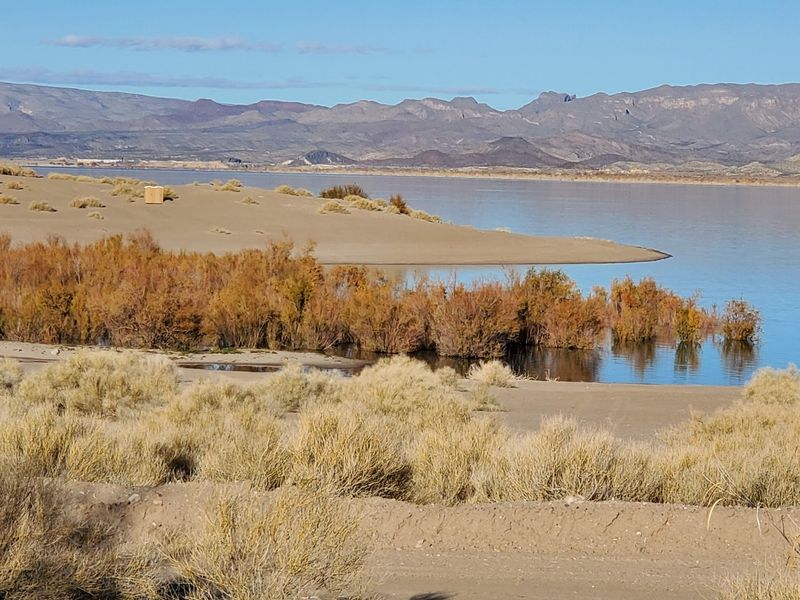
Sand is the surprise nobody expects. The shoreline here feels more like an ocean beach than a lake edge, and that catches a lot of people off guard.
Families spread out with chairs, coolers, and small umbrellas, and kids build sand castles while wading into the shallows. The water can run cool, but that rarely slows anyone down.
Sandy beach is one of the topics guests bring up again and again, along with beach camping right on the shore. Being able to park your setup near the water is a big part of the draw.
Warm-weather afternoons see the beach fill up, especially on weekends. Space can get tight when large groups spread out, though many folks are friendly about sharing shade and room.
The mix of desert and beach gives this stretch a personality all its own. Bring a blanket, settle in, and you will understand why people plan to stay for hours.
Camping That Ranges From Rugged to Roomy
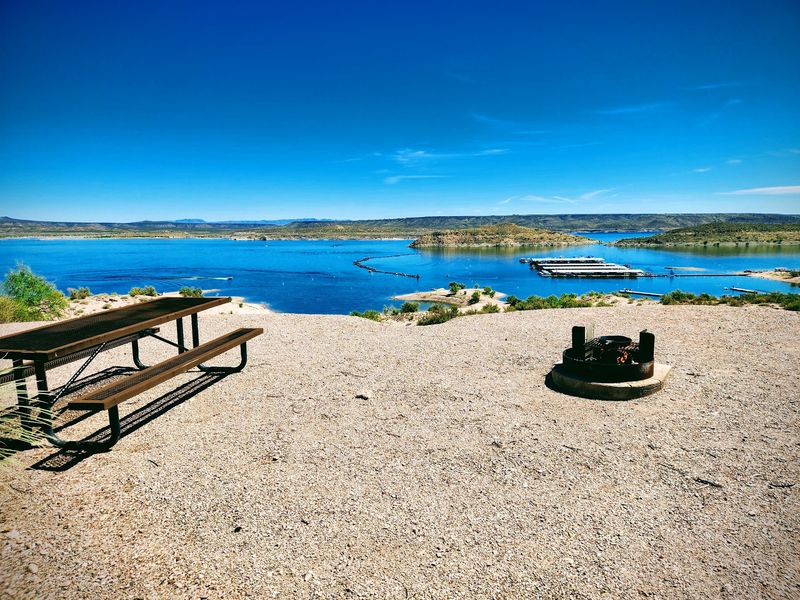
Sleeping over is where this park really shines, with camping mentioned more than any other single activity. Options run from bare-bones primitive spots to full hookup sites with power and water.
Primitive camping runs about 15 dollars a night, and some of those spots sit right on the beach for quiet, peaceful nights. Full hookup sites land closer to 35 dollars, while certain pull-through sites have been noted around 18 dollars with electric and water.
Many reservable sites are spacious and level, and a good number come with a view of the lake. Guests mention clean, well-maintained facilities and campsites scattered across the huge grounds.
Reserving ahead is smart if you want an assigned site, since weekends fill quickly. If you skip the reservation, you can still boondock in primitive areas and on the beach.
Coming back for a second or third stay is common here. Once people find their favorite loop, they tend to keep returning.
Boats, Jet Skis, and Open Water Fun
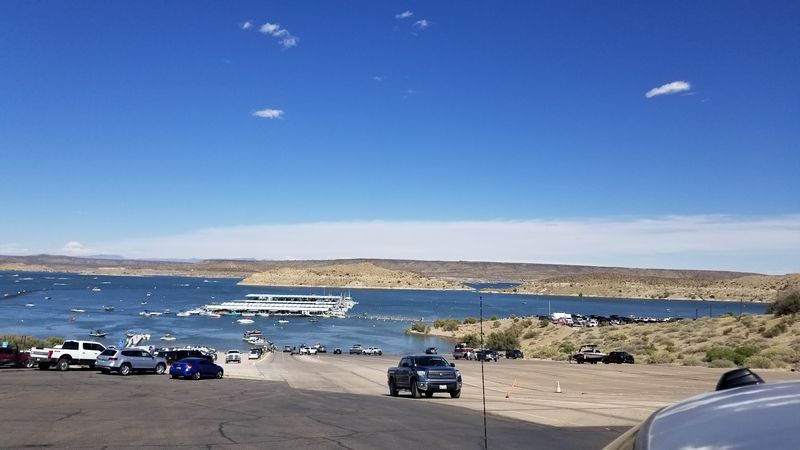
Engines hum across the water on busy weekends, when boats and jet skis take over the lake. Jet skiing gets called out often, and the park is built to handle a serious amount of watercraft.
The boat ramp here ranks among the largest around, matched by huge parking lots for trailers. That kind of infrastructure makes sense for the state’s biggest lake.
With the water sitting low, launching takes more planning. Shallow, soft conditions near shore mean beach launching is not practical for every type of boat, so checking current conditions before hauling out is wise.
Plenty of people still get their boats in the water and spend the day cruising the coves. Verifying a boat’s readiness before the season starts is a common ritual here.
Whether you are ripping around on a jet ski or drifting slowly through a quiet inlet, the open water is the heart of the whole experience. Just respect the shifting shoreline and you are set.
Casting a Line for the Big One
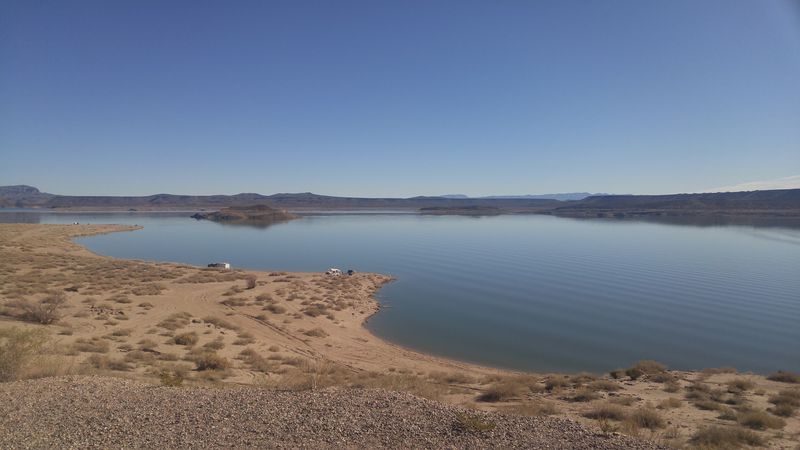
Anglers, this lake wants your attention. Fishing comes up over a hundred times among guest comments, and the water is described as clear with lots of fish.
People report seeing fish jumping all over the place, which is enough to make anyone reach for a rod. The catch, though, is bait selection.
More than one guest learned the hard way that showing up with the wrong bait leads to a lot of watching and not much reeling. Looking up what the fish are biting on before you arrive can save your whole trip.
The clear water and active fish make this a solid spot for a patient afternoon on the shore or from a boat. Shallow edges near the sand can be tricky, so mind your footing and your vehicle.
Land the right bait and the odds tip in your favor. That first tug on the line is exactly what keeps fishers loyal to this lake.
Sunrises, Sunsets, and a Sky Full of Stars
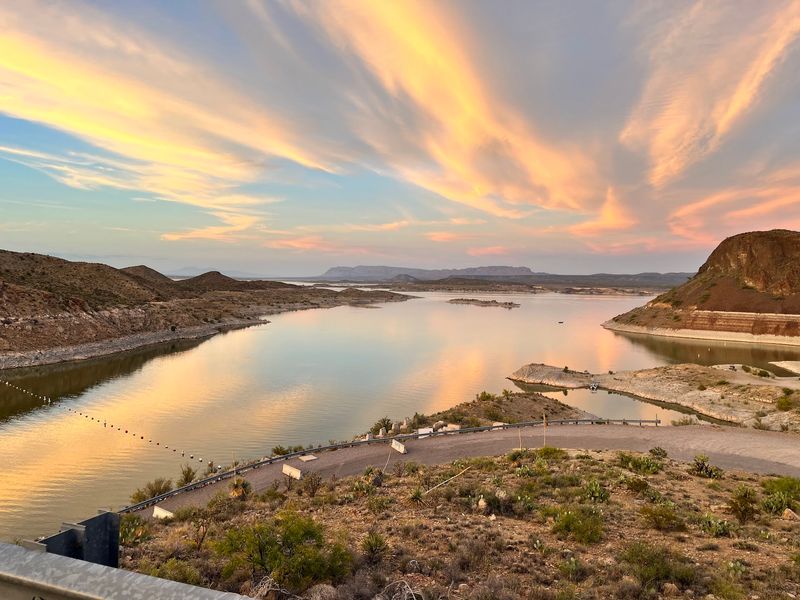
Timing your visit around the light pays off big. The park earns praise for stunning sunrises and sunsets, with every cove offering its own angle on the show.
Because the shoreline twists into so many different bends, no two viewpoints feel the same. Moving from spot to spot rewards you with fresh scenes each time.
After dark, the desert sky opens up. Star gazing is a favorite pastime here, and the quiet nights make it easy to just lean back and look up.
Winter trips add an extra layer of calm, since the crowds thin out and the coves go peaceful. The views hold their beauty by day and night, no matter the season.
Pack a lawn chair or a blanket and plan to linger past the busy hours. The best moments here often arrive when the sun is low and the water goes still.
The Trails and Wide-Open Spaces
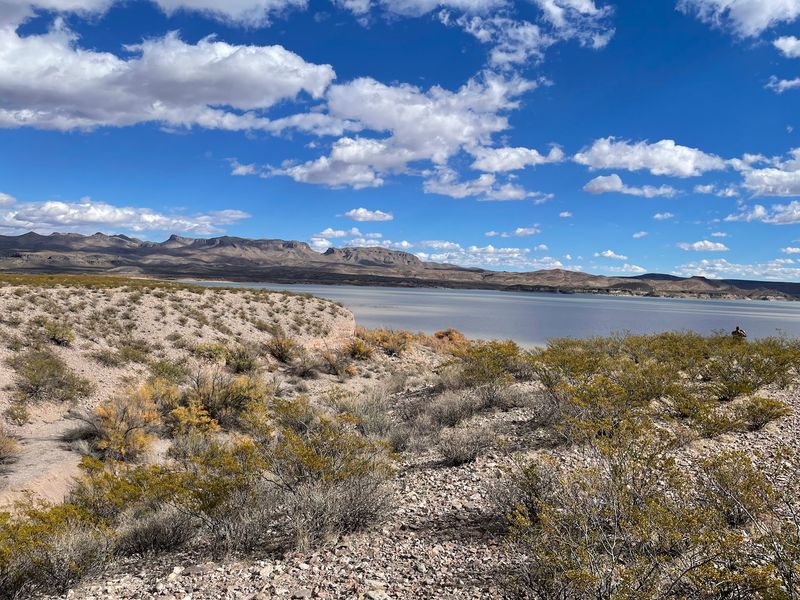
Hikers should set expectations before lacing up. The park is genuinely massive, but the trail network is on the shorter side, with only a couple of paths inside the grounds.
Most of the appeal centers on the lake itself rather than long treks. Walking the shoreline, however, is its own reward, since the changing water reveals different stretches of ground.
The landscape leans dry and open, with very little tree cover. Afternoons often bring wind, especially in the warmer months, so plan around it.
To help with the heat, the park is dotted with shade shelters where you can duck out of the sun. Those little escapes make midday breaks a lot more comfortable.
Getting around to explore the whole place really does require a vehicle. Once you accept that this is a water park at heart, the wide-open desert setting becomes part of the charm rather than a drawback.
Monticello and the Quieter Corners
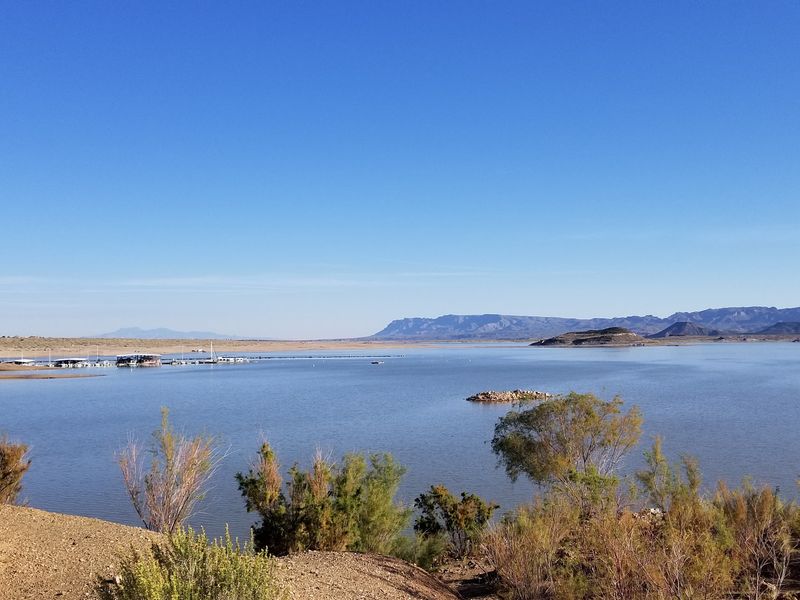
Not every part of this park feels crowded. The Monticello section stands apart with larger, more spacious sites that sit farther from one another.
Campers who want breathing room gravitate here, since the loops offer more isolation than the tightly packed sites elsewhere. A shower building is centrally placed, with toilets set at each end of the loops.
Elsewhere, sites 1, 2, and 3 are their own separate pocket, tucked right behind the beach shower building. Those spots trade asphalt parking for a prime location near the sand.
Other camping zones, like Quail Run up on the hill, deliver good views and glimpses of the water from higher ground. A well-kept pull-through site up there makes for an easy, comfortable stay.
Finding the corner that fits your style is half the adventure. Spread across such a huge area, the park has a spot for nearly every kind of camper.
Wildlife and the Rattlesnake Island Warning
Nature here does not always send a friendly welcome. Coyotes wander through at night, so campers are wise to keep an eye out after dark.
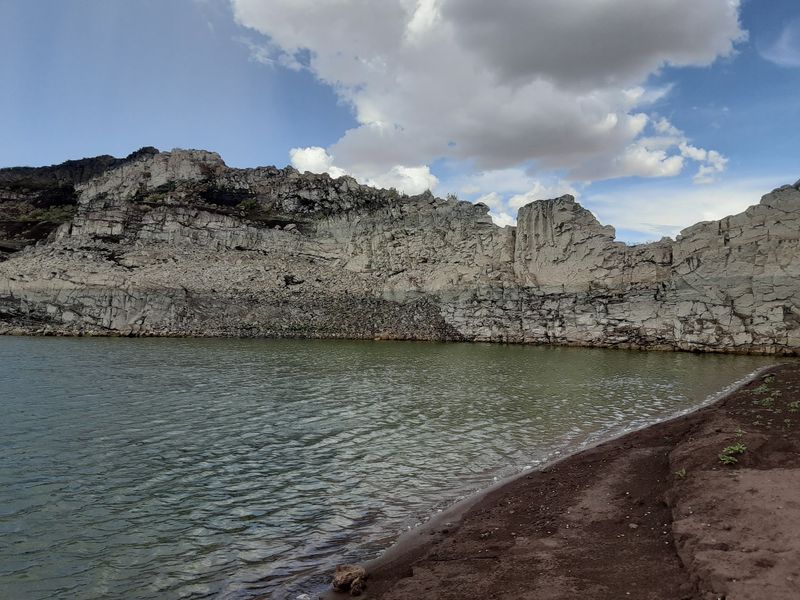
Then there is the island connected by a land bridge, known as Rattlesnake Island, and the name is a fair warning. Guests strongly advise steering clear, especially of its east side.
Bugs make their presence known too, so packing plenty of insect spray is a smart move alongside your sunscreen. A little preparation goes a long way toward a comfortable trip.
The desert setting means you are sharing the space with the critters that call it home. Respecting that keeps everyone, two-legged and otherwise, out of trouble.
Fish jumping in the water and coyotes calling in the distance are all part of the package. Come ready, stay alert, and the wildlife becomes a memorable part of the story rather than a problem.
The Sand Traps You Need to Know About
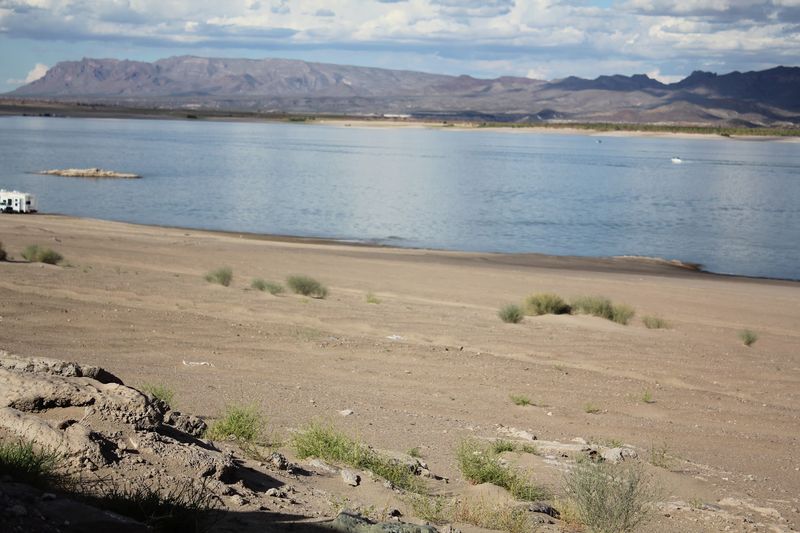
Here is the one tip that can make or break your day. The soft sand near the water is no joke, and it has caught plenty of drivers off guard.
Vehicles without four-wheel drive should stick to the hard, marked paths. Turning off toward the water on a whim is how people end up buried in deep, soft sand.
Getting stuck can turn a fun outing into a stressful hour of shoveling in the heat. The good news is that the community here tends to look out for each other, and someone often stops to help pull a stranded vehicle free.
With the lake so low, more soft ground is exposed than usual, which raises the odds of trouble. Knowing this before you arrive is worth its weight in gold.
Play it safe, follow the firm routes, and keep your family day on track. A little caution near the shore saves a lot of grief.
Facilities, Fees, and the Small-Town Neighbors
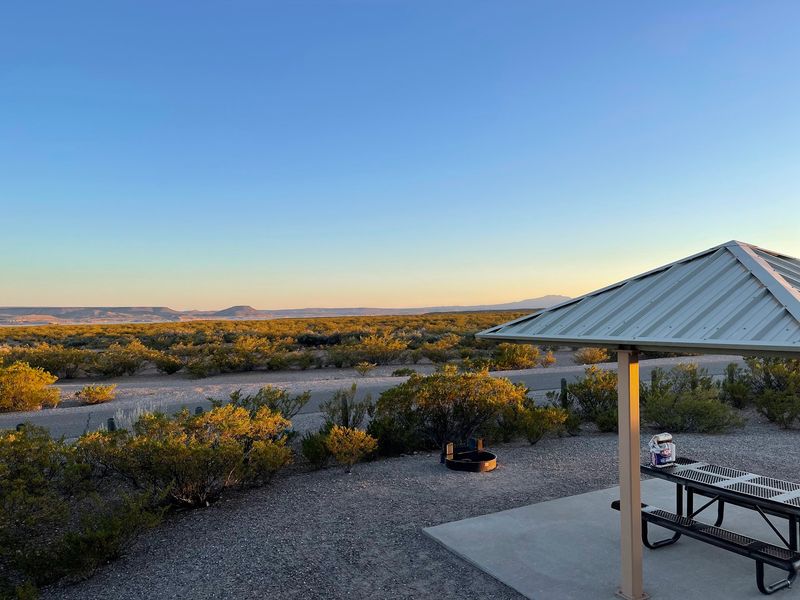
Practical details matter when you are planning a whole day out. Entry runs about 10 dollars for out-of-state guests, and folks generally feel that price is well worth it.
On the amenities side, the park keeps things basic but functional. There is a bath house, compost toilets across the camping areas, and bathrooms scattered throughout the grounds, with clean, well-maintained conditions noted often.
Do keep in mind that showers can run on the cold side. There is no dedicated visitor center or shop inside the park, which surprises some newcomers.
Fire pits are available, but checking for a burn ban before using them is essential. A dump station is on site as well, which campers appreciate.
Just outside, cute small towns like Truth or Consequences sit nearby, and a bus shuttle now connects the lake to town. Those neighboring communities round out the trip when you want a break from the sand.
Who Fits Right In Here
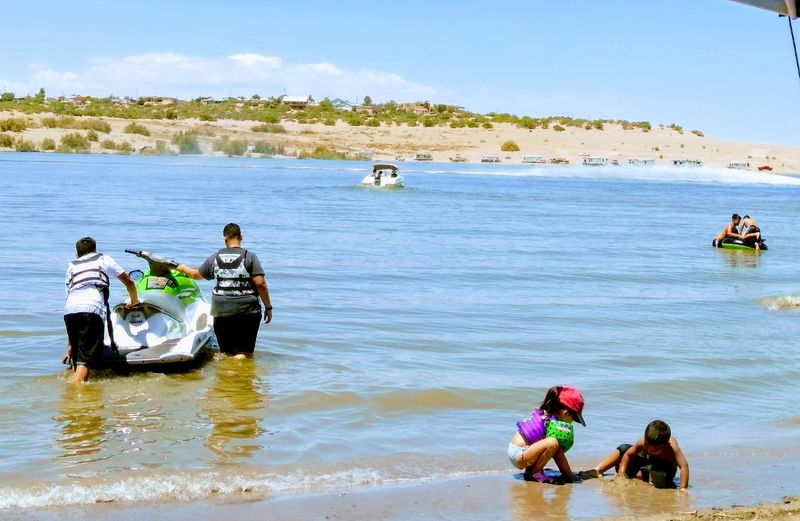
Certain travelers click with this place instantly. Families with kids find an easy day at the clean beach, building sand castles and splashing in the shallows.
Paddle boarders and boaters get room to roam, while campers who love dry, wide-open country feel right at home. If very dry weather suits you, the environment here delivers exactly that.
Quiet is another selling point. Nights tend to be peaceful, and winter visits crank the calm up even higher when the crowds thin out.
Solo campers do well too, though the primitive areas near the community can feel open to anyone, so an assigned site is often the smoother choice. Weekends bring energy and company, while weekdays lean serene.
People from all over cross paths here, and there is a genuine helping-hand spirit among the crowd. Whatever your travel style, the lake tends to make room for you.
Why This Shrinking Lake Still Draws a Crowd
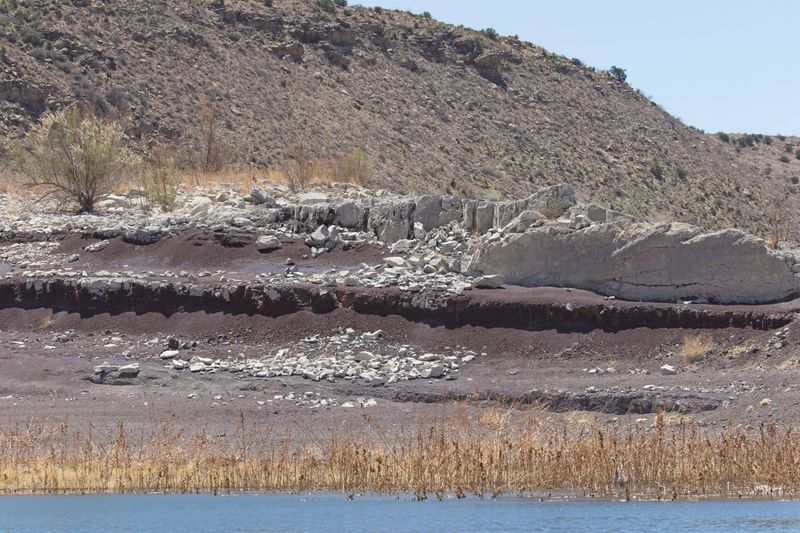
A lake that keeps getting smaller might sound like a reason to stay away, yet the crowds tell a different story. The dropping water reveals ground and old shapes hidden for years, turning each visit into a chance to see something new.
Even at record lows, the beauty holds. The coves shift, the beaches widen, and the desert sky puts on its nightly show whether the reservoir is full or lean.
Camping, fishing, paddling, and long lazy afternoons on the sand keep this the busiest park in the state. The 4.5 star reputation across thousands of guests speaks to how much people cherish it.
Sure, it has quirks, from soft sand traps to cold showers and a wind that likes to visit in the afternoon. Come prepared and those quirks fade into the background.
The water may be low, but the reasons to visit are stacked high. Load up the chairs, respect the shoreline, and let New Mexico’s biggest lake surprise you.
Where the Desert Meets Its Biggest Lake
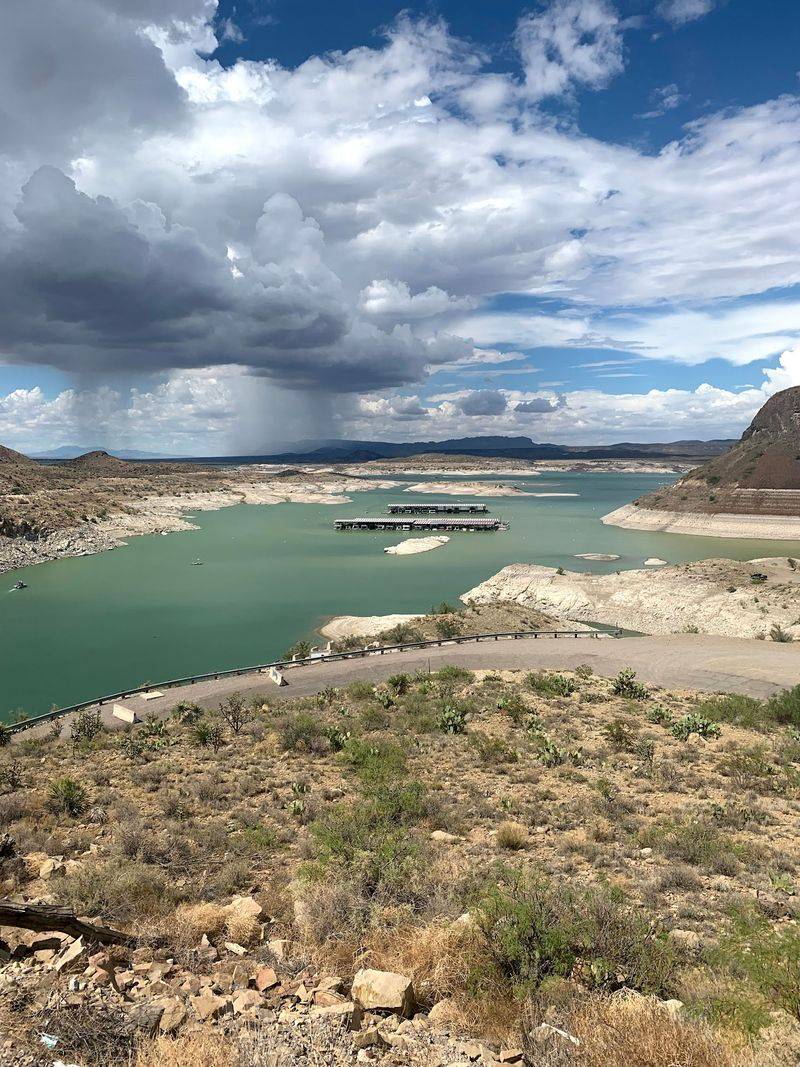
Down in south-central New Mexico, the state’s largest lake stretches across a landscape that looks more like open desert than beach country. The park sits at 101 NM-195, Elephant Butte, NM 87935, just a short hop from the town of Truth or Consequences.
Elephant Butte Lake State Park holds the title of the biggest park in the state, and the numbers back that reputation up with a 4.5 star average across thousands of guest ratings.
The reservoir was built on the Rio Grande, and it has anchored recreation in this region for more than a century. A guest even mentioned a grandfather who worked on the dam site around 108 years ago, which gives you a sense of how deep the history runs here.
Water activities pull most of the crowd, but the sheer scale is the first thing that stands out. You genuinely need a vehicle to get from one section to another.
The land bends into countless coves, and each turn of the shoreline opens up a slightly different view. It is a lake oasis dropped into dry country, and that contrast is exactly what keeps people coming back.
Share this story