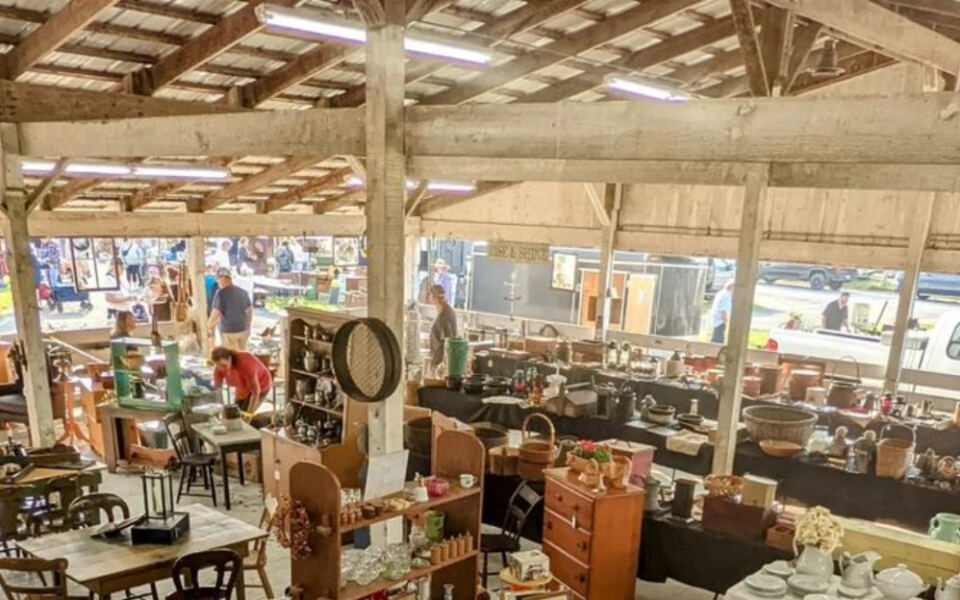
Ohio has a way of hiding its best surprises in plain sight, and this one sits right off a quiet pike in Clark County. Somewhere between the rows of vintage furniture and the smell of fair food drifting through the open air, a weekend starts to feel way too short.
The Springfield Antique Show and Flea Market is the kind of place where you arrive thinking you’ll spend a couple of hours and leave wondering where the whole day went. Pack comfortable shoes, bring more cash than you think you’ll need, and clear your Sunday plans.
Where Springfield Puts Itself on the Map
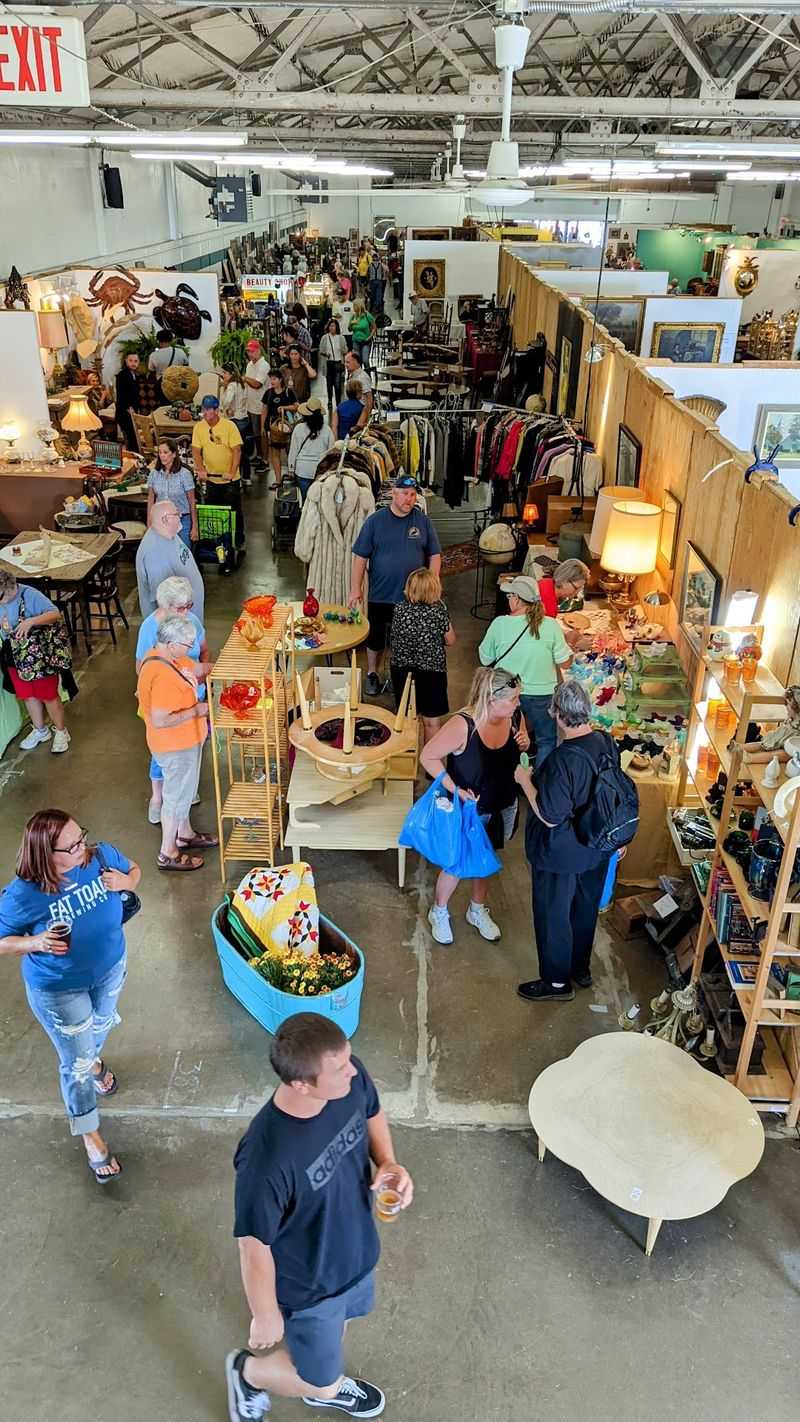
Tucked along South Charleston Pike in Springfield, Ohio, the Springfield Antique Show and Flea Market occupies a sprawling fairground-style property that genuinely earns the word “sprawling.” Clark County might not be the first destination that comes to mind for a weekend adventure, but regulars know this address well: 4401 S Charleston Pike, Springfield, OH 45502.
The market draws visitors from across the state, with some driving well over an hour just to get there. Springfield sits in west-central Ohio, making it a reasonable day trip from Columbus, Dayton, and Cincinnati alike.
What started as a regional antique show has grown into one of Ohio’s most talked-about flea market destinations, blending indoor buildings with outdoor vendor rows across a large, open property. The sheer footprint of the place sets the tone before you even reach the first booth.
The Story Behind the Show
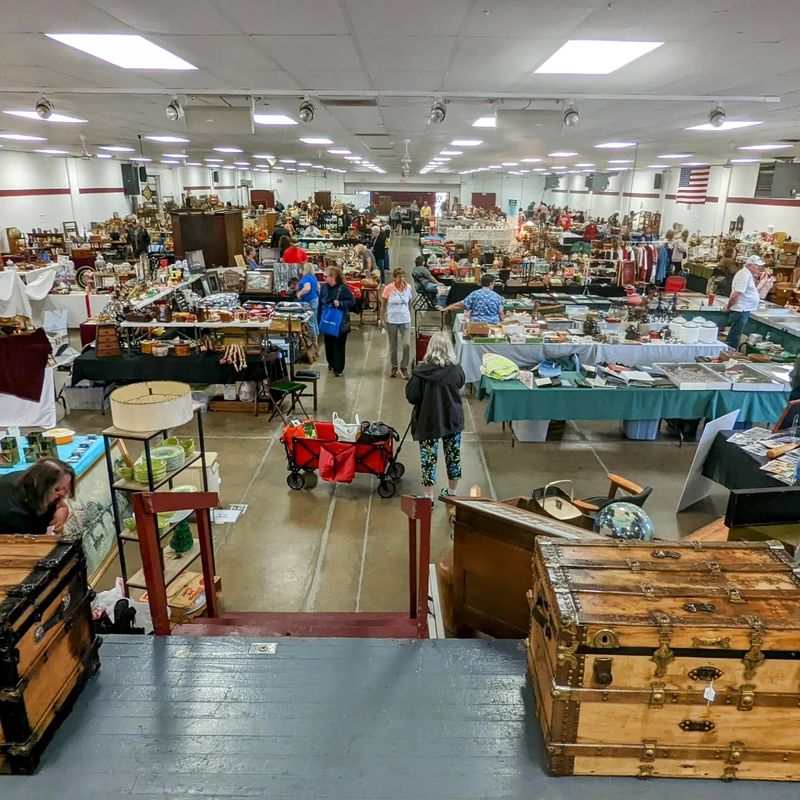
Few Ohio flea markets can claim the kind of loyal following this one has built over the decades. Visitors mention returning year after year, with at least one regular noting they have been attending for roughly 28 years.
That kind of repeat loyalty doesn’t happen by accident.
The market operates in multiple formats throughout the year. Smaller, lower-key weekends run regularly, while the larger “Extravaganza” events bring in a dramatically higher number of vendors and draw bigger crowds from across the region.
Over time, the show has evolved into something that blends traditional flea market energy with a more curated antique fair experience. Vendors range from casual sellers clearing out their collections to seasoned dealers who know exactly what they have and price accordingly.
That mix of amateur and expert is part of what makes every visit feel genuinely unpredictable and worth the trip.
Scale That Stops You in Your Tracks
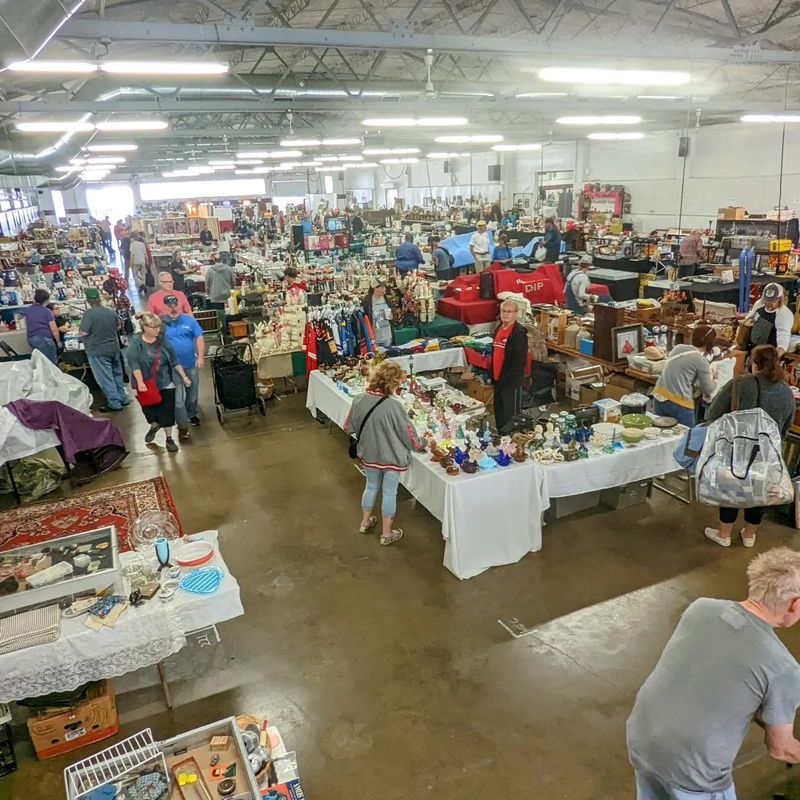
Forget spending a casual hour browsing. Multiple visitors have said flatly that two full days still wouldn’t cover everything, and that isn’t an exaggeration meant to impress.
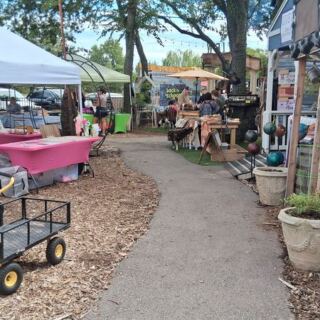
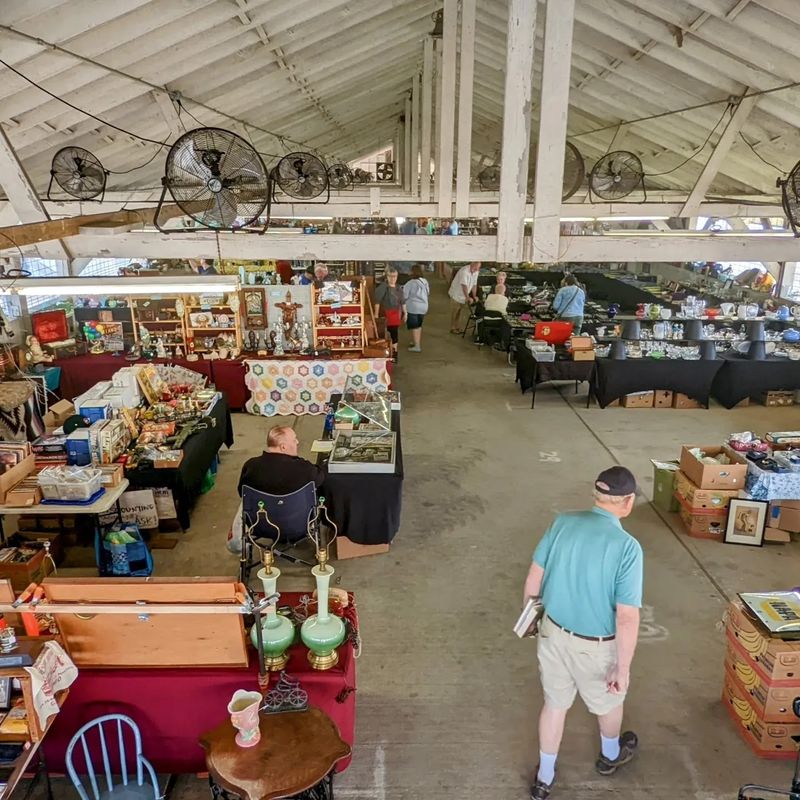
The property combines indoor buildings with seemingly endless rows of outdoor booths, creating a layered maze of merchandise that shifts around every corner.
During Extravaganza weekends, the vendor count climbs dramatically, filling every available space on the grounds. Even during slower months, reviewers note that the indoor buildings remain completely packed with sellers.
One visitor summed it up perfectly by saying the place was so full that they didn’t even know what they wanted until they saw it. That sense of pleasant overwhelm is practically the market’s signature.
Bringing a wagon or cart is strongly recommended by nearly everyone who has been, because underestimating how much you’ll carry out is a very easy mistake to make here.
Indoor Buildings Versus Outdoor Booths
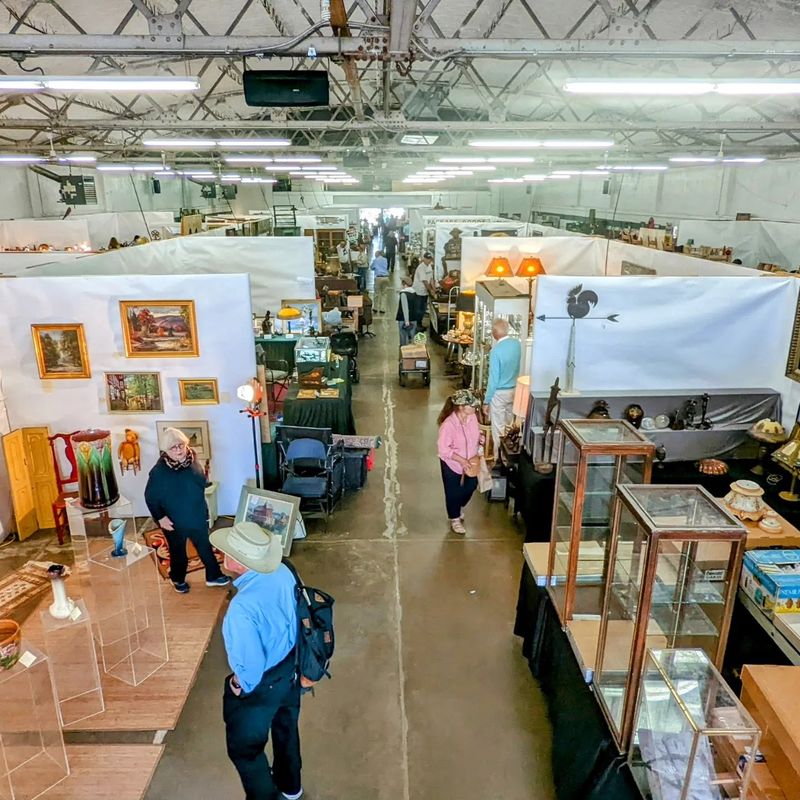
One of the things that sets this market apart from a typical roadside flea market is the combination of covered indoor space and open-air outdoor vendors. The indoor buildings offer a more controlled environment, particularly useful during the unpredictable Ohio spring and fall months when the weather can shift quickly.
Outdoor booths spread across the fairgrounds during larger events, adding significant square footage to an already large property. Visitors note that the layout isn’t always intuitive, with some areas feeling tightly clustered while others have wide gaps between sellers.
Navigation can take some getting used to, especially on a first visit.
The indoor-outdoor split also tends to reflect a difference in merchandise style. Covered spaces often house more delicate antiques and collectibles, while outdoor sellers lean toward larger furniture pieces, rustic decor, and more casual finds.
Knowing that going in helps you plan where to start.
What Vendors Are Actually Selling
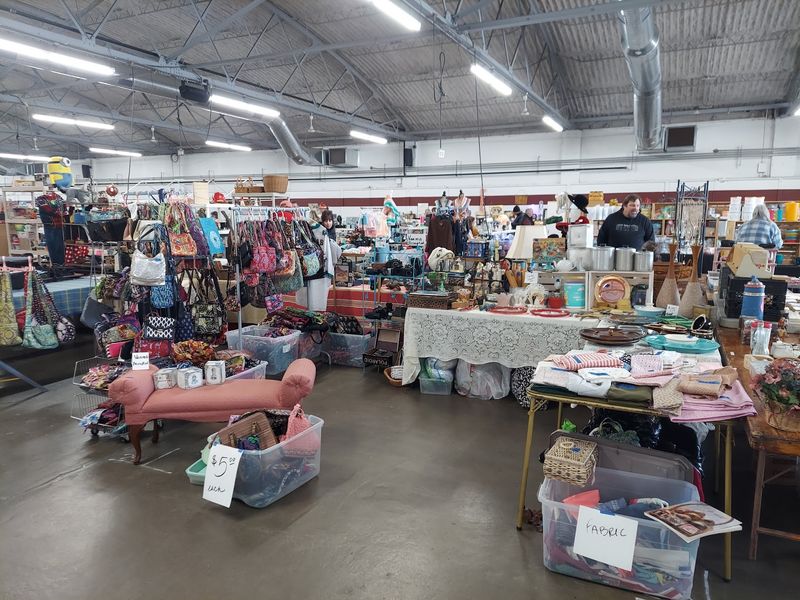
Calling the merchandise mix “varied” barely scratches the surface. Shoppers can move from high-end vintage furniture and carefully preserved collectibles to farmhouse primitives, rustic yard decor, and nostalgic household items all within the same visit.
The range is genuinely wide enough to pull in antique purists and casual browsers equally.
Some booths look like they were assembled by serious dealers who have spent years sourcing rare pieces. Others, honestly, feel like a well-intentioned garage cleanout.
Both types exist here, and experienced shoppers tend to enjoy hunting through both for different reasons.
Visitors who grew up in the mid-20th century often find the nostalgia factor alone worth the trip. Seeing objects from their past displayed on vendor tables creates a kind of informal museum experience.
Collectors hunting specific categories like vintage kitchenware, automotive memorabilia, or mid-century furniture frequently report finding exactly what they were looking for.
Pricing, Bargaining, and What to Expect
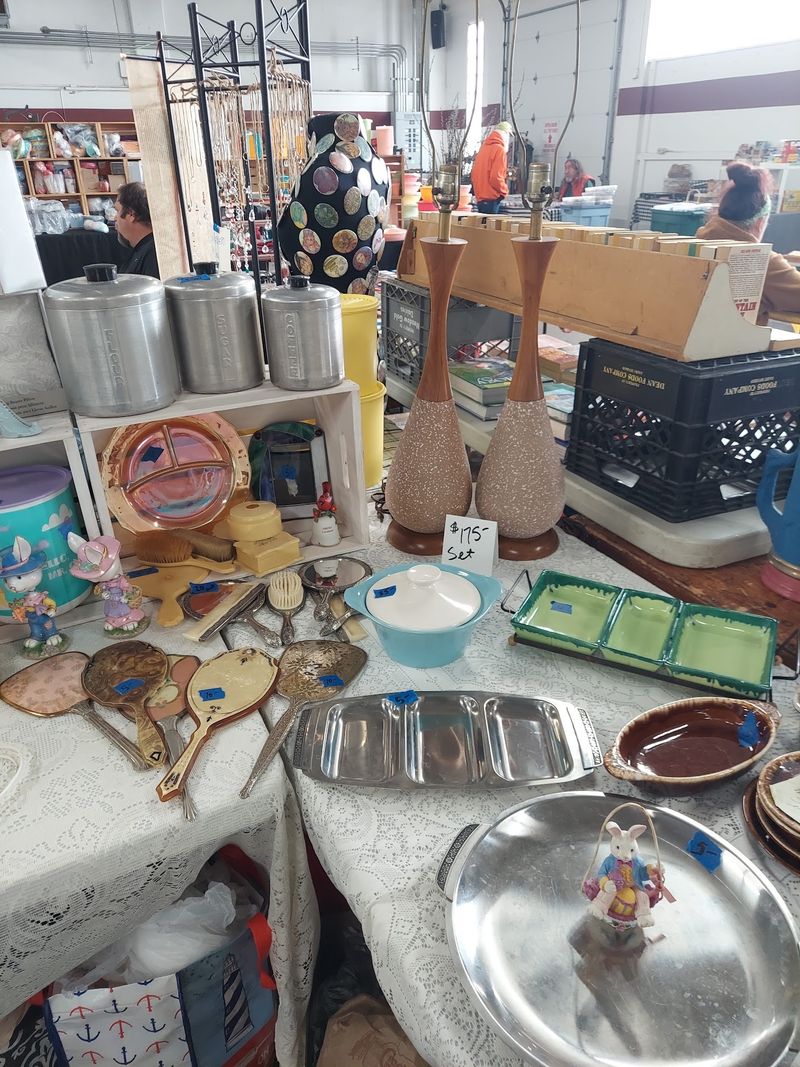
Pricing at the Springfield Antique Show covers a wide spectrum, which is exactly what you’d expect from a market this size. Reviewers generally describe prices as fair, with real room to negotiate on many items.
That said, vendors who specialize in genuine antiques tend to know their inventory well and price it accordingly, so don’t expect to walk away with a rare piece for next to nothing.
Bargaining is very much part of the culture here. Arriving with cash gives you more flexibility, and sellers often respond better to a cash offer than a card transaction when working out a deal.
Bringing more money than you planned to spend is consistently mentioned as a practical necessity rather than an exaggeration.
The entrance fee adds to the overall cost. Regular weekends run around $3 per person, while Extravaganza events charge $12 per adult.
A special early-bird Thursday entry for the Extravaganza runs $50 per person.
The Extravaganza Events
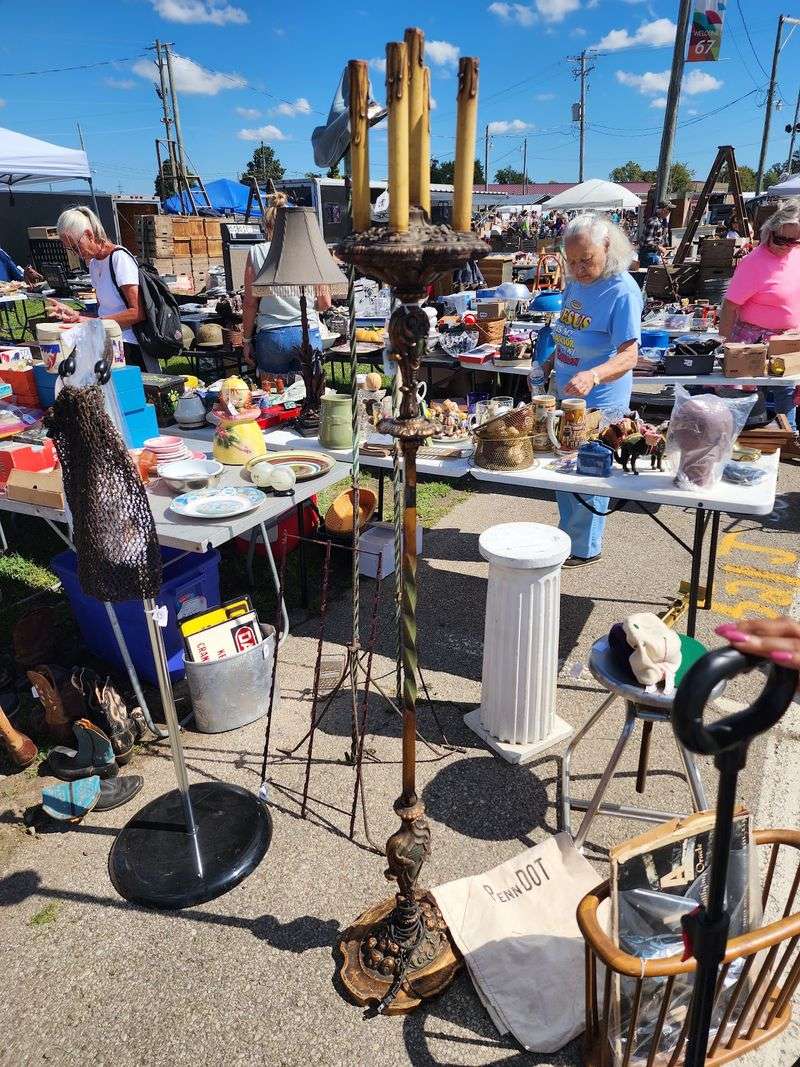
A few times a year, the market shifts into a completely different gear. The Extravaganza events are larger, louder, and far more densely packed than a standard market weekend.
Vendor numbers surge, crowds multiply, and the atmosphere takes on more of a festival quality that keeps people moving through the grounds for hours.
The Extravaganza has built its own reputation separate from the regular show. Regulars plan their calendars around it, and first-timers often arrive having heard about it from friends or family who’ve attended before.
Reviewers consistently describe it as a can’t-miss Ohio event.
One practical note worth knowing: Sunday afternoons at the Extravaganza can be tricky. Some vendors begin packing up well before the official closing time, which has frustrated visitors who arrive mid-afternoon expecting a full market.
Arriving early, particularly on Friday or Saturday, gives you the best chance of seeing the event at its peak energy and fullest inventory.
Who Comes Here and Why They Keep Returning
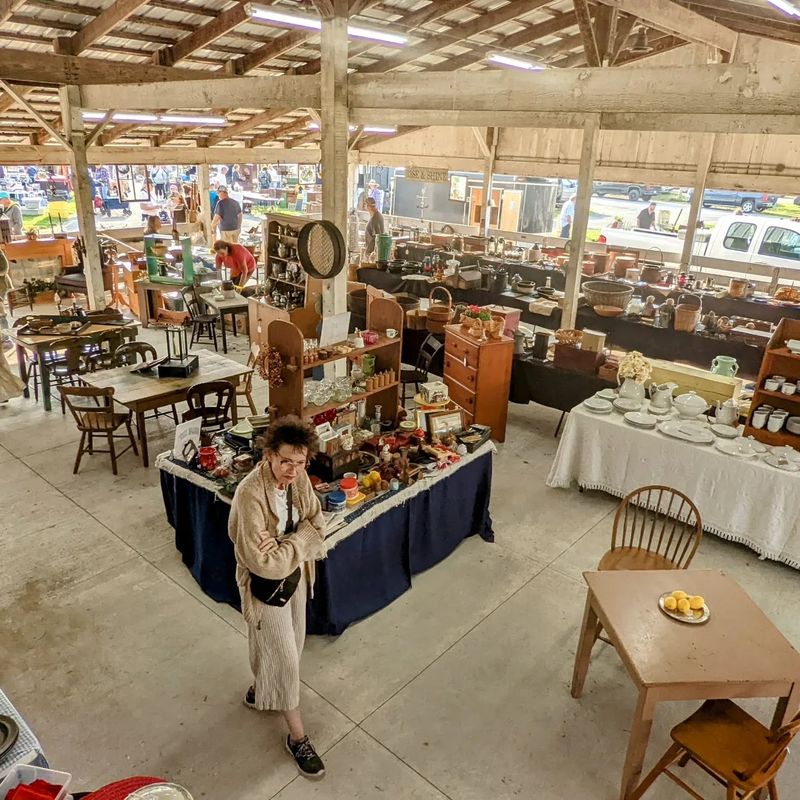
Collectors are the obvious core audience, but the market pulls in a surprisingly broad crowd. Antique dealers come to source inventory.
Home decorators hunt for vintage pieces that fit a farmhouse or mid-century aesthetic. Casual visitors tag along with enthusiast friends and end up finding something they didn’t know they needed.
One reviewer who described themselves as “not even an antique person” admitted to thoroughly enjoying the visit, partly from nostalgia and partly from the sheer novelty of seeing so many unusual objects in one place. That crossover appeal is real, and it’s part of why the market sustains its loyal following across age groups.
The Swap Meet and Car Show events attract a slightly different crowd, bringing in automotive enthusiasts alongside the usual antique hunters. That flexibility in programming keeps the market fresh and gives repeat visitors a reason to come back even when they’ve already seen the regular vendor rotation.
Navigating the Grounds Without Getting Lost
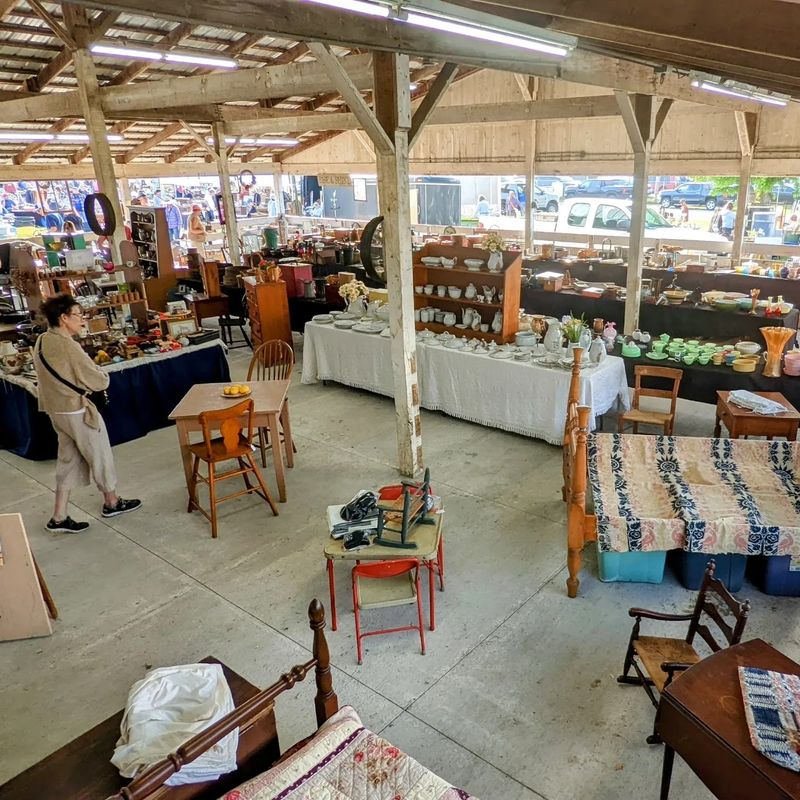
Getting around the Springfield market takes a bit of strategy. The property is large enough that without a plan, you can easily double back through sections you’ve already covered without realizing it.
A few reviewers have noted the absence of clear directional signage as a genuine frustration, especially for first-time visitors.
Bringing a wagon or rolling cart is one of the most consistently repeated pieces of advice from experienced attendees. Not only does it save your arms, but it also lets you pick up larger items early in your visit without having to carry them the whole way.
Comfortable, broken-in footwear is equally important given the amount of ground you’ll cover.
Parking is generally described as decent, with local sheriffs on hand to help direct traffic during busier events. Arriving early, before 10 a.m. on event weekends, tends to make parking and entry much smoother and leaves more time before the crowds peak.
Hours, Entry Fees, and Timing Your Visit
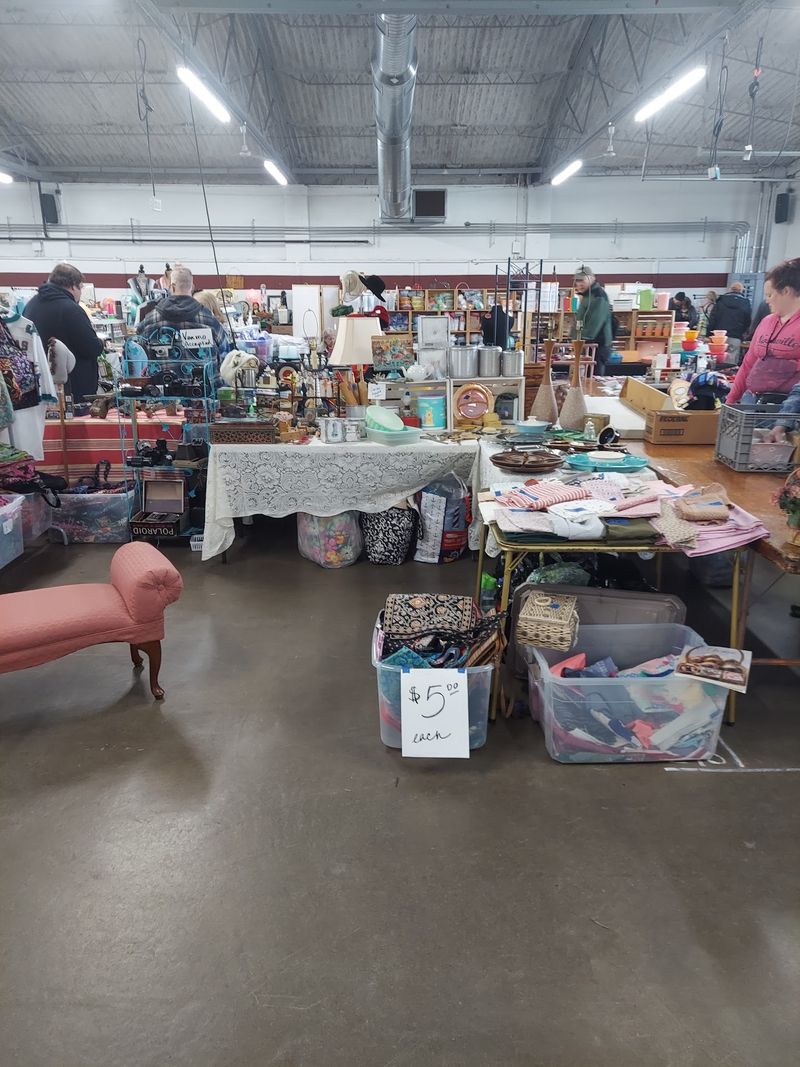
Understanding the market’s schedule before you go saves real frustration. The Springfield Antique Show and Flea Market runs on a multi-format calendar, with regular weekends operating alongside the larger Extravaganza events held a few times per year.
Regular weekend admission runs around $3 per person, making it an affordable afternoon option.
Extravaganza weekends step up to $12 per adult for Friday and Saturday entry. The Thursday early-bird access for Extravaganza events is priced at $50 per person, a premium tier aimed at serious collectors who want first pick before the main crowds arrive.
Knowing which weekend you’re attending makes a big difference in what to expect and how much to budget at the door.
For the most current schedule and event dates, the market’s website at springfieldantiqueshow.com is the best resource. Calling ahead at 937-325-0053 is also an option if you want to confirm specific event details before making the drive.
Practical Tips From People Who’ve Done It Right
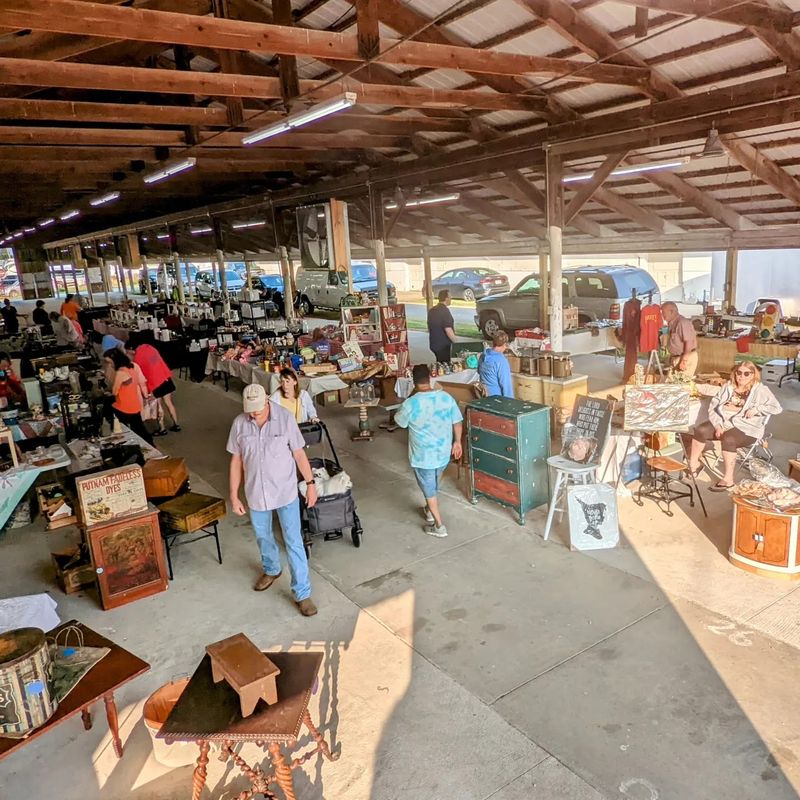
Experience is the best teacher at a market this size, but a few tried-and-true habits from veteran visitors can shorten the learning curve considerably. Cash is king here.
Many vendors either prefer it or will negotiate more freely when you’re paying without a card, and ATMs on-site aren’t guaranteed to be convenient during peak hours.
Wearing comfortable shoes isn’t optional advice, it’s practically a requirement. The combination of pavement, grass, and gravel across the property adds up to serious mileage over a full day.
Multiple reviewers mention sore feet as the main physical reminder of how much ground they covered.
Arriving early on Saturday gives you the fullest vendor presence and the best energy of the weekend. Sunday mornings can still be productive, but some sellers begin wrapping up their displays by midday, which reduces your options as the afternoon wears on.
Planning your visit around that rhythm makes a noticeable difference in the overall experience.
Worth the Drive or Worth Skipping
Honest assessment: the Springfield Antique Show and Flea Market is genuinely worth the trip for the right visitor. If you enjoy the hunt, appreciate the unpredictability of a sprawling market, and don’t mind putting in some miles on foot, this place delivers.
The scale alone sets it apart from most Ohio flea markets, and the vendor variety keeps it from feeling repetitive.
That said, managing expectations around timing matters. Arriving mid-afternoon on a Sunday expecting a full market may leave you disappointed.
Vendors packing up early and inconsistent signage are real friction points that come up in visitor feedback.
For serious antique hunters, collectors, and curious first-timers willing to embrace a little chaos, the Springfield market punches well above its weight for a central Ohio destination. Bring a wagon, carry cash, wear your most comfortable shoes, and give yourself more time than you think you’ll need.
You will use every bit of it.
Share this story