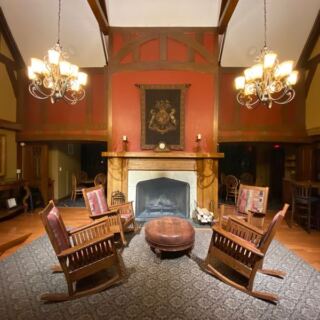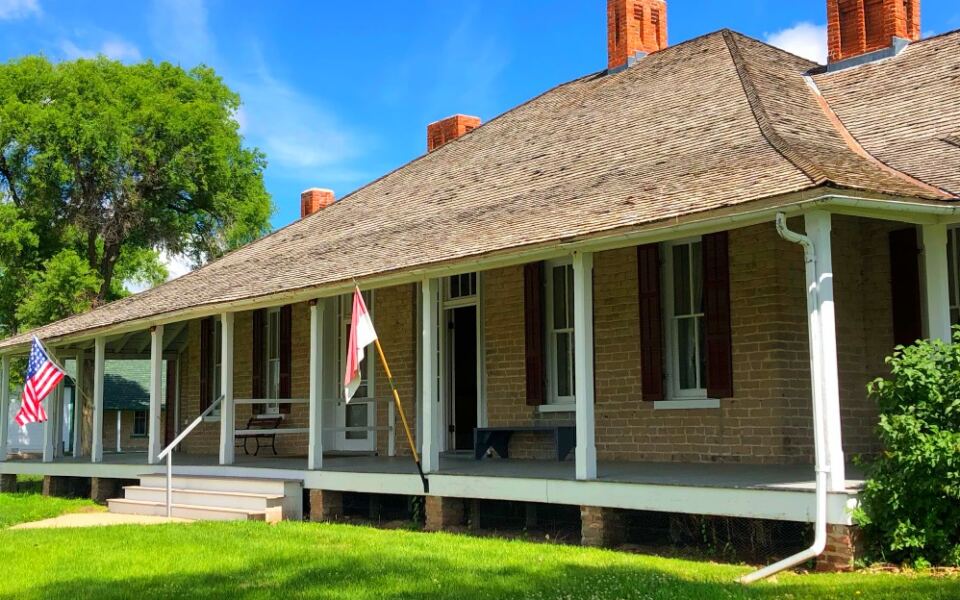
In northwest Nebraska, you can book a night inside an officer’s home built by the U.S. Army in the 1870s.
Some of these quarters were made with adobe walls, and they still stand on the old parade ground. You can unpack your bags where cavalry officers once lived.
The same park holds a bison herd, two museums, rugged buttes, and a summer theater, so a weekend here can feel packed with history and fresh air.
An Army Post Turned Into a State Park
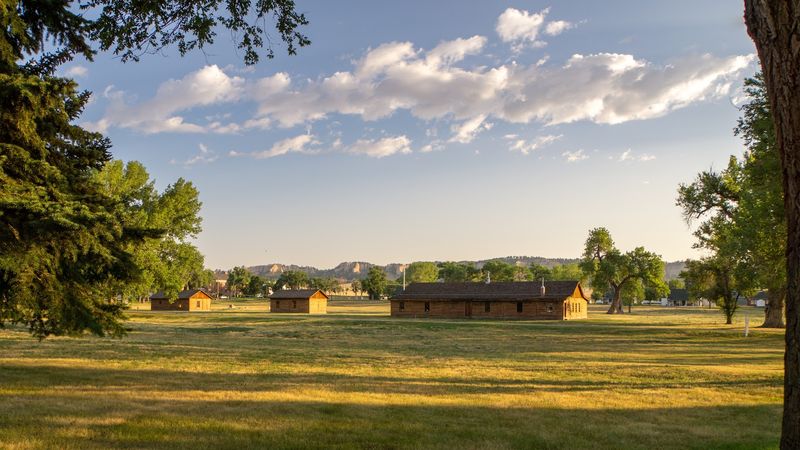
Fort Robinson State Park sits at Soldier Creek Road and U.S. Highway 20 in Crawford, Nebraska.
It covers roughly 22,000 acres in the Pine Ridge country of the state’s far northwest corner. That’s a lot of room to explore.
The site began as an Army post in 1874. Soldiers were sent here near the Red Cloud Agency, and the fort stayed active for decades.
Over the years, it housed cavalry troops, trained horses, and later served other military purposes.
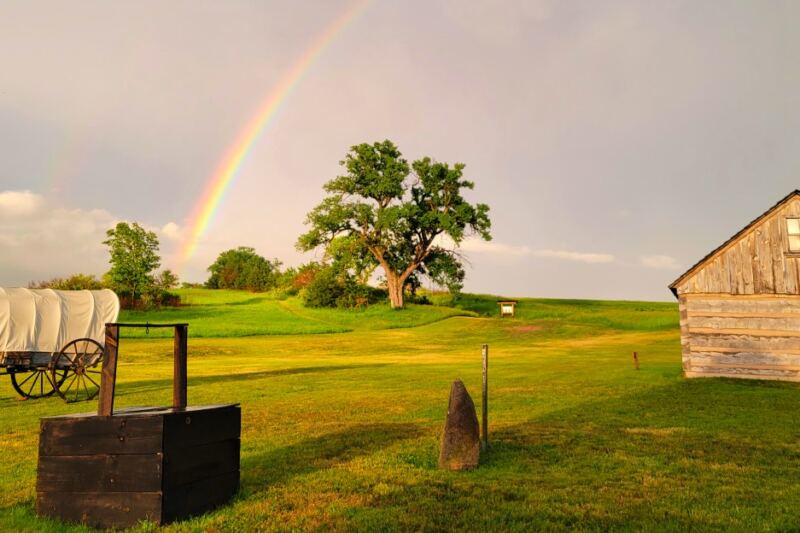
Nebraska turned the grounds into a state park, and many of the original buildings are still standing. Today, the old fort feels like a small town frozen in its frontier years, with tidy rows of homes, barns, and offices.
I like that the history isn’t locked behind glass. You can sleep in it, ride horses past it, and eat a meal nearby.
The park is about three miles west of Crawford, a small town with places to eat and shop. Chadron, with bigger stores, is roughly a 30-minute drive.
Of all the things to see here, the lodging gets the most attention, and for good reason.
Sleeping Inside Adobe Officer Quarters
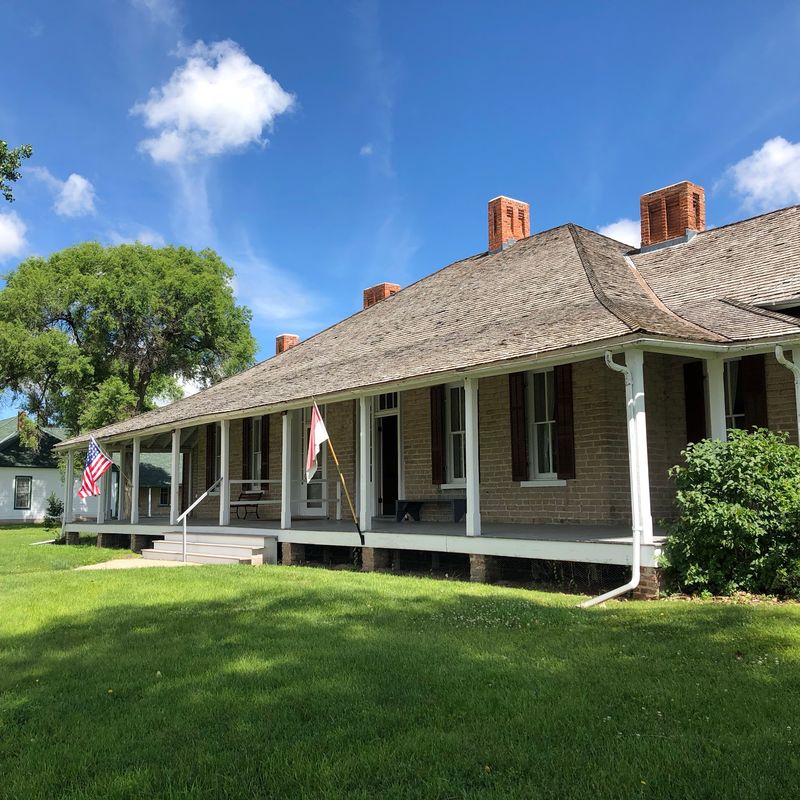
Adobe walls built in 1874 still hold up some of the officer homes at Fort Robinson. Builders used sun-dried bricks because good lumber was hard to find on the frontier.
Those thick walls have outlasted a century and a half of prairie weather.
Today, the park rents several of these historic homes to overnight guests. Some are duplexes, and you can rent one side or both.
Larger groups especially like the bigger units with many beds, dining rooms, and full kitchens.
The homes are furnished for modern stays, but the setting stays historic. Porches face the parade ground, and the rooms carry the layout officers and their families once used.
A fun detail for families is that these lodgings don’t come with televisions. Kids end up playing outside, and adults end up talking on the porch.
I’d suggest booking well ahead, especially for summer weekends and holidays. Reservations go through the Nebraska Game and Parks system, and the most popular homes fill quickly.
Not every room on the post is adobe, though, which leads to some other places worth considering.
More Ways to Bunk on the Old Fort
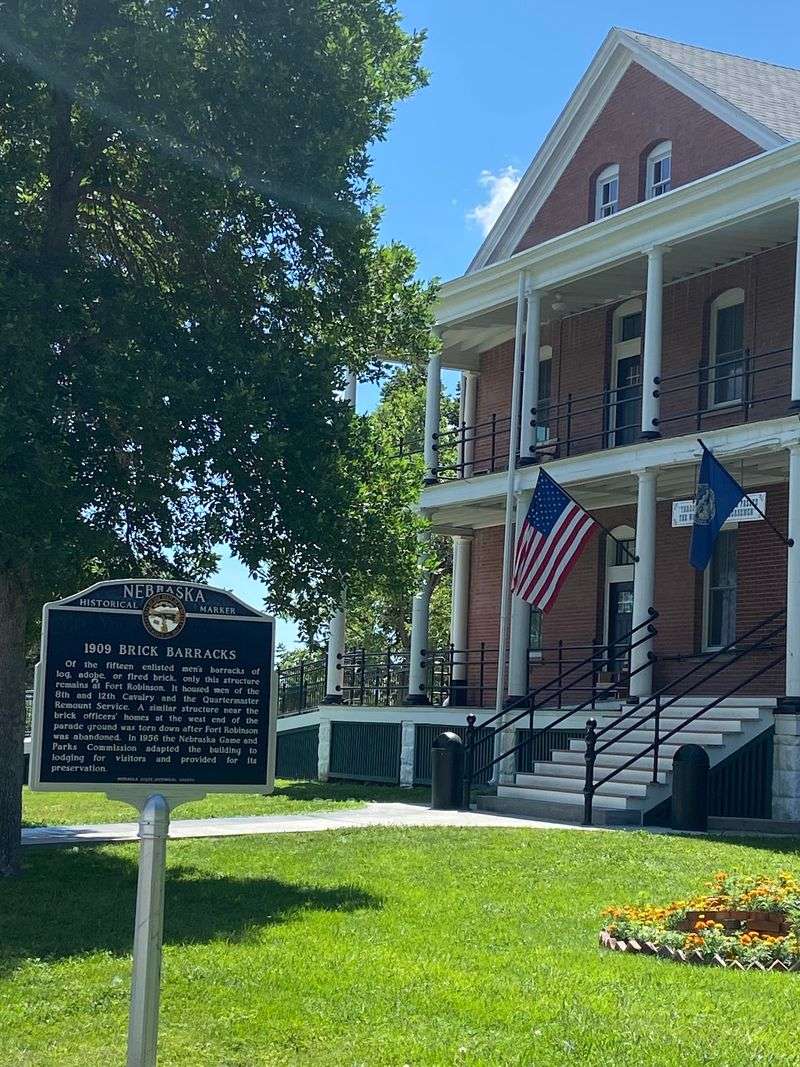
Brick homes line another part of the post, built after the earliest adobe quarters. Guests often call them the Bricks.
These two-story houses work well for big families, since each floor can feel like its own space.
Fort Robinson also offers rooms in the Lodge, which was once the enlisted men’s barracks. It’s a handy choice if you want a simple stay close to the restaurant.
Cabins are another option. They come in different sizes, from small ones for couples to larger units for reunions.
Campers have plenty of choices too. The Red Cloud and Soldier Creek campgrounds offer concrete pads, and some sites include full hookups.
Shade trees cover the inner loop at Red Cloud, which helps during hot summer afternoons.
Wind can be strong here, so tent campers should stake everything down. Shower houses are coin operated, with change machines nearby.
Horse owners even have their own camp with stalls and water. That’s a clue to how deeply horses are tied to this place, a story that goes back to the cavalry days.
Horses, History, and the Remount Era
Thousands of Army horses once passed through Fort Robinson. During the early 1900s, the post became a major remount depot, where horses were raised and trained for military use.
Big stables from that period still stand.
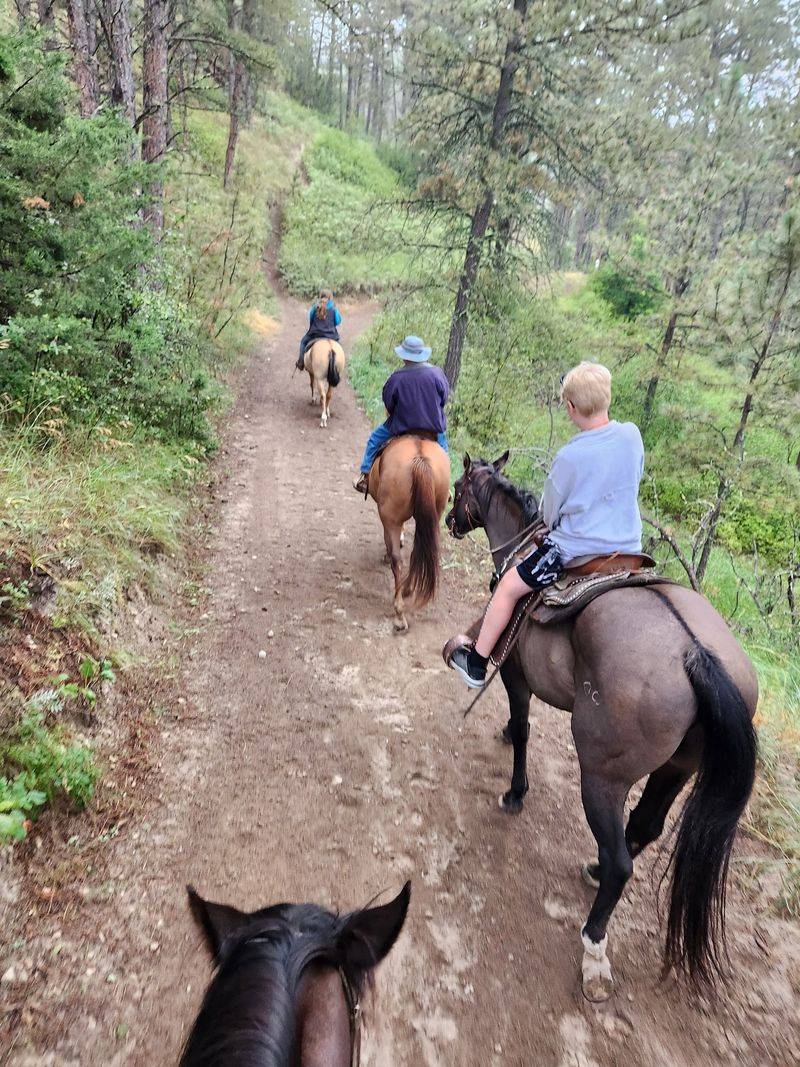
That horse heritage lives on today. The park offers guided trail rides, with a shorter ride and a longer one that climbs into the buttes.
Pony rides are available for younger kids.
If you bring your own horse, you can stable it in a historic barn and ride marked trails across the park. Few state parks let you do that on a real cavalry post.
Stagecoach rides also roll around the grounds. They’re slow, bumpy in a fun way, and great for small children who want a taste of the old West.
I’d pick the long trail ride if it fits your schedule. The views from the higher ground show off the buttes and pine ridges in a way roads can’t.
Schedules can change because of weather or wildfire recovery, so check with the activity desk when you arrive.
A Quiet Marker for Crazy Horse
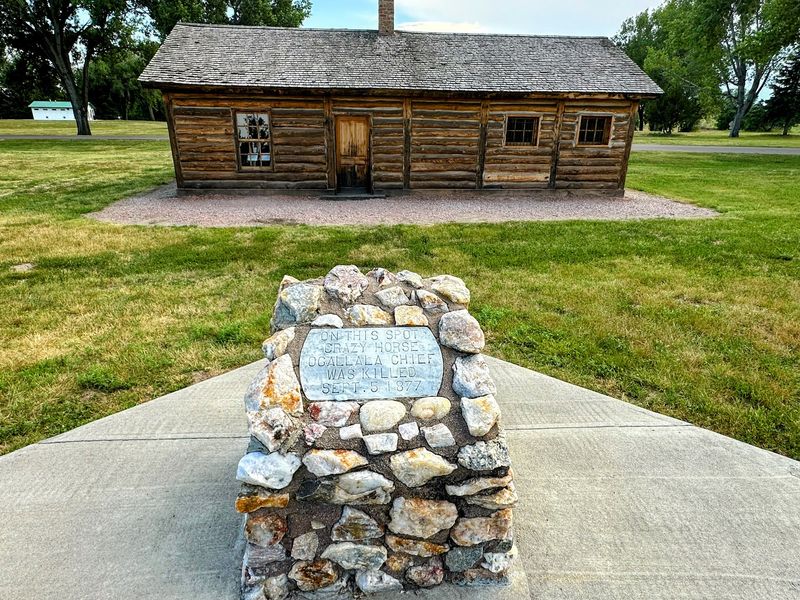
Crazy Horse, the famous Lakota leader, lost his life at Fort Robinson in September 1877. A modest stone marker stands near the reconstructed guardhouse where it happened.
Visitors sometimes leave small offerings there out of respect.
Many travelers heading to the Crazy Horse Memorial in South Dakota don’t realize this site exists. Stopping here adds meaning to that trip.
The fort’s past also includes the Northern Cheyenne Outbreak of 1879. Cheyenne families held at the post broke out in winter, and many did not survive.
Markers and signs share their story, including words from Native people of the region.
These sites call for quiet and thoughtfulness. They’re not easy history, but they’re important.
Later chapters add more layers. Buffalo Soldiers of the 9th and 10th Cavalry served here, and during World War II the post held a prisoner of war camp and a K-9 training center.
I’d give this part of the park unhurried time. After that, the museums help pull all these stories together in one place.
Mammoths Locked Together at the Trailside Museum
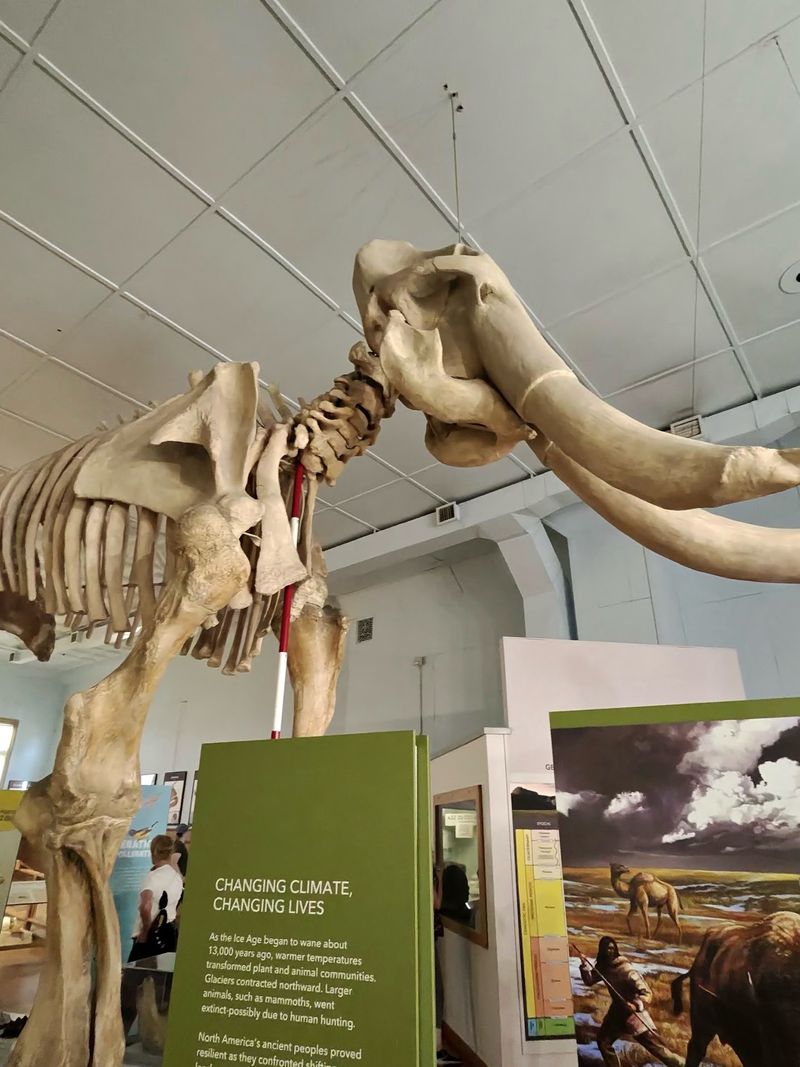
Two Columbian mammoths stand with their tusks locked together inside the Trailside Museum. Scientists believe the bulls were fighting and could not pull apart.
Their skeletons were found in northwest Nebraska and are now displayed right on the fort grounds.
The museum is run with the University of Nebraska State Museum. It focuses on fossils, rocks, and the natural history of the Pine Ridge area.
Exhibits explain that ancient seas once covered this region. Marine reptiles swam where cattle and bison graze today, which surprises plenty of visitors.
Kids usually head straight for the giant bones. Adults often linger over the displays about how the buttes formed.
The Fort Robinson History Center covers the human story. It explains the Army years, the Native nations of the area, and life on the post.
Visiting both museums gives a full picture of the land and the people. Afterward, you’ll probably want to see those famous buttes up close, and there’s a rugged way to do that.
Jeep Rides and the Bison Herd
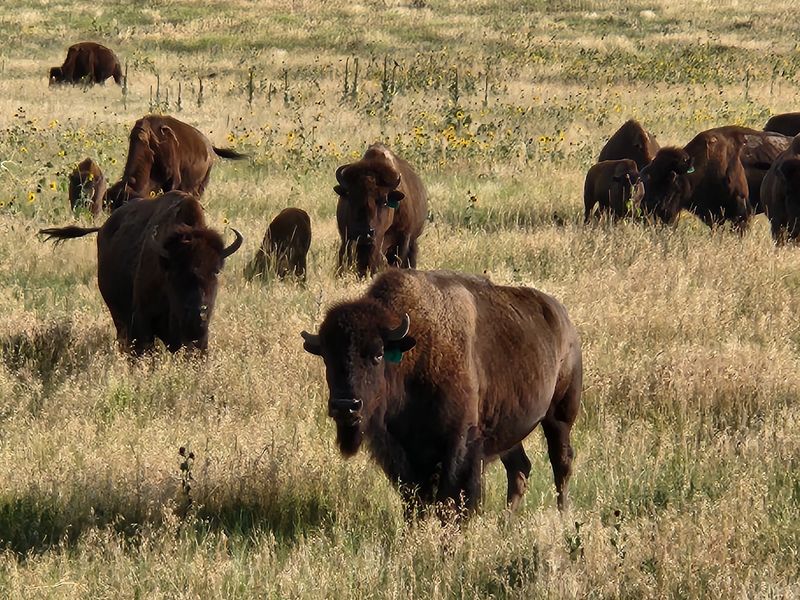
Bumpy, dusty, and full of views, the jeep tours climb into the high prairie above the fort. Guides drive up hills you could not easily reach on foot.
From the top, the buttes spread out in every direction.
Bison roam parts of the park, and the jeep rides often bring them into sight. Some tours also pass other grazing animals in the backcountry.
Keep a safe distance if you spot bison from your car. They look calm but are big, fast, and wild.
Families can also take a scenic drive on their own. A loop road winds through the park and leads toward some of the quieter campsites.
Wildlife watchers may see wild turkeys, deer, and birds of prey. Porcupines live here too, so keep pets close.
I’d plan a jeep ride early in your trip. It gives you a feel for the land, and it helps you choose which trails to hike later.
Those trails head into some seriously rugged country.
Trails Into Soldier Creek and the Buttes
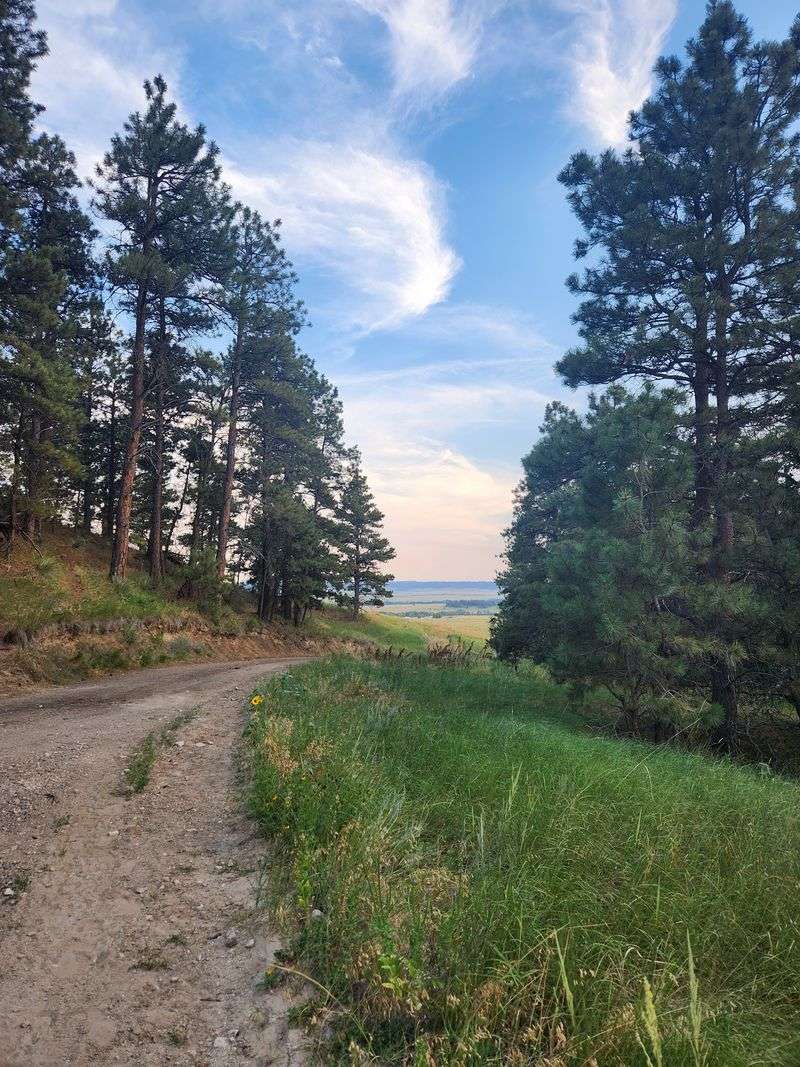
Pine trees, rocky ridges, and wide grassland meet on the trails around Fort Robinson. Hikers and horseback riders share many of the routes.
Trails are marked, which makes planning easier.
The Red Cloud area offers trails close to the main grounds. Farther out, the Middle Fork Trailhead leads into the Soldier Creek Wilderness on national forest land.
A large fire in 1989 burned much of that area. Past the tree line, the trail is open and sunny, so pack plenty of water and a hat.
Some sections stay fairly flat, while others climb steeply. Good shoes help on the rocky stretches.
Summer heat often reaches the 90s here. Rattlesnakes can be active in warm months, so watch where you step.
Fire has touched this land more than once, including recent seasons. Some trails or rides may close for recovery, so ask at the information desk first.
I’d go early in the morning for cooler air. Then you’ll have the afternoon for a different kind of fun back at the fort.
Cookouts at the Base of the Buttes
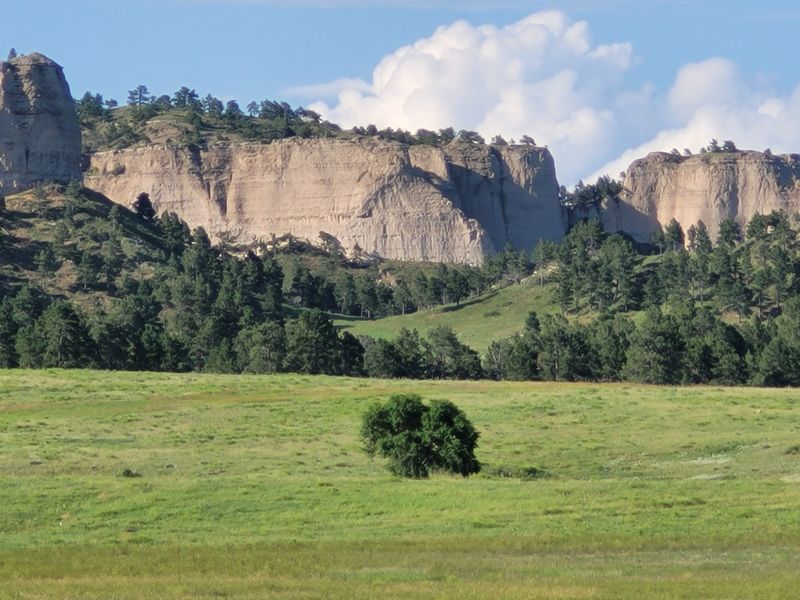
Dinner comes with a ride at Fort Robinson. Guests meet at a central spot, then travel by wagon out to a meal near the buttes.
It’s one of the most talked-about activities in the park.
The steak cookout usually includes ribeye, a baked potato, a roll, vegetables, and salad. It’s served cafeteria style at a scenic spot.
Another evening option features buffalo stew and cornbread. A breakfast ride has also been offered in past seasons.
These meals run on set days, so check the activity schedule early. Spots can fill on busy weekends.
Back on the post, the Lodge restaurant serves breakfast, lunch, and dinner. A buffalo burger appears on the menu, a fitting choice in bison country.
I like the idea of ending a long hiking day with a wagon ride to supper. It’s simple, filling, and easy for every age.
And once dinner is done, the evening entertainment is just getting started.
Summer Shows, Splash Time, and Family Extras
Live theater on an old cavalry post sounds surprising, but the Post Playhouse has staged summer shows here for years. Productions change through the season, with musicals and comedies on different nights.
Families often plan their trips around a favorite title.
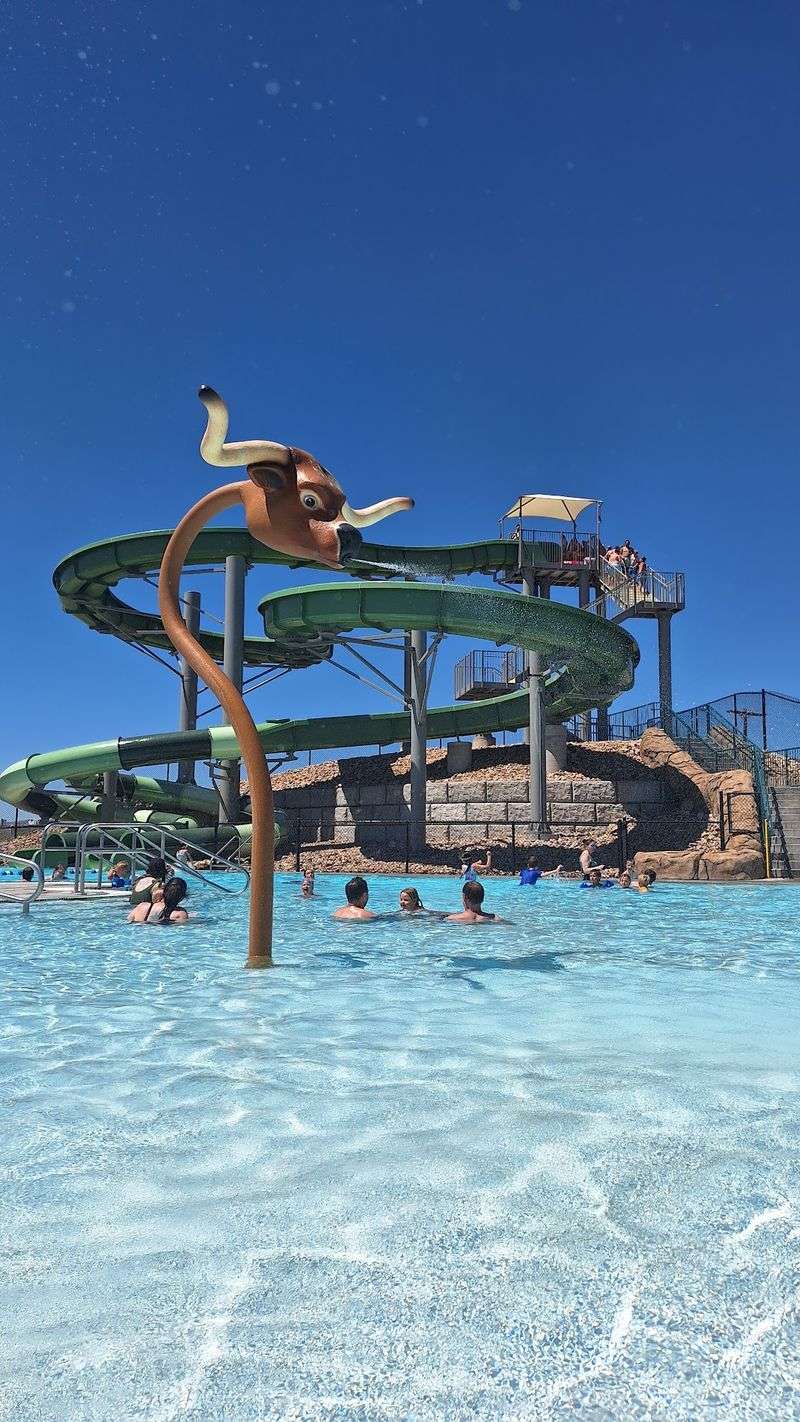
Kids have lots of daytime choices too. The park opened a new swimming facility, and it quickly became a summer favorite.
Tubing and kayaking on local waters are offered in season. Ask staff about current water conditions before heading out.
Rainy afternoons have backup plans. A game room, a ceramics shop, and a playground keep younger visitors busy.
Bicycles help you get around the spread-out grounds. Golfers can find a course just east of the fort.
Nearby, Toadstool Geologic Park, Smiley Canyon, and Crawford make easy side trips.
Most activities run from late spring through summer, so fall brings quieter days and changing leaves. I’d pick summer for the full lineup, and early autumn for peaceful porch time in those historic officer quarters.
Share this story