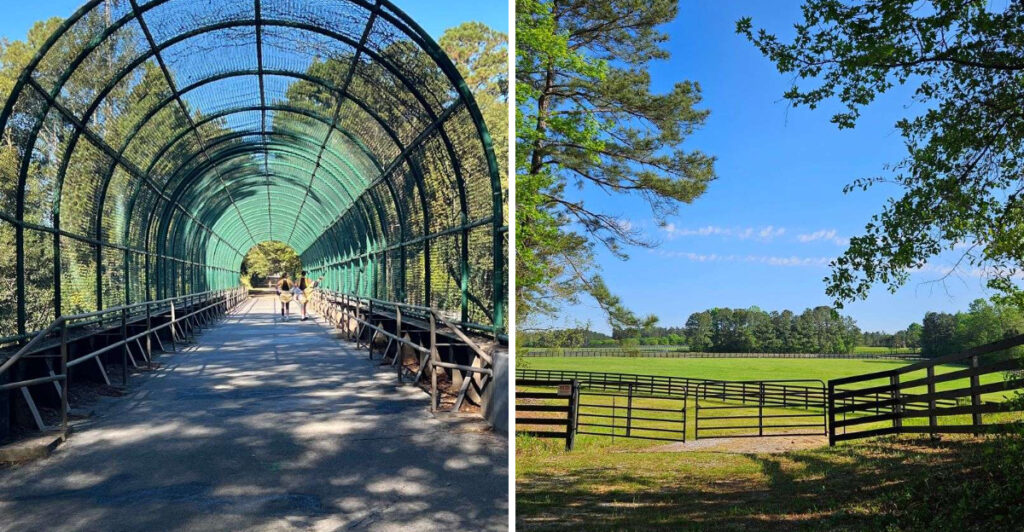
A former railroad corridor that once carried timber and passengers across southern Mississippi has been transformed into one of the most scenic paved trails in the entire Southeast. Stretching 44 miles through longleaf pine forests, small towns, and peaceful countryside, this trail has become a favorite for walkers, cyclists, and even horseback riders.
What makes it so special is how naturally the old rail bed lends itself to a smooth, nearly flat route that almost anyone can enjoy. Once you learn what this trail has to offer, you will wonder why you have not already packed your bike and headed south.
The Railroad Origins That Started It All
Long before joggers and cyclists claimed this corridor, steam locomotives ruled it. The rail line that once ran through this stretch of southern Mississippi was built to serve the region’s booming timber industry, hauling longleaf pine logs to mills and connecting small communities along the way.
Over the decades, as the timber industry changed and automobile travel expanded, the railroad’s importance faded. The tracks eventually went quiet, leaving behind a wide, flat, well-graded corridor cutting through some of Mississippi’s most beautiful countryside.
That old rail bed turned out to be a gift. The gentle grade that made it ideal for heavy freight trains also makes it nearly perfect for cycling and walking.
Longleaf Trace, located in Hattiesburg, Mississippi, now follows that same historic path, preserving a piece of local history while giving it an entirely new purpose that the original railroad builders never could have predicted.
What Longleaf Trace Actually Is
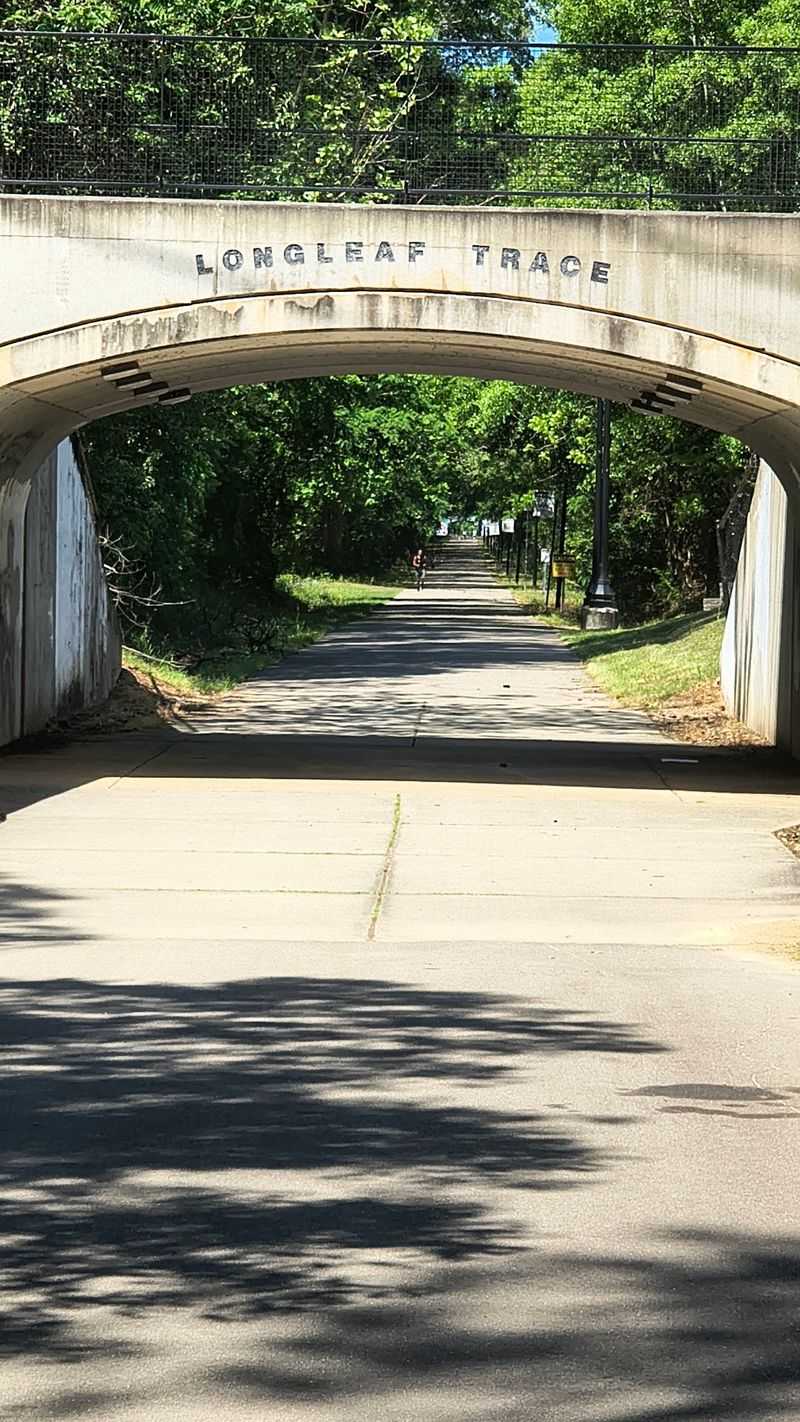
Longleaf Trace is a 44-mile paved rail-trail running through Forrest and Lamar counties in southern Mississippi. The trail connects Hattiesburg to Prentiss, passing through several small towns and miles of quiet natural scenery along the way.
The surface is smooth asphalt, wide enough to comfortably accommodate cyclists going one direction while walkers enjoy the other side. Alongside the paved trail, a grassy path runs parallel, specifically maintained for horseback riding, which makes this one of the more versatile multi-use trails in the region.
Managed with community involvement, the trail has become a genuine point of local pride. Trailheads are spaced at regular intervals, each offering parking and restroom facilities so visitors can plan trips of any length.
Whether you ride the full 44 miles or just explore a single section, the experience feels polished, welcoming, and worth every mile you put in.
The Longleaf Pine Forest Setting
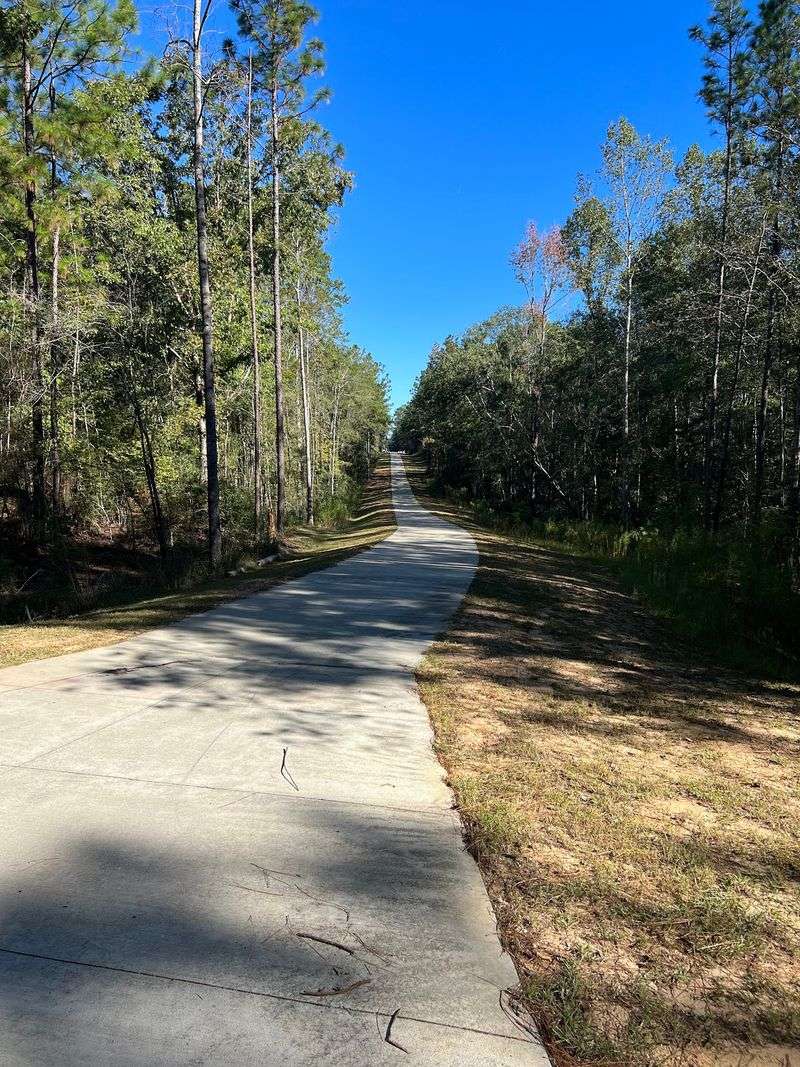
There is something genuinely calming about moving through a longleaf pine forest at a steady pace. The tall, straight pines rise on both sides of the trail, their canopy filtering sunlight into shifting patterns on the pavement below.
The air carries that clean, resinous pine scent that feels like a natural reset button for a busy mind.
Longleaf pines are historically significant in the American South. These trees once blanketed millions of acres across the region before logging reduced their range dramatically.
Riding or walking through a corridor lined with these trees connects you to a landscape that has largely disappeared elsewhere.
The trail’s name pays direct tribute to this forest heritage. On a quiet morning, with pine needles scattered across the grass shoulder and birdsong filling the air, the setting feels almost untouched, even though the smooth pavement beneath your feet tells a very different story about how far this place has come.
The Hattiesburg Trailhead and Starting Point
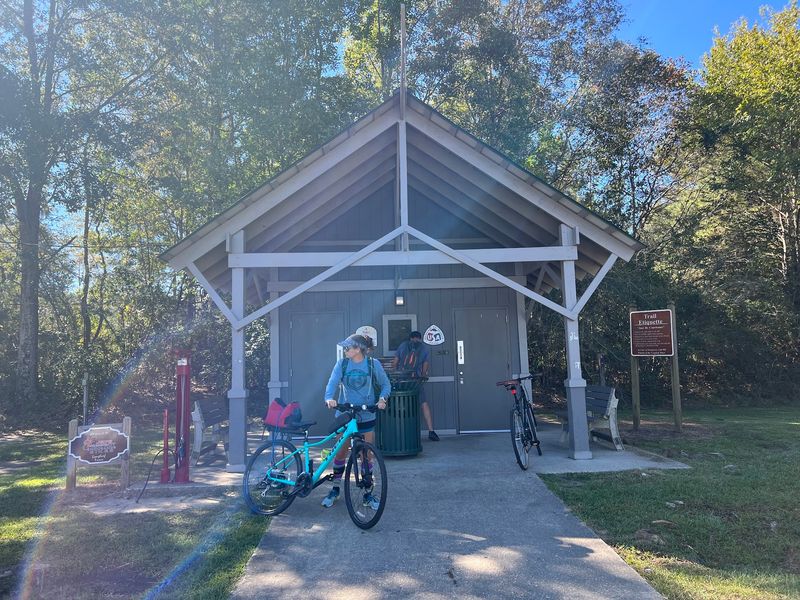
Most visitors begin their Longleaf Trace experience at the Hattiesburg trailhead, which serves as the northern anchor of the trail. The trailhead is well-organized, with parking available and easy access to the paved surface, making it a logical starting point for anyone planning a longer ride or a casual afternoon walk.
Hattiesburg itself is a lively college town with a strong sense of community, and the trail fits naturally into the city’s outdoor culture. Locals use the trailhead regularly, so it carries that lived-in, community-owned feeling rather than the sterile atmosphere of a facility nobody actually uses.
Starting here gives you the longest possible stretch heading south, and the trail wastes no time delivering scenery. Within the first mile, the urban surroundings give way to quieter stretches lined with trees, and the rhythm of the trail begins to take over in the best possible way.
The Sumrall Section and Its Amenities

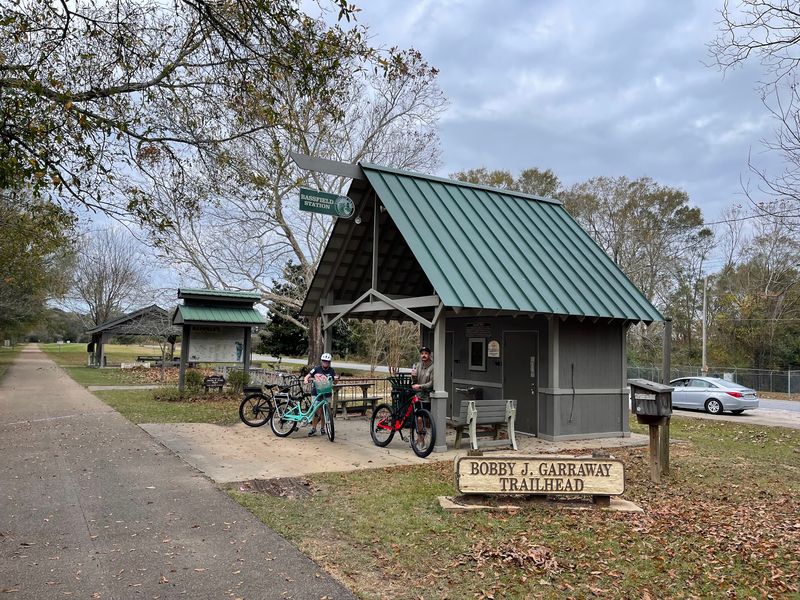
One of the most talked-about stops along Longleaf Trace is the Sumrall section, which sits roughly in the middle of the trail corridor. Visitors who stop here find a well-maintained trailhead complete with parking, a picnic table, and a restroom facility, making it a practical rest point for anyone tackling a longer stretch.
Sumrall is a small Mississippi town with genuine historical character. The area around the trailhead has local points of interest worth exploring if you have a few extra minutes and enjoy the kind of quiet, unhurried history that small Southern towns tend to hold onto without much fanfare.
Stopping in Sumrall also gives you a sense of how the trail connects communities rather than bypassing them. The trail does not exist in isolation.
It threads through real places where real people live, and that connection between the natural corridor and the towns along it is part of what makes Longleaf Trace feel so authentic.
Cycling the Full 44 Miles
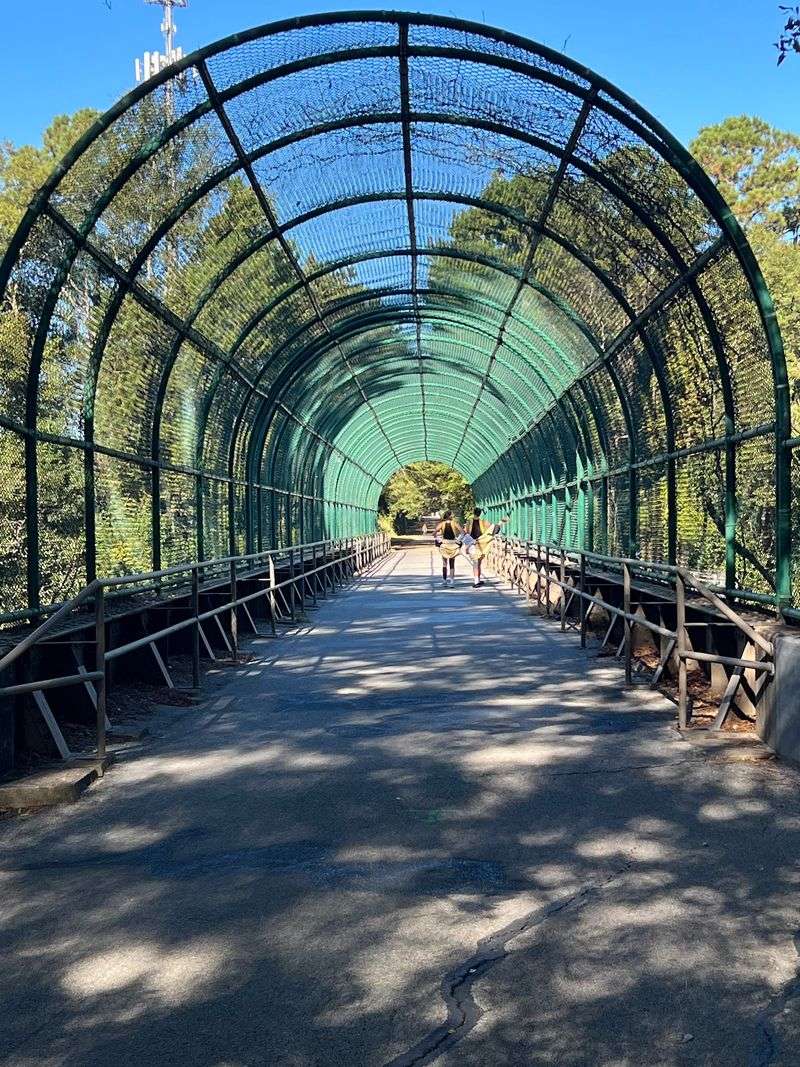
Tackling the full 44-mile length of Longleaf Trace is a serious undertaking, but the trail’s nearly flat grade makes it far more accessible than most long-distance rides of similar length. The old railroad bed’s gentle slope means you spend far less energy fighting elevation and more time simply enjoying the scenery rolling past.
Experienced cyclists often plan the route as a point-to-point ride, arranging a vehicle shuttle between the Hattiesburg and Prentiss trailheads. Others prefer an out-and-back approach from a central trailhead, customizing the distance to match their fitness level and available time.
Hydration and sun protection matter on a ride this long. Parts of the trail pass through open areas with limited shade, particularly during summer months when Mississippi heat builds quickly.
Early morning starts make a significant difference in comfort, and the quieter trail conditions at that hour add a peaceful quality to the experience that afternoon crowds cannot replicate.
Walking and Hiking the Trail

Not every visit to Longleaf Trace needs to involve a bicycle. The trail is equally enjoyable on foot, and many visitors prefer walking sections at a slower pace that allows them to notice details cyclists tend to pass too quickly.
The smooth pavement is easy on the knees, and the width of the path means walkers and cyclists can share the space without feeling crowded.
Shorter walking routes are especially popular with families and older visitors who want fresh air and pleasant surroundings without committing to an athletic challenge. Picking a single section between two trailheads and walking it out and back gives you a satisfying outing that rarely takes more than a couple of hours.
The sounds along the walking sections are worth paying attention to. Birds are active throughout the corridor, and the relative quiet of the trail, compared to road walking, gives the whole experience a restorative quality that is genuinely hard to find this close to a city like Hattiesburg.
Horseback Riding Along the Grassy Corridor
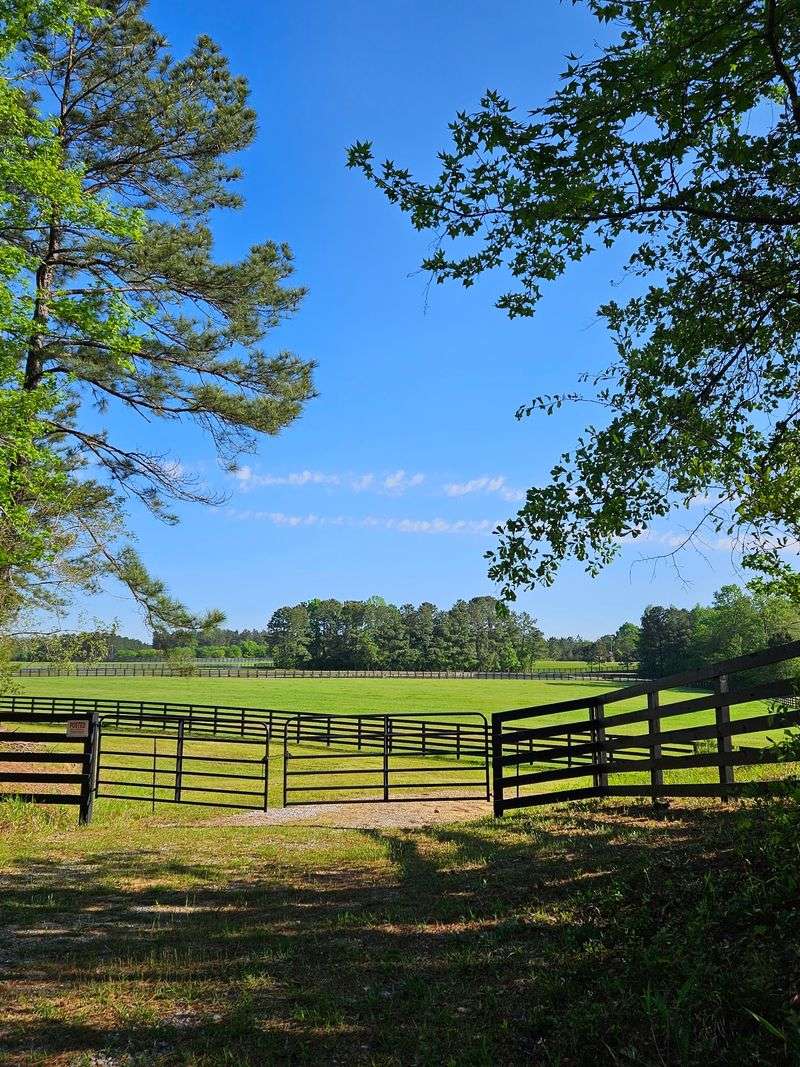
One of the more unexpected features of Longleaf Trace is the dedicated grassy corridor running alongside the paved surface specifically for equestrian use. This is not a common feature on rail-trails, and it reflects the thoughtful planning that went into making this trail accessible to multiple user groups rather than defaulting to cyclists and walkers alone.
Horseback riders can travel the trail without sharing the paved surface, which keeps interactions between horses and cyclists smooth and stress-free. The grassy path is maintained separately, and the soft footing is far more comfortable for horses than asphalt would be over long distances.
If you have ever seen horses moving calmly through a pine forest corridor, you already know how naturally the setting suits them. Equestrians who use Longleaf Trace regularly describe it as one of the better options in Mississippi for a relaxed, scenic ride that does not require trailering deep into remote backcountry to find decent conditions.
Wildlife and Nature Along the Route
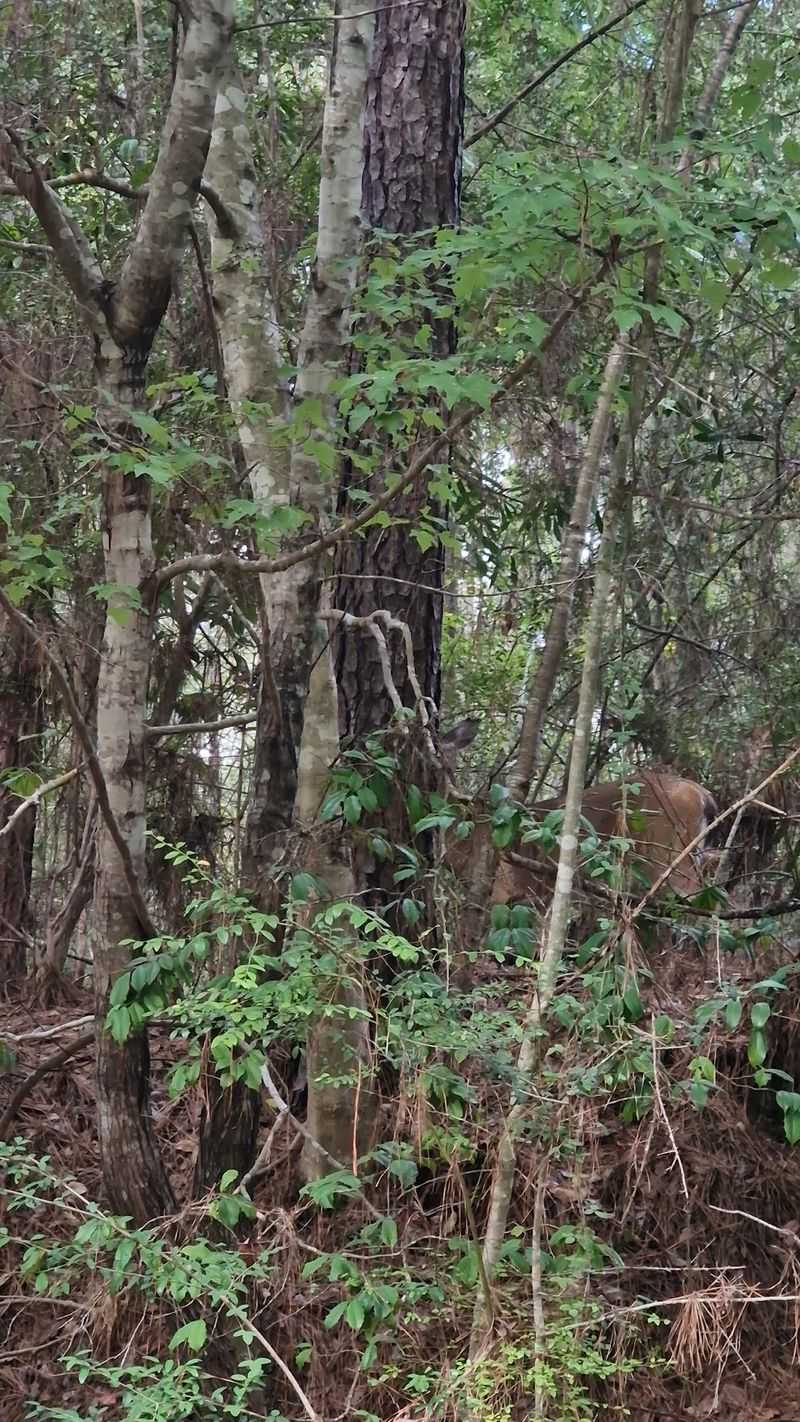
The natural corridor that Longleaf Trace travels through is alive in ways that surprise first-time visitors. The pine forest habitat supports a variety of bird species, and birdwatchers who bring binoculars often find the trail rewarding even on short visits.
Woodpeckers, songbirds, and raptors are all part of the landscape depending on the season.
White-tailed deer occasionally appear near the forest edges, particularly during early morning and late afternoon hours when trail traffic is lighter. The undisturbed vegetation along the corridor provides cover and food sources that attract wildlife year-round.
What stands out is how the trail manages to feel wild in stretches while remaining completely accessible. You are never far from a trailhead or a road crossing, yet the experience of moving through that pine corridor makes the surrounding forest feel genuinely remote.
That contrast between accessibility and natural immersion is one of the trail’s quieter selling points that repeat visitors appreciate most.
Seasonal Appeal Throughout the Year

Longleaf Trace holds appeal across every season, though each time of year brings a different quality to the experience. Spring visits reward trail users with mild temperatures, blooming understory plants, and peak bird activity as migratory species move through the region.
The light has a softness in spring that makes the pine corridor look almost painted.
Summer is the most popular season, but it demands respect for Mississippi’s heat and humidity. Early starts are strongly advised, and the shaded sections of the trail become noticeably more valuable during those hot midday hours when the sun sits high and direct.
Fall brings relief from the heat and a quieter, more contemplative mood to the trail. Winter visits are surprisingly pleasant for those who enjoy cool, crisp conditions, and the reduced foliage opens up sightlines into the forest that summer growth conceals.
Each season gives the trail a genuinely different personality worth experiencing more than once.
Trailhead Facilities and Practical Information
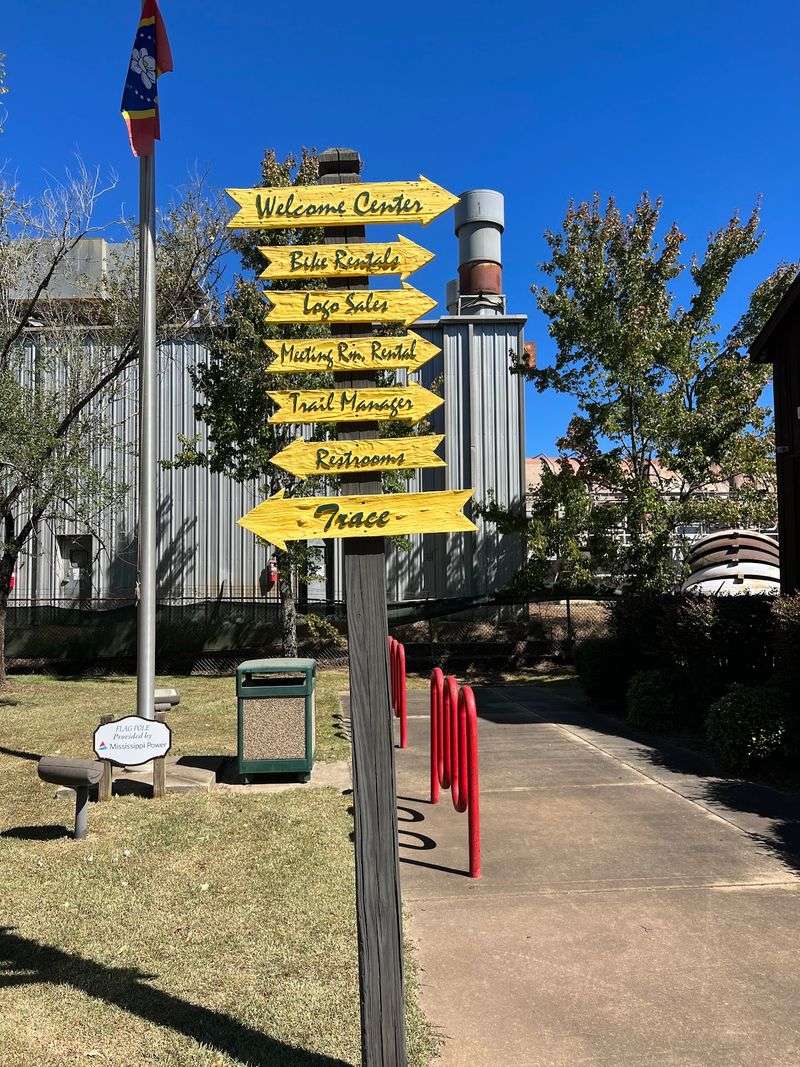
Planning a visit to Longleaf Trace is straightforward because the trail’s infrastructure has been developed with user convenience in mind. Multiple trailheads are distributed along the 44-mile corridor, each providing parking and restroom facilities so visitors can access the trail from different points without driving to a single central hub.
Picnic tables at key trailheads make it easy to pack a lunch and turn a trail visit into a half-day outing. The availability of these amenities at regular intervals also means that less experienced trail users can plan shorter segments with built-in stopping points rather than committing to the full length at once.
The trail is free to use, which removes one barrier that keeps people away from many outdoor recreation areas. Bringing water, wearing sunscreen, and checking trail conditions before a visit are the main practical considerations.
Cell service along the corridor is generally adequate for navigation, which helps first-time visitors feel confident about exploring sections they have not visited before.
The Community Connection Between Trail Towns
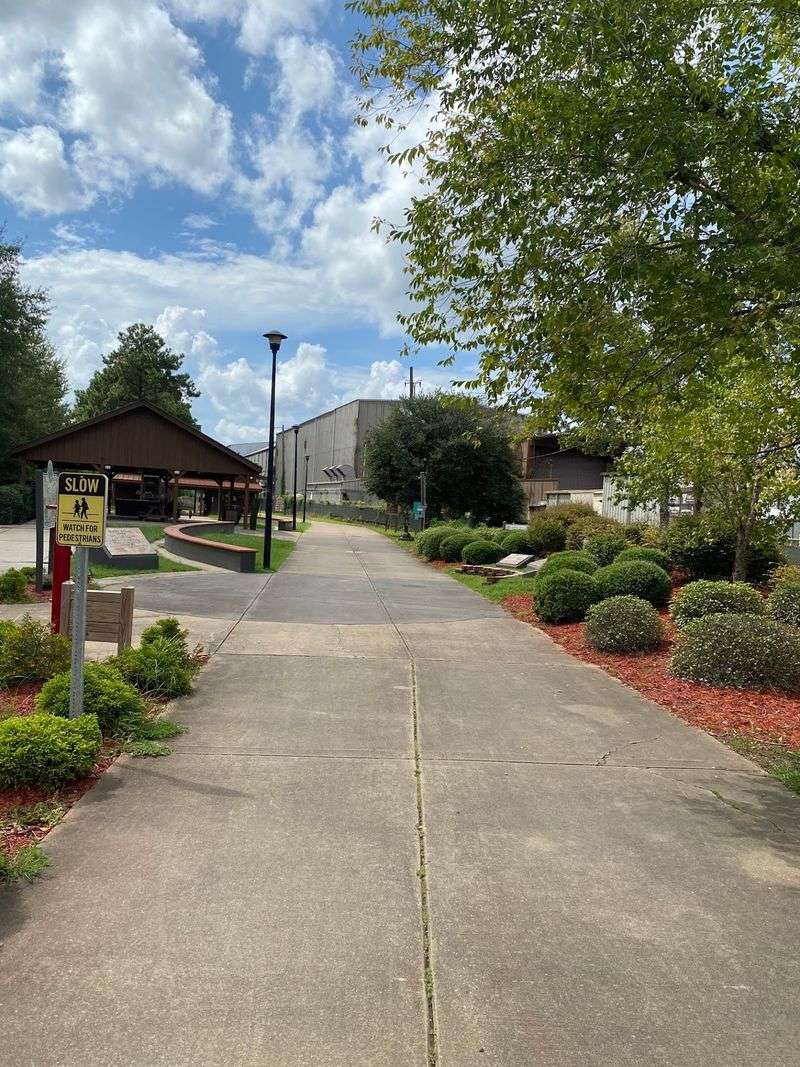
One of the things that sets Longleaf Trace apart from more isolated trail systems is the way it threads through actual communities rather than bypassing them. Towns like Sumrall, Bassfield, and Prentiss sit along or near the corridor, giving trail users a reason to step off the pavement and explore local character beyond the trail itself.
Small-town Mississippi has a particular atmosphere that rewards slow travel. Local shops, historic churches, and community gathering spots appear near trailheads in ways that invite curiosity rather than demand it.
Nobody is trying to sell you a packaged experience. The towns are just there, doing what they have always done, and the trail gives you a reason to notice them.
This connection between trail and community also means the trail has genuine local support. Residents use it regularly, which keeps the atmosphere friendly and the facilities reasonably well-maintained.
A trail that locals actually love tends to feel different from one that was built for outside visitors and then largely forgotten.
What Makes This Trail Different From Others in the Region
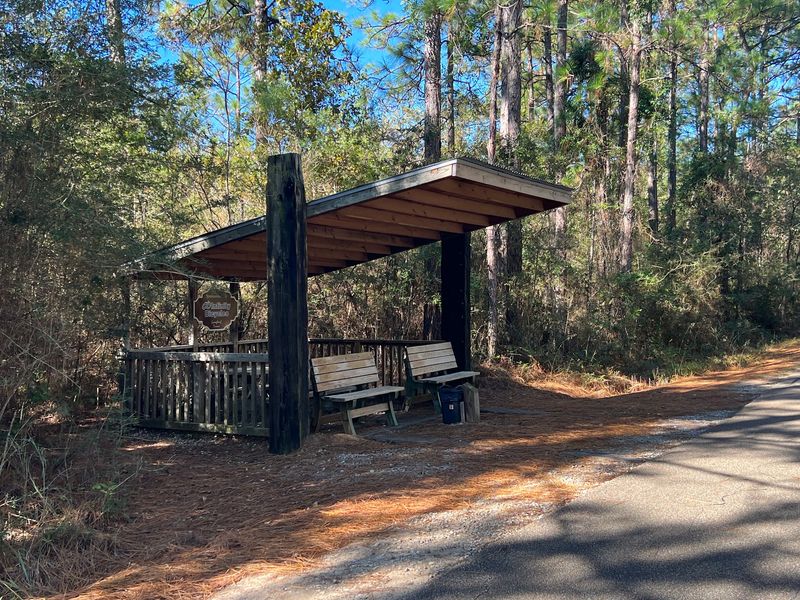
Rail-trails exist across the United States, but Longleaf Trace has a combination of features that makes it stand out even among well-regarded examples of the format. The 44-mile length puts it in a category that most recreational trail users rarely access locally, giving serious cyclists and long-distance walkers a genuine challenge without leaving Mississippi.
The parallel equestrian path is genuinely uncommon and reflects a level of planning that many rail-trail conversions skip entirely. The fact that horses, cyclists, and walkers can all use the corridor simultaneously without serious conflict is an operational achievement worth acknowledging.
The longleaf pine setting also distinguishes it from trails in more urbanized corridors where the surroundings feel incidental rather than central to the experience. On Longleaf Trace, the forest is not just a backdrop.
It is the main event, and the trail exists to move you through it at whatever pace suits you best on a given day.
Tips for First-Time Visitors

A first visit to Longleaf Trace goes much smoother with a little preparation. Choosing a starting trailhead based on your planned distance is the most important decision, and the Sumrall trailhead works well for first-timers because of its central location and solid amenities.
Bringing more water than you think you need is genuinely good advice here, especially between spring and fall when Mississippi temperatures can climb quickly. Sunscreen and a light snack round out the basics for a comfortable few hours on the trail.
Starting early in the morning gives you cooler air, quieter conditions, and better chances of spotting wildlife near the forest edges before midday activity picks up. If you are cycling, a basic flat repair kit is worth tucking into a bag since the trail surface is generally smooth but long distances always carry some unpredictability.
Going in with realistic expectations about the distance leaves you satisfied rather than overextended.
Why Longleaf Trace Keeps Drawing People Back

Trails earn repeat visitors by delivering something that holds up over multiple visits, and Longleaf Trace does exactly that. The scenery shifts subtly with the seasons, the trail is long enough that most people have not explored every section, and the combination of user types keeps the atmosphere lively without ever feeling crowded in the way that popular urban trails can.
There is also something about the history layered beneath the pavement that adds meaning to every visit. Moving along a corridor that once carried timber trains through Mississippi’s longleaf pine country connects the present to a past that shaped the entire region’s economy and landscape.
People return because the trail delivers a reliable quality of experience that is hard to find. No admission fee, no complicated logistics, no requirement to be a serious athlete.
Just a smooth, scenic corridor through some genuinely beautiful Mississippi countryside, waiting for you to show up and see what 44 miles of former railroad looks like when it becomes something worth celebrating.
Share this story