Most people think of nature as a slow, steady process shaped by weather, geology, and time. But some animals have proven that a single species can flip an entire ecosystem on its head, often faster than anyone expected.
From the depths of the ocean to the grasslands of Africa, certain creatures have reshaped landscapes, redirected rivers, and determined which other species get to survive. The 12 animals in this article each tell a story about how biology, behavior, and ecological relationships are far more interconnected than they might appear, and why protecting one species can sometimes mean saving an entire world.
1. Gray Wolves
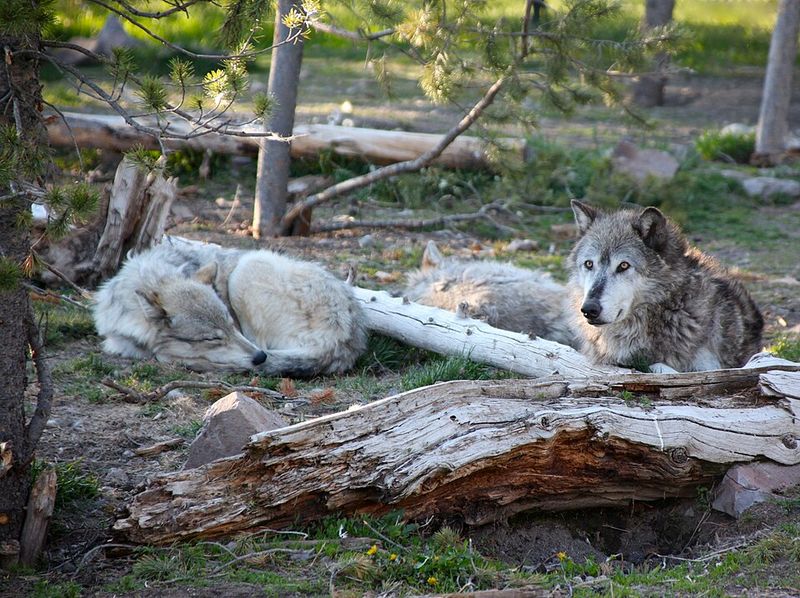
When gray wolves returned to Yellowstone National Park in 1995, they did not just add a predator to the mix. They rewrote how the entire ecosystem functioned.
Their reintroduction is one of the most studied ecological events in modern science.
Elk populations, which had grown unchecked during the wolves’ long absence, began to change their grazing habits almost immediately. Instead of lingering along stream banks, elk moved more cautiously, allowing willows, aspens, and other riverside plants to recover.
Some researchers documented willow growth increases of up to 1,500 percent in certain areas.
That plant recovery attracted beavers, which built dams that stabilized streams and created new wetland habitats. Coyote numbers dropped, which helped smaller mammals rebound, benefiting hawks and foxes.
Wolf kills supplied scavengers like ravens and grizzly bears with consistent food throughout winter. Scientists continue studying how wolves interact with climate, vegetation, and other forces, but the core lesson is clear: restoring a top predator changes everything below it.
2. American Beavers
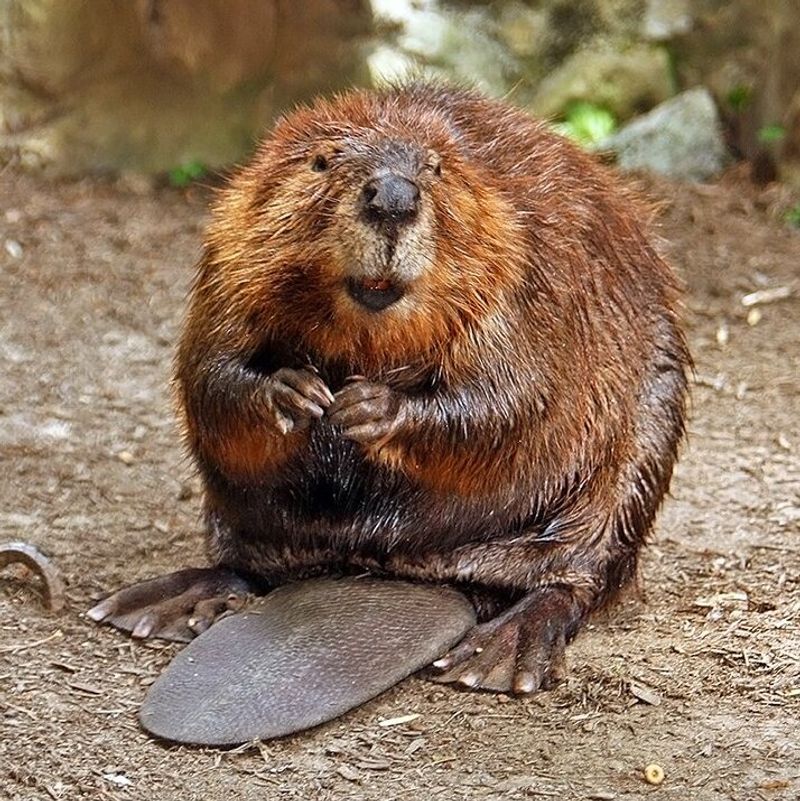
Nobody redesigns a watershed quite like a beaver. Using their teeth, instinct, and an impressive work ethic, American beavers transform flowing streams into sprawling wetlands, and the ripple effects touch nearly every species nearby.
A single beaver colony can fundamentally alter a stretch of stream by impounding water, raising the water table, and creating ponds that filter out sediment, nitrogen, and phosphorus before water moves downstream. These engineered wetlands become hotspots for fish, amphibians, waterfowl, and aquatic insects that would not otherwise thrive in fast-moving water.
The opening of the tree canopy from beaver-felled timber also allows more sunlight to reach water, boosting plant and invertebrate growth.
When beaver populations collapse, the dams eventually fail, wetlands dry out, and the biodiversity they supported tends to shrink with them. Conservation programs increasingly use beaver reintroduction as a low-cost strategy to restore degraded streams, increase groundwater storage, and even reduce wildfire risk by keeping surrounding vegetation moist during dry seasons.
3. African Savanna Elephants
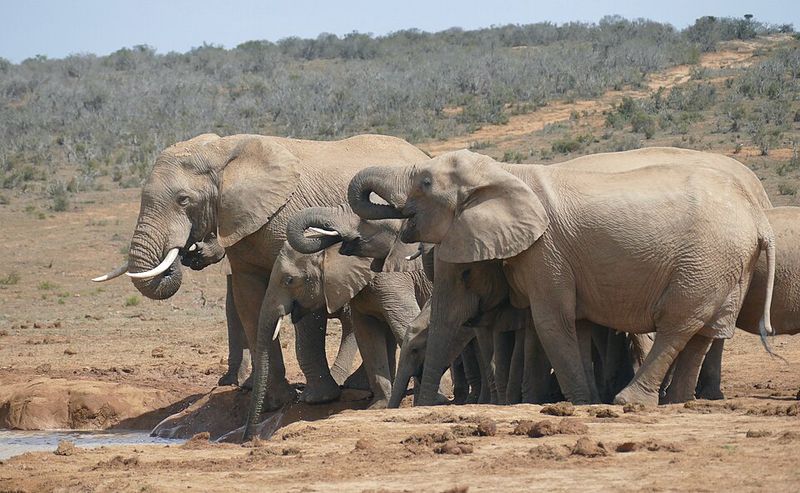
African savanna elephants are the original heavy equipment operators, and they have been reshaping landscapes for millions of years without any assistance. Their daily routines involve pushing over trees, stripping bark, digging for water, and consuming enormous quantities of vegetation.
That activity prevents woody plants from taking over open grasslands, maintaining the mosaic of habitats that zebras, wildebeest, and dozens of antelope species depend on. The water holes elephants excavate with their tusks in dry riverbeds become critical drinking sources for animals ranging from small birds to large predators during droughts.
Elephants also function as long-distance seed dispersers. Fruits pass through their digestive systems intact, and the seeds are deposited far from the parent plant, often in nutrient-rich dung that gives germination a head start.
Some tree species, including Balanites wilsoniana, rely almost entirely on elephants for seed dispersal. Where elephant populations have declined due to poaching, those trees have struggled to regenerate, demonstrating just how much one species can anchor an entire plant community.
4. Sea Otters
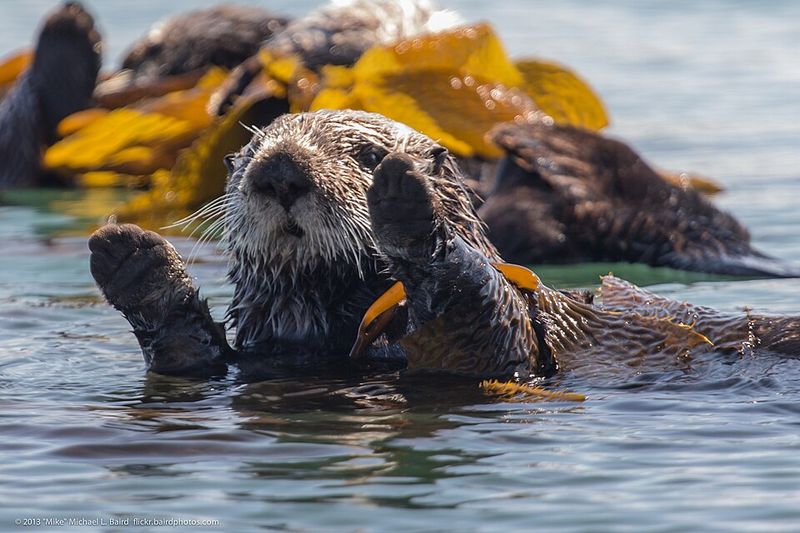
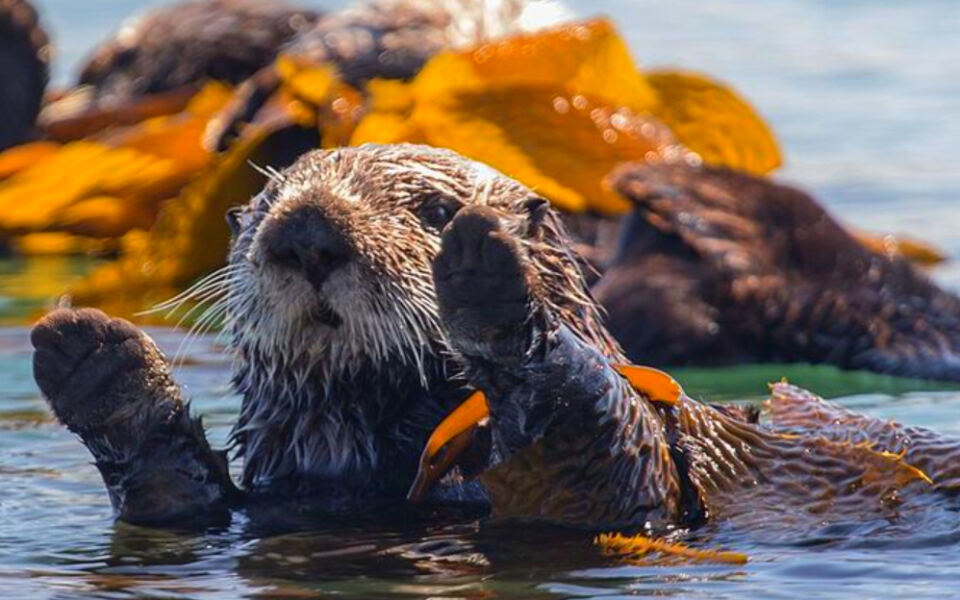
Sea otters have one of ecology’s most celebrated resumes. By eating sea urchins with remarkable efficiency, they prevent urchin populations from growing large enough to devour entire kelp forests, and that single behavior has consequences that ripple through dozens of other species.
Kelp forests rank among the most productive marine ecosystems on the planet. They provide shelter and nursery habitat for fish, invertebrates, and marine mammals, while also absorbing significant amounts of carbon dioxide from the atmosphere.
Without otters keeping urchin populations in check, those forests can collapse into what researchers call urchin barrens, which are seafloor zones where almost nothing else can survive.
The fur trade nearly erased sea otters from much of their range by the early 20th century, and the kelp forests suffered accordingly. Reintroduction efforts along the California and British Columbia coasts showed that recovering otter populations could bring kelp forests back within years.
Sea otters also help seagrass meadows by preying on crabs that would otherwise allow algae to overwhelm seagrass beds.
5. Prairie Dogs
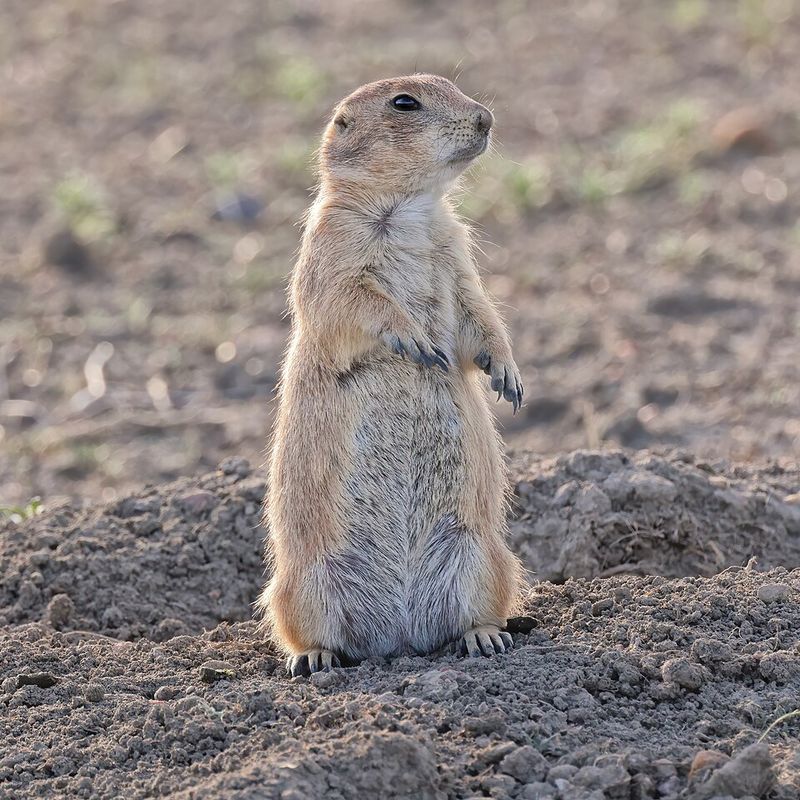
Prairie dog towns look modest from above, but underground they function as sprawling, multi-species apartment complexes. The burrows these rodents excavate can run several feet deep and stretch horizontally for considerable distances, creating stable underground chambers that dozens of other animals depend on.
Burrowing owls nest in abandoned tunnels. Tiger salamanders overwinter in them.
Rattlesnakes use them for shelter. Swift foxes raise their young in them.
The list of species documented using prairie dog burrows runs well over 150, making these rodents among the most influential builders in North American grasslands.
Above ground, their selective grazing stimulates the growth of tender, nutritious grasses that attract bison, pronghorn, and bighorn sheep. The flowers that spring up in grazed areas support pollinators.
Most critically, the endangered black-footed ferret depends almost entirely on prairie dog colonies for food and shelter. Ferret recovery efforts have been inseparable from prairie dog conservation for decades.
Without the burrow builders, the grassland community they support begins to unravel at every level.
6. Pacific Salmon
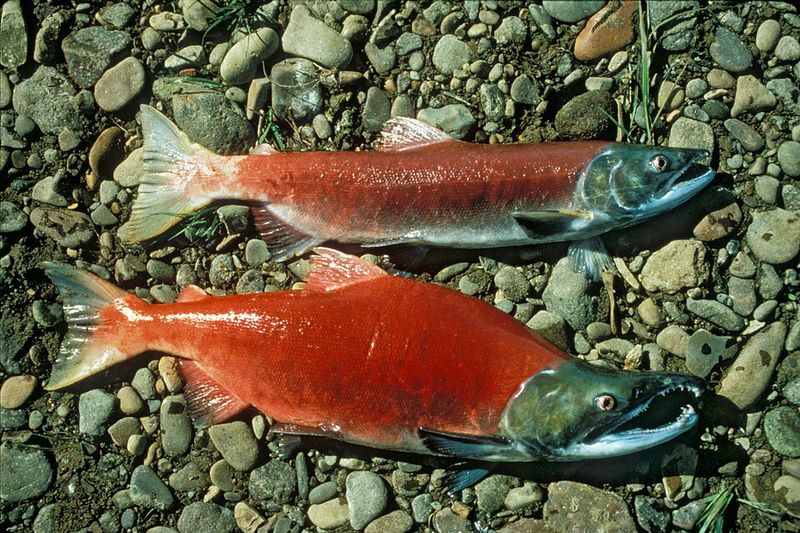
Pacific salmon are biological pipelines connecting the ocean to forests that can sit hundreds of miles inland. After years of feeding in nutrient-rich ocean waters, they return to their birth streams loaded with nitrogen, phosphorus, carbon, and sulfur, elements that inland ecosystems often lack.
Bears, eagles, and wolves pull salmon from streams and carry carcasses into the surrounding forest, where decomposing fish fertilize the soil. Riparian trees near active salmon streams have been shown to grow measurably larger than those along streams without salmon runs, a difference visible in satellite imagery during high-abundance years.
Aquatic insects, juvenile fish, and soil microorganisms all benefit from the annual nutrient pulse.
Dam construction and overfishing have disrupted these migrations across large portions of the Pacific Northwest, cutting off the marine nutrient supply to inland ecosystems. The consequences extend from stream invertebrates all the way to old-growth forest productivity.
Salmon restoration projects are increasingly framed not just as fisheries management, but as ecosystem nutrition programs for entire watersheds.
7. American Bison
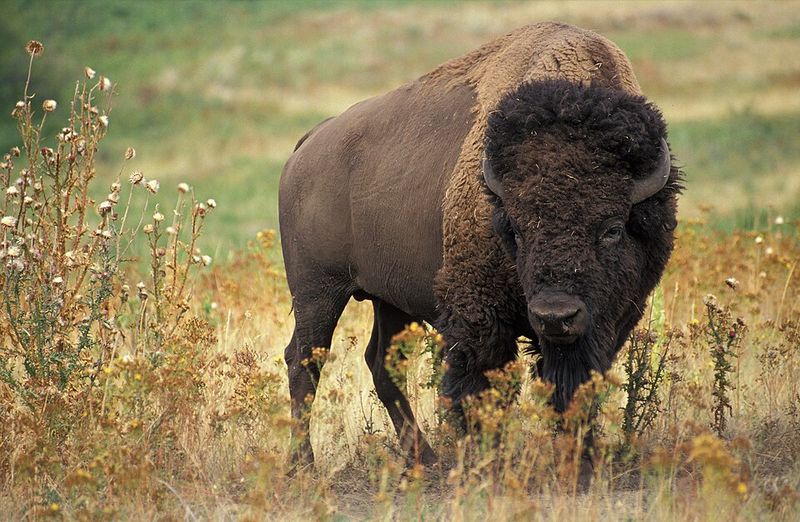
At their peak, an estimated 30 to 60 million bison roamed North America’s grasslands, and their collective behavior shaped those landscapes for thousands of years. Their influence was so fundamental that the grasslands essentially evolved alongside them.
Bison graze selectively, targeting dominant grasses and preventing any single plant species from crowding out others. This creates a patchwork of differently grazed areas that supports greater plant diversity than uniformly grazed land.
Their wallowing behavior carves shallow depressions into the prairie that collect rainwater, forming temporary pools used by amphibians, insects, and small mammals in otherwise dry terrain.
Dung and urine enrich the soil with nitrogen, while bison movement disperses seeds across vast distances. Research on restored bison herds has shown that reintroduction can double plant species richness in tallgrass prairies and improve resilience to drought.
Commercial hunting and deliberate government policy reduced bison to fewer than 1,000 animals by the late 1800s. Modern restoration programs, many led by Indigenous communities, are bringing both the animal and its ecological role back to the landscape.
8. Gopher Tortoises
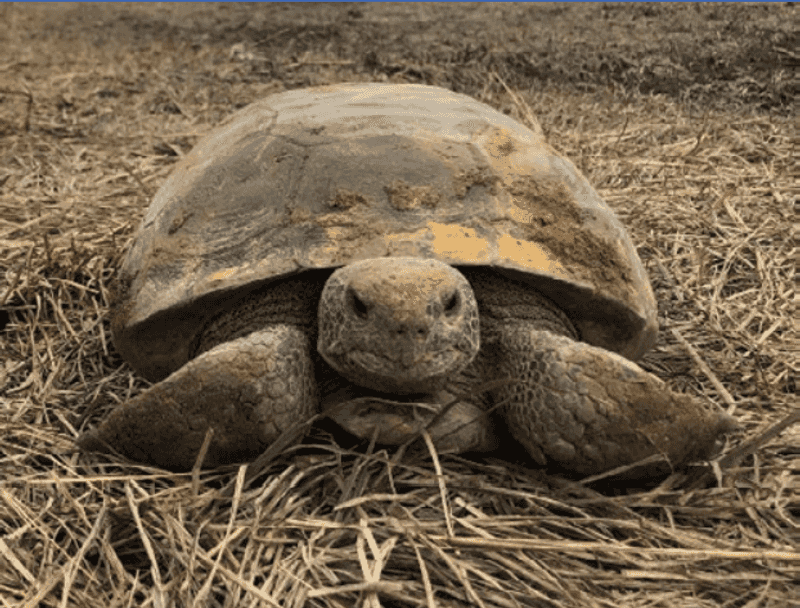
Gopher tortoises have been digging burrows in the sandy soils of the southeastern United States for millions of years, and they have become so central to their habitat that removing them would destabilize an entire community of species. Their front legs work like shovels, carving tunnels that can extend more than 40 feet long and 10 feet deep.
More than 350 other animal species have been documented using these burrows, ranging from beetles and ticks to eastern indigo snakes, gopher frogs, burrowing owls, and Florida mice. Some species are opportunistic visitors seeking temporary shelter from predators or fire.
Others, called obligate commensals, cannot complete their life cycles without tortoise burrows at all. Certain insect larvae feed exclusively on tortoise dung within the burrow.
Gopher tortoises thrive in open longleaf pine ecosystems maintained by frequent fire, and the decline of those forests has pushed tortoise populations into threatened or endangered status across much of their range. Their conservation is now understood to be inseparable from the conservation of the broader southeastern pine ecosystem and every species sheltering within it.
9. Hippopotamuses
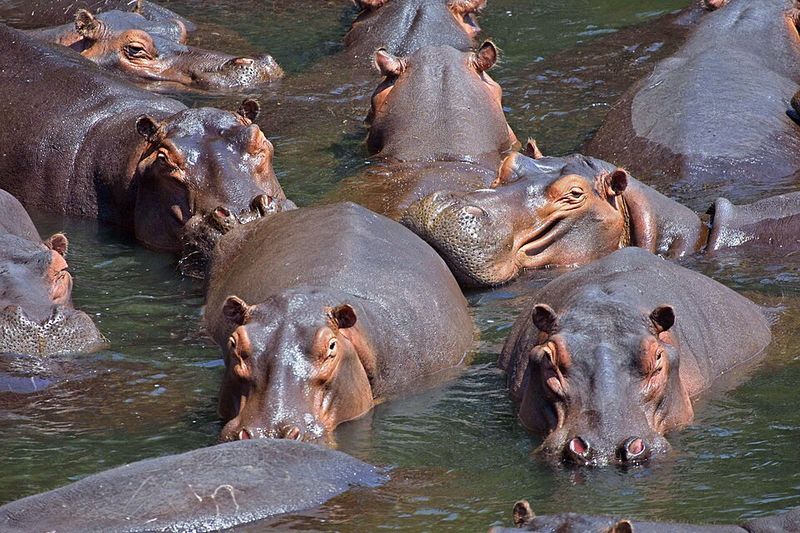
Hippos follow one of nature’s most consequential daily commutes. Every night they leave their rivers to graze on land, consuming around 40 to 50 kilograms of vegetation.
Every day they return to the water, where they rest and release large quantities of waste that transfers those land-derived nutrients directly into aquatic ecosystems.
This daily transfer of nitrogen and phosphorus from grasslands into rivers and pools can substantially enrich aquatic food webs, stimulating algae growth and supporting fish and invertebrate populations. Hippo dung carried downstream by currents fertilizes riverbanks and delta systems far from where the animals themselves rest.
Their physical presence also reshapes river channels. Their movement creates pathways in riverbeds and banks, and their wallowing carves depressions that hold water during dry seasons.
However, in rivers with reduced flow due to water abstraction or drought, the accumulation of waste in stagnant pools can deplete oxygen levels to the point of becoming harmful to fish. That complexity makes hippos a useful case study in how the same ecological process can have very different outcomes depending on surrounding conditions.
10. Termites
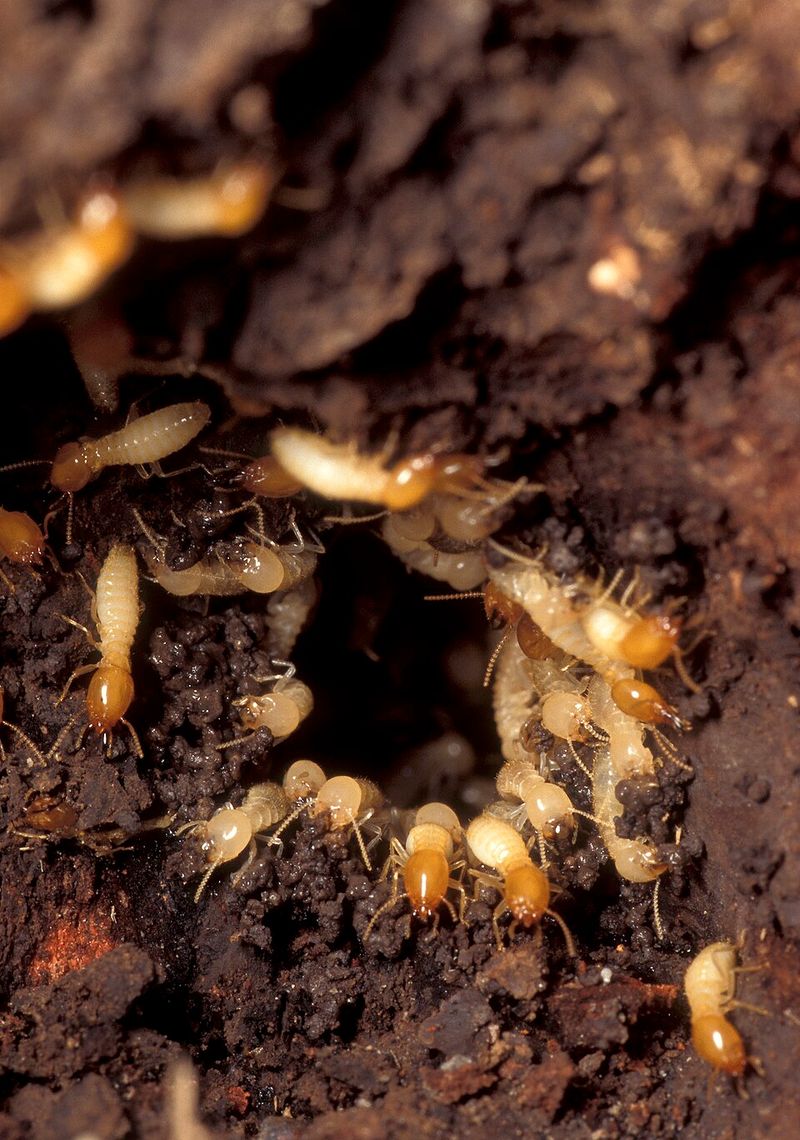
A single termite is easy to overlook. A colony of millions operating for decades is something else entirely.
Termites collectively rank among the most ecologically important insects on the planet, particularly in tropical and subtropical regions where their influence on soil and vegetation can be measured at landscape scale.
Their primary ecological contribution is decomposition. By breaking down dead wood and plant material using specialized gut microbes capable of digesting cellulose, termites release nitrogen, phosphorus, and potassium back into the soil at rates that dramatically accelerate nutrient cycling.
Their tunnel networks increase soil porosity, improve water infiltration, and allow plant roots to penetrate deeper than they could in undisturbed soil.
Termite mounds function as fertility islands. The soil within and around mounds is measurably richer in nutrients and moisture than the surrounding landscape, which encourages denser and more diverse plant growth nearby.
In dryland ecosystems vulnerable to desertification, these mounds can support plant species not found anywhere else in the area. Even abandoned mounds continue to attract ants, beetles, and other invertebrates, maintaining elevated biodiversity long after the original colony is gone.
11. Sperm Whales
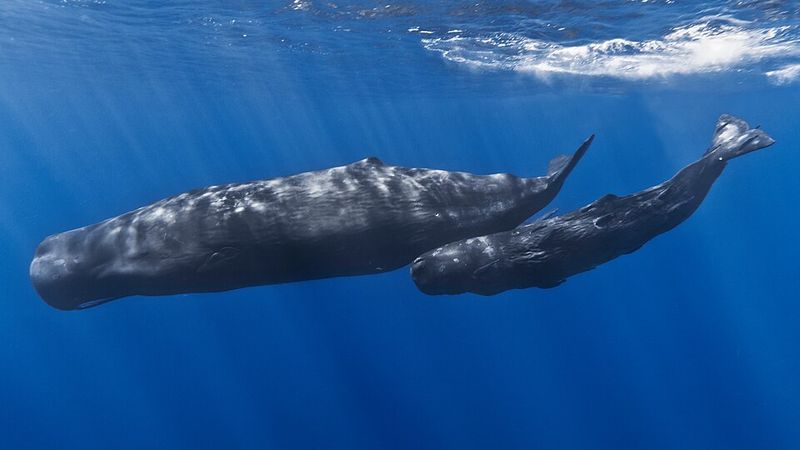
Sperm whales hunt in some of the deepest, darkest water on Earth, diving more than 2,000 meters to find squid and fish in the ocean’s twilight zone. But their ecological contribution happens at the surface, where they breathe and release nutrient-rich waste that functions as fertilizer for the entire sunlit ocean layer above.
This process, which researchers call the whale pump, moves iron, nitrogen, and phosphorus from nutrient-dense deep water up into the photic zone where phytoplankton grow. Phytoplankton produce roughly half of the planet’s oxygen and absorb enormous quantities of carbon dioxide through photosynthesis.
Whale fecal plumes stimulate phytoplankton blooms, amplifying that carbon capture and supporting the base of the marine food web.
When a sperm whale dies, its carbon-rich carcass sinks to the seafloor and creates what scientists call a whale fall, a localized deep-sea habitat that can sustain specialized communities of organisms for decades. Commercial whaling reduced sperm whale populations significantly, diminishing both the whale pump and the carbon sequestration value of whale falls.
Recovering whale populations is now viewed as a meaningful component of ocean health restoration.
12. Wildebeest
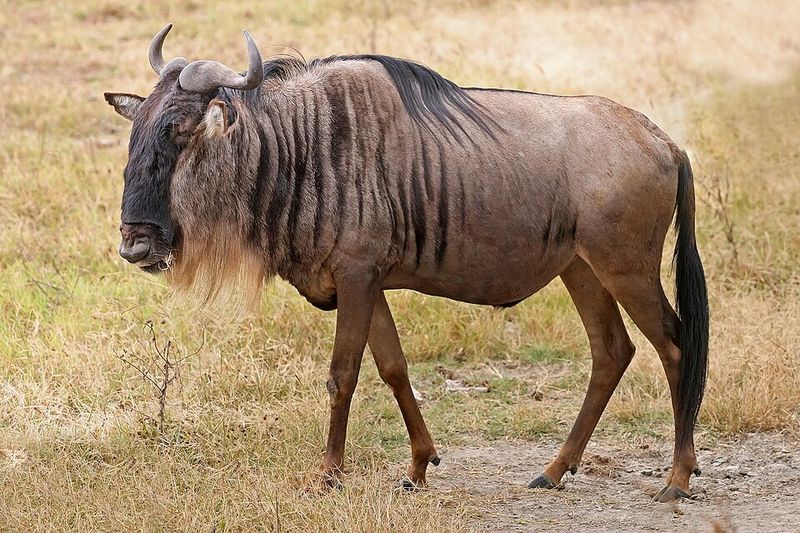
More than a million wildebeest move across the Serengeti-Mara ecosystem every year in what is often called the Great Migration, and that movement is not just a spectacle. It is an active ecological process that determines how the entire savanna functions, from soil chemistry to fire patterns to tree cover.
Their grazing keeps grass short and prevents the buildup of dry vegetation that fuels large wildfires. Historical records from the early 20th century show that disease-driven collapses in wildebeest populations left the Serengeti overgrown, resulting in fires that consumed up to 80 percent of the ecosystem annually and turned the region into a net carbon emitter.
When wildebeest recovered, fire frequency dropped and the Serengeti shifted back to functioning as a carbon sink.
Beyond fire control, wildebeest dung and urine return nitrogen, phosphorus, and carbon to the soil at a massive scale. Dung beetles distribute those nutrients further and improve soil structure in the process.
Carcasses from river crossings and predation feed crocodiles, hyenas, vultures, and dozens of other scavengers, integrating nutrients into both land and water environments throughout the migration route.
Share this story