The blueberries in your grocery cart have a family tree, and its roots run back to a sandy patch of Pine Barrens farmland. A determined farm daughter and a government botanist worked there over a century ago, trying to tame a wild berry.
They pulled it off. The first commercial crop of cultivated highbush blueberries shipped from this quiet New Jersey spot in 1916.
Today the old company village still stands beside working cranberry bogs, with a general store, a small museum, and trails that wander past water reflecting the sky. Strolling the grounds costs nothing at all.
I like how a place this calm carries a story this big. I can’t imagine a better excuse for a day trip.
How many of us have eaten a blueberry without once wondering where it actually came from?
The Botanist and the Berry Farmer Who Changed Breakfast
Wild blueberries were tasty but unpredictable before 1911. That year, Elizabeth White teamed up with USDA botanist Frederick Coville to change that.
Elizabeth grew up on her family’s cranberry farm here. Coville had figured out that blueberries love acidic, sandy soil, which the Pine Barrens supplies in abundance.
Together, they hunted for the best wild bushes. Elizabeth reportedly paid local pickers to find plants with especially large berries, then named selections after the finders.
Coville crossed and grew those plants into improved varieties. It was patient, careful work that took years of testing.
By 1916, the partnership produced the first commercial crop of cultivated highbush blueberries. That harvest shipped from Whitesbog and launched an entire industry.
New Jersey later named the highbush blueberry its official state fruit. The roots of that honor trace straight back to these bogs.
So the next time you toss a carton into your cart, give a little nod to Elizabeth. Her curiosity turned a scrubby woodland snack into a breakfast favorite.
A Pinelands Company Town That Never Quite Left
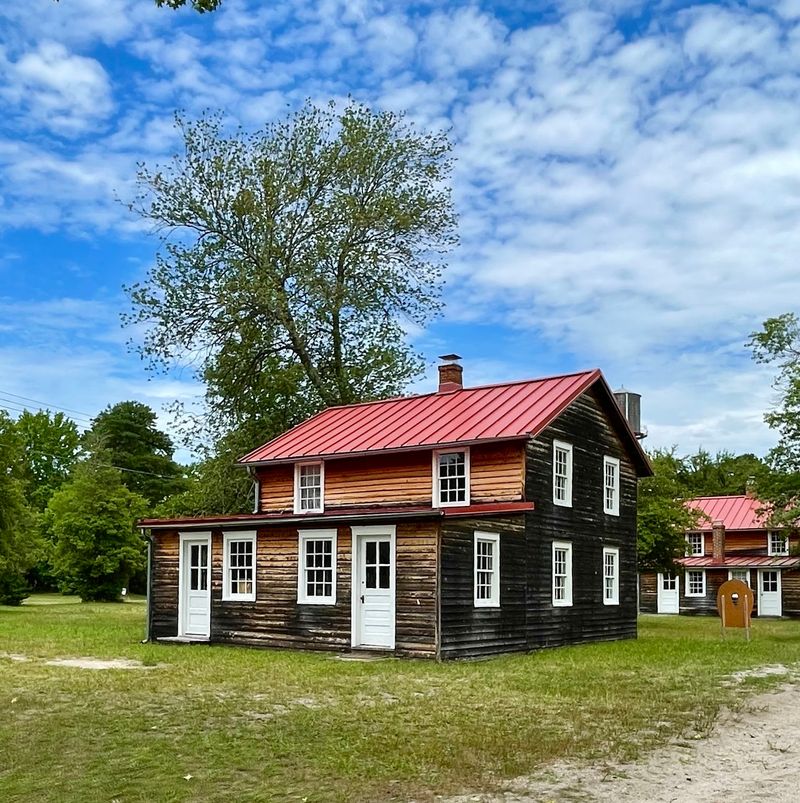
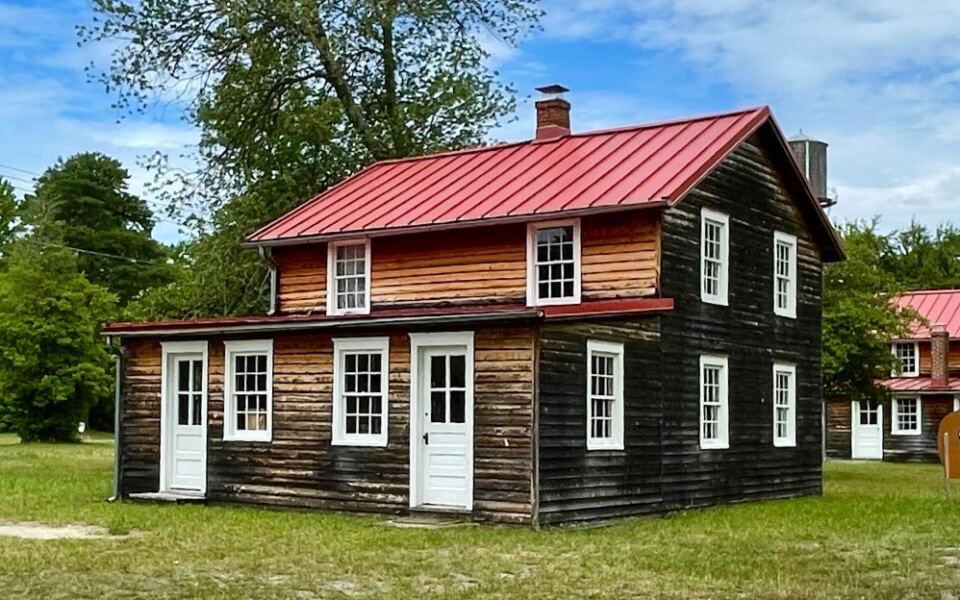
Sandy roads, pitch pines, and weathered wooden buildings set the scene at Whitesbog Historic Village. It sits in the New Jersey Pinelands, a short drive from the Browns Mills area.
The village grew up around a cranberry operation in the late 1800s. Workers lived, worked, and shopped right here, so the whole place functioned like its own little town.
What survives today is a cluster of original buildings beside a grid of bogs. Some of those bogs are still part of a working farm, which keeps the setting feeling lived-in rather than frozen.
That mix is the charm. You get history you can walk through, plus active agriculture humming nearby.
The site is run with plenty of help from volunteers. Their care shows in the tidy trails, the cheerful general store, and the steady calendar of family events.
Officially, it’s listed as a historical landmark. In practice, it feels more like a peaceful park with a remarkable backstory.
Think of it as the place where a common grocery staple got its start. Not bad for a village many drivers pass without a second glance.
Cranberries Came First, and the Bogs Still Prove It
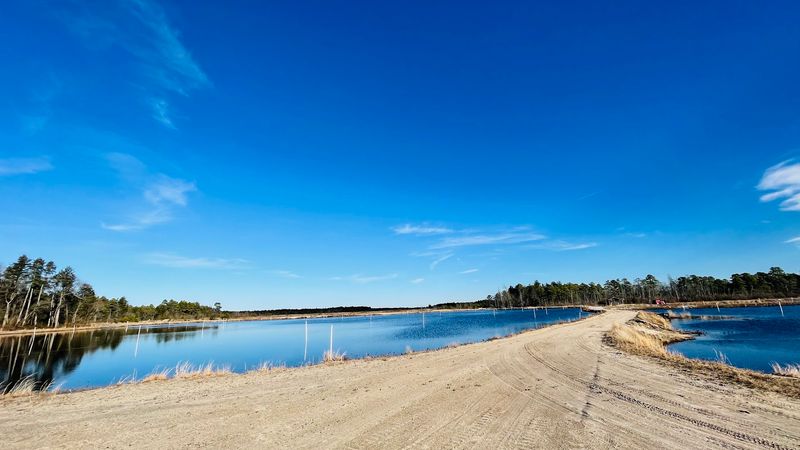
Long before blueberries stole the spotlight, cranberries paid the bills. Elizabeth White’s family built the operation around these flat, watery bogs.
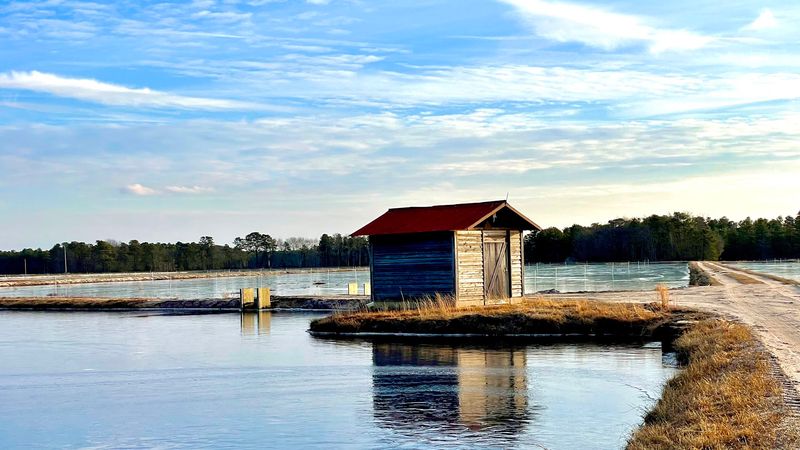
Today those bogs still define the landscape. Sandy roads run in a grid between them, snaking in and out of the pine forest.
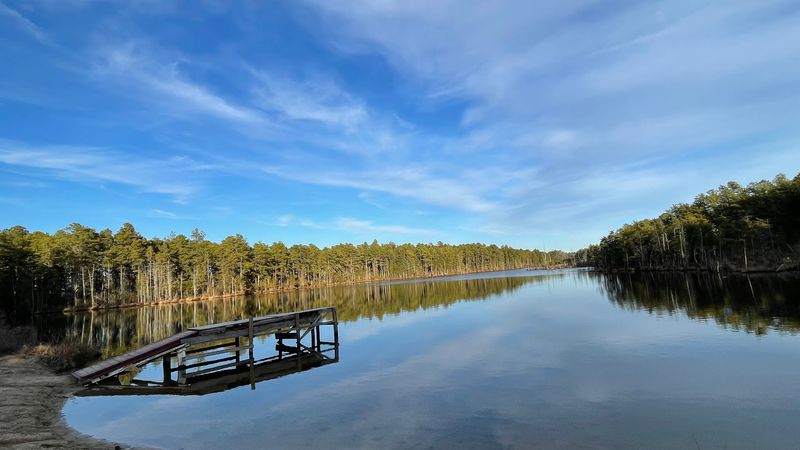
On a clear day, the water mirrors the sky beautifully. It’s the kind of view that makes you slow down without meaning to.
Some cranberry fields remain part of a working farm. Because of that, certain bogs are off-limits, so stick to marked paths and respect posted areas.
The village offers cranberry tours that explain how the berries grow and get harvested. Tours are listed at about an hour, but they can run longer, so give yourself breathing room.
Hoping to watch an actual harvest? Harvest viewing tickets open only a few times each season.
Even then, farm activity changes day to day and hour to hour. The village notes there’s no guarantee of seeing harvesting live, so go in curious rather than counting on it.
Trails That Wind Through Woods, Water, and Quiet
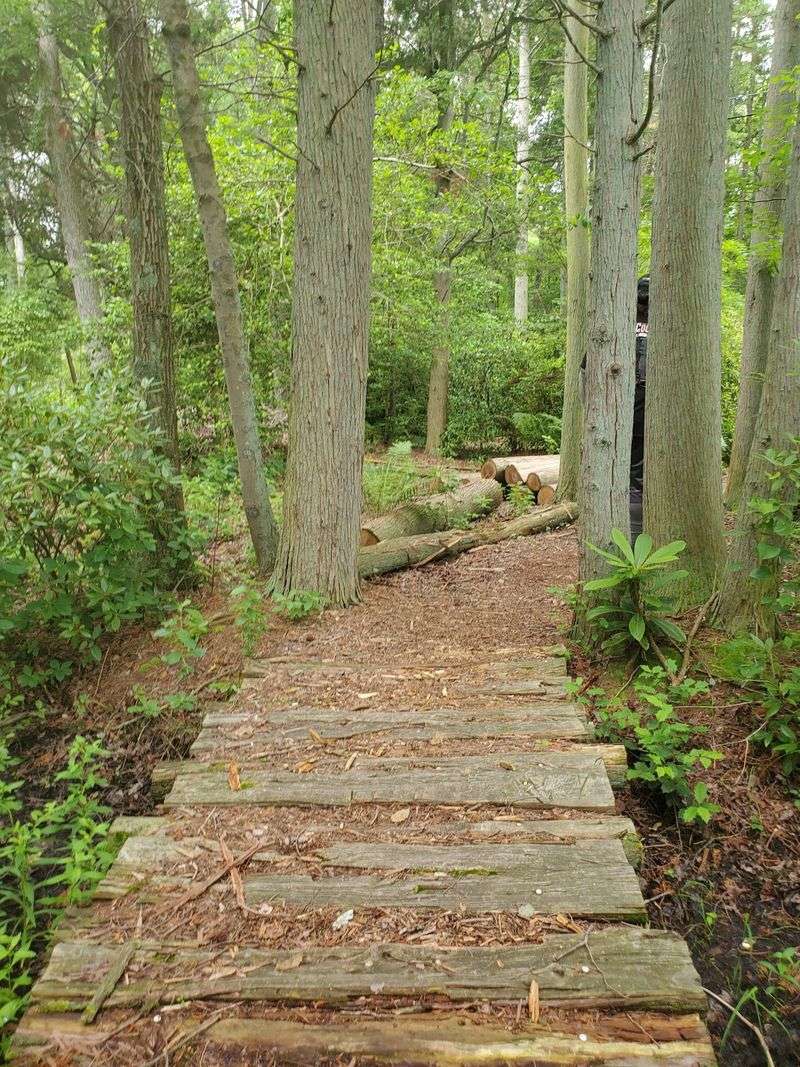
Good news for walkers: the trail network here is bigger than most people expect. Paths loop through pine woods and along the edges of the bogs.
Along the way, you’ll cross little bridges and pass interpretive markers. Reading them turns an easy stroll into a gentle history lesson.
The paths are known for being clean and well maintained. That makes them friendly for casual hikers, families, and anyone who just wants fresh air.
Bikes are welcome on many trails too. The flat, sandy terrain suits relaxed riding more than speed records.
Leashed dogs can come along for the walk. Your pup will probably appreciate the pine-scented sniff tour as much as you enjoy the scenery.
Quiet is one of the biggest draws. On many days, the trails feel wonderfully uncrowded, though that naturally shifts during festivals and events.
A clean composting toilet near the village makes longer outings easier. Pack water and sturdy shoes, because sandy stretches can be surprisingly tiring on the legs.
Scan a Sign, Hear the Forest Sing
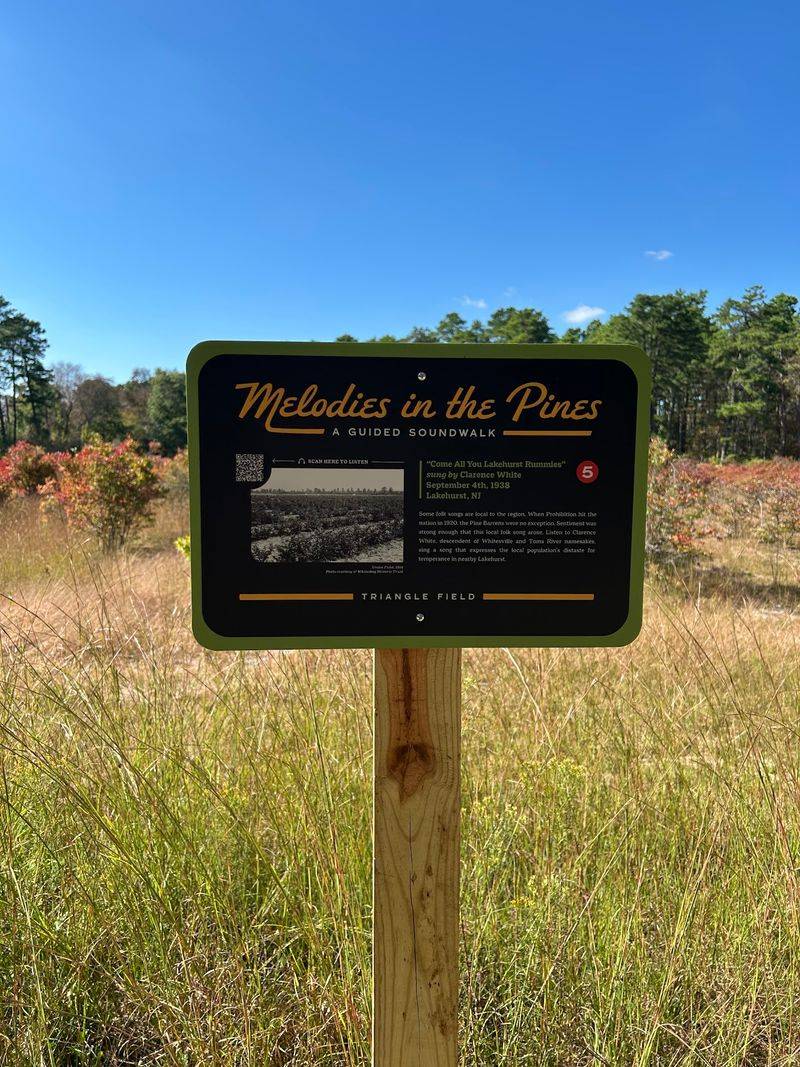
Here’s a trail feature you won’t find at every historic site. Whitesbog added an interpretive nature trail where signs carry scannable codes.
Point your phone at a sign, and you get original music. The melodies were created by an artist connected to the village.
It’s a clever twist on the usual trailside plaque. Instead of reading about the forest, you hear a musical response to it.
Kids may love the scavenger-hunt feel of finding the next sign. Adults might just enjoy a soundtrack for their walk through the pines.
Bring headphones if you’d like to keep the woods peaceful for others. Charge your phone too, since the experience depends on it.
The trail fits nicely with the village’s musical personality. Music shows up again and again here, from festivals to casual jam sessions.
I love when a place finds a fresh way to tell its story. A walk through the Pinelands with a custom score feels thoughtful, playful, and a little magical.
Elizabeth’s Garden and Its Mossy Path
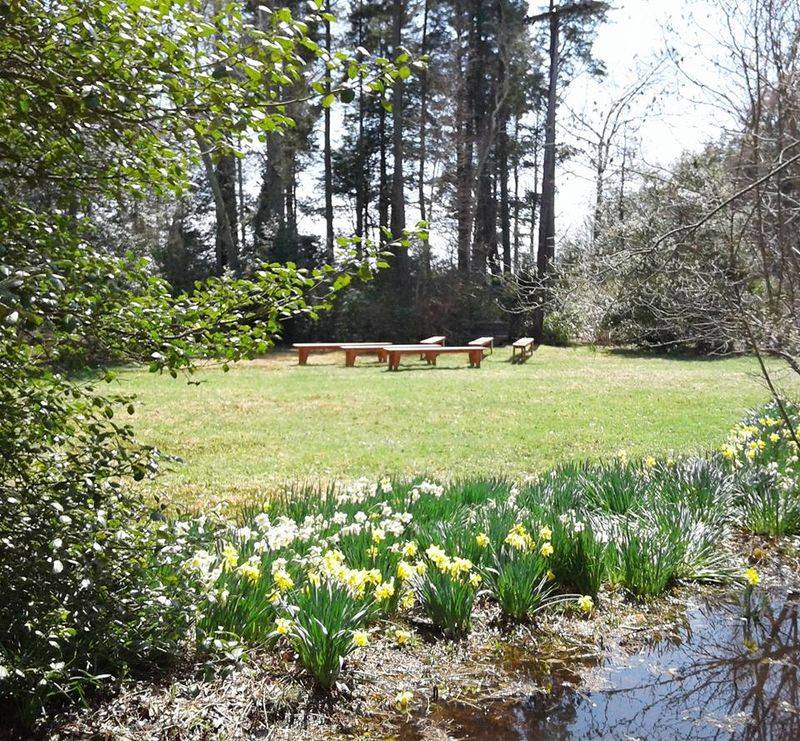
Green, soft, and shaded, the path toward Elizabeth’s Garden feels like a different world. Moss and greenery line the way through the woods.
The garden honors Elizabeth White, the woman behind the cultivated blueberry. Walking there feels like a small tribute to her persistence.
Blueberry bushes grow along the route and in the area. Depending on the season, you may spot fruit, or you may only see leaves and branches.
Timing matters with any plant, of course. A blueberry field can look quiet one visit and lively the next.
The trail is well maintained, so it’s a manageable outing for most walkers. Take it slowly and notice the textures underfoot and overhead.
Photographers will find plenty to frame here. Sunlight filtering onto moss can make an ordinary path look storybook pretty.
It’s a lovely companion stop after the village buildings. You learn about Elizabeth indoors, then step outside to see the kind of plants she spent years improving.
Old-Fashioned Shelves and Cranberry Treats at the General Store
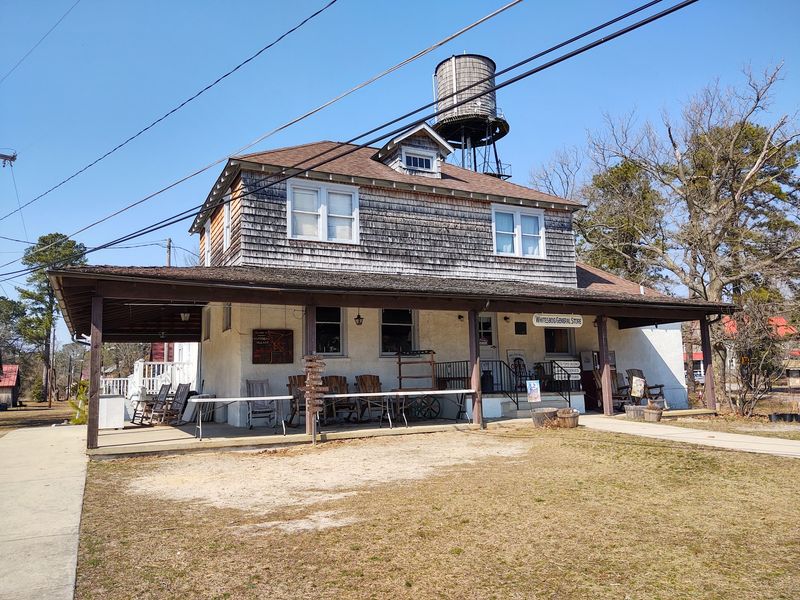
Hungry after the trails? The general store is the spot to grab a snack and a drink.
Its old-fashioned feel is part of the fun. For many grown-ups, the shelves spark childhood memories of small country shops.
Cranberry products are a natural fit here. The store has offered items like cranberry salsa and chutney, which make tasty souvenirs.
You’ll also find tasty treats that suit a break between walks. Selections can change, so browse with an open mind.
Volunteers often staff the counter with cheerful energy. Ask a question, and you may walk away with a bonus history story.
Hours for the store can differ from trail access. Saturdays are commonly listed from 10 AM to 2 PM, so plan any shopping around that window.
Buying something here does more than fill your bag. It helps support a volunteer-driven site that keeps this New Jersey story alive for future visitors.
A Small Museum With a Big Backstory
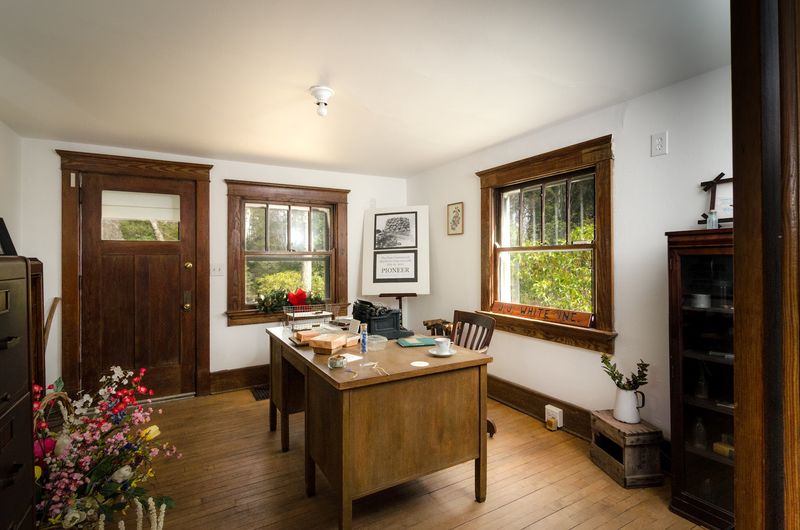
Size can fool you. The village museum is small, yet it packs in a remarkable slice of agricultural history.
Inside, the story of cranberry and blueberry farming comes into focus. You can connect the bogs outside with the people who worked them.
The site also touches on Native American history in the region. That broader view helps frame the Pinelands as a place with deep human roots.
Field trips have long used the village as an outdoor classroom. Staff have handled large school groups and kept energetic kids engaged.
For families, that’s a promising sign. History lands better when young visitors can see real buildings and real bogs nearby.
Pair the museum with a walk through the original structures. Together, they show how a working company town actually functioned.
Plenty of visitors arrive for the trails and leave knowing far more about blueberries than expected. Honestly, that might be the best kind of accidental education.
Winter Swans and Year-Round Wildlife
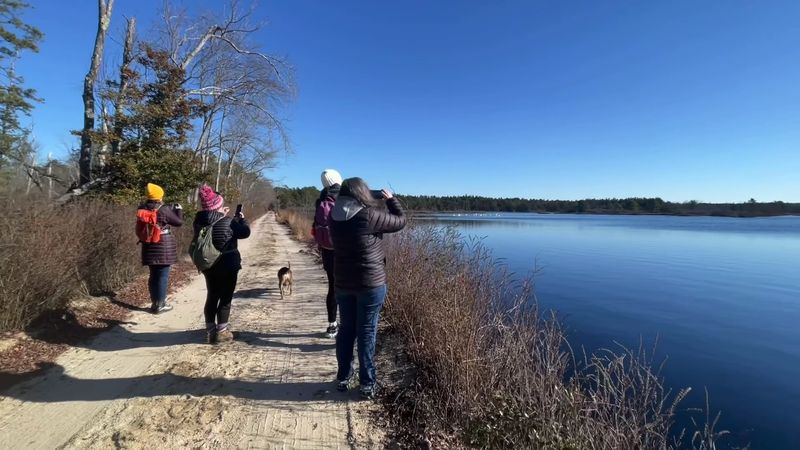
Bundle up in December, because some special guests arrive. Tundra swans visit the bogs and often stay until around March.
The village leads Tundra Swan programs each winter. Since the birds move around, spotting them can take patience and a little luck.
Binoculars are a smart addition to your bag. The swans often float far out on the water, beyond easy phone-photo range.
Cold mornings can be bitter by the open bogs. Dress in layers, and keep your phone warm if you hope to snap pictures.
Wildlife isn’t limited to winter, either. Birdwatchers enjoy the mix of water and woods, and deer are part of the scenery too.
The quiet setting helps. Fewer distractions mean more chances to notice movement along the shoreline or in the trees.
For nature lovers in New Jersey, it’s a rewarding seasonal ritual. Few historic villages double as a winter birding destination quite this naturally.
Festival Days, Folk Tunes, and the Blueberry Jam
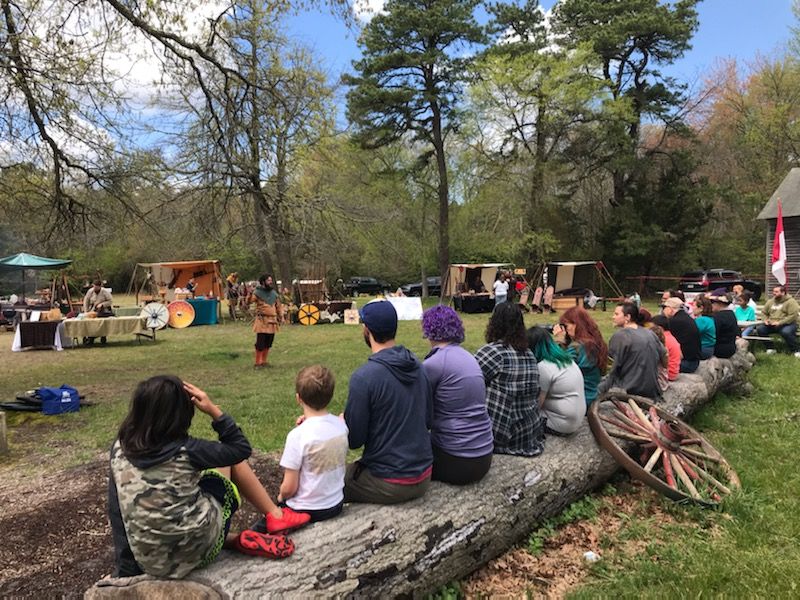
Music runs through this village like sap through a pine. The annual Blueberry Festival celebrates the fruit that put Whitesbog on the map.
Festival days have featured live music and local vendors. Folk tunes from string bands fit the historic setting perfectly.
A fall festival adds another chance to visit with music and vendors. Seasonal events bring a livelier mood than the usual quiet weekday.
Musicians, take note. The village has hosted a casual music circle called the Blueberry Jam, where players gather to play together.
Yes, the name is a pun. Yes, it’s delightful.
These events are family friendly and organized with lots of volunteer help. Check the event schedule before you go, since dates vary each year.
Festivals also make a great first visit for newcomers. You’ll get the history, the food stalls, and the community spirit all at once.
Getting There and Planning a Smooth Visit
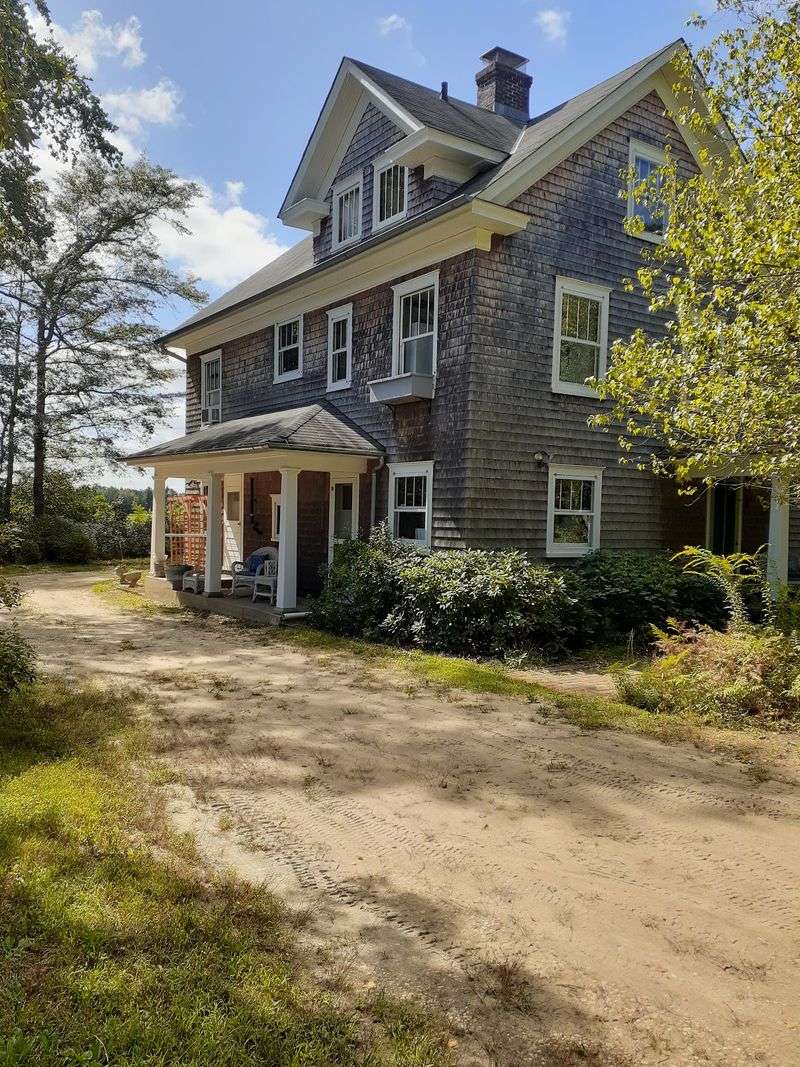
Directions first. Whitesbog Historic Village sits at 120 W Whites Bogs Rd #34, Browns Mills, NJ 08015.
Expect sandy roads once you arrive. A regular car handles the main areas, but drive slowly and watch for walkers and cyclists.
Walking the grounds is free, which makes it an easy family outing. Tours, harvest viewings, and special programs may require tickets, so check ahead.
Grounds access is generally listed as open daily. Saturday hours are often shown as 10 AM to 2 PM, and building hours can differ.
Wear comfortable shoes and bring water. Sunscreen helps in summer, while warm layers matter on breezy winter days.
Remember that parts of the property are a working farm. Respect closed bogs and posted signs, and keep dogs leashed.
A composting toilet is available near the village. Beyond that, plan as if you’re heading into the Pinelands, because essentially you are.
Why This Quiet Village Deserves a Spot on Your List
Plenty of places claim a big story. Few can point to a breakfast staple and say it started right here.
That’s the real magic of Whitesbog. You walk the same sandy ground where cultivated blueberries first became a commercial crop.
Add peaceful trails, mirror-like bogs, and a friendly general store. Suddenly a simple history stop turns into a full, relaxed day.
Families get room to roam and learn. Hikers get quiet paths, while birders get winter swans and year-round wildlife.
Music fans can time a visit around festivals or the Blueberry Jam. History buffs can linger in the museum and among the original buildings.
It also feels refreshingly uncommercial. Volunteers keep things running, and their care shows nearly everywhere you look.
For New Jersey residents, it’s a story worth claiming with pride. Bring a friend, buy a jar of cranberry something, and maybe eat a few blueberries on the drive home.
Share this story