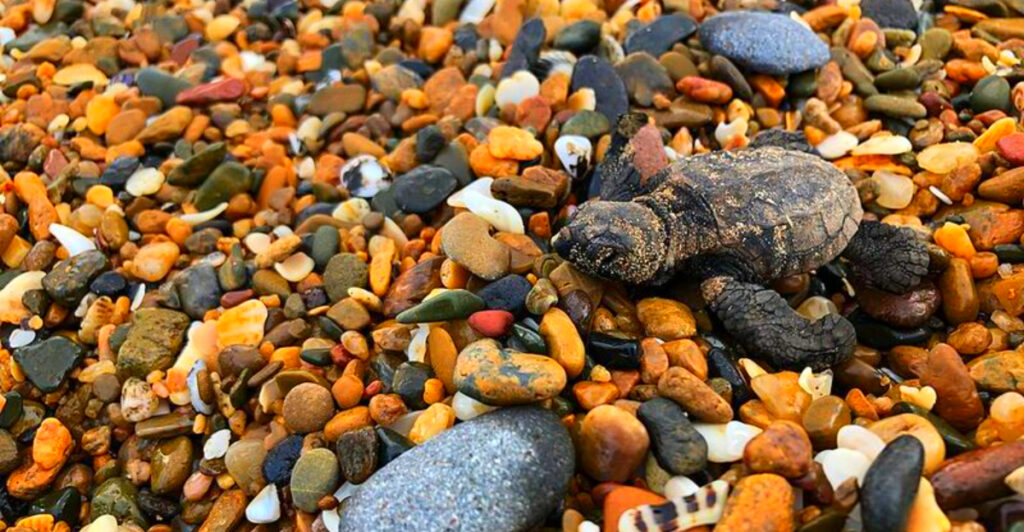
Every year, something extraordinary happens on beaches around the world. Tiny sea turtle hatchlings, no bigger than the palm of your hand, crack through their shells and begin one of nature’s most dramatic journeys toward the ocean. These moments happen on specific protected beaches where conservation programs and dedicated volunteers work hard to give each hatchling a fighting chance. Watching this event in person is one of those rare wildlife experiences that genuinely stays with you.
The good news is that many of these beaches welcome respectful visitors through guided tours, meaning you can witness this natural wonder without disturbing it. Whether you are planning a family vacation or a solo adventure, this list covers the top beaches worldwide where you have a real shot at watching sea turtle hatchlings take their very first steps into the sea.
1. Padre Island National Seashore, Corpus Christi, Texas, USA
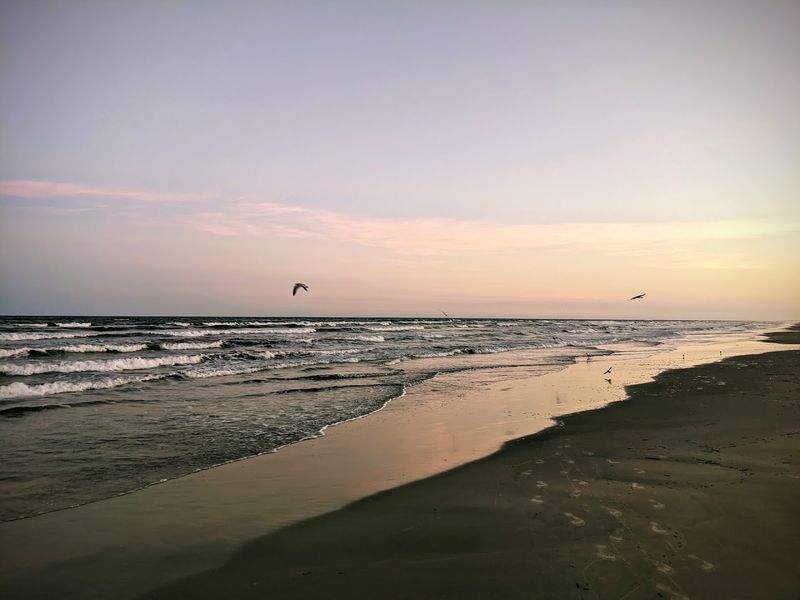
North America has its own remarkable turtle conservation story, and Padre Island National Seashore is at the center of it. This protected stretch of Texas coastline is the primary recovery site for the Kemp’s ridley sea turtle, the rarest sea turtle species on the planet.
Each summer, the National Park Service runs public hatchling release events where visitors can watch these tiny turtles scramble across the sand and enter the Gulf of Mexico for the very first time. Attending one of these releases is genuinely moving, especially knowing how close this species came to disappearing entirely.
Rangers provide educational commentary throughout the event, making it an excellent outing for families with children. The beach itself is wide, undeveloped, and impressively natural compared with many Texas coastlines.
Check the park’s official website for scheduled release dates, as timing varies depending on nesting activity each season.
2. Archie Carr National Wildlife Refuge, Melbourne Beach, Florida, USA
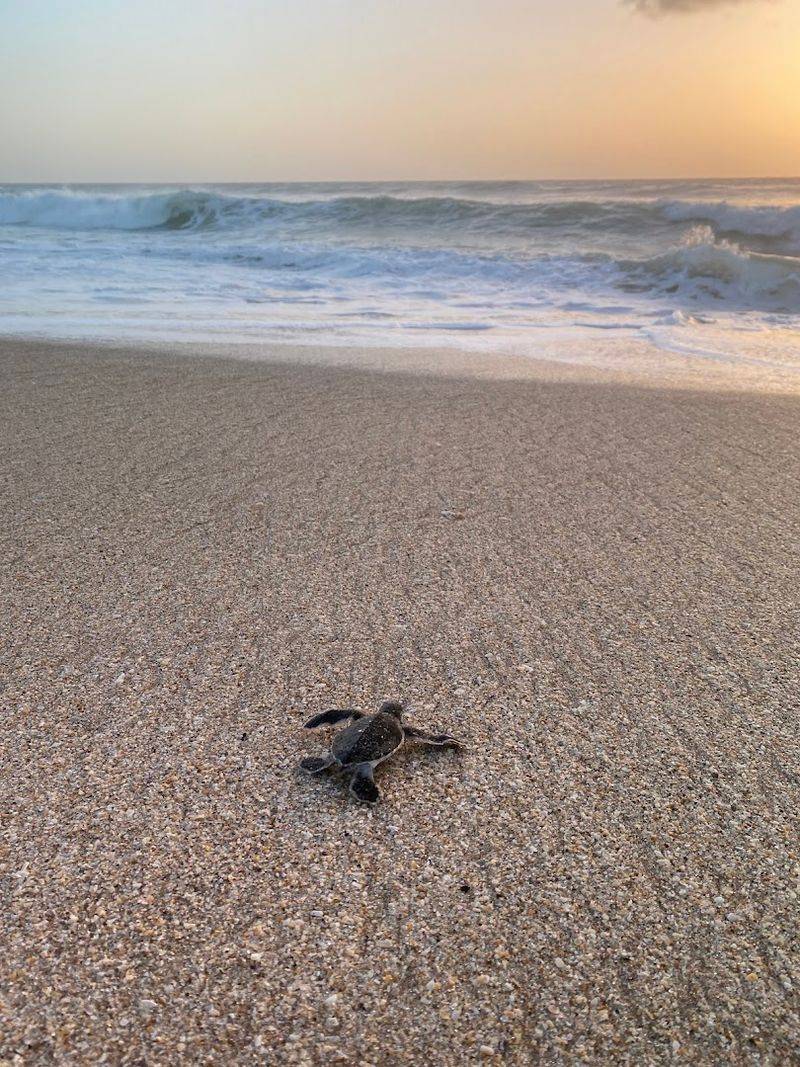
Named after the legendary marine biologist who dedicated his career to turtle conservation, Archie Carr National Wildlife Refuge protects one of the most critical loggerhead nesting corridors in the entire Western Hemisphere.
The refuge spans roughly 20 miles of undeveloped Atlantic coastline in Brevard and Indian River counties, Florida. During summer nesting season, thousands of loggerhead, green, and leatherback turtles come ashore here, making it a genuinely staggering concentration of nesting activity for a single stretch of beach.
Authorized guided turtle walks operate during both nesting and hatching seasons, offering a rare chance to observe hatchlings reaching the Atlantic under expert supervision. The absence of major development along this shoreline keeps light pollution low, which directly benefits turtle navigation.
Early morning visits during hatching season occasionally reward patient beachgoers with the sight of stragglers still crossing the sand just after sunrise.
3. Juno Beach, Juno Beach, Florida, USA
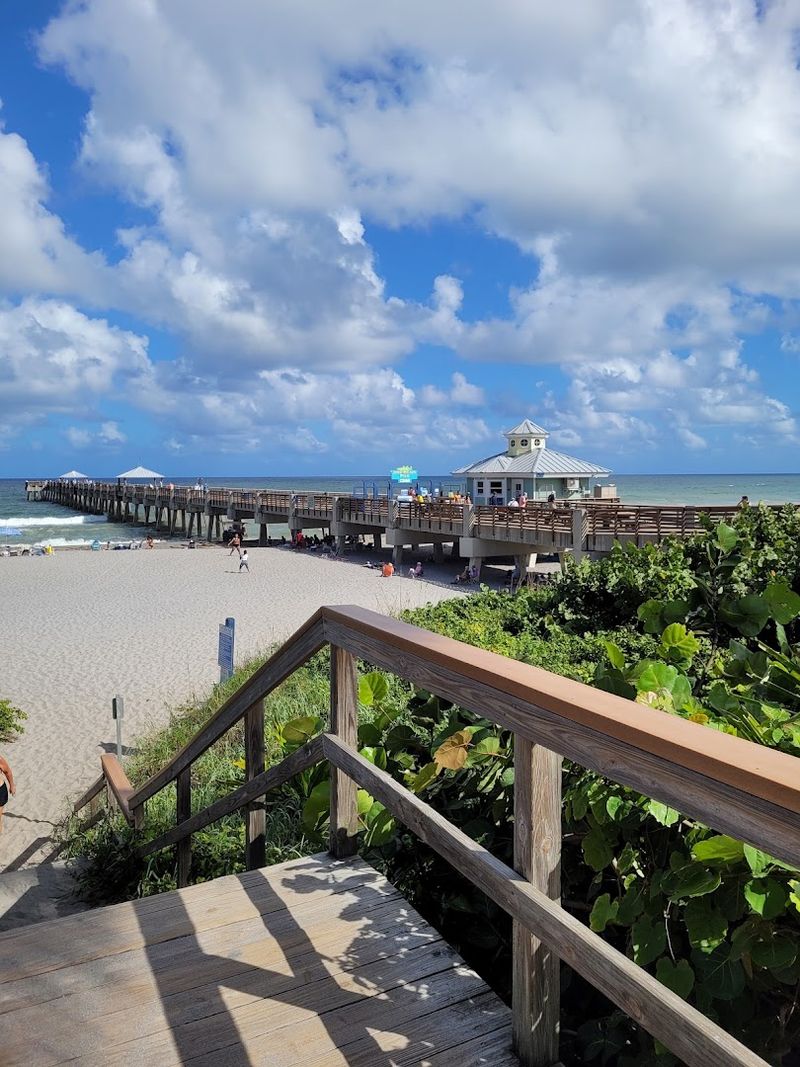
Juno Beach wears its turtle identity proudly. The town’s most famous landmark, the Loggerhead Marinelife Center, sits just steps from one of Florida’s most active sea turtle nesting beaches, creating a combination of hands-on education and real wildlife encounters that few destinations can match.
The center rehabilitates injured sea turtles and runs extensive public programs during nesting season, including guided morning beach walks where trained naturalists interpret fresh turtle tracks and explain nest marking procedures.
Hatchling activity typically peaks between August and October, and early risers who walk the beach during this window sometimes encounter nests in the process of erupting. The center’s free admission policy makes it accessible to all visitors, regardless of budget.
Juno Beach itself is clean, well-maintained, and refreshingly low-key compared with busier Florida beach towns, which adds to the overall appeal for wildlife-focused travelers.
4. Ostional Beach, Ostional, Guanacaste, Costa Rica
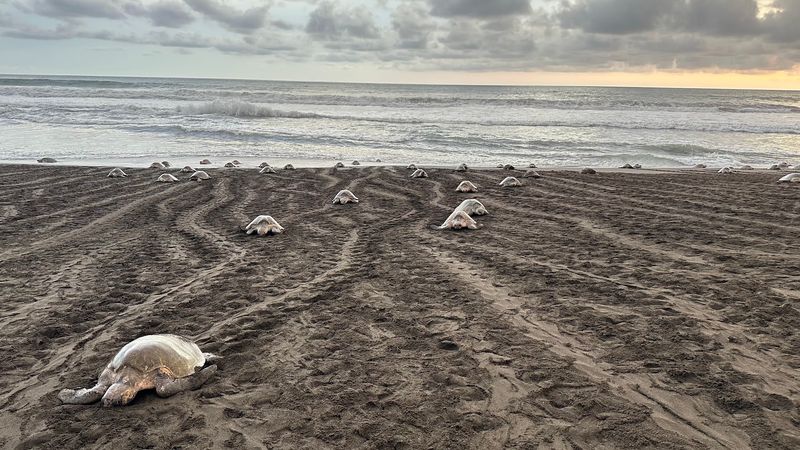
Few wildlife events on Earth compare to an olive ridley arribada, and Ostional Beach is one of the best places in the world to witness one. During these mass nesting events, tens of thousands of turtles come ashore within days of each other, creating a scene that looks almost unreal.
Ostional Wildlife Refuge manages visitor access carefully, and local community guides lead authorized tours that balance turtle welfare with meaningful visitor experiences. When the eggs from earlier arribadas begin hatching, the beach transforms again as hatchlings emerge in extraordinary numbers.
The community of Ostional has built its economy around responsible turtle tourism, meaning your visit directly supports local conservation efforts. Tours are best arranged through certified local operators who know the nesting cycles well.
Guanacaste’s dry Pacific climate makes this part of Costa Rica especially accessible during peak turtle season, which typically runs from July through December.
5. Mon Repos Beach, Bundaberg, Queensland, Australia
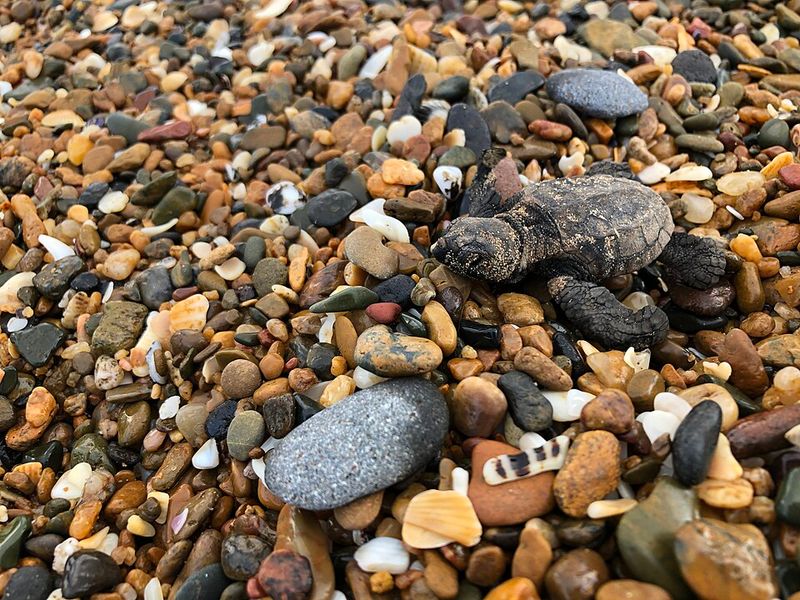
Australia takes turtle conservation seriously, and Mon Repos Beach is the proof. Located near Bundaberg in Queensland, this beach hosts one of the largest loggerhead turtle rookeries in the Southern Hemisphere, drawing visitors from around the world each season.
The Mon Repos Turtle Centre runs organized evening tours from November through March, giving guests a structured and supervised way to observe both nesting females and newly hatched turtles making their debut dash toward the Pacific.
Rangers manage group sizes carefully, which keeps the experience intimate rather than crowded. The visitor centre features interactive exhibits that explain the biology, conservation challenges, and life cycle of marine turtles in genuinely engaging detail.
Booking in advance is strongly recommended since tours sell out quickly during peak hatching periods. Mon Repos consistently ranks among the most well-organized turtle watching programs in the world.
6. Tortuguero Beach, Tortuguero, Limón Province, Costa Rica
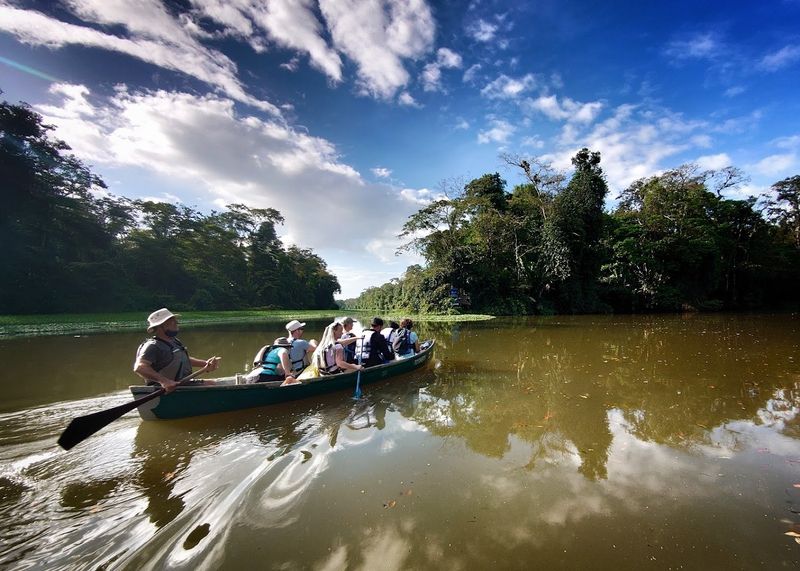
Getting to Tortuguero requires either a boat or a small plane, and that slight effort is exactly what keeps this Caribbean gem wonderfully uncrowded. Tortuguero National Park protects one of the most important green sea turtle nesting beaches in the Atlantic basin, and the park’s commitment to conservation is evident at every turn.
Guided night walks during nesting season and early morning tours during hatching season are both managed by licensed guides who strictly limit group sizes and prohibit flash photography. Green sea turtles, hawksbills, and leatherbacks all use this stretch of coastline, giving visitors a genuine chance of encountering multiple species in a single trip.
The surrounding network of jungle canals is equally spectacular, home to caimans, river otters, and countless bird species that reward anyone who arrives a day early.
Tortuguero’s hatching season runs roughly from August through October, with September often producing the highest hatchling activity.
7. Playa Grande, Cabo Velas, Guanacaste, Costa Rica
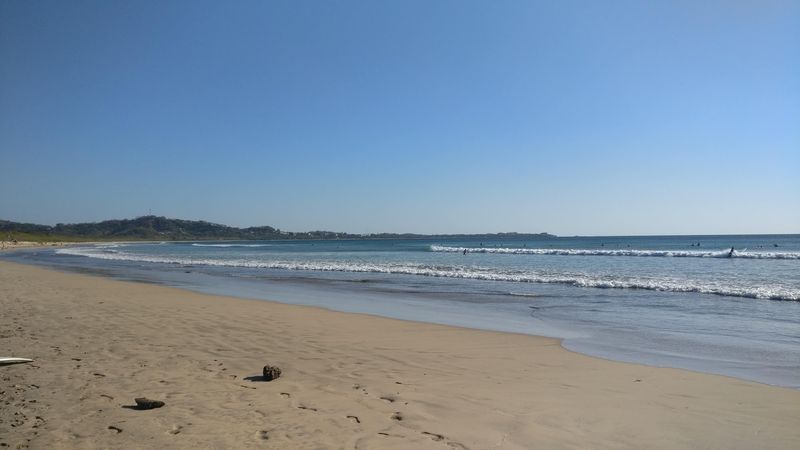
Leatherbacks are the giants of the sea turtle world, and Playa Grande is one of the places where they come to nest in meaningful numbers. Part of Las Baulas National Marine Park, this Pacific beach has been at the center of leatherback conservation debates for years, making any visit feel genuinely significant beyond just the wildlife spectacle.
Guided tours during hatchling season are tightly regulated, with trained naturalists leading small groups to approved viewing areas where they can observe hatchlings without interfering with natural behavior. The long, gently curving beach stays remarkably quiet despite its international reputation among wildlife travelers.
Nearby Tamarindo provides convenient accommodation options ranging from budget hostels to comfortable eco-lodges, making logistics straightforward for most visitors. Booking a certified guide well in advance is essential since tour slots are limited by park regulations.
Leatherback hatchling activity at Playa Grande typically occurs between February and April.
8. Iztuzu Beach, Dalyan, Muğla, Türkiye
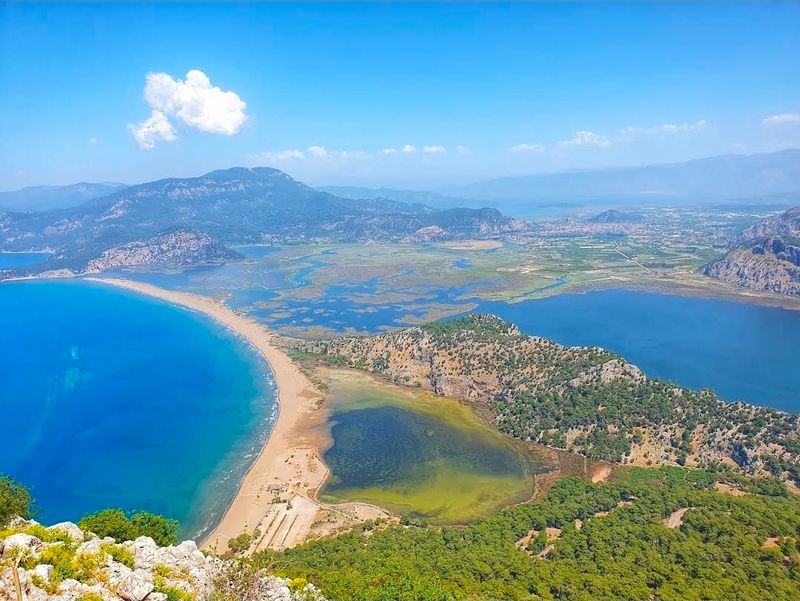
Locals call it Turtle Beach, and the nickname is fully earned. Iztuzu Beach stretches for nearly five kilometers along the Aegean coast near Dalyan, and it has been a protected nesting site for loggerhead sea turtles since the 1980s, when conservationists successfully pushed back against a hotel development that would have destroyed the nesting habitat entirely.
That conservation victory shaped the responsible tourism model that visitors experience today. The beach operates under strict rules, including no overnight stays and restricted access to nesting zones, which means the turtles genuinely have room to operate undisturbed.
During hatching season, fresh tracks and emerging hatchlings can sometimes be observed in the early morning hours before the beach opens to general visitors. The nearby Dalyan river delta and ancient Lycian rock tombs make this area one of the most historically layered destinations in the country.
Boat trips from Dalyan town provide a scenic and practical way to reach the beach.
9. Gerakas Beach, Vasilikos, Zakynthos, Greece
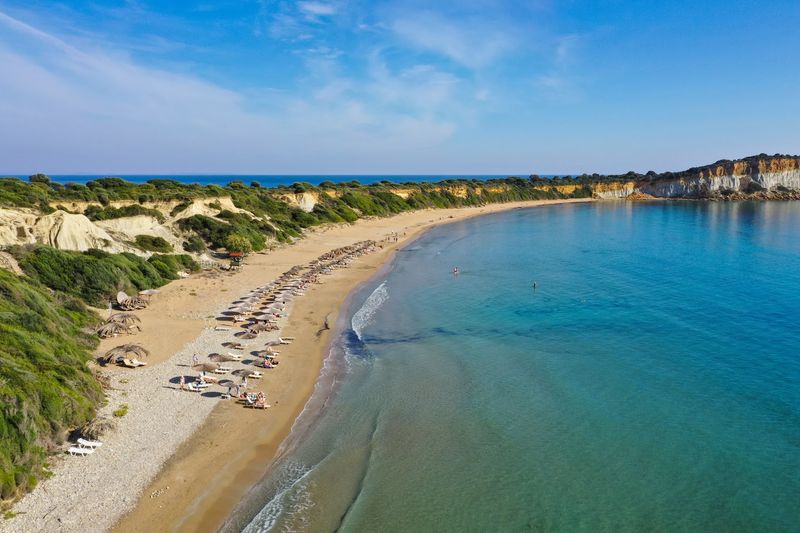
Zakynthos has built a genuine reputation as one of Europe’s most important sea turtle destinations, and Gerakas Beach sits at the heart of that reputation. Tucked within the National Marine Park of Zakynthos, this sheltered bay on the island’s southeastern tip is a critical nesting ground for loggerhead turtles, locally known by their Greek name, caretta-caretta.
Strict visitor regulations prohibit umbrellas, sunbeds, and beach access before 8 a.m. during nesting season, all of which protect the nesting zones from accidental disturbance. Authorized educational programs occasionally allow small groups to observe hatchlings under carefully controlled conditions with trained guides.
The dramatic limestone cliffs framing the beach make Gerakas one of the most photogenic spots in Greece, full stop. Visitor numbers are managed to keep the beach from becoming overwhelmed, which creates a noticeably calmer atmosphere than many popular Greek island beaches.
Plan to arrive early in the morning for the best combination of cool temperatures and potential hatchling activity.
10. Dafni Beach, Zakynthos, Greece
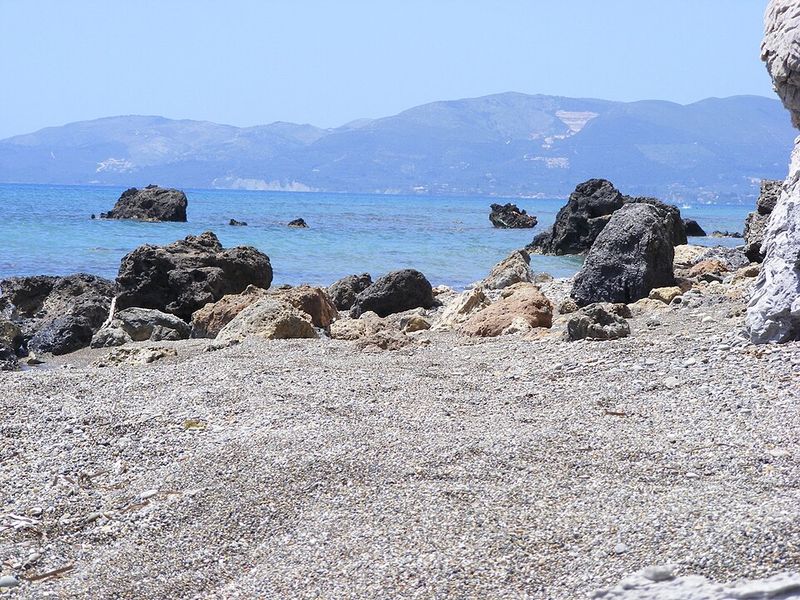
Right next to its more famous neighbor, Dafni Beach offers a quieter and slightly less visited alternative within the same National Marine Park of Zakynthos. That relative quiet is actually a significant advantage for anyone hoping to observe hatchling activity without the larger crowds that sometimes gather at Gerakas.
Loggerhead turtles nest here consistently each summer, and conservation volunteers from organizations like ARCHELON, the Sea Turtle Protection Society of Greece, monitor nests throughout the season and provide accurate information about hatching timelines.
The beach itself is compact and backed by low scrubby hillsides, giving it a more tucked-away character than the grand cliff scenery of nearby bays. Connecting with ARCHELON volunteers before your visit is one of the smartest moves a turtle-focused traveler can make, as they often know exactly when and where hatchling activity is most likely.
Access to Dafni is limited during peak nesting hours, so plan accordingly.
11. Ras Al Jinz Beach, Sur, Ash Sharqiyah South Governorate, Oman
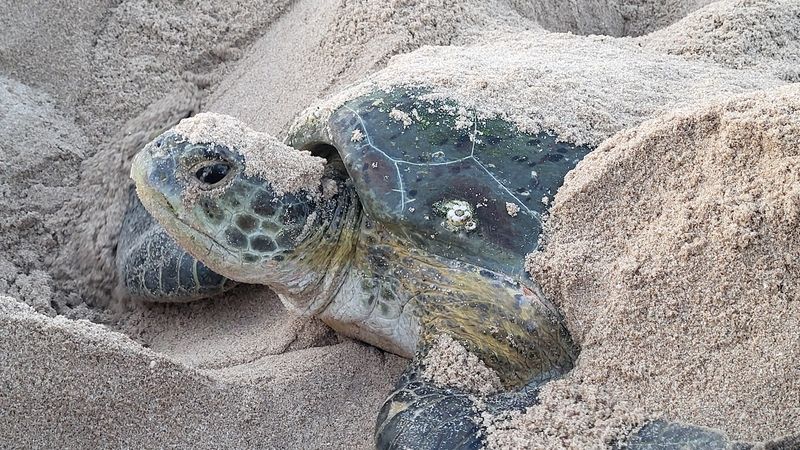
Oman might not be the first country that comes to mind for sea turtle watching, but Ras Al Jinz has been quietly impressing wildlife travelers for years. This protected headland on Oman’s northeastern tip hosts one of the largest green sea turtle nesting sites in the Arabian Sea, with hundreds of turtles coming ashore on a good night during peak season.
The Ras Al Jinz Turtle Reserve runs professionally managed evening tours that give visitors a structured and respectful way to observe both nesting females and, depending on timing, hatchlings making their way to the water. The reserve’s on-site scientific center provides excellent background on green turtle biology and the regional conservation challenges these animals face.
Accommodation at the reserve itself is limited but excellent in quality, and staying overnight dramatically increases your chances of witnessing hatchling activity. The surrounding coastal landscape is rugged, remote, and genuinely spectacular.
12. Playa Escobilla, Santa María Tonameca, Oaxaca, Mexico
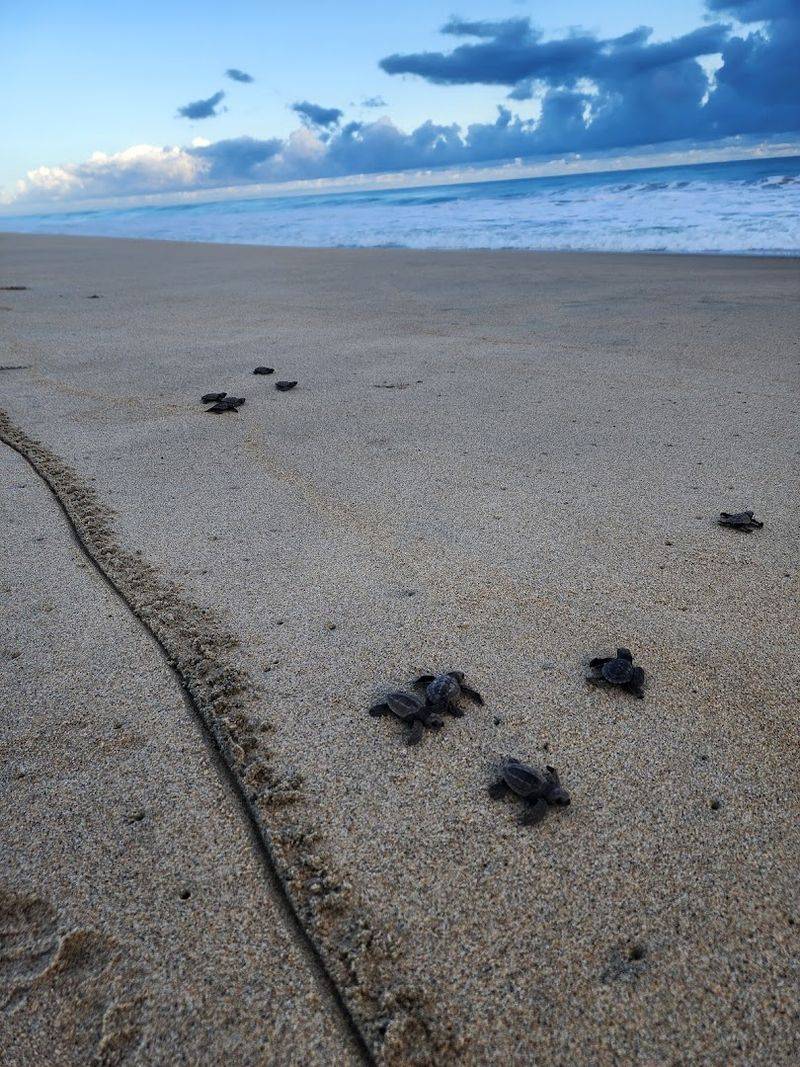
The sheer scale of nesting activity at Playa Escobilla is almost impossible to fully comprehend until you see it. This remote Oaxacan beach is one of the world’s largest olive ridley nesting sites, with some estimates suggesting that millions of turtles use this coastline over the course of a full season.
Mexican conservation authorities manage access through a permit system, and organized visits during hatchling season may include supervised releases and educational sessions led by trained conservation staff. The beach itself is immense, giving visitors a vivid sense of just how significant this location is within the global turtle conservation picture.
Playa Escobilla sits within the Escobilla Sanctuary, a federally protected area that restricts commercial development along the surrounding coastline. Getting there requires some planning since the nearest large town is Puerto Escondido, roughly 70 kilometers away.
Guided tours from Puerto Escondido are the most practical option for most international visitors.
13. Grande Rivière Beach, Grande Rivière, Trinidad and Tobago
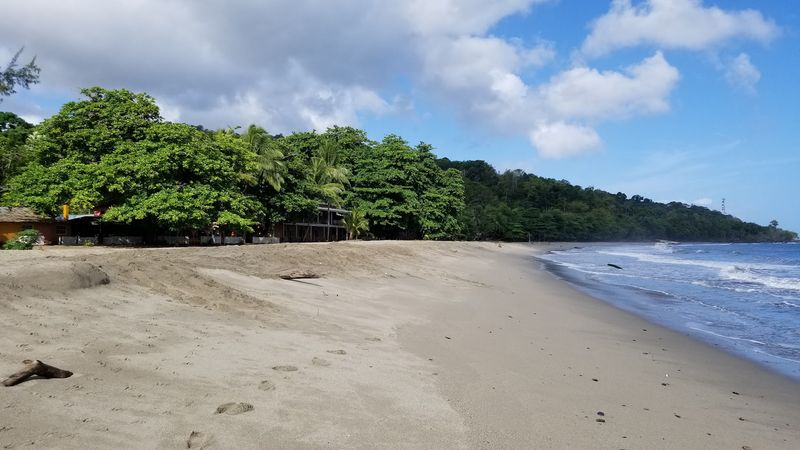
Grande Rivière is the kind of place that makes wildlife travelers feel like they have genuinely discovered something special. This small village on Trinidad’s northern coast sits at the foot of the Northern Range mountains, and the beach directly in front of it hosts one of the highest densities of leatherback turtle nesting in the entire Caribbean.
Local guides lead respectful evening tours during nesting season, and later in the season, hatchlings can often be spotted making their first frantic scramble toward the sea. The contrast between the lush mountain backdrop and the dark Atlantic beach creates a setting that is hard to forget.
Grande Rivière’s small-scale tourism infrastructure means visitor numbers stay manageable, which is good news for both turtles and travelers. Community-based tour operators run the guiding programs, ensuring that revenue stays within the village.
The leatherback hatching window at Grande Rivière typically runs from June through August, with peak activity in July.
14. Rekawa Beach, Tangalle, Southern Province, Sri Lanka
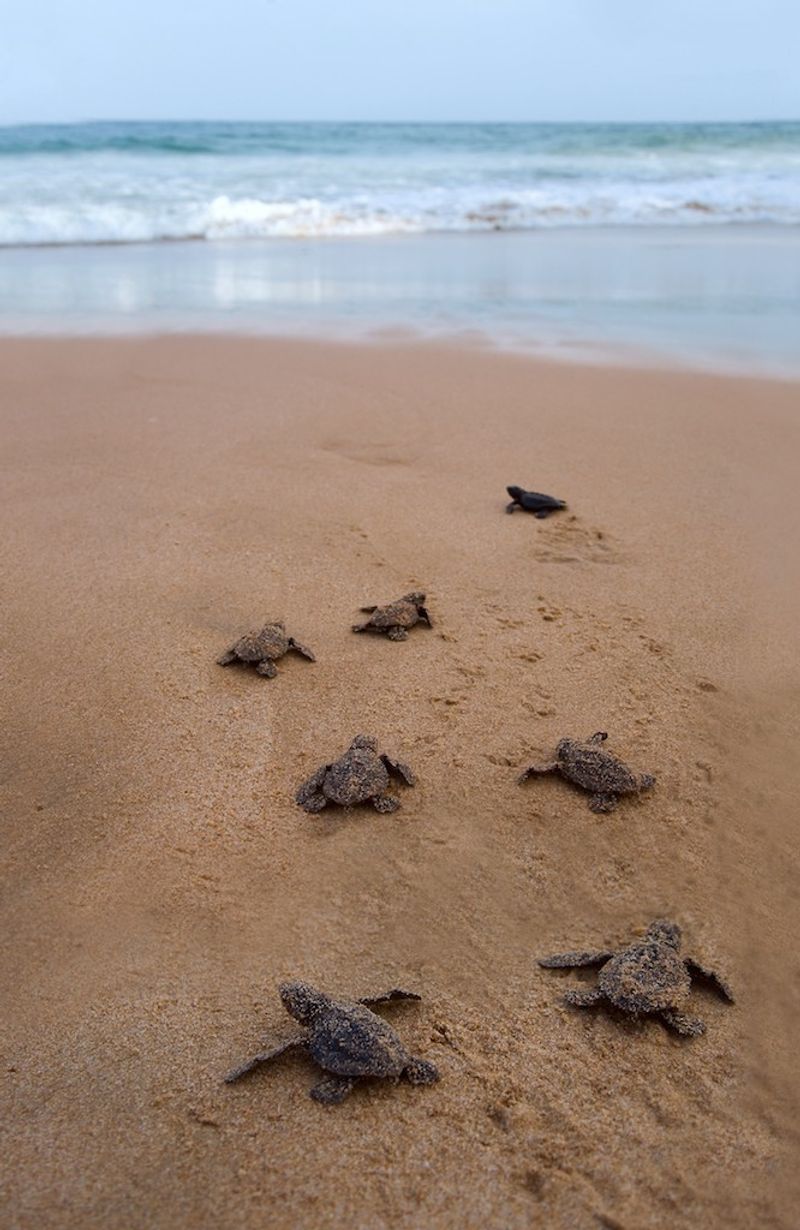
Sri Lanka’s southern coastline holds some of the country’s most important turtle nesting habitat, and Rekawa Beach stands out as the most conservation-focused of the bunch. Five species of sea turtle nest here, including green, loggerhead, olive ridley, leatherback, and hawksbill, which is an exceptional concentration of species diversity for a single beach.
Community-based guided walks have replaced the harmful egg-collecting practices that once threatened this beach, turning Rekawa into a model for how local communities can shift from exploitation to protection. Visitors join small groups led by trained local guides who use red-filtered torches to minimize disturbance to both nesting females and hatchlings.
The beach is deliberately low-key, with no large resort development nearby, which keeps the experience grounded and authentic. Tangalle town, about 10 kilometers away, provides comfortable accommodation at a range of price points.
Hatchling activity at Rekawa can occur year-round, though November through April is generally the most active period.
15. Eagle Beach, Oranjestad, Aruba
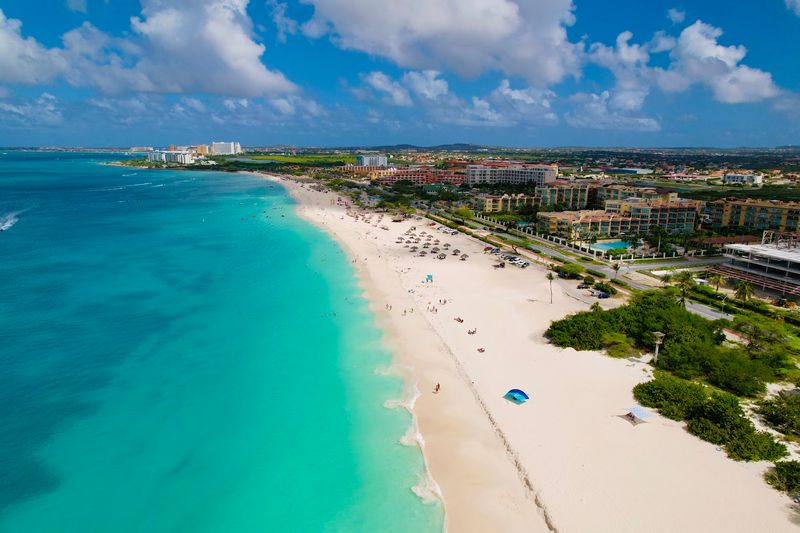
Aruba is best known for its reliably sunny weather and photogenic coastline, but Eagle Beach has a second claim to fame that wildlife travelers rate just as highly. Several sea turtle species, including loggerheads and green turtles, return to this broad white sand beach each summer to nest, making it one of the most accessible turtle watching spots in the entire Caribbean region.
Conservation volunteers from the Turtugaruba Foundation monitor nests throughout the season and provide accurate, up-to-date information about hatching activity. Lucky visitors who follow the foundation’s guidelines and stay within designated viewing areas may witness hatchlings emerging during the summer months.
Eagle Beach consistently ranks among the top beaches in the Caribbean for overall beauty, which means even visitors who do not encounter hatchlings leave satisfied. The beach is wide enough that turtle nesting zones and general swimming areas coexist without conflict.
Contact the Turtugaruba Foundation before your visit for the latest nesting and hatching updates.
Share this story