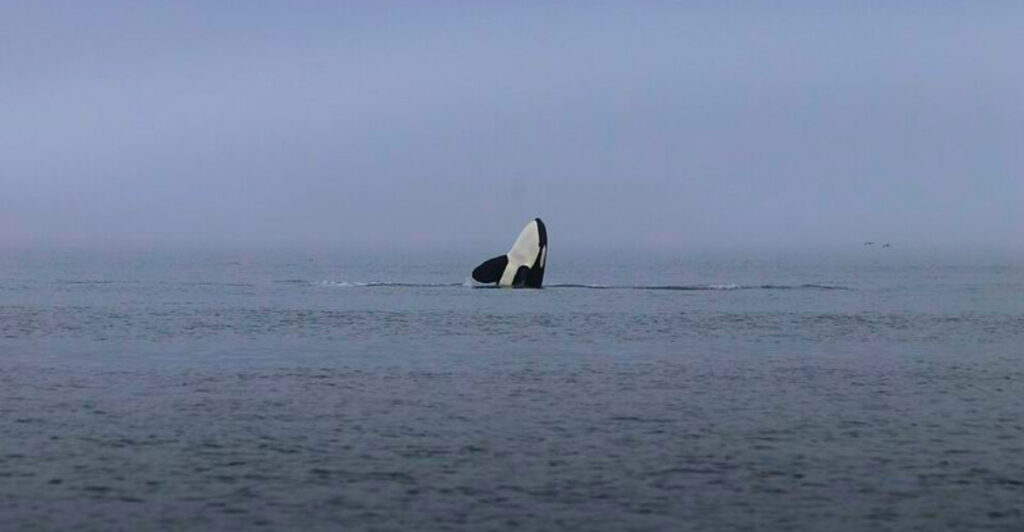
Orcas are the ocean’s most recognizable travelers, and spotting one in the wild is the kind of moment that stops you mid-sentence and rewires your brain permanently. These black-and-white giants can reach up to 32 feet long, travel in tight family groups, and show up in waters ranging from the icy Arctic to the sunny Pacific Coast. The good news is that you don’t need a submarine or a research vessel to find them. From rocky shorelines where you can watch from dry land to guided boat tours weaving through glacier-filled fjords, there are incredible spots around the world where orca sightings are practically part of the daily schedule.
This list covers 14 of the best places on the planet to catch these magnificent animals doing what they do best, living wild and completely unbothered by your camera.
1. San Juan Island National Historical Park, Friday Harbor, Washington, USA
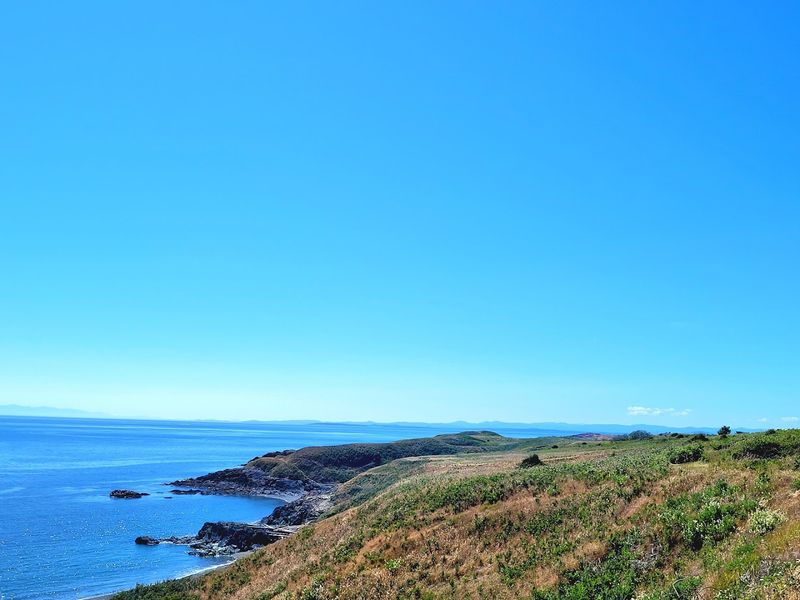
Most visitors come to San Juan Island National Historical Park to explore the quirky story of the 1859 Pig War, a territorial dispute between the US and Britain that never actually involved any human casualties. But the park’s coastal overlooks offer something equally surprising: legitimate orca watching opportunities.
South Beach stretches along the park’s southern edge and faces directly out toward the Salish Sea, where orca pods regularly pass during migration season. The open shoreline gives visitors long, unobstructed sight lines across the water, which is exactly what you want when scanning for dorsal fins.
The park covers two separate units on opposite ends of the island, each with its own historical character and coastal access points. Combining a history walk with patient whale watching makes for a well-rounded day. Binoculars are strongly recommended, and a field guide to local cetaceans will help you tell one species from another.
2. Lime Kiln Point State Park, Friday Harbor, Washington, USA
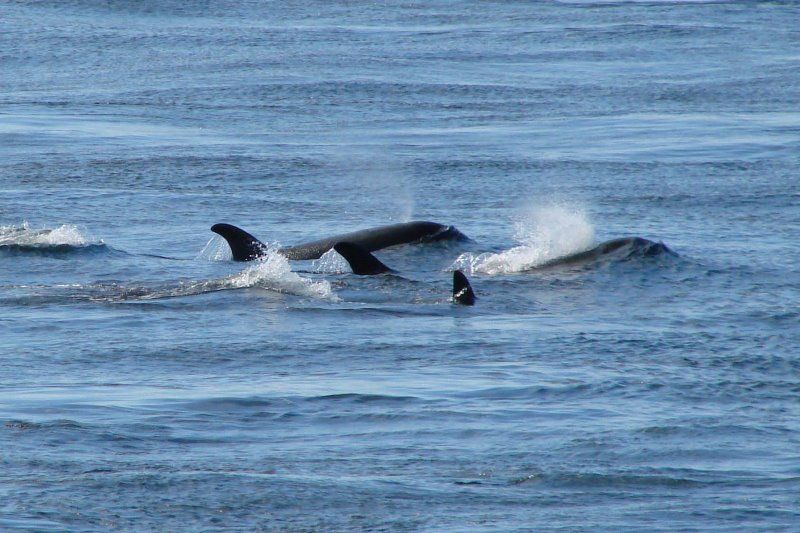
Known affectionately as “Whale Watch Park,” Lime Kiln Point State Park on San Juan Island is one of the only places in the world where you can reliably watch wild orcas from solid ground without spending a single minute on a boat.
The ocean floor just off the rocky shoreline drops to 960 feet, which means orcas swim surprisingly close to the coast as they chase salmon through Haro Strait. Southern Resident orcas from J, K, and L pods are regular visitors from May through September, with June and July being the most active months.
The park also features a working lighthouse that has operated since 1919 and doubles as an orca research station. A hydrophone system lets visitors listen to underwater orca communication in real time. At 41 acres, the park is compact but packed with reasons to linger well past sunset.
3. Deception Pass State Park, Oak Harbor, Washington, USA
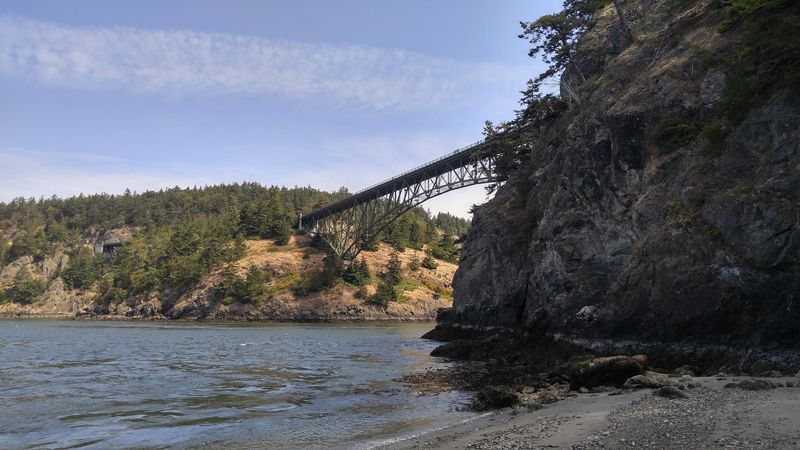
The bridge at Deception Pass is one of Washington’s most photographed structures, but the real action happens in the churning water below it. Fast-moving tidal currents funnel nutrients and marine life through the narrow passage, occasionally drawing orcas as they follow prey along the coast.
Sightings here are less predictable than at dedicated whale watching spots, but that unpredictability is part of the appeal. Visitors who spend time at the park’s various coastal viewpoints sometimes get lucky with transient orca pods moving through the area on hunting routes.
Deception Pass State Park covers over 4,000 acres and includes 38 miles of trails, two lakes, and miles of saltwater shoreline. The Canoe Pass area and West Point viewpoints offer good water visibility for wildlife watching. Even on days when orcas stay out of sight, the dramatic landscape, sea birds, and harbor seals keep the experience worthwhile.
4. Point Defiance Park, Tacoma, Washington, USA
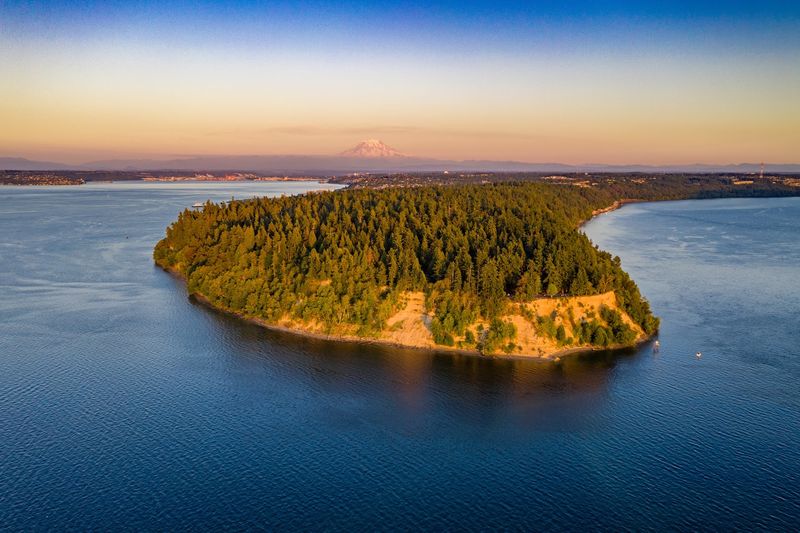
Not many cities can claim a whale watching spot within their limits, but Tacoma pulls it off with Point Defiance Park. This 760-acre urban park sits right on Puget Sound and occasionally rewards patient visitors with views of orcas traveling through the sound’s deeper channels.
The park’s Five Mile Drive loops through old-growth forest and drops down to multiple beach access points where the water views open up dramatically. Sightings depend heavily on season and salmon movement, so checking with local wildlife groups before your visit can help set realistic expectations.
Point Defiance Zoo and Aquarium is located within the park and offers excellent marine education programs that complement any wildlife watching attempt. The combination of forest trails, historic Fort Nisqually, and waterfront access makes the park worth a full day regardless of whether orcas make an appearance. It is an honest-to-goodness hidden advantage of living near Tacoma.
5. Cape Flattery, Neah Bay, Washington, USA
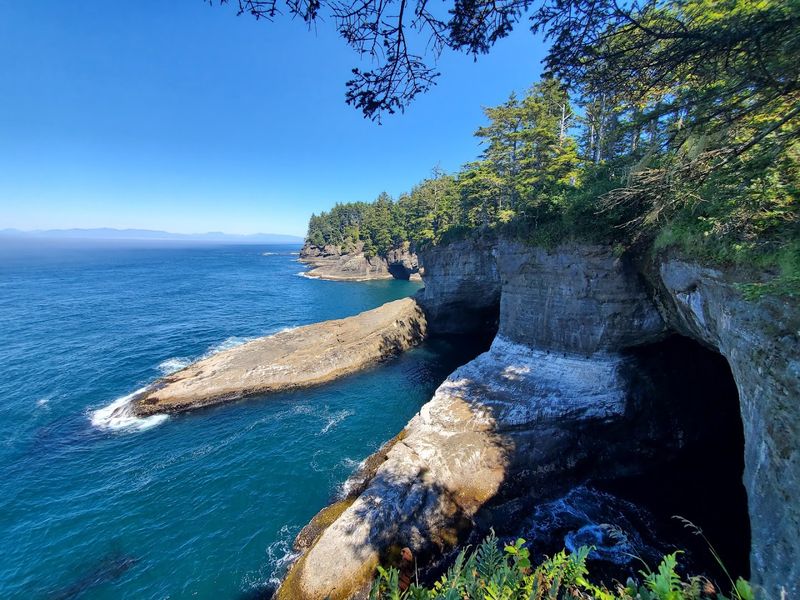
Cape Flattery sits at the absolute northwestern tip of the contiguous United States, and getting there feels like a genuine expedition. The Makah Nation manages access to this remote headland, and visitors must purchase a Makah Recreation Pass before heading down the trail.
A boardwalk path winds roughly 0.75 miles through coastal forest before opening onto jaw-dropping viewpoints above the Pacific Ocean. Migrating whales, including orcas, are occasionally spotted offshore from these clifftop platforms, particularly during spring and fall migration windows.
The Makah Cultural and Research Center in Neah Bay is worth a visit before or after your hike. It houses artifacts from a 500-year-old Makah village preserved under a mudslide, including items related to traditional whale hunting practices. The combination of Indigenous history, dramatic scenery, and open-ocean wildlife watching makes Cape Flattery a genuinely unique stop on any Pacific Northwest itinerary.
6. Telegraph Cove, Telegraph Cove, British Columbia, Canada
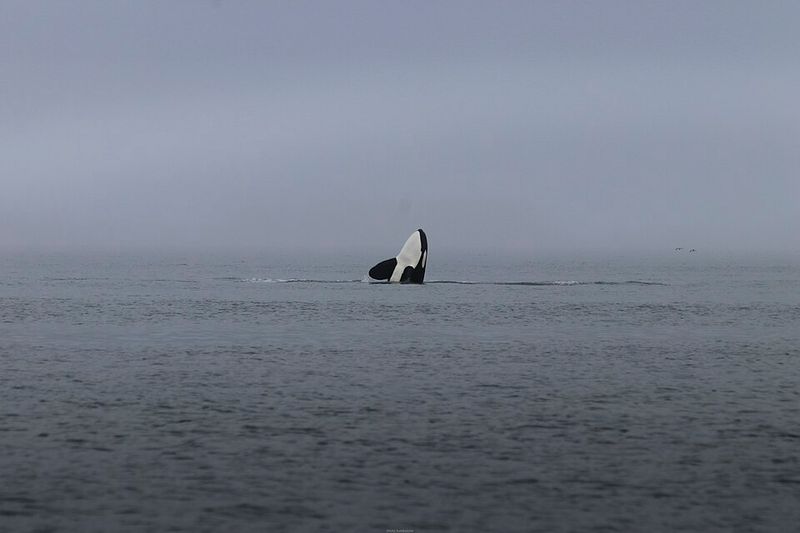
Telegraph Cove is the kind of place that looks like it belongs on a postcard, but its real claim to fame is what happens just offshore. This tiny historic village on northern Vancouver Island sends boats into Johnstone Strait, one of Canada’s most productive orca corridors.
Northern Resident killer whales gather here in summer, drawn by the reliable salmon runs that push through the strait each year. Tours run from June through October, and experienced naturalist guides help passengers identify individual whales by their unique dorsal fins and saddle patches.
The village itself is built on a wooden boardwalk over the water, with heritage buildings that date back to the 1920s. Even before your boat departs, the setting gives you something worth photographing. The Whale Interpretive Centre in town adds helpful context about the orca populations you are about to encounter.
7. Johnstone Strait, Woss, British Columbia, Canada
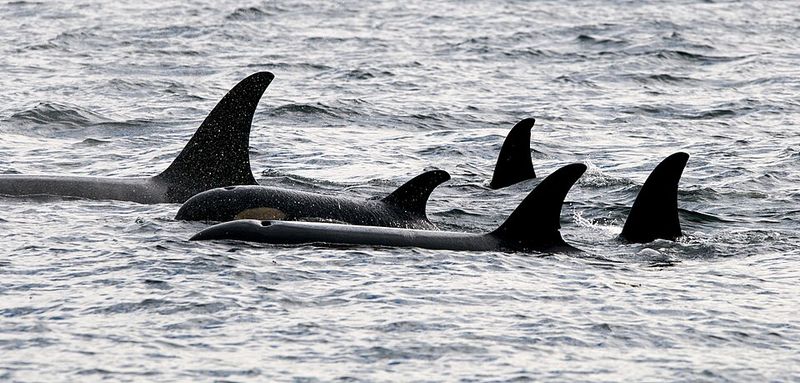
Every summer, Northern Resident killer whales return to Johnstone Strait with a consistency that wildlife researchers have tracked for decades. The strait’s protected waters and salmon-rich environment make it one of the most dependable orca destinations on the entire Pacific coast.
Rubbing beaches near Robson Bight are a particularly fascinating draw. Orcas have been observed deliberately rubbing their bodies along the smooth pebble beaches here, a behavior that researchers believe serves a social function unique to this population. The area around Robson Bight is a protected ecological reserve, so visitor access is carefully managed.
Guided kayak tours offer a quieter, more intimate way to experience the strait compared to motorized boat trips. Paddling through calm water with orca fins appearing ahead of you is the kind of wildlife encounter that travel writers run out of adjectives trying to describe. Book tours well in advance during July and August.
8. Olympic National Park, Port Angeles, Washington, USA
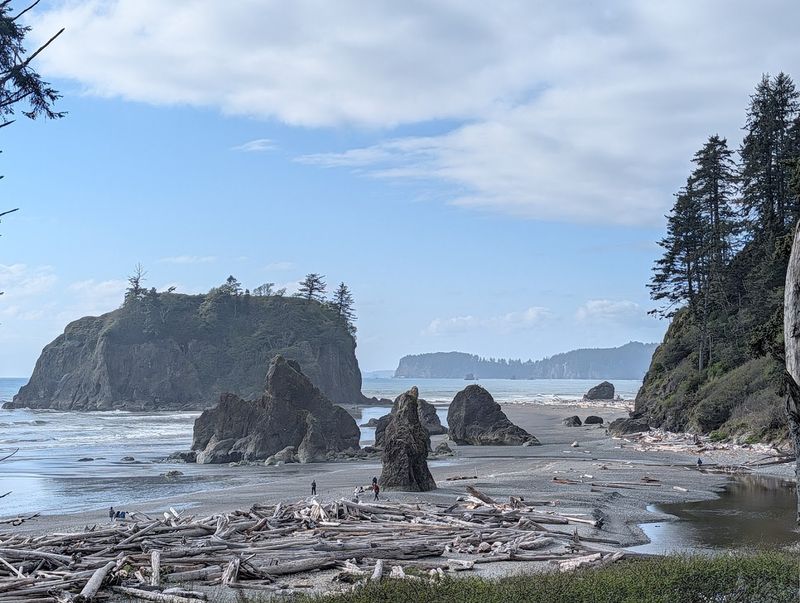
Olympic National Park protects one of the longest undeveloped stretches of Pacific coastline in the lower 48 states, and that wildness extends well beyond the tideline. Orcas are occasionally spotted offshore, particularly along the Strait of Juan de Fuca on the park’s northern edge.
Beaches like Rialto, Ruby, and Shi Shi offer miles of walking along some of the most visually striking coastline in North America. Sea stacks rise from the water at dramatic angles, and enormous driftwood logs line the upper beaches like natural furniture. Wildlife watching here requires patience and good binoculars, but the scenery makes the waiting easy.
The park’s coastal strip is separated from the main mountain section by private land, so accessing different beach areas requires separate drives. Tide tables matter here too, since some coastal trails are only passable at low tide. Plan your visit with both the wildlife calendar and the tide chart in hand.
9. Kenai Fjords National Park, Seward, Alaska, USA
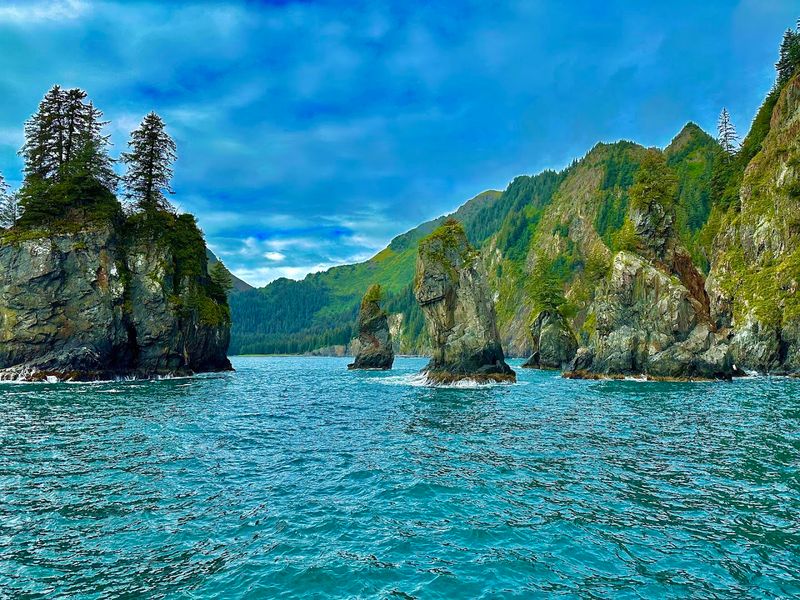
Kenai Fjords National Park packs an almost unreasonable amount of wildlife into a single boat tour. Day cruises departing from Seward regularly encounter orcas, humpback whales, Steller sea lions, Dall’s porpoises, tufted puffins, and the dramatic spectacle of tidewater glaciers releasing ice into the sea.
Both resident fish-eating orcas and transient mammal-eating orcas move through the park’s waters, so encounters can vary significantly in behavior. Transient orcas are often seen actively hunting, which is both thrilling and a reminder that nature operates on its own terms.
Full-day tours cover more ground and reach deeper into the fjords, increasing the chances of multiple wildlife encounters. Half-day options are available for those with limited time but still offer solid wildlife viewing in Resurrection Bay. The park has no road access to its fjord areas, so a boat tour is the only way to experience the interior. Reserve your spot well ahead of the summer season.
10. Resurrection Bay, Seward, Alaska, USA
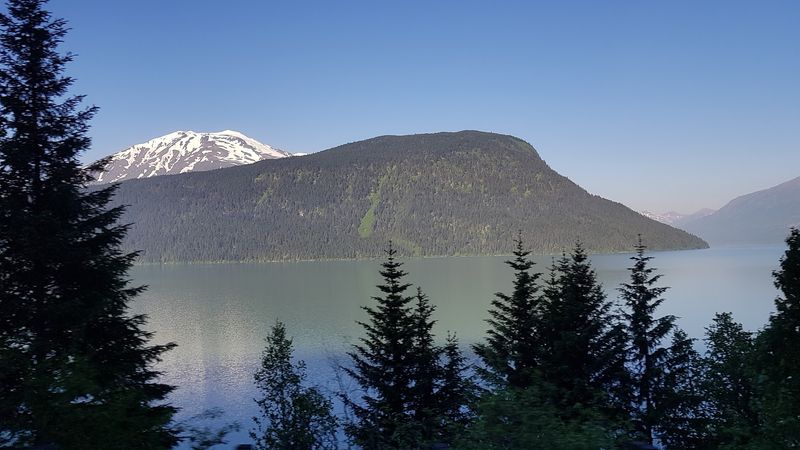
Resurrection Bay has a name that sounds almost mythological, and the scenery does nothing to tone that down. Mountains over 5,000 feet tall plunge directly into the bay’s cold, productive waters just minutes from the small port city of Seward, creating a backdrop that makes every wildlife sighting feel cinematic.
The bay serves as the launch point for Kenai Fjords boat tours, but orca sightings frequently happen right here in the bay before tours even reach the open fjords. Resident and transient orca pods both use these waters, attracted by the abundant marine food web supported by glacial runoff and upwelling nutrients.
Seward itself is a compact, walkable town with good lodging options and a solid waterfront dining scene. The Alaska SeaLife Center on the waterfront provides excellent background on local marine species before you head out on the water. Visiting in late May through September gives you the best combination of wildlife activity and manageable weather.
11. Glacier Bay National Park and Preserve, Gustavus, Alaska, USA
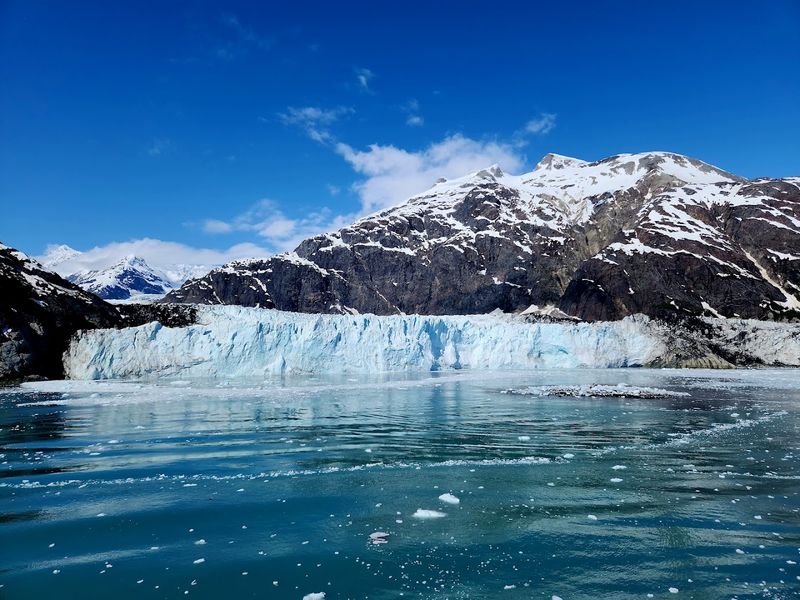
Glacier Bay is the kind of place that makes you feel very small in the best possible way. The park covers 3.3 million acres of wilderness in southeastern Alaska, and its nutrient-rich waters support one of the most diverse marine ecosystems in the entire North Pacific.
Orcas are a regular presence in the bay, drawn by the populations of harbor seals, Steller sea lions, and fish that thrive in the cold glacial waters. Cruises through the park combine glacier viewing with wildlife watching in a way that no other destination quite replicates.
Access to Glacier Bay is limited by design. No roads lead into the park, so visitors arrive by small plane into Gustavus or by cruise ship or charter vessel. The park service strictly controls the number of vessels allowed in the bay at any time, which keeps the experience uncrowded and the wildlife undisturbed. Plan your visit at least several months in advance.
12. Andenes, Andenes, Nordland, Norway
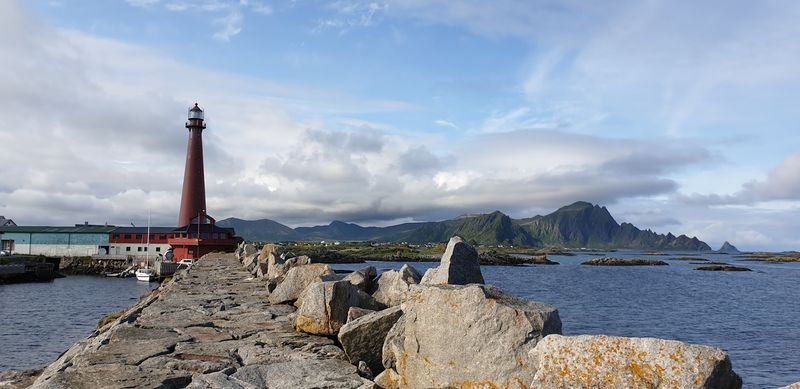
Andenes sits at the northern tip of Andoya island, well above the Arctic Circle, and it has built a serious international reputation for whale watching over the past few decades. The town’s location above a deep underwater canyon brings large marine mammals unusually close to shore.
Orcas appear in the surrounding waters when herring gather along the Norwegian coast, typically from autumn into winter. Sperm whales are the most reliably spotted species here year-round, but orca encounters add an exciting unpredictability to any tour.
The Whale Safari company based in Andenes has been running responsible wildlife tours since 1989 and employs marine biologists on board to interpret what passengers are seeing. Tours operate in all weather conditions, and the Arctic setting means visitors should dress in serious cold-weather layers regardless of the season. The surrounding landscape of white mountains and deep blue sea is extraordinary even on days when whales stay deep.
13. Tysfjord, Hamarøy, Nordland, Norway
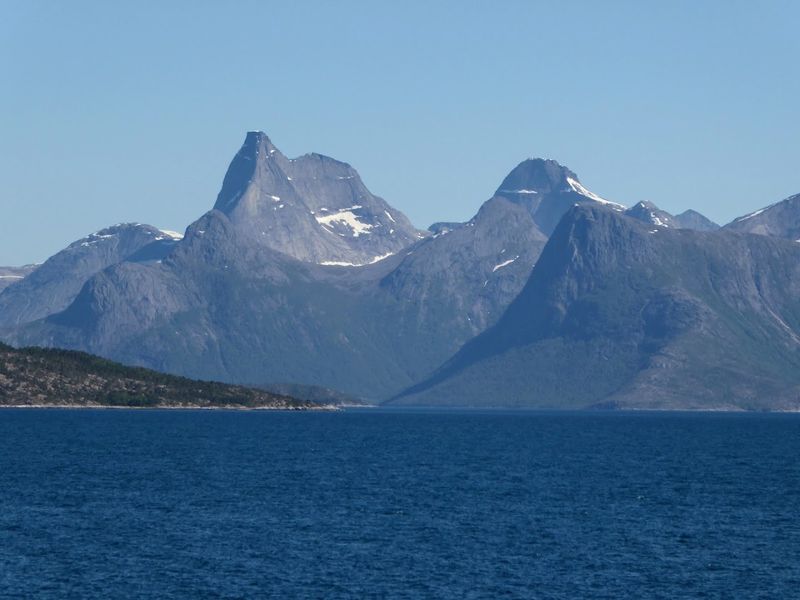
Each autumn, one of Europe’s most spectacular wildlife gatherings quietly unfolds in the remote fjords of northern Norway. Tysfjord becomes a temporary home for hundreds of orcas that follow enormous schools of herring into the sheltered waters, creating a concentration of killer whales unlike almost anywhere else on Earth.
The peak season runs roughly from October through January, which means visitors experience this spectacle under Arctic conditions, with short daylight hours and temperatures that require serious preparation. The reward is witnessing orca pods working together to herd and feed on herring in a coordinated behavior called carousel feeding.
Several tour operators based in the region offer boat-based watching experiences, and some trips include snorkeling or freediving options for those who want an even closer encounter. The surrounding landscape of steep granite fjord walls and snow-covered peaks adds a dramatic visual frame to every sighting. Book early, as tours fill up quickly once the herring arrive.
14. Husavik Harbour, Húsavík, Iceland
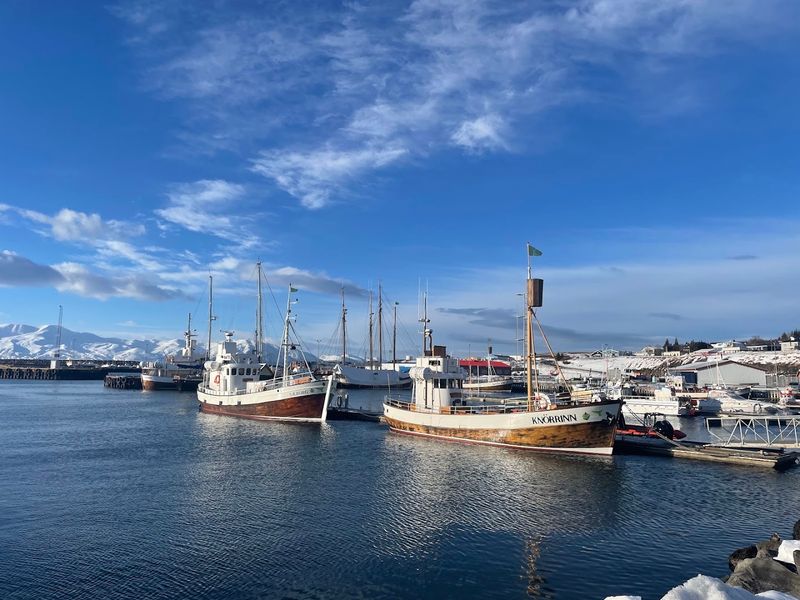
Iceland’s self-declared whale watching capital earns that title honestly. Húsavík has been sending boats into Skjalfandi Bay since 1995, making it one of the longest-running whale watching operations in all of Europe, and the marine life in the bay consistently delivers.
Humpback whales are the bay’s most reliable residents, but orcas make periodic appearances that send passengers rushing to one side of the boat with cameras raised. Minke whales and white-beaked dolphins also show up regularly, so the experience rarely disappoints even when specific species stay out of sight.
The harbor itself is genuinely charming, with a cluster of colorful wooden buildings, a whale museum worth visiting before your tour, and a backdrop of snow-capped mountains that appears almost theatrical. Traditional oak boat tours add a historic character to the experience that modern rigid inflatable vessels cannot match. Tours run from April through October, with June and July offering the longest daylight hours and calmest seas.
Share this story