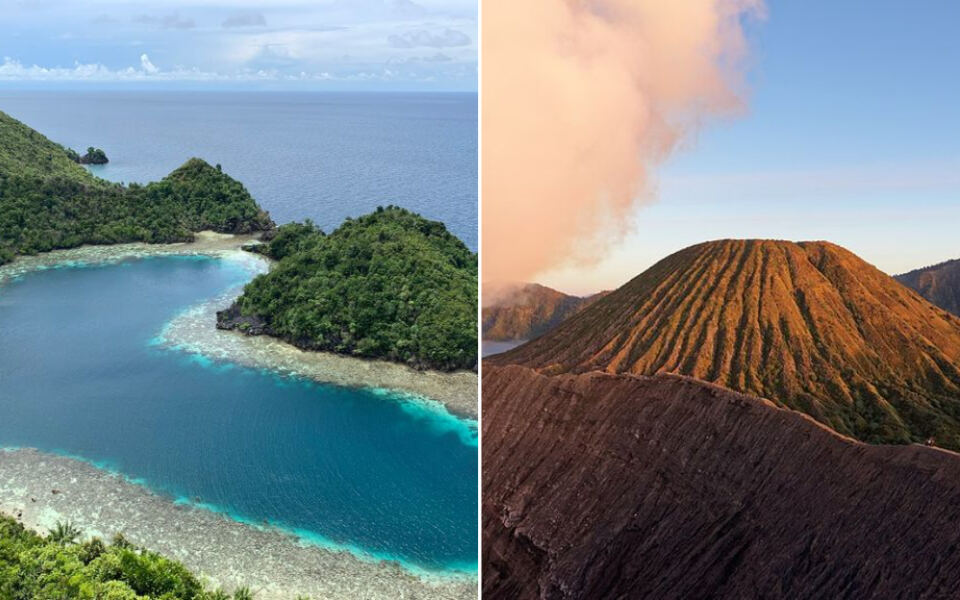
Most people who visit Indonesia land in Bali and never look much further. That is understandable, but the country stretches across more than 17,000 islands, and some of the most rewarding adventures are waiting on the ones that get far less attention.
From active volcanoes and ancient rainforests to pink-sand beaches and world-class diving, Indonesia’s lesser-known islands cover an enormous range of experiences. Whether you are a serious trekker, a snorkeling enthusiast, or someone who just wants to explore a place that feels genuinely off the beaten path, this list gives you 14 solid reasons to book a flight that does not stop in Bali.
Lombok
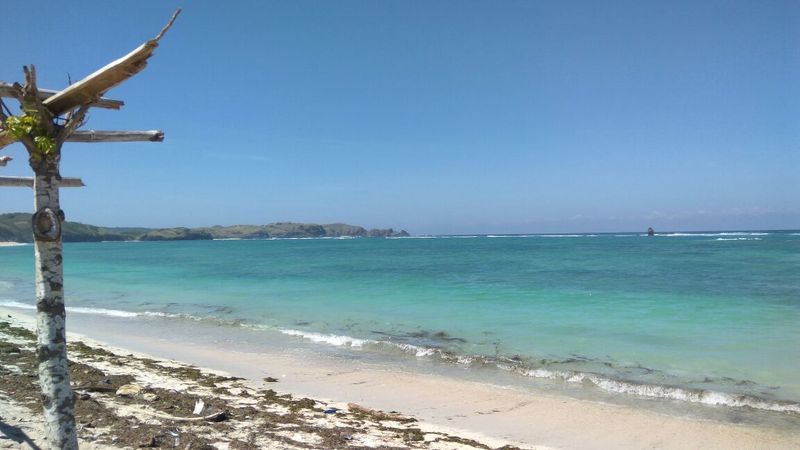
Just a short flight or ferry ride from Bali, Lombok carries a completely different energy. The landscape is wilder, the crowds are thinner, and the island’s centerpiece, Mount Rinjani, is one of the most dramatic volcano treks in all of Southeast Asia.
Standing at 3,726 meters, Rinjani sits inside a national park with established trekking routes beginning near Sembalun and Senaru.
Guided multi-day hikes lead toward the crater rim and the stunning Segara Anak Lake below. Porters and local guides are available in both gateway villages, making the trek accessible to fit travelers without specialized gear.
Those not ready for a serious climb can explore waterfalls and rural villages along the mountain’s lower slopes instead.
Away from Rinjani, Lombok’s southern coast draws surfers, and its offshore waters support strong diving and snorkeling. Cycling through the island’s countryside adds another layer to a trip that rewards anyone willing to spend more than a weekend here.
Komodo
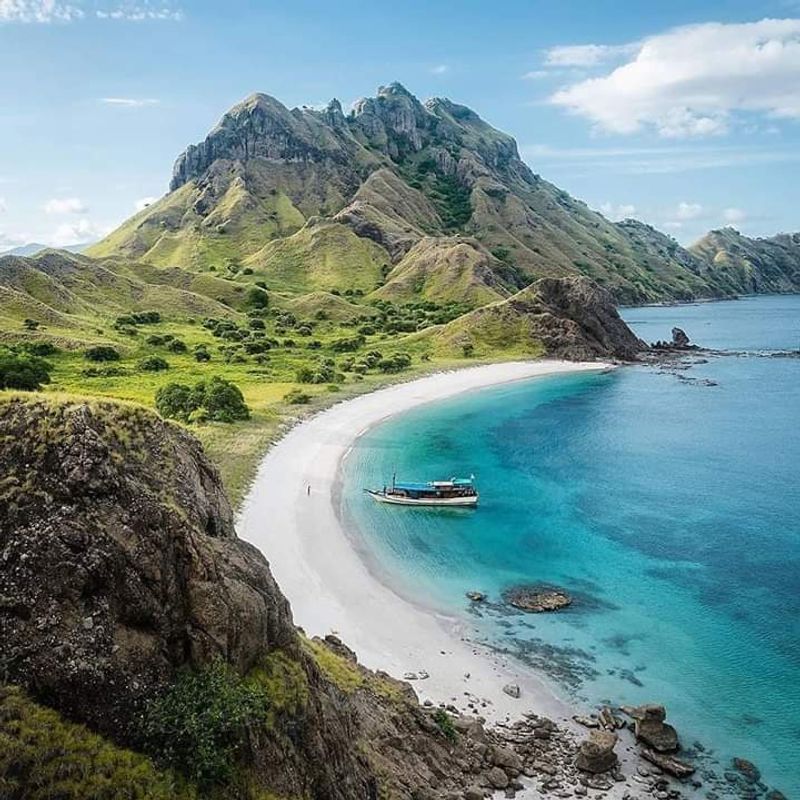
There are not many places in the world where you can walk through a national park alongside the largest living lizard on Earth. Komodo Island, part of UNESCO-listed Komodo National Park, offers exactly that.
Ranger-led walks take visitors through dry, rugged terrain where Komodo dragons roam freely, and the combination of wildlife and landscape is unlike anything else in Indonesia.
The marine side of Komodo is equally impressive. Pink Beach gets its color from reddish coral fragments mixed into the white sand, and the surrounding water supports excellent snorkeling and diving among coral gardens and tropical fish.
Most organized trips to the island depart from Labuan Bajo on nearby Flores, combining Komodo with other marine sites in the national park.
Because Komodo dragons are genuinely dangerous wild animals, exploring with a licensed ranger is not optional. Stick to designated paths and follow park rules, and the experience becomes one of the most memorable wildlife encounters available in Southeast Asia.
Flores
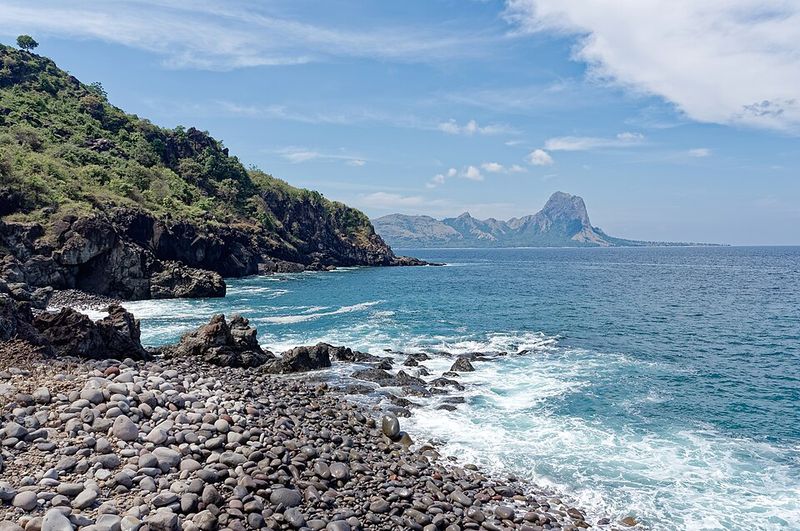
Flores is the kind of island that keeps surprising you the longer you stay. The headline attraction is Kelimutu, a volcanic mountain famous for three crater lakes that each hold a different color, ranging from turquoise to deep green to near-black, depending on mineral activity.
The sight from the rim at sunrise is genuinely striking.
Beyond Kelimutu, the island offers kayaking, cave exploration, waterfalls, mountain climbing, and cultural villages spread across a rugged interior. Labuan Bajo, on the island’s western tip, serves as the primary gateway to Komodo National Park, making Flores and Komodo a natural combination for one extended trip.
Traveling overland across Flores reveals highlands and communities that feel worlds apart from any resort scene. Flights connect the island to other Indonesian hubs, while local transport and rented vehicles allow travelers to turn the island into a multi-day road journey.
For adventurous travelers who dislike one-note destinations, Flores consistently delivers variety.
Sumba
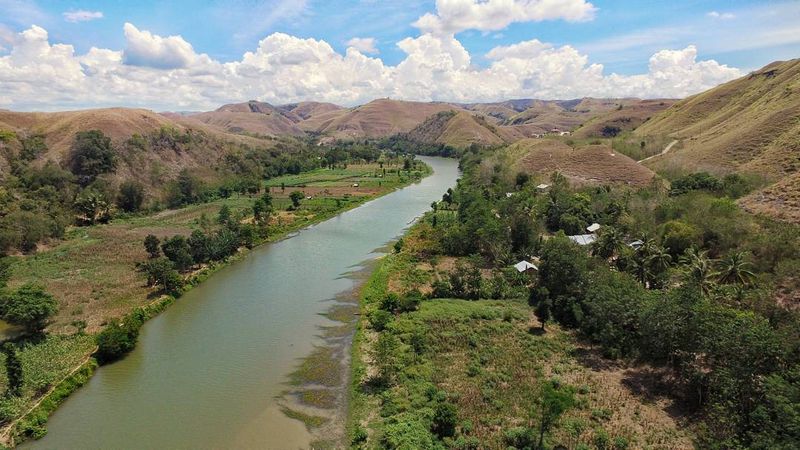
Sumba operates on its own terms. The island trades Bali’s terraced rice paddies for open savannahs, limestone hills, and a dramatic Indian Ocean coastline that feels genuinely remote.
Traditional thatched clan houses and megalithic tombs dot the landscape, and the local Marapu belief system continues to shape ceremonies and community life in ways that are rarely encountered elsewhere in Indonesia.
Weekuri Lake in Southwest Sumba is one of the island’s most striking natural features, a clear saltwater lagoon fed by seawater filtering through surrounding rock. It is calm, accessible, and completely unlike a typical beach stop.
Waterfalls and surf breaks add further options for active travelers, with the May to October period generally associated with stronger ocean swells along the southern coastline.
Distances between attractions on Sumba are significant, so the island rewards travelers who commit to several days rather than passing through quickly. A longer stay allows for a much deeper look at a place that Indonesia’s mainstream tourism circuit has largely overlooked.
Sumbawa
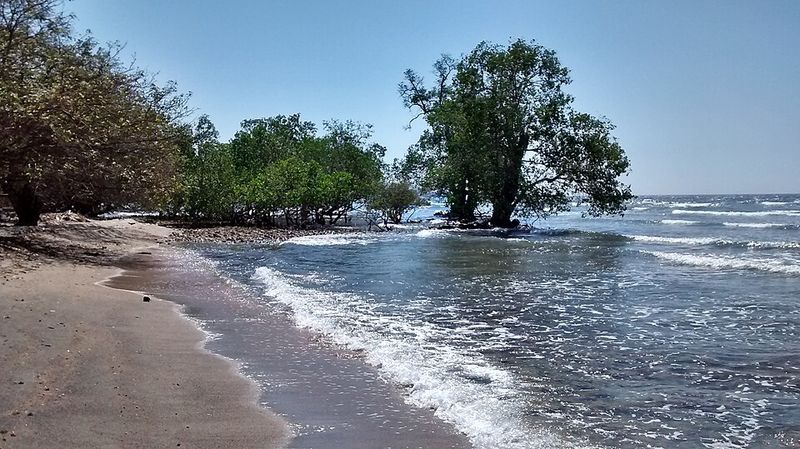
Sumbawa appeals to travelers who want raw adventure without any resort polish. The island’s biggest draw on land is Mount Tambora, the volcano responsible for the catastrophic 1815 eruption that affected global climate for years.
Today, Tambora sits within a national park with four recognized trekking approaches, including routes through Pancasila, Doro Ncanga, Oi Marai, and Piong. Local guides are strongly recommended for the climb.
On the coast, Lakey Beach has built a solid international reputation among surfers for its powerful and consistent waves. Snorkeling areas nearby provide a calmer alternative for travelers who prefer to stay above the reef rather than catching barrels.
Getting to Sumbawa is straightforward enough. Ferries run between Lombok and Poto Tano in the island’s western section, making an overland continuation from Lombok entirely practical.
The trip is noticeably less developed than Bali or Lombok, and for many travelers, that is precisely the point. Sumbawa rewards effort with space, scenery, and a sense of genuine discovery.
Alor
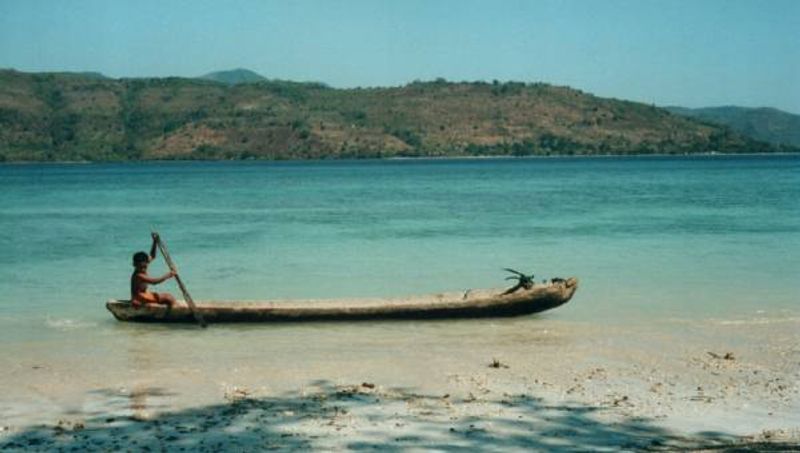
Alor sits well east of Bali, deep into East Nusa Tenggara, and the extra travel time is worth it for serious underwater explorers. The waters around Alor, particularly in the Pantar Strait, are recognized among Indonesia’s top diving destinations.
Official tourism listings note dozens of distinct dive sites in the region, each with its own character and marine life profile.
Current Alley is known for strong currents and encounters with larger pelagic animals. Cathedral features notable temperature changes at depth that create unusual conditions for divers.
Wolang Cave adds an underwater cave environment for those with the appropriate certifications and experience. Several of these sites are better suited to experienced divers rather than beginners, so honest self-assessment matters before planning a dive schedule.
Above water, Alor’s mountainous terrain and traditional communities give the island a second dimension beyond its dive sites. It remains far less visited than Komodo or Bali, which means the experience feels more like a genuine expedition than a tourist circuit.
Java
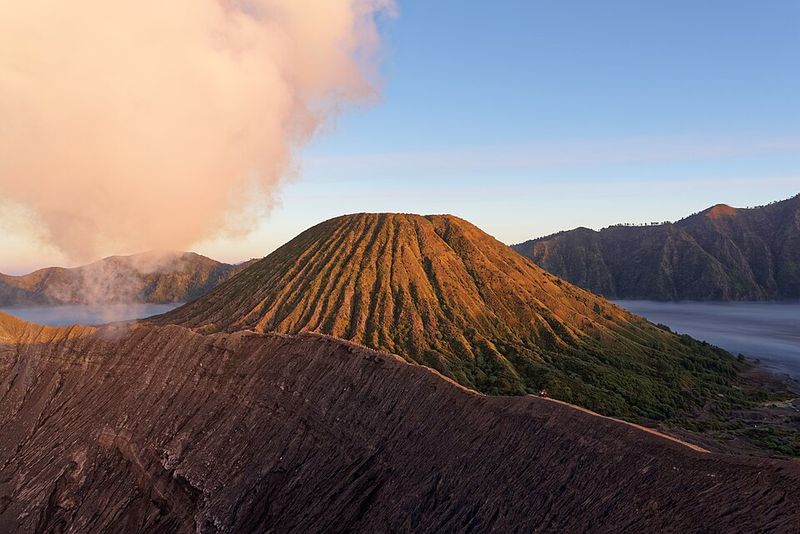
Java tends to get written off as a transit island, but that is a significant underestimation. The country’s most populous island holds some of its most spectacular natural adventures, particularly in the east.
Kawah Ijen in East Java draws hikers to a striking acidic crater lake, accessed via a trail from the Paltuding area. The final section to the rim is steep but manageable for reasonably fit walkers.
Ijen remains an active volcanic environment, so following current access guidelines and local safety rules is essential. Nearby, Mount Bromo offers another iconic volcanic landscape that has become a well-established part of East Java’s adventure circuit.
Both can be combined in a single trip with proper planning.
Java also contains national parks, highland tea country, waterfalls, and a long-distance rail network connecting Surabaya, Yogyakarta, and Jakarta. Rather than rushing through the island on the way to somewhere else, travelers who slow down and move overland find that Java holds far more than its reputation suggests.
Sumatra
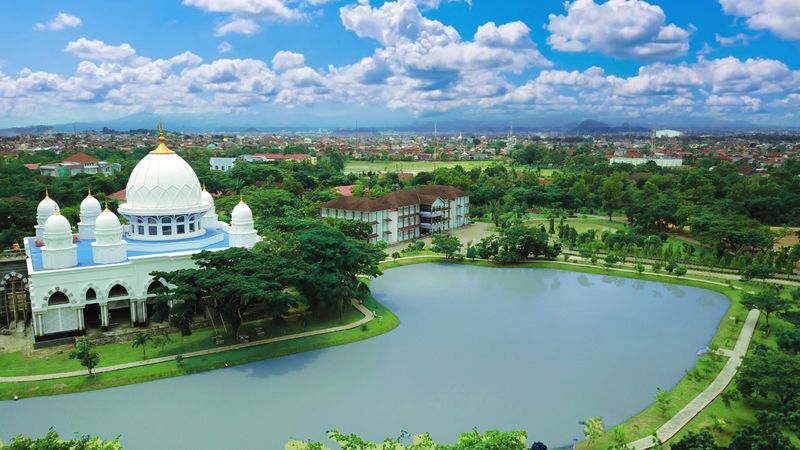
Sumatra is enormous, and the scale of its wilderness is something Bali simply cannot match. Near Bukit Lawang in North Sumatra, trekking routes lead into the forests surrounding Gunung Leuser National Park, one of the last places on Earth where the critically endangered Sumatran orangutan can be seen in its natural habitat.
Guided rainforest treks are available through local operators, and the nearby Bahorok River supports swimming and rafting.
Farther south, Mount Kerinci is Indonesia’s highest volcano and Sumatra’s highest peak overall. Official tourism information outlines common two to three-day itineraries for the climb, typically starting around the village of Kersik Tuo.
The trek is demanding but achievable for experienced hikers with appropriate preparation.
These adventures are separated by long distances, which gives a sense of just how vast Sumatra actually is. Choosing one region and exploring it thoroughly tends to produce a much more satisfying trip than trying to rush across the entire island in a single itinerary.
Weh Island
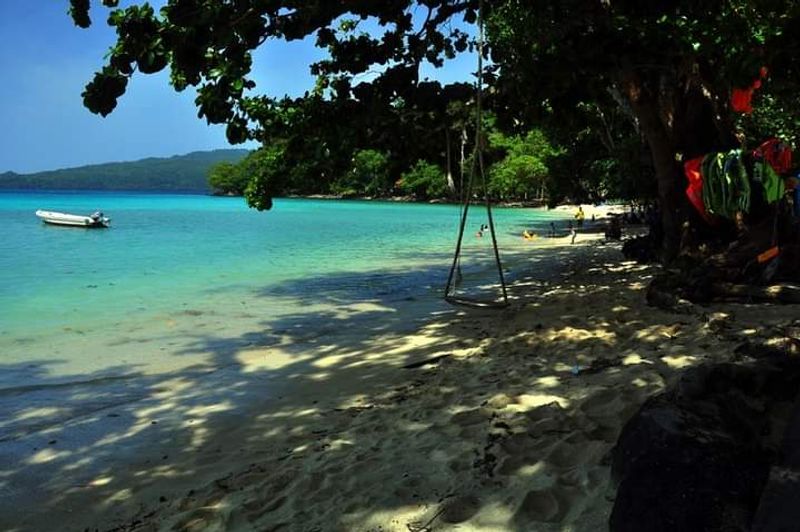
Weh Island sits at Indonesia’s far western edge, off the coast of Aceh, and it delivers a diving and snorkeling experience that is genuinely underrated. The main town of Sabang is reached by ferry from Banda Aceh, and the crossing is manageable.
Dive operators and instructors are established on the island, serving a range of sites in the surrounding waters.
The waters around nearby Rubiah Island are particularly popular for snorkeling, with accessible reef sections suitable for travelers who are not certified divers. Weh itself combines beaches with inland rainforest scenery and waterfalls, and rented motorcycles or cars make getting around the island practical and flexible.
Weh’s location in Aceh gives the trip a cultural dimension very different from southern Indonesia. Visitors should dress modestly and behave respectfully in accordance with the province’s conservative social norms.
For travelers moving through Sumatra or looking for an unusual and crowd-free diving destination, Weh Island provides a memorable western endpoint to an Indonesian adventure.
Belitung
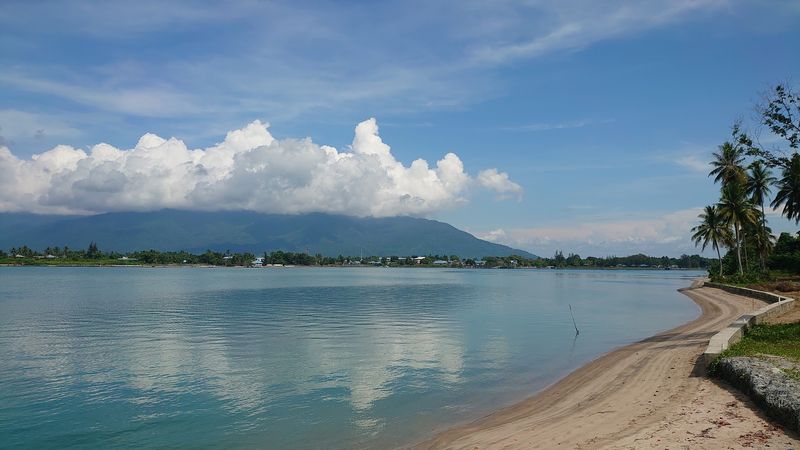
Belitung’s coastline looks like something an architect designed. Massive rounded granite boulders rise directly from clear, shallow water along beaches of fine white sand, creating a landscape that stands completely apart from anywhere else in Indonesia.
Tanjung Kelayang and Tanjung Tinggi are the most photographed coastal areas, but the island’s geography extends well beyond those two spots.
More than 100 small islands sit offshore, and island hopping by boat is one of Belitung’s most popular activities. Lengkuas Island, reached by boat from the main island, is known for its historic lighthouse and surrounding coastal scenery.
Snorkeling and diving are available around the nearby waters for travelers who want to see what is below the surface.
Getting around Belitung requires some planning because public transportation options are limited. Renting a vehicle is generally the most practical approach.
The island suits travelers who prefer kayaking, swimming, and boat exploration over demanding mountain treks, and it works well as a relaxed but active Indonesian stop.
Bintan
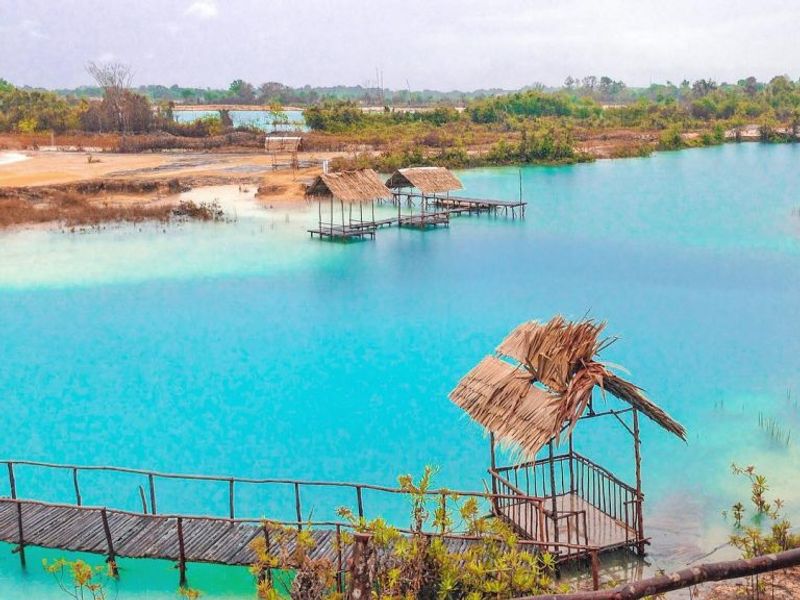
Bintan often gets reduced to a resort destination because of its easy ferry connection from Singapore, but there is considerably more to explore once you move past the hotel zones in the north. The island has granite-lined beaches, mangrove waterways, and coastal areas that can be explored by boat at a pace that has nothing to do with poolside lounging.
Trikora Beach on the island’s eastern side provides a quieter and more local alternative to the northern resort developments. Mangrove excursions offer a completely different landscape from the beaches, with narrow waterways and dense coastal forest providing a genuinely different type of adventure.
Fishing communities and forested areas add further character to the island’s interior.
Ferries connect Bintan with both Singapore and Batam, and the island also has domestic air connections through Tanjung Pinang. That combination of access options makes Bintan a practical first stop for travelers new to Indonesian island travel, offering nature and cultural interest without requiring long inter-island journeys right from the start.
Bunaken
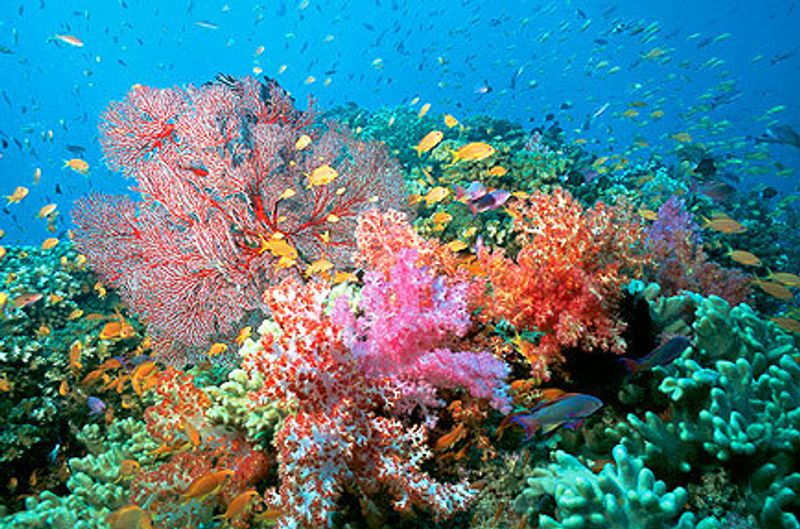
Bunaken Island has been on serious divers’ radar for decades, and the reef walls here explain exactly why. Located within Bunaken National Park off the coast of North Sulawesi, the island sits inside a protected marine area covering several islands and some of the most extensive coral ecosystems in the region.
Steep vertical walls, sea fans, sponges, and consistent turtle sightings define many of the dive sites.
Snorkelers can access shallower reef sections without needing certification, which broadens the island’s appeal beyond the certified dive community. Boats run regularly between Bunaken and Manado on the Sulawesi mainland, with charter services widely used by dive centers and accommodation providers based on the island.
Between dives, the island itself can be explored on foot. Bunaken is not the right destination for travelers focused on nightlife or conventional sightseeing, but for anyone organizing a trip around sea conditions and underwater exploration, it remains one of Indonesia’s most consistently rewarding marine destinations.
Waigeo
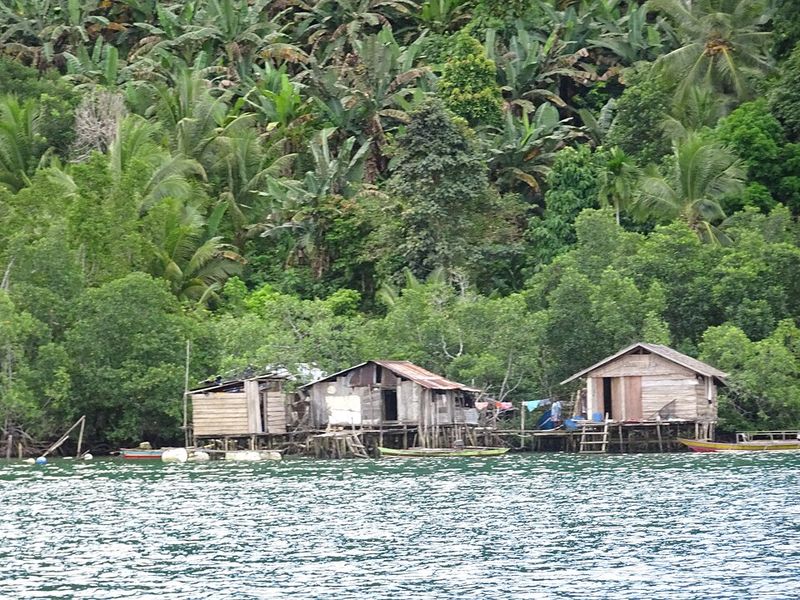
Waigeo is the largest of Raja Ampat’s four main islands, and it functions as the practical hub for one of the world’s most celebrated marine regions. Waisai, the regency capital, is located here and serves as the main transport connection for the entire Raja Ampat archipelago.
Boats run regularly between Sorong and Waisai, making Waigeo the natural starting point for any Raja Ampat trip.
The diving and snorkeling around Waigeo access the same extraordinary marine biodiversity that has made Raja Ampat internationally famous among underwater photographers and marine biologists. Limestone karst scenery defines the coastline, while the island’s interior forests provide habitat for birds-of-paradise and other wildlife that serious birdwatchers travel significant distances to observe.
Accommodation ranges from local homestays to more developed options, giving independent travelers real flexibility. Once established on Waigeo, boat excursions into the surrounding archipelago are easily arranged.
It combines Raja Ampat’s wilderness credentials with transport connections that make the region more manageable than its remote reputation might suggest.
Misool
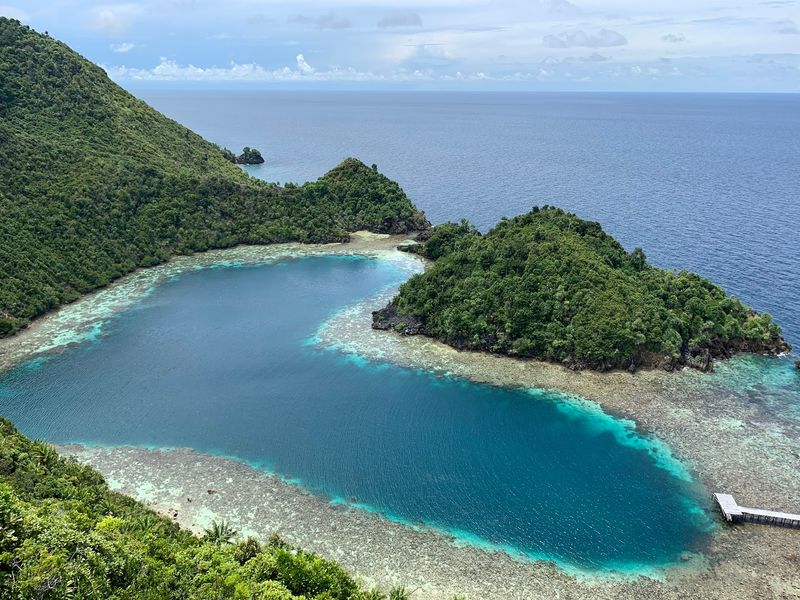
Misool sits in the southern section of Raja Ampat and earns its reputation as one of Indonesia’s most remote and rewarding destinations. Thick jungle covers the main island, while dramatic limestone formations rise directly from clear turquoise water all along the coastline.
The surrounding reefs support the kind of marine biodiversity that puts Raja Ampat on global diving itineraries.
Beyond the underwater world, Misool has genuinely interesting land-based attractions. Ancient rock art and caves add an archaeological dimension to a destination that could easily be mistaken for purely a diving stop.
Karawapop Lake is another distinctive feature, typically visited as part of guided excursions through the surrounding karst landscape.
Getting to Misool requires traveling through Sorong and continuing by boat, with transfers usually coordinated by accommodation providers or local operators. The added journey filters out casual visitors, which keeps the area quieter and more intact than more accessible parts of Raja Ampat.
For travelers looking to finish an Indonesian adventure somewhere genuinely far from the familiar, Misool is a strong final destination.
Share this story