Hagia Sophia has stood in Istanbul for almost 1,500 years, and it still stops people in their tracks. Its giant dome has watched over emperors, sultans, worshippers and millions of visitors.
It has been a church, a mosque, a museum, and a mosque again. Here are ten things that make this place so unforgettable.
A Dome That Defied Doubt
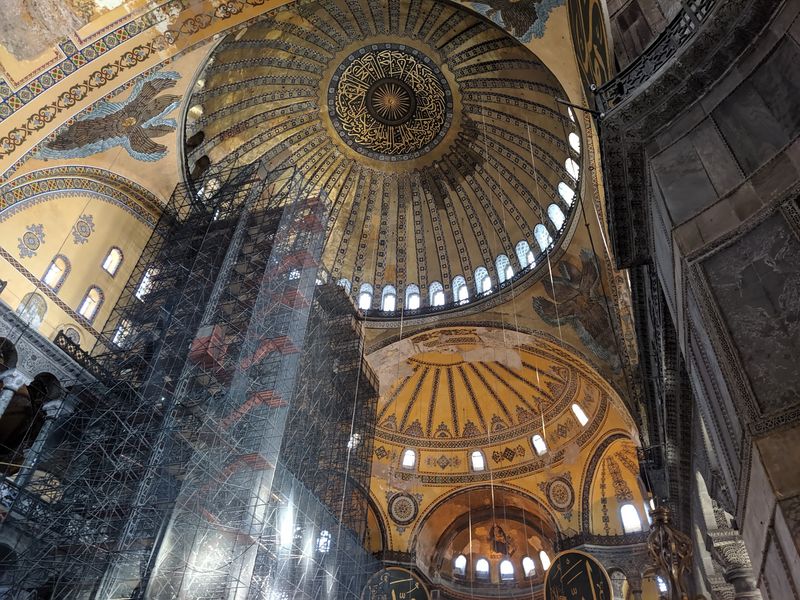
Picture a roof that seems to float. That is the first thing you notice when you look up inside Hagia Sophia.
The central dome rises about 55 meters above the floor, and a ring of windows at its base lets light pour in.
Builders finished the structure in 537, under Emperor Justinian. The architects were Anthemius of Tralles and Isidore of Miletus, two thinkers who were more at home with math than with bricks.
They tried a bold design that few had attempted at this scale.
The dome did not have an easy life. Earthquakes cracked it, and the first one collapsed in 558.
It was rebuilt a little higher and has stayed up ever since, with many repairs along the way.
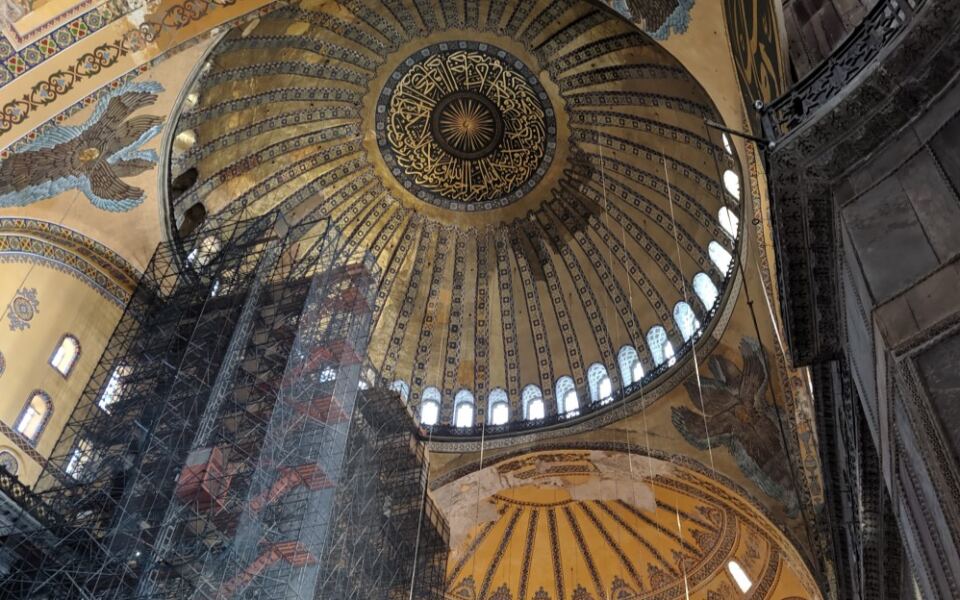
Today, restoration work means scaffolding sometimes hides part of the view. Some visitors find that annoying.
Still, even a partly covered dome feels huge, and a quiet moment staring upward is worth the trip. Stand near the center if you can, tilt your head back, and let your neck do the work for a minute.
Bring patience and curiosity, and the dome will reward both.
Built in Under Six Years
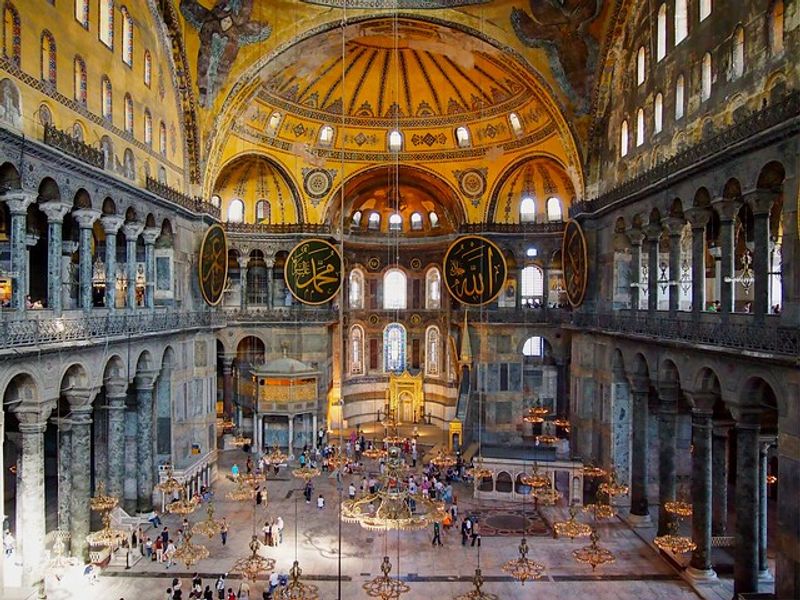
Six years. That is roughly how long it took to raise one of the biggest buildings of its age.
Work began in 532 and the doors opened in 537, which is astonishing speed for a structure this size.
The reason was a hurry and a grudge. Earlier, a riot called the Nika revolt burned the previous church to the ground.
Justinian wanted something grander, and he wanted it fast.
Thousands of workers hauled in stone, brick and marble from across the empire. Columns came from older temples in far-off places.
Legend says Justinian declared he had outdone Solomon when he first walked inside.
You can still spot that mix of materials today. Look at the columns and notice how the colors and patterns differ from one to the next.
Each tells a story about where it came from.
Treat the walls like a giant scrapbook of the old world. A slow walk around the edges shows more than a quick sweep of the middle ever could.
From Church to Mosque
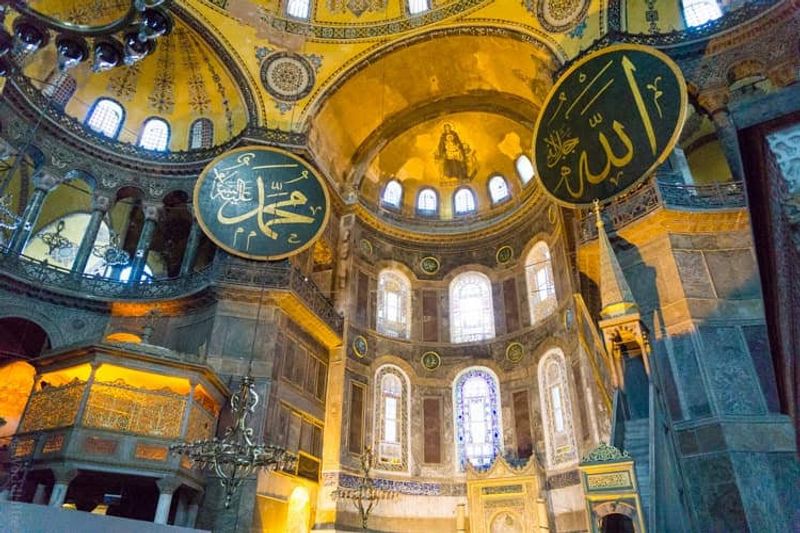
Few buildings have changed hats as often as this one. For nearly 900 years it served as a Christian cathedral.
In 1453, after Sultan Mehmed II took Constantinople, it became a mosque.
The change did not erase the building, it added to it. Minarets rose outside, and a mihrab pointing toward Mecca was set inside.
Big round signs with Arabic calligraphy joined the architecture later.
In 1935 it opened as a museum, and in 2020 it became a mosque again. Each era left marks that you can still read in the walls and decorations.
One reviewer said stepping inside felt like moving through the layers of centuries. That is a fair summary of the place.
Faiths and empires have all left fingerprints here.
Treat it with the respect any active house of worship deserves. Dress modestly, speak softly, and follow staff directions.
Doing so makes your visit smoother and keeps the atmosphere calm for everyone around you.
Golden Mosaics Upstairs
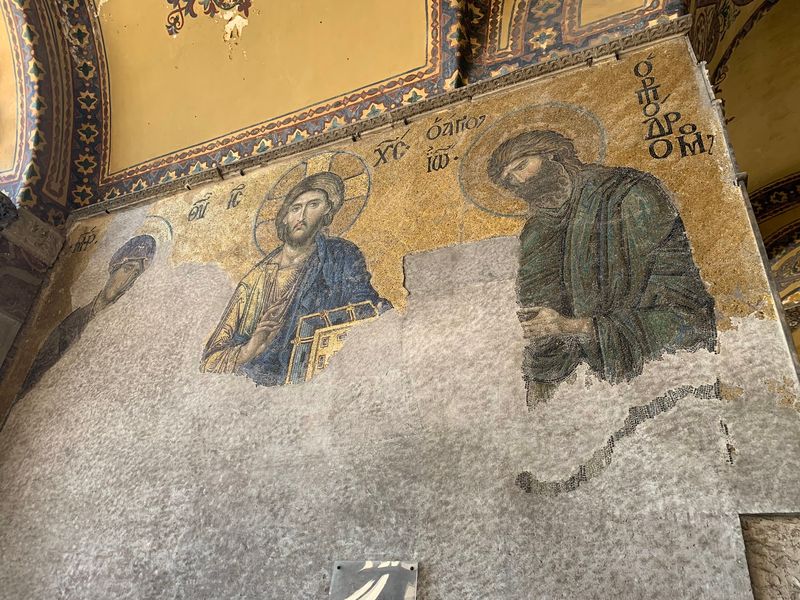
Gold flashes before your eyes when you reach the upper gallery. Tiny glass and stone tiles, called tesserae, form faces that have looked out for roughly a thousand years.
Some of the Christian mosaics here are among the finest ever made.
Look for the Deesis mosaic, where Christ is shown with Mary and John the Baptist. The softness in the faces is remarkable for something built from small cubes.
Another favorite shows Emperor Constantine IX and Empress Zoe.
Many visitors are now guided to the upper floor, because the ground level is mainly set aside for worshippers. One reviewer loved that the Christian imagery was still preserved inside a working mosque.
That blend is part of what makes this site so rare.
Bring a little patience for the climb. The path up is a gentle stone ramp rather than stairs, which is a bit kinder on tired legs.
Take your time up there. The details get better the longer you look.
Giant Calligraphy Discs
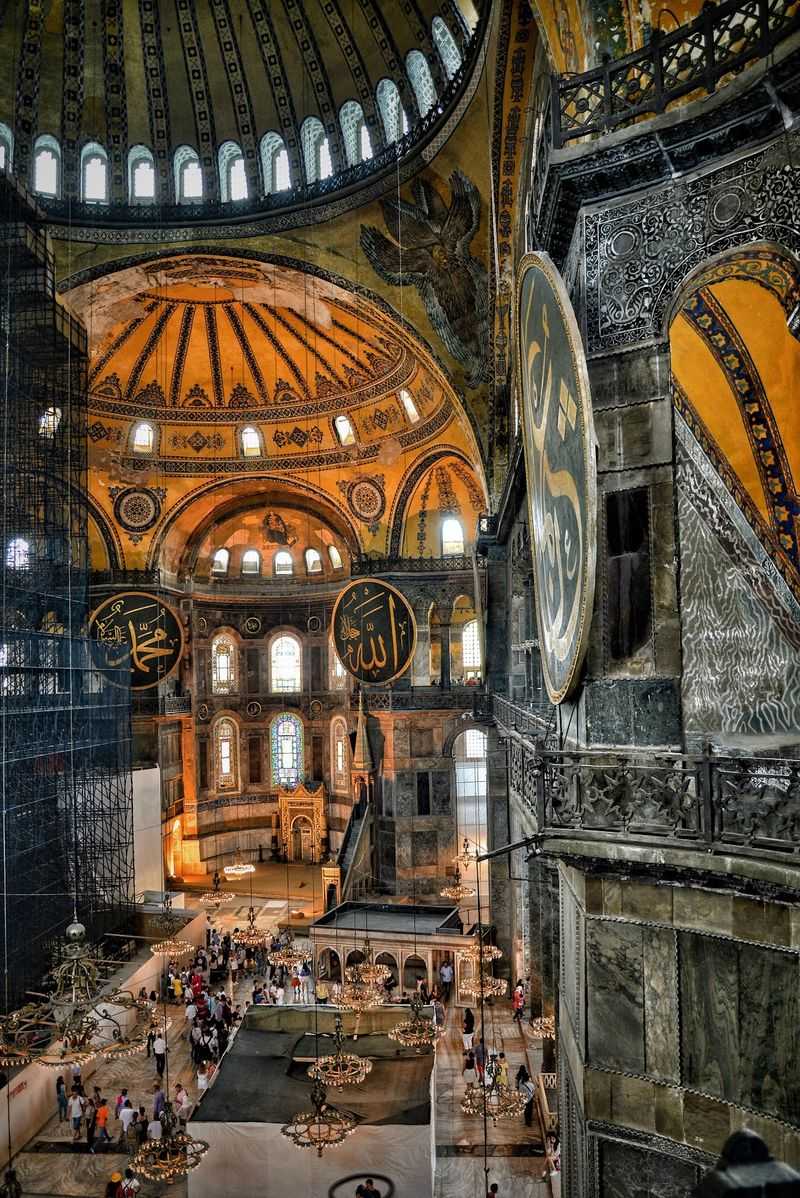
Look up and to the sides. Enormous round panels hang high on the walls, each painted with Arabic script in gold.
They are some of the biggest calligraphy discs in the Islamic world.
They carry the names of God, the Prophet Muhammad, and the early caliphs. The calligrapher Kazasker Mustafa Izzet Efendi created them in the 1800s.
Each one is about 7.5 meters wide, which is taller than a double-decker bus is long.
Sultan Abdulmecid commissioned the work during a big restoration led by the Swiss Fossati brothers. That project also stabilized parts of the structure.
Much of what you see today owes something to those years.
The discs sit comfortably next to the older Christian mosaics. It is a surprising pairing, and it shows how the building adapted over time.
Try spotting all of them from different spots on the floor or gallery. The angle changes how they feel, and a few steps sideways can turn a plain view into a striking one.
The Slanted Walls
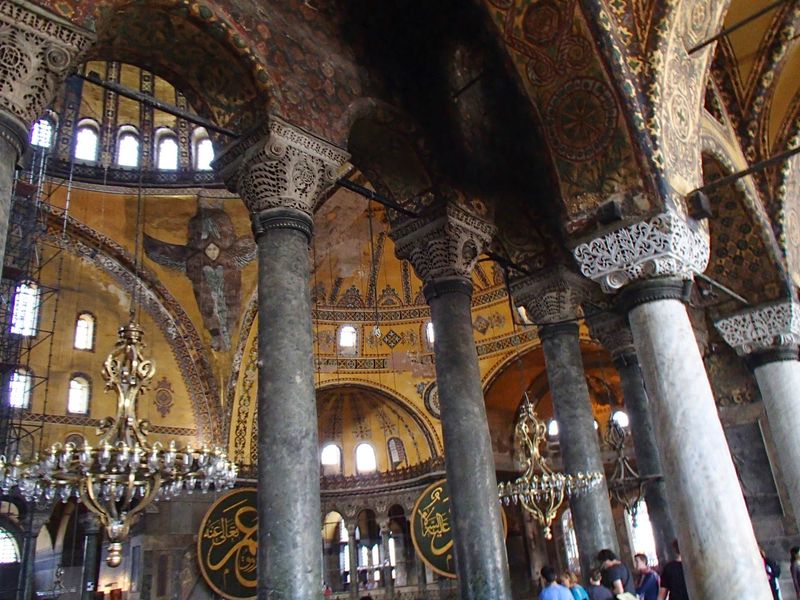
Nothing in here is quite straight. Floors dip, walls lean, and arches bend in ways that surprise careful eyes.
One visitor said that once you notice the skewness, you understand why the building needs support.
Earthquakes are the main culprit. Istanbul sits near an active fault, and Hagia Sophia has been shaken for centuries.
The big buttresses added over time are there to hold it together.
Right now, steel scaffolding is part of that care. Some travelers do not enjoy seeing it in the middle of the space.
Others see it as proof that people are working to keep the old giant standing.
Here is a fun game. Pick a column and follow it with your eyes from bottom to top.
Compare it with the one beside it, and you will start to see the quirks.
Walls that lean a bit after fifteen centuries seem fair. If you were this old, you might lean a little too.
Friday Prayer Moments
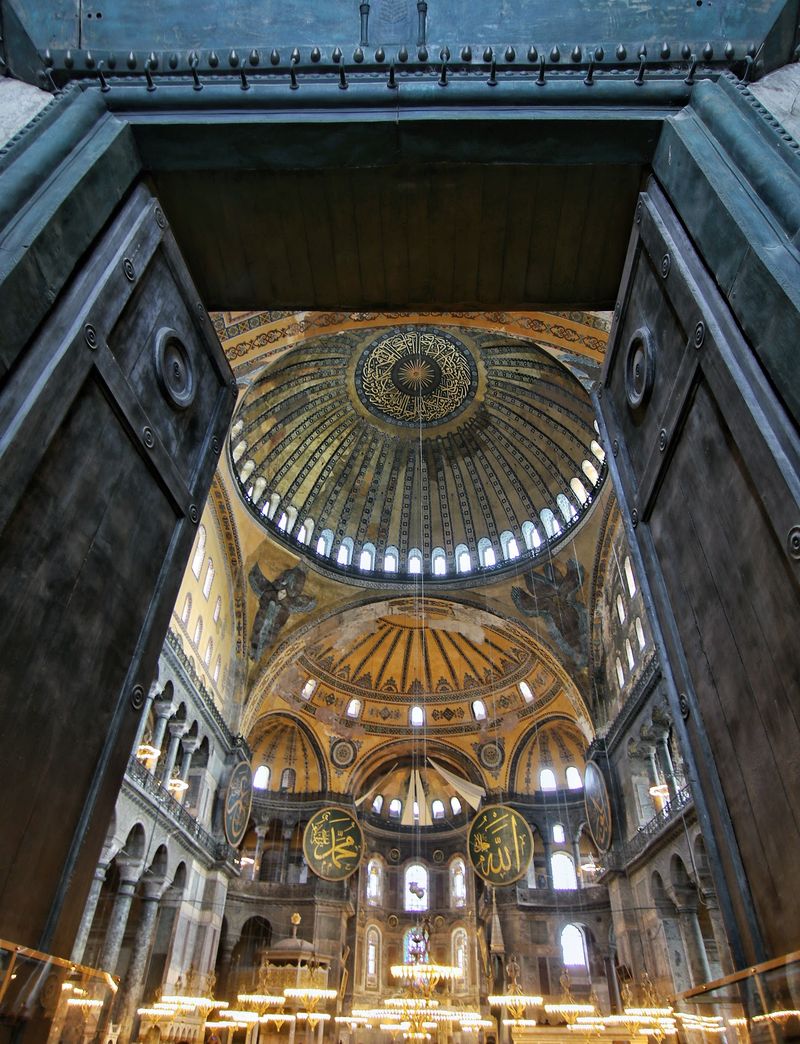
When the call to prayer echoes under the dome, the whole room seems to breathe. One visitor described hearing the adhan ring through the hall as like stepping back in time.
Another called Friday prayers a highlight of the whole trip.
Hagia Sophia works as a mosque now, so worship comes first. During prayer times, the main floor is reserved for Muslims, and visitors may be asked to wait or move along.
A reviewer shared that Friday brought a free entrance for worshippers, though a queue still formed.
If you are Muslim, joining the prayer can be deeply moving. Arrive early, because lines grow fast.
Dress modestly, remove your shoes, and follow the staff.
If you are not praying, simply be a respectful guest. Keep your voice low and stay out of marked areas.
A few reviewers noticed people ignoring signs, which makes things harder for everyone.
Check the prayer times before you go. Planning around them can save you a lot of waiting and frustration.
Tickets and Queues
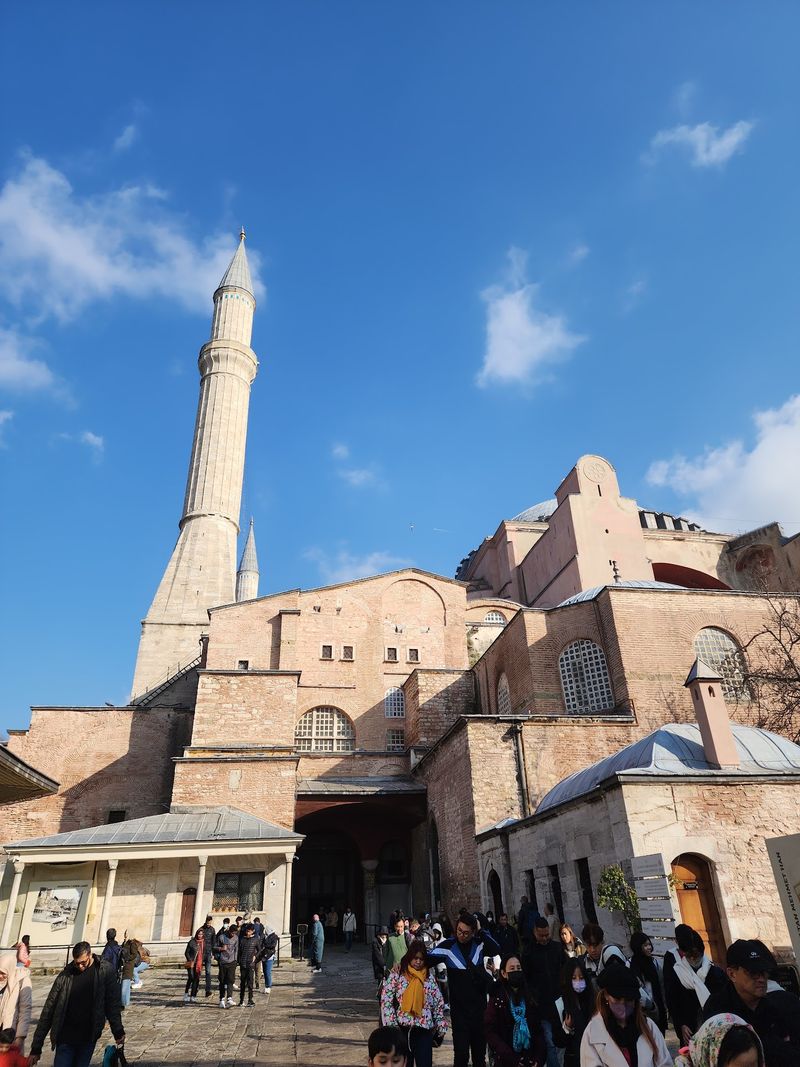
Money talk first. Visitors report ticket prices around 25 to 50 euros per person, and costs have risen lately.
One traveler warned that the price can apply per location, meaning the mosque and the museum are charged separately.
Lines can be long. Tour groups usually pour in from about 10 a.m., so early birds win.
One visitor arrived at 8:30 and walked in with almost no wait.
Another tip is to book ahead online or use an Istanbul pass, since queues around the square can be enormous. Official info is on the Hagia Sophia website, which helps you avoid mix-ups at the counter.
Be ready for security checks, too. They can take time, so keep bags light and leave unnecessary items at the hotel.
Opinions differ about value. Some reviewers felt the price was steep with restoration limiting views.
Others called it worth every coin. Decide what matters most to you, then plan around it.
Audio Guides and the Museum
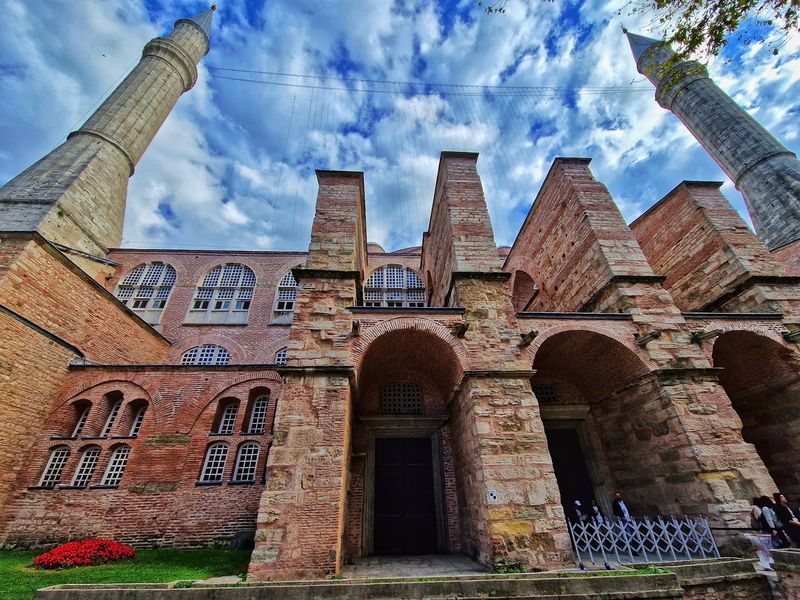
Your phone might be your best guide here, or your biggest headache. The audio tour uses QR codes at 21 numbered spots, each with a short story.
One reviewer found it very helpful, while another said the app glitched and signals were weak.
Download the audio ahead of time if you can. Bring headphones, and charge your battery.
That small bit of prep avoids the stress of a frozen screen.
There is also a separate Ayasofya museum nearby. Your ticket may cover it, and reviewers had mixed views.
One enjoyed the friendly staff and helpful guided experience, while another felt the rooms of videos were nothing you could not find online.
Go in with modest expectations and you may be pleasantly surprised. The artifact collection is small, but the history context adds depth to what you just saw upstairs.
Skip it if time is tight. Spend the extra hour in the nearby square instead.
Neighbors Worth a Stop
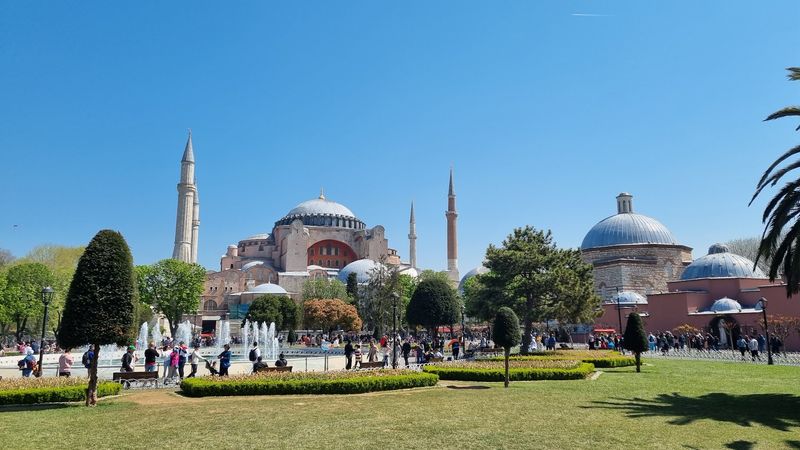
Step outside and you are in the middle of Istanbul’s greatest hits. The Blue Mosque stands just a few meters away, with a leafy park between the two.
A visitor noted how crowded the area gets, so expect lots of company.
The Basilica Cistern is another local star. One reviewer wished they had made time for it and said they would choose it first if forced to pick.
It is an underground hall of columns, and it is easy to combine with your Hagia Sophia day.
Plan your route in a sensible order. Do the big queue early, then wander at ease.
A combined pass can save time when lines are long.
Take a break in the park. Grab a drink, sit on a bench, and look back at the dome in full daylight.
From outside, the shape is a calm and dramatic sight.
With a little planning, one morning can cover the whole historic core without rushing.
Share this story