A pair of old cannons, an antique fireman’s hose reel, and a sign honoring naturalist John Muir share one shady lawn. That lineup alone made me stop and stare at the map.
It sounds less like a park and more like a treasure chest someone forgot to close.
Then comes a restored 1920s home you can wander through, filled with seashells and old artifacts. Nearby, a short trail winds through pines and oaks to a quiet estuary.
I like how the whole thing feels small, calm, and wonderfully unhurried.
Florida is full of flashy attractions with long lines and big ticket prices. This spot asks for a tiny entry fee and a little curiosity.
It rewards both generously.
So how does a sleepy island corner hold this much history? Let’s go find out.
An Island Museum With Rocking Chairs Out Front
Out on the Gulf Coast of Florida, Cedar Key Museum State Park sits away from the busy downtown strip. It’s a small state-run park with a museum, a historic home, and a nature trail.
The museum focuses on the island’s port and railway history. That story explains how a quiet fishing village once mattered to trade and travel across the state.
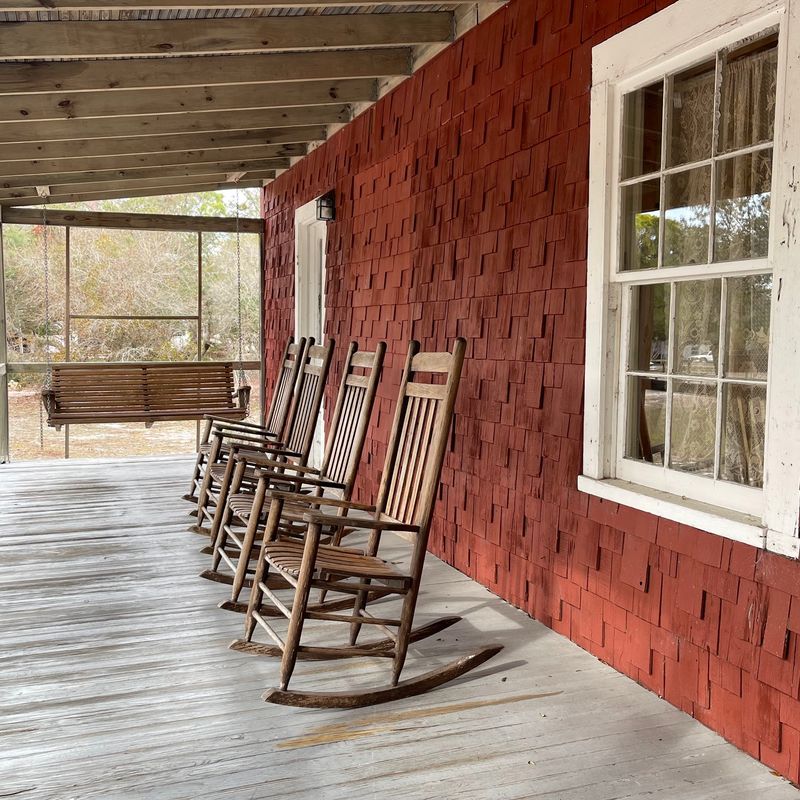
Grounds here are wide and shaded by oak and pine. Benches and front porch rocking chairs give you places to sit and just listen to the birds.
Honestly, that calm is half the appeal. Cedar Key’s tourist district can feel lively, and this park offers a peaceful break from it.
Plenty of parking and clean restrooms make it an easy stop. You won’t need a whole day, but you’ll probably want more time than you planned.
I believe the best small parks feel like a deep breath. Cedar Key Museum State Park fits that description nicely, with history, nature, and shade packed onto one tidy property.
Railroads, Pencils, and the Making of a Gulf Port
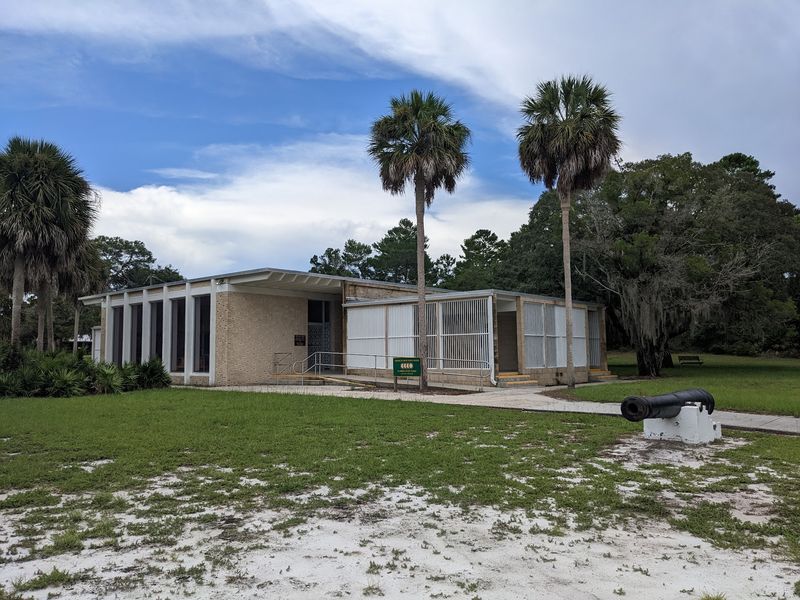
Railroads changed everything for this tiny island. The museum’s exhibits trace how Cedar Key became a port and railway hub on Florida’s Gulf Coast.
Displays cover David Levy Yulee and the railroad tied to his name. You’ll also find material on the region’s pencil history, which surprises plenty of first-timers.
Pencils? Yes, really.
The cedar trees that gave the island its name played a role in that story.
Informational plaques break the history into easy pieces. You can read a few or read them all, depending on your mood.
The exhibit space is small and quick to walk through. That makes it friendly for kids, short attention spans, and anyone saving energy for the trail.
Staff members are on hand to answer questions about the area. A quick chat can fill in gaps the displays leave open.
Hurricane damage has closed the main museum at times in recent years. Checking its status before you go is smart, since the rest of the park often stays open.
Seashells and Native American Artifacts Worth a Slow Look
Shell lovers, take note. Display cases here show off many of the seashells found around Florida.
The collection gives you a closer look at shapes and patterns you might only glimpse on a beach. Kids tend to treat it like a real-life field guide.
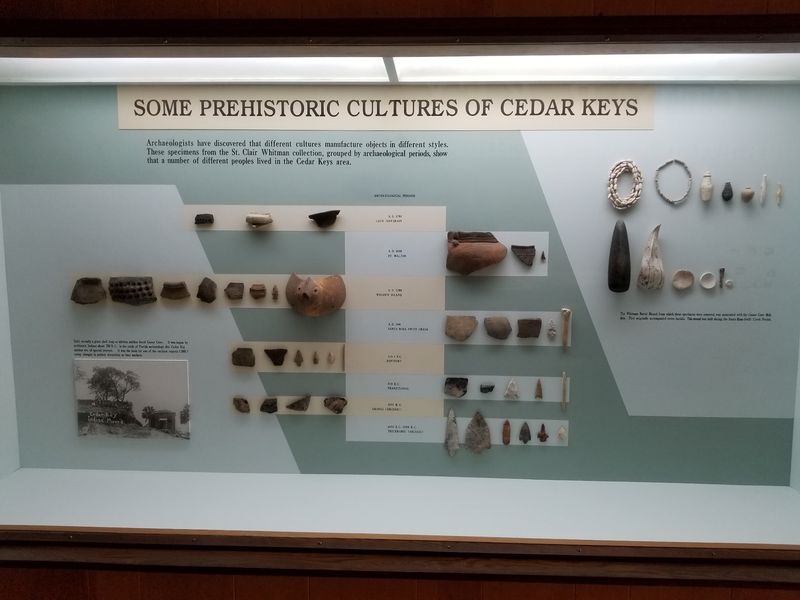
Native American artifacts add another layer. These pieces connect the island to people who lived along this coast long before railroads arrived.
Exhibits also touch on aquatic life in the area. Together, the displays paint a picture of Cedar Key as a place shaped by water.
Artifacts are one of the most talked-about parts of the park. It’s easy to see why once you lean in close.
Much of this collection connects to St. Clair Whitman, a local collector. His interest in shells and artifacts helped give the park its foundation.
Bring patience and maybe reading glasses. The fun is in the small details, and rushing past them misses the point.
Step Back a Century at the Restored Whitman House
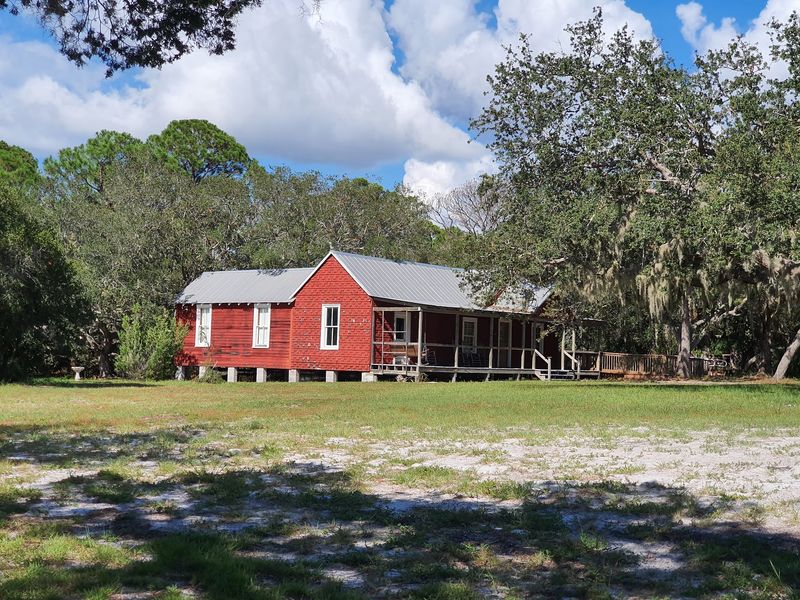
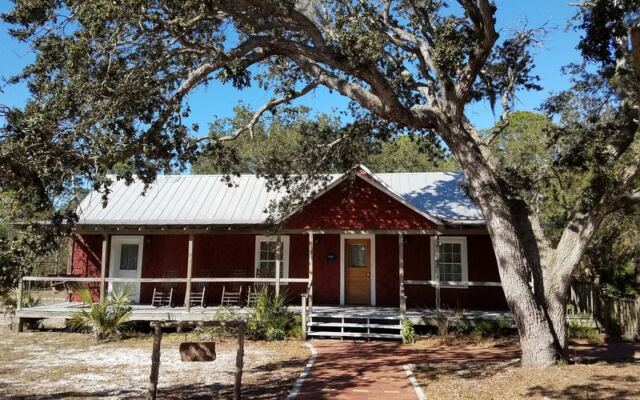
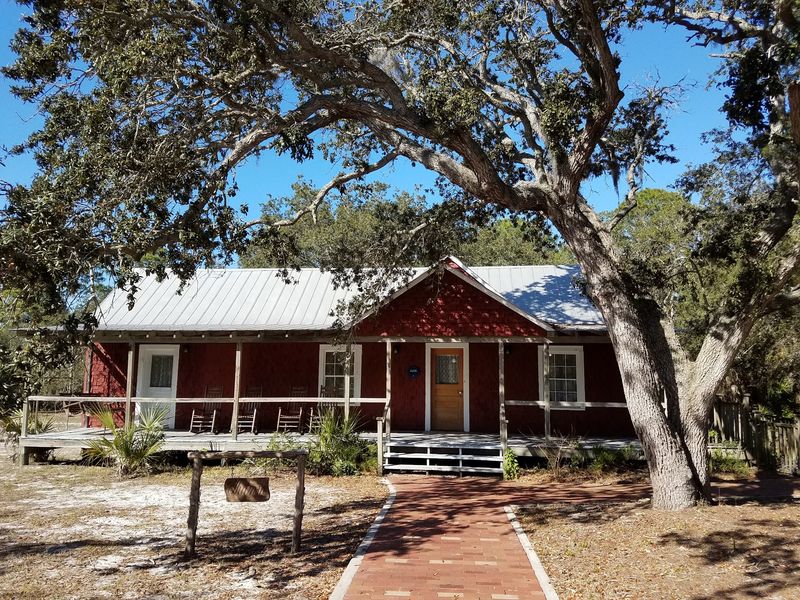
A 1920s home stands as the park’s quiet showstopper. The restored St. Clair Whitman house lets you wander through rooms frozen in another era.
Many people find the house even more interesting than the museum. It feels personal, like the owner just stepped out for a moment.
Laminated self-guided tour sheets are available inside. Grab one, because the story of the home and how Mr. Whitman came to Cedar Key is worth knowing.
You’re free to explore nearly all areas of the house. A staff member is usually nearby to answer questions.
The house has seen renovation work in recent years, including a ramp for access. Parts of the property may close briefly while repairs continue.
That front porch, with its rocking chairs, deserves a few minutes too. Good luck standing up quickly once you sit down.
For anyone who loves old homes, this stop alone justifies the visit. It’s history you can actually walk through, not just read about.
Cannons, an Antique Wagon, and a Famous Naturalist’s Sign
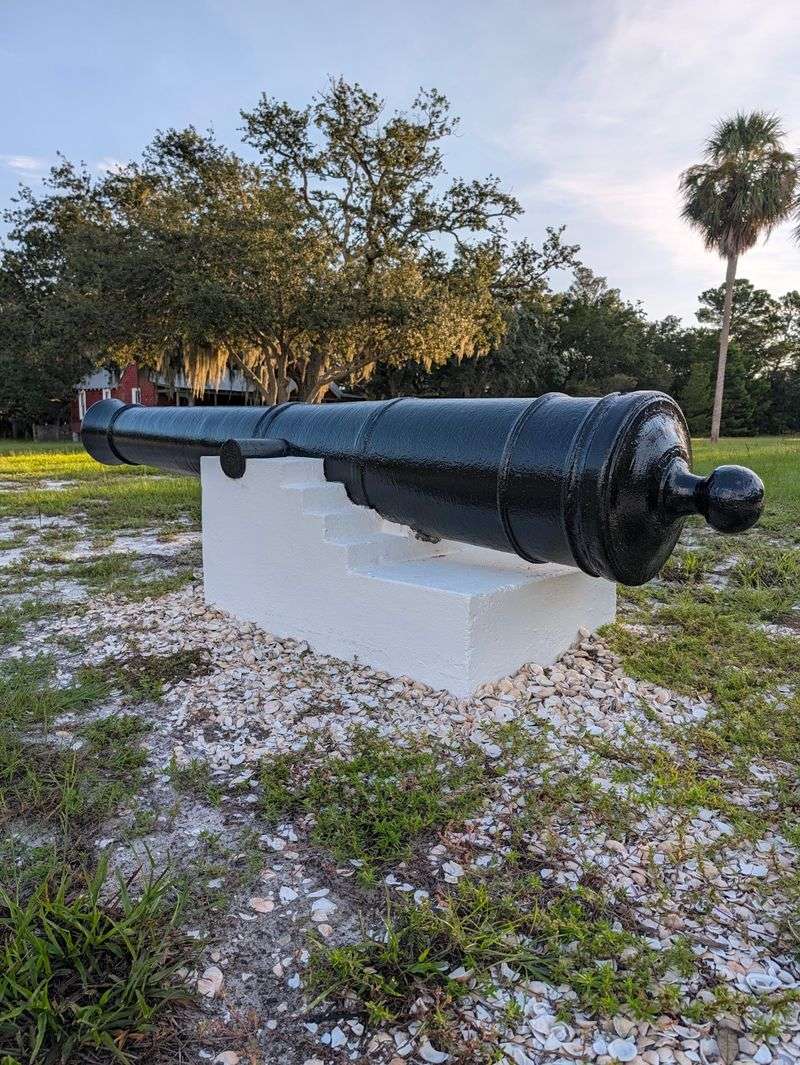
Not every exhibit lives indoors. Around the grounds, you’ll spot a couple of old cannons sitting on the lawn.
An antique wagon and an antique fireman’s hose reel join them. Each one gives the yard the feel of an open-air history lesson.
Then there’s the John Muir sign. The famous naturalist’s long walk across the country ended near Cedar Key, and the park marks that link.
It’s a fun detail to share with anyone who loves hiking. Not many trail fans realize his journey reached this little island.
A historical marker adds more context nearby. Short reads like these make it easy to learn something while stretching your legs.
Kids usually head straight for the cannons. Adults tend to linger at the signs, which works out nicely for everyone.
Bring your camera for this part. The oaks, old equipment, and soft island light make for easy, charming photos without any effort at all.
A Short Trail That Ends at the Water
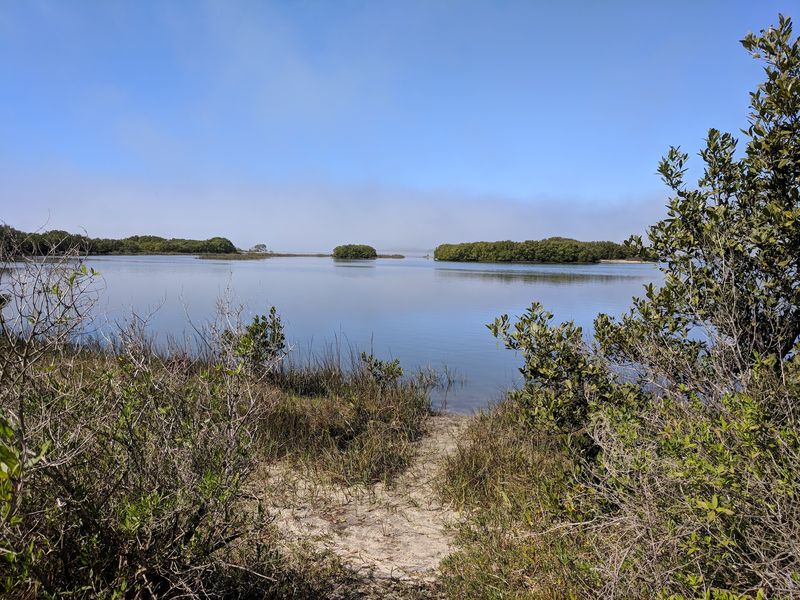
Pine needles crunch, oak limbs arch overhead, and then the view opens up. The park’s nature trail leads to lovely looks at the nearby estuary and mangroves.
The path is short and cleared, so it suits casual walkers. A couple of walkways reach toward the water, with benches along the way.
Birdwatchers should keep their eyes up. Owls and other birds make appearances in these trees.
Fresh air and quiet are the main rewards here. It’s a peaceful counterpoint to the history displays up the hill.
The trail also works well for a leashed pup stroll or a family picnic afterward. A bench under a big tree makes a fine spot to rest.
Paddlers may want to bring a kayak, since the grounds offer water access. Check park rules first so your plans stay smooth.
Storms have hit this area hard in recent years. Recovery work continues, so a few spots may look different from older photos you’ve seen online.
Weekend Hours and a Tiny Fee Make Planning Easy
Timing matters most here. The park opens Friday through Sunday, from 10 AM to 5 PM.
Monday through Thursday, it’s closed. Plan a weekend trip so you don’t arrive to a locked gate.
You’ll find it at 12231 SW 166th Ct, Cedar Key, FL 32625. It sits just outside the busier part of town, so the drive is quick.
Entry costs only a small per-person fee. Payment is self-serve, through a QR code or an envelope near the entrance.
A Florida State Parks pass also covers admission. Donations are welcome if you’d like to help with ongoing repairs.
Budget-minded travelers will appreciate the value. Few Florida outings offer history, a home tour, and a trail for so little.
Because hurricane recovery continues, some buildings may close without much notice. Calling ahead or checking the Florida State Parks site before leaving is a smart move.
Parking is plentiful, and restrooms are clean. Those small comforts make a big difference on a family day out.
Why This Quiet Corner Earns a Spot on Your Itinerary
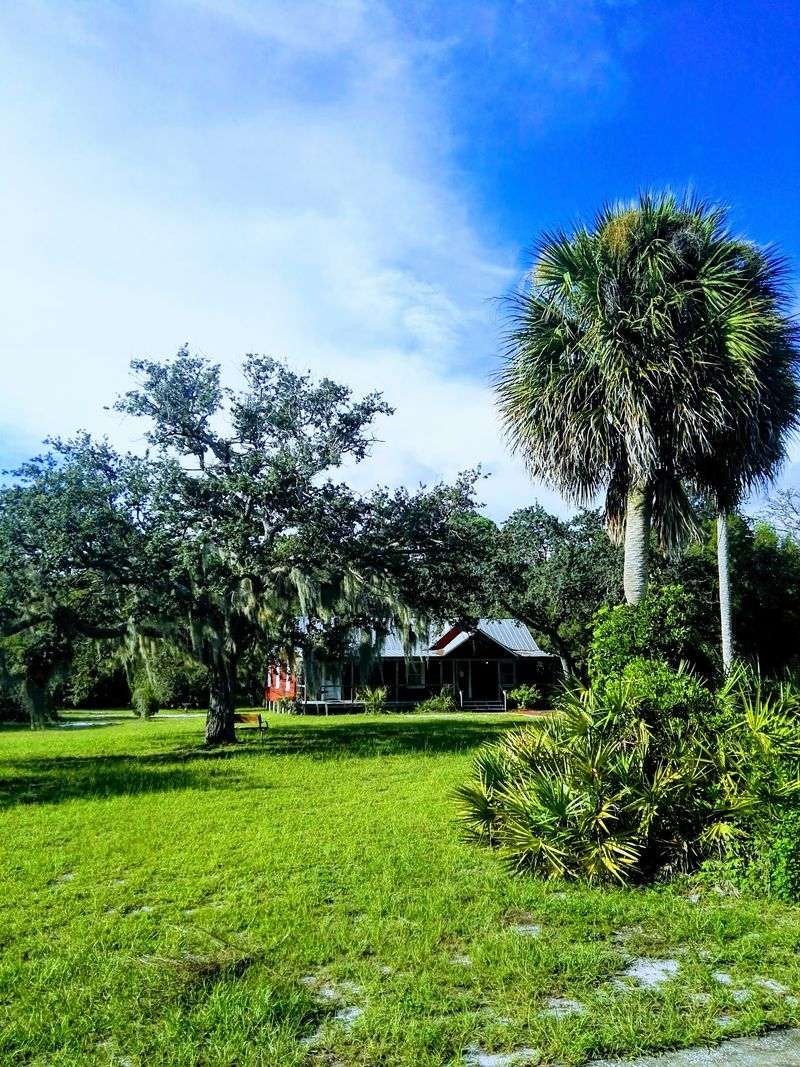
Small doesn’t mean forgettable. Cedar Key Museum State Park packs a surprising amount into a calm, shady property.
History fans get railroads, pencils, and a lovingly kept 1920s home. Nature lovers get a trail, birds, and estuary views.
Families can let kids explore cannons while parents read the plaques. Retirees and slow travelers will love the rocking chairs and benches.
It’s not a thrill ride, and it doesn’t try to be. The charm comes from quiet details and friendly faces ready with answers.
Cedar Key itself has relatively few historical stops. That makes this park a natural pairing with seafood, sunsets, and a stroll through the village.
I can’t imagine a better way to understand the island before exploring it. An hour here adds meaning to everything you see afterward.
So save a weekend slot and pack some curiosity. This little Florida state park proves that the best discoveries often come in modest packages.
Share this story