Most people think the best way to explore a new city is on foot or by tour bus, but there is a smarter option hiding in plain sight. Trams travel at street level, which means every window is basically a moving picture frame filled with architecture, neighborhoods, and everyday city life. Unlike a subway, a tram never disappears underground and leaves you guessing what is happening above. You get to watch a city breathe in real time, block by block, without doing all the legwork yourself.
Some of the world’s most fascinating cities have built their identities around these rail lines, and the trams themselves have become attractions worth riding for their own sake. The 15 cities ahead each offer a tram experience that goes well beyond simple transportation, turning an ordinary journey into one of the best parts of the trip.
1. Lisbon, Portugal
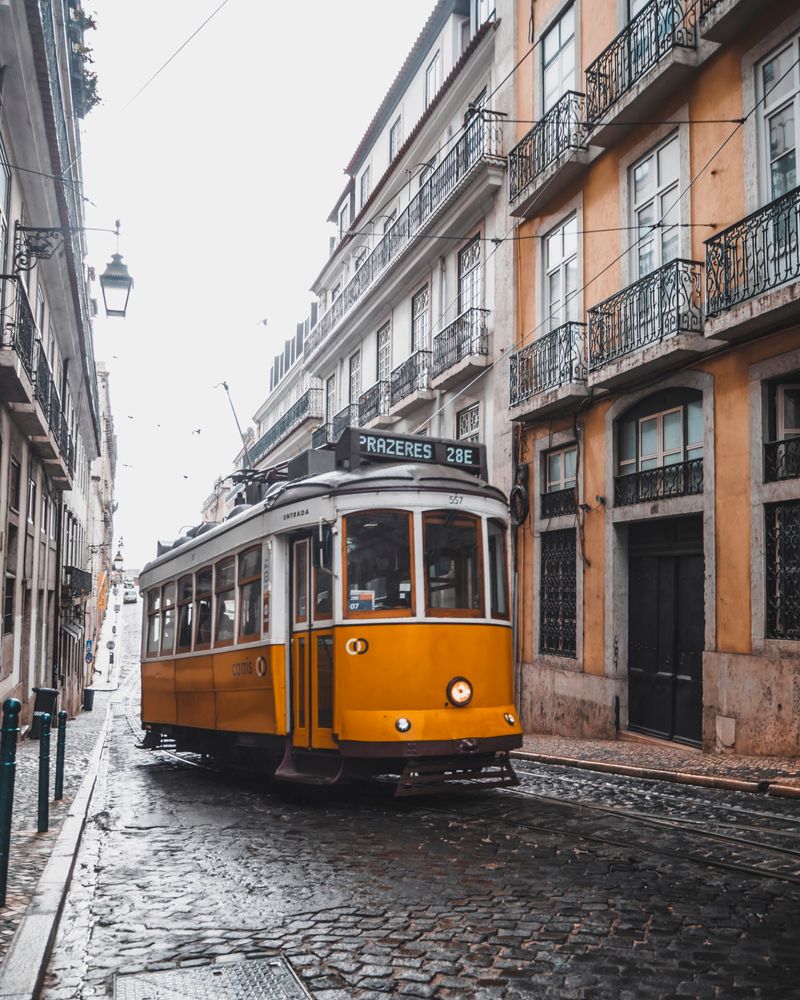
Tram 28 in Lisbon is not just a ride, it is a full workout for your sense of wonder. The yellow cars, many dating from the 1930s, have been updated with modern brakes while keeping their polished wood interiors and vintage charm intact.
The route runs from Martim Moniz to Campo de Ourique, threading through historic neighborhoods like Alfama, Graça, and Estrela. Along the way, passengers pass the Sé Cathedral, São Jorge Castle, and two scenic viewpoints overlooking the rooftops and the Tagus River.
A full journey takes between 45 minutes and an hour depending on traffic. Buying a 24-hour public transport ticket at a metro station covers the tram, metro, buses, and even Lisbon’s funiculars, making it excellent value for a day of exploring above ground.
2. San Francisco, California, USA
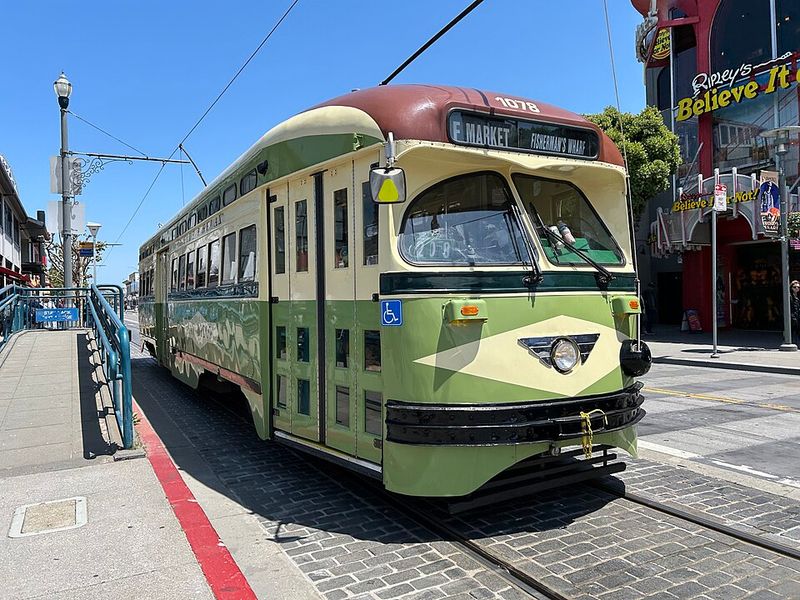
San Francisco’s cable cars get all the postcards, but the F Market and Wharves line quietly delivers one of the best street-level sightseeing rides in North America. The streetcars running this route are restored vintage vehicles from cities around the world, some more than a century old, which makes every ride feel like a small history lesson on wheels.
The line spans about six miles, connecting the Castro District to Fisherman’s Wharf via Market Street and the Embarcadero. Passengers ride past the Civic Center, the Financial District, the Ferry Building, Pier 39, and Ghirardelli Square without changing vehicles.
Service runs daily from approximately 7 a.m. to 11 p.m. Using a Clipper Card is cheaper than paying cash, and operators do not provide change, so it pays to plan ahead before boarding.
3. Melbourne, Victoria, Australia
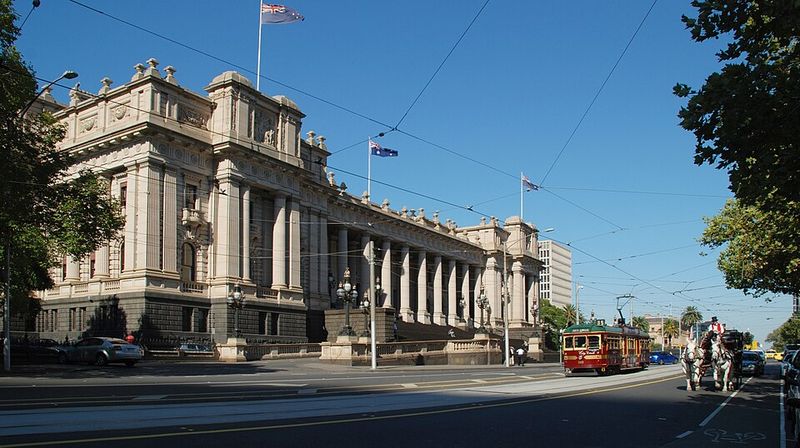
Melbourne holds a record that most cities would envy: it operates the world’s largest urban tram network, with over 500 trams running on 250 kilometers of double track. For visitors, the most useful detail is the Free Tram Zone, which covers the entire central business district and lets anyone hop on and off at no cost.
The City Circle Tram, Route 35, is a heritage service designed specifically for sightseers. It uses historic W-class trams in green or burgundy and gold livery, loops around the CBD and Docklands every 12 minutes, and includes onboard audio commentary pointing out landmarks like Flinders Street Station, Federation Square, and Parliament House.
A full loop takes about 60 minutes. Travel beyond the Free Tram Zone requires a Myki card, which can be purchased at train stations and many retail outlets across the city.
4. Hong Kong, Hong Kong SAR, China
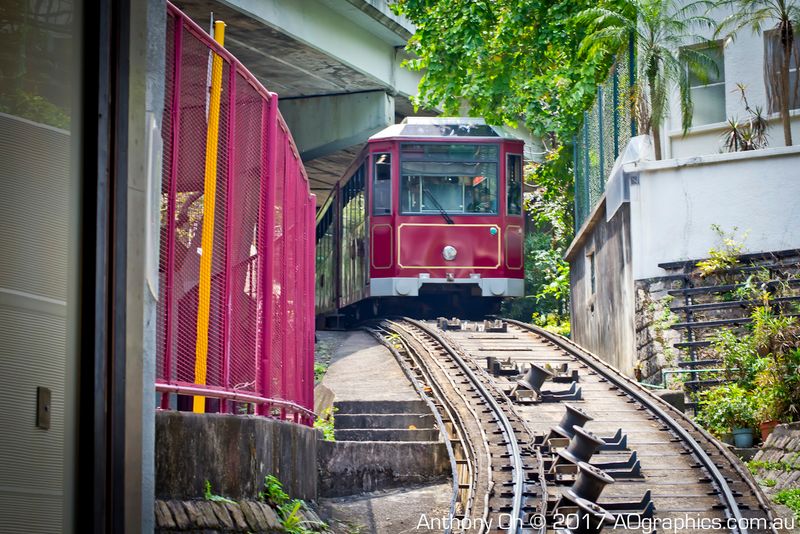
Nicknamed the “Ding Ding” after their distinctive double-bell signal, Hong Kong’s double-decker trams have been rolling across Hong Kong Island since 1904. The fleet is the largest of its kind in the world, and the flat fare system means passengers pay the same low price no matter how far they travel, settling up with an Octopus Card or exact cash when they get off.
The route runs about 13 kilometers along the northern side of the island, passing through Sheung Wan, Central, Wan Chai, and Causeway Bay. A full end-to-end journey takes around 80 to 90 minutes, and the upper deck front row is widely considered the best seat in the city.
In 2026, Hong Kong Tramways launched an official app providing real-time arrivals and an audio guide for the dedicated TramOramic Tour, a one-hour sightseeing ride on a 1920s-style open-top tram.
5. Prague, Czechia
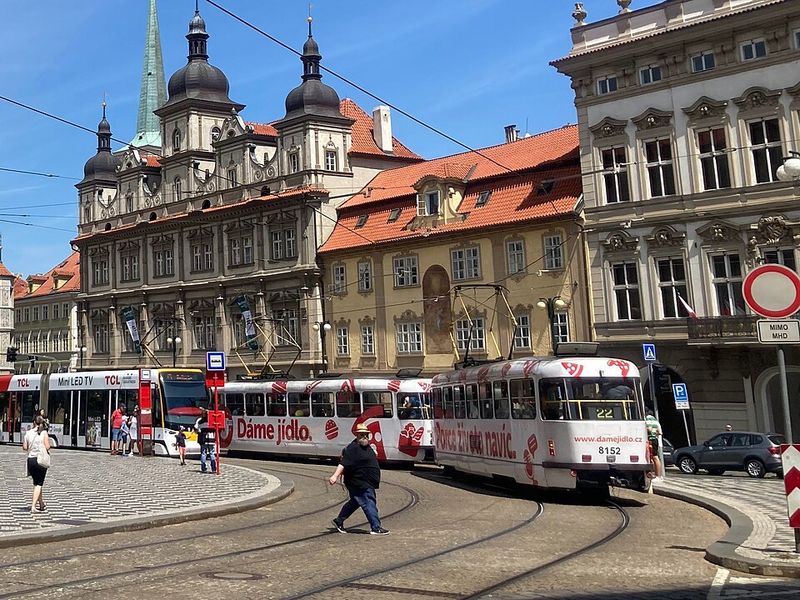
Prague’s tram network has been running since 1875, and Tram 22 remains the undisputed favorite among visitors who want to see the city without missing anything important. The route covers about 21 kilometers and takes roughly 65 to 70 minutes end-to-end, passing through Vinohrady, New Town, Lesser Town, and Hradčany.
Key sights along the way include the National Theatre, the Baroque St. Nicholas Church, and Prague Castle itself. The tram also crosses the Vltava River on Legion Bridge, offering clear views of Charles Bridge and St. Vitus Cathedral from the window.
Tickets valid for 30 minutes, 90 minutes, 24 hours, or 72 hours can be purchased at hotel receptions, newspaper stands, or from machines that accept contactless payment. A vintage line, number 23, covers a similar scenic stretch using historic Tatra trams and runs year-round on regular tickets.
6. Amsterdam, North Holland, Netherlands
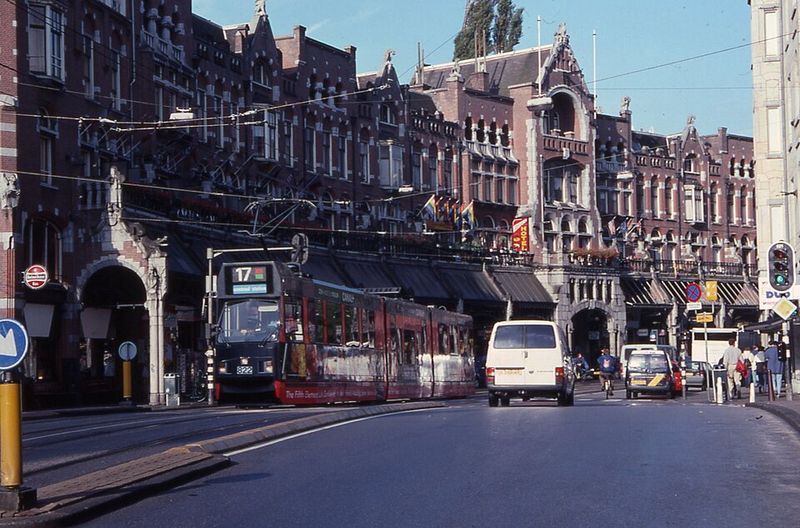
National Geographic once named Amsterdam’s Tram Line 2 one of the world’s best tram rides for sightseeing, which is a reasonable verdict for a line that has been running since 1903. The route begins at Amsterdam Centraal and travels through the city’s cultural core before continuing toward the quieter residential areas to the southwest.
Along the way, the tram passes Dam Square, the Royal Palace, and Nieuwe Kerk, then narrows through the lively Leidsestraat before reaching Museumplein, home to the Rijksmuseum, the Van Gogh Museum, and the Stedelijk Museum. The route also provides easy access to Vondelpark, Amsterdam’s largest green space.
Trams run daily from around 6 a.m. until 12:30 a.m. A GVB day or multi-day pass is usually the most economical option, though contactless card payment is also accepted by tapping in and out at each boarding.
7. Budapest, Hungary
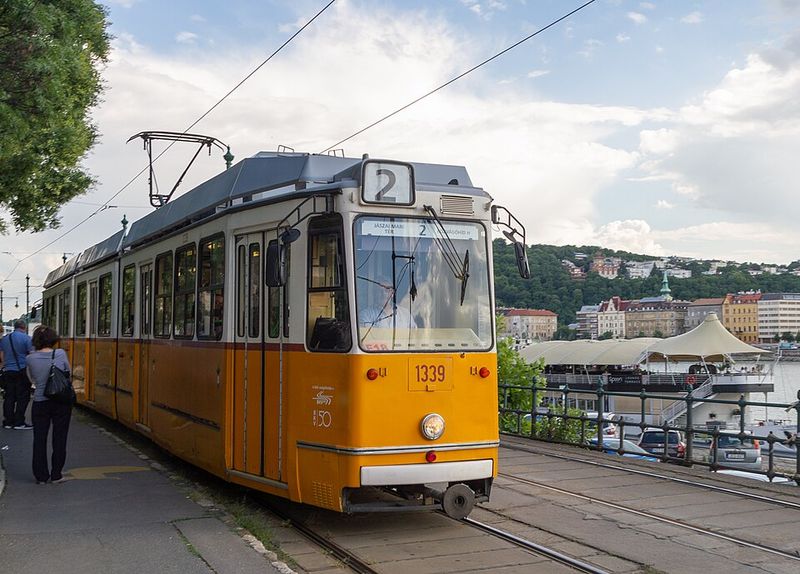
Budapest’s Tram 2 has a reputation that stretches well beyond Hungary: travel publications regularly rank it among the most scenic urban tram rides on the planet. The line runs along the Pest side of the Danube, delivering a continuous procession of the city’s most celebrated architecture past the window.
The Hungarian Parliament Building is the obvious highlight, but the route also frames views of the Gresham Palace, the Chain Bridge, and across the river, Buda Castle and Fisherman’s Bastion perched on the hill. Key stops include Fővám Square for the Great Market Hall and Vigadó Square near the Concert Hall.
Riding around sunset is a popular choice because the riverfront landmarks take on a noticeably different quality as the lights come on. The BudapestGO app handles journey planning, real-time updates, and digital ticket purchases, making navigation straightforward for first-time visitors.
8. Porto, Portugal
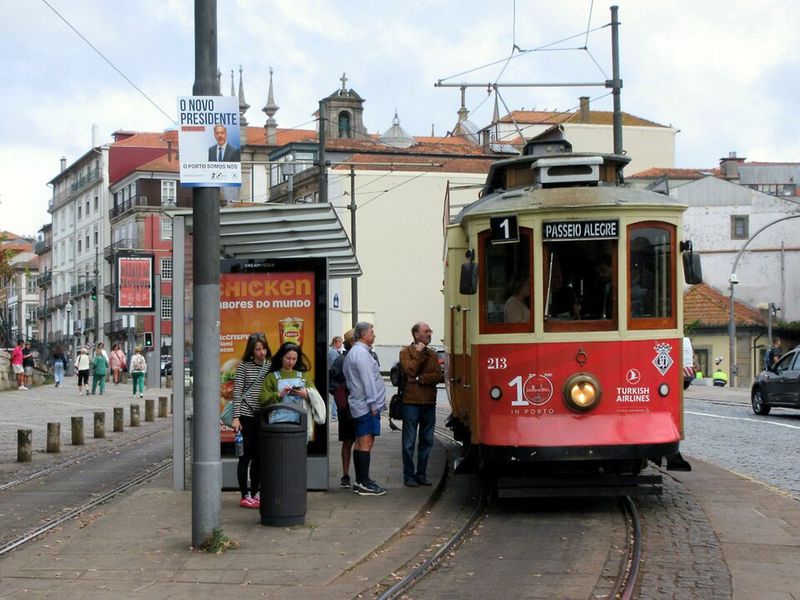
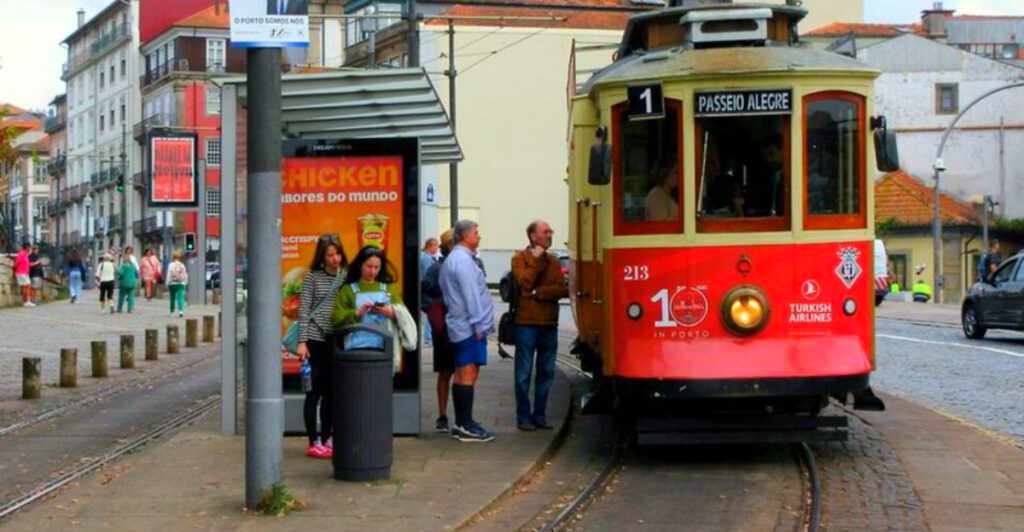
Porto’s tram history stretches back to 1872, starting with mule-drawn cars before electrification arrived in 1895. Today only three heritage routes remain, and they exist primarily as living transportation history rather than daily commuter services, which actually makes them more enjoyable for visitors with time to spare.
Historic Line 1 is the one to catch. It follows the northern bank of the Douro from the Ribeira waterfront to Foz do Douro near the river’s mouth at the Atlantic, taking between 20 and 40 minutes one way. The wooden interiors, brass controls, and river views make the journey feel genuinely different from any modern transit ride.
A single ticket costs 3.50 euros, purchased onboard from the driver. A two-day pass for 10 euros covers all three tram lines plus buses and the Funicular dos Guindais, though the standard Andante card used elsewhere in Porto is not valid on these heritage services.
9. Helsinki, Uusimaa, Finland
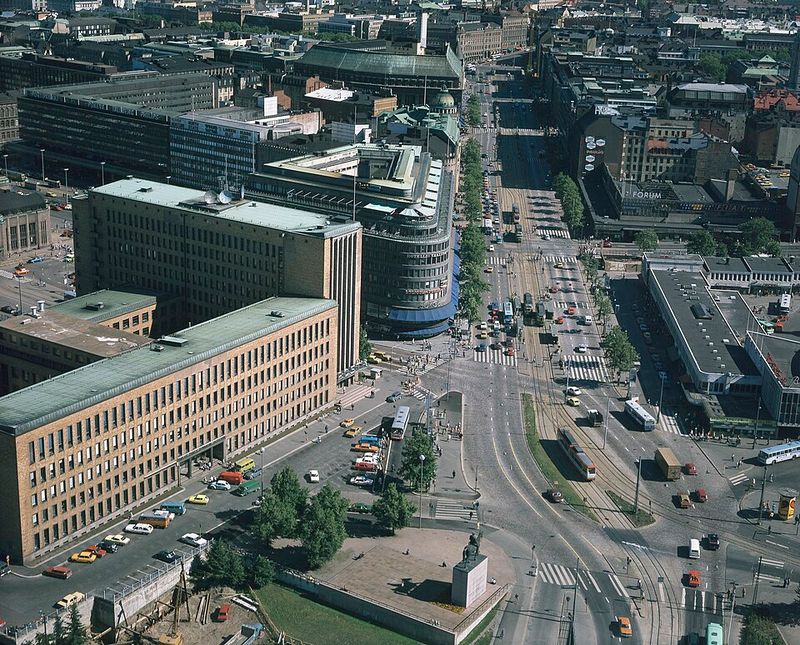
Helsinki has been running electric trams since 1891, making its network one of the oldest electrified systems in the world. The routes cover 110 kilometers of track and serve a compact city center that is genuinely well-suited to above-ground exploration.
Tram Routes 2 and 3 make a loop through the center, passing Finlandia Hall, Parliament House, Senate Square, and the Botanical Garden. Architecture enthusiasts tend to prefer Tram 4, which travels past several buildings by the Finnish architect Alvar Aalto, including his own studio and the Aalto House. Tram 6 cuts through the Design District, passing market halls and museums along the way.
Single tickets, day passes, and multi-day options are available through the HSL app, ticket machines, or at R-kiosks. Unlike some other cities, tickets generally cannot be bought directly from the driver, so it is worth loading up before boarding.
10. Oslo, Norway
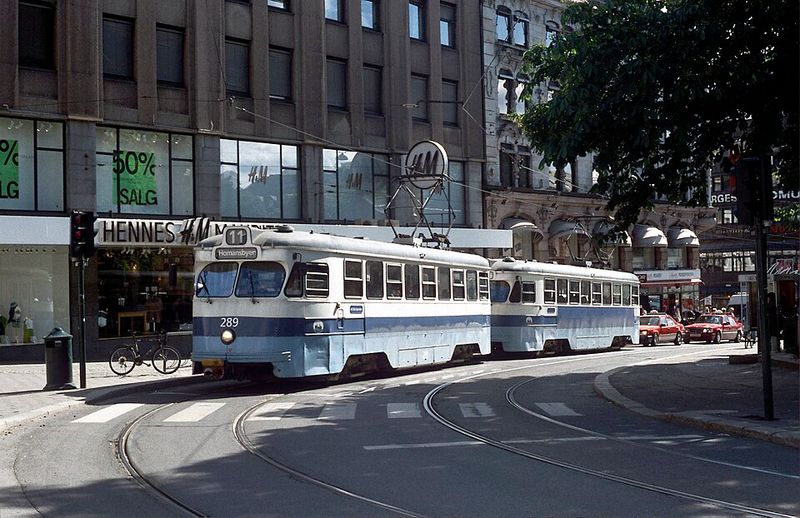
Oslo’s tram network, locally known as “trikken,” has been part of the city’s fabric since horse-drawn cars first rolled through the streets in 1875. The system now runs six lines with 99 stops, giving riders a solid above-ground view of how quickly the Norwegian capital shifts from its urban core to quieter residential stretches.
Tram 12 is a strong choice for first-time visitors, passing through the elegant Frogner neighborhood, crossing City Hall Square by the harbor, and continuing to the historic Kvadraturen area. From a single ride, passengers can access Vigeland Sculpture Park, Aker Brygge, City Hall, and Akershus Fortress without much extra walking.
A single ticket within Zone 1 covers most major attractions and is valid for 60 minutes including transfers. Tickets are available through the Ruter app, at metro stations, and at convenience stores. The Oslo Pass bundles unlimited transport with free museum entry for 24, 48, or 72 hours.
11. New Orleans, Louisiana, USA
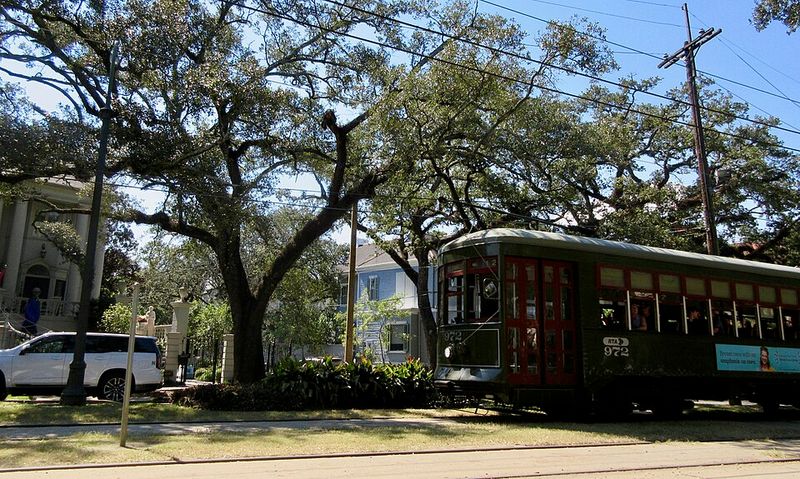
The St. Charles streetcar line holds a title that no other transit route in America can claim: it is the oldest continuously operating street railway in the world, with service dating back to 1835. The cars themselves, in their distinctive olive green and crimson, were first painted that way in the 1920s and were designated a National Historic Landmark in 2014.
The route runs over 13 miles from Canal Street to South Carrollton Avenue, rolling beneath a canopy of ancient live oak trees past Greek Revival mansions and raised cottages in the Garden District. Loyola and Tulane Universities and Audubon Park are also accessible along the way.
New Orleans operates three additional lines covering Canal Street, the Riverfront, and the Rampart corridor, connecting attractions from the French Quarter to City Park. A single ride costs $1.25, and an unlimited one-day Jazzy Pass is available for $3 through the RTA app.
12. Toronto, Ontario, Canada
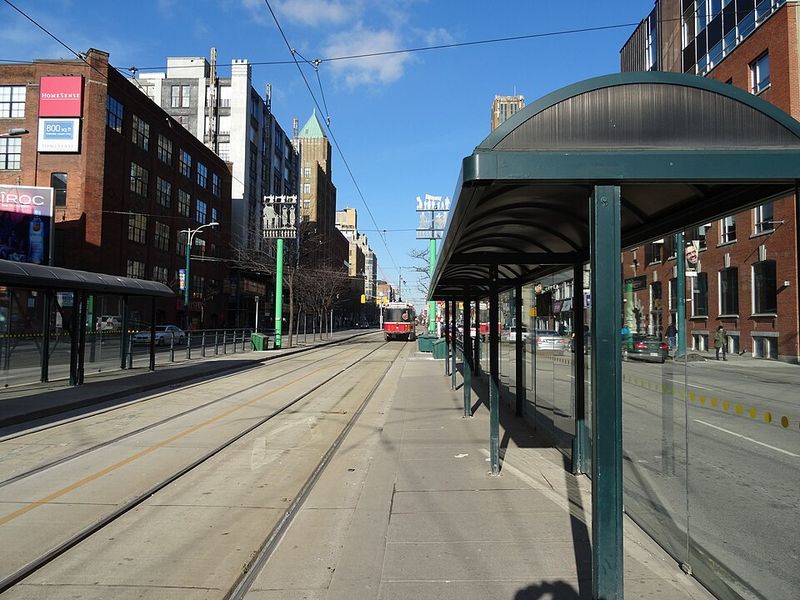
Toronto runs North America’s third busiest light-rail system, and the 510 Spadina route gives riders a particularly varied cross-section of the city. The line connects Spadina Station in the north to Union Station near the waterfront, passing the University of Toronto campus, Kensington Market, Chinatown, and the Fashion District along the way.
As the streetcar moves south, the CN Tower and Rogers Centre come into view before the route reaches the Ferry Docks, making the journey feel like a miniature tour of downtown in a single sitting. The 510 runs on dedicated rights-of-way with island platforms, which keeps boarding organized and service relatively punctual.
The TTC network allows transfers between streetcars, subways, and buses on a single fare of $3.35 with a PRESTO card or contactless tap. The 510 Spadina is part of the Ten Minute Network, so waits between vehicles rarely stretch long enough to be frustrating.
13. Seattle, Washington, USA
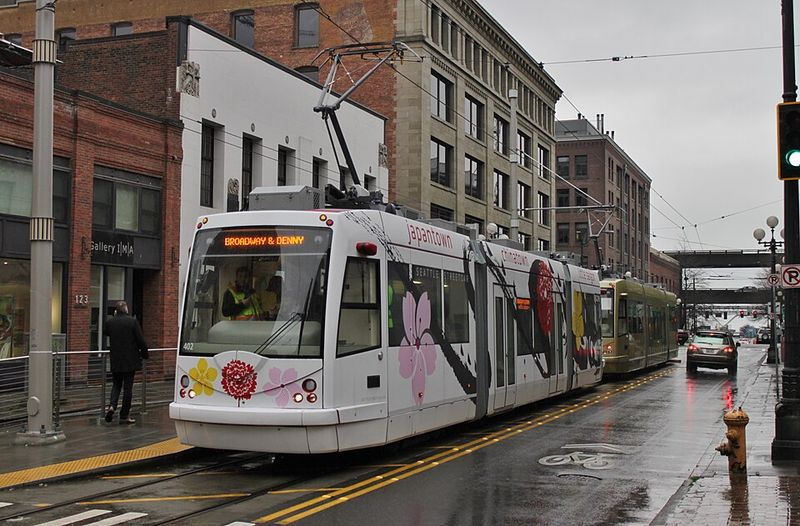
Seattle’s First Hill Streetcar opened in 2016 and covers 2.5 miles with ten stops, connecting Capitol Hill, First Hill, Yesler Terrace, the Chinatown-International District, and Pioneer Square in a single continuous ride. That range of neighborhoods means passengers get a fast-moving introduction to several distinct sides of the city without backtracking.
The route passes the Wing Luke Museum of the Asian Pacific American Experience, climbs through Little Saigon and the Central District, and arrives in Capitol Hill, one of Seattle’s most active commercial and cultural corridors. Platforms feature digital arrival displays and covered shelters, making the wait more comfortable in typical Pacific Northwest weather.
A single adult fare is $3.00, payable with an ORCA Card or a ticket from kiosks at stops. The line connects directly to Link light rail at both the International District and Capitol Hill stations, which makes combining a streetcar ride with broader city exploration straightforward.
14. Istanbul, Türkiye
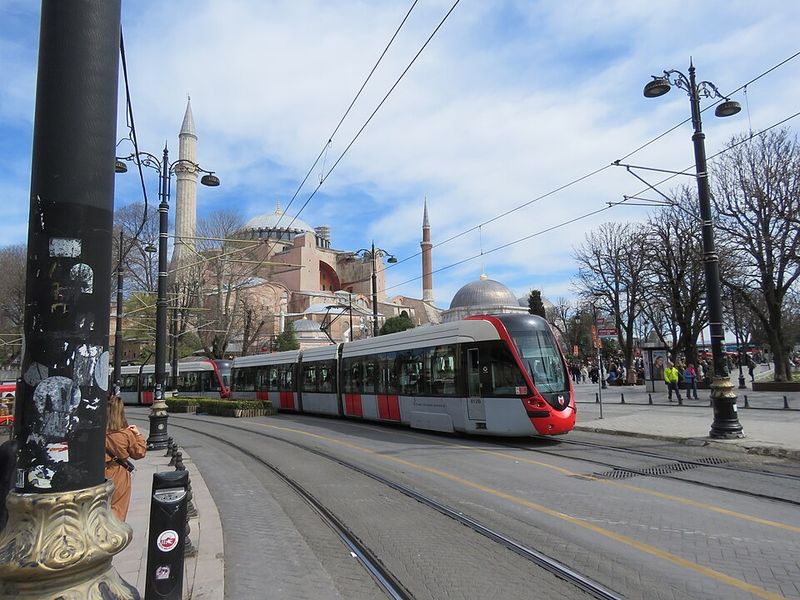
The T1 tram line in Istanbul has the unusual distinction of being both practical daily transport and an almost accidental guided tour of one of the world’s great historic cities. The route crosses the European side’s historic core, serving Sultanahmet, where passengers can step off for the Hagia Sophia, the Blue Mosque, the Basilica Cistern, and Topkapi Palace within a short walk of each other.
Other key stops include Beyazit for the Grand Bazaar, Eminonu for the Spice Bazaar and Yeni Mosque, and Karakoy for the Galata Tower and Galata Bridge. The tram runs from around 6 a.m. to midnight with service every 5 to 10 minutes, which is frequent enough to make spontaneous stops easy.
An Istanbulkart, available at yellow Biletmatik machines near tram stops and metro stations, covers all public transport in the city and is far more convenient than paying single fares in cash each time.
15. Milan, Lombardy, Italy
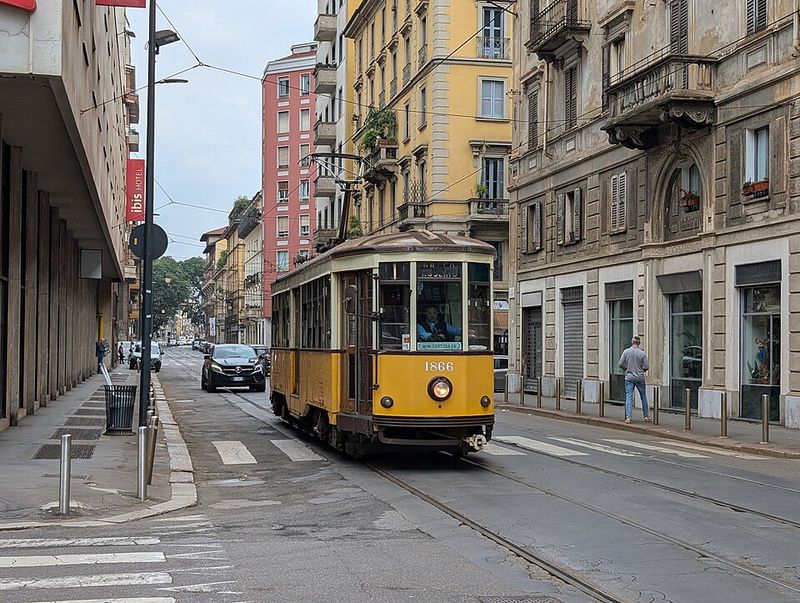
Milan’s trams have been running since 1876, and the city still operates over 160 vintage “Carrelli” cars from the 1920s and 1930s alongside its modern fleet. These orange-and-cream vehicles, inspired by American Peter Witt streetcar designs, retain their original polished wooden interiors, making them a functional piece of living history on one of Europe’s most design-conscious streets.
Tram Line 1 is the recommended route for first-time visitors, looping through the historic center past Castello Sforzesco, Largo Cairoli, and the Duomo area. Line 10 offers a different perspective, traveling from Porta Ticinese toward the Central Station area and passing modern landmarks like the Unicredit Tower and the Vertical Forest skyscraper alongside historic Chinatown and the Arco della Pace.
A single ticket costs 2.20 euros and is valid for 90 minutes across trams, buses, and one metro journey. Day and three-day passes are available through the ATM Milano app or at metro stations and tobacconists across the city.
Share this story