Climate change is making headlines every day, with floods, wildfires, and hurricanes hitting communities across the country. As these threats grow, many families are asking a simple question: where can we live safely? Using real data from trusted sources like Zillow, FEMA, and CoreLogic, researchers have identified fifteen American metros and neighborhoods where climate risks remain surprisingly low, offering hope and options for those planning their future.
1. Cleveland, Ohio (metro)
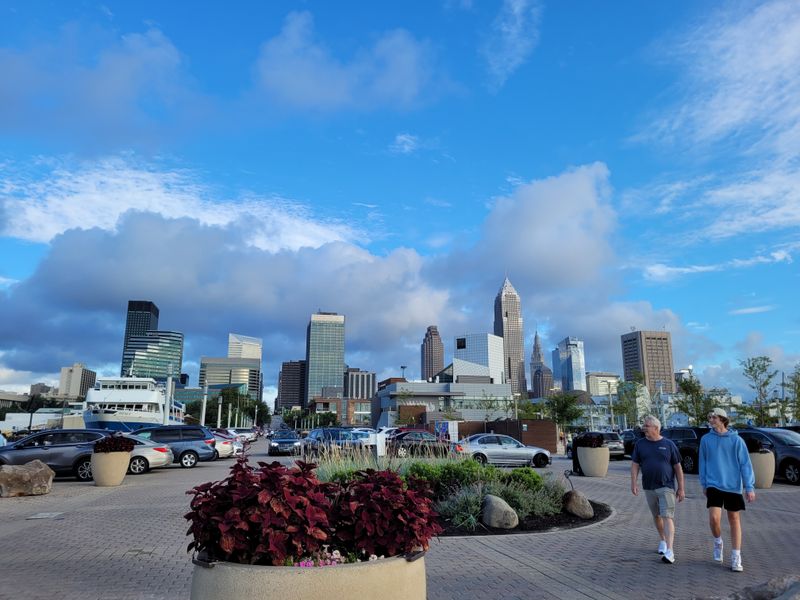
Fewer than 10% of newly listed homes in Cleveland carry major climate risk, according to Zillow’s latest research. That number places this Great Lakes metro among the safest in the entire nation. For families worried about insurance costs and property damage, Cleveland offers rare peace of mind.
Hurricanes stay far away, and wildfire danger is almost nonexistent here. The city’s inland location shields it from coastal flooding and storm surge. While winters bring snow, the trade-off is long-term stability in a warming world.
Property buyers can focus on schools and jobs instead of evacuation routes. That’s a luxury many coastal cities no longer enjoy.
2. Columbus, Ohio (metro)
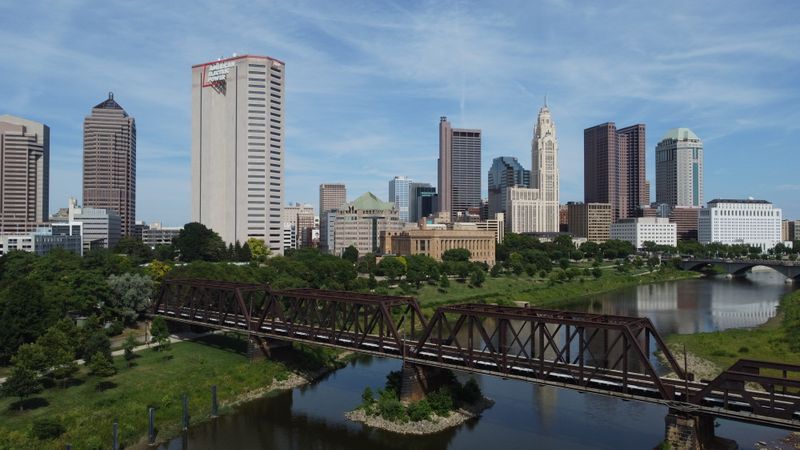
Columbus joins Cleveland in Zillow’s exclusive low-risk club. New listings here face fewer overlapping threats from flood, heat, and fire than the national average. Ohio’s geography keeps hurricanes and coastal surges hundreds of miles away.
Families moving to Columbus find affordable homes without the hidden cost of skyrocketing insurance premiums. The metro’s central location means weather extremes are less severe than on either coast. Tornadoes can occur, but they’re rare and localized.
Did you know? Columbus has been growing faster than many coastal cities, partly because buyers are seeking climate safety. The metro offers big-city amenities without the big-time climate worry that plagues so many other regions.
3. Milwaukee, Wisconsin (metro)

Sitting on the western shore of Lake Michigan, Milwaukee enjoys natural protection from many climate threats. Zillow lists it among the Midwest metros with minimal risk. Hurricanes never reach this far inland, and wildfire danger is nearly zero.
The Great Lakes region does face cold winters and occasional summer storms. Yet these challenges are predictable and manageable compared to the billion-dollar disasters hitting the South and West. Insurance companies recognize this, keeping premiums more stable.
Milwaukee’s brewing heritage and vibrant culture make it an attractive landing spot. For climate-conscious movers, the city offers both safety and a high quality of life in a region that’s expected to remain relatively stable.
4. Indianapolis, Indiana (metro)

FEMA’s National Risk Index shows Indianapolis with lower expected annual losses than many coastal peers. Zillow also includes it in their low-risk cohort. The metro’s heartland location keeps it far from hurricanes, wildfires, and storm surge.
Tornadoes do touch down in Indiana from time to time. However, the overall multi-hazard risk remains modest compared to regions facing overlapping threats. Homeowners here can breathe easier knowing their property isn’t in the crosshairs of multiple climate dangers.
Indianapolis offers affordable housing, strong job growth, and a family-friendly environment. Add in the climate safety factor, and it’s easy to see why more people are considering this Midwest hub as a smart long-term choice.
5. Minneapolis–St. Paul, Minnesota (metro)
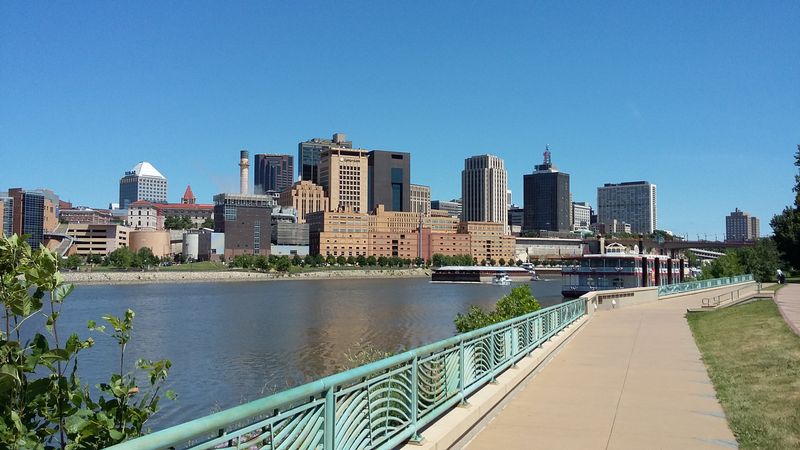
The Twin Cities metro makes Zillow’s low-risk list thanks to its inland location. Hurricane surge and wildfire exposure are virtually nonexistent here. While winters are famously cold, that’s a known quantity that residents plan for every year.
Climate models suggest the Upper Midwest may actually see some benefits as temperatures rise. Growing seasons could lengthen, and the region remains far from the worst impacts. Minneapolis-St. Paul offers a thriving economy, excellent schools, and a strong sense of community.
For families weighing climate risk, the Twin Cities provide a compelling combination. You get big-city culture and job opportunities without the looming threat of catastrophic weather events that now plague so many other metros.
6. Detroit, Michigan (metro)
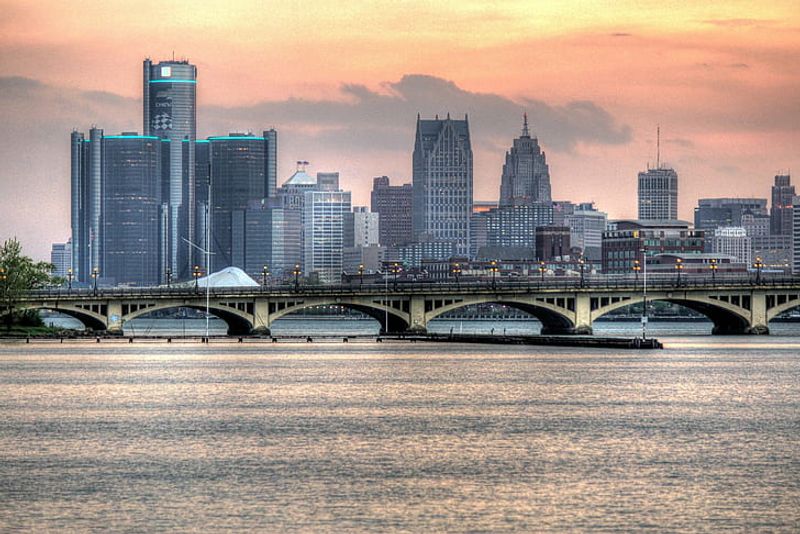
Zillow flags Detroit for minimal climate risks on new home listings. The Great Lakes region has historically faced fewer billion-dollar disasters than the Gulf and Southeast. Detroit’s comeback story now includes an unexpected bonus: climate safety.
Hurricanes never reach this far north, and wildfire danger is almost nonexistent. The city does experience cold winters and occasional severe thunderstorms. Yet these are manageable compared to the compounding risks facing coastal areas.
Detroit’s affordable real estate and growing job market make it attractive for young professionals. Add in the climate advantage, and the Motor City is quietly becoming a smart bet for anyone thinking decades ahead about where to plant roots.
7. Kansas City, Missouri–Kansas (metro)

Tornadoes do occur in Kansas City, but Zillow still lists this metro among the nation’s lower-risk areas. The key is that broad, multi-hazard risk on for-sale inventory remains relatively low versus national averages. Hurricanes, wildfires, and coastal flooding are non-issues here.
The metro straddles two states and offers a low cost of living. Families can find spacious homes without worrying about wildfire evacuation zones or hurricane shutters. Severe weather preparedness focuses mainly on spring storms, which are well understood locally.
Kansas City’s barbecue and jazz heritage draw visitors, but climate safety is drawing new residents. It’s a place where you can focus on building a life instead of constantly bracing for the next disaster.
8. Pittsburgh, Pennsylvania (metro)

Realtor.com’s climate-risk research, built on First Street Foundation data, repeatedly highlights Pittsburgh as a low-exposure example. Inland location means fewer homes face severe or extreme flood, fire, heat, wind, or air-quality risk. The city’s famous rivers are managed, and wildfire danger is minimal.
Pittsburgh has reinvented itself from a steel town to a hub for healthcare, education, and tech. Its hilly terrain and green neighborhoods offer charm and resilience. Winters bring snow, but the trade-off is long-term safety from the climate extremes hitting other regions.
For anyone mapping out a climate-safe future, Pittsburgh checks a lot of boxes. Affordable housing, strong job market, and a metro that’s largely insulated from the worst climate threats make it a hidden gem.
9. Grand Rapids, Michigan (metro)

Another Great Lakes success story, Grand Rapids shows up in Realtor.com’s framework with fewer homes carrying severe or extreme climate scores. NOAA’s billion-dollar disaster record confirms historically lower exposure here than in the coastal South or Southeast.
The metro is known for craft beer, furniture manufacturing, and a growing arts scene. Families appreciate the small-city feel with big-city amenities. Lake Michigan’s influence moderates temperatures, and wildfire risk is essentially zero.
Grand Rapids offers a quality of life that’s hard to beat. When you add in the climate safety factor, it becomes an even more attractive option for anyone looking to escape the escalating risks of coastal or western living.
10. Des Moines, Iowa (metro)

FEMA’s National Risk Index places Des Moines in the relatively modest expected-annual-loss category compared with high-exposure coasts. Inland wind and winter weather remain the main watch-outs, but multi-peril exposure is limited. Hurricanes and wildfires simply aren’t part of the equation here.
Iowa’s capital offers a strong economy, excellent schools, and a low cost of living. The metro has been quietly growing as more people discover its advantages. Climate safety is now one more reason to consider this heartland hub.
Des Moines may not have ocean views, but it offers something increasingly rare: predictable weather risks. For families planning long-term, that predictability is worth more than a beach.
11. Omaha, Nebraska (metro)

FEMA’s risk components score Omaha as relatively moderate versus national high-exposure areas. Limited wildfire and hurricane risk supports insurance stability, which is a huge factor for homeowners. The metro sits in the heart of the Great Plains, far from coastal threats.
Omaha is home to major employers and a thriving business community. The cost of living is low, and the quality of life is high. Tornadoes can occur, but they’re localized and infrequent compared to the widespread disasters hitting other regions.
For anyone seeking a safe, affordable place to raise a family, Omaha delivers. The metro offers Midwestern hospitality and a climate profile that looks increasingly attractive in a world of rising risks.
12. Rochester, Minnesota (metro)

Rochester’s Upper Midwest positioning reduces stacked risks like storm surge, wildfire, and extreme heat. FEMA’s National Risk Index shows lower aggregate expected annual losses here than many coastal peers. The city is famous for the Mayo Clinic, drawing medical professionals and researchers from around the world.
Winters are cold, but that’s a predictable challenge. The metro offers excellent healthcare, strong schools, and a tight-knit community. Climate safety is an added bonus that’s becoming more important to new residents.
Rochester may be small, but it punches above its weight in quality of life. For anyone prioritizing long-term safety and stability, this Minnesota metro is worth a serious look.
13. Spokane, Washington (select ZIPs)

CoreLogic’s ZIP-level analysis flags 99203 and 99204 among the safest from disaster loss nationally. If you’re targeting very low-exposure pockets inside broader regions, these Spokane ZIPs are standouts. Eastern Washington’s climate is drier than the coast, and wildfire risk varies by neighborhood.
Spokane offers four distinct seasons, outdoor recreation, and a lower cost of living than Seattle. The city is growing as more people discover its charm. While air quality can suffer during wildfire season, structural disaster loss potential is comparatively limited in these specific ZIP codes.
For micro-resilience within Washington State, Spokane’s safest ZIPs offer a compelling option. You get Pacific Northwest beauty without the same level of climate risk found closer to the coast.
14. Eugene–Springfield, Oregon (select ZIPs)

CoreLogic highlights ZIP 97403 as low-risk financially. Local air-quality episodes can occur during wildfire season, but structural disaster loss potential is comparatively limited in that ZIP pocket. Eugene-Springfield sits in the Willamette Valley, offering a milder climate than much of the West.
The area is known for the University of Oregon, outdoor recreation, and a laid-back vibe. Families appreciate the green spaces and community feel. While no place is risk-free, this Oregon metro offers a safer profile than many other western cities.
For those who want to stay in the Pacific Northwest but reduce climate risk, Eugene-Springfield’s low-exposure ZIPs are worth exploring. It’s a place where you can enjoy the region’s beauty with greater peace of mind.
15. El Paso, Texas (select ZIPs)

Despite Texas’ mixed climate risks, CoreLogic’s list includes ZIPs 79925 and 79908 as low-exposure areas. This shows micro-resilience is possible even in higher-risk states. El Paso’s desert location means hurricanes are irrelevant, and wildfire risk is limited in these specific neighborhoods.
The city sits on the border with Mexico, offering a unique blend of cultures and cuisines. Cost of living is low, and the sunny weather is a draw for many. Extreme heat can be a challenge, but these ZIPs show lower overall disaster loss potential.
El Paso proves that climate safety isn’t just about fleeing entire states. By focusing on specific ZIP codes, you can find pockets of resilience even in places with broader risks. It’s a reminder that smart, data-driven choices matter.
Share this story