Every spring in Oklahoma, we glance at the sky and trust that somebody, somewhere, is watching it a lot more closely than we are. I always pictured that somebody tucked away in a plain office, but the real place turned out to be far more surprising.
It is a gleaming building full of radar screens, storm trucks, and people who treat the clouds like a puzzle worth solving. If you have ever been curious about where a tornado warning actually starts, this free visit might become your favorite rainy-day discovery.
A Six-Story Weather Hub on the OU Campus
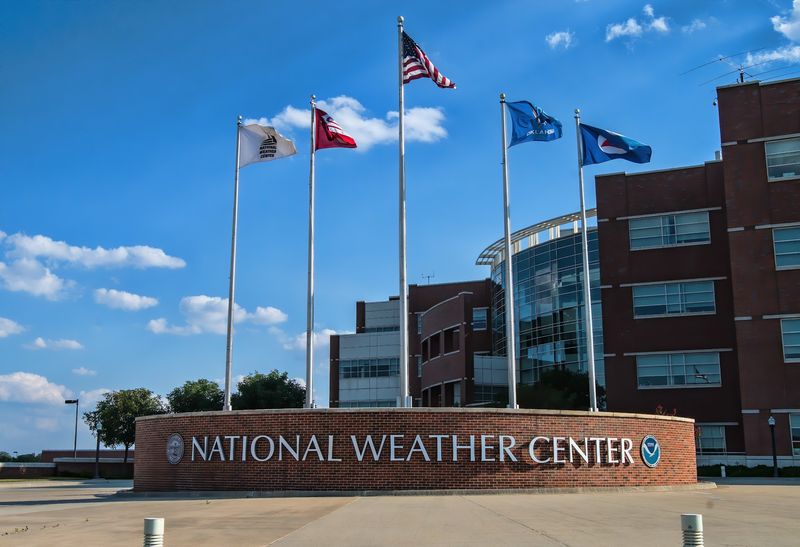
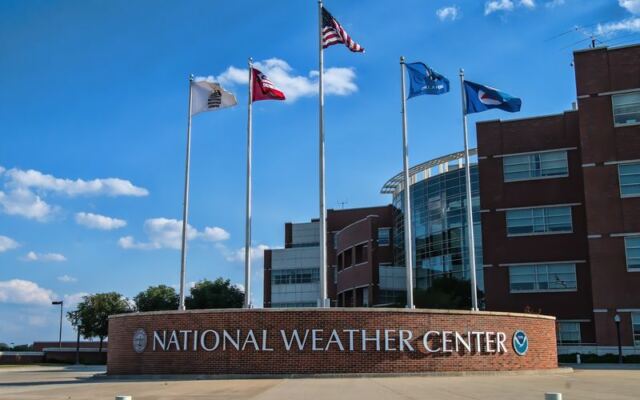
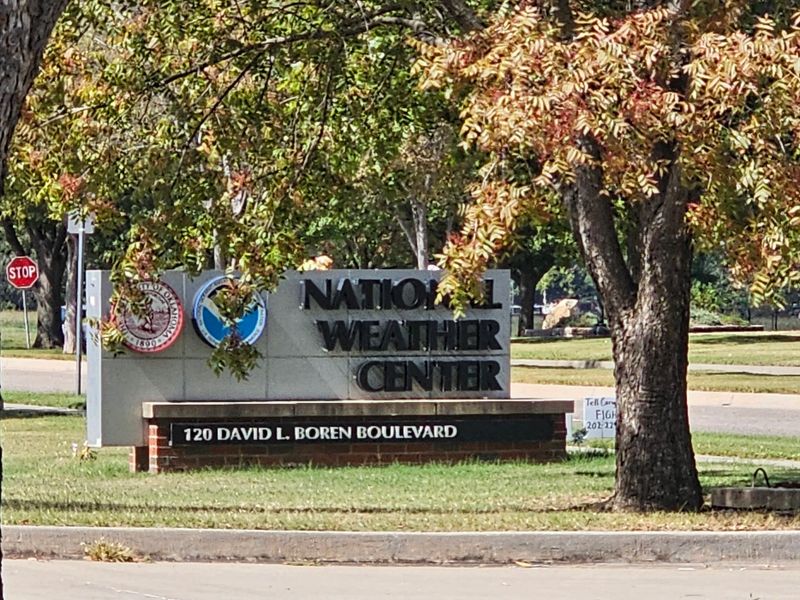
Picture a sleek, modern building rising six stories above the University of Oklahoma campus in Norman. That is the National Weather Center, sitting at 120 David L Boren Blvd, and it is where some of the sharpest weather minds in the country spend their days.
Visitors describe it as the premier spot where university, state, and federal meteorologists work side by side. Inside, you will find the Storm Prediction Center and offices tied to the National Oceanic and Atmospheric Administration, along with several other weather-focused groups.
In plain words, a huge share of the nation’s severe weather watching happens right here in Oklahoma.
That mix is what makes the place special. Students, faculty, researchers, and federal scientists all share the same halls, and guests on tours often say the teamwork is one of the neatest things to witness.
One family left amazed at how much talent fits inside a single building.
It is not a museum or a theme park. It is a working science center that happens to open its doors to curious folks on certain days.
That real-world feel is exactly why a visit sticks with you long after you head home and check the forecast on your phone.
Why Oklahoma Skies Made Norman the Right Home
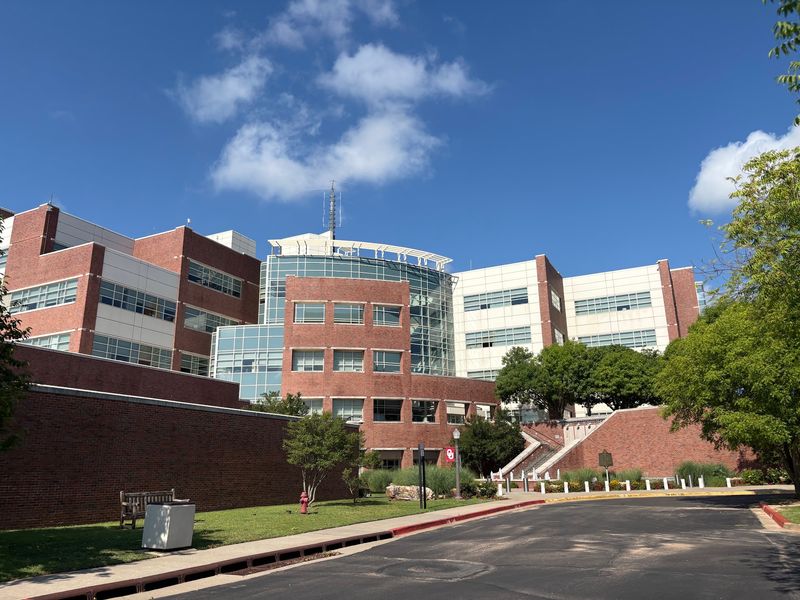
Ask any Oklahoman about spring, and you will hear stories about green skies, hail, and sirens. Our state sits in a stretch of the plains where severe storms love to form, so it makes sense that weather science found a strong home here.
Guests who toured the center say it opened their eyes. Most of us know, in a vague way, that daily weather and big storms across the country are tracked somewhere.
Walking through the building finally puts faces and computer screens to that work, and it helps you understand who actually does it.
The center’s location on the University of Oklahoma campus also matters. It blends classroom learning with real forecasting, so the next generation of meteorologists grows up right beside the pros.
One young visitor even said they could not wait to finish high school and do what those folks do.
There is real history here too. Visitors who took longer courses mention a lot of background and information that most people never hear about.
Tour guides often weave in bits of that story, explaining how the work has grown over time.
For anyone who loves this state, it feels a little like seeing the engine room behind our wild weather.
The Storm Prediction Center Under One Roof
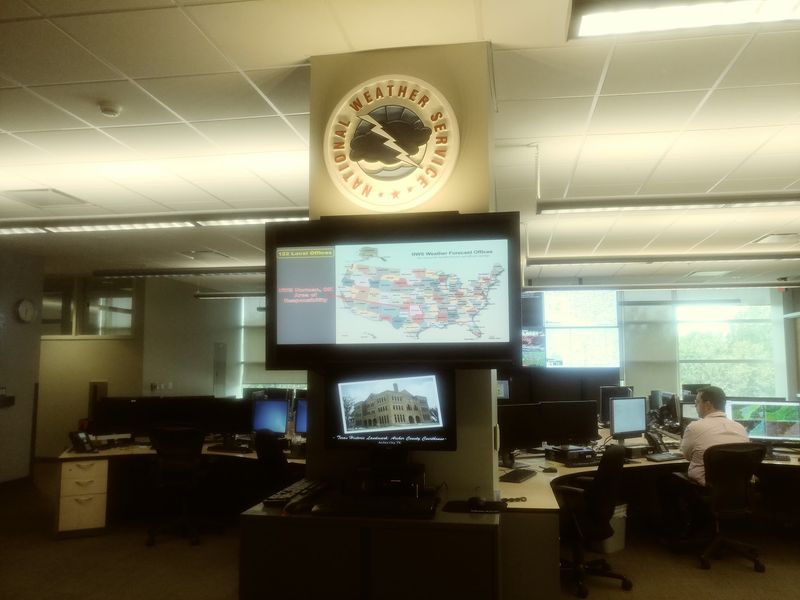
Here is a fun thought for your next tornado watch: the team that issues it may be sitting in Norman. The Storm Prediction Center is housed inside the National Weather Center, and seeing its home is a big reason people make the trip.
Visitors describe a multilevel space with computers, monitors, and smart people everywhere you look. The whole scene feels busy in a quiet, focused way.
You get a real sense that the sky never gets a day off, and neither do the experts watching it.
Tours explain how forecasts are created and how scientists study severe weather events. Guests mention learning about weather prediction in a way that finally clicked, with guides breaking down big ideas into simple steps.
Adults and students alike say the explanations were clear and easy to follow.
One friendly bit of advice from visitors: remember this is a working facility. You are seeing real people doing serious jobs, so the tour keeps a respectful pace and stays on its path.
Still, catching a glimpse of where national storm outlooks take shape is pretty thrilling. It turns those colored maps on the evening news into something you have actually stood near.
Free Public Tours Led by Sharp Young Guides
Good news for budget travelers: the public tour costs nothing. The catch is that you need to preregister ahead of time, and spots can fill up.
One group waited about three months before their turn came, and they said it was well worth it.
Recent visitors report that public tours run on Mondays and Fridays. Expect to spend a little over an hour inside, though some guests have mentioned tours stretching closer to 90 minutes.
Either way, you get a solid behind-the-scenes look at how the center runs.
The guides are often the stars of the show. Many tours are led by meteorology students, and visitors keep praising how knowledgeable, engaging, and clear they are.
Guests say every question got answered, from simple ones to the deeply nerdy kind.
Several people even remember their guides by name and say the personal touch made the visit. That tells you a lot about how much care goes into each group.
If you are a planner, put this on your calendar early. Booking well ahead is the simplest way to make sure you do not miss out, especially if you are coming from out of state.
Storm Trucks Rigged for Hail and Radar
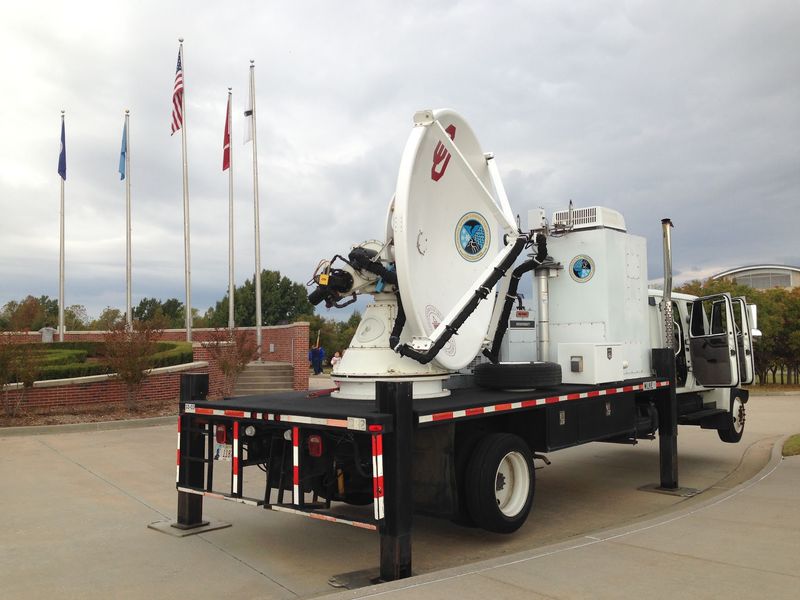
Hail strong enough to crack glass is a real problem when you drive toward storms for a living. So how do researchers keep their windshields in one piece?
That is one of the surprising lessons guests pick up on the tour.
Visitors describe seeing storm tracking vehicles in the garage, some being outfitted with sophisticated radar gear. Guides explain how the equipment trucks work and how they hold up against the rough conditions out on the plains.
One group came away buzzing about the hail protection details.
For anyone who grew up watching storm chasers on TV, this part feels like peeking behind the curtain. The trucks are not movie props.
They are working tools built to gather data close to the action, and that data helps scientists understand how storms behave.
Kids especially tend to light up here. Big vehicles plus big weather is a winning combo for young minds, and it sparks plenty of questions.
Do not expect to see the same trucks on every visit, since they are part of active research. What you see depends on the day and the season.
That little bit of unpredictability fits right in at a place devoted to the weather.
Twister Props That Steal the Show
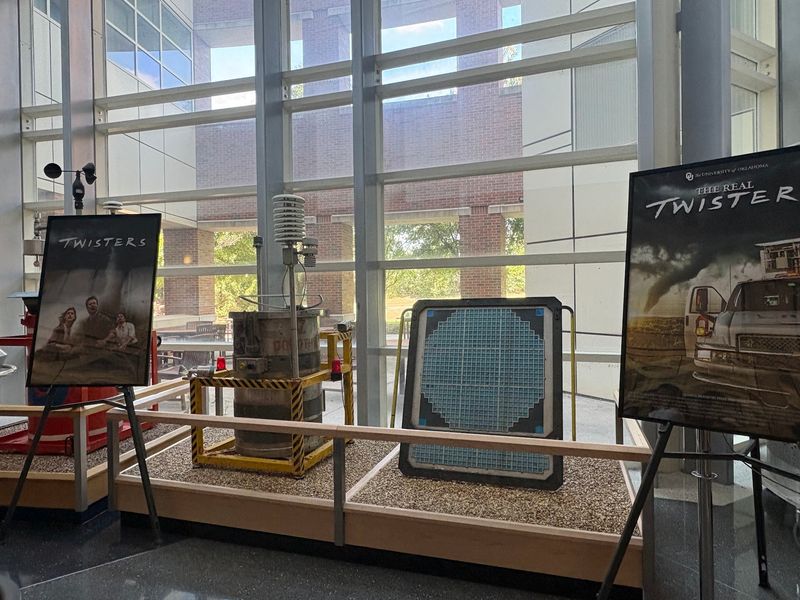
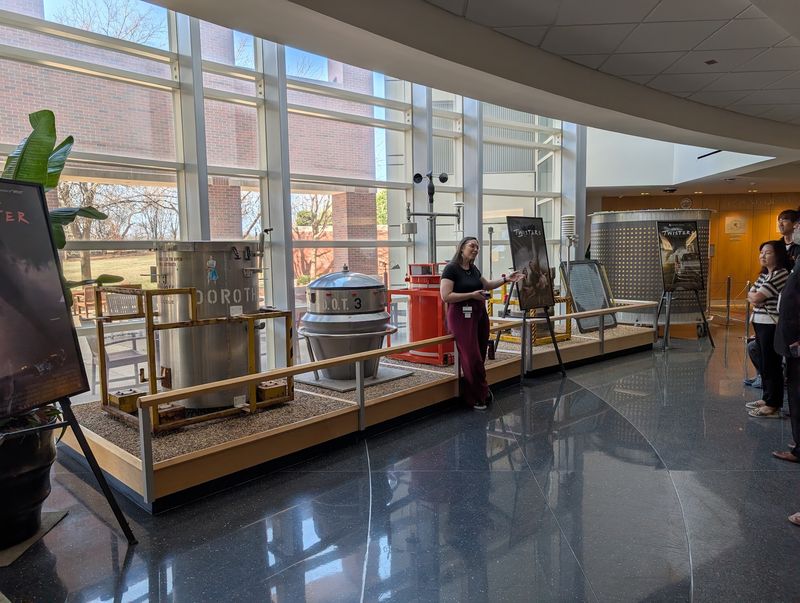
Cue the movie soundtrack. Fans of the Twister films get a real treat at the center, where props and actual weather equipment used in the movies sit on display.
Visitors love pointing this out, and for good reason. It is a quirky, unexpected bridge between Hollywood and hard science, right in the middle of a serious research building.
One guest summed it up with a tornado emoji and a big grin.
Seeing the gear in person makes you think about how storytellers borrowed from real research. The film made storm chasing feel adventurous, and plenty of folks say it first got them hooked on weather.
Standing near those props, you can almost hear the wind roar.
It also makes a terrific photo stop. Friends and family back home will instantly recognize what you are looking at, even if they have never visited Oklahoma.
Here is a quiet fun fact to share on your drive home: a lot of the movie’s action was set in our state, so displaying these pieces in Norman feels like a homecoming of sorts.
For pop culture lovers, this alone might justify the trip. Pair it with the real science around it, and you have a memorable combo.
Mesonet Gear and the Science of Measuring Wind
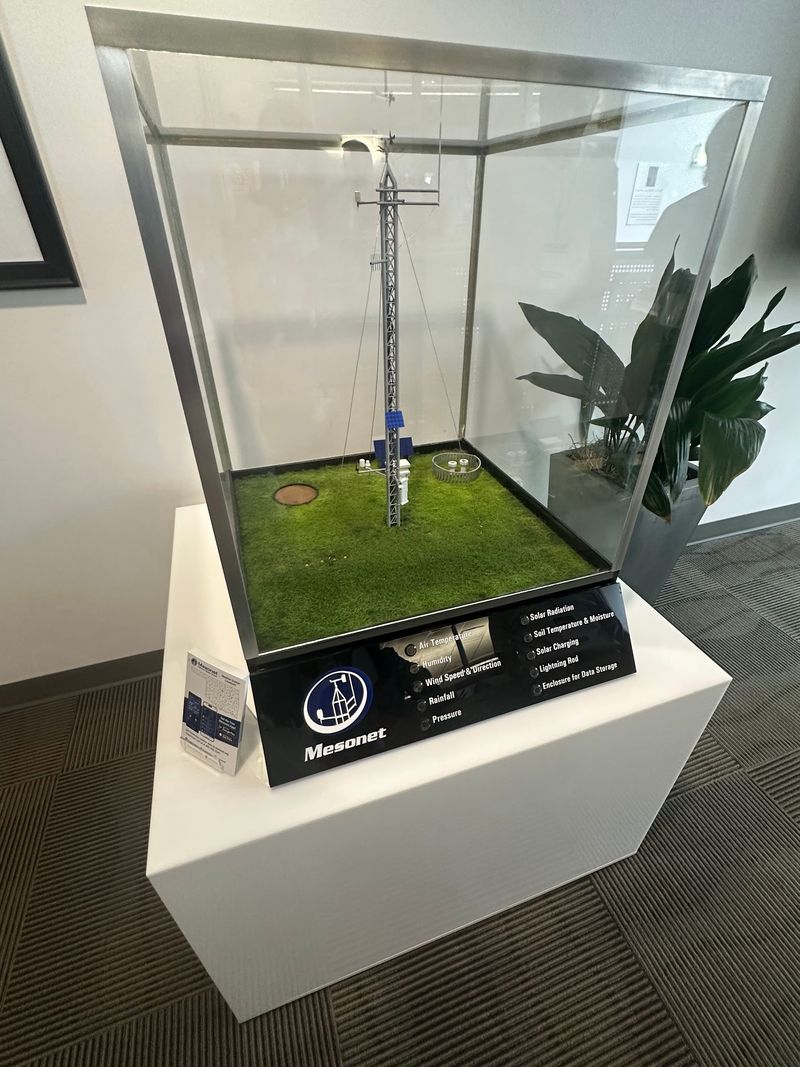
Ever wonder how forecasters know the exact temperature in a tiny town halfway across the state? Part of the answer comes from the Mesonet, and the tour covers how that equipment works.
Guests mention learning about Mesonet stations along with other tools used to watch the sky. It might sound technical, but guides keep it friendly and easy to follow.
You walk away understanding how scattered sensors feed information back to the experts.
Earlier visitors also remember hearing about special labs inside the building. One excited guest listed a tornado lab, a tornado simulator, and a Doppler lab, which sounds like a dream lineup for any science fan.
What you actually see may vary from one tour to the next. Even so, the overall lesson stays the same: forecasting is not guesswork.
It is built on careful measuring, smart tools, and people who know how to read the clues.
Teachers and parents will like this section in particular. It connects classroom ideas like temperature, pressure, and wind to the real world in a way that sticks.
After this, you may never look at a roadside weather tower the same way again. Suddenly it becomes a tiny hero.
The Annual Weather Festival
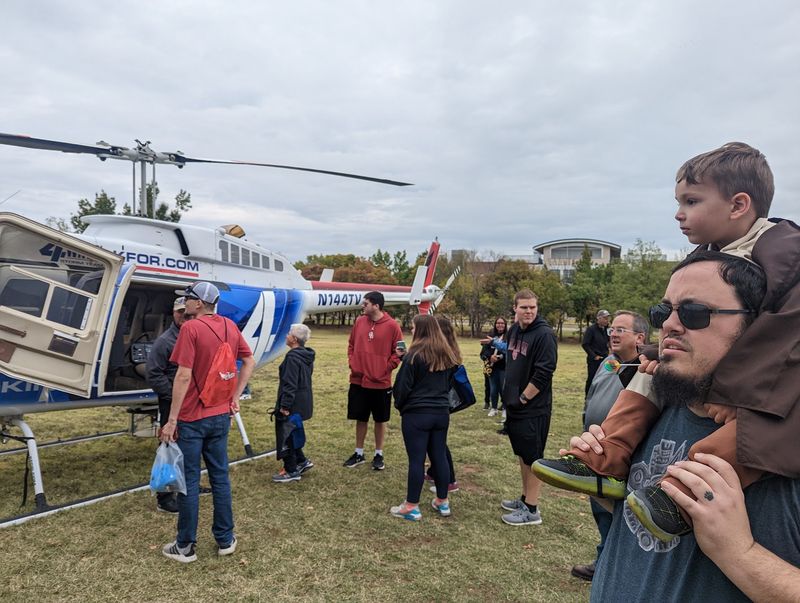
Mark your calendar, because once a year the center throws its doors wide open. The weather festival is the event people rave about most, and many guests call it a highlight of their year.
Visitors describe local meteorologists, news stations, and even helicopters on site. It is one of the rare chances to walk around inside freely and get acquainted with the science behind Oklahoma’s ever-changing skies.
One past guest said it usually lands in November.
Families say there are activities for every age group. A grandparent who brought a grandson said the boy had an absolute blast, and the staff were knowledgeable and helpful the whole time.
Another first-time group remembered meeting lots of cool people and having plenty of fun.
Because the building is normally pretty secure, this festival feels extra special. It is your best shot at seeing more of the place in a relaxed, open setting.
Want the latest details? Visitors suggest following the center’s social media pages for festival news, and the hashtag #OKWX pops up often around weather chatter.
Bring curious kids, a camera, and comfy shoes. You will want to linger.
Flying Cow Cafe and Peaceful Grounds
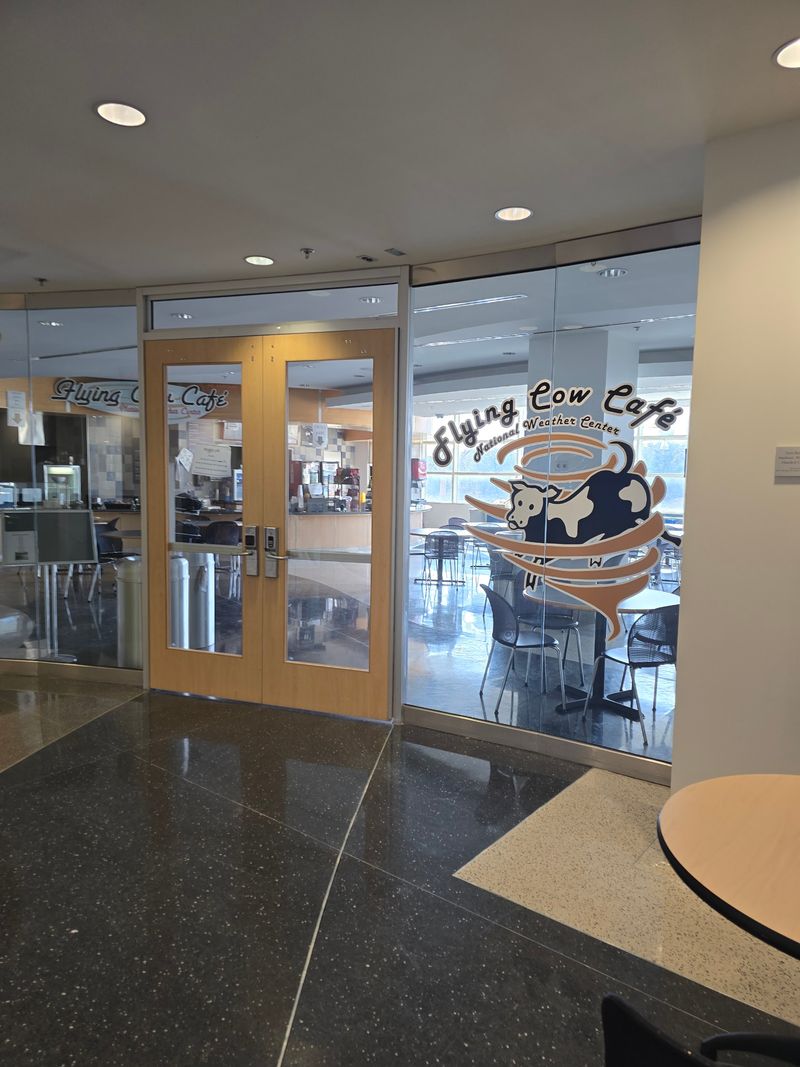
Yes, there really is a place called the Flying Cow Cafe. The name alone earns a smile, and the nod to a certain famous movie scene is hard to miss.
Guests mention stopping there to grab a snack or pick up souvenirs after their tour. It is a handy little break, especially if you have hungry kids who just spent an hour soaking up science.
A weather-themed keepsake makes a great reminder of the day.
Outside, the grounds get plenty of love too. Visitors describe them as clean, beautiful, and well kept, with relaxing water features that are nice to stroll past.
It is an easy spot to stretch your legs before or after your visit.
Since the building sits right on campus, you can also turn the outing into a bigger Norman day. One visitor suggested popping by the next time you come to town for a game.
The cafe will not be the main reason you drive here, of course. But small comforts like a snack and a calm walk add a lot to a family outing.
Think of it as the friendly pause between big ideas.
Who Will Love a Visit Here
Self-described weather nerds, raise your hands. You are the obvious audience, and visitors happily admit their inner nerd radar goes wild here.
Still, the appeal reaches well beyond hardcore fans.
Families say the experience works for adults and students alike, and many call it fun for all ages. Teachers might find it a fantastic field trip, since it ties lessons to real careers.
Young people dreaming about meteorology walk away inspired.
Out-of-state friends seem to love it too. One local brought a visiting friend who was absolutely thrilled, and another guest said it was worth the drive from Texas.
That says a lot about its pull.
Even folks with only a mild interest in weather tend to enjoy themselves. The staff earn steady praise for being friendly, and one visitor even noted a kind security officer who made the day better.
The vibe is calm, respectful, and full of curiosity. It is not loud or flashy, so toddlers looking for rides may get restless.
For school-age kids, science buyers, storm fans, and proud Oklahomans who want to know their state better, this is a solid pick.
Hours, Booking, and Getting There
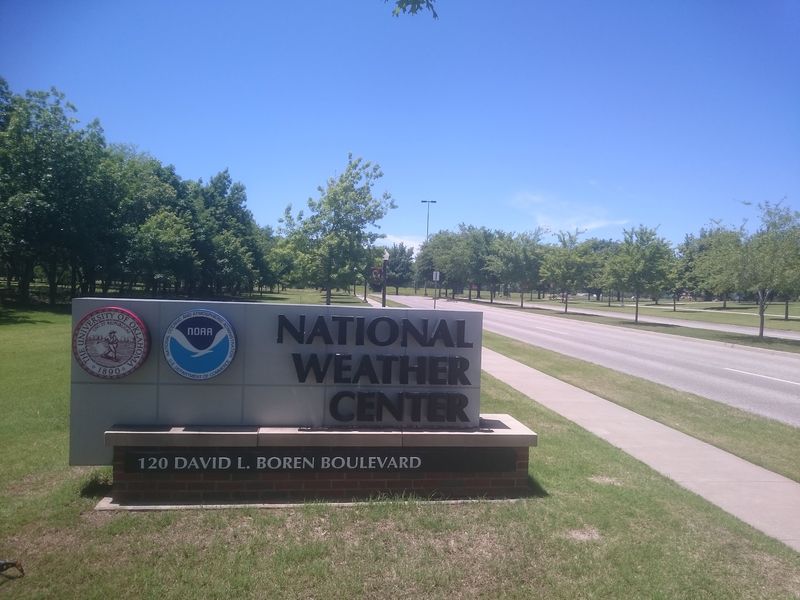
Planning ahead pays off here. The National Weather Center is listed as open Monday through Friday, from 8:30 AM to 12 PM and again from 1 PM to 4:30 PM, with a lunch break in between.
Saturdays and Sundays are closed.
Public tours are free, but preregistration is required. Recent guests say tours run on Mondays and Fridays, and the wait to get a spot can stretch for weeks or even months.
Booking early is your best friend.
You will find the center at 120 David L Boren Blvd in Norman, on the University of Oklahoma campus. For questions, the phone number is 405-325-3095, and the website at ou.edu/nwc.html is a good place to look for tour details.
Timing tip from visitors: the busy weather months, roughly March through June, can be an exciting time to come. Some say special weekend events with meteorologists and storm chasers sometimes pop up, so keep an eye out.
Keep in mind the building is secure, and guests cannot simply wander around. Arrive on time, stay with your group, and you will have a smooth visit.
A Worthy Stop for Curious Oklahomans
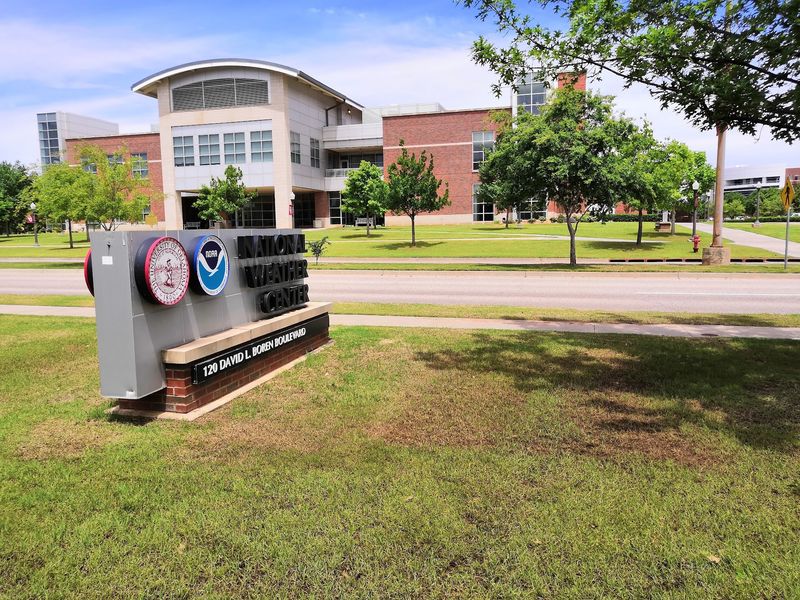
Some places look plain from the highway and turn out to hold a whole world inside. The National Weather Center fits that description perfectly.
In one visit, you can peek at the home of the Storm Prediction Center, see storm trucks built to handle hail, smile at Twister props, and chat with bright students who clearly love their work. Few free outings in Oklahoma pack that much into about an hour.
Is it flashy? Not really.
It is a working science hub, so expect thoughtful talks rather than rides or big shows. That honest, real-world feel is part of its charm.
Visitors keep saying the trip was well worth it, whether they drove across town or across state lines. Many leave with a new respect for the people quietly watching our skies.
So the next time a spring storm rolls across the plains, you may think back to those glowing monitors in Norman. That connection makes the forecast feel a little more personal.
Book your tour early, consider timing it around the fall festival, and bring your questions. Oklahoma weather is wild, and this is a great place to start understanding it.
Share this story