Patricia Highsmith had a gift for making beautiful places feel just a little dangerous. A sparkling Mediterranean harbor could hide jealousy, deception, obsession, or a carefully constructed identity that was beginning to unravel.
That atmosphere still exists in coastal towns where old villas overlook impossibly blue water, elegant cafés fill historic squares, and boats disappear beyond the horizon. Some even have direct connections to screen adaptations of Highsmith’s work, while others simply look as though Tom Ripley might appear around the next corner in a linen shirt and dark sunglasses.
These 13 coastal escapes combine beauty, sophistication, and just enough mystery to feel like settings from a Patricia Highsmith novel.
1. Ischia, Campania, Italy
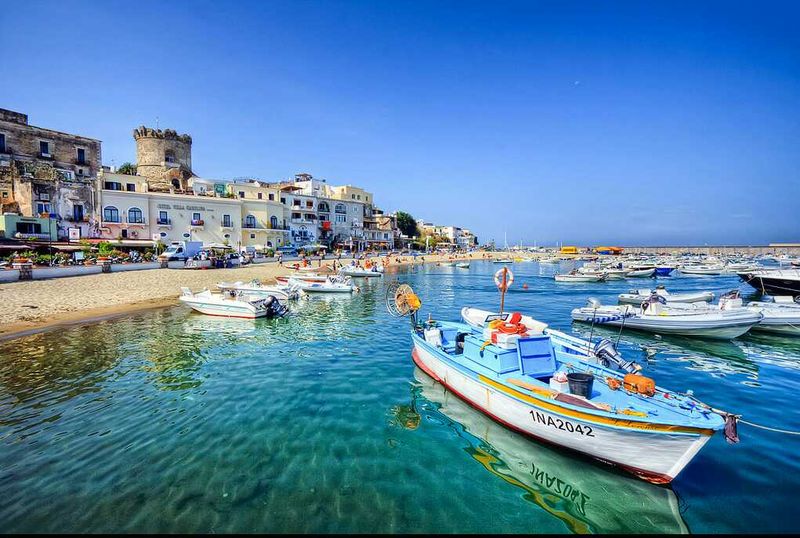
Few islands capture the Patricia Highsmith mood as completely as Ischia. Rising from the Bay of Naples, this volcanic island combines pastel waterfront buildings, thermal springs, secluded coves, old-fashioned hotels, fishing boats, and the enormous Castello Aragonese standing dramatically above the sea.
The connection is more than atmospheric. Ischia was among the Italian locations used to create the world of the 1999 film adaptation of The Talented Mr. Ripley.
Parts of the fictional seaside town of Mongibello were filmed on the island, making the scenery instantly recognizable to fans.
Spend an afternoon wandering around Ischia Ponte and the appeal becomes obvious. Narrow streets lead toward the castle, restaurant tables spill onto stone lanes, and small boats bob just offshore.
Everything looks carefree in the Mediterranean sunshine.
Then evening arrives. Shadows stretch across the old buildings, the castle becomes a dark silhouette over the water, and those cheerful lanes suddenly feel perfect for secrets.
2. Menton, Provence-Alpes-Côte d’Azur, France
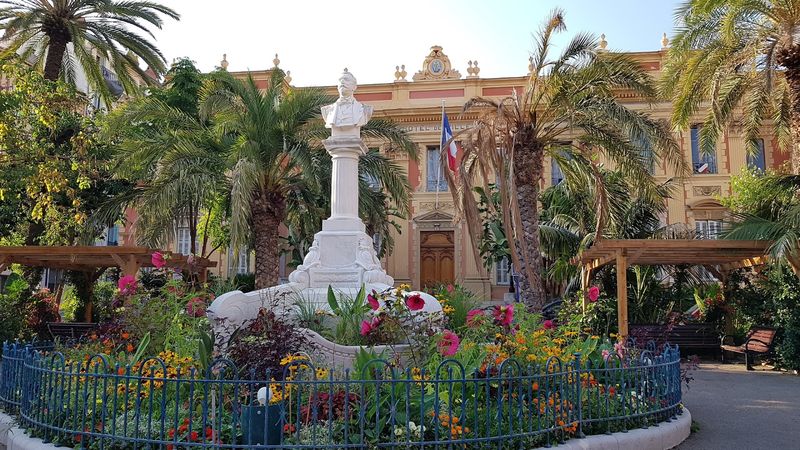
Menton sits almost against the Italian border, giving it a blend of French Riviera elegance and Italian color.
Its old town rises above the Mediterranean in a dense arrangement of ochre and pastel buildings, while gardens, palms, beaches, and Belle Époque architecture reflect its long history as a resort destination.
Menton is quieter than nearby Monaco or Nice, and that makes it particularly suitable for this list. It feels like somewhere a character could rent an apartment overlooking the sea, establish a convincing routine, and hope nobody from an earlier life recognizes them at a café.
3. Atrani, Campania, Italy
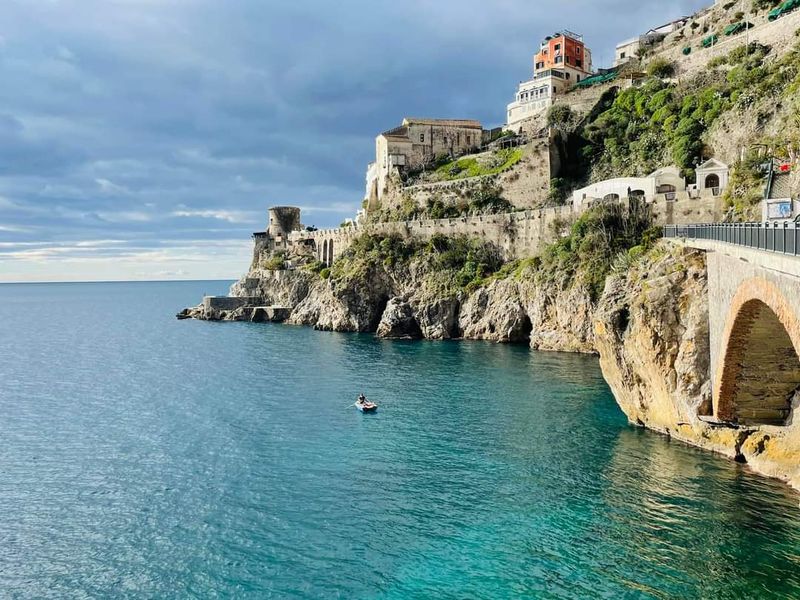
Tiny Atrani sits squeezed between steep mountains and the Tyrrhenian Sea, only a short distance from famous Amalfi. Yet its intimate scale makes it feel remarkably separate from its celebrated neighbor.
Old houses climb almost vertically from the waterfront. Staircases disappear beneath arches, passageways run beneath buildings, and laundry hangs above lanes that seem barely wide enough for two people to pass.
At the center is Piazza Umberto I, a compact square where café tables sit beneath surrounding homes and the church of San Salvatore de’ Birecto rises nearby.
Atrani has exactly the quality a Highsmith setting needs: it is beautiful but difficult to remain anonymous in. Stay for several days and you begin recognizing the same faces crossing the square.
The beach and bright Mediterranean water suggest a carefree Italian vacation, while the labyrinth behind them suggests something else entirely. It’s easy to imagine a stranger arriving with expensive luggage, introducing himself with a convincing new name, and slowly realizing that somebody in town recognizes him.
4. Dubrovnik, Dubrovnik-Neretva County, Croatia
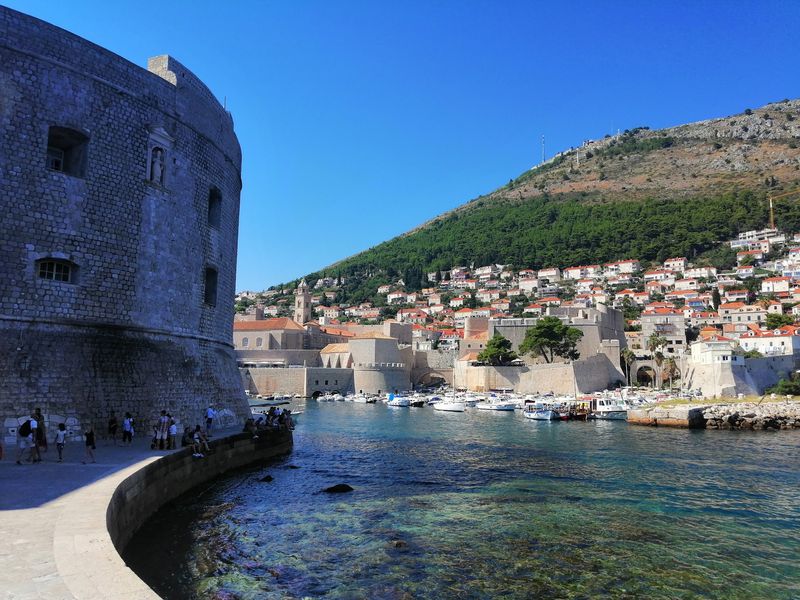
Dubrovnik’s medieval walls, polished stone streets, hidden staircases, and intensely blue Adriatic setting give it a cinematic quality before any fictional intrigue is added.
Inside the walls, elegant buildings and narrow lanes create a maze where someone can disappear from sight almost instantly. Outside them, boats head toward nearby islands while rocky swimming spots sit beneath centuries-old fortifications.
The crowds can be considerable during the day, but early mornings and evenings reveal another Dubrovnik. Empty stone streets echo with footsteps, lights appear behind shuttered windows, and the sea turns dark beneath the walls.
Suddenly the famous vacation destination feels much more like the opening chapter of a psychological thriller.
5. Positano, Campania, Italy
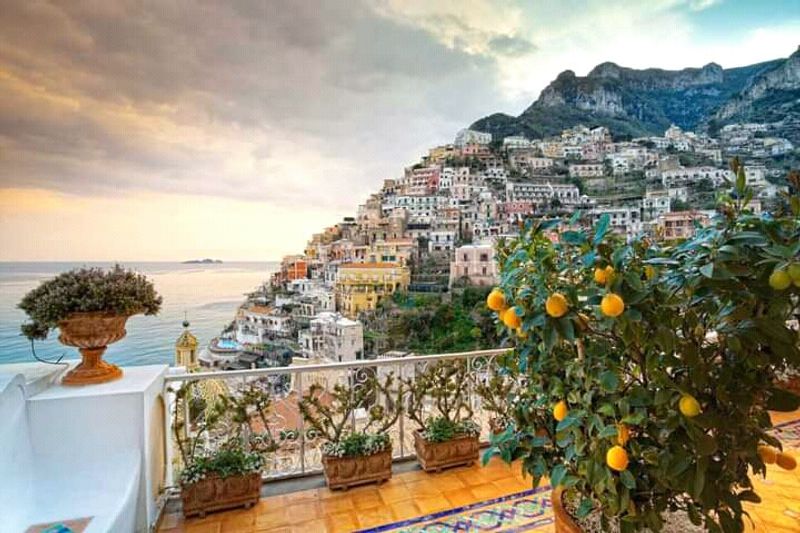
Positano appears almost impossibly glamorous from the water. Pastel buildings cascade down a mountainside toward the sea, while terraces, church domes, staircases, bougainvillea, and luxury hotels seem stacked on top of one another.
That beauty comes with an interesting sense of enclosure. There is little flat ground, and movement through town often means following narrow lanes and long stairways that twist between buildings.
One minute you are surrounded by visitors and boutiques, and the next you can find yourself on a quiet passage with the sea visible far below.
Boats constantly arrive and depart during the warmer months, carrying travelers toward Capri and other Amalfi Coast towns. It creates exactly the sort of transient world that suits a Highsmith story, filled with people arriving briefly, reinventing themselves on vacation, and disappearing again.
After sunset, Positano becomes particularly cinematic. Lights appear across the hillside, restaurants glow above the water, and dark cliffs surround the town.
It’s luxurious, romantic, and just isolated enough for a fictional secret to become complicated.
6. Ravello, Campania, Italy
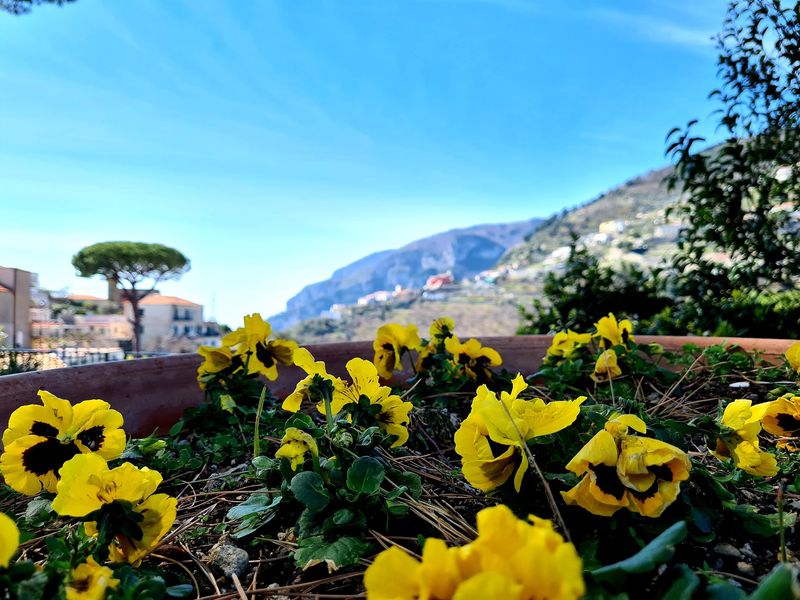
Ravello sits high above the Amalfi Coast rather than directly on the beach, but few places combine privilege, beauty, and seclusion so effectively.
Historic villas occupy spectacular positions above the Mediterranean. Villa Rufolo is famous for its gardens and terraces, while Villa Cimbrone’s celebrated Terrace of Infinity looks across an enormous expanse of coastline and sea.
The views are so polished that they can almost feel unreal.
Yet Ravello is quieter than many towns below. Walk away from the central piazza and you quickly encounter stone walls, gardens, private entrances, and pathways descending toward places you cannot quite see.
That separation from everyday life gives Ravello its Highsmith quality. It feels like somewhere wealthy characters might retreat for several weeks because they specifically do not want to be found.
You can imagine an elegant lunch on a terrace beginning pleasantly enough, followed by a conversation that changes everything. In Highsmith’s world, the most beautiful view at the table rarely means the people sitting around it have equally beautiful intentions.
7. Hydra, Attica, Greece
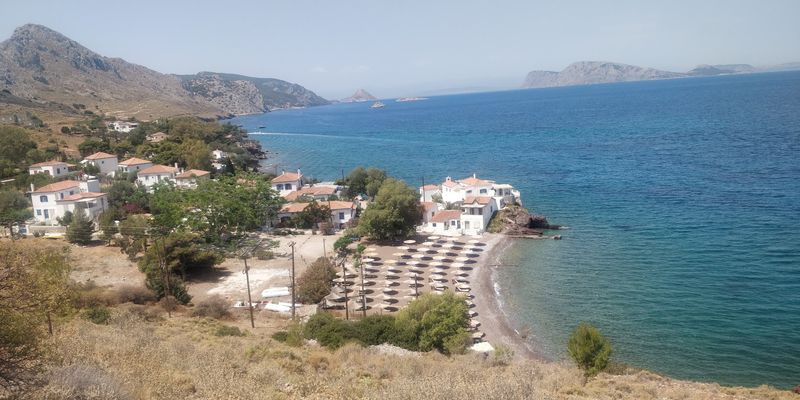
Hydra offers a rare combination of sophisticated island life and an almost conspicuous absence of modern traffic.
Cars are generally prohibited on the island, so visitors arriving by ferry step into a harbor lined with stone mansions, cafés, boats, and narrow pedestrian lanes. Paths climb rapidly into the hills, revealing increasingly expansive views of the Aegean.
Hydra became associated with artists and writers during the 20th century, and some of that bohemian elegance remains. At night, when ferries have departed and the harbor quiets, it isn’t difficult to imagine an unfamiliar yacht arriving with someone aboard who has an excellent story about who they are.
8. Taormina, Sicily, Italy
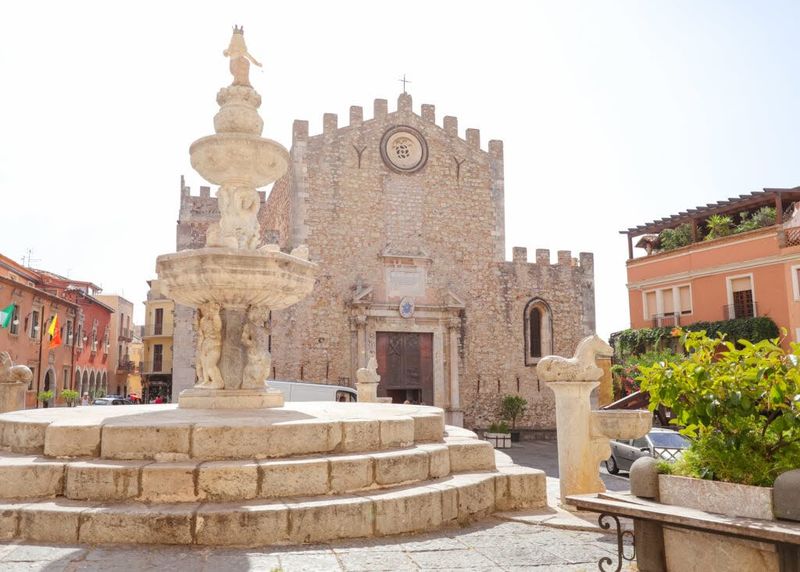
Taormina has attracted wealthy travelers, artists, writers, aristocrats, and celebrities for generations, creating precisely the kind of socially layered resort atmosphere that Highsmith used so effectively.
The Sicilian town occupies a spectacular perch above the Ionian Sea, with Mount Etna rising beyond the coastline. Its ancient theater provides one of Europe’s most extraordinary views, while Corso Umberto passes palazzi, churches, cafés, boutiques, and elegant hotels.
Below town, a cable car descends toward the coast and the tiny island of Isola Bella. Suddenly the setting changes from polished historic streets to rocky coves and intensely blue water.
Taormina’s appeal comes from the contrast. Public spaces can be glamorous and crowded, while behind them are gardens, terraces, staircases, hotel corridors, and old buildings filled with private rooms.
It feels perfectly plausible that two strangers might meet over cocktails, discover they have mutual acquaintances, and gradually realize that one of them knows considerably more about the other than he initially admitted.
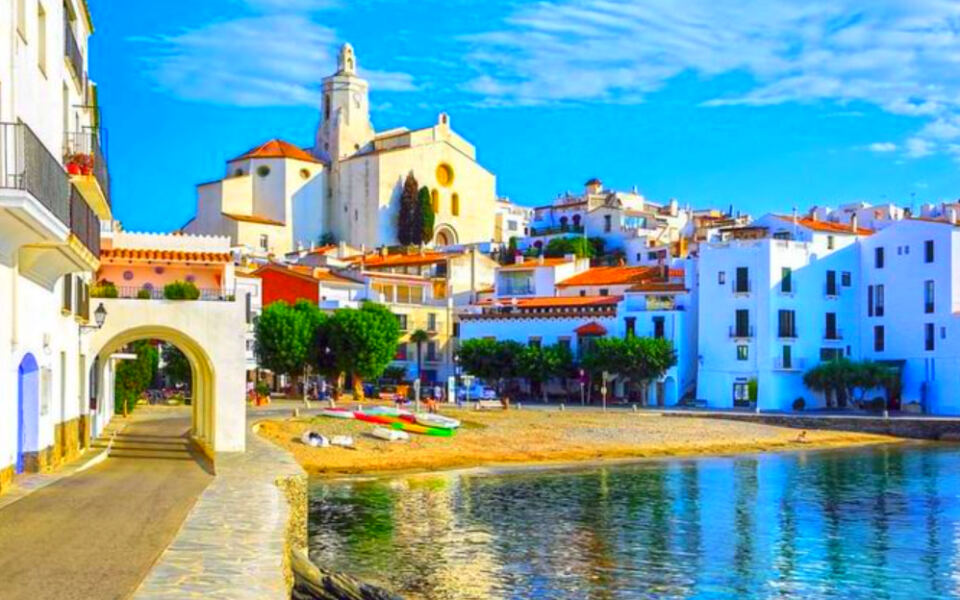
9. Cadaqués, Catalonia, Spain
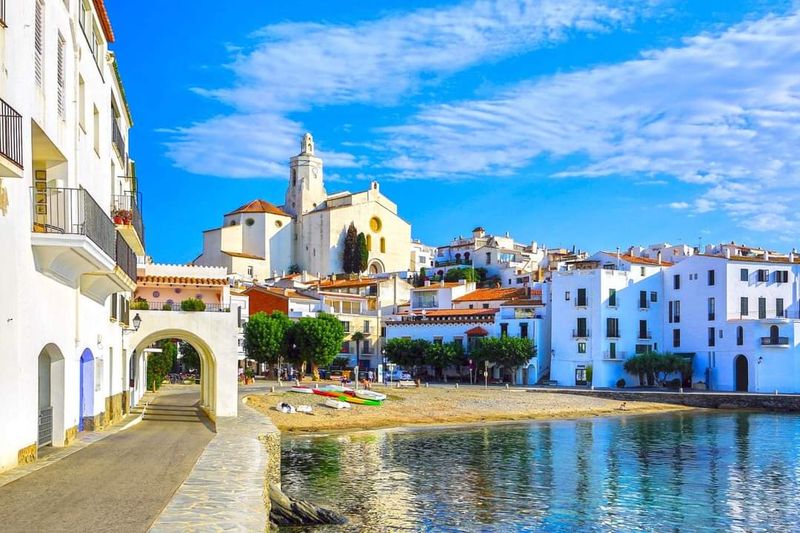
Cadaqués looks like a Mediterranean town that deliberately chose to remain difficult to reach.
Whitewashed buildings gather around a rocky bay on the Costa Brava, backed by the rugged landscape of Cap de Creus. Salvador Dalí famously lived nearby in Portlligat, and generations of artists have been attracted by the area’s unusual light and isolation.
The town’s winding streets and waterfront cafés are beautiful, but the surrounding terrain gives it a slightly remote quality. Once the road curves through the hills behind you, Cadaqués feels separated from everything else.
For a Highsmith character hoping to vanish without leaving Europe entirely, that would be useful.
10. Cefalù, Sicily, Italy
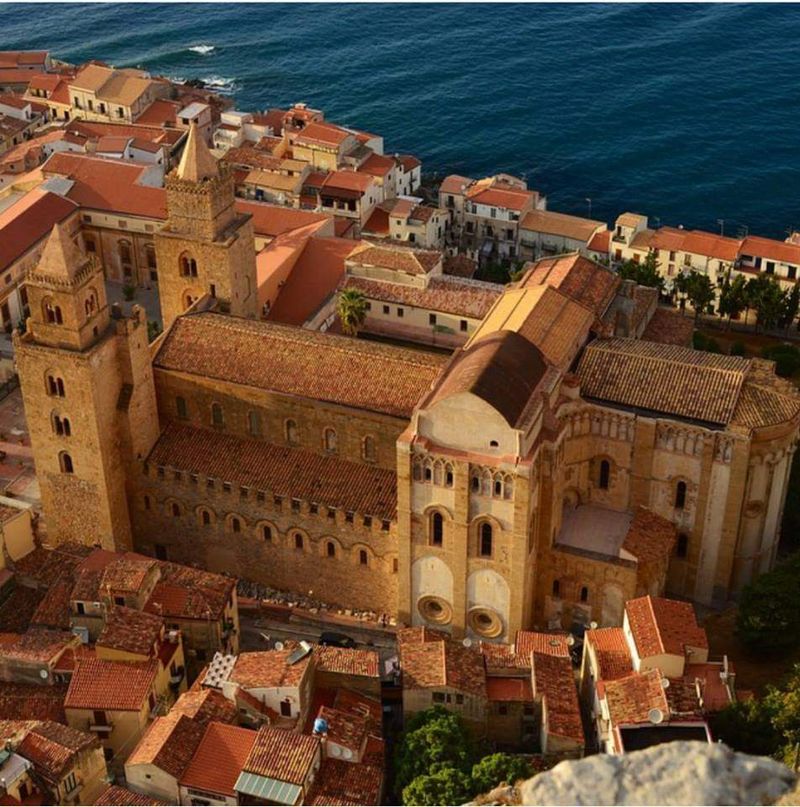
Cefalù combines several Mediterranean personalities within a remarkably compact space. There is a long sandy beach, a historic fishing waterfront, a maze of old streets, an imposing Norman cathedral, and the enormous rocky headland known as La Rocca looming above everything.
During the day, the town feels almost aggressively cheerful. Beach umbrellas fill the sand, swimmers crowd the water, and restaurant tables appear along narrow streets.
Old buildings in warm shades of stone stand just steps from the sea.
Move a few streets inland, however, and Cefalù becomes much more atmospheric. Stone lanes narrow, staircases climb between buildings, and glimpses of the sea appear unexpectedly at the ends of passageways.
La Rocca adds another dimension, towering over the town like a permanent observer.
That combination of carefree vacation life and ancient surroundings gives Cefalù a subtle tension. It looks like somewhere a Highsmith character could arrive intending to spend three peaceful weeks and leave considerably earlier under circumstances nobody at the hotel completely understands.
11. Saint-Jean-Cap-Ferrat, Provence-Alpes-Côte d’Azur, France
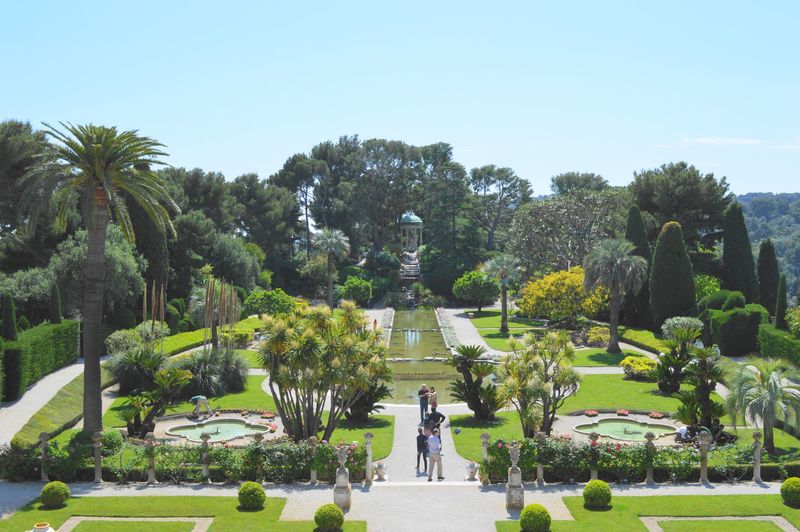
If Highsmith’s wealthy characters needed somewhere to retreat from the world, Saint-Jean-Cap-Ferrat would make an excellent candidate.
The peninsula extends into the Mediterranean between Nice and Monaco and has long been associated with grand villas, wealthy residents, gardens, and secluded stretches of coastline. Villa Ephrussi de Rothschild provides an especially extravagant glimpse of Riviera luxury.
Walking paths follow sections of the rocky shore, sometimes leaving the grand properties almost completely hidden behind vegetation and walls. It is beautiful, exclusive, and strangely private, precisely the combination that makes a place feel suitable for fictional intrigue.
12. Sanremo, Liguria, Italy
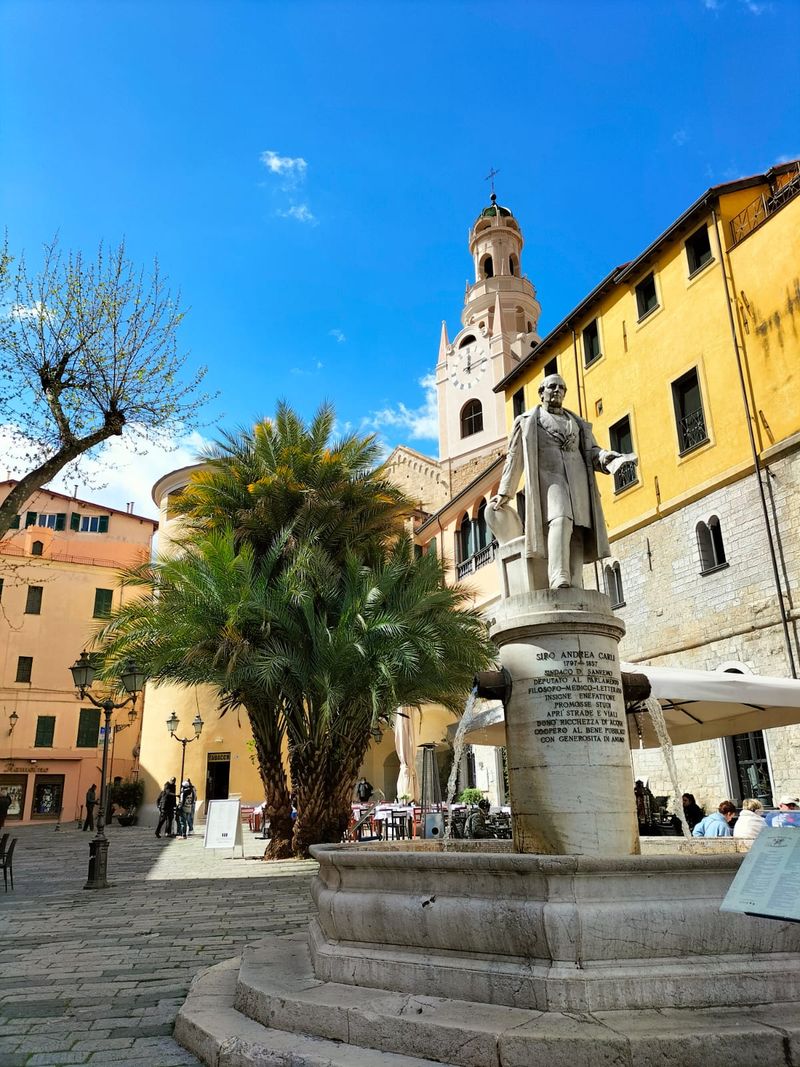
Sanremo carries traces of the old European resort culture that once attracted aristocrats, wealthy travelers, gamblers, and people seeking warmer winters along the Italian Riviera.
Its grand hotels, palm-lined promenades, ornate casino, villas, and marina preserve some of that faded glamour. Unlike a perfectly manicured luxury resort, however, Sanremo has enough age and imperfection to make it interesting.
That combination feels especially appropriate for Highsmith. You can imagine characters dressing for dinner, watching strangers across a casino table, or realizing that someone they thought they had escaped has unexpectedly checked into the same hotel.
13. Portofino, Liguria, Italy
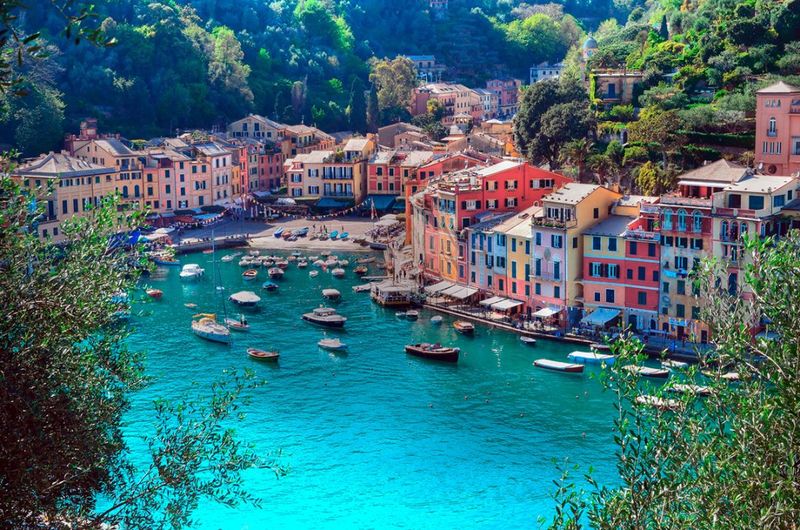
Portofino practically defines discreet Mediterranean wealth.
A small harbor curves beneath brightly painted buildings while yachts anchor offshore and wooded hills rise immediately behind town. Designer boutiques and polished restaurants reinforce its glamorous reputation, yet the village remains compact enough that repeated encounters with the same people can feel almost inevitable.
That is exactly what gives Portofino its Highsmith quality. In a huge city, someone can vanish.
In a tiny harbor filled with wealthy travelers, everyone eventually crosses the same piazza. The beautiful surroundings would only make a fictional secret harder to keep.
Share this story