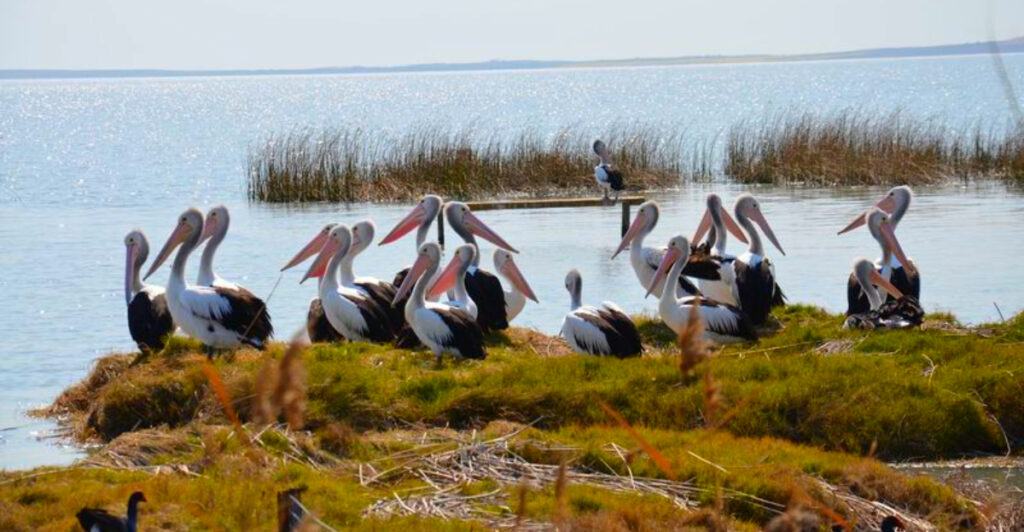
Pelicans are among the world’s most recognizable seabirds, known for their oversized bills, graceful soaring flights, and spectacular diving displays. Across the globe, a number of coastal towns have become prime destinations for watching these remarkable birds, offering visitors the chance to see thriving colonies in their natural habitats.
From protected wildlife refuges to remote nesting islands, these 13 destinations provide unforgettable pelican-watching experiences. Whether you’re a birdwatcher, photographer, or nature enthusiast, each offers a unique opportunity to observe one of the world’s most fascinating seabirds.
1. Sebastian, Florida, USA
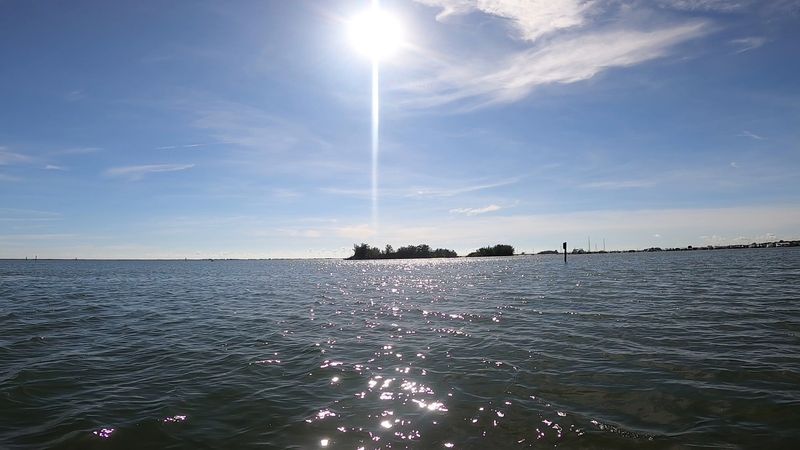
America’s very first national wildlife refuge was created not for wolves or bears, but for a bird with a comically large bill. Pelican Island National Wildlife Refuge, established in 1903 near Sebastian, Florida, was set up specifically to protect nesting brown pelicans from plume hunters who were decimating coastal bird populations.
The refuge sits within the Indian River Lagoon, recognized as the most biologically diverse estuary in the United States, supporting over 130 bird species. Brown pelicans nest here as residents, while migratory white pelicans arrive from fall through spring, making the site rewarding across multiple seasons.
Pelican Island itself remains off-limits to visitors, keeping the nesting grounds undisturbed. A 0.75-mile Centennial Trail leads to an observation tower with panoramic views of the island and lagoon. Kayaking and boating are permitted in surrounding waters, giving wildlife enthusiasts a relaxed way to appreciate the colonies without crowding the birds.
2. Grand Isle, Louisiana, USA
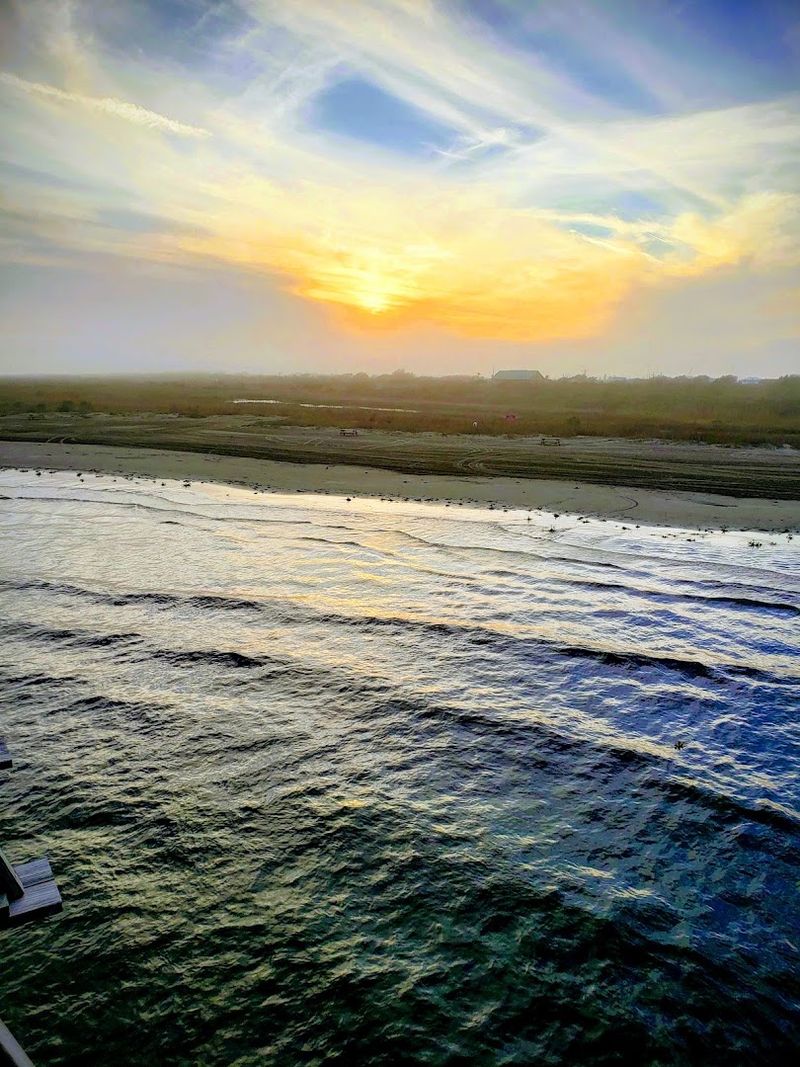
Queen Bess Island has one of the most dramatic comeback stories in American wildlife conservation. By 1963, brown pelicans had vanished from Louisiana entirely due to DDT pesticide contamination, which caused eggshells so thin they cracked under the weight of incubating parents.
A reintroduction program launched in 1968 brought brown pelican chicks from Florida to Queen Bess Island, and by 1971, biologists documented the first 11 nests. Today, the island ranks as Louisiana’s fourth-largest brown pelican rookery, contributing between 15 and 20 percent of the state’s total nesting activity. By 2023, biologists counted nearly 30,000 birds and 6,000 pelican nests in a single season.
Restoration work completed in 2020 expanded the island’s nesting habitat from just 5 acres to a substantial 37 acres using breakwaters and fresh sand. Public access to the island’s land areas is restricted, but the surrounding waters near Grand Isle remain a favorite for birdwatchers and photographers.
3. Ventura, California, USA

Before DDT was banned in 1972, California brown pelicans were in serious trouble. The pesticide caused catastrophic eggshell thinning that wiped out breeding success on the Channel Islands, pushing the species onto the endangered list and nearly silencing one of the Pacific Coast’s most iconic birds.
Ventura serves as the main gateway to Channel Islands National Park, where West Anacapa Island now hosts one of the only long-standing California brown pelican breeding colonies in the western United States. Conservation efforts following the DDT ban paid off so well that the species was officially delisted in 2009. The colony on West Anacapa now averages approximately 4,600 nesting pairs annually.
These birds are built for performance, weighing around eight pounds with wingspans exceeding 6.5 feet, and they plunge-dive from heights of 20 to 60 feet to catch fish. Around Ventura Harbor, pelicans perch on pilings and glide above the Pacific, offering effortless viewing without a boat ticket required.
4. Santa Barbara, California, USA

Santa Barbara Island sits roughly 38 miles offshore and quietly supports one of the most important California brown pelican breeding colonies along the entire Pacific Coast. The colony typically hosts between 400 and 700 nests each season, a number that reflects decades of careful conservation work following the near-collapse of the species in the 1970s.
These pelicans are classified as asynchronous nesters, meaning their breeding season stretches from January through October, with individual pairs starting at different times rather than all at once. They build nests on inaccessible slopes, canyon ledges, and high bluffs, minimizing contact with predators and human disturbance.
Direct public access to sensitive nesting areas on Santa Barbara Island is periodically restricted to protect active breeding sites. Wildlife cruises departing from Santa Barbara’s waterfront offer memorable views of the protected islands. Along the city’s harbor, pelicans frequently glide just above the water using a technique called ground effect, which conserves energy during long coastal flights.
5. Paracas, Peru
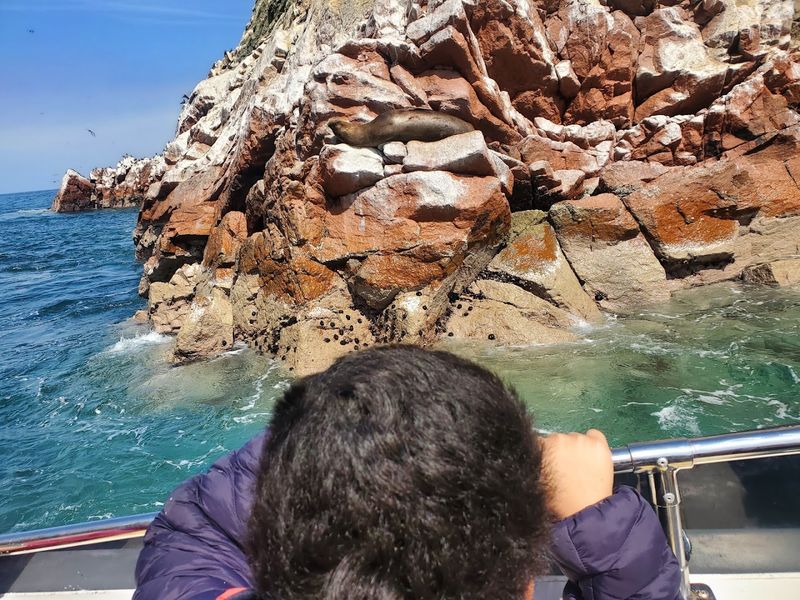
The Ballestas Islands off Paracas are sometimes called the Poor Man’s Galapagos, and while that nickname undersells them considerably, it does hint at just how packed with wildlife these rocky outcrops really are. Peruvian pelicans, distinguished by their vivid blue throat pouches that shift to olive green during breeding season, nest here in large, boisterous colonies alongside Humboldt penguins, Guanay cormorants, and Peruvian boobies.
Peruvian pelicans are one of only two pelican species in the world that exclusively plunge-dive to catch fish, making them particularly exciting to watch from the tour boats that circle the islands. Their precise, powerful dives into the cold Humboldt Current waters are a genuine spectacle.
Beyond the birds, fur seals and sea lions haul out on the rocky shores, and sea caves carved into the cliffs add a dramatic backdrop to every excursion. Paracas has built a well-deserved reputation as one of Peru’s premier nature destinations, combining extraordinary wildlife density with striking coastal scenery in a compact, accessible package.
6. Puerto Ayora, Santa Cruz Island, Galápagos, Ecuador
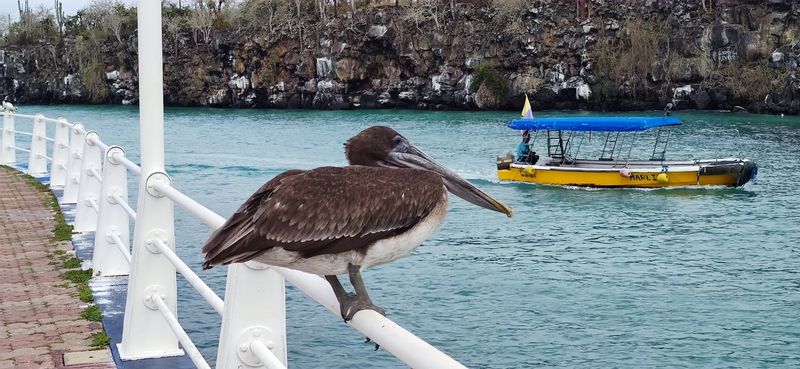
In Puerto Ayora, the local pelicans have essentially decided that queuing at the fish market is a perfectly reasonable lifestyle choice. Brown pelicans around the harbor have grown accustomed to human activity and regularly position themselves near fishing vessels and market stalls, waiting for scraps with an air of calm entitlement.
Throughout the Galápagos archipelago, brown pelicans breed year-round on rocky shores and offshore islets. Both parents share incubation duties for clutches of two to three eggs, and during breeding season, their necks deepen to a rich maroon-brown while their heads develop a striking gold wash, creating a noticeably different appearance from their non-breeding look.
During colder years, brown pelicans have been known to nest directly within the town of Puerto Ayora, a level of urban integration that few wildlife destinations can match. Sea lions sleep on the pier, marine iguanas wander the streets, and pelicans patrol the waterfront, making this harbor town one of the most effortlessly wildlife-rich places on the planet.
7. La Paz, Baja California Sur, Mexico

The Sea of Cortez around La Paz has been called the world’s aquarium, and the brown pelicans that patrol its waters seem fully aware of how good they have it. Protected islands within the marine reserve, including Espiritu Santo Island and the area around Balandra Beach, provide reliable nesting habitat for brown pelicans that breed along the Gulf of California coast.
Brown pelicans here display their breeding colors from late spring through summer, with males adopting yellowish crown hues and performing courtship displays that include bill-clapping and elaborate dancing routines. Females lay one to three eggs in shallow nests built from twigs and vegetation on island cliffs and rocky outcrops, with both parents sharing incubation duties throughout the season.
Boat tours around La Paz regularly pass rocky shores where breeding birds congregate, and pelicans are a constant presence along the city’s scenic waterfront malecon. The surrounding marine reserve supports dolphins, whales, and sea lions alongside the pelicans, making every outing on the water a genuinely unpredictable wildlife encounter.
8. Loreto, Baja California Sur, Mexico
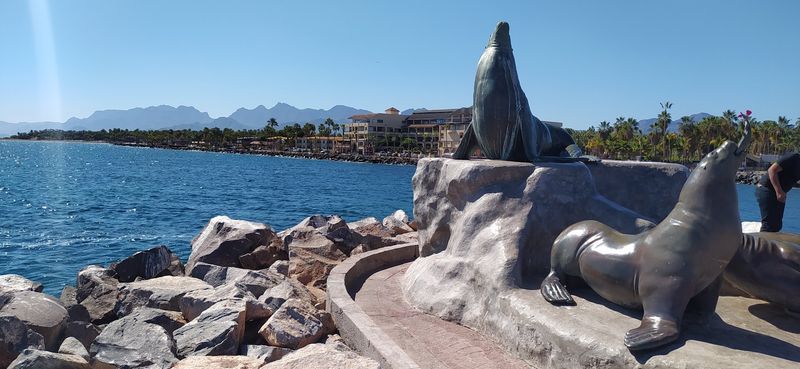
Loreto Bay National Park holds a UNESCO World Heritage designation, and the pelicans nesting on its protected islands seem blissfully unconcerned with the honor. Brown pelicans establish breeding colonies on several of the park’s rugged islands, with Isla Coronados being a particularly active site where they share cliff space with blue-footed boobies, terns, and frigatebirds.
Visitors regularly spot pelicans resting on rocky ledges or executing precise plunge-dives into the nutrient-rich Sea of Cortez, and the calm, clear conditions in the bay make these moments easy to observe and photograph. Kayakers paddling between islands frequently find themselves in the company of these coastal birds, which adds a spontaneous quality to every outing.
Beyond the pelicans, the park’s waters host playful sea lion colonies on Coronado Island, dolphins, and seasonal whale sightings, creating a layered wildlife experience that keeps visitors busy from morning to late afternoon. Loreto’s unhurried pace and accessible marine environment make it one of Mexico’s most consistently rewarding coastal escapes.
9. San Blas, Nayarit, Mexico
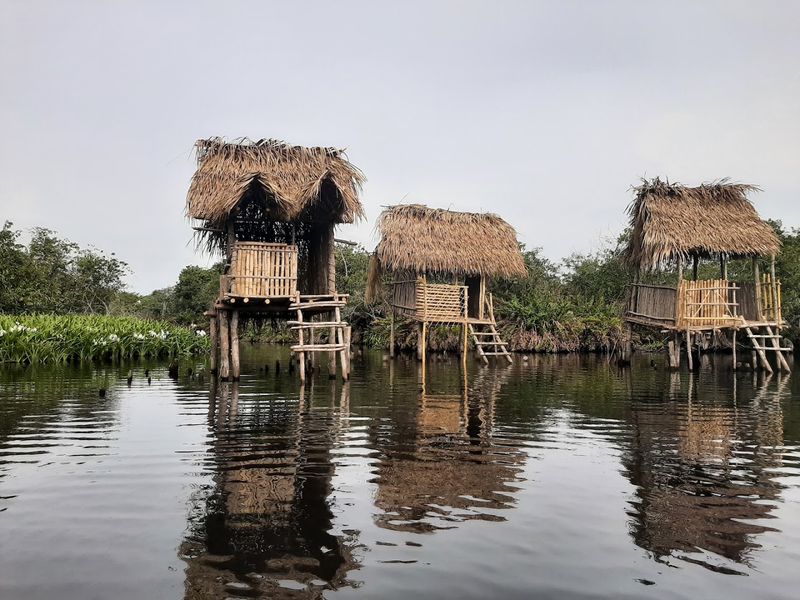
San Blas has quietly built an international reputation among serious birdwatchers, and the brown pelicans here are among the reasons birders keep putting this small Nayarit town on their itineraries. The area’s mangrove forests, winding estuaries, and offshore islands create a productive coastal habitat that supports over 300 bird species, with more than 80 percent of migratory arrivals coming from North America during winter months.
Brown pelicans breed throughout the surrounding coastal habitats and are a familiar presence around the harbor, where they perch on jetties and docks with characteristic patience. Despite being the smallest of the eight pelican species globally, they still carry wingspans between 1.8 and 2.5 meters, which makes them look anything but small when a group of them lifts off from a pier in unison.
Guided boat tours through La Tovara National Park and excursions to Isla Isabel, a volcanic island in Matanchen Bay, offer additional opportunities to observe these birds nesting and foraging in habitats that remain largely undisturbed by development.
10. Goolwa, South Australia, Australia
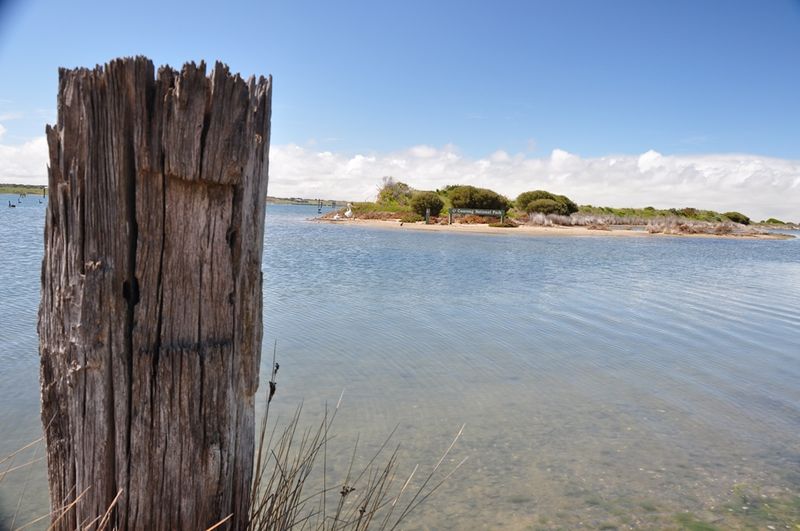
Jack Point might be one of Australia’s least glamorous place names, but the view from its observatory deck tells a very different story. Located within Coorong National Park, Jack Point overlooks what is considered the largest Australian pelican breeding colony in the entire country, spread across a cluster of small islands in the Coorong South Lagoon.
Australian pelicans rank among the largest flying birds on the planet, with wingspans reaching up to 2.5 meters. Their breeding season runs from June through March, with nesting activity carefully monitored on islands including North Pelican Island. When water conditions are favorable, the numbers of birds gathering here are genuinely remarkable.
Access to the nesting islands themselves is prohibited to protect active colonies, but a short 10-minute walk from the Jack Point car park leads to the observatory deck, which provides clear, unobstructed views. Interpretive signs along the accessible path explain the ecological significance of this breeding ground. Goolwa’s position as the primary gateway to Coorong National Park makes it the logical starting point for any visit.
11. Meningie, South Australia, Australia
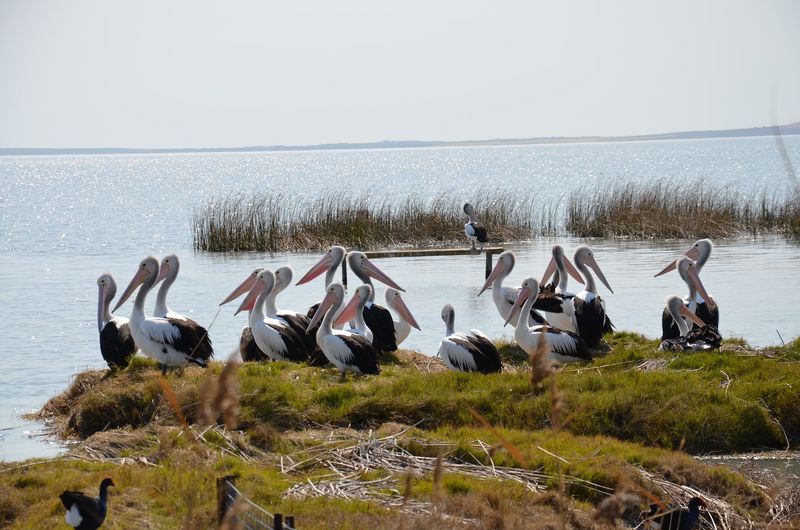
Meningie takes its pelican population seriously enough to have honored the birds with statues, man-made nesting structures, and an entire interpretive walking trail along the Lake Albert foreshore. The Pelican Path, known locally as Yunti Ngopun Ngami, stretches 400 meters along a sealed, accessible route suitable for wheelchairs, children’s bicycles, and anyone who prefers their wildlife encounters at a relaxed pace.
Lake Albert regularly hosts hundreds of Australian pelicans feeding in its waters, and the viewing platforms along the trail provide comfortable spots to watch them glide across the surface or circle overhead in loose formation. Interpretive signs along the route cover the European, Aboriginal, and environmental history of the Meningie region, adding cultural depth to what is already a strong natural attraction.
Meningie also functions as a base for exploring broader Coorong National Park, including the Jack Point Pelican Observatory, which offers views of Australia’s largest pelican breeding colony. For photographers, the combination of open water, flat landscapes, and abundant birds creates consistently strong conditions throughout the year.
12. Nouamghar, Banc d’Arguin National Park, Mauritania

Banc d’Arguin National Park exists in a geographic category of its own, occupying the zone where the Sahara Desert meets the Atlantic Ocean along Mauritania’s coast. Established in 1976 and recognized as a UNESCO World Heritage Site and Ramsar wetland, the park encompasses sand dunes, coastal swamps, and shallow island-dotted waters that support one of the most significant concentrations of waterbirds anywhere on Earth.
Several islands within the park, including Tidra, Niroumi, and Nair, support internationally important breeding colonies of great white pelicans. The total nesting bird population across the park reaches between 25,000 and 40,000 pairs from 15 species, making it the largest concentration of waterbirds in West Africa. An estimated two million migratory shorebirds from northern Europe, Siberia, and Greenland winter here annually.
Nouamghar, the principal village within the park, is home to the Imraguen people, whose traditional fishing culture has coexisted with this ecosystem for centuries. Boat excursions through the park’s shallow waters offer opportunities to observe pelican colonies alongside dolphins and sea turtles in a setting that feels genuinely remote.
13. Walvis Bay, Namibia
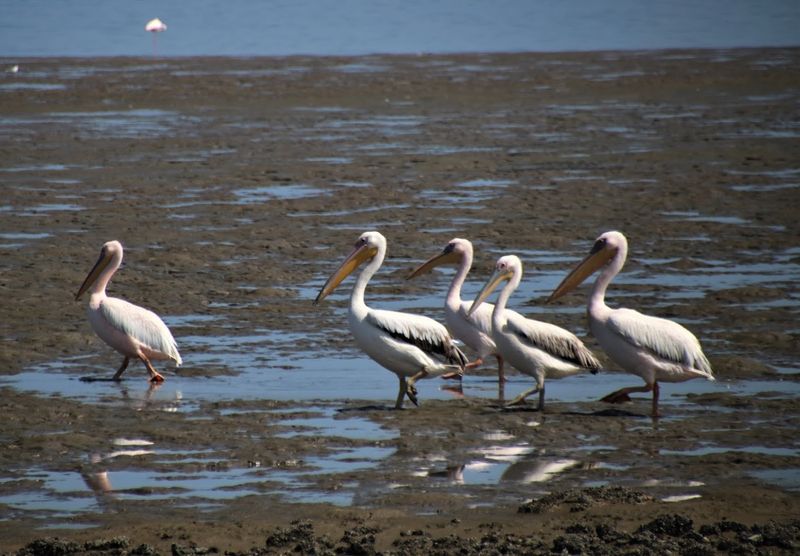
Pelican Point in Walvis Bay is the kind of place that makes wildlife photographers forget to check their camera batteries until it is too late. This long sand spit extending from the bay hosts regular gatherings of great white pelicans, also known as Cape pelicans, sharing the narrow strip with a substantial Cape fur seal colony that adds considerable noise and personality to every visit.
Great white pelicans here can weigh up to 13 kilograms with wingspans reaching 2.5 meters, and they use a cooperative feeding strategy that involves herding fish into shallow water before executing coordinated group dives. Catamaran tour operators in Walvis Bay regularly position their boats near these feeding events, and the pelicans, accustomed to boat traffic, sometimes land directly on vessels to accept fish offerings.
The lagoon’s varying salinity and temperature gradients concentrate pelicans near deeper fish-rich channels, while flamingos, sometimes numbering up to 50,000 individuals during peak season, occupy adjacent shallower zones. Combined with the dramatic Namib Desert backdrop, Walvis Bay delivers one of Africa’s most memorable coastal wildlife experiences.
Share this story