
Mexico is one of the world’s great birthplaces of agriculture. Farmers there began growing plants thousands of years ago, and many of those crops now fill kitchens across the globe.
From corn tortillas to chocolate-friendly vanilla, the foods below shaped cultures, trade, and daily meals. Here is a look at 13 native and traditionally grown crops, and what makes each one special.
1. Tomatillos
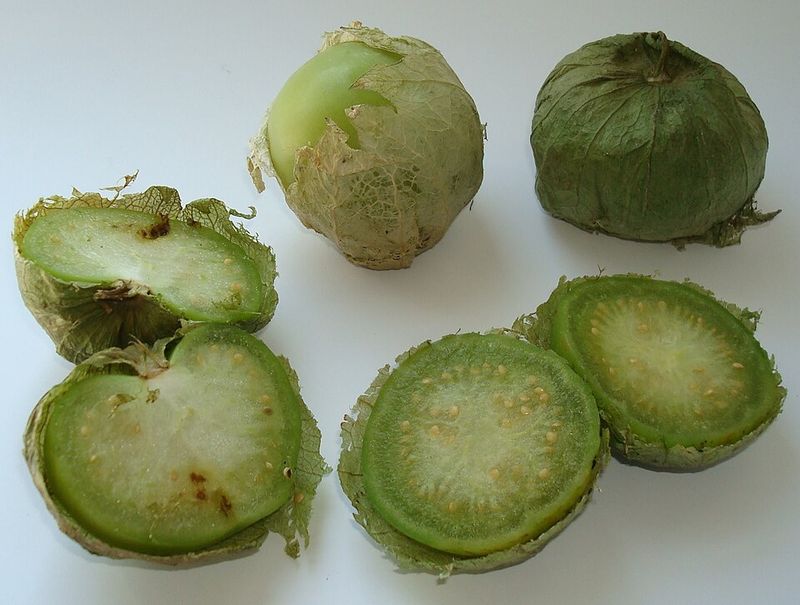
Peel back a papery husk and you will find a sticky, bright green fruit that is the heart of salsa verde. Tomatillos were grown by the Aztecs and were likely cultivated even before the tomato became widespread in Mexican kitchens.
Their flavor is tangy and a little citrusy. Cooks boil or roast them, then blend with chilies, onion, garlic, and cilantro.
When shopping, choose firm fruits that fill their husks. Rinse off the sticky coating before cooking.
Tomatillos freeze well, so you can store extras for later. Beyond salsa, they add a pleasant sourness to stews with pork or chicken.
The plants are easy to grow in warm gardens, but you need two plants for fruit to form.
2. Avocados
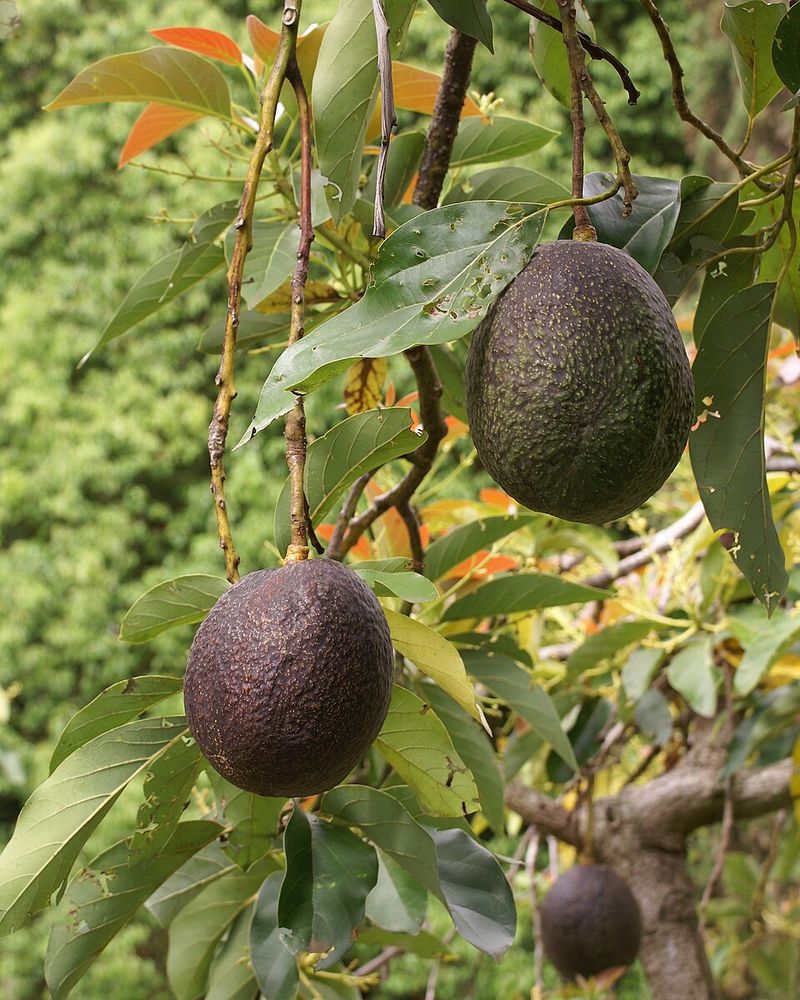
Ask anyone in Michoacán about avocados and expect a proud smile. The fruit has grown wild in Mexico for thousands of years, and archaeologists have found seeds in caves in Puebla that are about 10,000 years old.
The word comes from the Nahuatl ahuacatl. Today Mexico produces more avocados than any other country.
Avocados are loaded with healthy fats, fiber, and potassium. To check ripeness, press gently near the stem end.
If it yields slightly, it is ready. Keep unripe ones in a paper bag to speed things up.
Beyond guacamole, try slices on toast, in soups, or on tacos. Some Mexican cooks even use the fragrant leaves to season beans and meats.
3. Vanilla
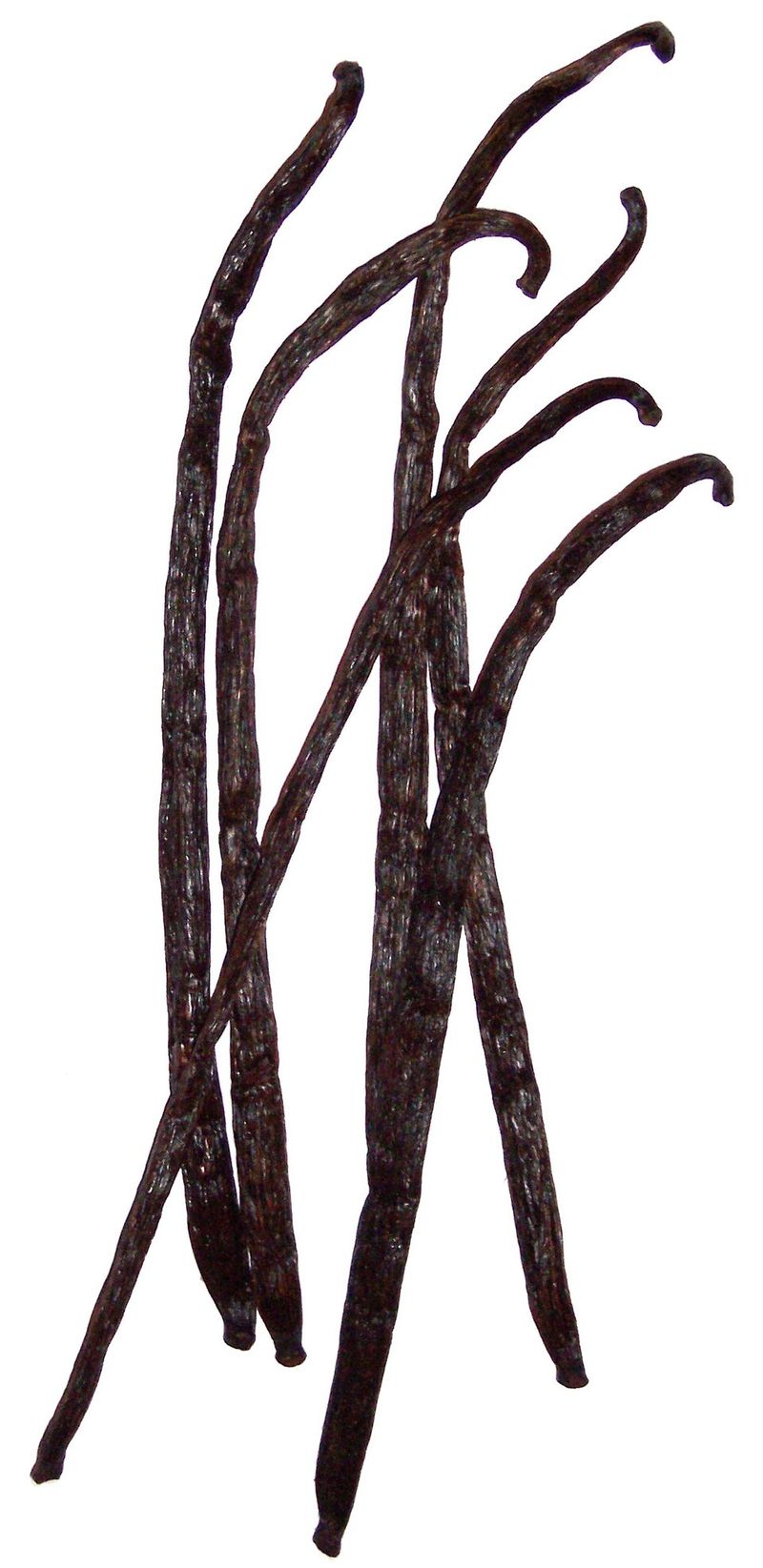
Behind every spoonful of vanilla ice cream is a delicate orchid from the forests of eastern Mexico. The Totonac people of Veracruz were among the first to cultivate it, and later the Aztecs flavored chocolate drinks with it.
The flowers open for only one day. In Mexico, a native bee pollinates them, but elsewhere farmers must do the job by hand using a small stick.
After picking, the green pods are cured for months, which creates their dark color and rich scent. That long process explains why real vanilla is expensive.
Look for labels that say pure vanilla extract, and store it in a cool, dark cupboard. A little bit goes a long way in baking.
4. Amaranth
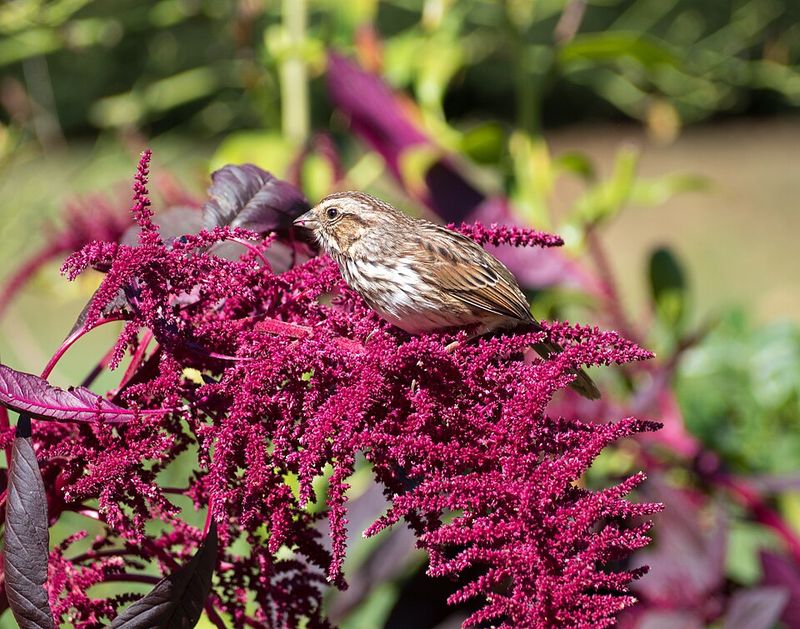
Tiny seeds, big history. Amaranth was a major food for the Aztecs, who also used it in religious ceremonies.
After the Spanish conquest, growing it was discouraged, yet small farmers kept the tradition going.
Today the seeds are popped like miniature popcorn and mixed with honey to make alegría, a candy sold across Mexico.
Amaranth is naturally gluten free and provides protein, iron, and calcium. The young leaves are edible too and taste similar to spinach.
To cook the grain, simmer one part seed with two and a half parts water for about 20 minutes. The result is a soft, slightly sticky porridge.
You can also add popped amaranth to yogurt or granola for crunch.
5. Chia
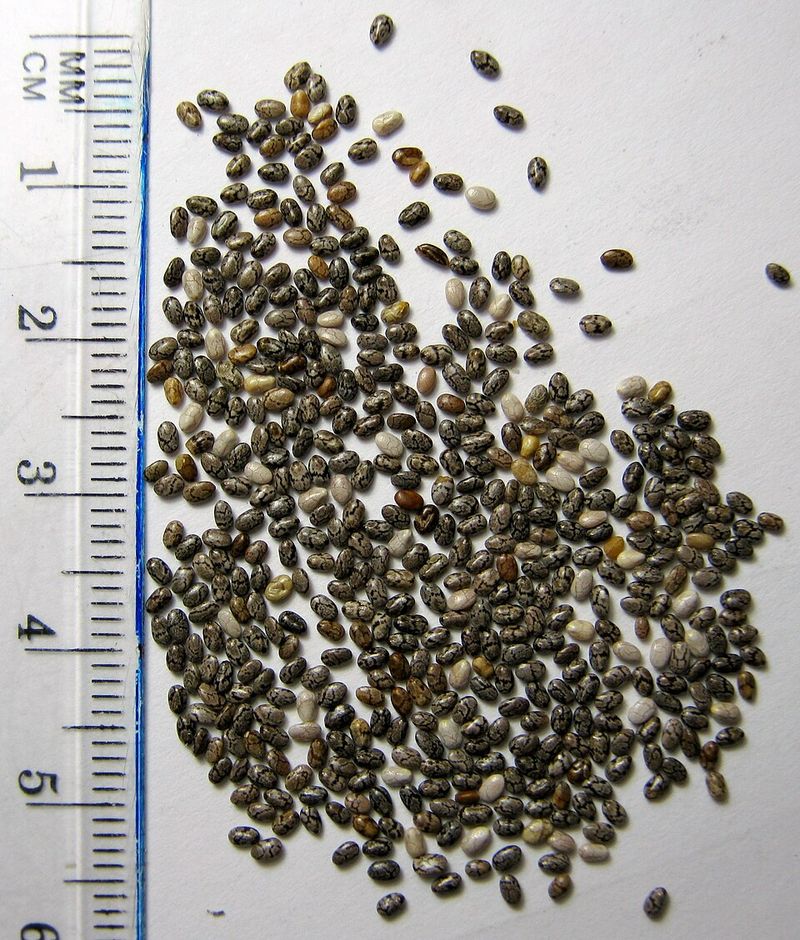
Aztec runners reportedly carried chia seeds on long journeys for steady energy. Whether or not that story is exact, chia was clearly a valued crop in ancient Mexico, used for food, medicine, and even offerings.
The plant belongs to the mint family and produces small purple flowers. Its seeds soak up many times their weight in water and form a gel.
That gel is the secret behind chia fresca, a classic drink made with water, lime juice, and a little sweetener. The seeds offer fiber and omega-3 fats.
Stir them into oatmeal, blend into smoothies, or make a simple pudding by soaking overnight in milk. Give the mixture a second stir after a few minutes to prevent clumps.
6. Nopal Cactus
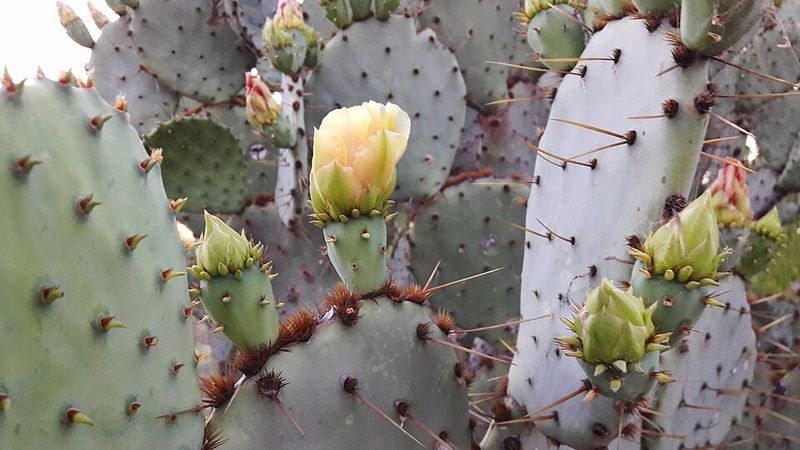
On Mexico’s flag, an eagle perches on a nopal cactus. The plant is more than a symbol, though.
People have eaten its flat green pads, called nopales, for thousands of years.
The pads taste lightly tart, a bit like green beans. Cooks scrape off the spines, then grill, boil, or chop them into scrambled eggs and salads.
The plant also produces tunas, the sweet prickly pear fruits in red, orange, and green. Nopales offer fiber and vitamin C.
If the texture seems slippery, grilling them or cooking with a little salt helps reduce it. Many shops now sell them already cleaned, which saves time and keeps fingers safe.
7. Agave

Walk through the highlands of Jalisco and you will see blue-gray agave spiking out of red soil in neat rows. Mexicans have used agave for far more than drinks.
Ancient communities relied on it for food, fiber, and a sweet sap called aguamiel.
Fermented sap becomes pulque, an old traditional beverage. Later, distilling cooked agave hearts led to tequila and mezcal.
The plants grow slowly, often taking six to ten years to mature. Fibers from the leaves were once spun into rope and cloth.
Today agave syrup is also used as a sweetener. Because it is sweeter than sugar, cooks usually need to use less of it in recipes.
8. Jicama
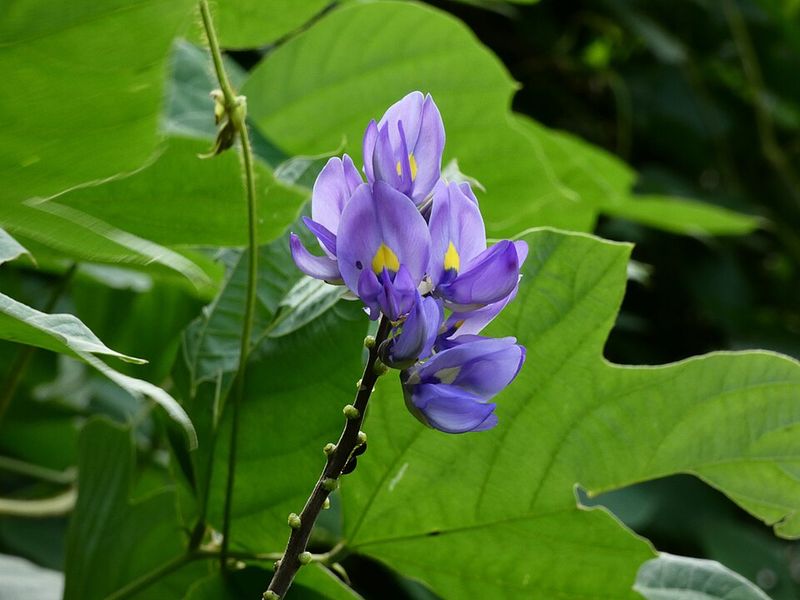
Crunchy, cool, and slightly sweet, jicama is the snack that tastes like a cross between an apple and a potato. The round root grows from a vine native to Mexico, and people have eaten it there for centuries.
Street vendors often sell it in sticks sprinkled with lime juice, salt, and chili powder. It is a refreshing treat on hot days.
Jicama is high in fiber and water, and low in calories. Peel off the thin brown skin before eating, because it is tough.
Slice it into salads, slaws, or tacos for extra crunch. Choose roots that feel firm and heavy, and keep them whole in the refrigerator for up to two weeks.
Only the root is safe to eat, since the beans and leaves are toxic.
9. Chayote
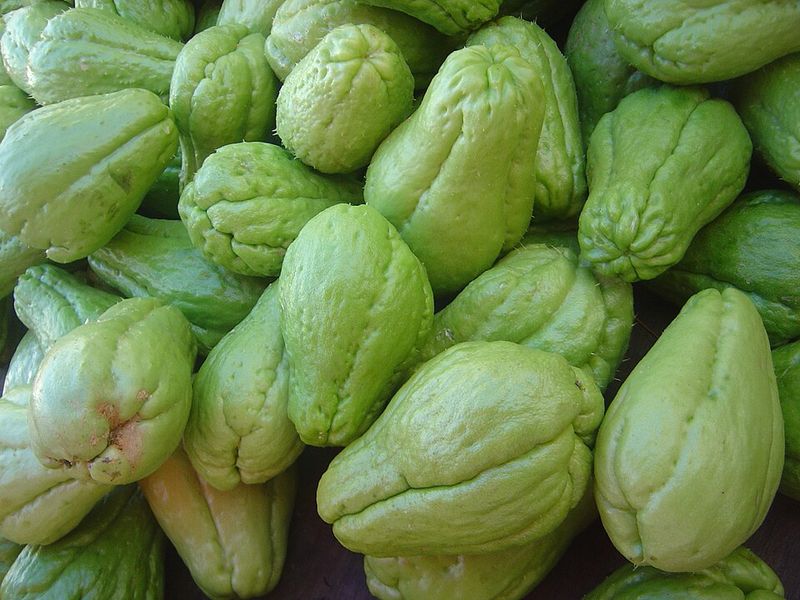
A single chayote vine can cover a fence and produce dozens of fruits in a season. Native to southern Mexico and Central America, this pear-shaped squash relative has fed families for ages.
The flavor is mild, like a blend of cucumber and zucchini, so it takes on whatever seasonings you add. Cooks simmer it in soups, stuff it with cheese, or slice it into salads.
The skin is thin and edible when young, and the single seed has a nutty taste. Chayote is a source of vitamin C and folate.
Pick fruits that are firm with unblemished skin. If you notice a sticky sap while peeling, wear gloves or rinse under water to keep hands comfortable.
10. Mexican Hawthorn (Tejocote)
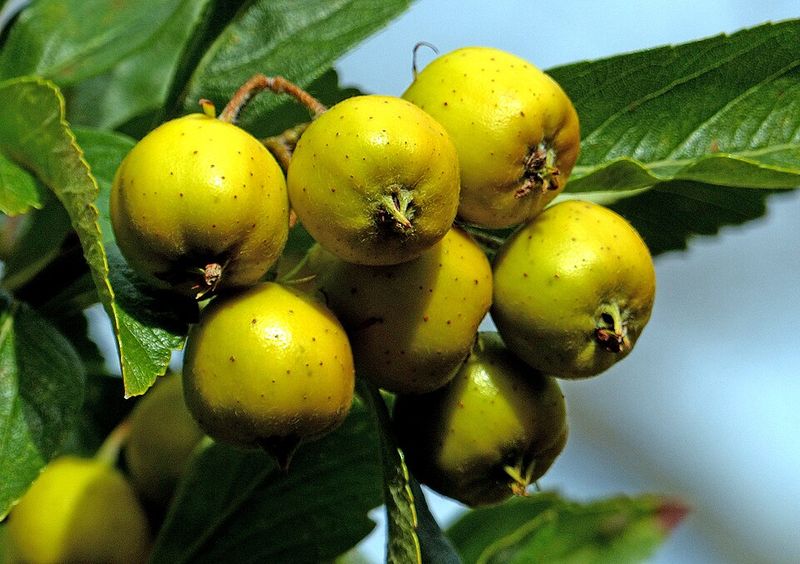
Each autumn, tejocotes show up in Mexican markets like tiny golden apples. The fruit grows on a hardy tree in the highlands and has been gathered and cultivated for generations.
Its flavor is tart and a little floury. Families simmer tejocotes with cinnamon, tamarind, and sugarcane to make ponche navideño, a warm holiday punch.
The fruit is also made into jams, candies, and the sweet treat called rielitos. Tejocotes contain pectin, which helps jams thicken naturally.
Because the seeds are not meant to be eaten, remove them before cooking. If you find them at a Latin market, buy firm ones with bright color and use them within a few days.
11. Sapodilla
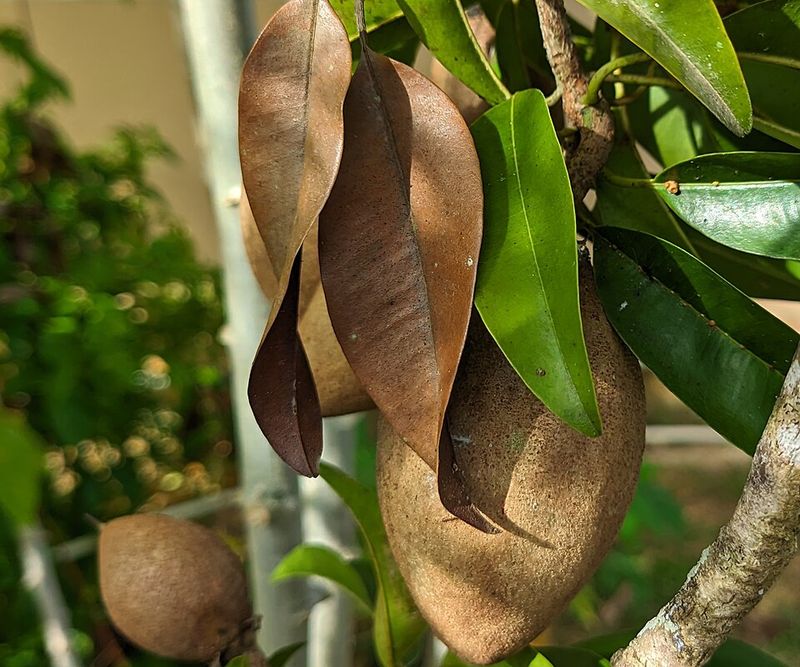
Sweet like brown sugar and soft as a ripe pear, the sapodilla is a hidden gem of the tropics. The tree is native to southern Mexico and Central America, and the Maya valued it highly.
Its milky sap, called chicle, was once the base for chewing gum. In fact, early gum makers harvested it from forests on the Yucatán Peninsula.
The fruit has rough brown skin and tan flesh with a malty taste. Wait until it feels slightly soft, like a ripe peach, before eating.
Unripe fruit is bitter and sticky. Scoop it with a spoon and discard the shiny black seeds.
It works well in smoothies or blended into ice cream.
12. Mamey Sapote
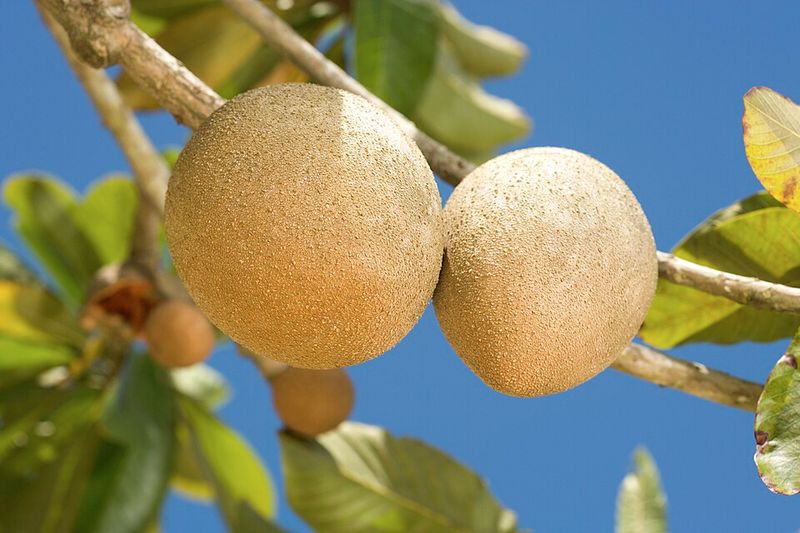
Crack open a mamey and the bright salmon-orange flesh looks almost unreal. Native to southern Mexico and Central America, the tree has been cultivated for centuries in home gardens.
The taste is creamy and sweet, often compared to sweet potato mixed with pumpkin and a hint of almond.
In Mexico, the fruit turns up in milkshakes, ice cream, and fruit waters. It supplies vitamins B6 and C along with fiber.
Ripe mameys give slightly when pressed, similar to an avocado. Cut one open to test, and if it is firm or pale, it needs more time.
The large seed is not edible, so remove it before blending.
13. Mexican Oregano
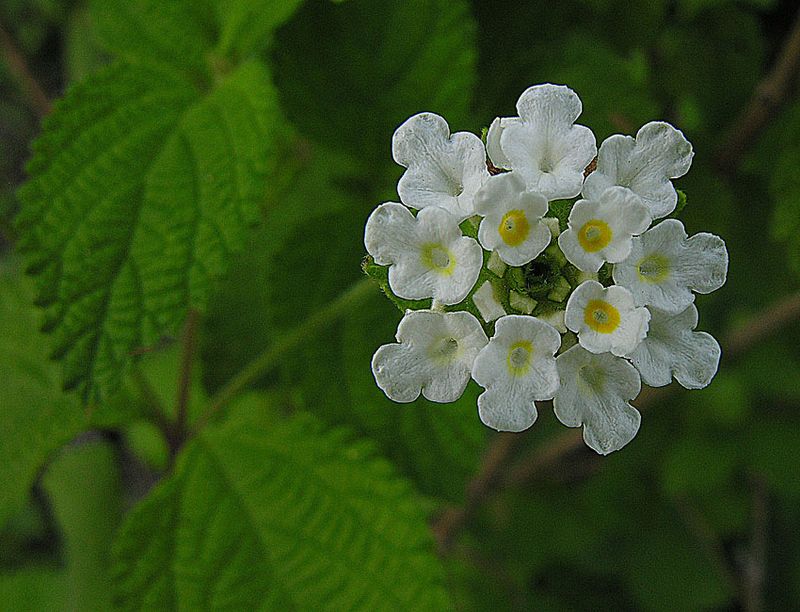
If your chili smells bold and citrusy, Mexican oregano may be the reason. It is not the same plant as Mediterranean oregano.
It belongs to the verbena family, and grows wild and in gardens across Mexico.
The flavor is earthy with notes of citrus and a gentle licorice touch. It stands up well to long cooking in beans, pozole, and salsa.
Dried leaves are the most common form, and they keep their aroma for months in a sealed jar. Crush them between your fingers before adding to release the oils.
Because the taste is stronger than many herbs, start with a small pinch. It also grows well in pots on warm, sunny windowsills with little watering.
Share this story