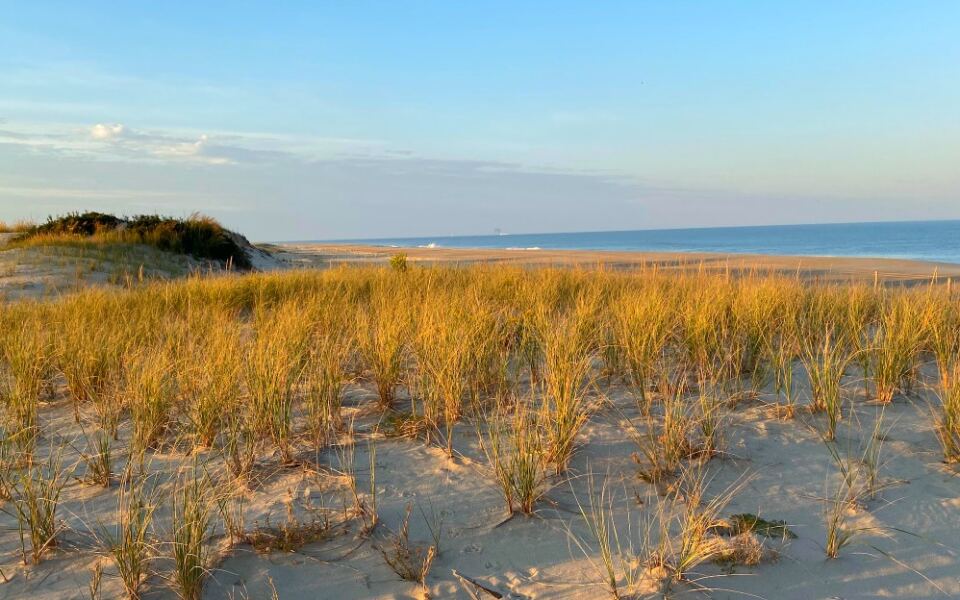
Atlantic beaches stretch along one side of Delaware Seashore State Park while Rehoboth and Indian River bays lie on the other. Across roughly 2,800 acres, visitors can swim, surf, fish, paddle, camp, and explore one of Delaware’s historic life-saving stations.
The Indian River Inlet runs through the heart of the park, adding a marina, fishing access, and waterfront campgrounds to the mix. Just south of Rehoboth Beach, it offers a very different coastal experience from the nearby boardwalk.
A Barrier Island Address Like No Other
The address alone tells you something interesting: 39415 Inlet Rd, Rehoboth Beach, DE 19971. That road runs right down the spine of a barrier island, with the Atlantic Ocean on the east and Rehoboth Bay and Indian River Bay on the west.
Delaware Seashore State Park stretches across approximately 2,800 acres of this narrow land, sitting just south of the resort town of Rehoboth Beach and near the community of Dewey Beach. The park is managed by Delaware State Parks and has earned a 4.6-star rating from more than 1,200 visitors, which tells you people genuinely love coming here.
The Indian River Inlet cuts right through the middle of the park, connecting the inland bays to the ocean and creating a focal point that shapes nearly every activity available. You can reach the park easily from Route 1, and the drive in already feels like a reward, with open water visible on both sides of the road almost immediately.
How the Jetties Changed Everything
Before 1938, the Indian River Inlet had a habit of moving around on its own. Storms would seal it shut, flooding farmland and wiping out clam and oyster populations that local families depended on for their livelihoods.
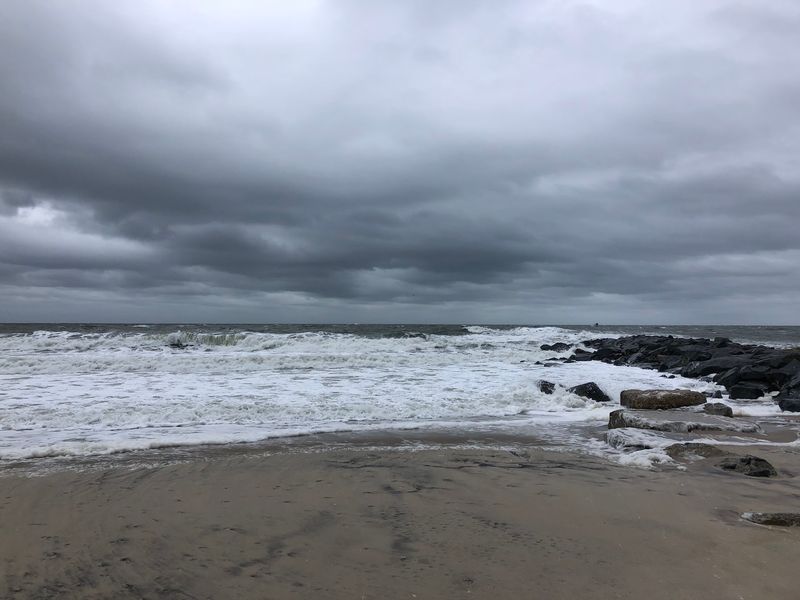
The situation got so desperate that residents used dynamite in 1919 to blast the inlet back open, a temporary fix that worked until the next big storm undid all their effort. The permanent solution finally arrived when two large steel and stone jetties were constructed between 1938 and 1939, locking the inlet in place and stabilizing the surrounding ecosystem for good.
That engineering project also made it possible to build the first paved coastal highway connecting Rehoboth Beach and Bethany Beach along the barrier islands. The park itself was officially designated in 1965 as Indian River State Park and renamed Delaware Seashore State Park two years later in 1967.
That long backstory gives the place a grounded, earned quality that you can almost feel when you stand next to those weathered jetties today.
Six Miles of Ocean and Twenty Miles of Bay
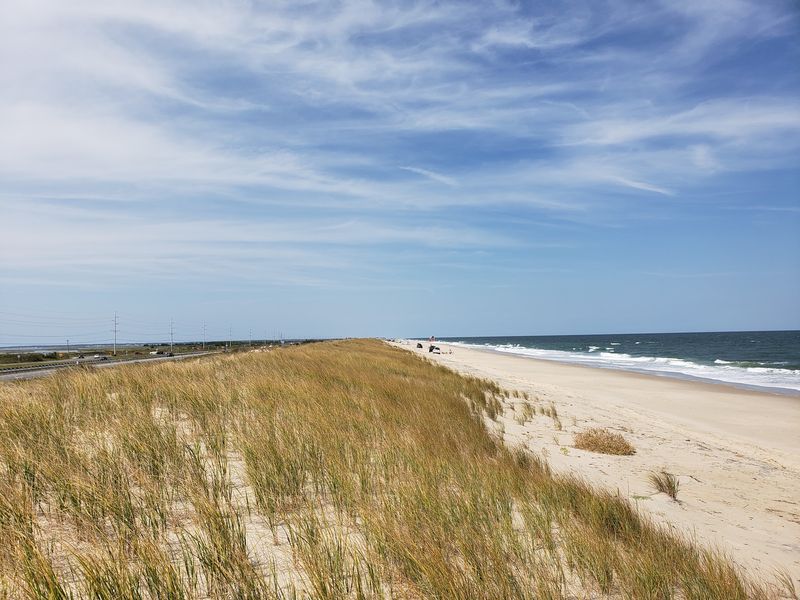
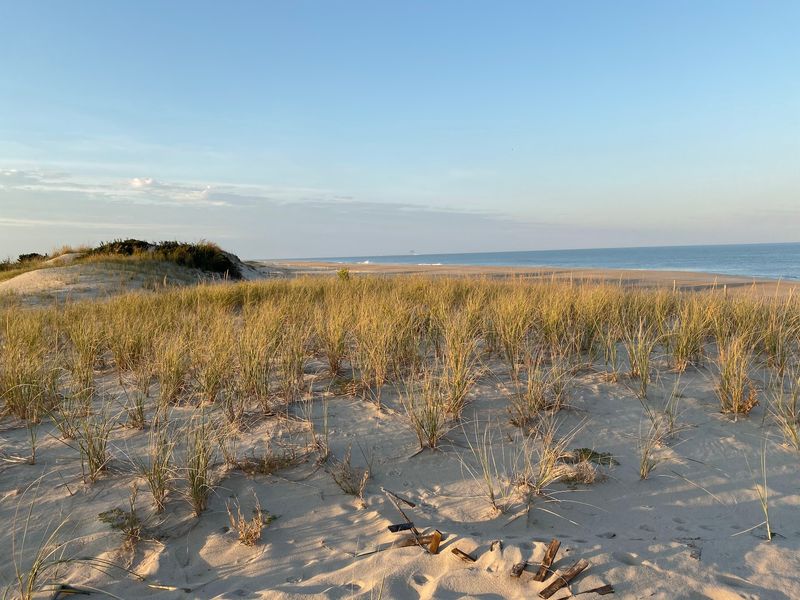
The sheer amount of shoreline here is genuinely impressive. The park holds six miles of Atlantic Ocean coastline and twenty miles of bay shoreline, which means finding a quiet patch of sand is rarely a problem even on a busy summer weekend.
Two designated ocean swimming areas come equipped with bathhouses that include showers and changing rooms, so transitioning from salty water to dry clothes is quick and painless. Lifeguards patrol those areas from Memorial Day weekend through Labor Day, generally between 9:00 AM and 5:00 PM, with some weekend coverage stretching into September.
The sand here runs a little coarser than what you find at neighboring Rehoboth Beach, and shell hunters tend to find better pickings along this stretch. One important note from the park: visitors are asked not to remove shells, since they play a role in the local ecosystem.
The ocean swimming beaches are also restricted to people only from May through September, so plan your dog’s beach days for the cooler months instead.
Surfing, Kayaking, Fishing, and More
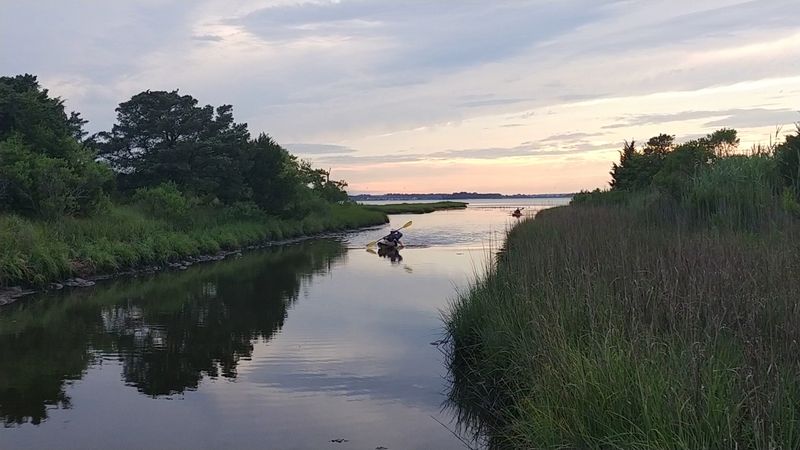
The water activities available here cover nearly every interest a visitor could bring to the coast. Surfers head to the beach just north of the Indian River Inlet, where consistent swells make it a year-round draw for board riders of all skill levels.
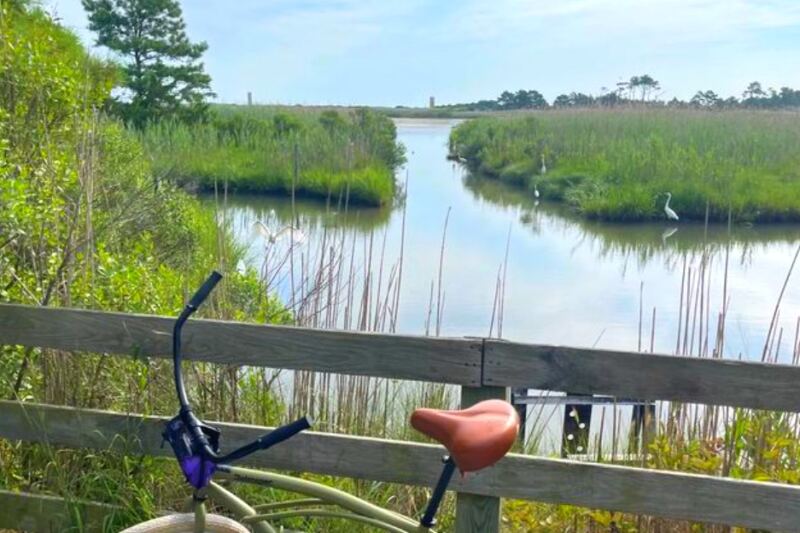
Kayakers and paddleboarders find the bay side ideal for a calmer, quieter experience. Gliding across the bay surface offers close-up views of salt marsh grasses, nesting birds, and the occasional diamondback terrapin making its way through the shallows.
Windsurfers and sailors also take advantage of the steady coastal breezes that funnel across the open bay.
Fishing options are equally varied. Surf fishing along the ocean beach is popular year-round, and anglers with a surf fishing vehicle permit can drive directly onto the beach through designated dune crossings.
The Indian River Marina runs fishing charters for deeper water, and crabbing and clamming are permitted in select bay sections. Check with the park office for current open areas and any permit requirements before heading out.
Trails That Reveal a Hidden Landscape
Most visitors arrive with beach chairs and sunscreen, which means the park’s trail network stays refreshingly uncrowded. Six distinct trails wind through the park, covering terrain that shifts from ocean-facing dunes to quiet salt marsh and maritime forest.
The mostly flat landscape makes cycling accessible for riders of all ages and fitness levels. Dedicated paths run along both the ocean side and the bay side, keeping cyclists away from vehicle traffic and giving them uninterrupted views of the surrounding habitat.
The Burton’s Island Nature Preserve is a particular highlight, where the trail transitions from open marsh to a shaded maritime forest canopy in just a short walk.
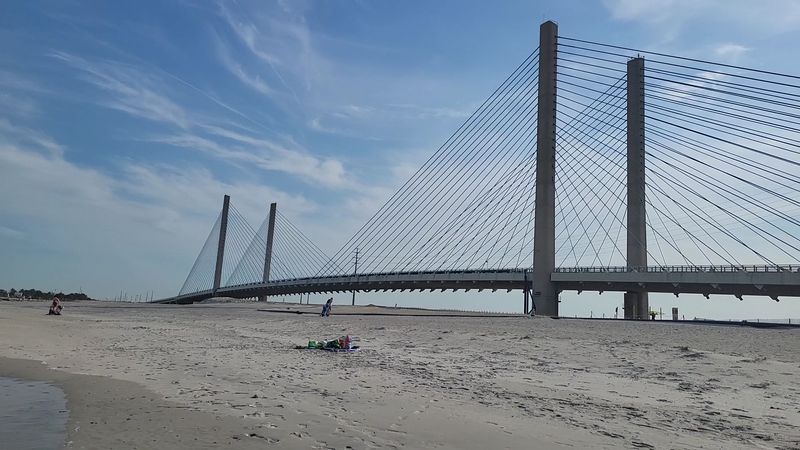
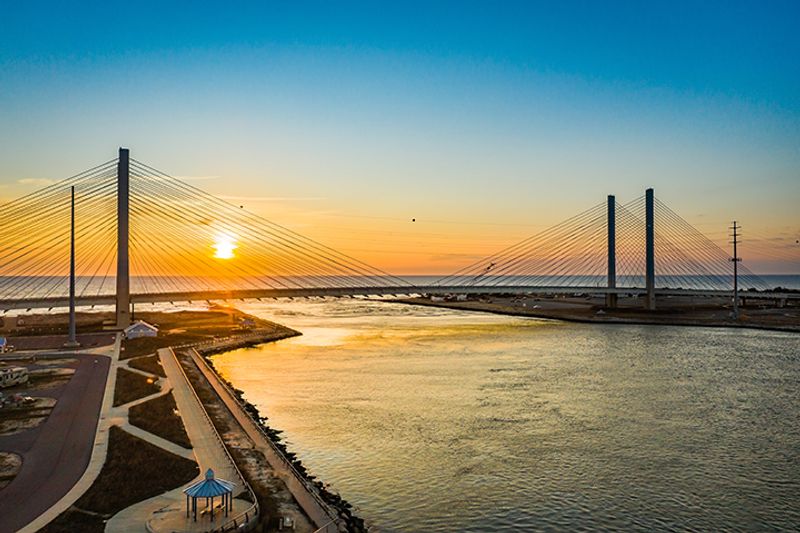
The Indian River Inlet Bridge also features a pedestrian and bike path that offers one of the best panoramic views in the entire park. From that vantage point, you can see the Atlantic Ocean, Indian River Bay, and Rehoboth Bay all converging at once, a perspective that photographs well but genuinely looks better in person.
Joggers use many of these same paths, especially early in the morning when the light is soft and the park is at its quietest.
Birds, Dolphins, and the Wildlife In Between
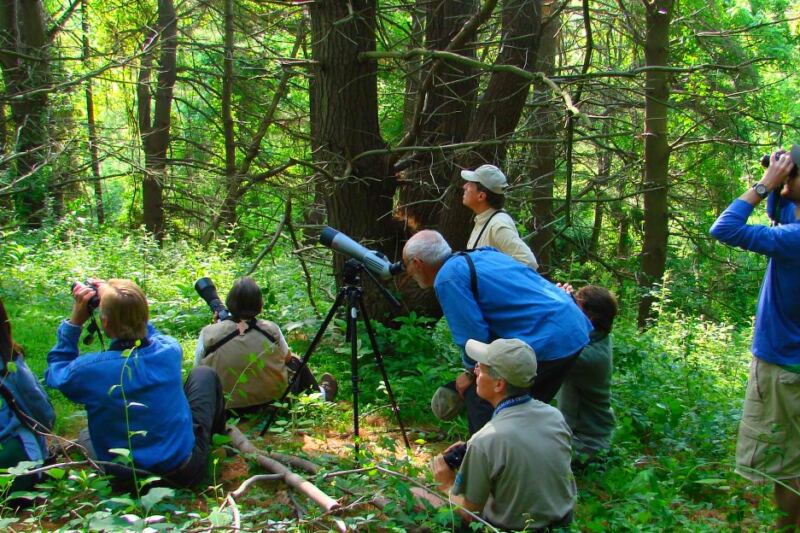
More than 200 bird species have been recorded within the park’s boundaries, which makes this one of the more productive birdwatching spots on Delaware’s coast. The variety comes from the range of habitats packed into a small area, including ocean beach, dune systems, salt marsh, and bay island.
From October through April, the Indian River Inlet draws Purple Sandpipers, scoters, common eiders, and occasionally harlequin ducks. Spring and fall migrations bring waves of songbirds through the Burton Island and Thompson Island Nature Preserves, as well as the Fresh Pond area.
Ospreys are a summer staple, regularly plunging feet-first into the water to catch fish, and bald eagles sometimes appear overhead as well.
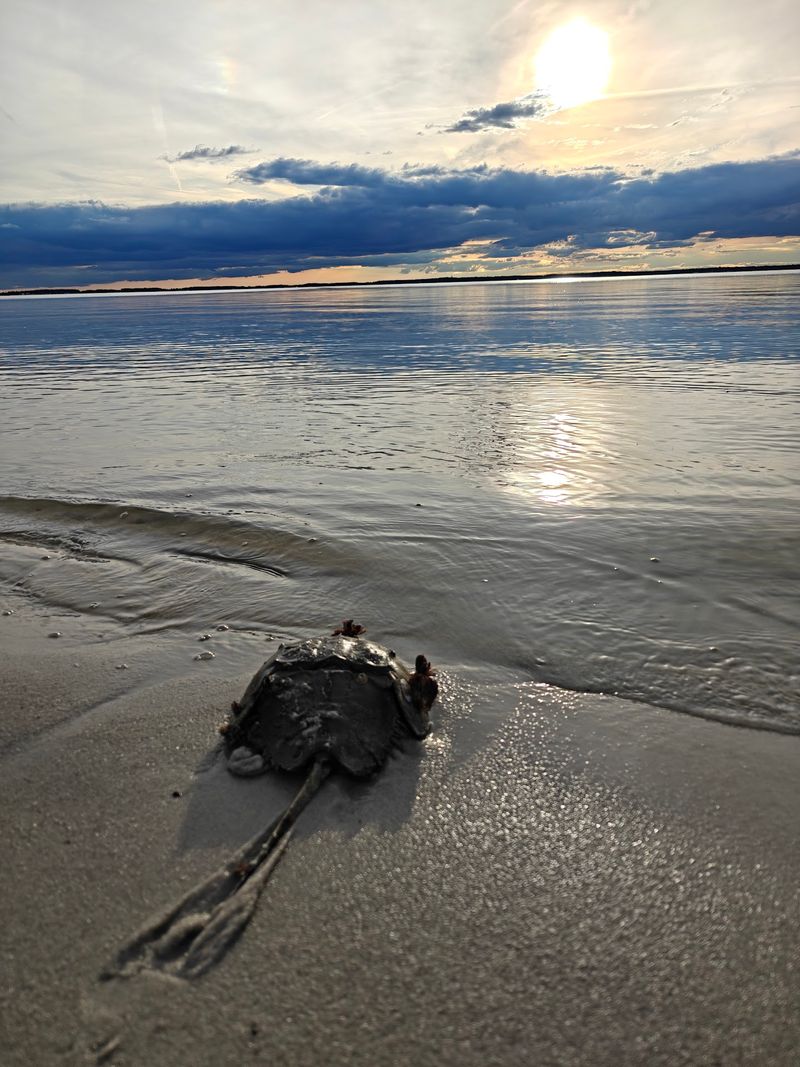
The bay waters themselves support a rich estuarine ecosystem that includes horseshoe crabs, diamondback terrapins, and abundant fish populations. Out on the Atlantic side, common bottlenose dolphins surface regularly, leaping through the swells in groups that make even seasoned visitors stop and stare.
Keeping a pair of binoculars nearby on any visit here is simply good planning.
The 1876 Life-Saving Station Still Has Stories to Tell
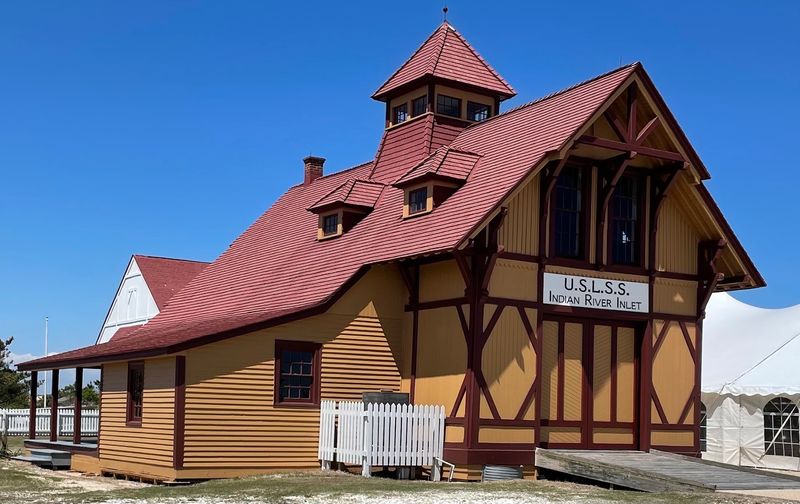
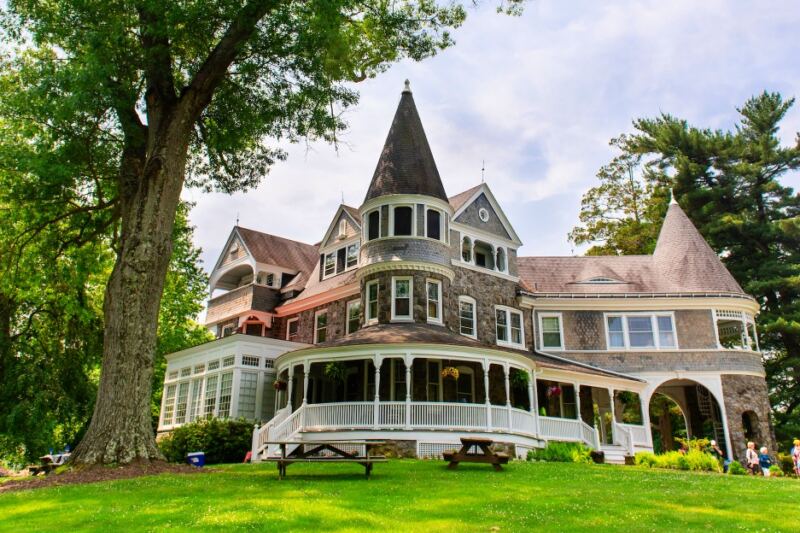
The Indian River Life-Saving Station was built in 1876, and it looks the part. The restored structure represents its 1905 appearance and serves today as both a museum and the park’s official visitor center, making it a logical first stop for anyone arriving at the park for the first time.
The station was originally operated by the United States Life-Saving Service, the agency that predated the modern Coast Guard. Its surfmen patrolled these shores around the clock, watching for ships in distress along a coastline that was notoriously dangerous for maritime travel before modern navigation technology.
Tours of the station bring those patrols to life with period artifacts, historical exhibits, and detailed accounts of actual rescues carried out by the crews who served here. The gift shop offers a good selection of locally themed items if you want a tangible reminder of the visit.
The station adds a layer of human history to the park that balances nicely against all the outdoor activity, and it is worth at least an hour of your time.
Camping Where the Ocean Is Your Neighbor
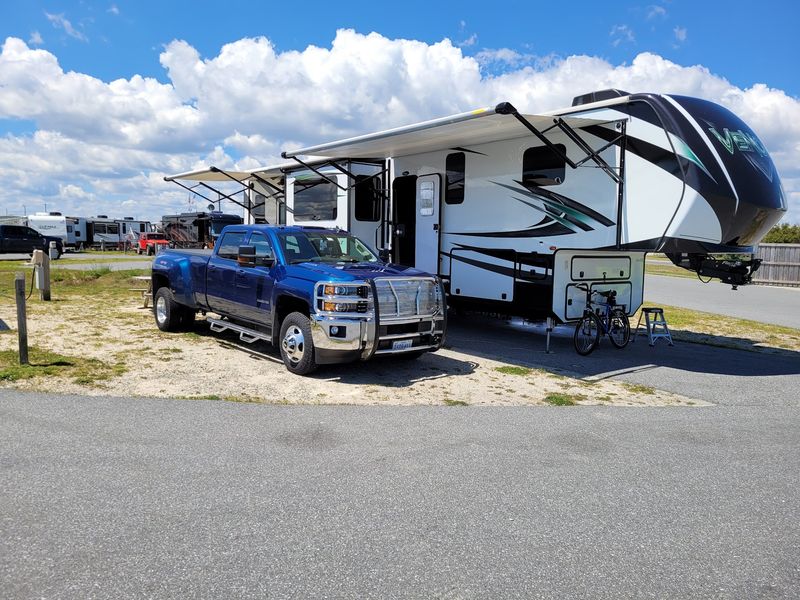
Spending a night here changes your relationship with the place entirely. The park operates two campgrounds, one on each side of the Indian River Inlet, giving campers a choice between slightly different settings while keeping the ocean or bay within easy walking distance from either location.
The north inlet campground offers 88 full hook-up RV sites. The south side campground is larger, with 151 full hook-up sites, 86 sites without hook-ups, and 33 tent-only spots.
Pets are welcome at both campgrounds with a two-pet limit per site and a requirement that they stay on a six-foot leash.
For those who prefer solid walls over canvas, the park also offers furnished bayfront cottages and a four-bedroom house through the Indian River Marina. These come with full kitchens, large beds, and living areas, making them ideal for families or groups.
The view of the Indian River Inlet Bridge lit up at night from the campground is one of those unexpected bonuses that campers consistently mention as a highlight of their stay.
Eating Well Without Leaving the Park
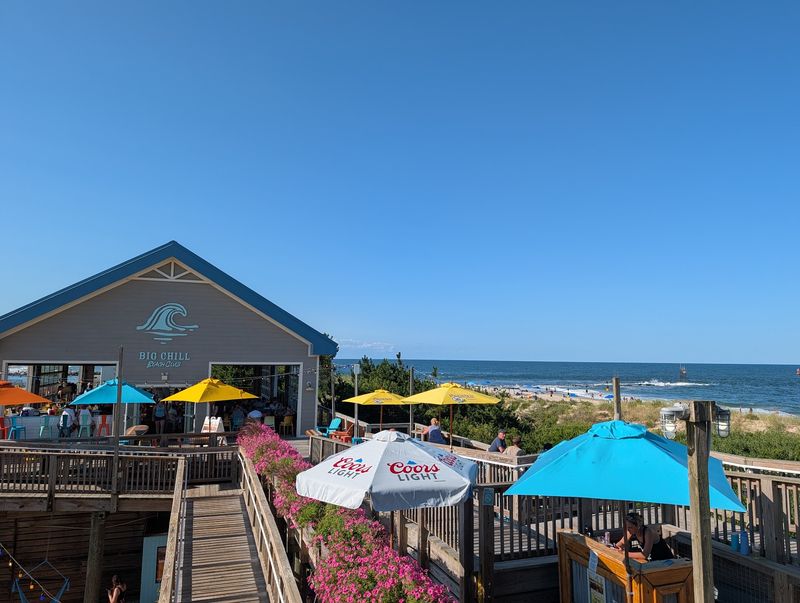
After a full day of paddling, hiking, or surf fishing, the last thing most people want to do is drive somewhere for a meal. Thankfully, the park has that covered with two in-park dining options that deliver solid food alongside views that would cost a premium at most coastal restaurants.
The Big Chill Beach Club sits at the South Inlet and faces the Atlantic Ocean directly. It is the kind of spot where you can settle into a seat, listen to the waves, and let the afternoon stretch out without any urgency.
On the north side of the inlet, Dockside Marina Bar and Grill operates at the Indian River Marina, offering bay views and a front-row seat to the marina’s daily activity.
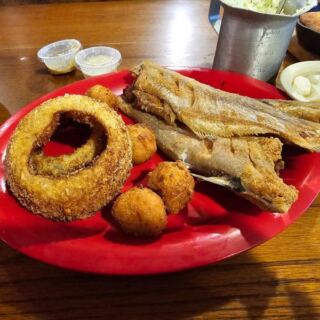
Hook’em and Cook’em at the marina rounds out the options with fresh seafood, a lunch counter, and full bait and tackle service for anglers who want to grab supplies and food in one stop. The marina also runs head boats and will clean your catch, which is a genuinely useful service if you have had a productive day on the water.
Practical Details That Make the Visit Smoother
A few logistics are worth knowing before you show up. The park is open daily from 8:00 AM to 8:00 PM.
Parking is free from October through April, but a fee applies from May through September. Delaware residents pay $10 per vehicle and non-residents pay $20, with the pass covering access to all Delaware State Parks for that day.
An annual Delaware State Park Pass is worth considering for anyone planning multiple visits across the season. The park’s phone number is +1 302-227-2800, and the official website at destateparks.com carries current information on fees, permits, and seasonal programs.
Surf fishing vehicle permits and decals are available through the Delaware Seashore Regional Office at the Indian River Marina.
The campground host couple on the south side has drawn consistent praise from visitors for being welcoming and helpful, which sets a friendly tone from the moment you check in. Arriving mid-morning on a weekday tends to mean easier parking and more space on the beach, especially during the peak summer weeks when the park draws its largest crowds.
A Beach That Works for Everyone
Accessibility at Delaware Seashore State Park goes well beyond a ramp in the parking lot. The main ocean swimming areas are equipped with beach boardwalks and access mats that create stable pathways across the soft sand, making it possible for visitors using wheelchairs or those with limited mobility to reach the waterline without assistance.
Beach wheelchairs are available on request from Memorial Day through Labor Day, operating from 8:00 AM to sunset. That single detail opens the experience of waves, salt air, and shoreline to people who might otherwise have to watch from a distance.
The park’s commitment to inclusive access reflects a broader philosophy that the coast belongs to everyone who wants to visit it.
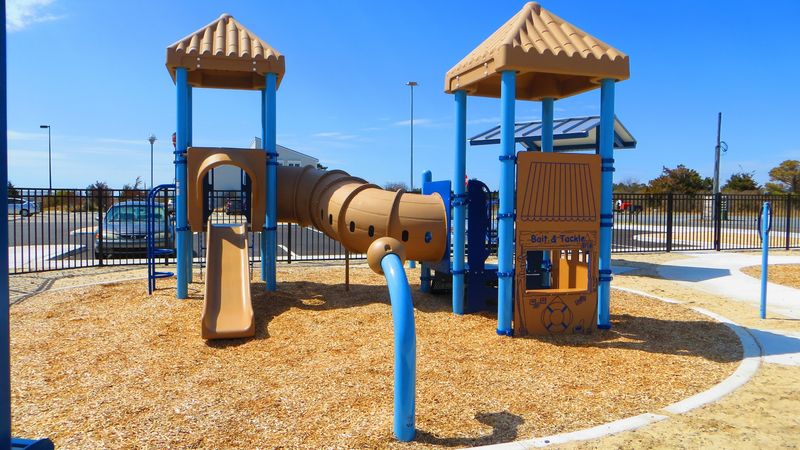
Families with young children also benefit from the playground area near the campground, which gives kids a place to burn energy between beach sessions. The campground store handles basic supplies, and the overall layout of the park keeps most key amenities within a short and manageable walk from the campsites and parking areas, reducing the friction that can make outdoor trips feel exhausting rather than restorative.
Share this story