You pull off a quiet Oklahoma road expecting nothing special, and then a smell of fresh bread and a row of tidy fields change your whole afternoon. Somewhere out here, a community has been building a life for over a century, and it did not happen by accident or by order of any government.
The real story is about families, farmland, and a lot of local choices. Once you know it, every shop and country road looks a little different.
Oklahoma’s Amish history reaches beyond Chouteau
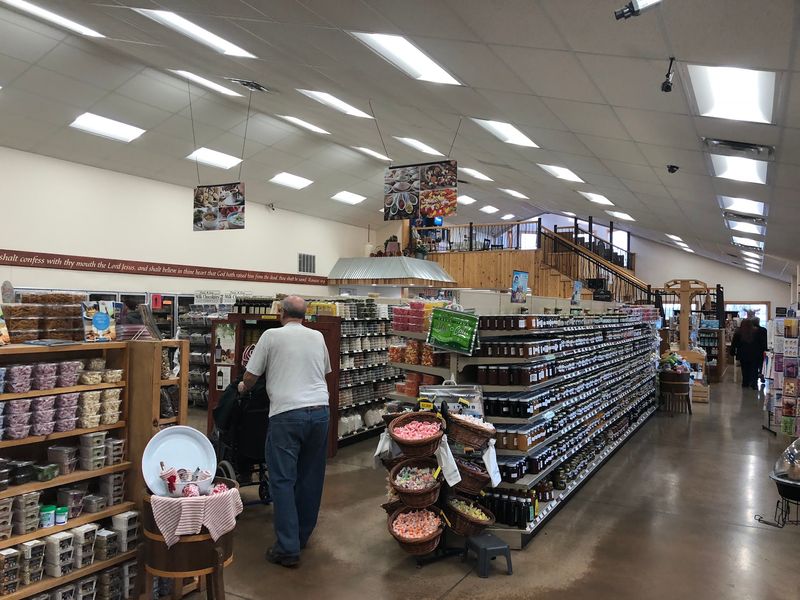
Start with a fact that surprises many people: Chouteau is not where Oklahoma’s Amish story begins. According to a history in The Chronicles of Oklahoma, the state’s first Amish settlement took root near Thomas in 1893.
That was years before Oklahoma became a state.
The Mayes County community near Chouteau came later. The same history places the arrival of Old Order Amish families there between 1910 and 1912.
So there are at least two separate chapters, in two different parts of the state, with different families behind them.
Northeastern Oklahoma also saw a separate migration of Amish Mennonites from Missouri, who settled in the Pryor area. The sources do not show that group as a founding stream for Chouteau, so it helps to keep the stories apart.
Amish is not one single group, and Oklahoma has had several.
One more correction belongs here. Oklahoma did not create or sponsor an Amish settlement.
Families chose to move, bought land, and built their communities themselves.
Numbers can help, but they need dates. The Oklahoma Historical Society’s encyclopedia entry identifies Mayes County near Chouteau as the state’s largest Old Order concentration.
It recorded 91 households and 351 people in 2004, organized into four church districts. That is a 2004 snapshot, not a current count.
Old Order families established the community near Chouteau
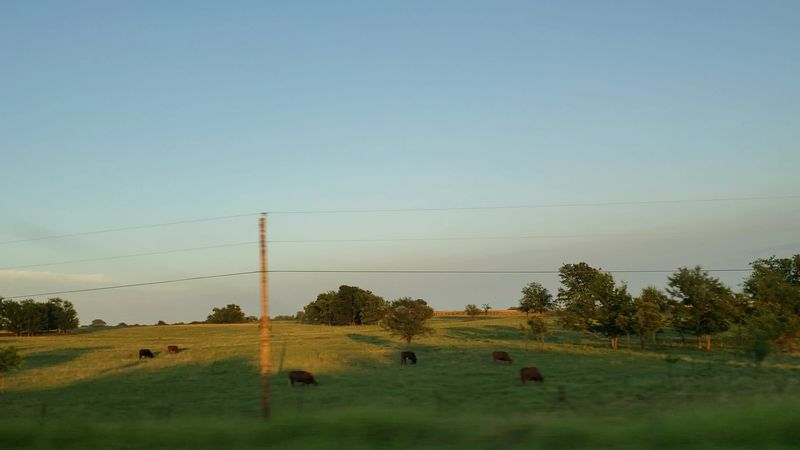
Picture a handful of families arriving in northeastern Oklahoma in the early 1910s, studying the land and deciding to stay. The historical account describes at least seven Old Order Amish families who settled near Chouteau between 1910 and 1912.
Most came from Ohio, and some came from Kansas, and the same history says they purchased their land.
That last detail matters. This was not a Land Run settlement.
The families bought property, which is a quieter and more gradual way of building a community.
Meanwhile, a different group was on the move. Amish Mennonites from Missouri, encouraged by a minister’s preaching, went to the Pryor area.
Their story belongs to the wider history of northeastern Oklahoma, and the sources reviewed do not make them the founders of Chouteau. Nor does the record give one shared reason for every family’s move.
You may also hear a local story. The town’s website says an epidemic pushed an early Amish group out of Mazie and north toward Chouteau.
The specialist history reviewed for this article does not confirm that explanation. It is best treated as the town’s account, not as settled fact and not as disproven.
So the documented picture is straightforward. Old Order families, mostly from Ohio with some from Kansas, bought land near Chouteau and began a community that still exists.
Farming adapted to local conditions
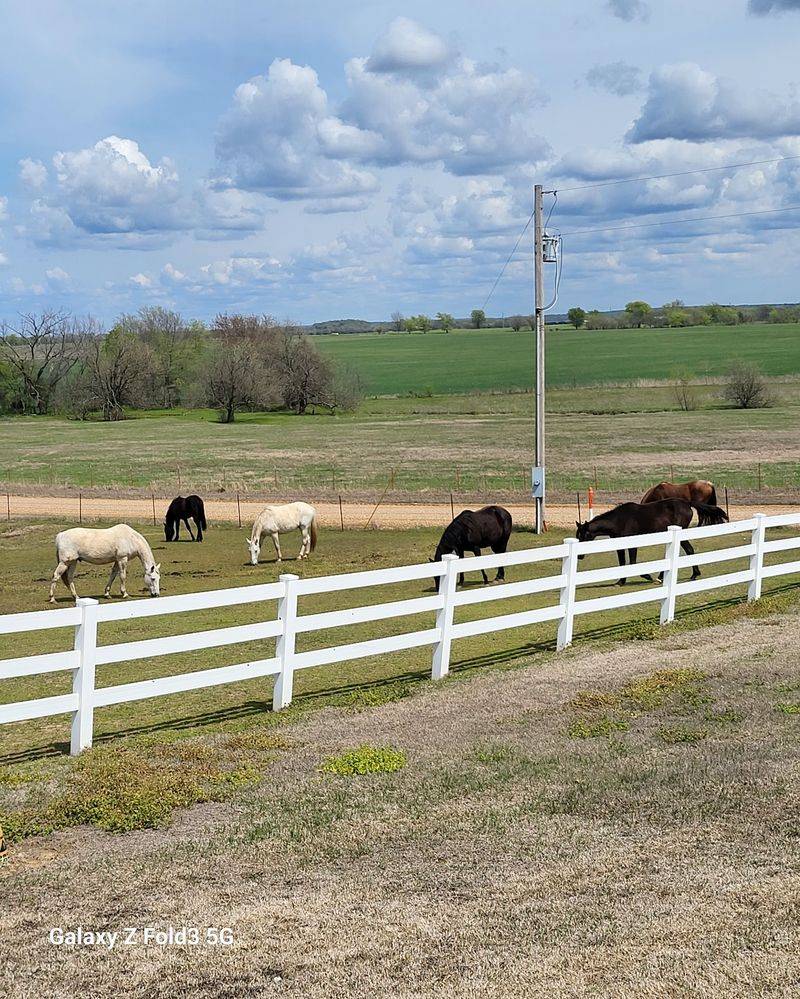
Dirt tells a lot of stories, and in eastern Oklahoma it tells one about stubbornness. Farming was the early mainstay for families near Chouteau, but the ground was not easy to work.
The historical study notes that the difficult soil led the Chouteau church districts to allow tractors for fieldwork.
That is a handy example of local decision making. Each congregation sets its own rules, known as an Ordnung, and those rules can change over time.
The Oklahoma Historical Society explains that the Chouteau and Clarita districts have permitted tractors in the field.
Notice what this does not mean. It does not mean every Amish group uses tractors, and it does not mean the community let go of its faith or traditions.
The scholarly history describes selected technologies as tools the community used while keeping its religious and social life intact.
If you want a practical takeaway, try this. When you see equipment in a field near Chouteau, think of it as a local answer to local soil, not as a contradiction.
Statements about what the Amish do should name the specific group and congregation whenever possible.
Farm work expanded into a wider local economy
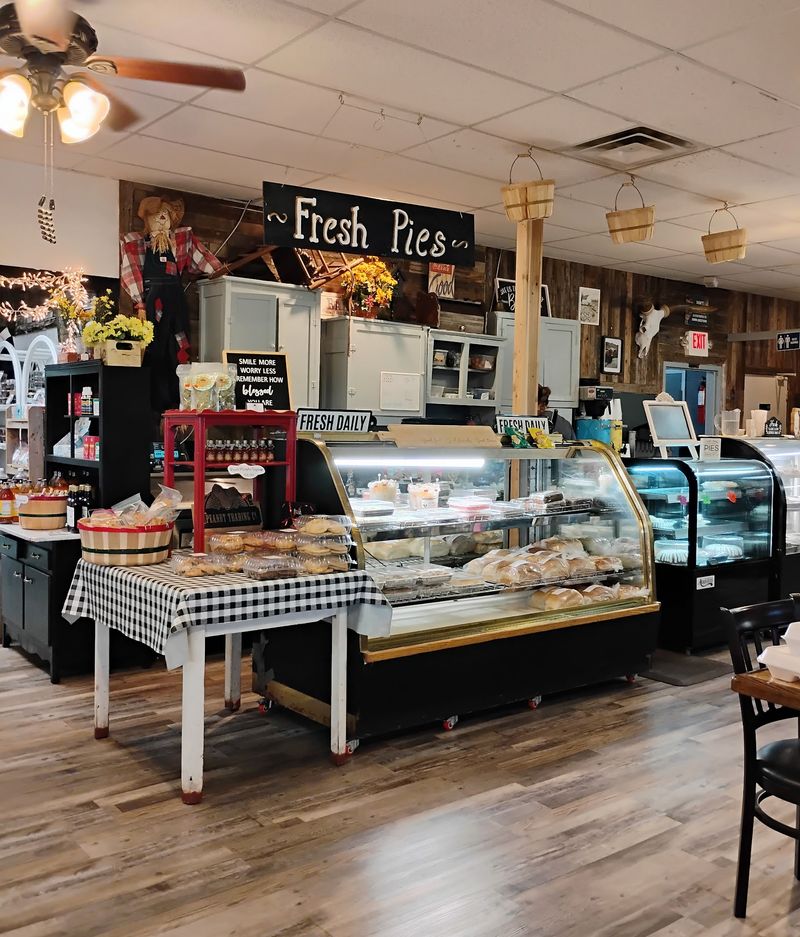
Farms rarely stay only farms. As the Chouteau community grew, so did the kinds of work families did.
The historical record traces carpentry, cabinetmaking, and buggy building, along with dairy and livestock farming.
Food and plants joined the list too. The Chronicles of Oklahoma study describes bulk-food retail, baking, crafts, and plant nursery operations as part of the community’s widening economy.
Much of this work was home-based. A shop beside the house or a bakery run by a family lets people earn a living close to home and close to their congregation.
Selected business adaptations helped as well.
One example is the telephone. The study says tourist-facing restaurants influenced later decisions about phone access for business purposes.
That is a good picture of how practical needs and community values were weighed together.
Keep one boundary in mind. These are historical patterns of work, not a history of any shop you might visit today.
The record shows what kinds of trades grew, but it does not tell you who owns a particular store or how long it has been open.
Today’s businesses offer one view of the community
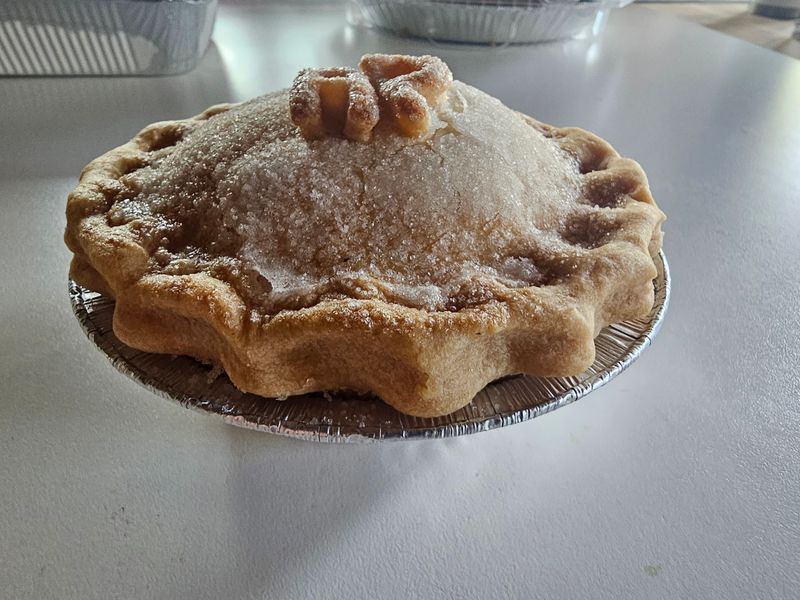
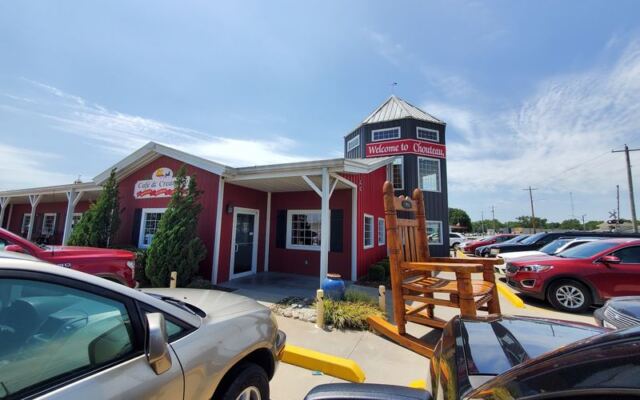
Now for the part you can actually visit. Chouteau’s Amish community page lists several local businesses, including the Amish Cheese House, Nettie Anne’s Bakery, Dutch Pantry, and an Amish-crafted furniture outlet.
The list echoes the old trades of baking, food retail, and woodworking.
Compare that with the town’s general directory. The Businesses and Services page lists L&S Greenhouse & Produce separately, without calling it Amish-owned.
It may be a lovely stop, but the listing does not tie it to the Amish community.
That difference is worth remembering on the road. A bakery, a produce stand, or a greenhouse is not automatically Amish-owned just because it sits in farm country.
Go by what a business says about itself, not by a guess.
The same caution applies to details. Municipal listings do not establish hours, products, or shared history between shops.
Treat each business as its own place, and let the town’s pages serve as a starting point rather than a guarantee.
Visit with care and drive attentively
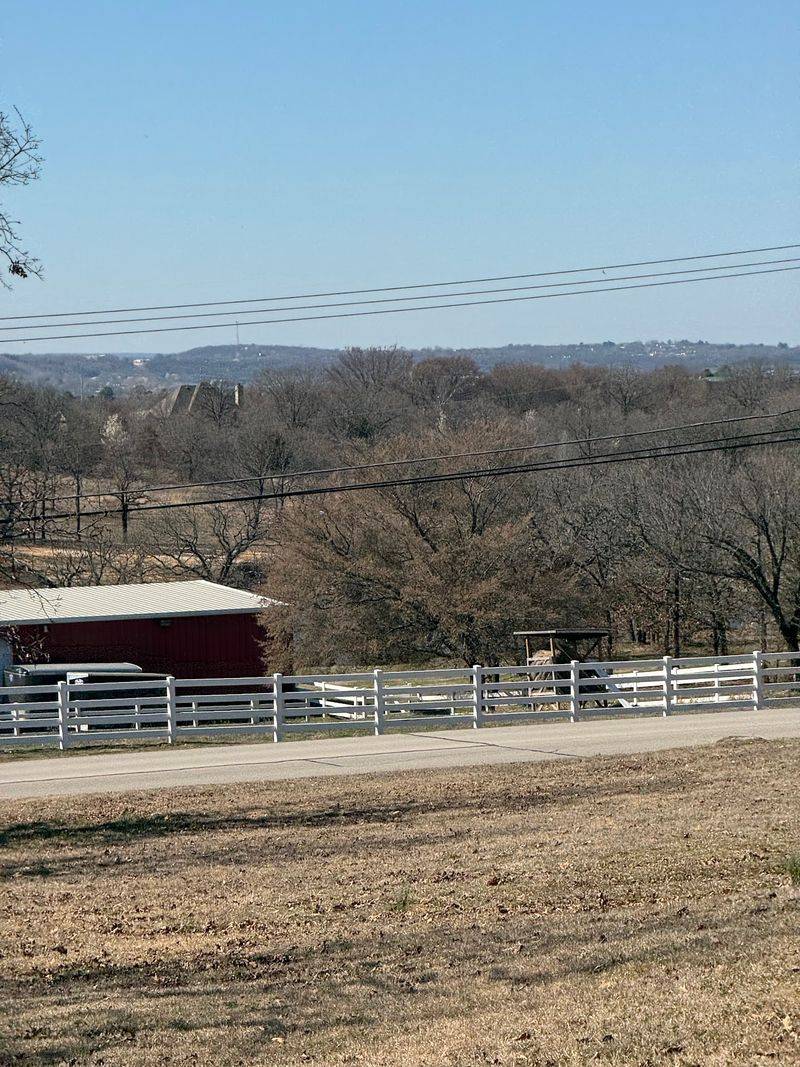
A good visit begins with a phone call. Hours and offerings can change, and the town’s listings do not confirm them, so contact businesses directly before you drive out.
The town’s Amish community page is a useful place to find names to look up.
Stay on public roads and go only into businesses that are open to visitors. Private farms and homes are people’s homes, not stops on a tour.
Skip the shortcuts down driveways.
Photography calls for extra thought. A visitor guide for Ohio Amish Country advises against treating people as photo subjects or asking them to pose.
That is general guidance, not a documented Chouteau rule, but it is a kind way to behave anywhere.
On the road, remember that buggies and other animal-drawn vehicles are traffic. The Oklahoma Driver Manual notes that they use public roads and urges drivers to stay alert where they may be present.
Slow down, give plenty of space, and pass only when it is clearly safe.
A local history, not a state-made settlement
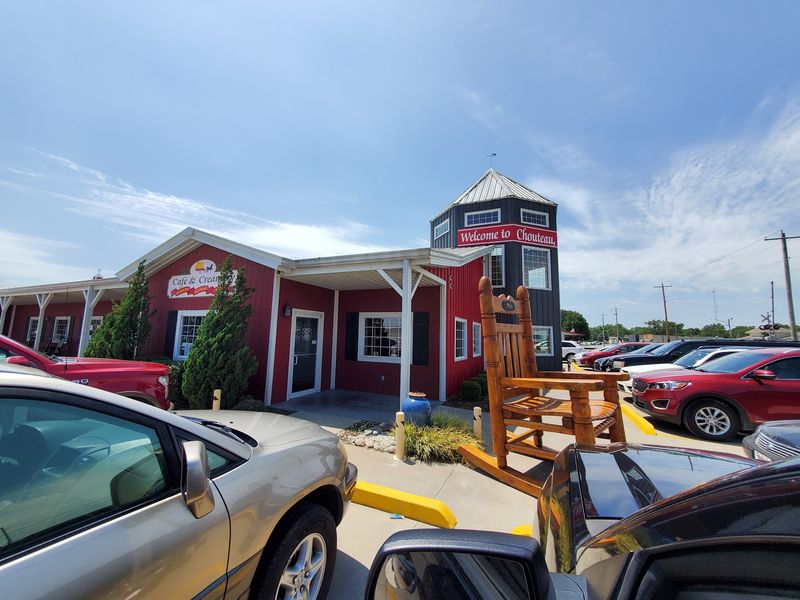
Put the pieces together and the story is clear. Families came, bought land near Chouteau between 1910 and 1912, farmed hard soil with local adjustments, and added trades over time.
No government built it for them.
Today the town’s pages, including its Amish community list and its general business directory, show only a slice of that history. A storefront can hint at the past without telling the whole of it.
The best souvenir may be knowing the difference between what the sources establish and what a roadside glance suggests.
Share this story