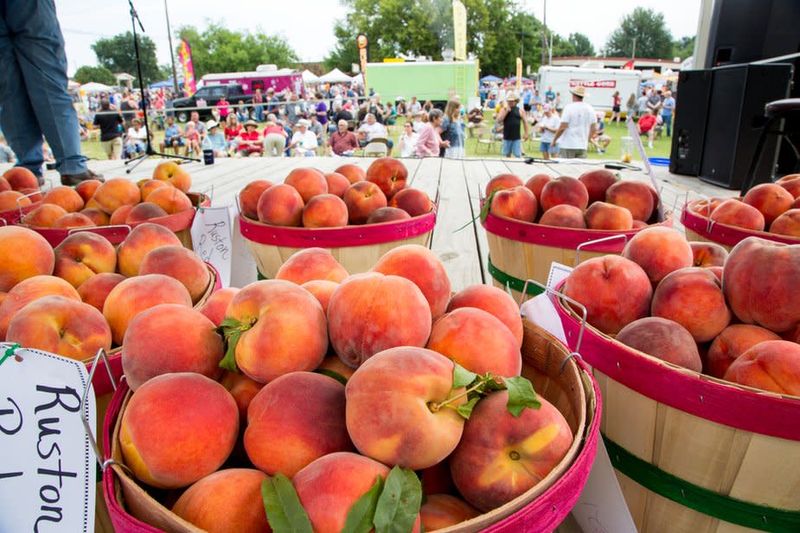
Come July, two Oklahoma towns start making the same claim: that they grow the best peaches in the state and throw the best party to prove it. Porter, up in the northeast, and Stratford, down in the south-central part of the state, both call themselves the peach capital of Oklahoma, and neither is backing down. The argument is friendly, loud, and very Oklahoma, and it plays out every summer through parades, cook-offs, orchard sales, and enough fresh peaches to make anyone pick a side.
Oklahoma has two peach capitals, depending on whom you ask
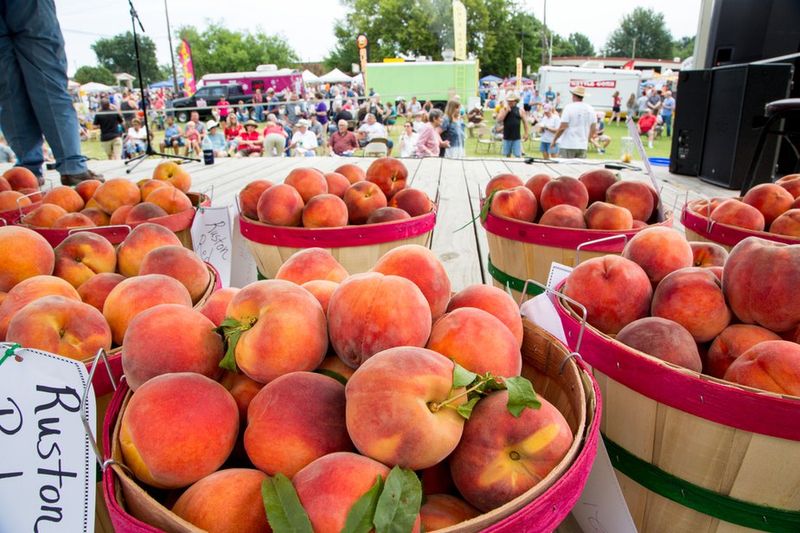
Porter sits in northeastern Oklahoma, and Stratford sits in south-central Oklahoma. They are separated by geography, by festival tradition, and by the kind of civic pride that turns a piece of fruit into a full-blown identity statement. Both towns grow peaches. Both towns throw summer festivals.
And both towns call themselves the peach capital of Oklahoma, which is where the fun starts.
Oklahoma agriculture materials identify Porter and Stratford as the state’s two principal peach-growing areas, so the competing claims are not manufactured from thin air. Porter’s town and festival organization uses the title “Oklahoma’s official Peach Capital,” pointing to a 1983 gubernatorial proclamation by Governor George Nigh as its authority. Stratford, for its part, goes even further: the Oklahoma Historical Society describes Stratford as self-proclaimed the “Peach Capital of the World.” Neither title is universally settled, and both are best understood as promotional and civic branding rather than a single, objectively recognized designation.
That overlap is what makes the argument so enjoyable. A 2015 report from the Journal Record captured the spirit well: Stratford’s festival chairman acknowledged “kind of a rivalry,” while Porter’s chairman said the scheduling was driven by the harvest, not competition. What that means in practice is a statewide conversation every July about which town deserves the crown, carried on mostly by people who grew up near one of them and have very strong feelings about local peaches.
This article is not a ranking. Porter and Stratford each have a legitimate claim, a distinct personality, and a summer festival worth the drive. The more interesting question is not which town wins, but what each one is actually offering, and why Oklahomans keep showing up to debate it year after year.
Porter built its peach identity around a festival town can rally around
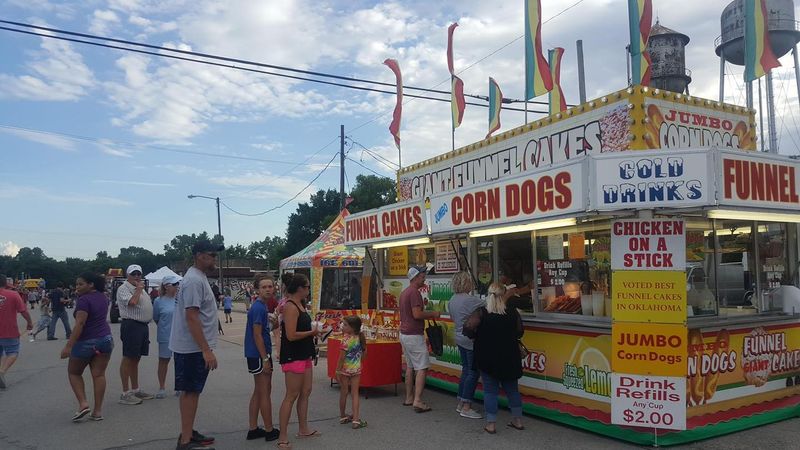
Porter’s peach story, according to the festival’s own historical account, goes back further than most people realize. The town’s peach tradition predates Oklahoma statehood, and Porter’s festival history identifies Ben Marshall as one of the area’s early commercial growers, helping establish the region’s agricultural identity before the state even had a name. That deep-rooted connection to the land is something Porter carries into every festival weekend.
The festival itself started in 1967, organized by the Lions Club alongside local civic and agricultural leaders. The original goal was practical: raise money for a civic center. What grew out of that first event was something much bigger than a fundraiser. Decades of repetition turned the festival into a downtown ritual, a reunion, and a regional institution.
The 2026 event was advertised as the 60th annual festival, running July 16 through 18 in the heart of downtown Porter.
TravelOK lists the Porter Peach Festival’s traditions as a peach auction, culinary contests, a parade, free peaches and ice cream, live music, street vendors, and street games. The free peaches and ice cream detail is not incidental. Giving away the town’s signature crop says something about confidence, and it draws people back every year who remember getting a cup of peach ice cream as a kid and want to hand that memory to someone else.
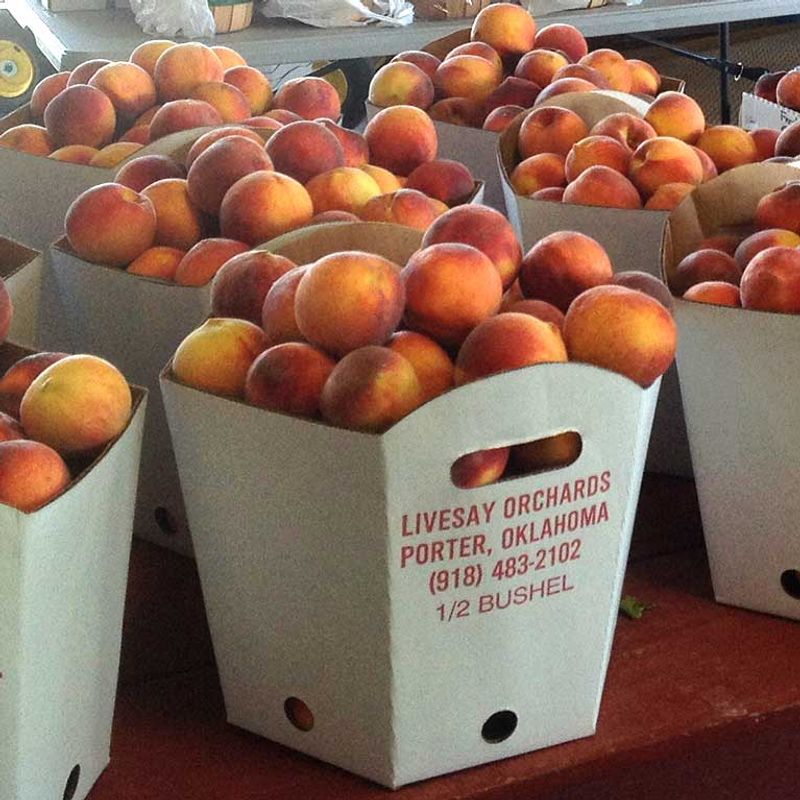
Porter’s festival is also a three-day event, which gives it room to breathe in a way that a single-day celebration cannot. Visitors can spread out across the weekend, catch the parade, browse vendors, watch the culinary competition, and still have time to swing by Livesay Orchards or stop at The Peach Barn for peach desserts, both of which TravelOK points to as worthwhile nearby stops. The length and the lineup are part of what Porter’s fans cite when they make their case for northeastern Oklahoma’s peach supremacy.
Stratford makes the orchard claim its own kind of spectacle
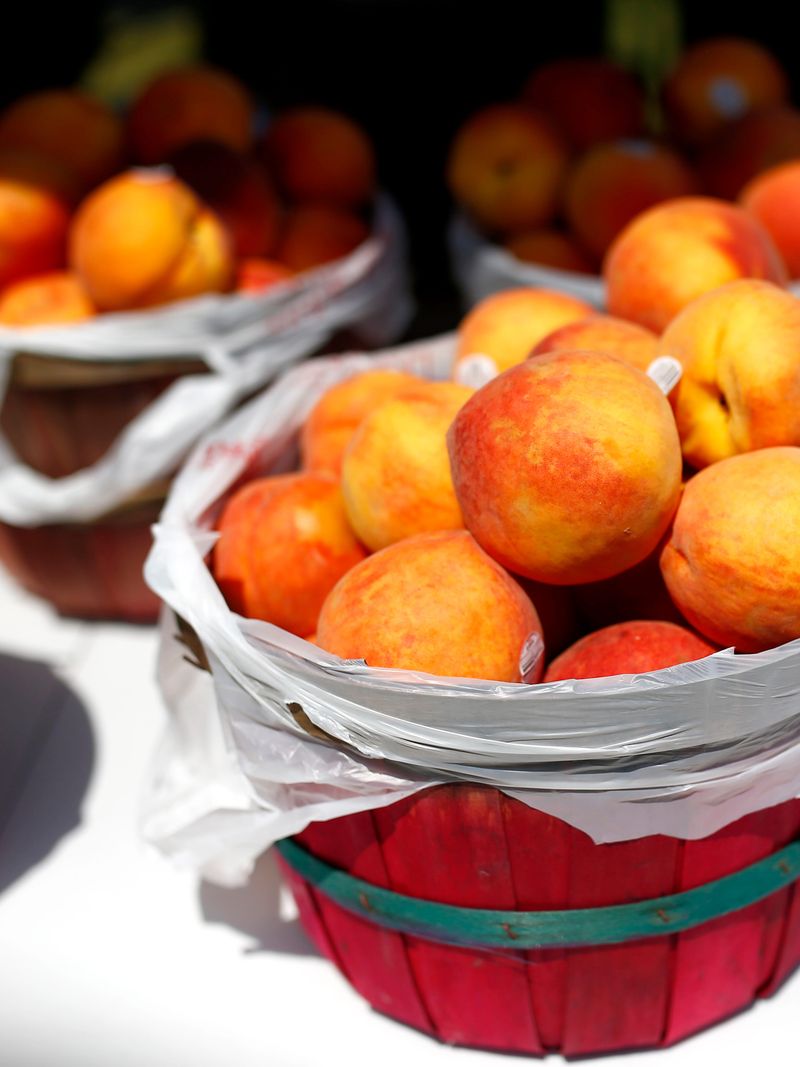
Stratford’s version of peach pride skips the three-day buildup and goes all in on one concentrated morning and afternoon. The Oklahoma Historical Society notes that Stratford’s Peach Festival began in 1976 and that the town has long called itself the self-proclaimed “Peach Capital of the World.” That phrasing, self-proclaimed, is worth sitting with. Stratford does not hedge. The town plants a flag and dares you to disagree.
The festival’s lineup, as listed by TravelOK for 2026, reflected that same go-big energy. The Stratford Peach Festival offered live entertainment, arts and crafts, street games, helicopter rides, a car show, Peach Royalty, a Peach Idol competition, a peach cook-off, and peach products from seven area orchards, all with free admission, running from 9 a.m. to 3 p.m. on July 18. Seven orchards in one place means you can taste across the whole region in a single morning, which is its own kind of agricultural argument.
Peach Royalty and Peach Idol are the kinds of traditions that tell you a town has fully committed to its identity. Royalty pageants at small-town festivals are an Oklahoma staple, the kind of thing that feels corny from the outside and deeply meaningful from the inside, especially if you grew up watching someone you know get crowned. Peach Idol adds a performative layer that keeps things loose and fun.
For 2026, a Stratford Peach Festival 5K was scheduled for the morning of July 18, followed by a pancake breakfast before the festival opened. Race registration details for the 5K were available through ITS YOUR RACE. Those specific activities were listed as 2026 programming, so anyone planning a future trip should confirm with organizers whether the race and breakfast are on the calendar again. The Historical Society also reported that Stratford-area peach orchards totaled more than 400 acres as of 2000, a figure that speaks to how seriously the community has treated its orchard identity over time.
Is the rivalry real? Yes—but harvest timing explains much of it
Ask someone from Porter whether Stratford is a real competitor and you will likely get a smile. Ask someone from Stratford the same question and you will get the same smile, maybe a little more confident. The rivalry exists, but the available reporting describes it as affectionate rather than adversarial. When the Journal Record covered both festivals in 2015, Stratford’s festival chairman said there was “kind of a rivalry,” while Porter’s chairman said the scheduling was about the harvest, not competition.
That framing matters. The festivals are not trying to knock each other out. They are both trying to celebrate the same July window when Oklahoma peaches hit their peak.
Peaches in Oklahoma ripen in summer, and July is when both towns have the most to show off. The overlapping timing is a product of agriculture, not strategy. Neither festival was created to undercut the other. Porter’s documented founding purpose was civic fundraising, not one-upsmanship.
Stratford’s festival began in 1976, nearly a decade after Porter’s, and no reliable source establishes that it was launched as a deliberate counter-move.
What the shared July calendar does create is a natural comparison. Oklahomans who hear about both festivals in the same week start asking questions. Which one has better peaches? Which one is more fun?
Which town actually deserves the capital title? Those questions do not need a formal rivalry to stay alive. All they need is two towns that both believe, sincerely, that they have the best answer.
The Oklahoma Historical Society’s entry on Stratford and Porter’s own festival materials both present their towns’ peach identities as deep-rooted and legitimate. The argument works because both sides have a real case to make. That is what keeps it friendly. When the bragging rights are genuinely shared, nobody has to get mean about it.
The festivals are not interchangeable—and that is the point
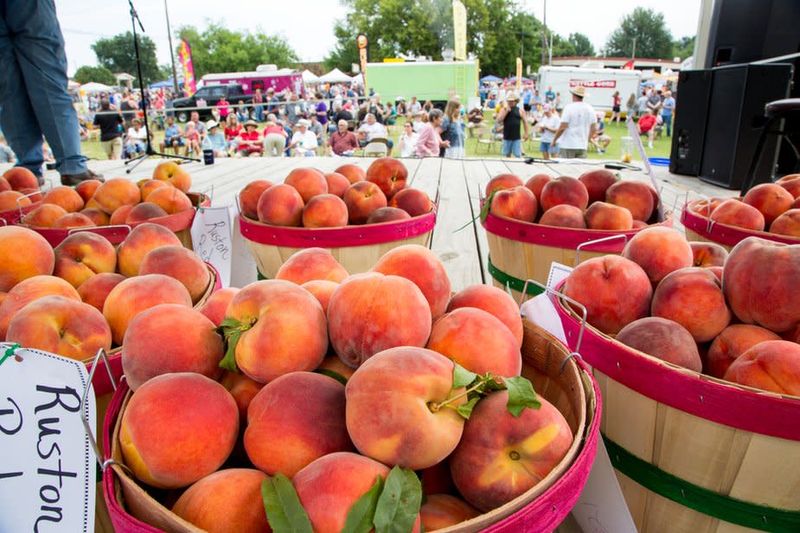
Choosing between Porter and Stratford is not really about picking the better peach. It is about picking the kind of weekend you want. The two festivals are structured differently, feel differently, and deliver different versions of an Oklahoma summer outing. Knowing that upfront saves a lot of confusion on the road.
Porter runs three days. TravelOK’s Porter Peach Festival listing highlights the parade, auction, culinary contests, free peaches and ice cream, live music, street vendors, and games that spread across the full weekend in downtown Porter. The multi-day format lets visitors pace themselves. You can catch the parade on one day, browse vendors the next, and still find time to drive out to Livesay Orchards or stop at The Peach Barn for a peach dessert.
It is a festival that rewards spending more than a few hours in town.
Stratford’s event is built for a single focused day. The 2026 Stratford Peach Festival ran from 9 a.m. to 3 p.m. on July 18, with free admission and a lineup that included live entertainment, arts and crafts, street games, helicopter rides, a car show, Peach Royalty, Peach Idol, a cook-off, and peach products from seven area orchards. Six hours is enough time to work through all of it if you arrive early and move with purpose. The orchard component is especially practical: sampling fresh peaches from multiple local growers in one place is something Porter’s downtown format does not replicate in quite the same way.
For 2026, a morning 5K race and pancake breakfast were scheduled before the Stratford festival opened. Those were listed as that year’s specific programming, not guaranteed annual traditions, so confirm with organizers before planning around them. If you want a full festival weekend with downtown energy and a longer schedule, Porter is your answer. If you want a single-day orchard-and-town experience packed into one morning, Stratford delivers that without asking you to take Monday off work.
A peach festival depends on a crop that Oklahoma weather can punish
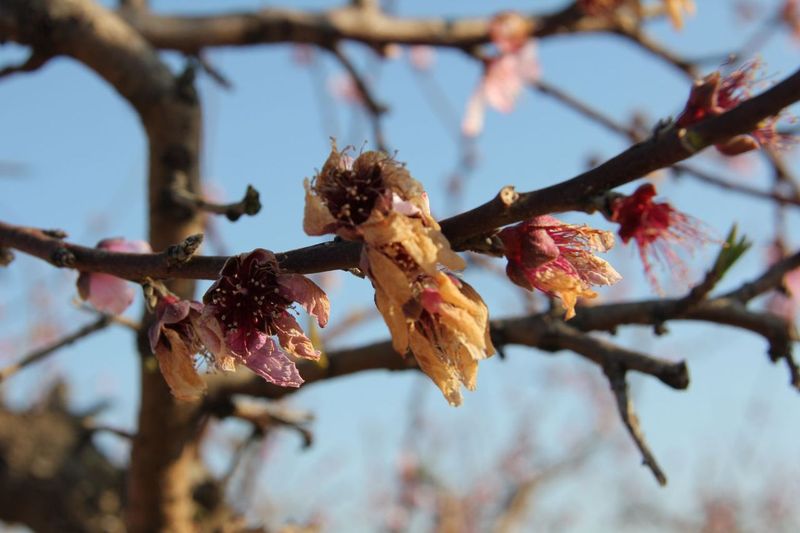
Behind every peach festival is a grower who spent the winter hoping March would behave. Oklahoma peaches bloom early, and that timing creates a structural vulnerability that no amount of civic pride can fix. Oklahoma State University’s guidance on peach orchards explains that peaches bloom in March, leaving them exposed to late freezes at the moment they are most fragile. Bacterial leaf spot, insects, hail, high winds, and heavy rain add to the list of threats that can reduce or ruin a crop before summer even arrives.
Oklahoma agriculture materials recognize Porter and Stratford as the state’s principal peach-growing areas, and older Oklahoma State University research documented the two largest concentrations of peach trees in those same areas. But historical tree counts and acreage figures from the late 1990s and early 2000s are not a reliable guide to what either town is producing in any given summer. Oklahoma peach agriculture is too weather-dependent for that kind of straight-line projection.
The history of the festivals themselves shows how real that vulnerability is. A Journal Record report from 1998 noted that the state’s peach crop was plentiful that year, which was worth mentioning precisely because it had not always been the case. The same reporting documented that a 1996 Porter festival reportedly had to import peaches after a freeze badly reduced the local crop. That detail is not an embarrassment.
It is evidence of how seriously the town takes its festival commitment: the celebration continued even when the harvest did not cooperate.
Visitors should go into either festival knowing that the peach supply can vary by year, and that weather-related shortages are a genuine possibility rather than an excuse. A great July does not guarantee a great crop, and a great crop does not guarantee it survived the spring. The festival experience remains worth the drive either way, but checking in with organizers before you go is always a smart move.
Plan the drive around the peach, not just the festival schedule
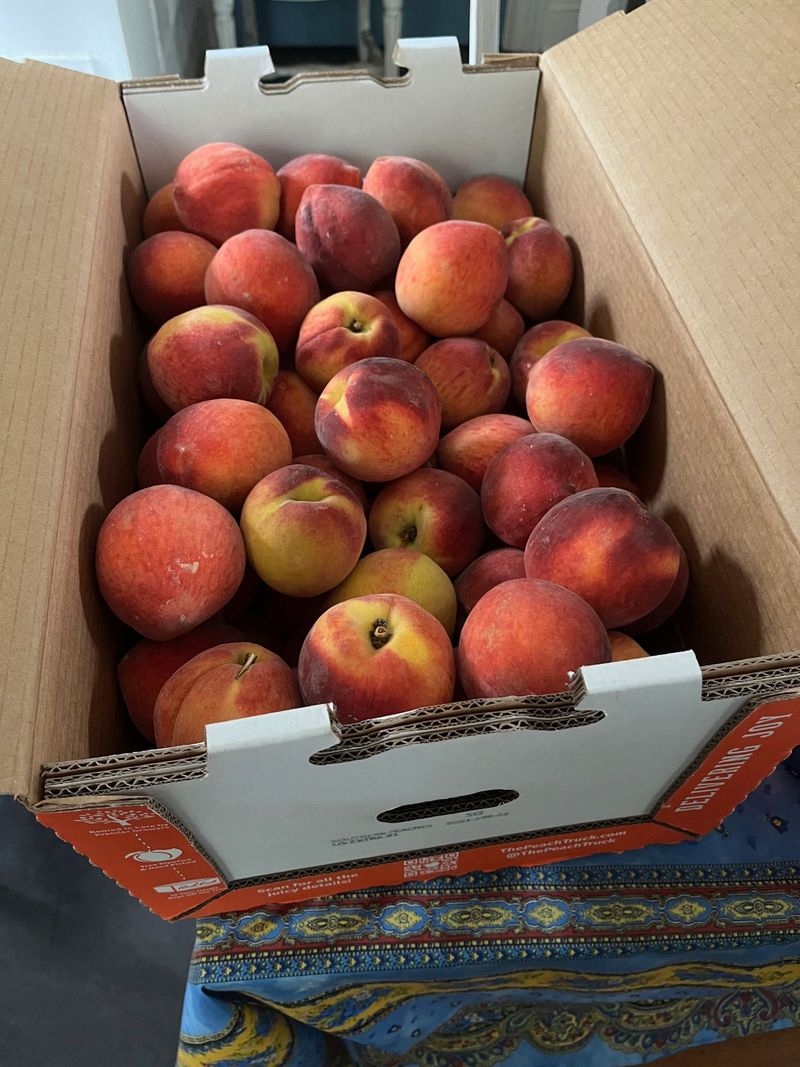
Getting the most out of either festival starts before you leave the driveway. For 2026, Porter ran July 16 through 18 and Stratford took place July 18. Those dates are a useful reference point, but future years will have their own schedules. Always verify dates, hours, activities, and orchard availability directly with festival organizers or through TravelOK before you commit to a drive.
TravelOK’s Porter listing points visitors toward Livesay Orchards for fresh peaches and peach products and to The Peach Barn for peach desserts, both close to the festival area. Those stops extend the Porter experience beyond the downtown footprint and give you a chance to pick up fruit directly from an orchard. Stratford’s TravelOK listing highlights the seven area orchards represented at the festival itself, which means the orchard experience is built into the event rather than a separate detour.
When you are choosing peaches, skip the red blush as your main indicator. Oklahoma State University advises looking at the background color: as peaches mature, the ground color shifts from green toward yellow, firmness decreases, and flavor develops. A peach that looks red but still has a green background may not be ready. Handle ripe peaches gently because they bruise easily.
Once ripe, store them at room temperature only until they reach the texture you want, then refrigerate and plan to use them within one to three days for the best quality.
Oklahoma July is not a casual outdoor environment. CDC guidance on extreme heat flags children, older adults, pregnant people, and anyone with chronic health conditions as groups that need extra care in high temperatures. Drink water consistently, find shade when you can, and take breaks rather than pushing through the hottest part of the afternoon. One more thing: do not leave peach cobblers, cut fruit, or any perishable peach food in a hot car.
USDA food safety guidance says perishables should be refrigerated within two hours, or within one hour when temperatures top 90 degrees Fahrenheit. In Oklahoma in July, one hour is a reasonable working assumption.
There may be no final winner, only two very Oklahoma answers
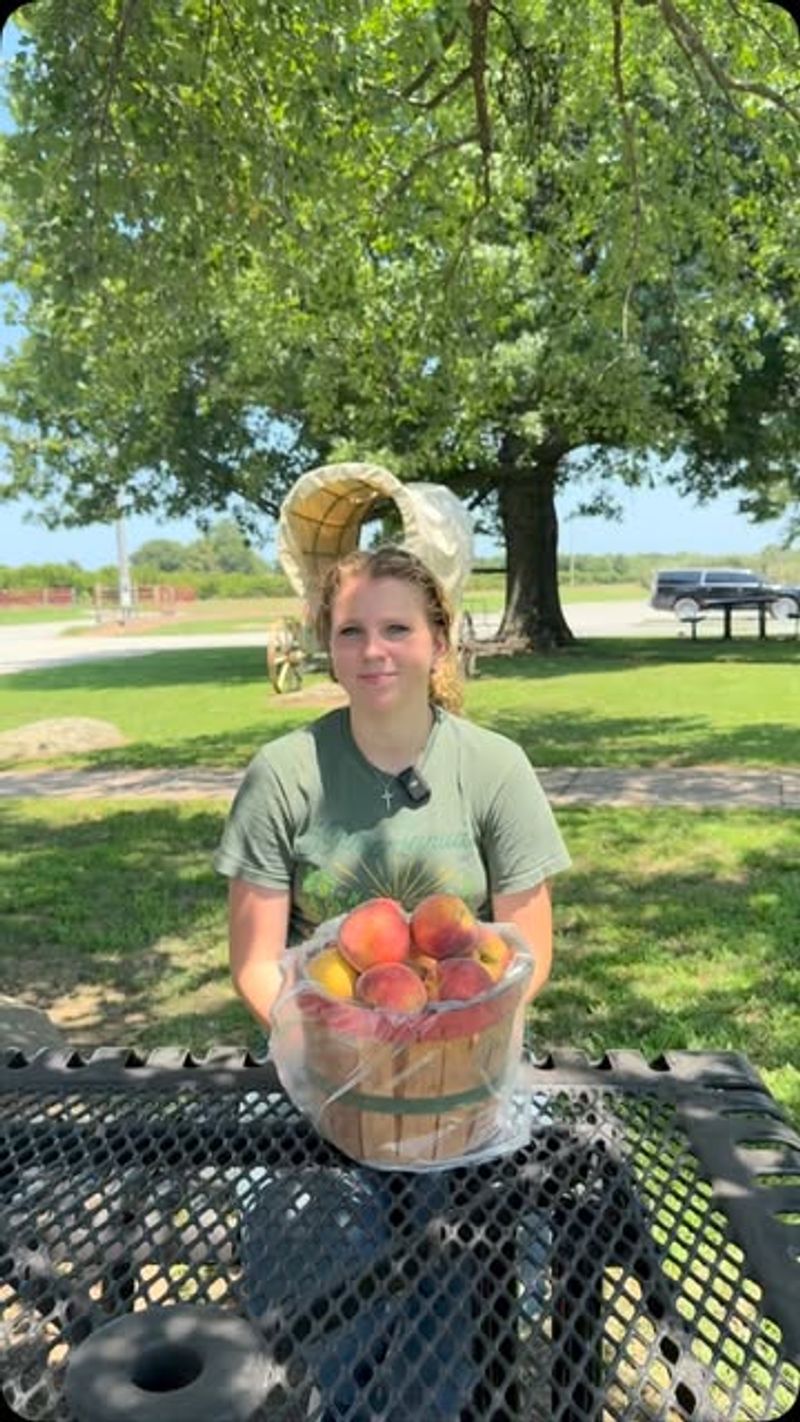
Nobody is going to settle the Porter-versus-Stratford argument at a picnic table in July, and that is probably fine. The rivalry works because both towns have a genuine claim. Porter has a longer-running festival, a downtown tradition stretching back to 1967, and a gubernatorial proclamation it points to as official recognition. Stratford has a self-declared world title, a one-day event that packs in orchards, pageantry, and competition, and a community that has been showing up since 1976 without much concern for what the northeast corner of the state thinks.
As a 2015 Journal Record report on the two festivals made clear, even the organizers are not really at war. The argument lives in the stands, in the car on the way home, and in every conversation that starts with “well, we always went to Porter” or “Stratford is the real one.” That is not a problem to be solved. That is an Oklahoma summer tradition.
Porter and Stratford are both worth the drive. Pick one based on what kind of day you want, or go to both and form your own very strong opinion. Either way, you will come home with peaches, and probably a position you will defend for the rest of the summer.
Share this story