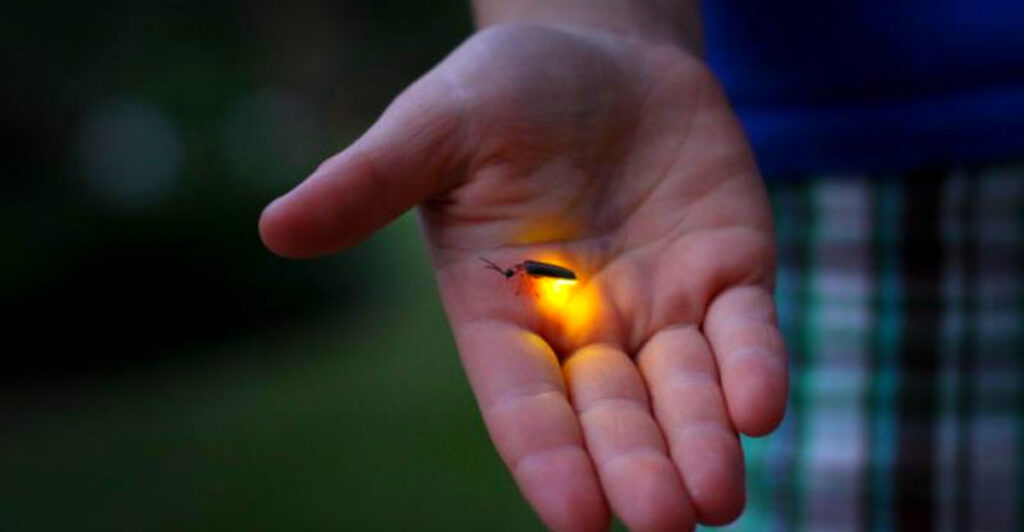
Every summer, certain corners of the world put on a light show that no concert, festival, or city skyline can match. Fireflies have been doing this for millions of years, and yet watching thousands of them flash in coordinated patterns through a dark forest still manages to feel like a first-time magic trick. The best part is that these displays happen across six continents, from the mountains of Appalachia to the mangrove rivers of Borneo, so the only real question is which one you want to see first. This list covers twelve destinations where fireflies reliably put on their best performance each summer, complete with practical details on when to go, what to expect, and how to plan a visit that actually works.
1. Great Smoky Mountains National Park, Gatlinburg, Tennessee
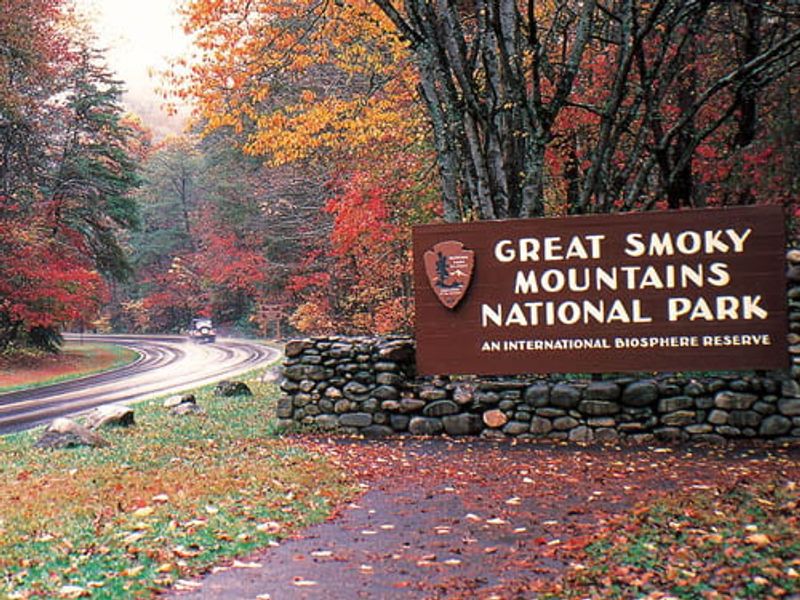
Every June, the Elkmont area of Great Smoky Mountains National Park becomes one of the most sought-after tickets in the entire U.S. national park system, and for good reason. The synchronous fireflies here, Photinus carolinus, flash in coordinated bursts of five to eight pulses, then go dark for several seconds before repeating the cycle.
This is one of only a handful of species in North America capable of synchronizing their displays, and the Smokies host one of the largest known populations. Demand for viewing access is so high that the park runs a strict lottery system, typically opening in late April for events scheduled across two weeks in late May and early June.
Only a limited number of vehicle passes are issued per night, so applying early is essential. Visitors who secure a pass should arrive before dark, bring red-filtered flashlights, and stay on designated trails to protect the ground-dwelling females that never leave the leaf litter.
2. Congaree National Park, Hopkins, South Carolina
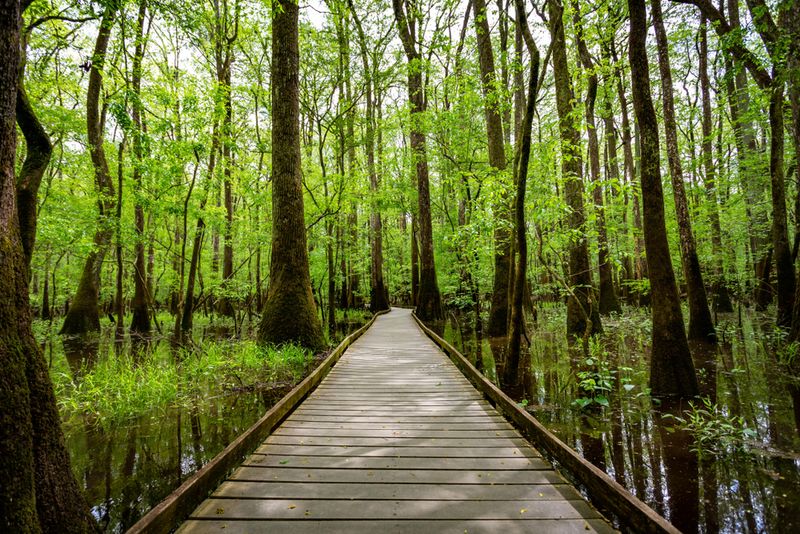
South Carolina’s Congaree National Park is home to the “Snappy Single Syncs,” the informal nickname for Photuris frontalis, one of only three synchronous firefly species confirmed in North America. Unlike the Smokies’ slower, grouped pulses, these fireflies flash rapidly at roughly twice per second, creating a quick, flickering rhythm that ripples through the old-growth forest.
The display typically runs for about two weeks between mid-May and mid-June, starting shortly after sunset and lasting around one hour. Males fly low to the ground, flashing to attract stationary females hidden in the vegetation below.
Congaree introduced a lottery system for viewing passes in 2021 after visitor numbers surged. For recent events, only 145 vehicle passes were issued per night, each covering up to eight passengers. The Harry Hampton Visitor Center and front-country trails close at 4:30 PM on event days, with pass holders admitted between 7:00 PM and 8:30 PM and required to exit by 10:00 PM.
3. Watoga State Park, Marlinton, West Virginia
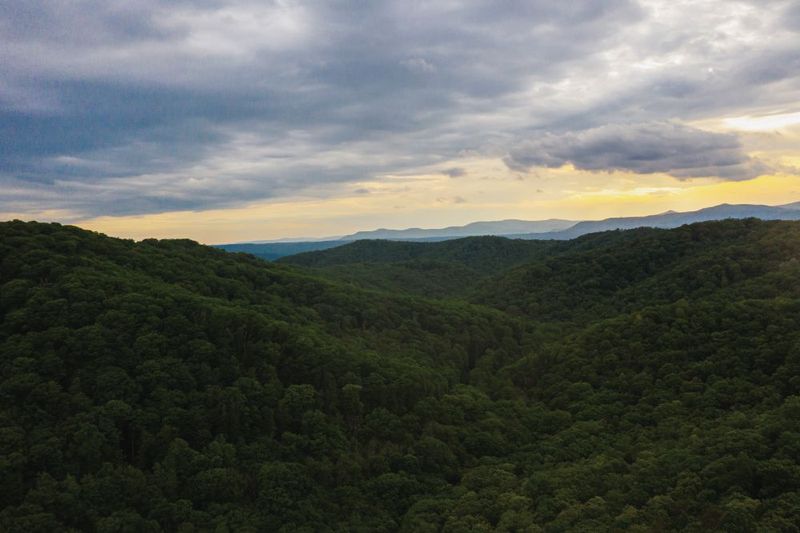
West Virginia’s largest state park holds a title that most visitors never expect: certified International Dark Sky Park. DarkSky International granted Watoga that recognition in October 2021, and the park’s 10,100 acres of Allegheny Mountain forest provide the kind of near-total darkness that makes even modest firefly activity look spectacular.
Biologists officially confirmed the presence of synchronous fireflies, Photinus carolinus, in 2020, following an accidental discovery during the park’s dark sky certification process in 2019. Their display peaks from mid-June through late June, typically starting around 10 PM, with males producing a distinctive flash train of six quick pulses followed by six to nine seconds of darkness.
The park also hosts sightings of the rarer blue ghost firefly, most often seen in late May and early June in the park’s southern sections. Seasonal guided night hikes run throughout June, with attendance capped at around 40 participants per session. Advance reservations are required, and red-filtered flashlights are the only lights permitted on trail.
4. Coler Mountain Bike Preserve, Bentonville, Arkansas
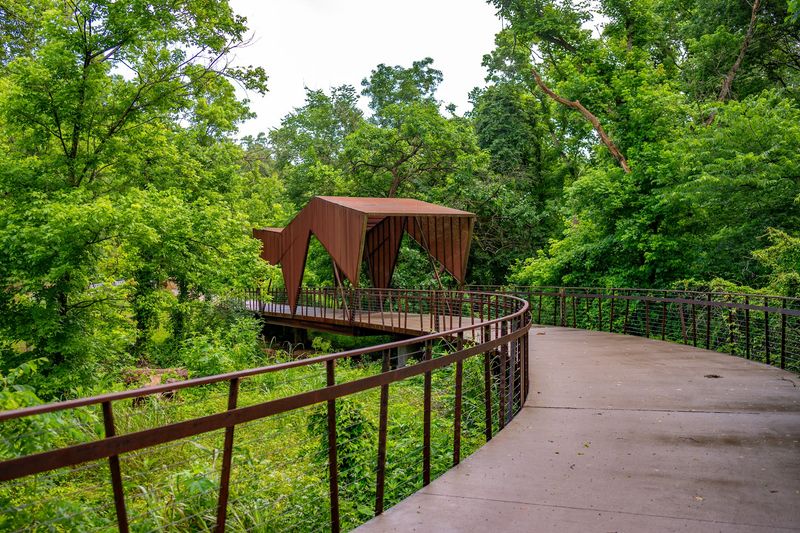
Bentonville built its reputation on mountain biking, but Coler Mountain Bike Preserve quietly earned a completely different kind of distinction in 2024. Firefly Conservation and Research certified it as the first official firefly sanctuary west of the Mississippi River and the first in Arkansas, recognizing a land management approach that had already been protecting these insects without anyone formally calling it a sanctuary.
The preserve spans 342 acres and operates entirely without pesticides or herbicides. Undisturbed leaf litter across the site provides critical habitat for firefly larvae, which can spend one to two years underground before emerging as adults. Artificial lighting is limited to the parking area and the Airship Coffee section, leaving the rest of the preserve genuinely dark after sunset.
Beyond the more common species, the Ozark Spark, Photinus tenuicinctus, a firefly once thought lost to documentation for decades, has been rediscovered in the Ozarks nearby. Free guided Firefly Walks run from late May through July, led by Northwest Arkansas Master Naturalists, with phone screens and flashlights discouraged during the walks.
5. Cradle of Forestry in America, Pisgah Forest, North Carolina
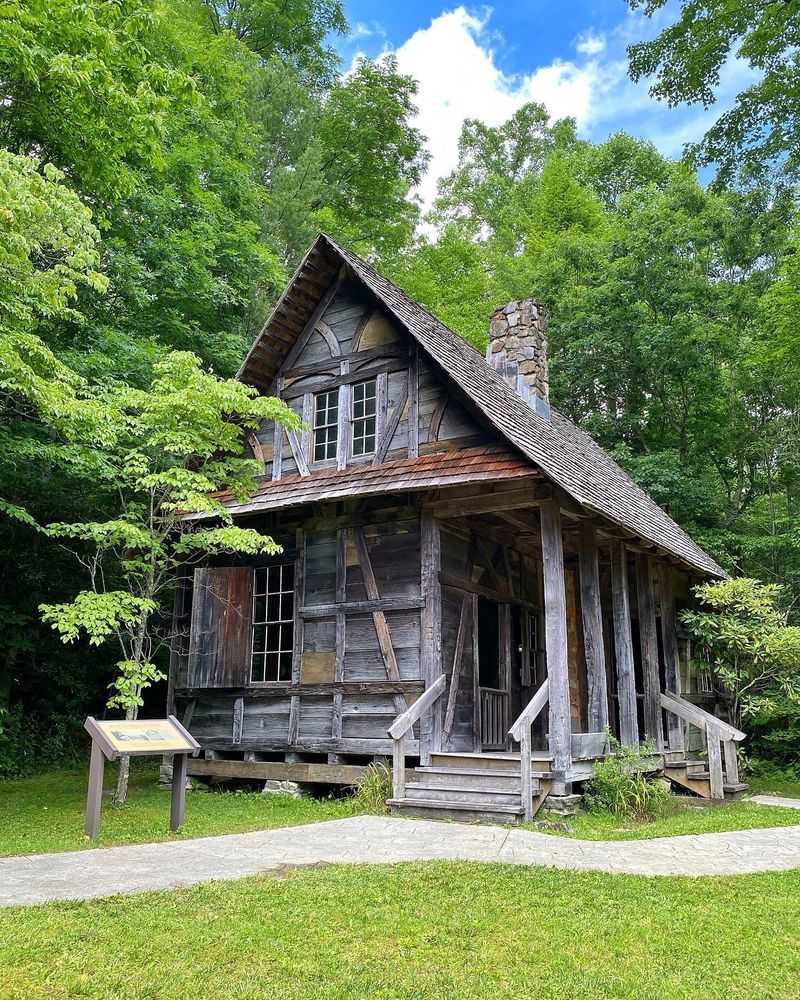
Blue ghost fireflies do not blink. That single fact separates them from every backyard lightning bug most visitors grew up catching in jars, and it is the reason the Cradle of Forestry in America draws such dedicated crowds each spring. Phausis reticulata emits a continuous pale glow that can last up to a minute, with males flying just eighteen inches to three feet above the forest floor in slow, drifting paths.
The species is found almost exclusively in the Southern Appalachians, with its largest concentrations in western North Carolina. Their season runs roughly from late April through mid-July, with peak activity in late May and early June, typically between 9 PM and 10:30 PM on warm, humid nights near creek corridors.
FIND Outdoors runs ticketed Blue Ghost Firefly Twilight Tours at the site, which include an educational presentation before the trail walk. Gates open around 8 PM, and the program wraps by 10:30 PM. Tours sell out quickly, so booking well in advance is strongly recommended. Red-filtered lights are provided or required, and pets are not permitted at evening events.
6. Hotel Chinzanso Tokyo, Tokyo, Japan
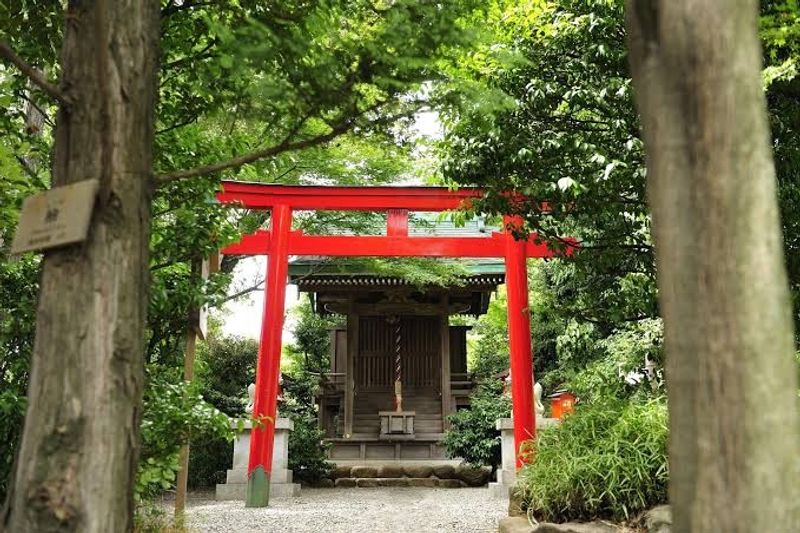
A luxury hotel garden in the middle of Tokyo has been releasing firefly larvae into its stream every January since 1954, which means this particular tradition is now over 70 years old and shows no signs of stopping. The Chinzanso Garden sits beside the Kanda River in Bunkyo Ward and covers enough ground to feel genuinely removed from the surrounding city.
The primary species is the Genji firefly, Luciola cruciata, with some Heike fireflies appearing later in the season. During peak weeks, the garden can host around 500 to 600 fireflies on a single night, with the most active window running from roughly 7:30 PM to 9:00 PM. Fireflies concentrate near the Firefly Stream, the red Benkei Bridge, and an old watermill. An indoor Firefly Cave Biotope allows viewing even on rainy evenings.
Garden access during firefly season is generally available to hotel guests and restaurant patrons. On select dates, non-guests can purchase evening admission after 6:30 PM. Special stay packages and seasonal dinner buffets are offered throughout the viewing period, which runs from mid-May into late June or early July.
7. Roman no Mori Kyowakoku, Kimitsu, Chiba, Japan
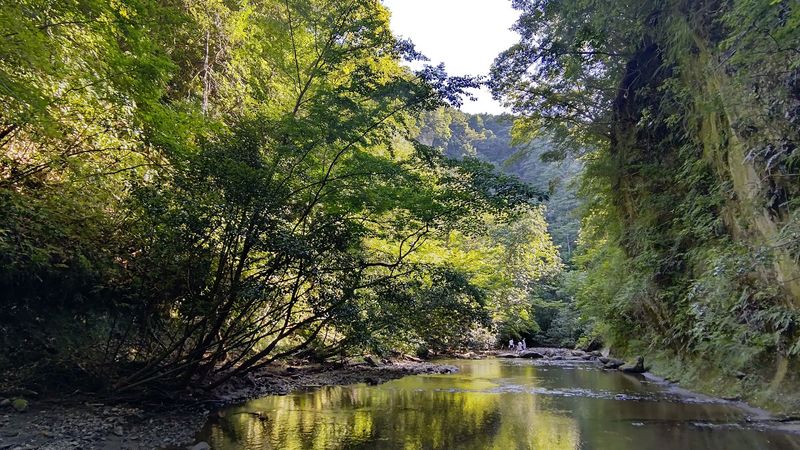
About an hour and a half south of central Tokyo, Kimitsu City in Chiba Prefecture holds a leisure park that trades neon signs for something considerably older and quieter. Roman no Mori Kyowakoku covers 40,000 square meters of forested land and has maintained a long-running firefly breeding program that supports its annual summer displays.
Two species are the main draw here. Genji fireflies, Luciola cruciata, favor clear flowing water and typically appear from late May through mid-June. Heike fireflies, Luciola lateralis, prefer marshier conditions and follow from mid-June into early July, making June the month when both species can overlap. Peak activity generally falls between 7:30 PM and 9:00 PM on warm, humid, and ideally moonless evenings.
The park occasionally organizes dedicated Firefly Viewing Evening events with structured programming. Year-round facilities include river fishing, fruit picking, barbecue areas, hot springs, and golf, so a firefly trip can anchor a longer stay in the region. Visitors are asked to avoid white flashlights and phone screens during viewing, and red-filtered lights are the recommended alternative for navigating the forest paths after dark.
8. Kampung Kuantan Fireflies Park, Kuala Selangor, Selangor, Malaysia
Firefly tourism in Malaysia effectively started here. Kampung Kuantan Fireflies Park on the Selangor River has been operating commercially since the 1970s and is managed by the Kuala Selangor District Council, giving it an institutional stability that newer ecotourism sites rarely match. The dense berembang trees, Sonneratia caseolaris, lining the riverbanks provide both shelter and nectar for the dominant species, Pteroptyx tener.
What makes this park particularly striking is the synchronicity. Thousands of Pteroptyx tener fireflies gather on the berembang trees and flash together at a rate of three blinks per second, turning entire stretches of riverbank into coordinated columns of rhythmic light. The effect is visible from the water, which is exactly where visitors spend their time.
Boat trips traditionally used non-motorized sampan boats for minimal disturbance, with modern fiberglass boats now used for added safety while maintaining a quiet approach. Each ride lasts 20 to 30 minutes. The park operates nightly from around 7:45 PM to 10:30 PM, and arriving by 7:30 PM is advisable during busy periods. Flash photography is strictly prohibited throughout the experience.
9. Cherating Firefly Tours, Cherating, Pahang, Malaysia
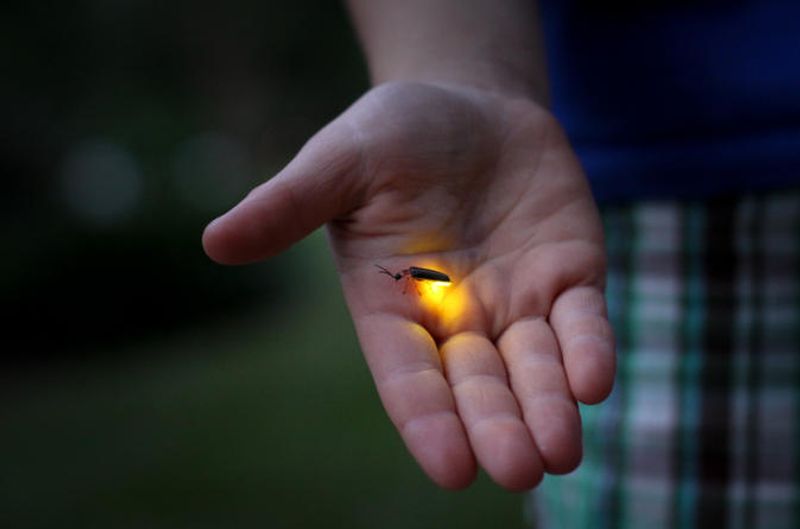
The Cherating River in Pahang has a split personality. By day it is a calm, mangrove-lined waterway that most visitors overlook entirely. After sunset it becomes the backdrop for one of coastal Malaysia’s more accessible firefly experiences, led by guides who have been navigating these waters long enough to know exactly where the insects congregate.
The species here, often identified as Pteroptyx bearni, do not flash in unison. Each insect operates on its own rhythm, which scatters individual points of light through the dark foliage rather than producing a single coordinated wave. Guides like Mohd Hafiz, sometimes called the “Firefly Whisperer” by returning visitors, occasionally direct a soft beam toward the trees to draw fireflies closer to the boat for a more detailed look.
Tours depart after twilight, typically around 7:30 PM or 8:00 PM, and each trip runs approximately one hour. Operations generally run Tuesday through Sunday. Clear, moonless nights produce the best conditions, while heavy rain can reduce activity significantly. Flash photography is prohibited, and visitors are asked to stay quiet and still throughout the river journey.
Daytime mangrove cruises, kayaking, and turtle-watching are also available in the area.
10. Klias River Cruise, Beaufort, Sabah, Malaysia
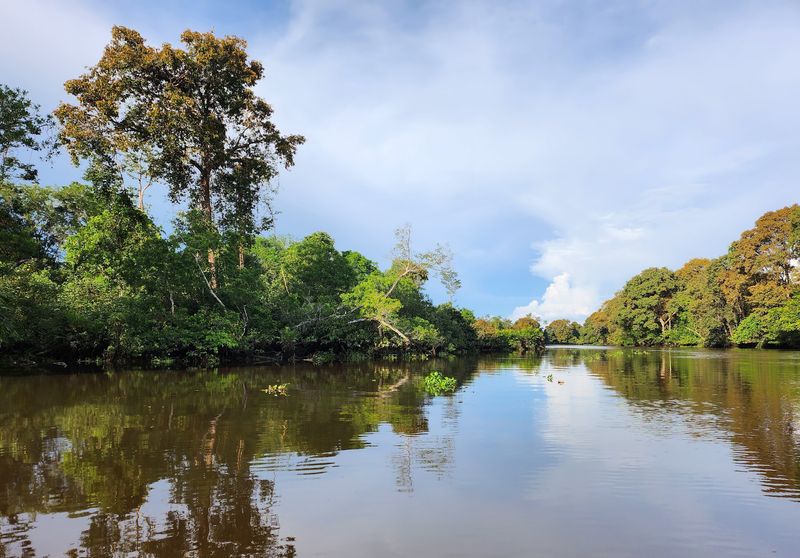
The Klias River Cruise runs a two-act evening that few other wildlife tours can match for sheer variety. The first act belongs to proboscis monkeys, Nasalis larvatus, the endemic Bornean primates with their famously large noses, as they move toward the riverbanks in the late afternoon to feed before nightfall. Long-tailed macaques, silvered leaf monkeys, monitor lizards, kingfishers, and eagles round out a supporting cast that keeps binoculars busy.
After a traditional Malaysian buffet dinner at a riverside lodge, guests board a second boat for the firefly portion of the evening. The Klias wetlands are home to several Pteroptyx species, including P. bearni and P. tener, which cluster along the mangrove vegetation and produce a scattered blinking display across the dark water. English-speaking guides accompany both cruises and provide context on the mangrove ecosystem throughout.
The full tour runs from an afternoon hotel pick-up in Kota Kinabalu, roughly 1.5 to 2 hours away, through the evening firefly cruise. Visitors should bring insect repellent, a raincoat, and a camera, though flash photography is discouraged during the firefly segment. Firefly sightings are weather-dependent and not guaranteed on nights with heavy rain.
11. Kawa-Kawa River Cruise, Kota Belud, Sabah, Malaysia
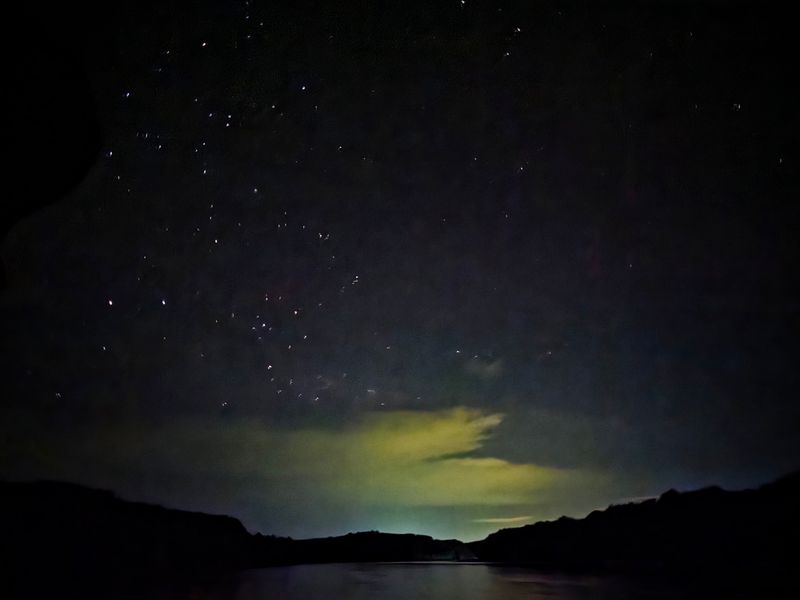
The Kawa-Kawa River Cruise packs an entire Borneo highlight reel into a single afternoon and evening. Operating on the Tempasuk and Rampayan river systems northeast of Kota Kinabalu, the tour begins with a wildlife cruise that draws proboscis monkeys, long-tailed macaques, silvered leaf monkeys, river otters, water buffaloes, hornbills, and kingfishers into view along the mangrove banks.
A sunset pause mid-cruise gives guests a clear look westward, where Mount Kinabalu sometimes appears in silhouette against the fading sky. After a traditional Malay buffet dinner at a riverside lodge, the second boat cruise heads out for firefly viewing. Thousands of fireflies scatter through the riverside vegetation, and guides occasionally use a directed light to draw them closer to the boat for a better look.
The full itinerary begins with an early afternoon pick-up from Kota Kinabalu hotels, with the drive taking roughly 1.5 to 2 hours each way. Professional English-speaking guides lead both cruises. Flash photography is discouraged during the firefly segment, and visitors are advised to bring insect repellent, binoculars, and a raincoat. Firefly activity can be reduced on nights with heavy rainfall, so weather flexibility is helpful when planning the trip.
12. Abatan River Community Life Tour, Cortes, Bohol, Philippines
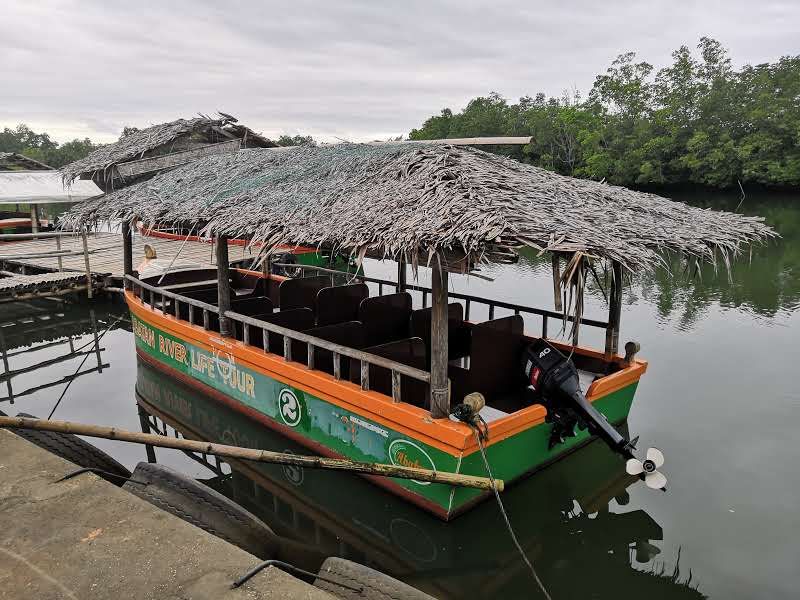
Bohol is most famous for its Chocolate Hills and tarsiers, but the Abatan River in Cortes offers something that neither of those attractions can provide after dark. This community-led eco-cultural tour covers a river basin that supports one of the most biodiverse mangrove forests in the Philippines, spanning roughly 1,000 acres and hosting 32 mangrove species across five municipalities.
Eight firefly species have been identified along the Abatan, including Pteroptyx macdermotti, a rare Philippine endemic that was largely unstudied from its initial description in 1970 until researchers returned to examine its synchronized displays. Males congregate on nipa palms and mangrove vegetation, producing a yellow-green synchronized pulse that makes entire trees appear to switch on and off in unison.
Visitors travel by traditional flat-bottom bandong boats, outrigger boats, or kayaks, all non-motorized options that keep the river quiet. Local guides, many of whom are lifelong residents, share information on the river’s ecology and the conservation efforts that sustain the firefly population. The optimal viewing season runs from December through May, with clear, moonless nights producing the most reliable displays. Tour proceeds support the participating local communities directly.
Share this story