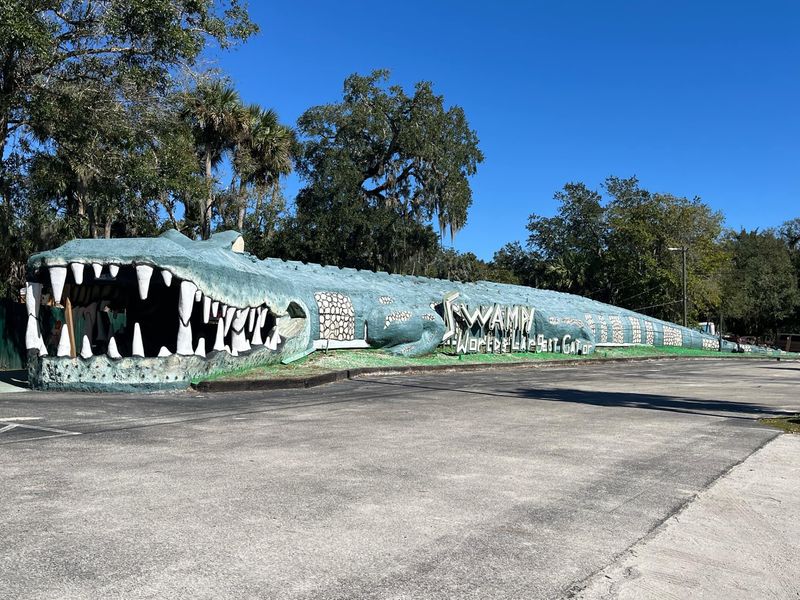
A giant concrete alligator stretches across the front entrance, and you get inside by walking around its open mouth. That detail alone earned my full attention.
Who designs a front door around a grinning reptile statue?
Past that toothy welcome, things get even better. You can hold a baby gator, feed a tiny muntjac deer, and ride a pontoon boat through a swamp where real alligators drift by.
Then a guide shares stories about the Seminole people and the history of this part of Florida.
I like how this place feels happily stuck in an earlier era. There are no roller coasters, no costumed mascots, and no lines snaking around fake castles.
It offers animals, guides who know them by name, and plenty of old roadside charm.
So why have so many drivers cruised right past it for decades without stopping?
The Roadside Animal Park With a Gator Guarding the Door
Jungle Adventures, A Real Florida Animal Park sits along State Road 50 in east Orange County, Florida. It’s a classic roadside zoo with alligator feedings, guided tours, and swamp boat rides in a park-like setting.
Most people know it first by its mascot. A huge concrete alligator sprawls across the front, and the entrance runs around its wide-open mouth.
That statue does a lot of work. It tells you right away that this stop leans playful, nostalgic, and proudly Old Florida rather than polished and corporate.
Inside, the park focuses on the animals that make this state famous. Alligators come in every size, and plenty of them call the main enclosure home.
A walkway circles that enclosure, so you can see them from several angles.
The park is not enormous, and it doesn’t try to be. Its strength comes from hands-on moments, guided storytelling, and a real swamp out back.
Think of it as the opposite of a giant theme park day. You won’t need a strategy or an app.
You just need curiosity and some comfortable shoes for the boardwalks.
Four Guided Stops That Turn a Visit Into a Story
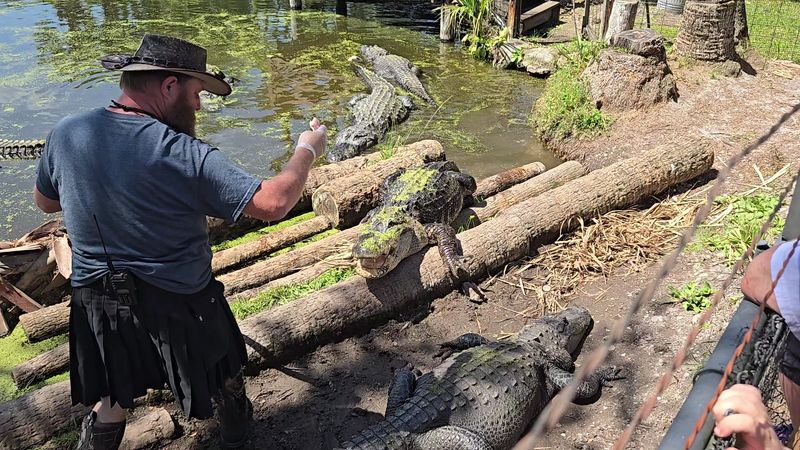
Admission covers a lot more than a stroll past enclosures. Tickets include a nature show, a Native American show and tell, a gator feeding, and a boat ride.
Groups move through those four parts in order. Staying with your group makes sense, because each piece builds on the last one.
The guides are a big reason the format works. Friendly, knowledgeable staff come up again and again when people describe this park, and many guides bring real humor to the job.
Some of them know every alligator by name. That personal connection turns a simple feeding into something closer to a family introduction.
Questions are welcome along the way. Guides explain animal backgrounds too, such as why one cat with a walking disability lives in a different style of enclosure.
That context changes how you see the place. A small habitat might look odd at first, but the backstory often explains the choice.
Plan on spending a few hours if you want the full experience. Folks who take their time, feed the animals, and join the whole tour often stay three hours or more.
Not bad for a roadside stop.
Gator Feeding Time, Featuring Plenty of Big Personalities
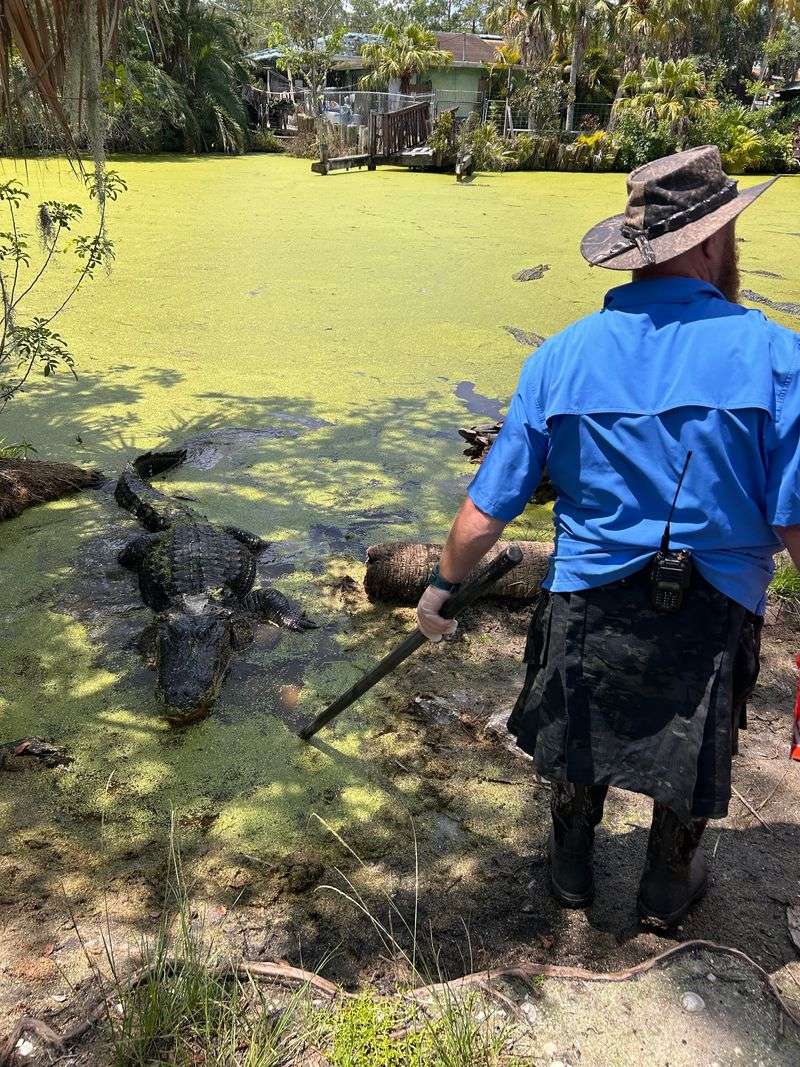
Splash, snap, and a chorus of gasps. Feeding time is the headliner here, and it puts the park’s huge alligator population front and center.
A guide tosses food while explaining how these reptiles live, eat, and behave. The talk mixes facts with humor, so kids and grandparents both stay hooked.
Don’t expect a frenzy every single time, though. Alligators slow down in cooler weather, and winter feedings can be calmer because the gators simply aren’t very hungry.
Honestly, that’s part of the education. Watching a well-fed gator ignore a snack teaches you more about cold-blooded animals than any textbook chart.
Staying for more than one session is possible on a longer visit. Some families catch two feedings, and each one can feel a little different depending on who shows up.
The main enclosure holds alligators of all sizes. Little ones, medium ones, and some truly hefty residents share the space.
Bring a camera and some patience. The best moment might be a quiet one, like a massive gator sliding into the water just a few feet from the walkway rail.
Yes, You Really Can Hold a Baby Alligator
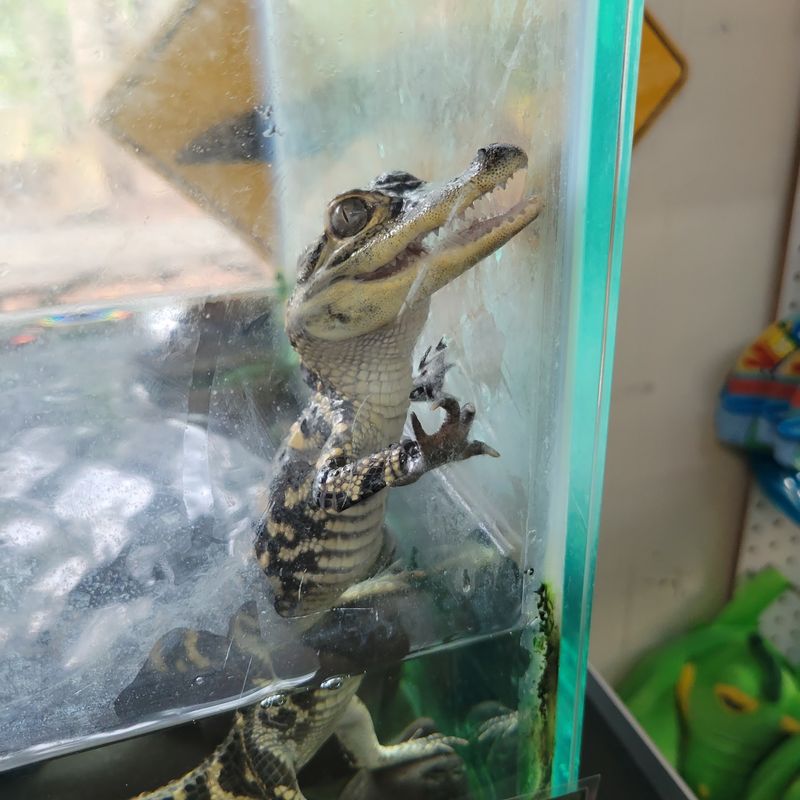
Bucket lists, take note. The wildlife show lets guests hold a baby alligator, and staff can snap a photo of the big moment.
Gators are only the start. Depending on the day, the encounter lineup can include a snake, a tarantula, a skunk to pet, and even a baby badger.
Brave about reptiles but nervous about spiders? No problem.
Holding anything is optional, so the tarantula can stay right where it is.
The show doubles as a lesson. Handlers share facts about each animal, which helps visitors from colder states understand creatures they never see back home.
A Colombian rainbow boa has appeared in these encounters too. Its shimmery scales tend to win over even the snake skeptics in the group.
Families with young kids get a lot out of this part. Toddlers and grade-schoolers alike seem to treat it as the highlight of the whole trip.
A picture magnet makes a fun keepsake from the encounter. It’s the kind of souvenir that ends up on the fridge for years, quietly proving you held a gator in Florida.
A Pontoon Ride Through a Real Sulfur Swamp
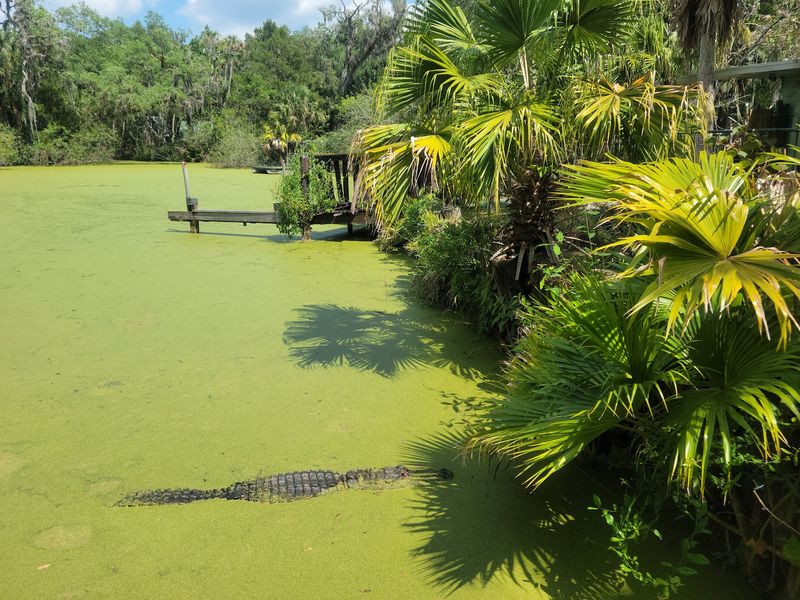
Out past the boardwalks, a pontoon boat waits at the edge of a natural sulfur swamp. The ride drifts slowly over green water where wild-looking alligators often hang out.
Shade covers much of the boat. That makes the trip far more pleasant during sunny Florida afternoons.
Calm is the theme here. The pace stays leisurely, and the scenery feels lush, quiet, and wonderfully swampy.
Gator sightings depend on luck. Some trips spot several, while others turn up only ripples and lily pads, which is exactly how nature works.
Keep expectations simple. It’s a short ride, not an epic expedition, and the boat itself shows its age.
Still, gliding past alligators on open water gives the visit a different energy. Watching them from a rail is one thing, but sharing their swamp feels much more real.
The ride usually comes near the end of the guided rotation. It’s a relaxing way to wrap up after all the feeding, holding, and storytelling.
Many guests wish it lasted a bit longer, and that says plenty.
Panthers, Wolves, and a Deer Named Johnny
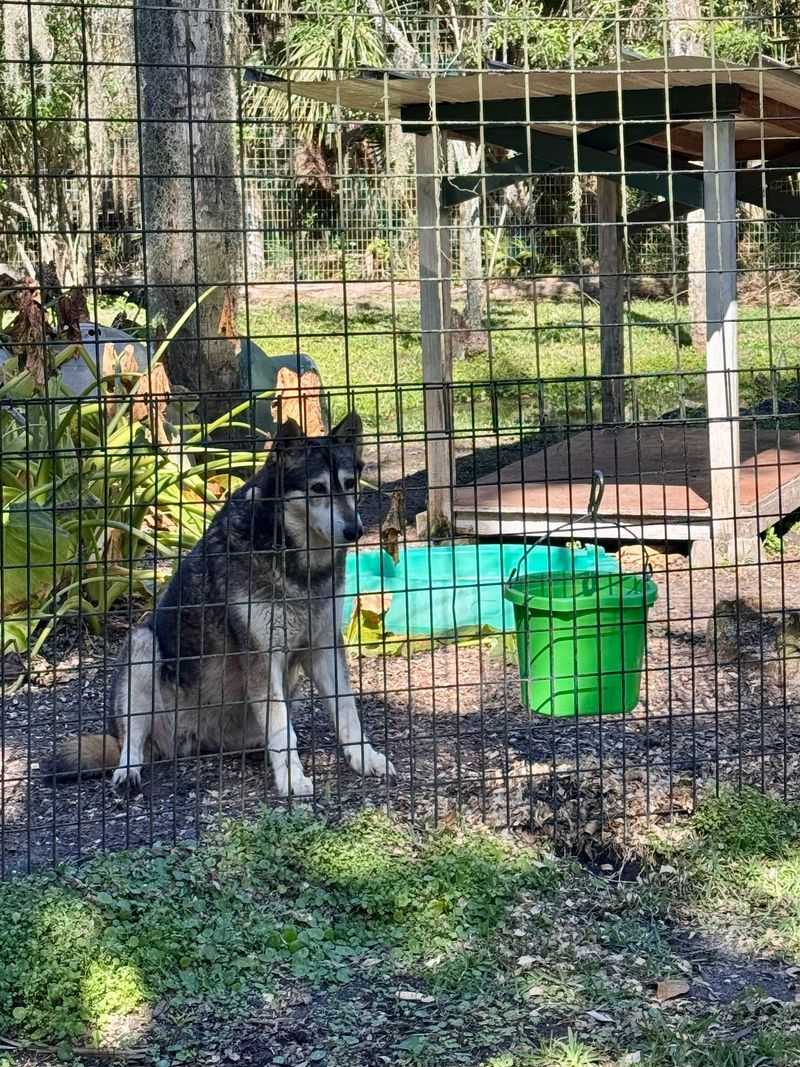
Alligators get top billing, but the supporting cast deserves applause. Keep an eye out for a panther, a lynx, emus, turtles, goats, and colorful parrots.
The wolves bring a surprise twist. They’re wolf hybrids, part German Shepherd, which tends to spark plenty of questions.
Then there’s Johnny, a muntjac deer with serious fan potential. Muntjacs are tiny deer, and Johnny is about as charming as they come.
Food packages let you get involved. The zoo mix option lets guests feed the monkey, turtles, goats, the muntjac, and baby gators.
A bulk feeding package works nicely for families. Everyone gets a turn, and nobody has to argue over who feeds the goats.
Some habitats are roomy enough that animals stay out of sight. That can feel frustrating, yet it often means they have space to roam.
Staff feeding the bobcat may share stories about individual animals. Those little chats add personality to every enclosure.
Suddenly, the lynx isn’t just a lynx anymore. It’s a neighbor with a history.
History Lessons Rooted in Seminole Life
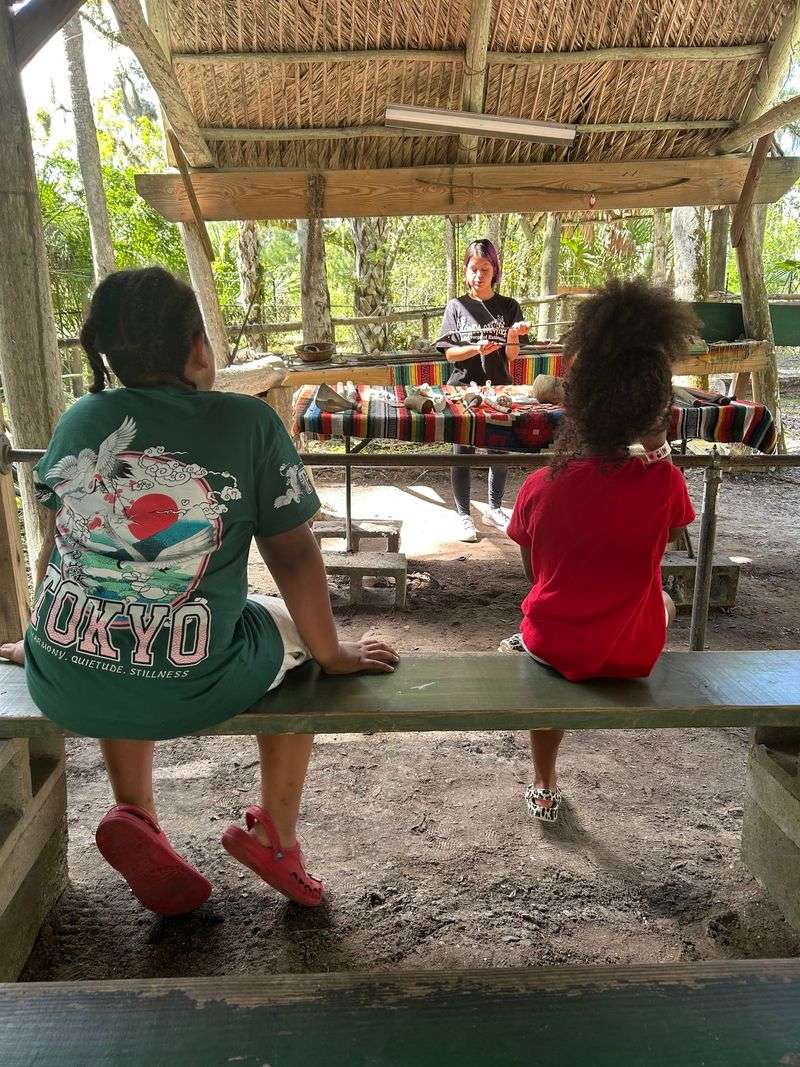
Long before roadside attractions lined State Road 50, people lived off this land and these waters. The park’s Native American show and tell explores that story.
Guides talk about the Seminole people and how they lived in this region. It’s a thoughtful change of pace between all the animal action.
Many visitors walk away calling this talk one of the most interesting parts. It connects the swamp, the wildlife, and the people into one bigger Florida picture.
Kids learn without feeling like they’re stuck in class. Adults usually pick up a few surprises about the state’s history too.
The talk also explains why Old Florida feels so different from the modern tourist corridor. Here, the landscape itself is part of the lesson.
Visitors who have lived in the state for decades still find new details here. That says a lot about how much ground the session covers.
Because it’s built into the guided rotation, you won’t miss it if you stay with your group. Think of it as the heart of the visit, sitting quietly between the gator snacks and the boat ride.
Old Florida Charm, Weathered Edges Included
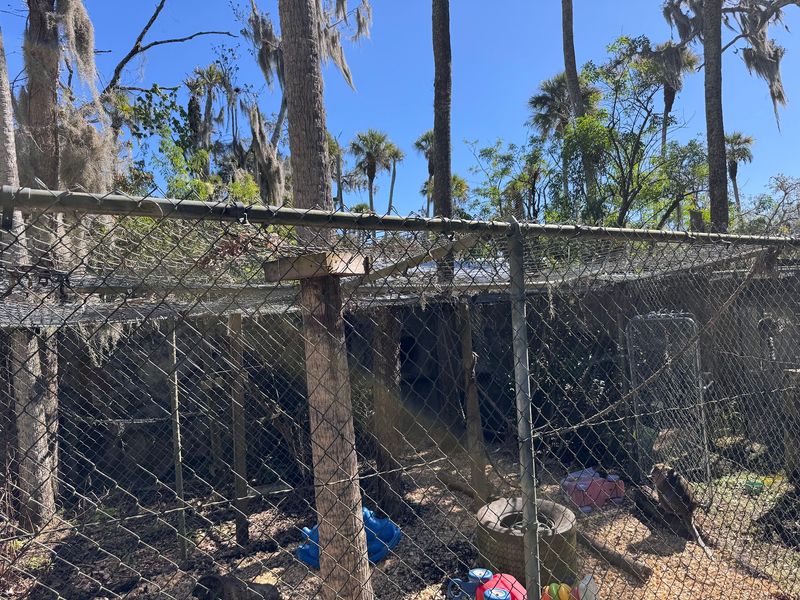
Nobody will mistake this place for a glossy mega-resort. The park looks weathered in spots, and some areas clearly could use fresh upkeep and funding.
For many guests, that rustic look is part of the appeal. It feels authentic, unhurried, and refreshingly different from the shiny attractions near Orlando.
Families with kids of almost any age tend to enjoy it. School groups, visiting relatives, and couples looking for something offbeat all fit right in.
Folks who prefer cozy, low-key outings will feel at home. There’s no rush, and the smaller size keeps everything easy to follow.
Mobility is worth considering before you go. Wooden planks along the walkways aren’t always even, so watch your footing.
Guests using wheelchairs or walkers may find certain paths tricky. Sturdy, closed-toe shoes are a smart call for everyone.
Comparisons with bigger gator parks pop up often. Some guests even prefer this one, praising the personal touch and natural surroundings.
If you love a little rough-around-the-edges character, you’ll probably fall for it. If you need everything brand new, maybe adjust expectations first.
Planning Your Stop, Plus Why It Earns a Detour
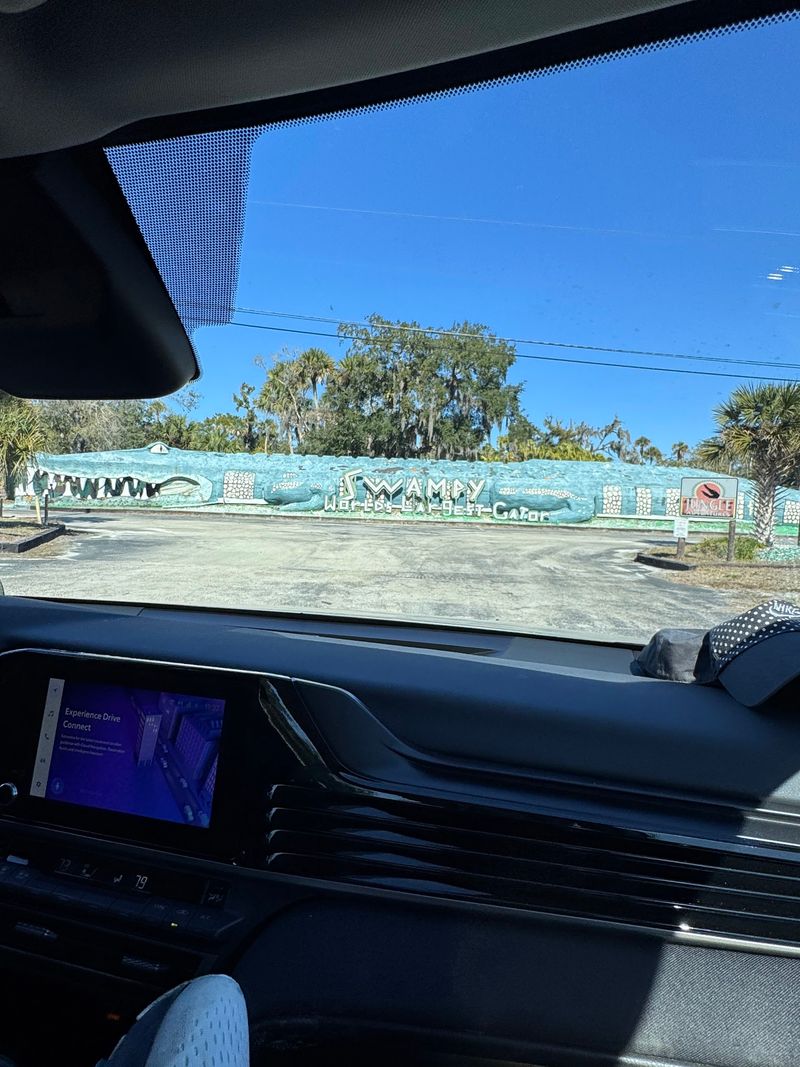
Getting there is simple. Jungle Adventures, A Real Florida Animal Park sits at 26205 E Colonial Dr, Christmas, FL 32709.
It’s on State Road 50, about nine miles west of I-95. That puts it neatly between Orlando and the Space Coast.
Hours stay consistent all week. The park opens daily at 9:30 AM and closes at 5:30 PM.
Arriving earlier gives you time for the full guided rotation. Late arrivals may feel rushed, especially if you want to feed animals too.
Parking is limited, so plan ahead on busier days. Ticket prices are modest compared with big Central Florida parks, and discount opportunities are available.
The gift shop sits right at the entrance. Its prices are friendly, which makes grabbing a souvenir an easy yes.
So, is it worth pulling over? For anyone curious about real Florida wildlife and history, the answer leans strongly toward yes.
It won’t dazzle you with fireworks or rides. Instead, it offers baby gators, swamp breezes, and guides who clearly care.
That’s a pretty sweet trade for one afternoon.
Share this story