A small railway museum in New Jersey offers a reason to rethink the usual weekend outing: a chance to ride in a historic caboose. The place may not demand a whole day, but its old locomotives, railway artifacts, and special train trips give curious families plenty to explore.
The surprise is how much interest one collection of railway equipment can hold, even for someone who cannot name a single engine. Before choosing a departure, though, a few details about the cars, calendar, and museum hours deserve attention.
A Small Museum With Full-Size Trains
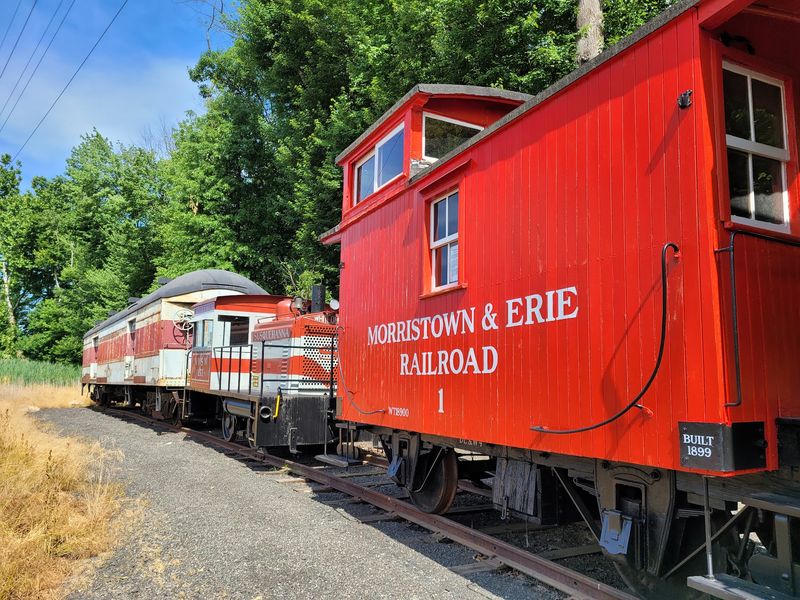
The address gets straight to the point: Whippany Railway Museum stands at 1 Railroad Plaza, Whippany, NJ 07981, in New Jersey, United States. Its focus is railway history, with historic locomotives, exhibits, and seasonal train excursions.
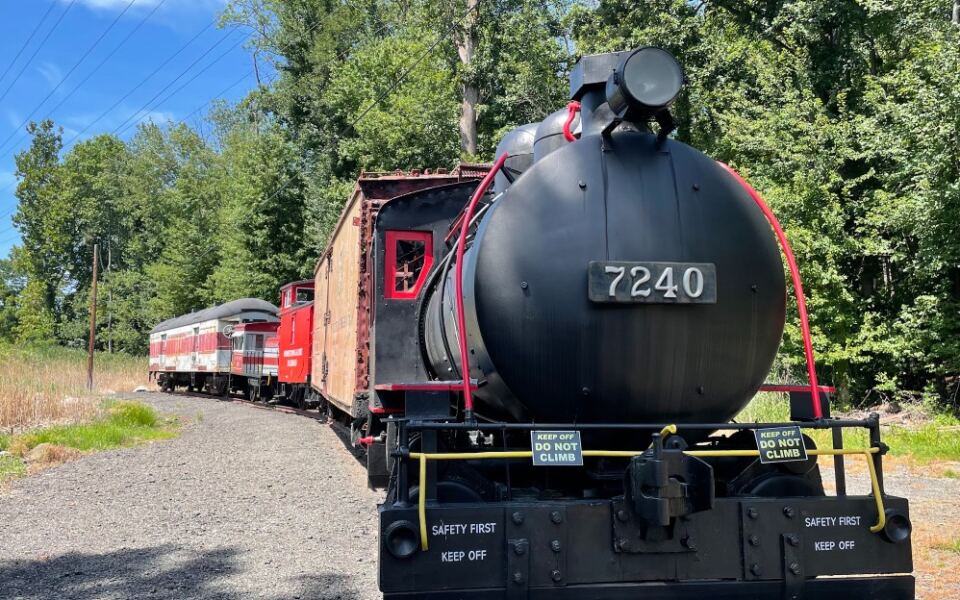
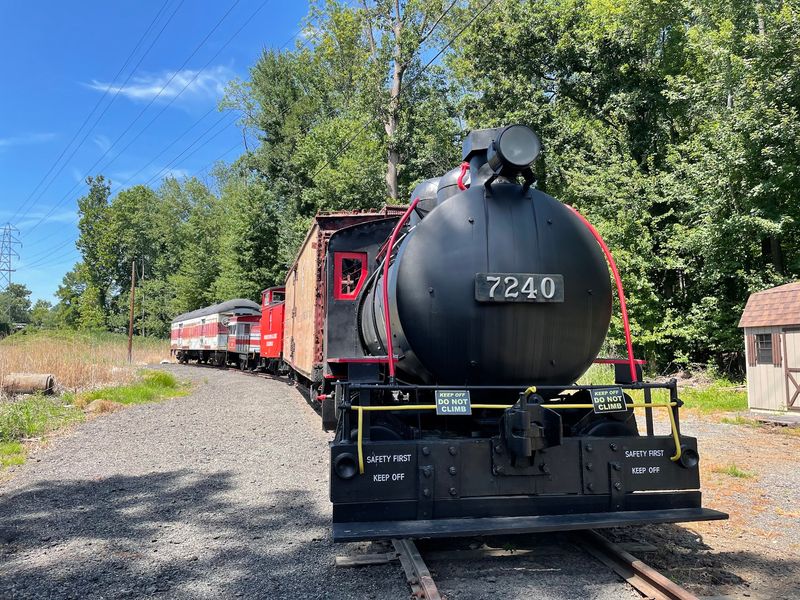
Despite its modest size, the museum offers more than a room of objects behind glass. The collection includes passenger cars, cabooses, and other railway equipment, with opportunities to explore some car interiors when access is available.
A useful way to approach the place is as two related experiences: the museum collection and a scheduled train ride. They belong together, but an excursion should not be assumed simply because the museum is open.
That distinction matters before planning a Sunday outing. Start with the current calendar, decide whether the collection or a ride is the main draw, and build the visit around that choice rather than expecting an all-day attraction with constant departures.
Railway History Beyond the Engine
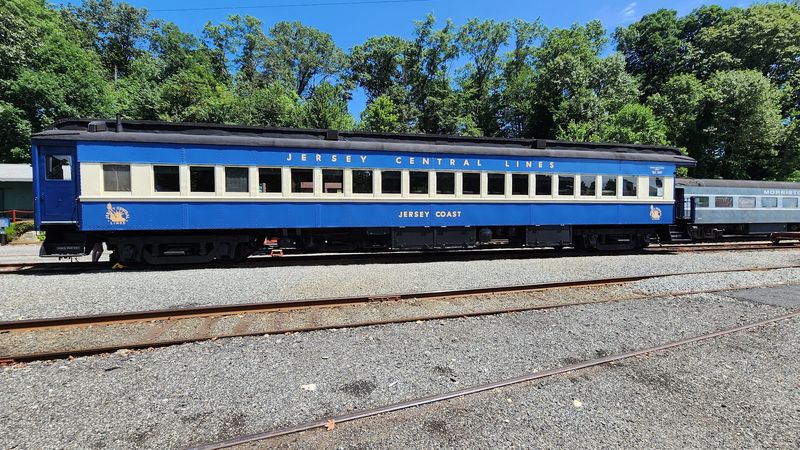
Old trains hold more stories than their departure boards ever could. Here, restored equipment and original rolling stock introduce the machines and passenger spaces that helped shape railway travel.
The collection includes locomotives, cabooses, and passenger cars rather than concentrating on just one type of train. That variety gives the museum a broader purpose than simply offering a nostalgic ride.
Railway history also becomes easier to understand when the equipment is available to explore at close range. A passenger car and a locomotive served different needs, and the collection encourages questions about how those pieces worked together.
Not every piece should be expected to offer interior access, and the available experience can depend on opening arrangements. Allow time for the equipment that is accessible instead of treating the grounds as a quick stop before boarding.
The trains themselves deserve a place in the afternoon’s plans, even without an excursion ticket.
The Caboose Seat With Extra Character
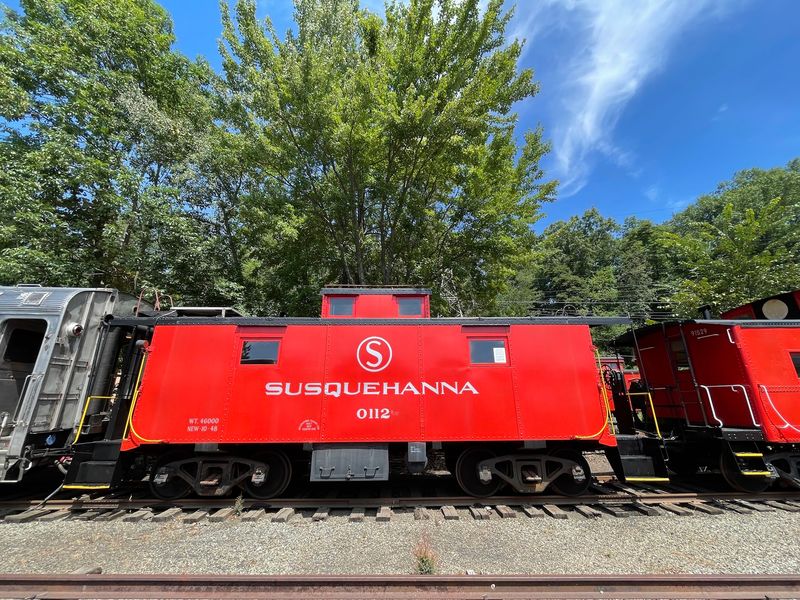
A caboose changes the question from where the train is going to which car gets the booking. For this outing, the historic equipment can matter more than the route itself.
Caboose rides are part of the museum’s appeal, and accounts of past excursions mention upper seating that can be difficult to reach. That detail deserves attention before assuming every seat will suit every member of a group.
Ask about the specific car, boarding arrangements, and seating before purchasing tickets. Anyone with mobility concerns should confirm what the selected excursion requires rather than relying on general descriptions of the museum.
The key is to choose deliberately. A caboose offers a different railway experience from a regular passenger coach, but availability and access should be checked for the actual departure.
Once those questions are settled, the unusual car becomes the reason for the trip, not merely a detail printed on the ticket.
An Excursion Centered on the Train
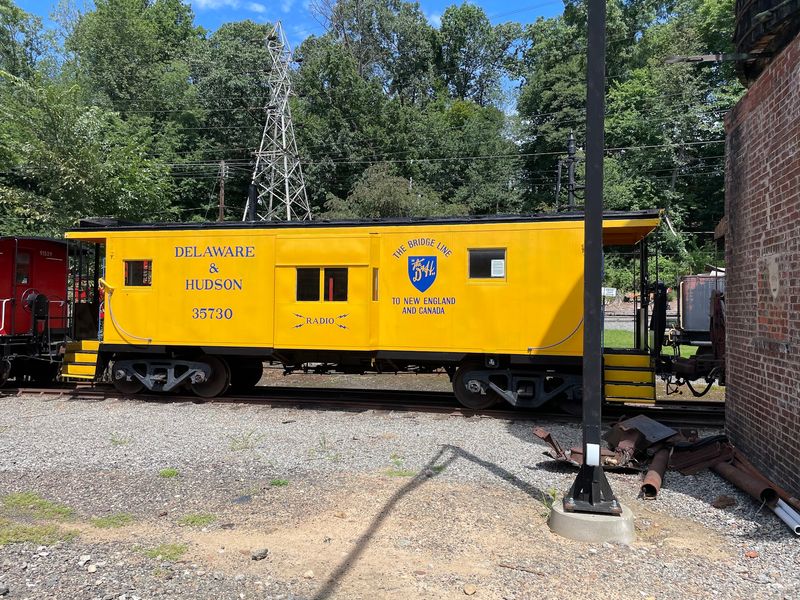
The route does not need to carry the whole afternoon. A major reason to book an excursion here is the opportunity to travel aboard historic railway equipment rather than to pursue an elaborate sightseeing itinerary.
Past outings have varied in length. Accounts describe trips of roughly half an hour to an hour, so no single duration should be treated as a promise for every departure.
Confirm the published running time for the event being considered, especially when planning around children or another commitment. The same care applies to the assigned car and any commentary included with the trip.
Keep bags modest, too, since space aboard some cars has been described as limited. The best preparation is refreshingly simple: know the departure, know the car, and understand what the ticket includes.
That leaves the ride free to be what it does best, an encounter with railway travel from an earlier period.
Small Artifacts With Big Context
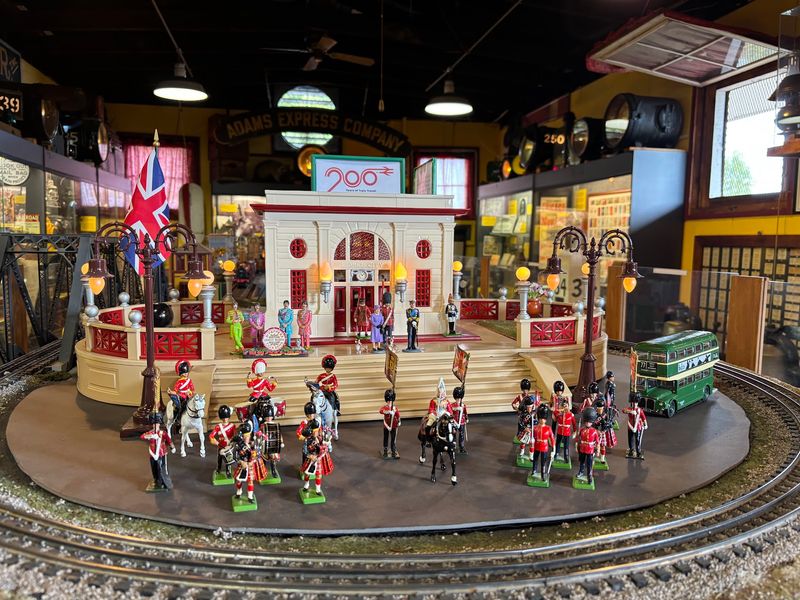
A railway tool can explain a part of the story that a locomotive cannot. Inside the museum, historical equipment, photographs, posters, magazines, and other memorabilia add context to the larger pieces outside.
Those objects shift attention toward the work and organization behind railway travel. The collection is not only about the cars people rode in, but also the materials that supported the industry.
Rather than racing through the indoor displays, choose a few objects that raise a question. A tool, an old publication, or a photograph can provide a useful starting point for a conversation with a knowledgeable volunteer.
The museum is small, so the goal need not be to fill hours with reading. Give the artifacts enough time to connect with the equipment already explored.
That combination makes the visit more substantial than a train ride alone, without requiring anyone to arrive with a working knowledge of railway history.
Model Trains and a Different Scale
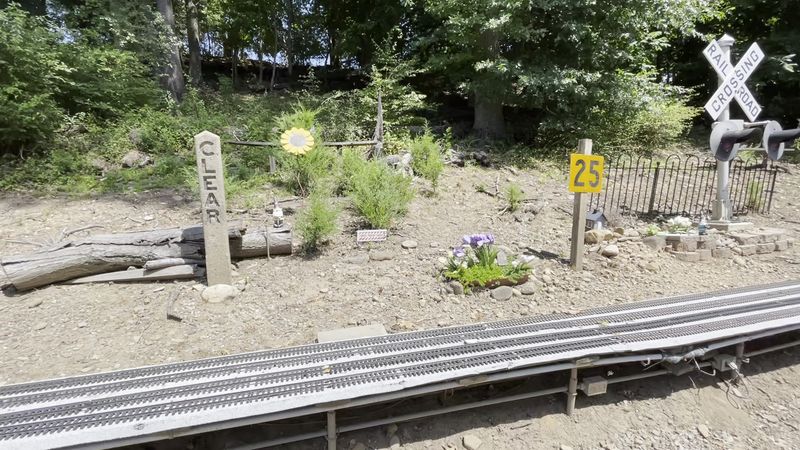
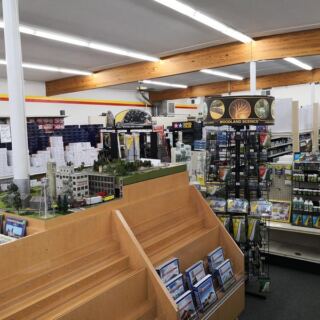
Not every train here requires a full-size track. Model railway displays offer another point of interest, with miniature tracks and town settings adding a different dimension to the collection.
For younger children, models can provide a welcome change of focus after exploring larger equipment. Adults interested in railway layouts have a reason to pause as well, rather than treating this part as an activity only for children.
The museum also includes interactive exhibits, although the supplied information does not establish which displays are available on every opening day. Ask what can be used or explored instead of assuming every object is hands-on.
That approach keeps expectations reasonable while leaving room for discovery. Move between models, artifacts, and full-size equipment according to the group’s interests, not a rigid checklist.
A smaller museum often works best when each person has time to follow one detail that catches their attention and prompts another question.
Volunteers Who Add the Context
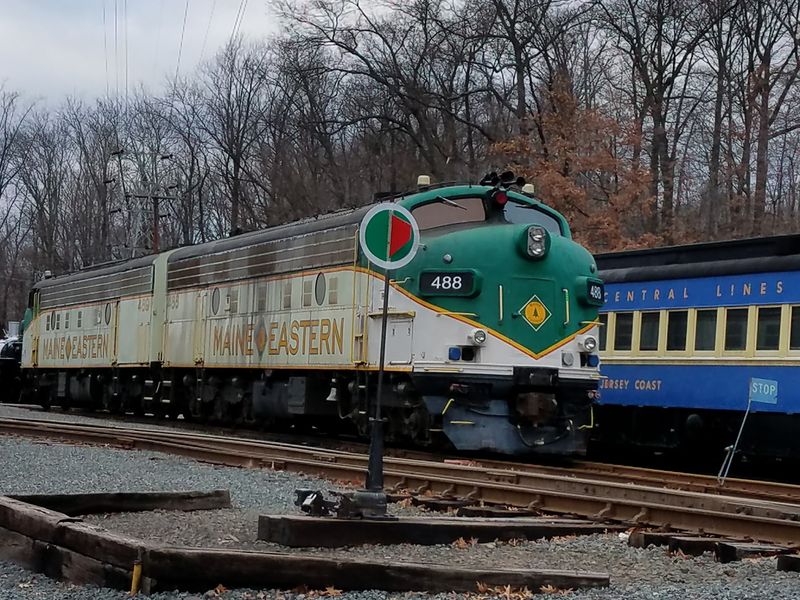
Good questions belong on the packing list. Knowledgeable volunteers are an important part of the experience, helping explain the railway equipment and the history represented by the collection.
Their involvement gives families and rail enthusiasts a way to move beyond simply identifying an engine or passenger car. A question about an unfamiliar object can turn a brief stop into a more useful exchange.
Children do not need specialist knowledge to take part. Asking what a piece of equipment did, or how one car differs from another, is a perfectly reasonable place to begin.
Adults with a deeper interest can follow their own questions without making the outing feel like a formal lesson for everyone else. The museum suits mixed-interest groups best when curiosity sets the pace.
Leave room in the schedule for those conversations, because the explanation behind an object may become as memorable as the equipment that first drew attention to it.
Special Departures on the Calendar
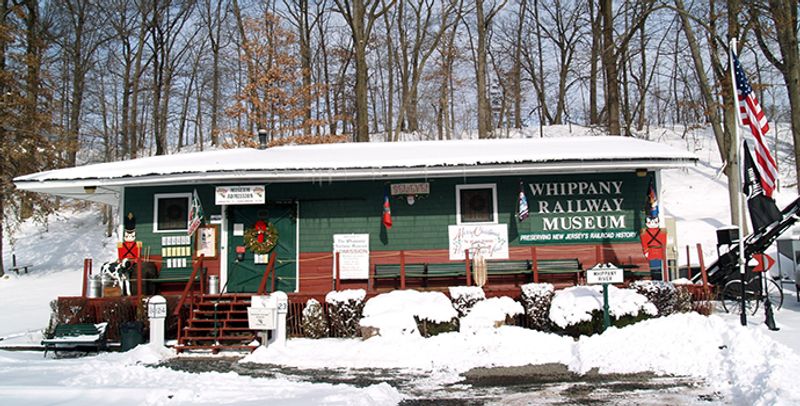
The calendar can change the character of the outing. Seasonal train rides are part of the destination’s offerings, and past events have included Easter Bunny trips, Father’s Day excursions, and Polar Express experiences.
Those names describe different occasions, not interchangeable versions of a standard museum visit. An event centered on characters and performance may suit a family seeking organized entertainment more than someone focused mainly on railway artifacts.
Past Polar Express experiences have included performers and audience participation. However, an older account cannot establish the details, seating choices, or inclusions of a future departure.
Use the official event listing to check what is actually being offered before making plans. Pay particular attention to the car type if a caboose ride is the main reason for going.
A familiar event name may attract attention, but the current ticket description should make the decision. The right departure matters more than the busiest date.
Sunday Hours and Ticket Questions
Sunday is the key day in the supplied museum schedule, which lists opening hours of noon to 4 p.m. and closure Monday through Saturday. Special excursion arrangements should be checked separately rather than assumed to follow those hours.
The official website, www.whippanyrailwaymuseum.net, is the place to confirm the current calendar and ticket details. No verified current admission or excursion price is included in the supplied information, so a reliable budget requires checking before departure.
Older accounts mention limited parking, making arrival time another useful question when booking an event. The data does not establish current parking capacity or a guaranteed space.
Payment methods, boarding access, and car conditions also deserve confirmation, especially because older trip accounts may no longer apply. A few practical checks can prevent an unnecessary mismatch between expectations and the actual booking.
Plan around confirmed details, and leave outdated prices or payment advice out of the decision entirely.
A Worthwhile Stop for the Right Curiosity
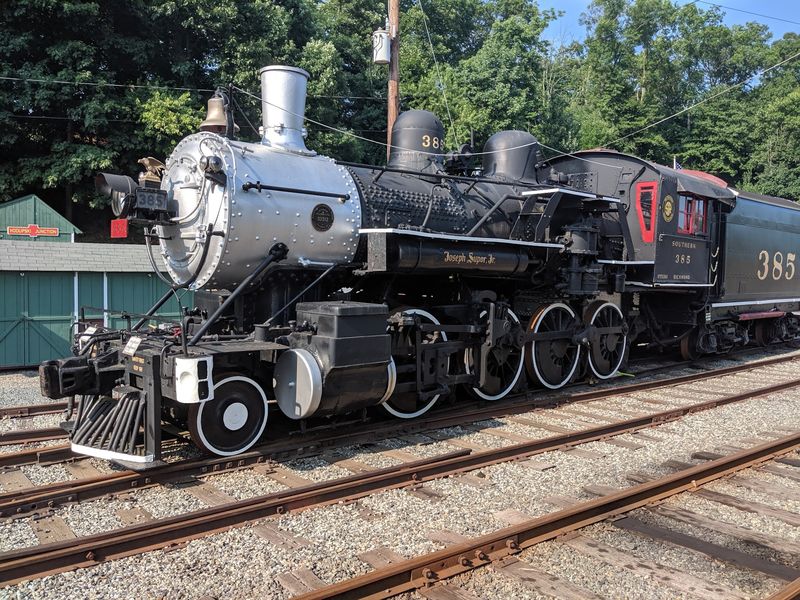
A strong interest in trains helps, but expert knowledge is not required. Families with younger children, railway enthusiasts, and people curious about local history all have a clear reason to consider this museum.
The best fit is someone happy to explore a modest collection, ask questions, and make a scheduled excursion the main event when one is available. It is less suited to expectations of a large museum with a full day’s worth of indoor galleries.
Choose the date carefully, confirm the ticket details, and treat access to particular cars as something to verify. That preparation gives the collection a fair chance to deliver what it actually offers.
The caboose may provide the initial reason to go, but the surrounding equipment and exhibits give the outing its substance. For a different New Jersey train trip, this is a focused, approachable option whose appeal rests squarely on the railway itself.
Share this story