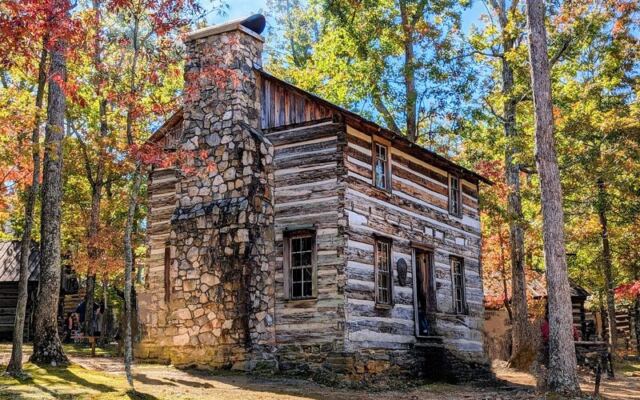
I almost drove right past the quiet country road, thinking it led to nothing more than farmland and a few trees. Instead, it opened onto a hidden village of old log cabins tucked around a small lake in North Carolina, and I could not stop grinning.
On one special autumn day each year, the whole place wakes up with music, crafts, and the smells of the 1800s. If you love history, cheap thrills, and a good story, this is one trip you will want on your calendar.
A Hidden Village in the Catawba County Countryside
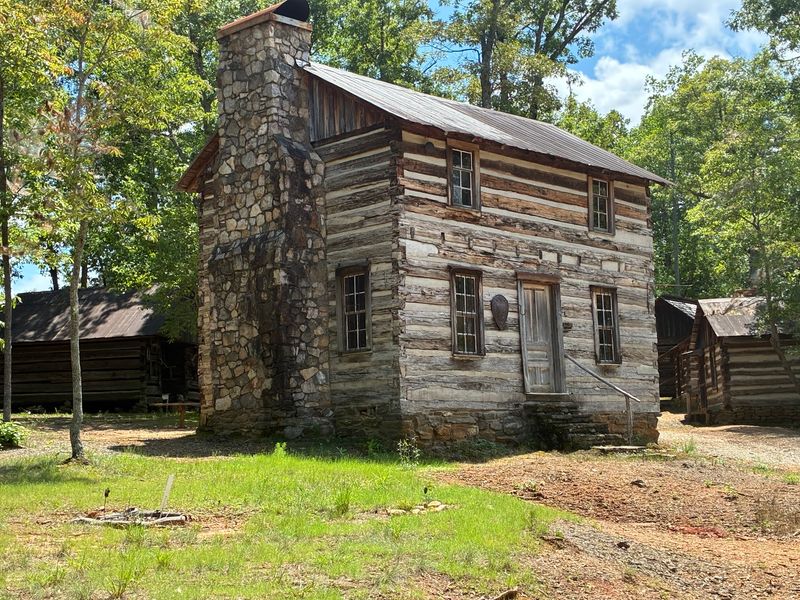
Picture a gravel path, tall trees, and a cluster of hand-hewn cabins that look like they never left the 1800s. Hart Square Village sits at 5055 Hope Rd in Vale, North Carolina, a short drive from Hickory in the rolling Piedmont foothills.
Officially, it is classified as a museum. Walking through it feels more like visiting a small frontier town that someone forgot to tell about modern times.
Visitors often call it the largest collection of heritage log buildings in the United States, and some go even further, calling it the biggest in the world.
Locals who live nearby describe it as a hidden gem in their own backyard. Plenty of people have driven past Vale for years without knowing what was waiting just off the road.
Once you find it, though, the place has a way of sticking with you long after you head home.
Dr. Hart and a Lifelong Rescue Mission
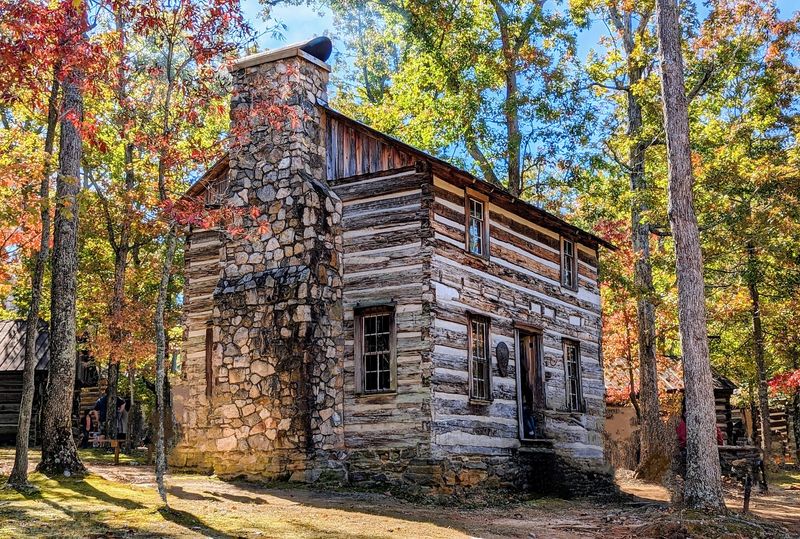
Some people collect stamps. Dr. Hart collected entire buildings.
According to visitors who have learned the story, he began finding old log structures on properties within about a 20 mile radius of Hickory, North Carolina.
He asked the landowners for the rights to each one. Then, piece by piece, he and his family moved them to their own wooded land around a small lake and rebuilt them as they were first constructed.
In all, one account says he gathered 104 log structures over the years.
That kind of patience is rare. Guests regularly praise the vision and dedication behind the village, and many leave saying they admire the family for preserving history in such a creative way.
A few school groups even got a personal walk-through from Dr. Hart himself, who was remembered for his good sense of humor and his clear joy in sharing the cabins.
The Numbers Behind 100-Plus Log Structures
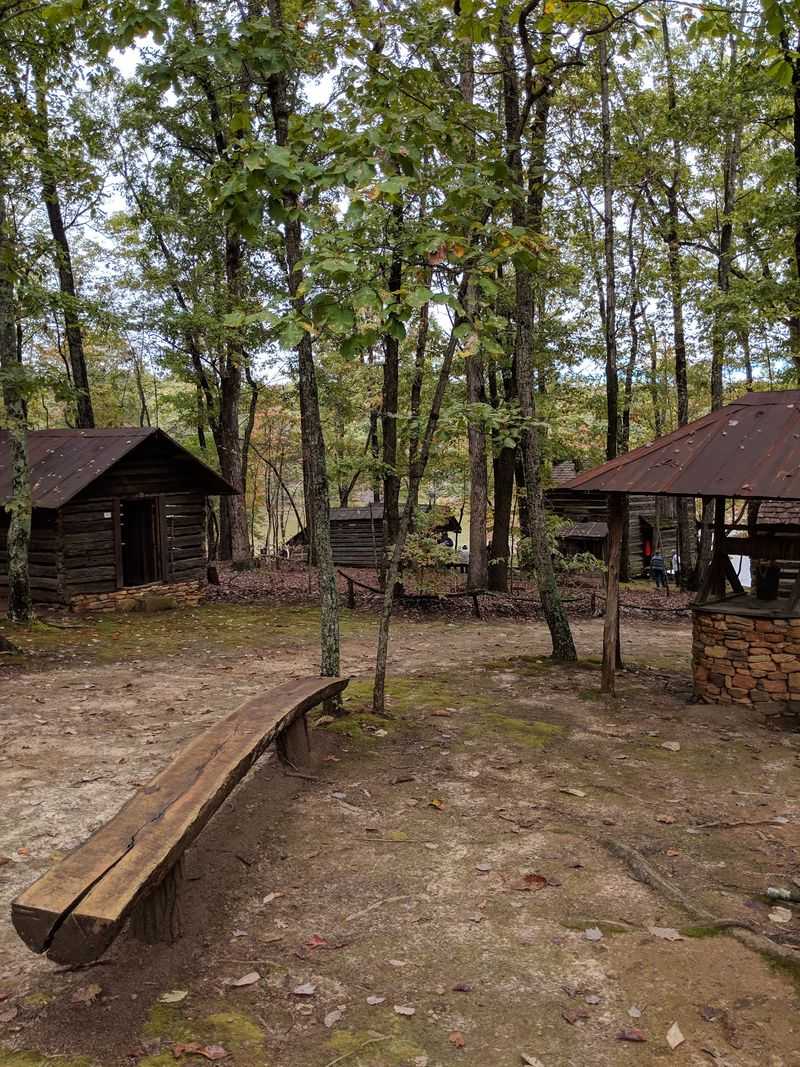
Count them if you can. Depending on who you ask and when they visited, people report anywhere from 101 to 104 structures on the property, with the festival headline settling on 103.
The mix is impressive. Beyond simple log homes, the village includes trade shops, a general store, a cotton gin, a chapel, and even a three-seat outhouse that makes kids giggle.
Each building was once built locally by early settlers, then taken apart and put back together again on this site.
One visitor admitted they only managed to see about 30 buildings on a regular day because the grounds are so large. That should tell you something about the scale here.
Pace yourself, grab the map, and do not expect to see everything in a single quick lap. Honestly, that leftover curiosity is half the fun of coming back.
Festival Day, When the 1800s Come Back to Life
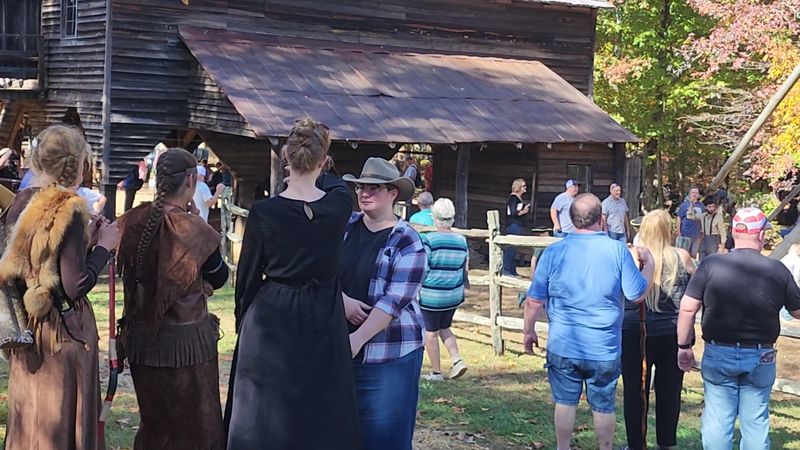
Mark the last Saturday of October. That is when the annual Hart Square festival turns quiet cabins into a bustling village filled with people dressed in clothing from around 1790 to 1820.
Every building swings open on this day. Inside, you will find tools, utensils, fabrics, and goods from the era arranged in remarkable detail.
Out on the paths, you might bump into a vicar strolling home from church or a surveyor in a tall hat and vest.
Guests describe festival day as stepping straight back in time through sights, sounds, smells, and tastes from the 1800s. One regular said folks who have attended for 30 years still notice something new every visit.
If you only make one trip, this is the day to choose, especially with fall color settling over the foothills and crisp air making the long walk feel easy.
Craftspeople at Work in Every Corner
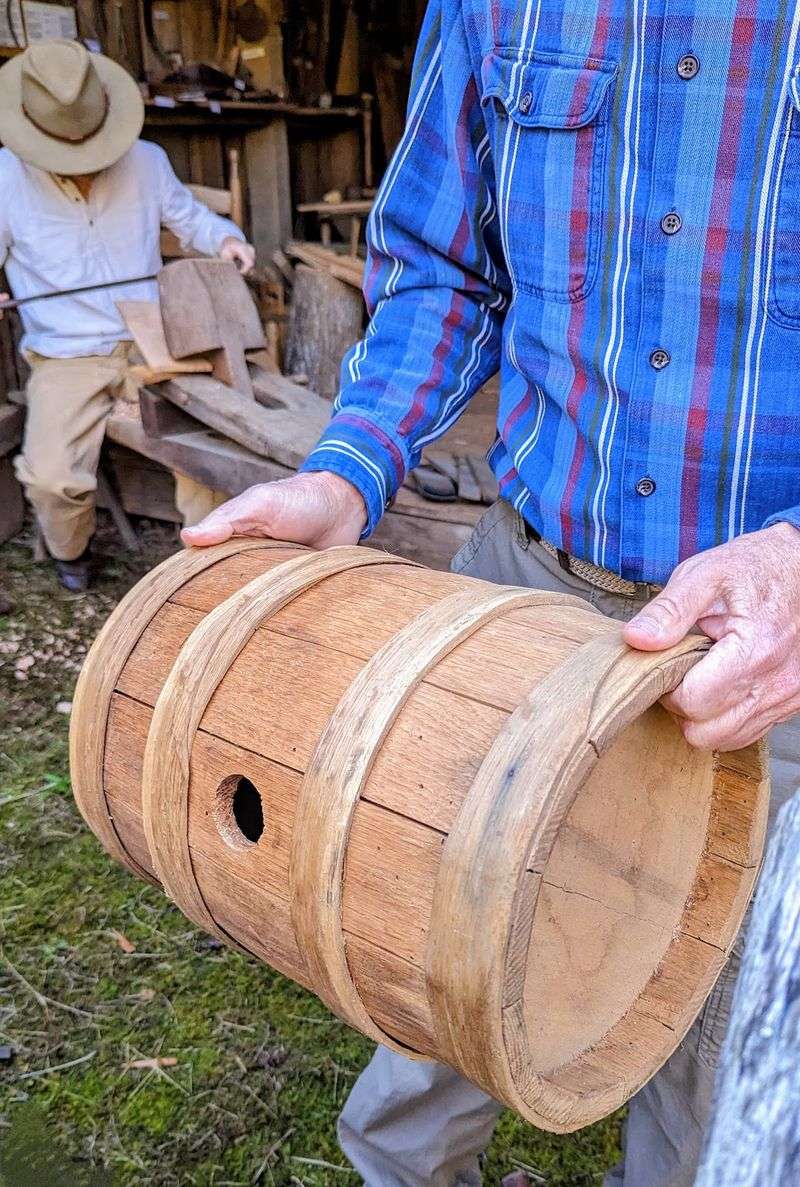
Hammers tap, wheels spin, and wood shavings drift to the ground. During the festival, craftspeople of all kinds fill the village and practice their trades right in front of you.
Visitors have spotted a cooper shaping barrels, a boot maker stitching leather, and other artisans working with early machinery and old forms of transport. These are not static displays.
You can watch the process from start to finish and often ask questions along the way.
For curious kids, it is a hands-on lesson in how people once lived off the land and their own skills. Adults tend to be just as hooked.
Many guests say the demonstrations were their favorite part, and watching a real craftsperson turn raw material into something useful makes history feel surprisingly close. It is the kind of learning that never feels like homework, even for the most reluctant teenager in your group.
Old-Timey Tunes on Cabin Porches
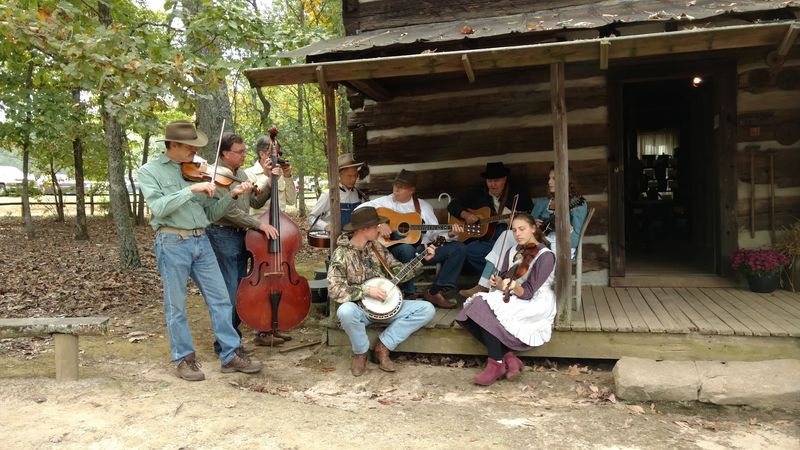
Follow your ears. On festival day, musicians gather on the porches of the larger log homes and fill the air with old-timey music.
Some songs reach back to those early settler days, while others are a bit more modern, giving the soundtrack a friendly mix. Fiddles and strings drift across the lake, and it is easy to find yourself lingering on a bench just to listen a little longer.
Guests often mention the music as a highlight, right alongside the food and the cabins. It adds warmth to the whole experience, turning a history lesson into something that feels more like a community gathering.
Bring a snack, find a spot near a porch, and let the tunes set the pace for your afternoon. Little ones may even start dancing in the dirt path, which, frankly, seems like exactly the right response to the scene.
No Ropes, No Glass Cases
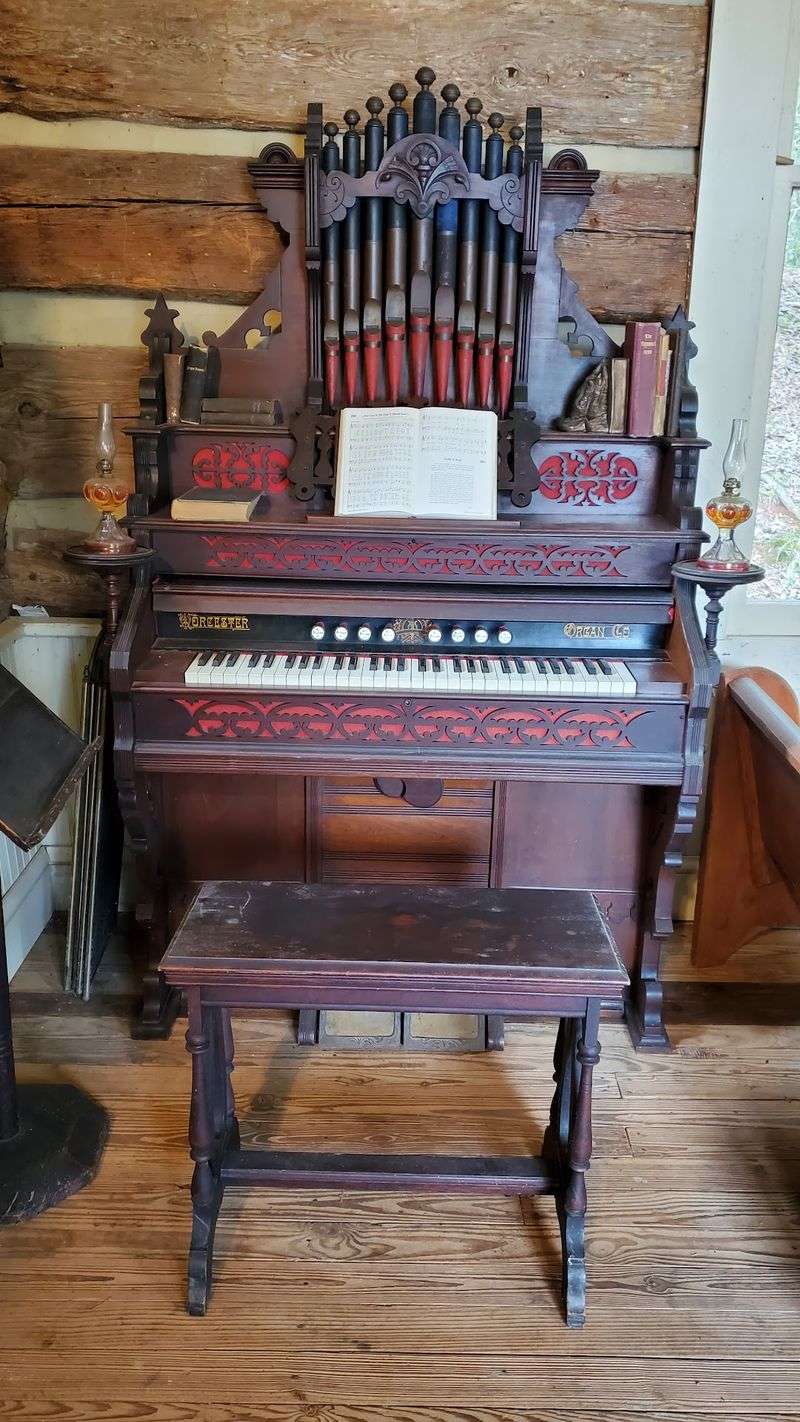
Here is what surprises most first-timers: there are no velvet ropes and nothing hiding behind display glass. You step right inside the cabins and see daily life arranged as if the owners just walked out.
One guest who has toured many plantations and backcountry farms said this was the most complete and interactive place they had ever visited. It feels less like a museum and more like time travel.
Shelves hold real tools, kitchens hold real utensils, and every room tells its own small story.
Look up, too. Sharp-eyed visitors have spotted surprising details tucked into the rafters of the general store.
That sense of discovery keeps people poking into corners and pointing things out to each other. It also makes the village wonderful for families, since kids can see exactly how things worked instead of squinting at labels from across the room.
Lakeside Paths and a Sunflower Surprise
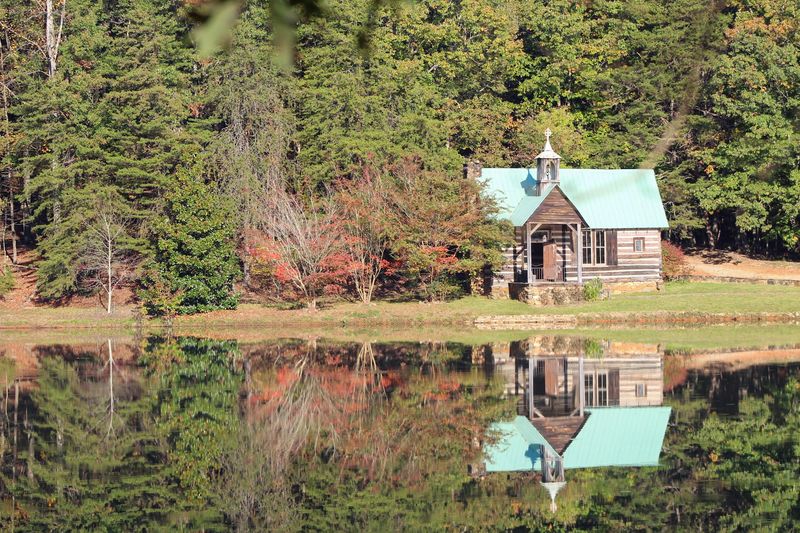
Ever walked through history with a lake shimmering beside you? The village circles a small lake, and the wooded setting makes every stroll feel peaceful and unhurried.
Visitors describe the ground as mostly flat, though the paths are not paved. Good signs and a helpful map guide you from building to building, so getting lost is unlikely.
Even so, the grounds stretch farther than many expect.
One fun bonus caught people by surprise: a huge sunflower patch. Bright yellow blooms against dark log walls make for cheerful photos, and a few guests mentioned it as a highlight of their day.
Between the water, the trees, and the flowers, the scenery alone could justify the drive. Pack a reusable water bottle, as one visitor strongly suggested, and wear shoes that do not mind a little dust.
School Trips, Seniors, and Everyone Between
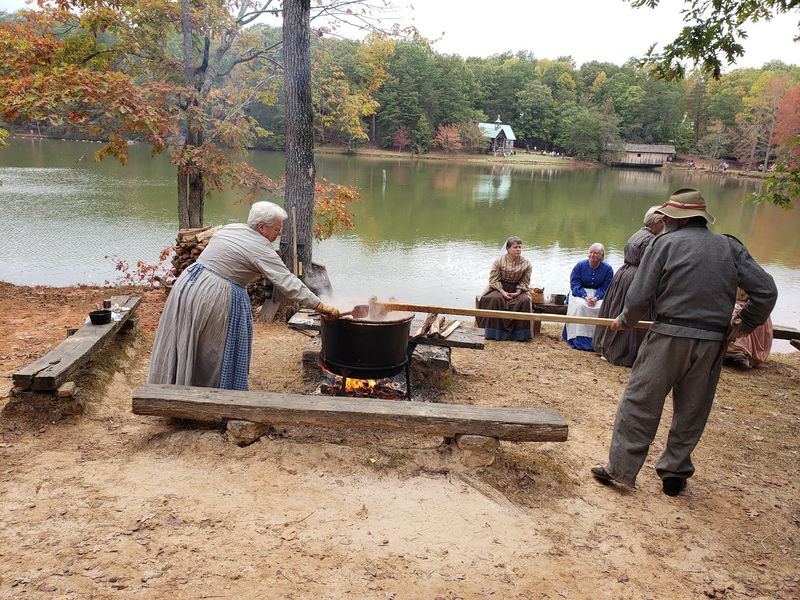
Grandparents, teachers, and curious kids all seem to find their own reasons to love it. Educational value comes up again and again, with parents noting how well the village shows children how people once lived from the land.
School groups visit often. One student said their field trip was only the tip of the iceberg and they could not wait to return for a festival.
A senior adult group booked a private guided tour and loved how memories came flooding back as they walked.
Accessibility gets a thumbs-up, too. One guest shared that their elderly dad managed the trek with his cane and felt every step was worth it.
Staff and volunteers earn steady praise for kindness, efficiency, and genuine passion for the village legacy. It is truly a place where every generation can wander, learn, and swap stories together.
Weddings at the Chapel of Peace
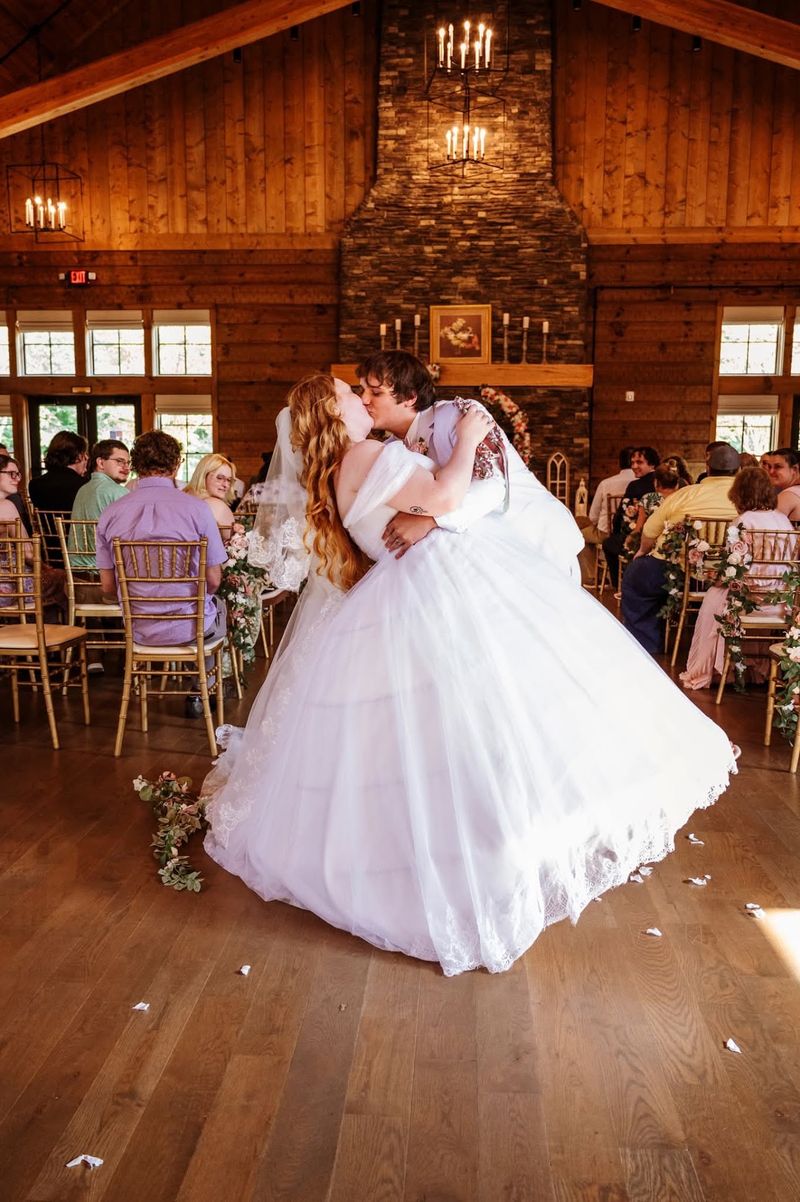
Love stories happen here as well. Hart Square doubles as a wedding and event venue, and couples rave about it.
One pair rented the Chapel of Peace for their ceremony and said the staff made their big day even more special. Another couple married on a Friday and noted that the team helped with questions, setup, and takedown, covering just about anything they needed.
Their story was extra sweet, since they first fell in love at the village back in high school.
The rustic backdrop of log walls, quiet woods, and lakeside views gives photos a timeless look. If you are planning an event with a historic, homegrown feel, it may be worth reaching out to the village directly.
Even if you are just visiting, peeking into the little chapel adds a tender, romantic note to your walk around the grounds.
Hours, Tickets, and Getting to Vale
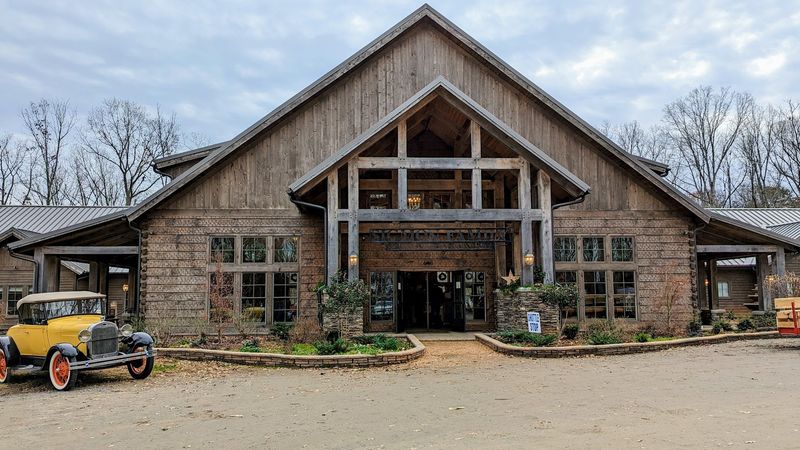
Timing matters with this one. Listed hours run Tuesday through Saturday from 10 AM to 4 PM, with Sunday and Monday closed.
Still, visitors stress that the village opens to the public only at certain times of year and for a limited number of days. Special events, like the big October festival or themed days such as Ice Cream Then and Now, come and go on their own schedule.
Your safest move is to check hartsquare.com or call 828-222-3727 for current dates and tickets before you go.
Getting there is simple if you are near Hickory or anywhere in Catawba or Lincoln counties. Plug 5055 Hope Rd, Vale, NC 28168 into your map and enjoy the country drive.
Plan a few hours, bring water, and know that special events can vary, so read event details closely before buying.
Why the Wait Makes It Worth It
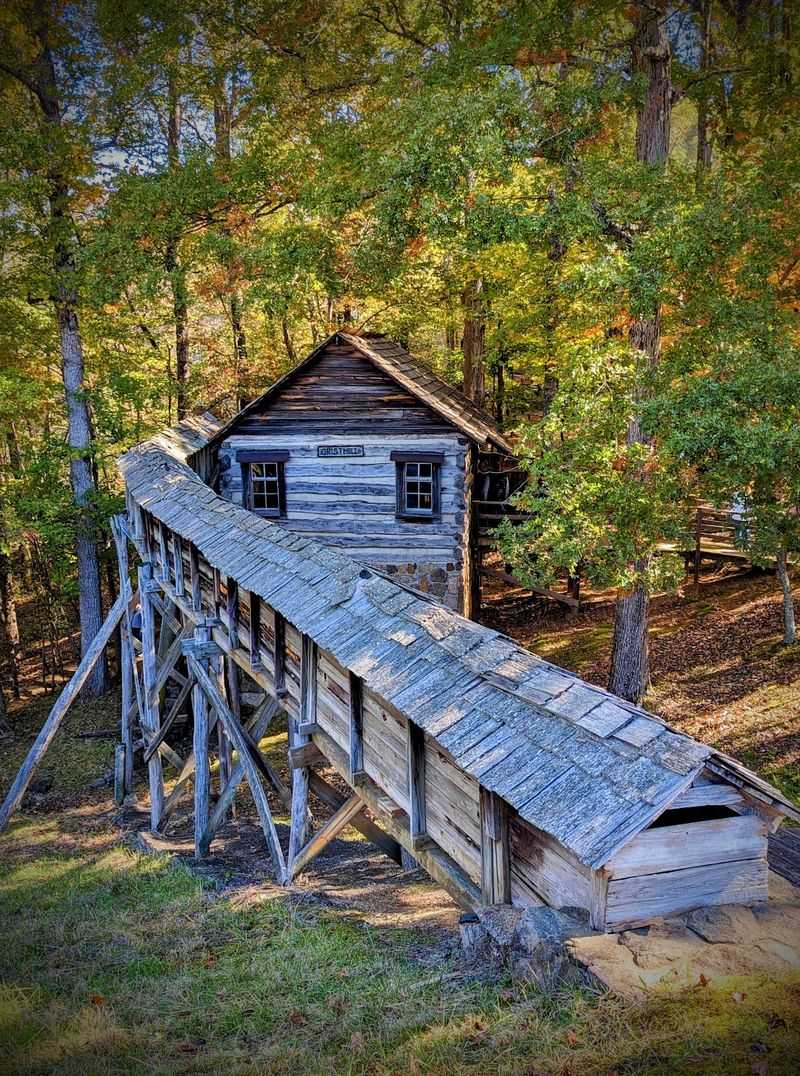
Limited openings can feel frustrating at first. One longtime fan admitted they wished the village opened more often, then realized the rarity makes each visit feel even more special.
That sums up the charm nicely. Hart Square is not a place you stumble into on a whim every weekend.
It is a planned adventure, a day you circle on the calendar and look forward to all year, especially once fall rolls through the foothills.
Go for the cabins, the crafts, and the porch music. Stay for the quiet lake, the friendly volunteers, and the feeling that you have stepped into a story bigger than yourself.
Whether you visit on a calm weekday or during the lively October festival, you will likely leave planning your return. Few spots in North Carolina hold this much history, heart, and handmade wonder in one wooded corner.
Share this story