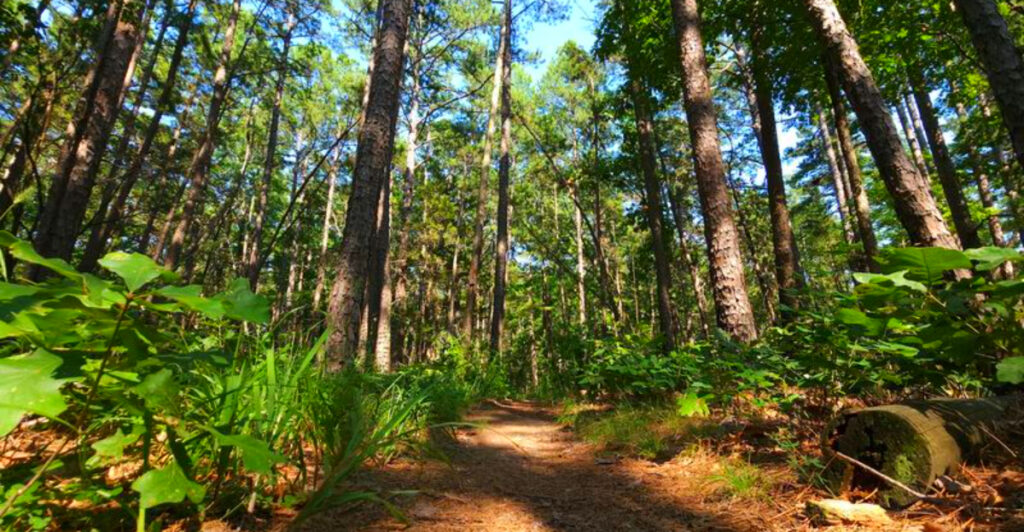
Crystal-clear streams, towering pine forests, ancient sandstone cliffs, scenic hiking trails, and peaceful Ozark landscapes have made this Missouri destination one of the state’s most breathtaking state parks. Visitors come for Pickle Creek’s sparkling waters, dramatic rock formations, quiet forest walks, outstanding birdwatching, and spectacular fall colors that transform the landscape each autumn. It’s the kind of place where a simple hike quickly becomes an unforgettable day immersed in nature.
The experience extends far beyond the trails. Rare geological formations, centuries-old pine forests, exceptional wildlife, peaceful campgrounds, fascinating natural history, and one of Missouri’s most inspiring conservation stories have earned this park a devoted following among outdoor enthusiasts. Every visit reveals another reason why so many people consider it one of the finest natural escapes in the Midwest.
Here’s why Hawn State Park has become one of Missouri’s most treasured outdoor destinations and a must-visit for hikers, campers, and anyone who loves spectacular natural scenery.
Unveiling a Missouri Masterpiece in the Ozark Foothills
The address reads 12096 Park Drive, Ste. Genevieve, Missouri 63670, and the drive there alone hints at something extraordinary. Winding roads cut through rolling hills as the landscape shifts from open farmland to dense, cathedral-like forest. Hawn State Park sits in the western reaches of Ste.
Genevieve County, deep in the Ozark foothills of southeastern Missouri.
Covering nearly 5,000 acres, the park delivers an almost overwhelming variety of natural scenery. Sandstone canyons, sandy-bottom streams, towering pine ridges, and dramatic cliff faces all coexist within its boundaries. Ste. Genevieve, the oldest incorporated community in Missouri, lies nearby, adding a rich historical layer to the region.
The park consistently earns recognition as one of Missouri’s most beautiful state parks, a title that feels completely earned the moment you set foot on its trails. You can reach the park office by phone at 573-883-3603 for current conditions and reservation details before your trip.
Journeying Through Time: Ancient Rocks and Sculpted Landscapes
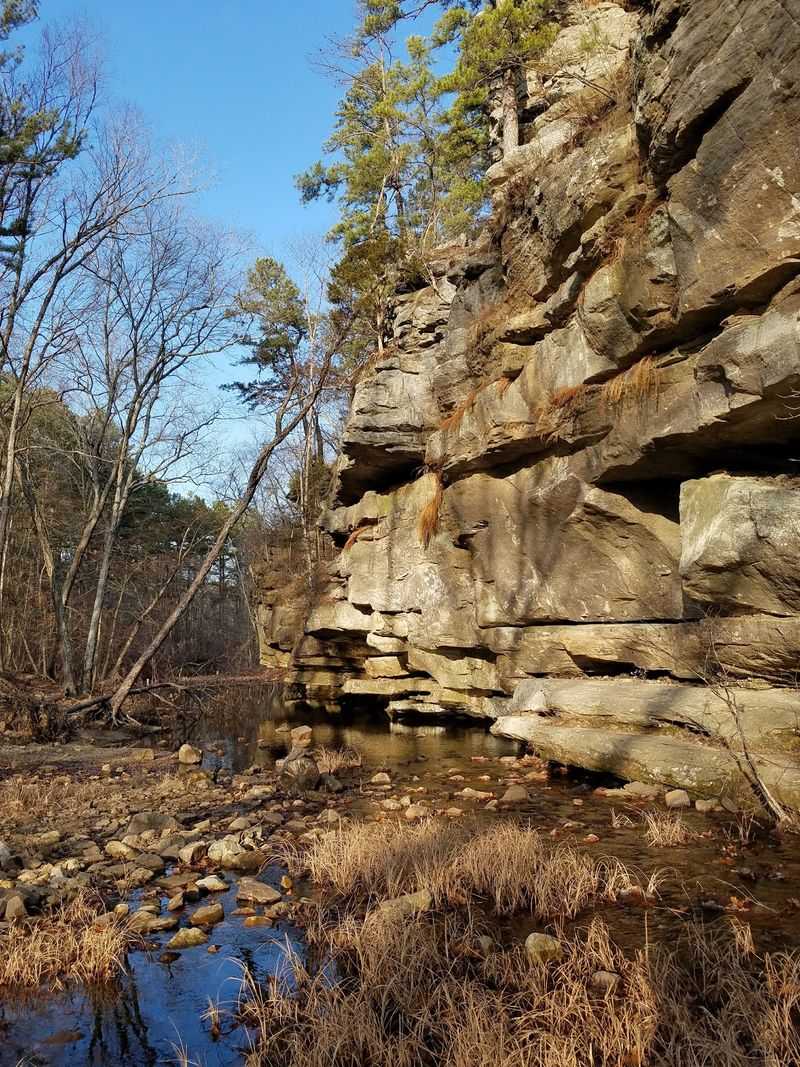
Few parks in the entire Midwest can match the geological drama packed into Hawn State Park’s 5,000 acres. The park’s foundation is LaMotte sandstone, a coarse-grained rock dating back to the late Cambrian period, roughly 500 million years ago, when rising seas covered much of North America and left behind vast stretches of sand.
That ancient sand eventually hardened into the dramatic formations visible throughout the park today. Rounded sandstone knobs, canyon-rimmed valleys, and sheer vertical cliffs all owe their existence to this prehistoric bedrock. In certain areas, persistent water has carved deeply enough to expose the underlying igneous rock, creating spectacular natural channels.
The Pickle Creek area is particularly remarkable because it exposes igneous, sedimentary, and metamorphic rock in close proximity, a rare geological occurrence in Missouri. The acidic, sandy soil produced by this sandstone also fosters a surprising concentration of rare plant species found nowhere else in the state, making the ground itself a kind of living museum.
The Silent Sentinels: Missouri’s Resilient Pine Forests
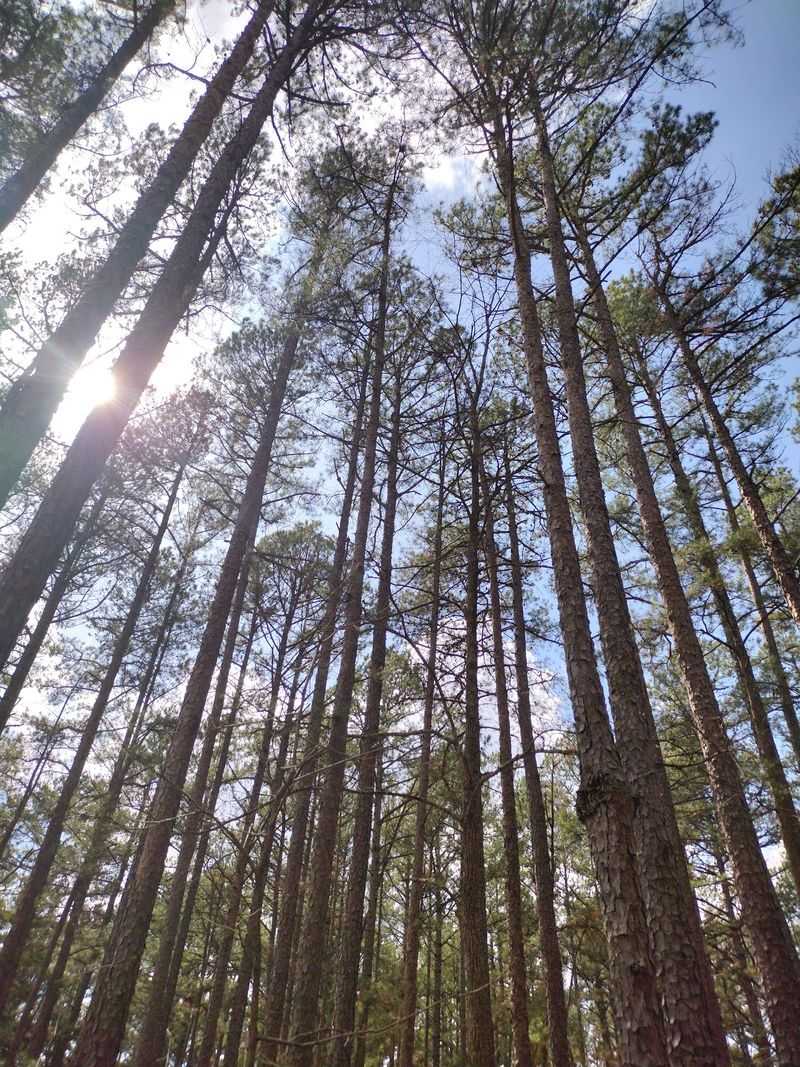
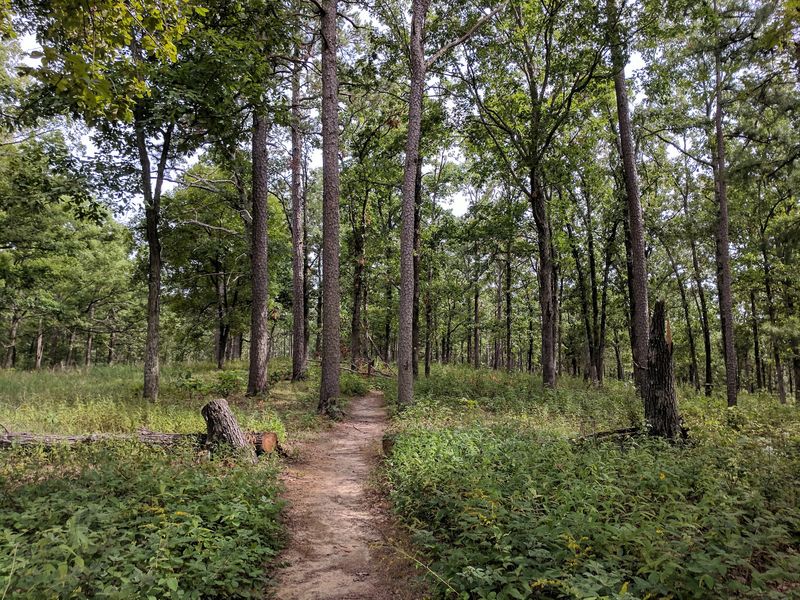
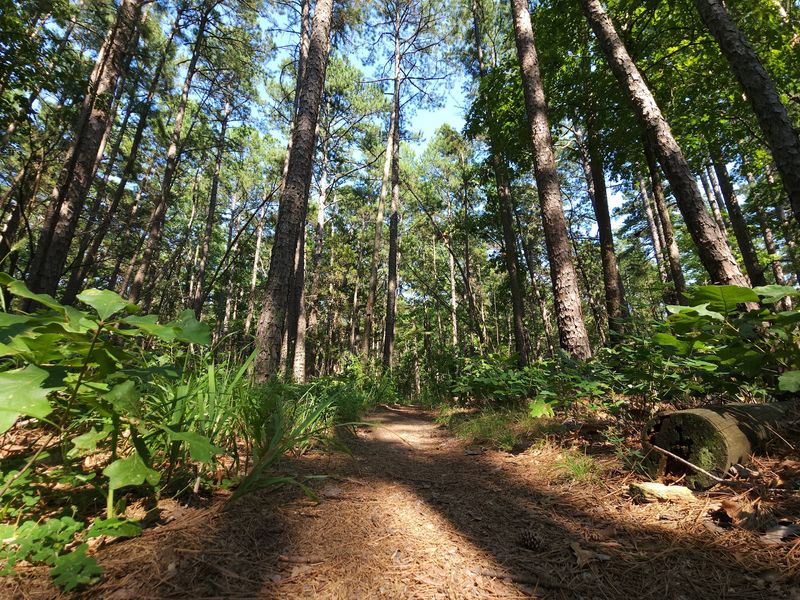
Missouri has only one native pine tree, the shortleaf pine, and Hawn State Park is one of the finest places in the entire state to experience it in full, mature glory. These tall, straight trees dominate the upland ridges, creating a refreshing evergreen canopy that stands in striking contrast to the deciduous forests found throughout most of the Ozarks.
The Botkins Pine Woods Natural Area within the park showcases pure stands of these pines, with individual trees reaching 80 to 90 feet in height. Their straight trunks and whispering needles create an atmosphere that feels more like the Pacific Northwest than the Missouri heartland.
Mixed among the pines are white oaks, shaggy-barked hickories, and vibrant red maples, creating a layered canopy that shifts beautifully with every season. The Whispering Pine Wild Area protects a vast tract of this forest as designated wilderness, offering genuine solitude for backpackers and birdwatchers alike. Pine warblers and red-breasted nuthatches are regular residents, rewarding patient observers with cheerful, spirited calls.
Pickle Creek’s Mesmerizing Meander: A Watery Wonderland
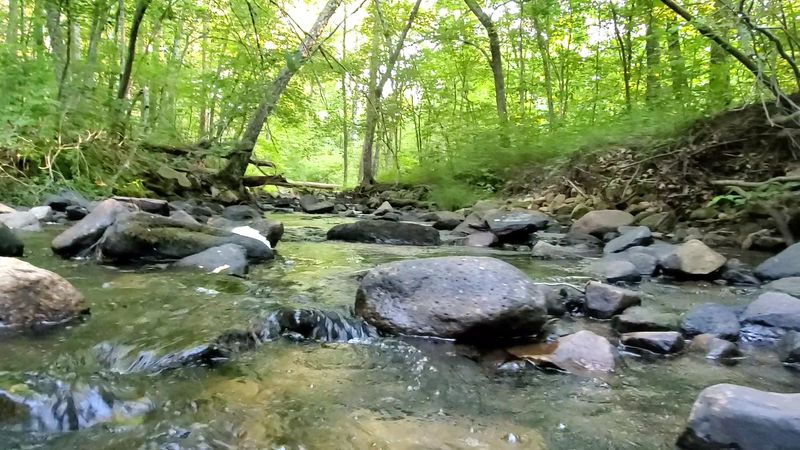
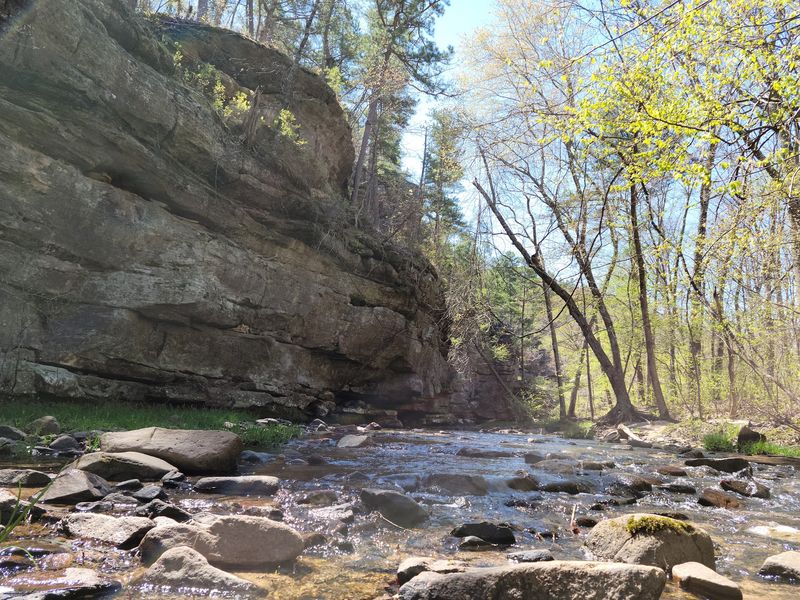
Pickle Creek might have a quirky name, but there is nothing ordinary about this remarkable waterway. The creek flows with exceptional clarity over a sandy bottom, carving steep-sided valleys and creating a series of miniature waterfalls and cascades that reward anyone willing to follow its course on foot.
What makes Pickle Creek truly special is the cool, moist microclimate created by its numerous sandstone overhangs. These natural shelters support plant species typically found much farther north, including rattlesnake orchid, hay-scented fern, partridge berry, and ground pine. The creek’s water quality is so outstanding that it has been officially designated an Outstanding State Resource Water by the state of Missouri.
Look into the creek’s clear shallows and you might spot any of more than 20 native fish species, a remarkable diversity that blends both prairie and Ozark species in one stream. The combination of geological drama, rare plant life, and thriving aquatic communities makes a walk alongside Pickle Creek one of the most rewarding short hikes in the entire state.
Trails of Discovery: Pathways Through a Wild Heart
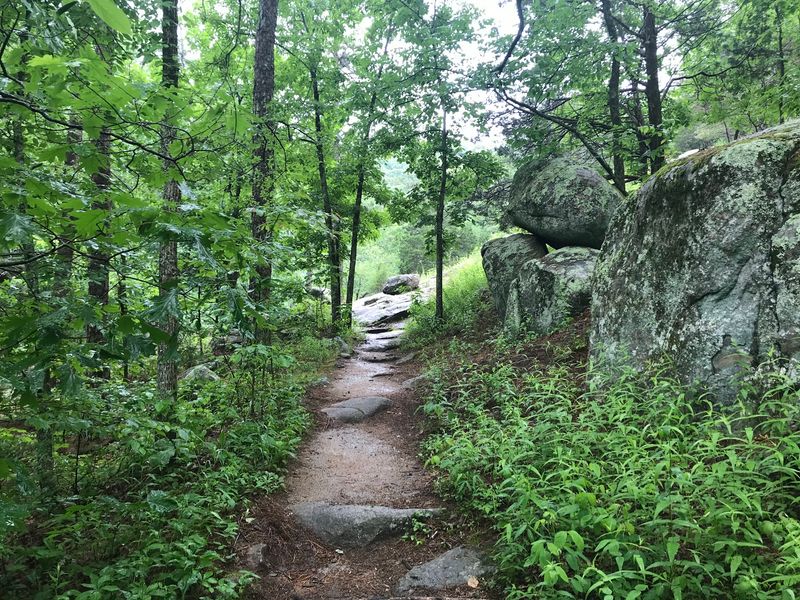
Five distinct hiking trails wind through Hawn State Park, ranging from a quick 0.1-mile paved overlook path to an impressive 10-mile backpacking loop, giving visitors of nearly every fitness level something rewarding to explore. The Whispering Pine Trail is widely considered one of the finest hiking experiences in all of Missouri, with its two interconnected loops covering six miles to the north and four miles to the south.
The Pickle Creek Trail, roughly one mile long, follows the creek faithfully through rocky terrain, rewarding hikers with views of waterfalls and the park’s famous shut-ins where water rushes over ancient granite. The Overlook Trail offers a short, accessible paved walk to a stunning valley vista that becomes almost otherworldly during fall foliage season.
For those seeking a longer day hike, the White Oaks Trail covers about 4.4 miles through shortleaf pine and hardwood forests, crossing several wet-weather creeks along the way. Good hiking shoes with solid grip are strongly recommended, as rocky and root-covered sections can catch unprepared feet off guard.
Nature’s Rich Tapestry: A Haven for Diverse Wildlife
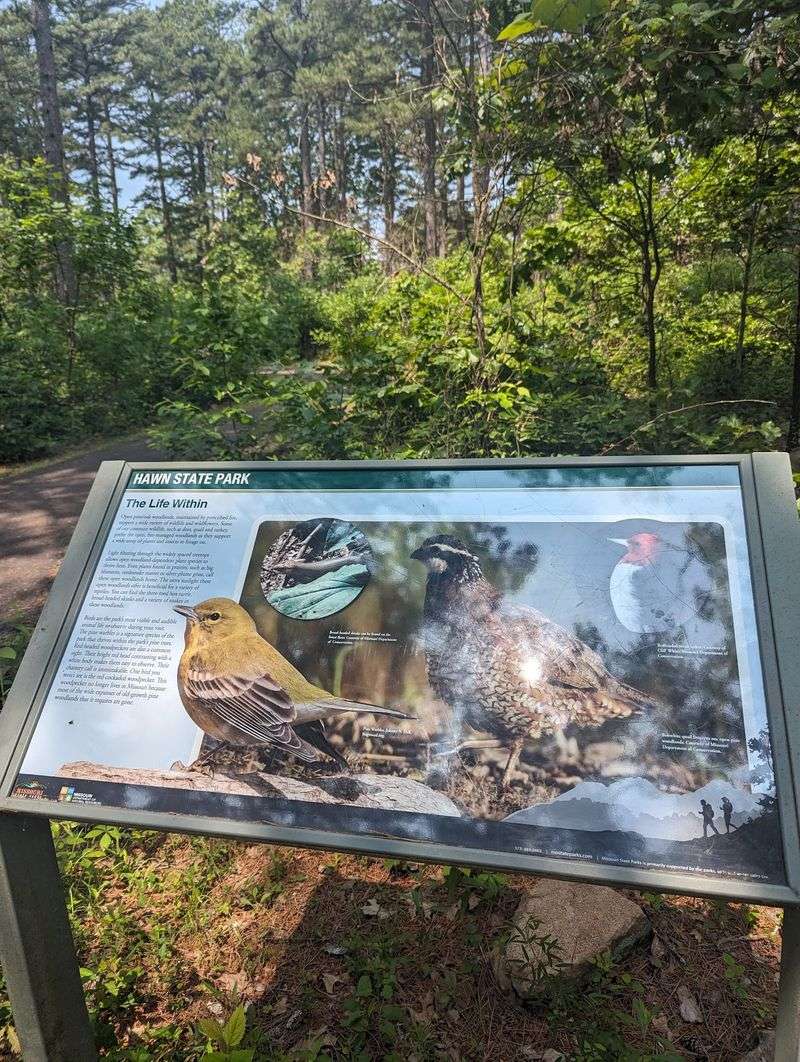
Hawn State Park is not just a feast for the eyes; it is a functioning ecosystem of remarkable complexity. The acidic, sandy soils created by the LaMotte sandstone support an astonishing 660 species of trees, shrubs, ferns, and wildflowers, many of which are found nowhere else in Missouri. Spring visits are particularly rewarding when wild azaleas burst into pink and white blossoms across the forest understory.
The forest shelters white-tailed deer, raccoons, eastern gray squirrels, and broadheaded skinks, while patient and lucky observers might catch a glimpse of a bobcat or one of the black bears that have been increasingly spotted in the region. Birdwatchers are especially well served here, with the park recognized as an Important Bird Area by the National Audubon Society.
Pine warblers, scarlet tanagers, blue-gray gnatcatchers, Louisiana waterthrushes, northern parulas, and black-and-white warblers all call this park home at various times of year. The sheer diversity of life packed into this forested retreat is a constant reminder that healthy, intact ecosystems reward those willing to slow down and pay attention.
Helen Coffer Hawn’s Enduring Gift: A Teacher’s Dream Realized
Behind every great park is a story, and the one behind this forested retreat is especially moving. Helen Coffer Hawn was a rural schoolteacher from Ste. Genevieve County who fell deeply in love with the natural landscape surrounding her community. Beginning in 1932, she began quietly purchasing tracts of land, one by one, using her own modest teaching income over nearly a decade.
By 1941, she had assembled twelve separate parcels of rugged hills and pristine streams, driven entirely by the belief that this land deserved permanent protection. Upon her passing in 1952, she bequeathed nearly 1,500 acres to the state of Missouri, an act of extraordinary generosity that set the entire park in motion.
The state officially established Hawn State Park in her honor, and the land has since grown to nearly 5,000 acres. Her story is a quiet but powerful reminder that individual passion and persistence can create something lasting for countless future generations. Every trail walked here is a small tribute to her vision and her love for this corner of Missouri.
A Kaleidoscope of Colors: Experiencing Hawn Through the Seasons
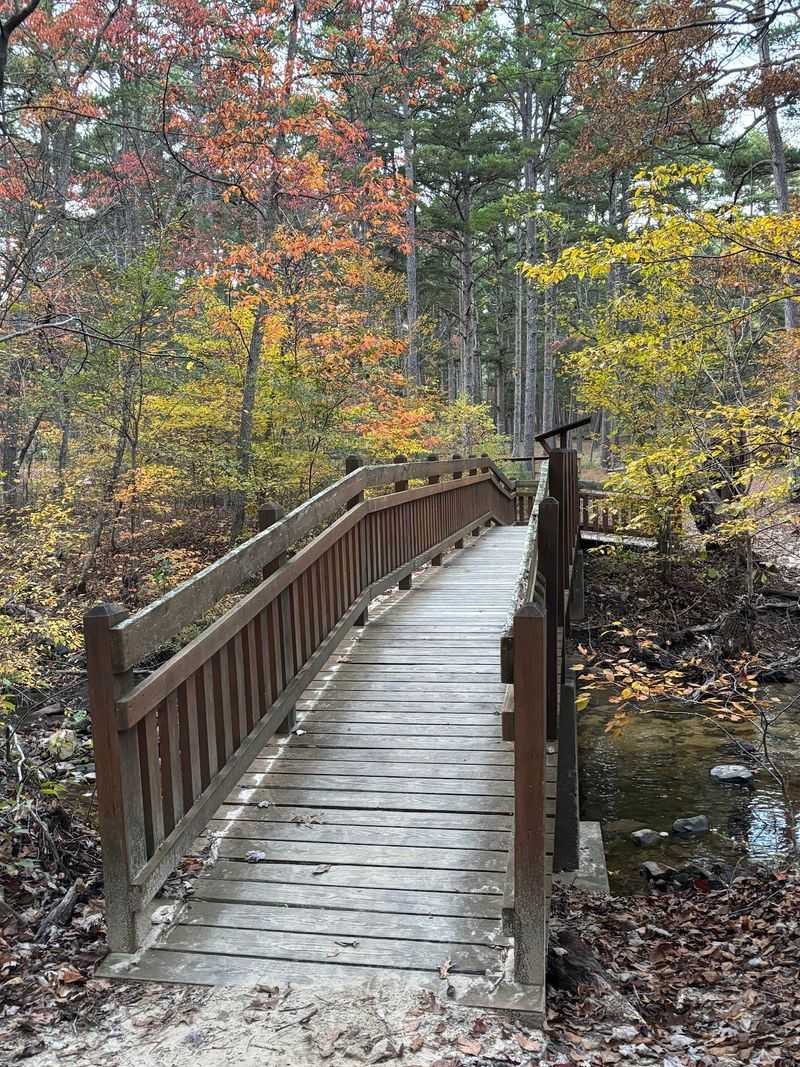
One of the most compelling reasons to visit Hawn State Park more than once is the way it completely reinvents itself with each passing season. Spring is a time of delicate rebirth, with wild azaleas, dogwood, and redbud trees painting the forest in soft pinks and whites while the creeks run high and energetic after winter rains.
Summer brings a lush, deeply green canopy that keeps the trails shaded and the creek waters refreshingly cool, even on the hottest Missouri days when temperatures can push into the 90s. Autumn arguably delivers the park’s most dramatic display, as oak, hickory, and maple trees transform into blazing oranges, yellows, and fiery reds that reflect brilliantly in the clear waters below the Overlook Trail.
Even winter has its own quiet appeal, with bare branches opening up long-distance views from the sandstone cliffs that summer foliage otherwise conceals. Fewer crowds and a hushed, contemplative atmosphere make the colder months a surprisingly rewarding time to explore the park’s ridges and canyon rims at a leisurely pace.
The Earth’s Sculptural Art: Shut-Ins and Stone
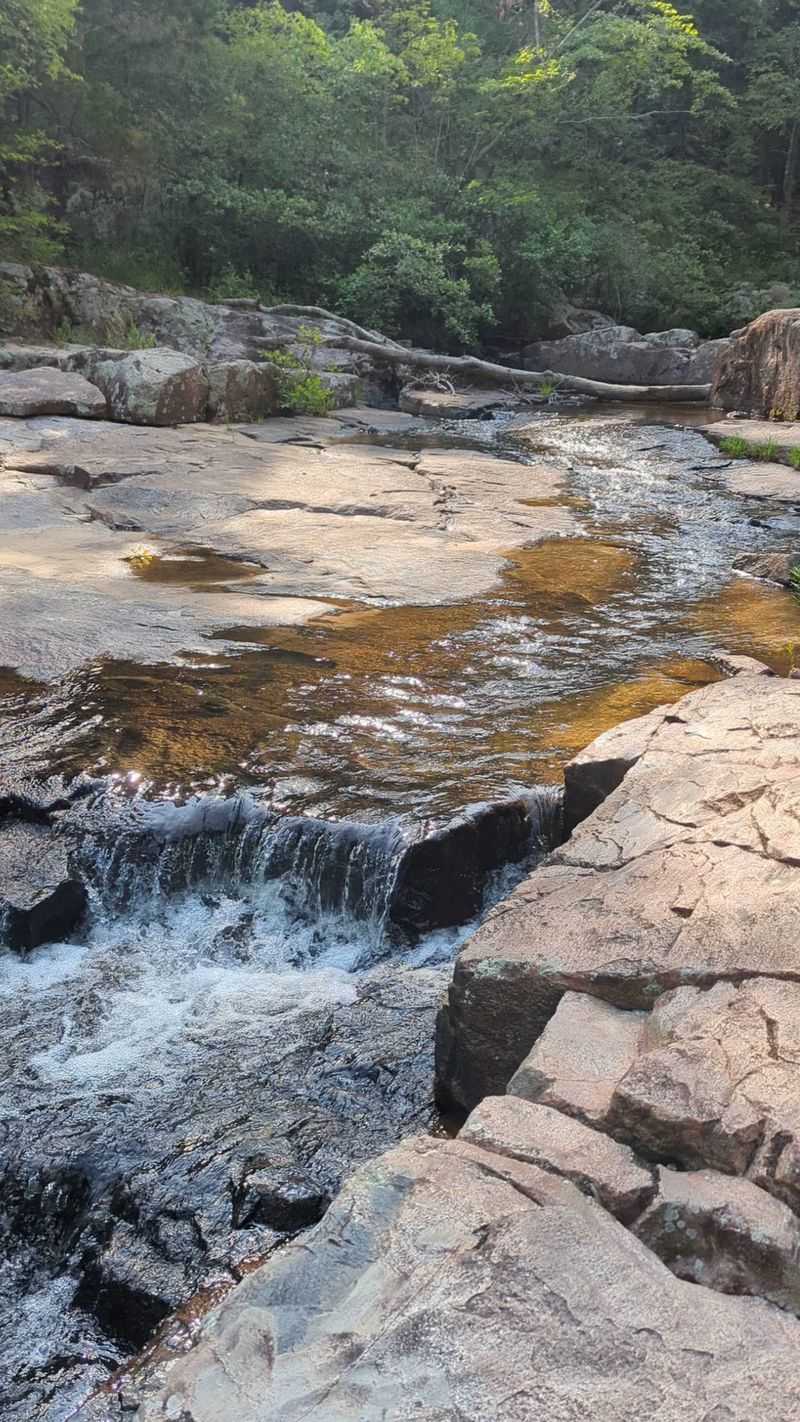
The geological phenomenon known as shut-ins is one of Hawn State Park’s most visually dramatic features, and Pickle Creek provides some of the best examples in the entire Ozark region. A shut-in forms where a stream cuts through resistant igneous rock rather than the softer surrounding material, creating a tight, dramatic channel where water surges and tumbles over sculpted granite surfaces.
These formations expose the salt-and-pepper granodiorite gneiss beneath the park, a metamorphic rock dominated by quartz and feldspar that tells a story stretching back hundreds of millions of years. The contrast between the smooth, water-polished granite boulders scattered across the creek bed and the towering sandstone walls above them creates a visual spectacle unlike anything else in Missouri.
Rocky overhangs along the creek provide naturally cool, shaded resting spots that make the perfect place to pause, listen to the rushing water, and absorb the sheer scale of geological time on display. The dance of water and stone here has been ongoing for millennia, and it shows no signs of stopping anytime soon.
Ready for Adventure: Essential Tips for a Seamless Visit
A few practical details can make the difference between a smooth, enjoyable visit and an unnecessarily frustrating one. The park is open year-round, with hours running from 7:30 AM to 9:00 PM between March 15 and November 14, and from 7:30 AM to sunset during the winter months. Campground reservations are available year-round and are strongly recommended for weekends and busy seasons.
Sturdy, grippy hiking shoes are essential rather than optional here, especially on the Pickle Creek and Whispering Pine trails where rocky, root-covered terrain can easily twist an ankle. Bring more water than you think you need, particularly on the longer loops, as natural water sources require treatment before drinking.
Cell service is intermittent throughout the park, especially in the deeper valleys, so download trail maps before you arrive rather than relying on a mobile signal. Tick presence can be significant on certain trails during spring and summer, so wear long socks, treat clothing appropriately, and do a thorough check after every hike. Pets are welcome on leash in most outdoor areas of the park.
Beyond the Trails: Picnicking, Playgrounds, and a Peaceful Pause
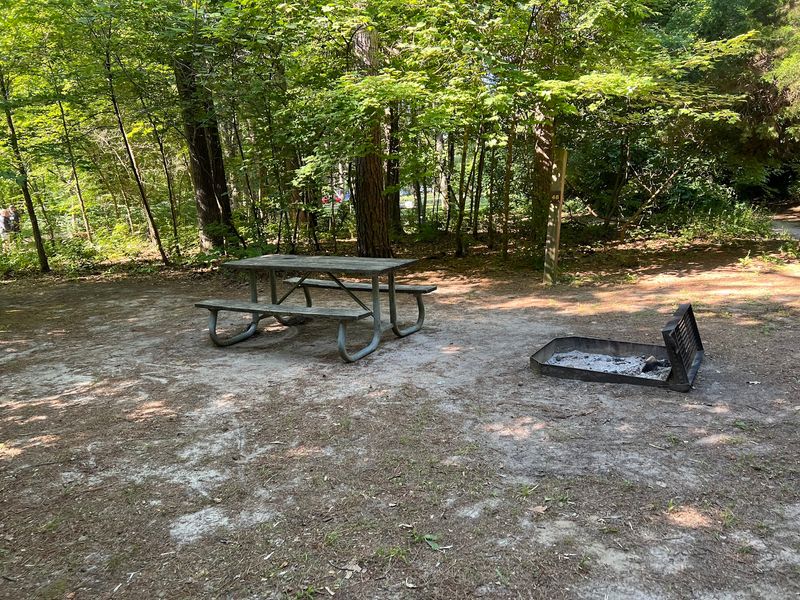
Not every great park visit has to revolve around a long, demanding hike, and Hawn State Park understands that perfectly. A well-maintained picnic area near the main trailhead offers shaded tables in a beautiful natural setting, making it an ideal spot for a relaxed lunch between trail adventures or a simple afternoon outing with family.
Two playgrounds serve younger visitors, one located at the campground and another near the trailhead, giving children a dedicated space to burn off energy after a morning in the woods. The nearby town of Ste. Genevieve is only a short drive away and offers grocery stores, coffee shops, and other conveniences for those who need to restock supplies or take a brief break from the wilderness.
The park office provides free Wi-Fi, a surprisingly handy feature for catching up on weather forecasts or planning the next day’s route. Whether you come for a full weekend of backpacking or just a quiet afternoon picnic beside the pines, Hawn State Park offers enough variety to satisfy every kind of outdoor visitor without ever feeling crowded or rushed.
Share this story