The Everglades gets most of the spotlight, but the United States is full of remarkable wetlands that rarely make the travel bucket list. From swampy cypress forests in Georgia to tidal marshes in Delaware and freshwater estuaries along the Pacific coast, these ecosystems are genuinely worth a detour.
They offer wildlife viewing, paddling, hiking, and scenery that feels completely removed from the typical road trip. Whether you are a birder, a casual hiker, or just someone who wants to see something different, these 13 wetlands across the country deliver experiences that are hard to find anywhere else.
Okefenokee National Wildlife Refuge, Georgia
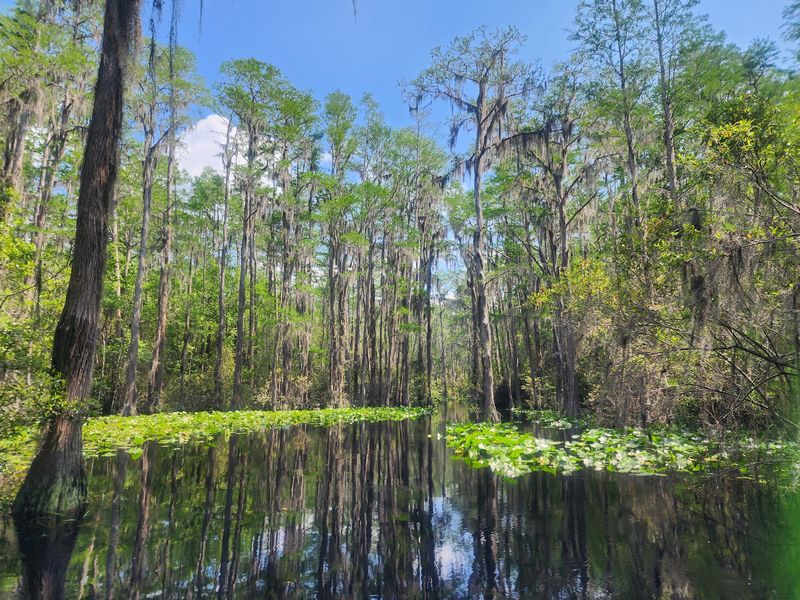
Few places in the American South feel as genuinely wild as the Okefenokee National Wildlife Refuge in southeastern Georgia. This vast swamp stretches across nearly 700 square miles, and once you are inside it, the outside world fades fast.
Visitors can explore by canoe, kayak, motorboat, hiking trail, or designated wildlife-viewing areas. Dark, tannin-stained water winds among towering cypress trees, floating vegetation mats, and open wet prairies.
American alligators are among the most commonly spotted residents, and sightings are frequent throughout the warmer months.
The Richard S. Bolt Visitor Center is a practical first stop, offering maps, recent wildlife sighting reports, and permit information for overnight paddling trips.
The refuge is open year-round, though closing times shift between seasons. For travelers who want a paddling adventure that feels genuinely remote, Okefenokee is one of the most rewarding destinations in the entire Southeast.
Great Dismal Swamp National Wildlife Refuge, Virginia and North Carolina
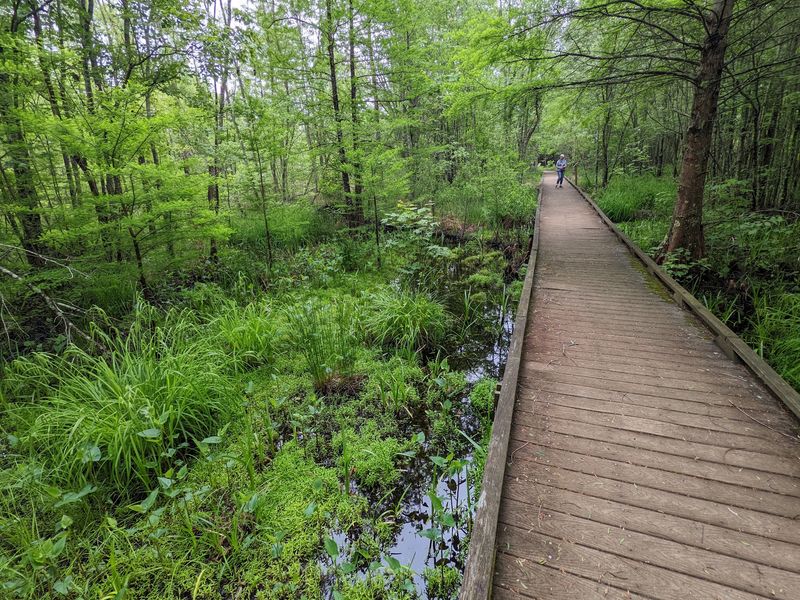
The name sounds uninviting, but Great Dismal Swamp National Wildlife Refuge is one of the East Coast’s most genuinely interesting wetland destinations. Straddling the Virginia and North Carolina border, the refuge carries a fascinating history that includes its role as a refuge for freedom seekers before the Civil War.
More than 40 miles of trails and boardwalks are open for hiking and biking, making this one of the more trail-rich wetland refuges in the region. Lake Drummond sits at the heart of the swamp and serves as a striking centerpiece that feels surprisingly remote for a lake this close to the Mid-Atlantic coast.
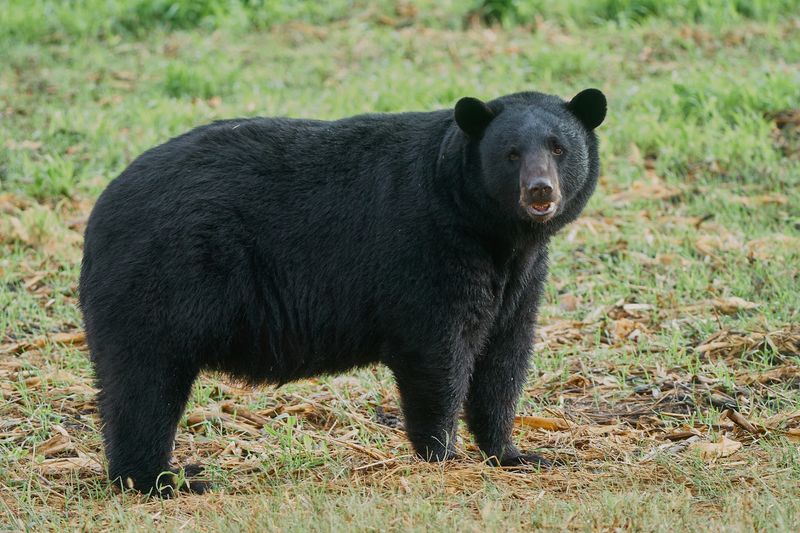
Travelers who prefer driving can take the six-mile Lake Drummond Wildlife Drive, a one-way gravel route with three boardwalk stops that eventually connects to lake access for boating and fishing. Turtles, river otters, and black bears all inhabit the refuge.
Trails and lake access run daily from sunrise to sunset.
Barataria Preserve, Louisiana
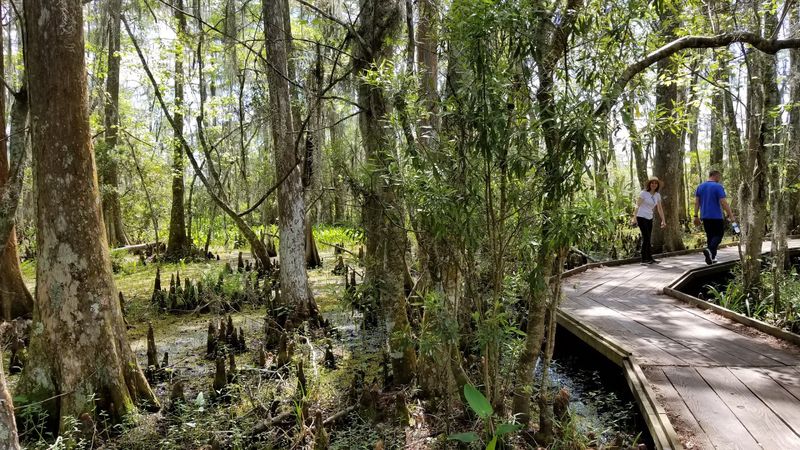
Just south of New Orleans, Barataria Preserve offers one of the most accessible introductions to classic Louisiana wetland scenery without requiring a private boat or a long drive into the backcountry. The preserve covers about 26,000 acres and is managed as part of Jean Lafitte National Historical Park and Preserve.
A network of boardwalks and dirt trails winds through bayous, swamps, and marshes, giving casual visitors a genuine bayou experience on foot. Alligators are a reliable attraction, particularly near the water’s edge during warmer months.
The preserve also supports more than 200 bird species, along with seasonal wildflower displays and native plant communities that shift throughout the year.
Because the trail system is well-maintained and easy to navigate, Barataria works well for families, first-time wetland visitors, and anyone adding a nature excursion to a New Orleans trip. The combination of accessible trails and authentic Louisiana scenery makes this a stop that earns its place on any regional travel list.
Bayou Sauvage Urban National Wildlife Refuge, Louisiana
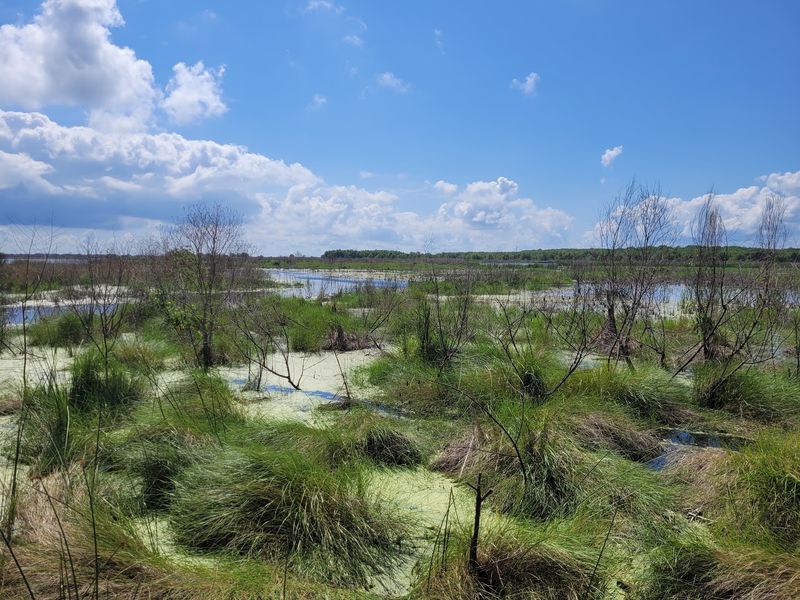
Most people do not expect to find a functioning wetland wildlife refuge within the boundaries of a major American city, but Bayou Sauvage Urban National Wildlife Refuge exists within the New Orleans metro area and protects a surprisingly intact stretch of marsh and wetland habitat.
The Ridge Trail offers a half-mile interpretive boardwalk loop through forest and wetland, with views of the historic Bayou Sauvage waterway along the way. A separate stop, Joe Madere Marsh, features a short boardwalk leading to an overlook where shorebirds, waterfowl, and alligators are commonly observed.
Both spots are easy to reach and require minimal planning.
For travelers already spending time in New Orleans, this refuge adds a wildlife-watching option that fits into a half-morning without a long drive. The contrast between the city surroundings and the genuine wetland habitat is part of what makes Bayou Sauvage worth knowing about.
It is a practical and underappreciated stop on any Louisiana nature itinerary.
Blackwater National Wildlife Refuge, Maryland
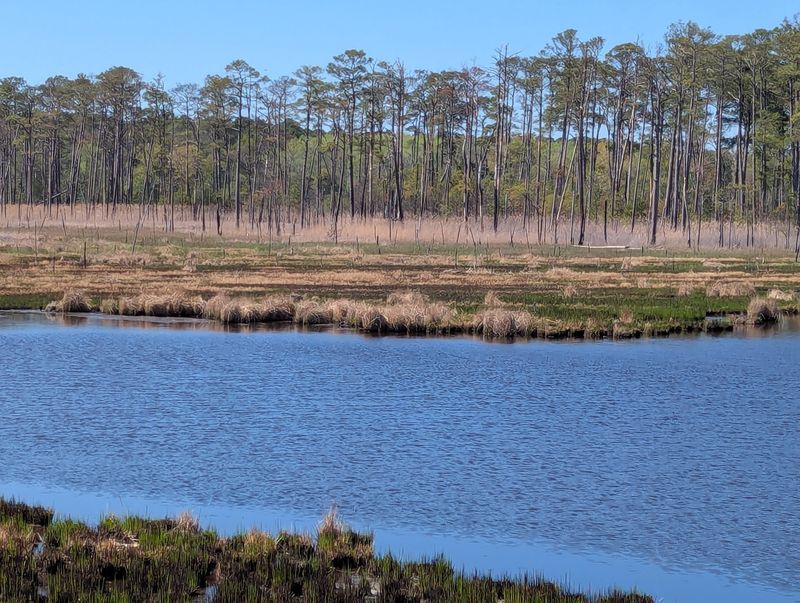
Maryland’s Eastern Shore is loaded with watery landscapes, but Blackwater National Wildlife Refuge earns a separate mention for its sheer scale and the quality of its wildlife viewing. Over 20,000 acres are open for public recreation, giving visitors plenty of room to spread out and explore.
The 3.6-mile Wildlife Drive is one of the most practical ways to experience the refuge. It includes pull-offs, a photography blind, and an elevated observation platform that provides wide views across the tidal marsh.
Hikers and paddlers have additional options, with more than five miles of trails and roughly 17 miles of water routes available.
Bald eagles are a reliable attraction and are sometimes visible near the visitor center without even leaving the parking area. The outdoor public areas are open daily year-round from dawn to dusk, though a handful of hunting closure dates are scheduled each season.
Photographers and birders consistently rank Blackwater among the best refuges on the East Coast for good reason.
Bombay Hook National Wildlife Refuge, Delaware
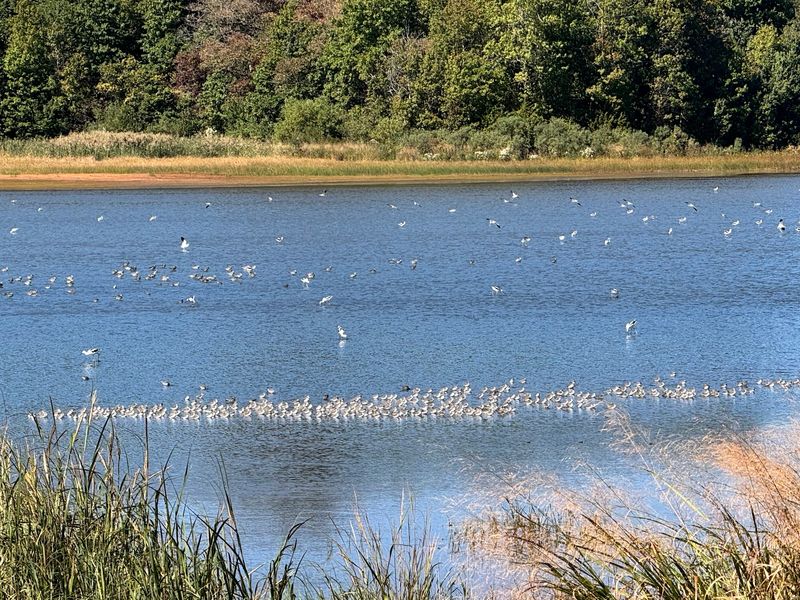
Along the edge of Delaware Bay, Bombay Hook National Wildlife Refuge protects one of the largest remaining stretches of tidal salt marsh in the entire Mid-Atlantic region. That distinction alone makes it worth a closer look, especially during peak migration periods when the refuge fills with birds moving along the Atlantic Flyway.
A wildlife drive runs through the heart of the refuge and can be explored by car, on foot, or by bike. Designated hiking trails branch off from the drive and lead into additional habitat areas.
Freshwater impoundments and upland environments add variety to what is primarily a salt marsh landscape, creating conditions that attract a wide range of species.
Shorebird and waterfowl populations shift considerably between spring and fall migration, which means repeat visits can feel like entirely different experiences. The drive and trails are generally open from half an hour before sunrise to half an hour after sunset, with a few hunting closure dates scheduled for 2026.
Bombay Hook rewards patient observers.
Prime Hook National Wildlife Refuge, Delaware
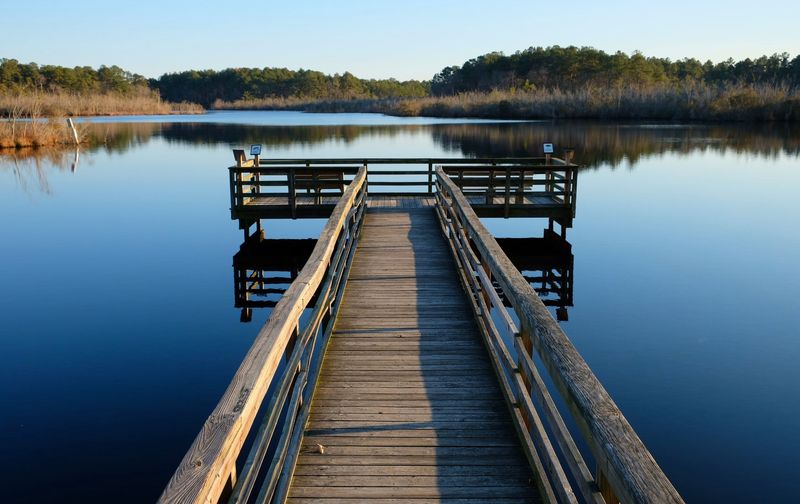
Delaware has two wetland refuges worth visiting, and Prime Hook National Wildlife Refuge offers a slightly different experience from its neighbor at Bombay Hook. Freshwater marshes, forested wetlands, and coastal habitats are all accessible within a compact trail network that works well for visitors with limited time.
The half-mile Boardwalk Trail is the most popular route for casual walkers. It passes through upland forest and forested wetlands before crossing roughly 600 feet of freshwater marsh.
A wheelchair-accessible observation platform along the Dike Trail provides another option for visitors who want marsh views without a long hike.
Paddlers have a dedicated option too. The seven-mile Prime Hook Creek Canoe Trail leads through red maple swamp and cattail marsh, offering a slower and more immersive way to experience the refuge’s waterways.
Having walking, photography, wildlife watching, and paddling available in one compact location makes Prime Hook a flexible stop that can be tailored to almost any travel style or schedule.
Iroquois National Wildlife Refuge, New York
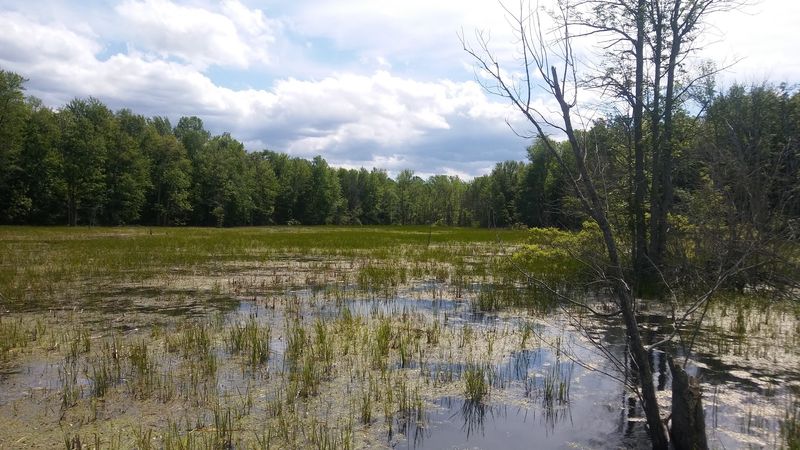
Western New York is not the first place most travelers picture when they think about swamps and marshes, but Iroquois National Wildlife Refuge protects a substantial mosaic of wetlands, forests, and upland habitat situated between Buffalo and Rochester. The scenery here is quieter and less visited than many East Coast refuges, which is part of its appeal.
The 1.3-mile Swallow Hollow Trail is the easiest entry point for first-time visitors. About 2,000 feet of the loop travels along an elevated boardwalk through marsh and forested wetland.
Interpretive panels along the route identify species and explain the ecosystem, making it a genuinely educational walk.
Wildlife possibilities include warblers, pileated woodpeckers, snapping turtles, and white-tailed deer. The trail is open year-round from sunrise to sunset, so the landscape can be experienced during spring migration, summer, fall foliage season, or a quiet winter morning.
Several additional overlooks scattered across the refuge provide wider views across its open marshes.
Pocosin Lakes National Wildlife Refuge, North Carolina
Many travelers have explored coastal wetlands or freshwater marshes, but pocosins are a different story. These shrub-dominated wetlands are found mainly along the southeastern coastal plain, and Pocosin Lakes National Wildlife Refuge in North Carolina is one of the best places to experience them without a complicated backcountry trip.
The most approachable starting point is the Scuppernong River Interpretive Boardwalk, which begins directly behind the Walter B. Jones Center for the Sounds in the town of Columbia.
The loop winds through a cypress swamp bordering the Scuppernong River, and interpretive signs along the route explain the plants and animals that depend on this ecosystem.
For travelers who want more ground to cover, numerous refuge roads are open for hiking and biking. The boardwalk, however, is the kind of stop that works for nearly any visitor, whether they are a serious naturalist or simply curious about a wetland type they have never encountered before.
It turns a short walk into something genuinely informative.
Billy Frank Jr. Nisqually National Wildlife Refuge, Washington
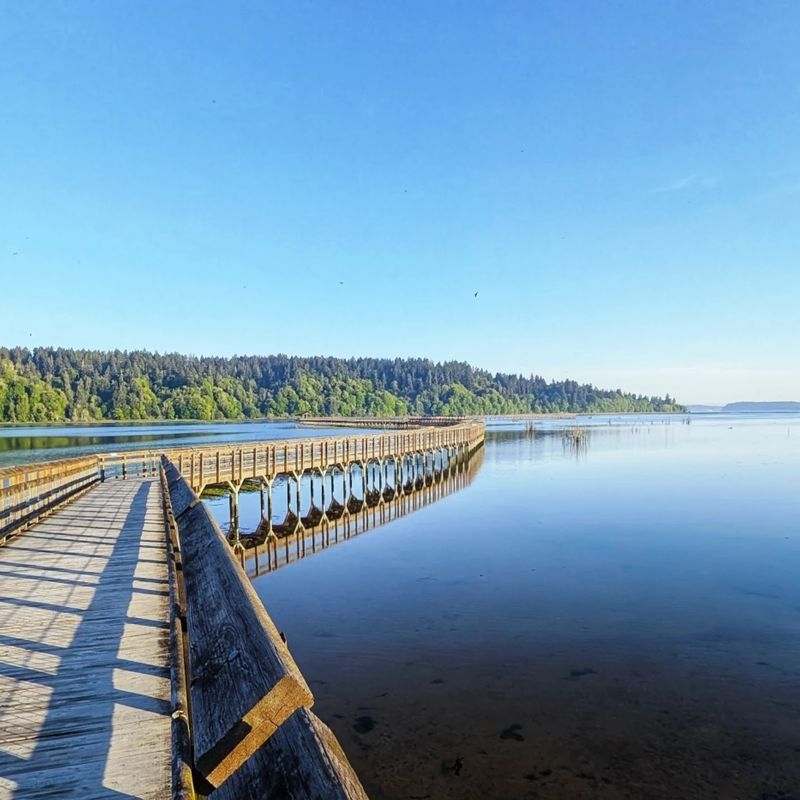
Where the Nisqually River empties into Puget Sound, freshwater and saltwater meet to create one of the most visually striking wetland environments in the Pacific Northwest. Billy Frank Jr. Nisqually National Wildlife Refuge protects this estuary and offers one of the most memorable boardwalk experiences anywhere on the West Coast.
The mile-long Nisqually Estuary Boardwalk is elevated above the tidal landscape and provides sweeping views across mudflats, salt marsh, and open water channels. Because the scenery shifts with the tide, two visits to the same boardwalk can look completely different.
Exposed mudflats covered in feeding shorebirds on a low tide become a very different picture when the water rises.
Sea ducks, great blue herons, and other waterbirds are frequent sightings, and harbor seals occasionally appear near the estuary. On clear days, mountain views add an unexpected dimension to the wetland panorama.
Refuge grounds and trails are open daily from sunrise to sunset throughout the year, making this a reliable stop in any season.
Ankeny National Wildlife Refuge, Oregon
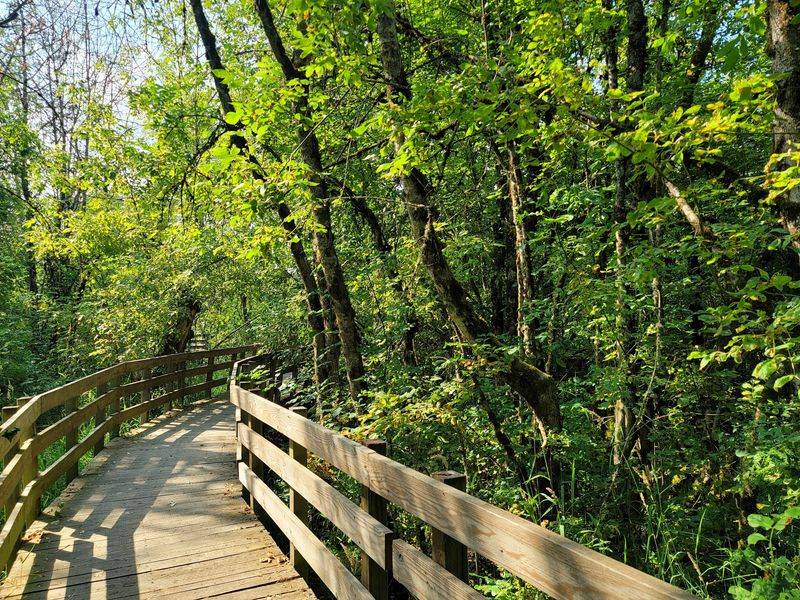
Oregon’s Willamette Valley might be better known for its farms and vineyards, but during the cooler months it becomes one of the best places in the Pacific Northwest to watch migratory and wintering birds. Ankeny National Wildlife Refuge sits within this valley and offers several well-positioned viewing spots that make wildlife watching straightforward.
The Pintail-Egret Marsh Boardwalk follows Bashaw Creek before reaching an observation blind overlooking two marsh areas. Ducks, tundra swans, and Canada geese are regular visitors during migration, and osprey can sometimes be spotted working the waterways overhead.
The Rail Trail Boardwalk is another option, passing through seasonally flooded ash woodland before reaching Wood Duck Pond.
Great egrets, hooded mergansers, songbirds, and woodpeckers are among the species visitors might encounter along that route. Some dike trails at Ankeny operate on a seasonal schedule, but the main boardwalk routes and several viewing areas remain accessible throughout the year, giving the refuge genuine year-round appeal for birders and nature photographers.
Bear River Migratory Bird Refuge, Utah
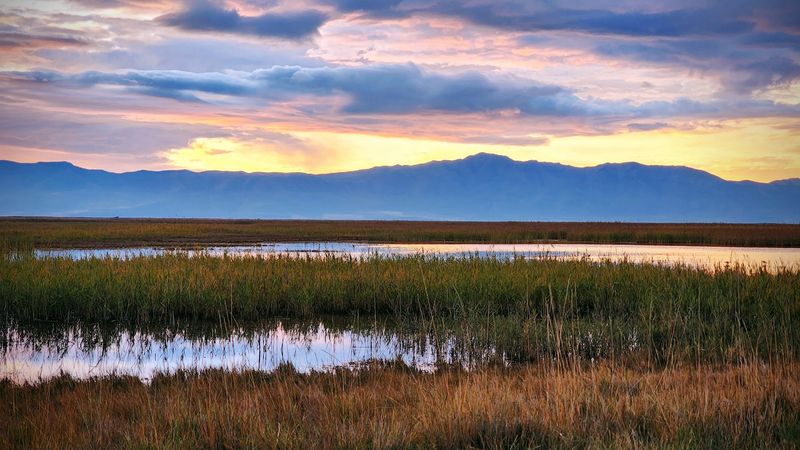
Finding a productive wetland in the middle of Utah’s dry landscape feels like a genuine surprise, and Bear River Migratory Bird Refuge near Great Salt Lake is exactly that. The refuge protects a critical mix of marshes and waterways that support enormous numbers of migratory birds moving through the region each year.
The Auto Tour Route is the refuge’s signature feature. Under normal conditions, the 12-mile loop winds through the wetland landscape with multiple pull-offs for bird watching and photography.
In 2026, maintenance work temporarily closed the standard route through mid-September, but the refuge opened an alternate 12-mile route so visitors could continue exploring during the project.
Walking trails near the visitor center, including Wetland Wonders, Bulrush Bridge, and Marsh Meander, remain open from sunrise to sunset regardless of tour route conditions. For travelers passing through northern Utah who want to add a wildlife stop to their itinerary, Bear River offers a scale of bird activity that is genuinely hard to match in this part of the country.
San Luis National Wildlife Refuge, California
California’s Central Valley was once covered by vast seasonal wetlands that supported enormous concentrations of migratory birds. San Luis National Wildlife Refuge preserves an important portion of what remains, and its scale is genuinely impressive at more than 26,800 acres of wetlands, riparian woodland, vernal pools, and native grassland.
Visitors have access to more than 15 miles of auto tour routes and over 10 miles of nature trails. The Wetland Nature Trail starts near the visitor center and includes a boardwalk section over marsh habitat, offering an easy introduction to the landscape.
Other trails lead toward additional wetland and upland areas within the refuge.
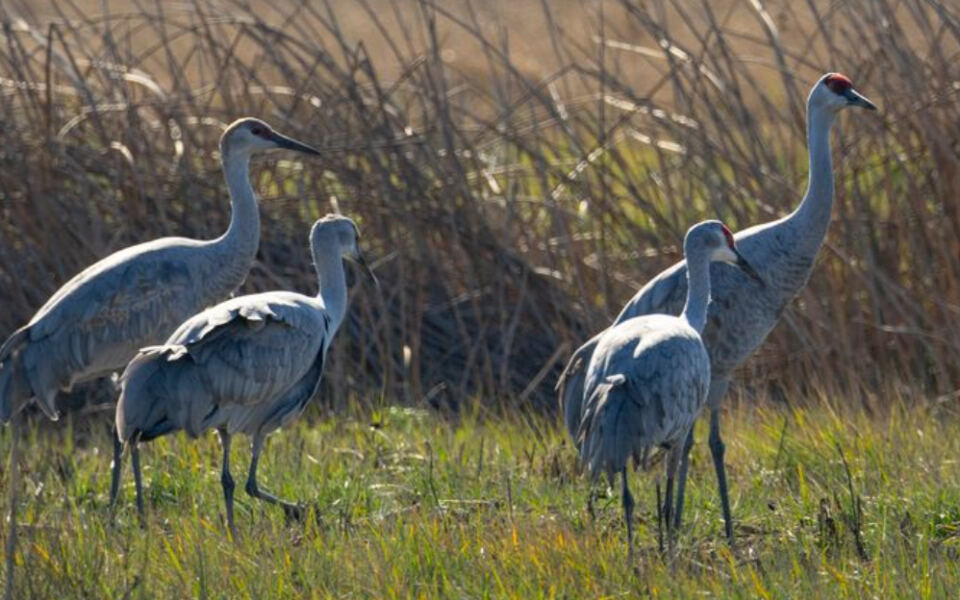
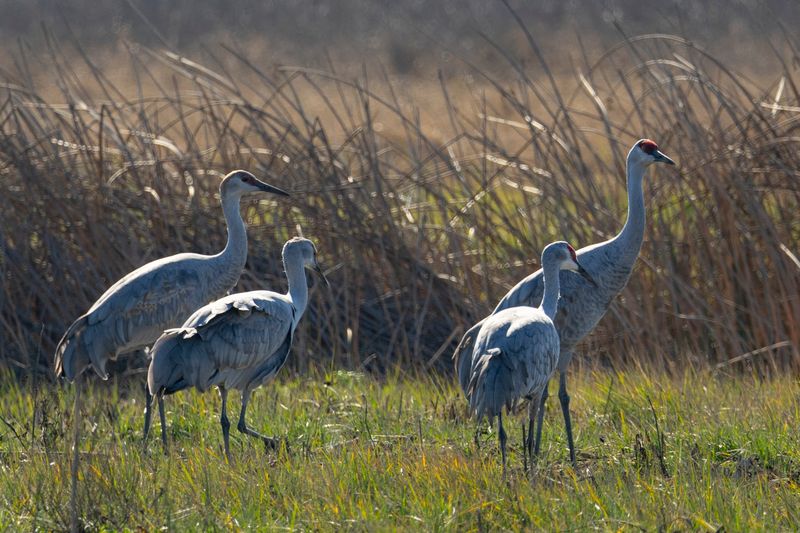
The cooler months are when San Luis truly comes alive. Large numbers of ducks, geese, sandhill cranes, and other waterbirds arrive during fall and winter, creating the kind of wildlife spectacle that keeps birders returning season after season.
The year-round Waterfowl Auto Tour Route and main trails are open daily from half an hour before sunrise to half an hour after sunset.
Share this story