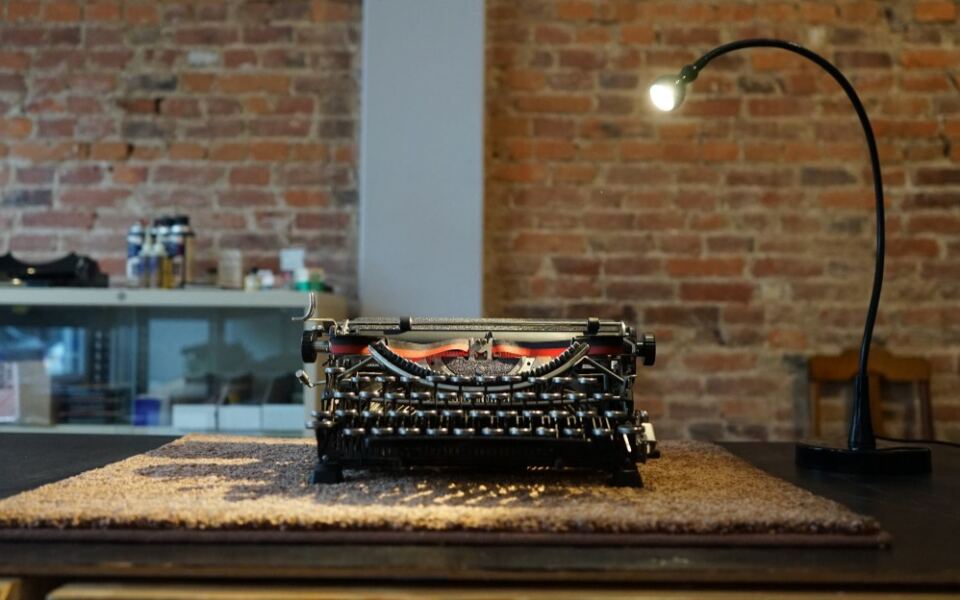
Tom Hanks donated a signed 1955 typewriter to a small Portland shop, and visitors have even been allowed to type on it. That’s just one of the surprises waiting at America’s surviving typewriter shops and museums.
Across the country, specialists are restoring machines that are more than a century old, teaching people how to use them, and keeping vintage keyboards working long after their manufacturers disappeared.
These 12 destinations include a typewriter shop inside a historic Missouri courthouse, a family business dating back to 1932, and a remarkable private collection in West Virginia that requires advance arrangements.
Some let visitors try different machines, while others offer repairs, workshops, or rare exhibits. Here’s what makes each place worth discovering and what to know before visiting.
1. Type Space, Portland, Oregon
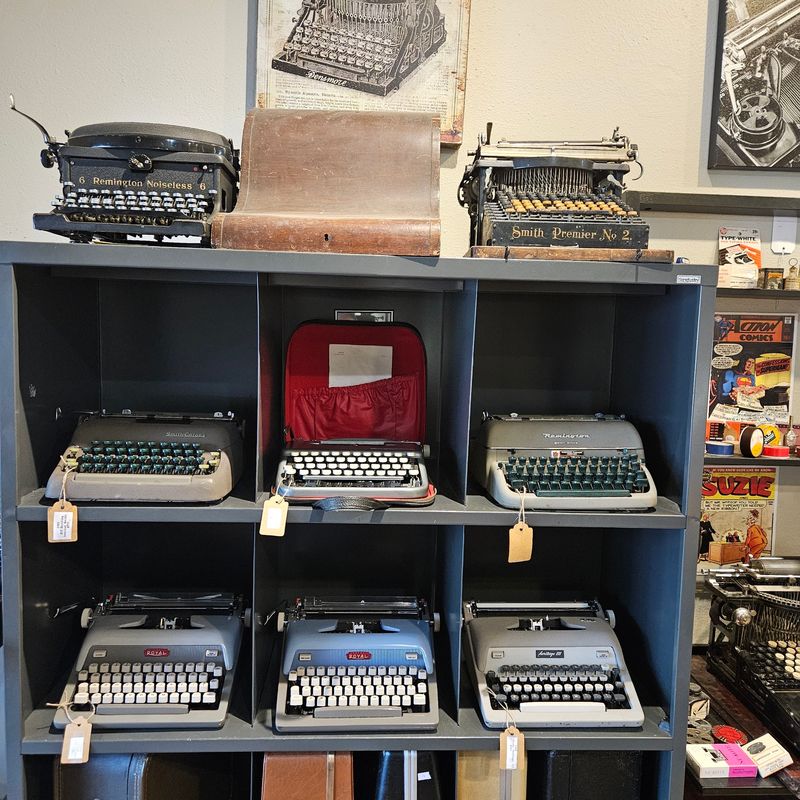
Tom Hanks left a present in Portland, and you are allowed to use it. A 1955 Rheinmetall typewriter with a German keyboard, signed and donated by the actor, sits at Type Space for public typing.
Owner Antony Valoppi opened the shop at 2409 SE 49th Ave in July 2021. He believes typing on paper helps people write with more purpose and fewer digital distractions.
The collection covers machines from the 1880s through the 1970s. Some are fully working and for sale, from beginner models to rare collector pieces.
Others are display items surrounded by typewriter tins, ribbon spools, typing awards, old ads, and manuals.
A large community table is the real star. Visitors sit down, pick a machine, and test how different keyboards respond.
Writers, students, artists, and collectors all show up here. The shop also handles repairs, hosts events, and sells fine writing paper and dip pens.
Tip for first timers: try at least three machines before buying. Each one types a little differently.
2. Clickety Clack Typewriters, Rolla, Missouri
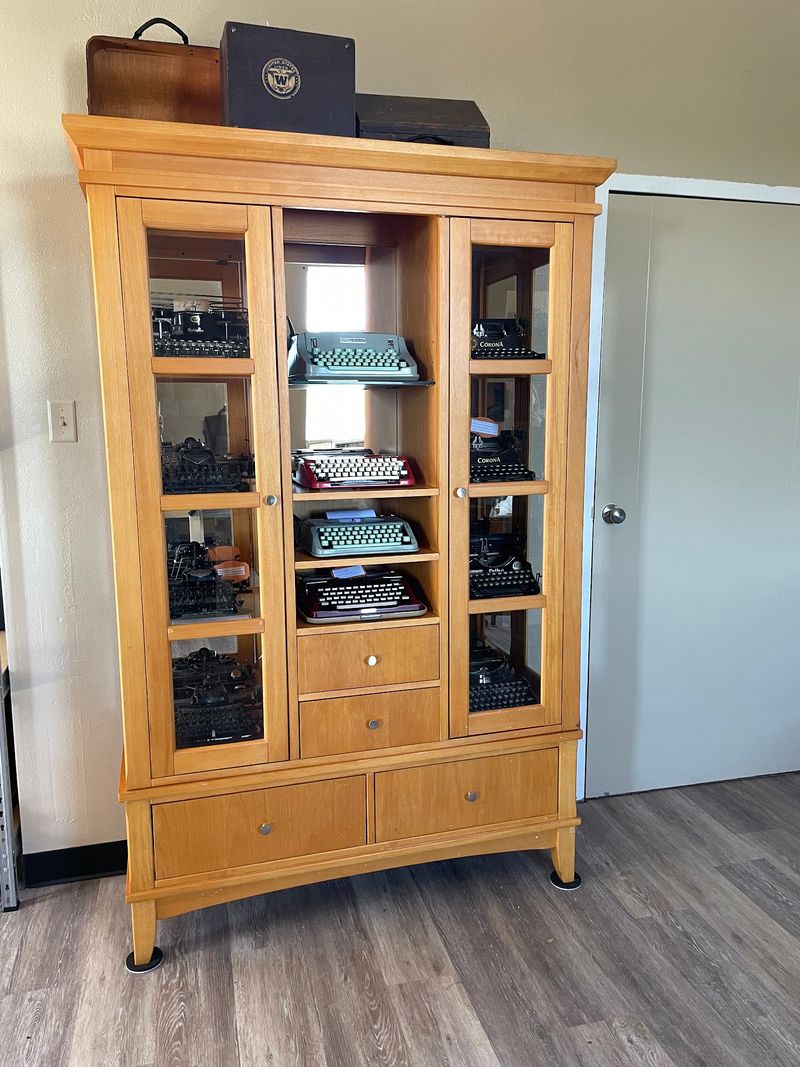
Courtrooms usually deal with verdicts, but this one deals with keyboards. Clickety Clack Typewriters makes its home inside the historic Phelps County Courthouse in Rolla.
That setting alone makes it worth a detour off Route 66. Old brick walls and long hallways once handled county business, and now they hold a wide range of mechanical writing machines.
The collection is only half the story. A workshop on site keeps these machines running, so many models are not just for looking.
Visitors get the chance to compare different typewriters side by side. You can try a heavy office desk model, then switch to a lighter portable and notice how the keys respond.
The vibe is friendly and personal. It feels more like visiting a collector who loves to show off favorites than touring a stiff museum.
Bring questions about any old machine you have at home. A quick chat here might tell you whether that attic find is worth fixing up for daily use.
3. Gramercy Typewriter Company, New York City, New York
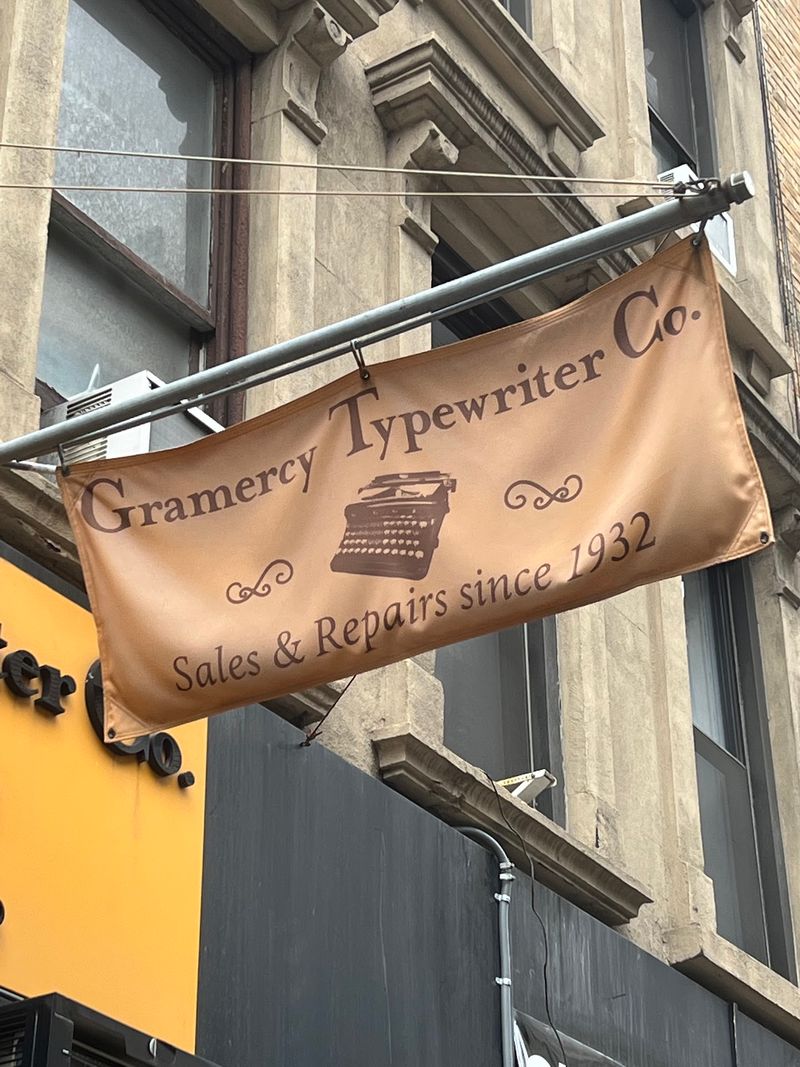
Credit cards are not welcome, and index cards still track the records. Gramercy Typewriter Company runs on old-school rules, and that is part of its charm.
Abraham Schweitzer started the business in 1932. Today his grandson Jay runs it with his father Paul, making it Manhattan’s last remaining typewriter shop.
You will find it at 108 West 17th Street in Chelsea. Inside, vintage machines share wall space with family photos and old advertisements.
Hundreds of typewriters are in stock, priced from about $245 to $1,000. Each one has been serviced and reconditioned before it goes home with a new owner.
Hollywood and Broadway call here too. The shop supplies machines for period films and stage shows that need authentic props.
Customers include authors, screenwriters, and hobbyists who want a break from screens. Tom Hanks has named it a favorite.
One firm piece of advice: book an appointment first. Walking in unannounced might leave you staring at a closed door.
4. Mesa Typewriter Exchange, Mesa, Arizona
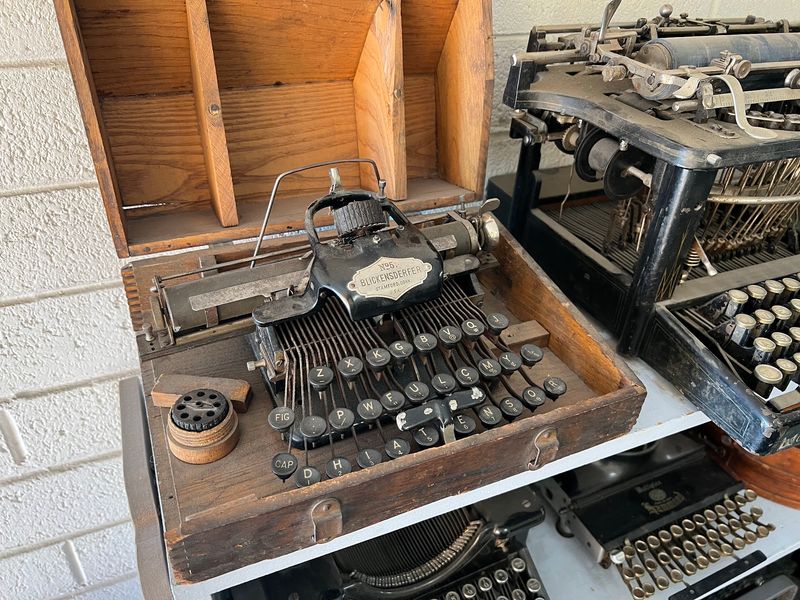
Most electronics today last a few years before landing in a drawer. Mesa Typewriter Exchange offers the opposite deal, with machines that were built to be fixed again and again.
The shop sits in downtown Mesa and focuses on three jobs. It sells, services, and carefully restores typewriters of many ages and brands.
Beginners are especially lucky here. Staff can explain why one classic model types lighter than another, or why a certain portable is easier to carry and maintain.
Watching a repair is surprisingly educational. Small adjustments to springs and linkages can turn a sluggish machine into a smooth one again.
Desert heat and dust can be tough on old parts. Asking how to store and clean your typewriter at home is a smart move before you leave.
Buyers should test several keyboards and check how the carriage returns. A few minutes of trying can save you from picking a machine that does not suit your typing style.
Patience pays off, and so does asking lots of questions.
5. Ace Typewriter & Equipment Co, Portland, Oregon
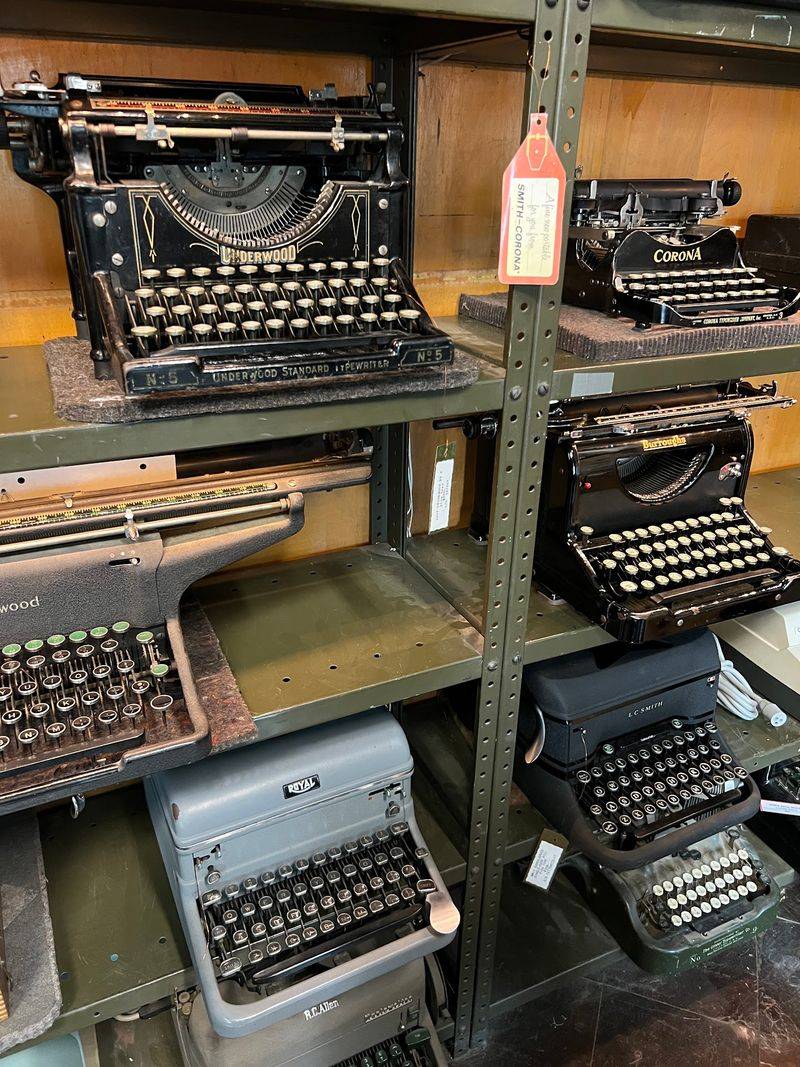
A three-month waiting list says plenty about a repair shop. Ace Typewriter & Equipment Co in Portland stays that busy year after year.
The business opened in 1961 and still operates at 7433 N Lombard St in the St. Johns neighborhood. That makes it one of the longest-running typewriter specialists around.
Owner Matt McCormack learned the trade from his father, who picked it up during World War II. Matt is one of only a small number of people nationwide who can fully take apart a typewriter and put it back together.
Manual and electric machines both get attention here. Many arrive after decades of sitting forgotten in family closets.
Besides repairs, the shop sells typewriters and ink ribbons. It also gives practical advice on keeping a manual machine in good shape.
Poets and independent writers make up much of the customer list. Plan ahead if your typewriter needs work, because getting in line early is the only shortcut.
6. Typewriter Chicago, Downers Grove, Illinois
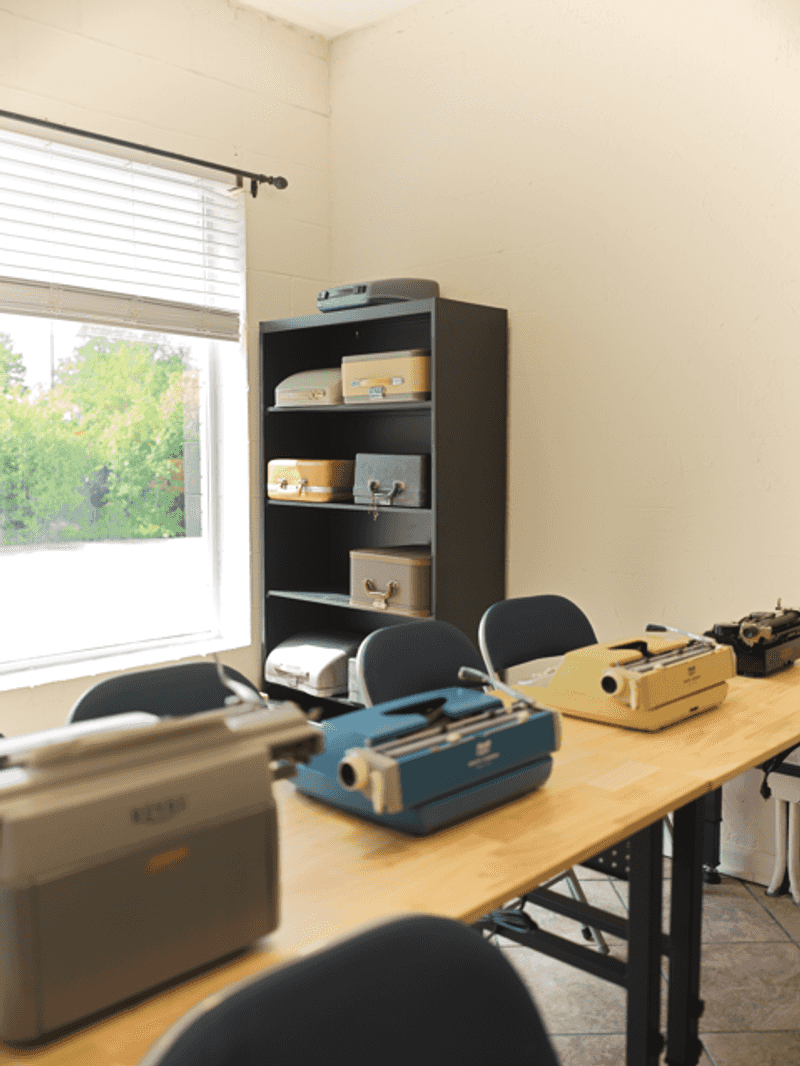
Garage startups are usually tech companies, but this one went backward in time. Lucas Dul founded Typewriter Chicago in 2019, working out of a garage before moving to 1525 Ogden Avenue, Unit L, in June 2024.
It is the only typewriter company in Illinois. It is also one of just a few brick-and-mortar typewriter shops in the whole country.
Restorations here cover machines from the mid-1800s all the way to the 2020s. Yes, people still make new typewriters.
Shoppers can buy, rent, or repair a machine. Ribbons, accessories, and stationery fill out the shelves.
The coolest perk might be the writing space. For an hourly fee, you get a desk, a typewriter, paper, and ink for your own project.
Workshops and typing classes run regularly. The shop also partners with local libraries to donate machines for public use.
Every sale and repair comes with a two-year warranty. That kind of promise shows real confidence in good old metal parts.
7. Philly Typewriter, Philadelphia, Pennsylvania
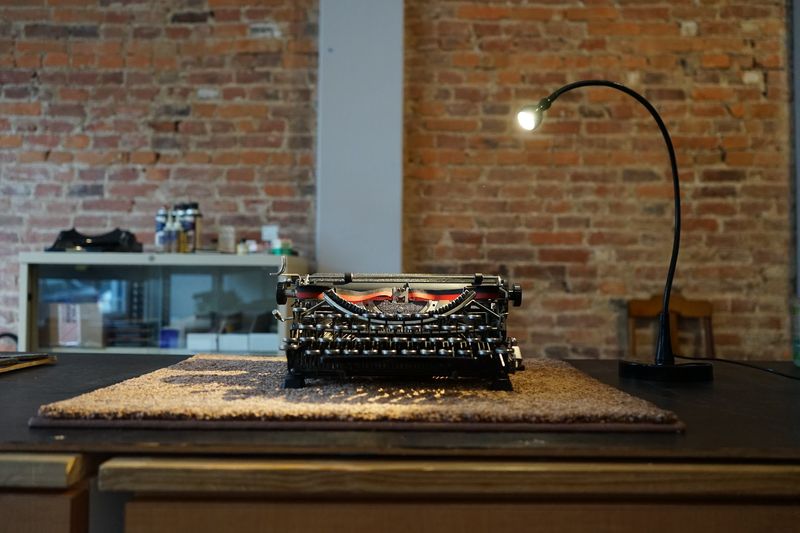
More than 1,300 typewriters live under one Philadelphia roof. That number covers roughly 130 years of typing history, all gathered at Philly Typewriter on East Passyunk Avenue.
Bryan Kravitz founded the shop in 2017. It focuses on repair, restoration, and sales, and the inventory is so full that the shop has paused buying manual machines and IBM Selectrics.
The big idea here is sharing. In 2018, the shop launched the Philadelphia Public Typewriter Program, which places working vintage machines in schools, libraries, cafes, and bookstores around the city.
Locals can join in three ways. They can host a public typewriter, donate an old one, or sign up for a restoration class.
Those classes teach practical skills like cleaning, oiling, greasing, and winding ribbons. Students even work on machines that will later head out into the program.
Poetry sessions and other workshops round out the calendar. It is a place where fixing things and meeting people go hand in hand, one key at a time.
8. Rees Electronics / Star Typewriters, Los Angeles, California
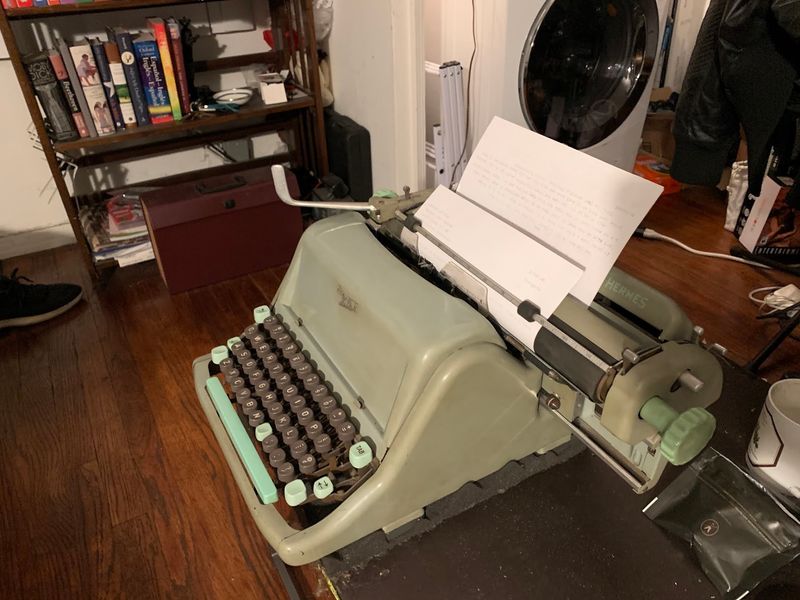
Typewriters were only part of the old office toolkit. Rees Electronics, also known as Star Typewriters, keeps the rest of that toolkit in the conversation too.
This Los Angeles business carries a wide range of classic machines. Many come with their original cases, plus ribbons and other accessories.
Testing is encouraged. Buyers can sit down and try different keyboards until they find one that fits their hands and typing speed.
The real surprise is the dictation and transcription equipment. Before voice apps existed, bosses recorded letters on machines, and assistants typed them up later.
Star services those older devices as well. That makes it a rare stop for anyone curious about how offices actually worked decades ago.
Screenwriters in town sometimes like a typewriter for first drafts. A machine with a sturdy case is handy if you plan to carry it to a coffee shop or a studio lot.
Bring a sample page of your own writing and type a few lines. It is the fastest way to pick a winner.
9. Museum of Printing, Haverhill, Massachusetts
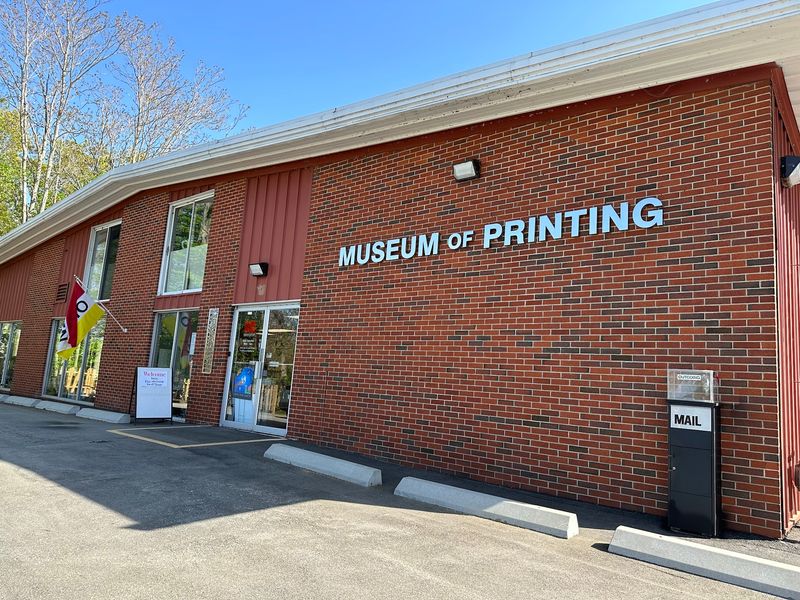
Gutenberg and Steve Jobs share the spotlight in one Massachusetts building. The Museum of Printing at 15 Thornton Avenue traces how printed words changed from early presses to the computer age.
Hundreds of antique machines fill the space. You will see printing presses, typesetting equipment, and bindery tools that once turned paper into books.
Typewriters have their own place here too. A large collection shows how office communication changed over many decades.
Other highlights include stone lithography, offset presses, and phototypesetting gear. A Rare Bible Room displays more than 100 rare Bibles and many individual pages.
Guided tours and demonstrations bring the machines to life. Seeing a press actually run explains more than any sign can.
Workshops cover topics like letterpress printing and journal making. They are a great hands-on choice for families and curious teens.
Check the schedule before going. The museum opens to the public on Saturdays and by appointment.
10. International Printing Museum, Carson, California
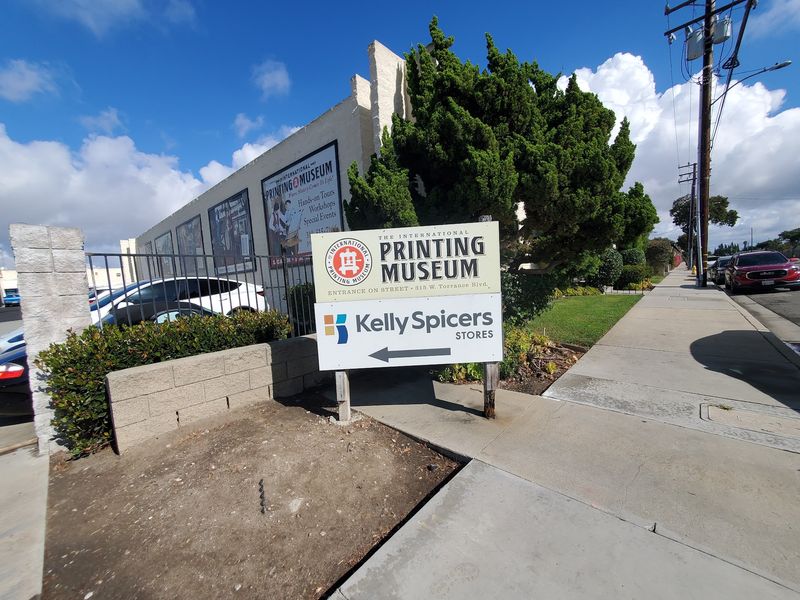
Metal letters, big gears, and careful timing once stood behind every newspaper page. The International Printing Museum in Carson celebrates that era in detail.
Its collection of historic equipment shows how printing grew from hand-set type to powerful machines. Guides often run live demonstrations, which make the steps easy to follow.
Watching a press in action answers questions that kids and adults both have. How did letters get backward on the plate and forward on the paper?
You will find out.
Typewriter fans have another reason to visit. The museum has hosted the QWERTY Typewriter Festival, a gathering full of typing activities and fellow enthusiasts.
That event brings collectors together to swap tips and show off machines. Newcomers can try models they might never see anywhere else.
Special events do not happen every weekend, so plan around them. Keep an eye on the museum’s calendar if the festival is your main goal.
Even on regular days, the presses alone justify the trip.
11. Berkeley Typewriter Repair and Sales, Berkeley, California
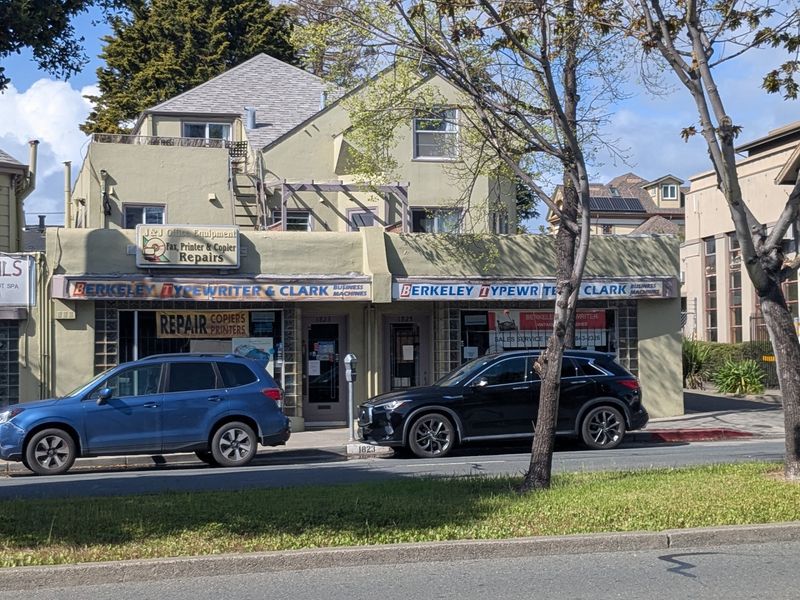
Movie fans might recognize this shop before they ever visit. Berkeley Typewriter Repair and Sales appeared in the documentary California Typewriter.
The family-owned business dates back to 1936. It sits at 1823 University Ave and has outlasted many waves of new technology.
Repairs cover both manual and electric typewriters. Estimates are free, which makes it easy to learn whether a machine is worth saving.
Shoppers can buy or rent refurbished antique and historical models. Ribbons and inks are on hand too, so you can leave ready to type.
The shop even helps with printer service. That mix of old and newer skills keeps customers coming back.
Knowledgeable technicians, including a longtime expert named Ken, are known for sharing what they know. They praise typewriters for their precision, their classic look, and how efficiently they work.
Renting first is a clever idea for beginners. A few weeks of typing will tell you if a vintage machine belongs in your life.
12. Kurt Vonnegut Museum & Library, Indianapolis, Indiana
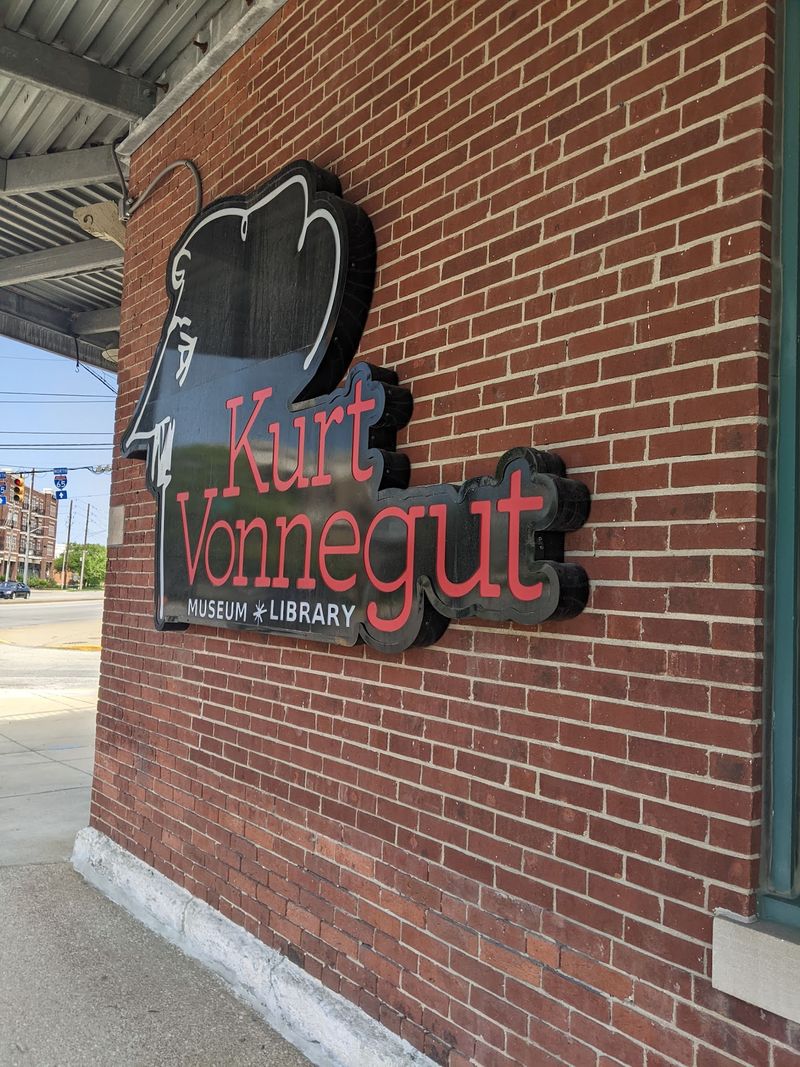
Rejection letters hang on display here, and that is oddly encouraging. Even famous author Kurt Vonnegut heard no from publishers before readers fell for his books.
The Kurt Vonnegut Museum & Library moved into its forever home at 543 Indiana Ave in 2019. It honors the Indianapolis-born writer’s books, art, and ideas.
His Smith-Corona Coronamatic 2200 typewriter is a must-see. Nearby, you will spot his Purple Heart medal, reading glasses, and personal artwork.
A recreation of his writing studio shows where the magic happened. It helps visitors picture a real person sitting at a real desk, hitting keys.
Exhibits include a permanent Slaughterhouse-Five display and a Freedom to Read section. A reading room offers shelves full of his books.
The museum also runs classes and workshops. It serves as a community gathering space that supports free expression.
Young writers should study those rejection letters closely. They are proof that sticking with it matters more than a perfect first draft.
Share this story