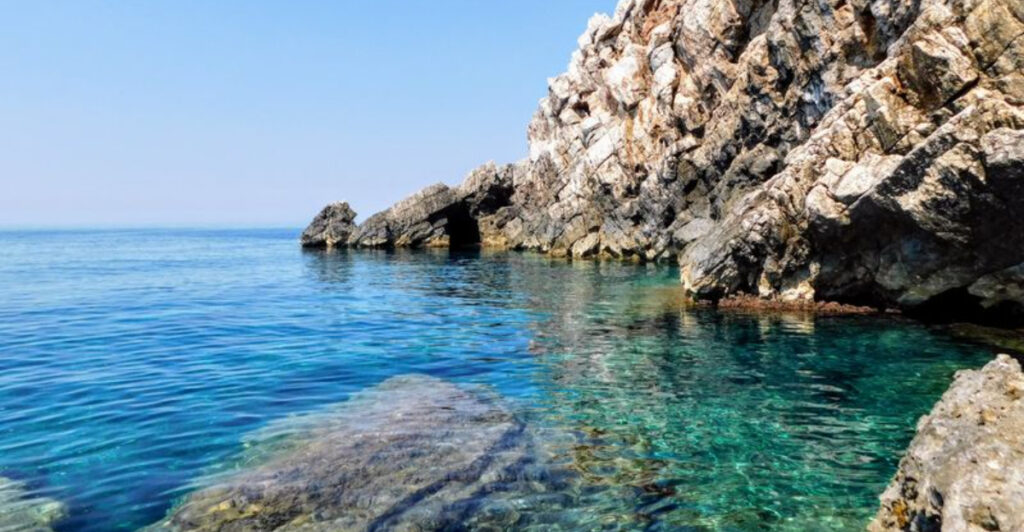
There is an island off the Croatian coast where two saltwater lakes sit quietly inside a dense pine forest, connected to the open sea by a narrow channel, and locals will tell you that Odysseus himself once sheltered in one of its sea caves. Most travelers rush past it on their way to Dubrovnik, never realizing what they are missing.
Mljet is one of the most forested islands in the entire Mediterranean, and nearly three-quarters of it falls under national park protection. Once you arrive, the pace of life slows down in a way that feels almost deliberate, and the turquoise water makes it very hard to leave.
1. Mljet National Park
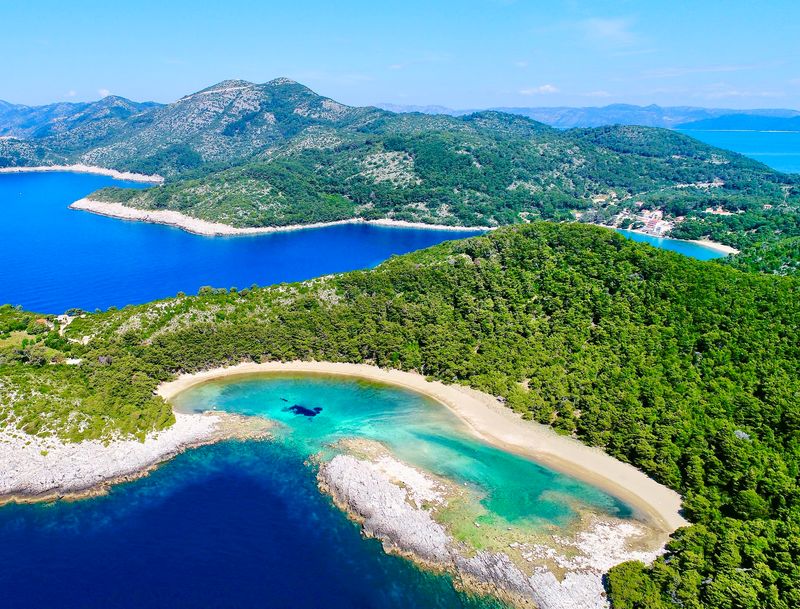
Few national parks in Europe can match what Mljet offers. Covering the western third of the island, Mljet National Park wraps around two stunning saltwater lakes, ancient forest trails, and a centuries-old monastery sitting on its own tiny islet in the middle of Veliko Jezero.
The park entrance fee gives you access to the lakes, walking and cycling paths, and the electric ferry that runs out to the islet of St. Mary. Rangers do check tickets along the trails, so keep yours handy throughout the day.
Most visitors spend a full day inside the park without running out of things to see. The forest keeps temperatures comfortable even in summer, making midday walks far more pleasant than on most Adriatic islands.
Arriving early on weekdays gives you the best chance of experiencing the park at its quietest and most peaceful.
2. Veliko Jezero and Malo Jezero
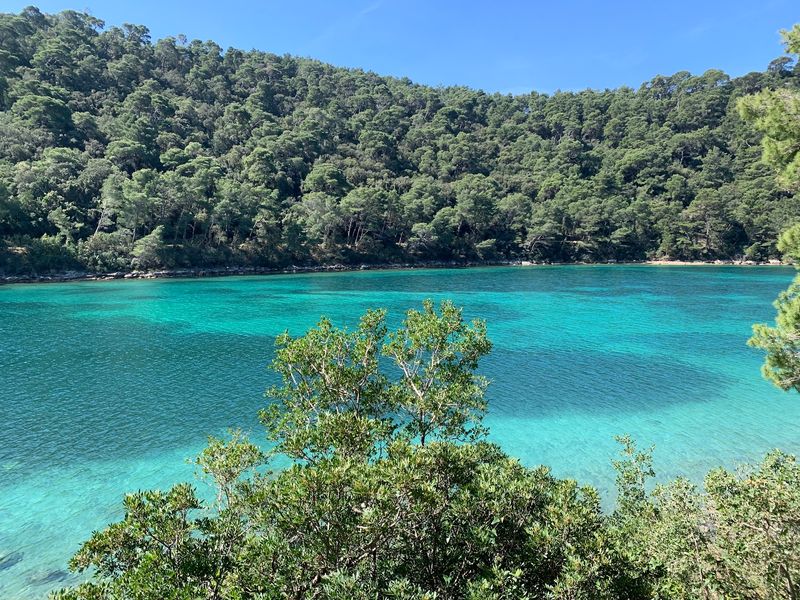
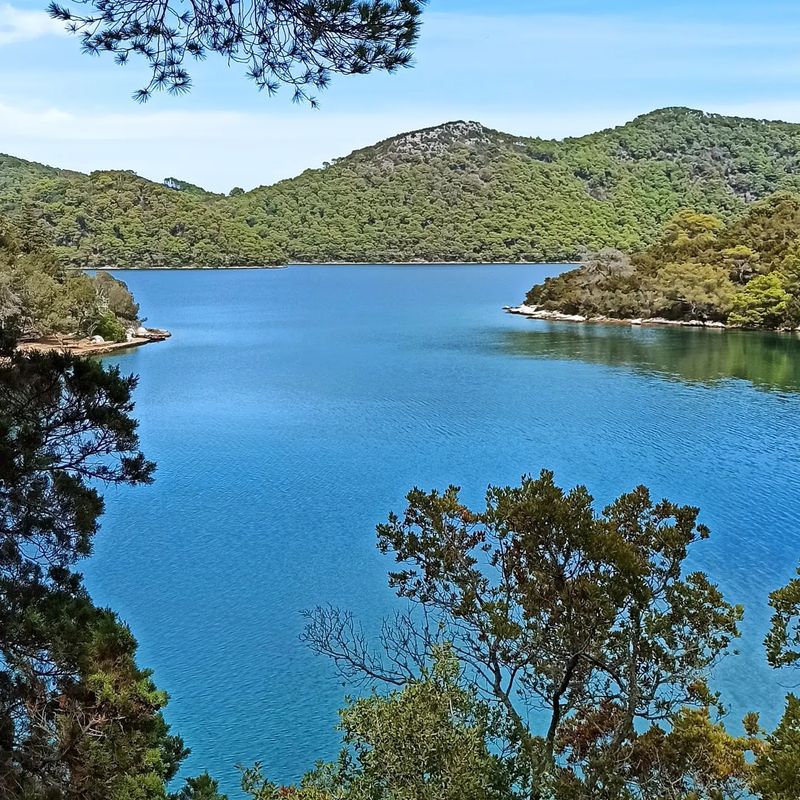
Two saltwater lakes tucked inside a forested island sounds almost too unusual to be real, but Veliko Jezero and Malo Jezero are exactly that. Both lakes are connected to the Adriatic Sea through narrow channels, which means the water is salty and shifts with the tides in a slow, subtle rhythm.
Veliko Jezero is the larger of the two, stretching roughly two kilometers in length. Malo Jezero sits just beside it, smaller and slightly calmer.
Swimming in either lake feels like floating in a sheltered cove, surrounded by pine trees instead of open coastline.
The water temperature tends to be warmer than the open sea in summer, which makes the lakes especially popular with swimmers. A well-marked path circles both lakes, and the full loop takes a few hours at a relaxed pace.
The reflections on the water during late afternoon light are genuinely worth the walk.
3. The Benedictine Monastery on St. Mary’s Islet
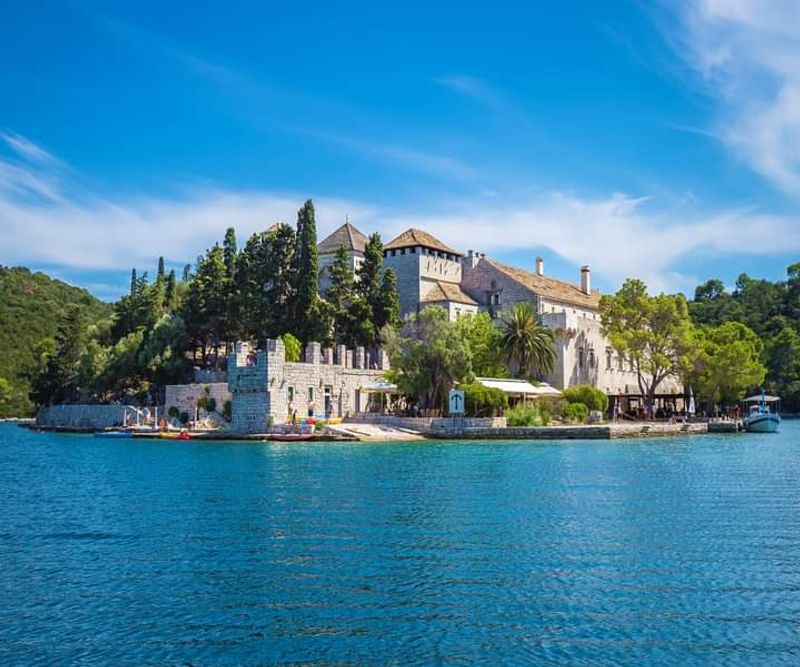
Right in the middle of Veliko Jezero sits a tiny islet called St. Mary’s, and on it stands a Benedictine monastery that has been there since the 12th century. A small electric ferry runs out to the islet from the lake shore, and the crossing itself is a calm, pleasant few minutes on the water.
The monastery complex includes a church, a tower, and a small restaurant where visitors can stop for a coffee or a light meal while looking out over the lake. The setting is genuinely one of the most unusual dining spots in all of Croatia.
Some visitors find the islet itself compact and easy to see in under an hour, so pairing the ferry trip with a longer walk around the lake makes the most of your time. The stone walls of the monastery carry a quiet, centuries-old atmosphere that feels very different from more visited historic sites in the region.
4. Odysseus Cave
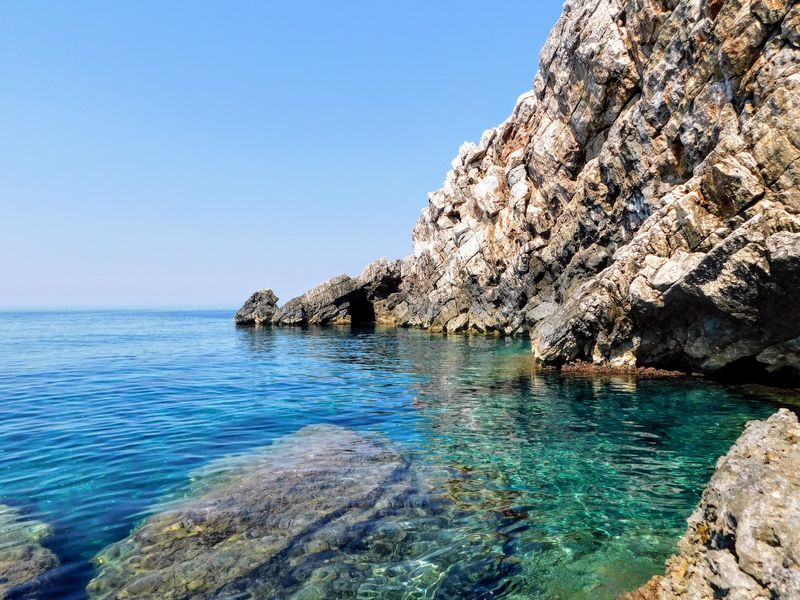
On the southwestern tip of Mljet, a dramatic sea cave cuts into the limestone cliffs above the Adriatic. Local tradition holds that this is the cave where the mythological hero Odysseus sheltered during his long journey home, and the island has carried that legendary connection for centuries.
Getting to the cave requires a bit of effort. A rocky path leads down from a parking area, and the final approach involves navigating uneven terrain close to the water’s edge.
The cave itself is large, with the sea flowing directly inside, and the light that filters through the entrance turns the water a vivid shade of blue-green.
Visiting at midday when the sun is high gives you the most striking light inside the cave. Wear shoes with good grip, since the rocks near the waterline can be slippery.
The surrounding cliffs and coastline are equally photogenic, making the hike down feel worthwhile long before you even reach the cave entrance.
5. Cycling Around the Island
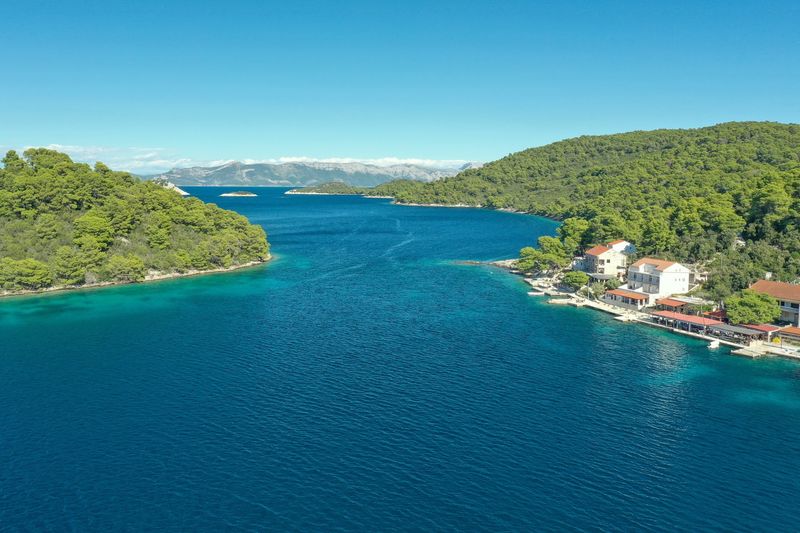
Renting a bike on Mljet might be the single best decision you make on the island. The roads are quiet, the terrain is manageable for most fitness levels, and the scenery shifts constantly between dense forest, open coastline, and lake views that appear without warning around bends in the path.
Bike rental shops operate near the park entrance in Pomena and along the lake shore. Both standard bicycles and electric bikes are available, which makes the hillier sections much more accessible for visitors who prefer a more relaxed pace.
The national park has dedicated cycling lanes that run alongside the walking trails, and the full loop around both lakes is a popular route that takes in the best of the park’s scenery. Mornings are the ideal time to ride, before tour groups arrive and while the forest is still cool.
Carrying water is essential, especially during the warmer months of the year.
6. Hiking Trails Through Pine Forest
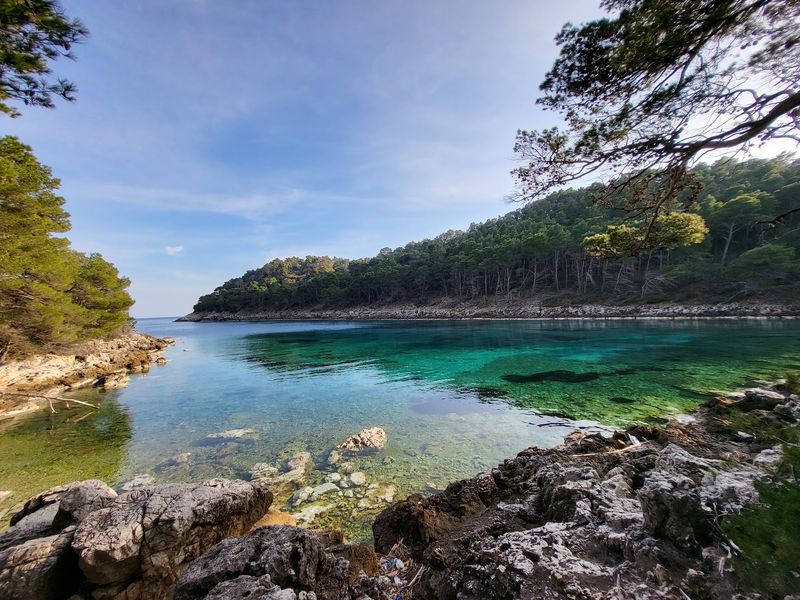
Mljet carries one of the largest pine forests in the entire Mediterranean, and walking through it feels noticeably different from hiking on most other Croatian islands. The canopy is thick enough to block direct sun for long stretches, which keeps the trails comfortable even when temperatures rise along the coast.
All the main paths inside the national park are clearly marked and well-maintained, with signage at every major junction. The trails range from short lakeside strolls to longer routes that climb toward elevated viewpoints above the forest canopy.
Experienced hikers can connect multiple trails for a full-day outing that covers a significant portion of the western park area.
Wildlife sightings are more common in the early morning before visitor numbers build up. The forest floor is carpeted with low shrubs and wildflowers in spring, adding color to what is already a visually rich environment.
Good walking shoes and a light layer for the shaded sections are all you really need.
7. The Village of Pomena
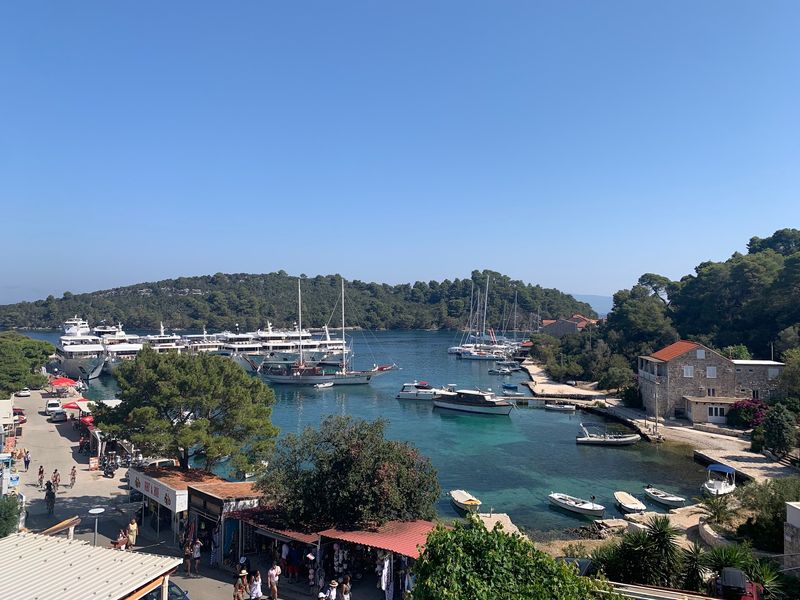
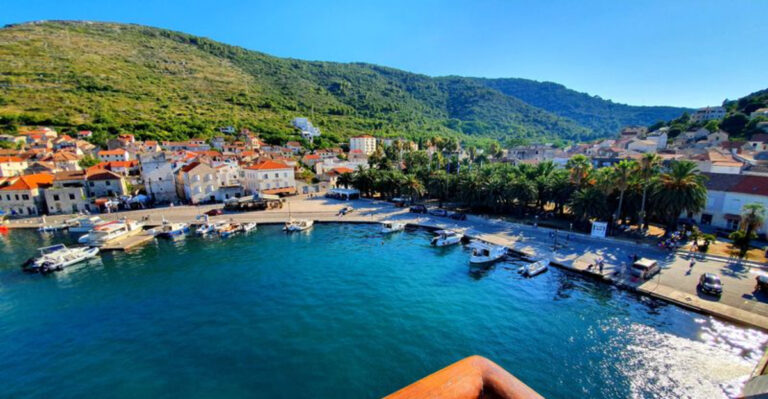
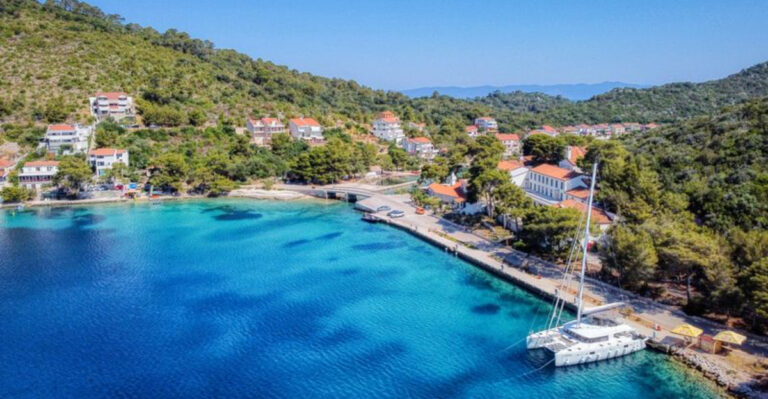
Pomena sits at the western tip of Mljet, right at the edge of the national park, and it has the kind of unhurried pace that most travelers spend their whole vacation searching for. The harbor is small, lined with a handful of restaurants and a few small shops, and the whole village can be walked in under ten minutes.
Hotel Odisej, the island’s main hotel, is located here, and its position directly above the sea gives guests a front-row view of the coastline and the forested hills behind the village. The waterfront restaurants in Pomena serve fresh seafood alongside local dishes, and the quality is generally solid given the remote setting.
Evenings in Pomena have a particular kind of calm that is hard to describe without experiencing it. The harbor lights reflect off still water, the restaurants fill gradually with a mix of visitors and locals, and the forest sits dark and quiet just a short walk away.
It is a genuinely restorative place to spend a few nights.
8. Swimming in Crystal Clear Adriatic Waters
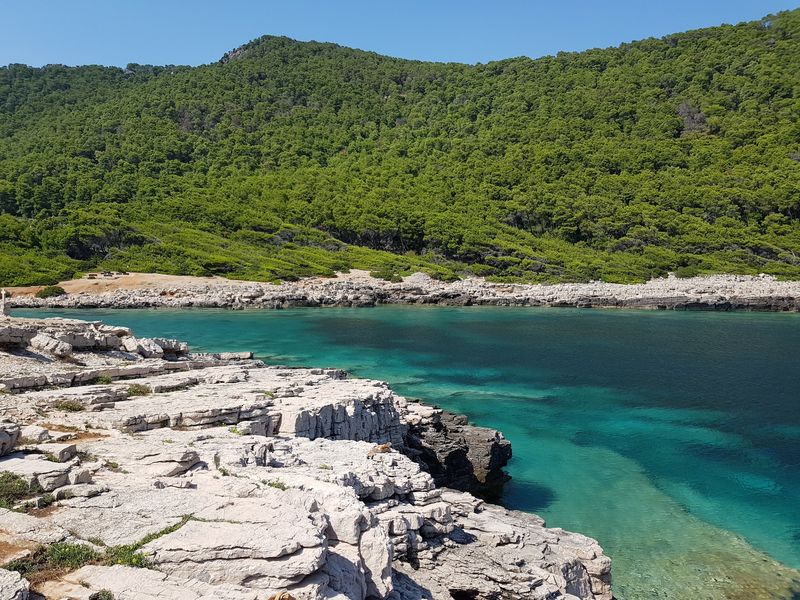
Mljet’s coastline is dotted with small rocky coves and secluded swimming spots that rarely appear in travel guides. The water clarity around the island is exceptional, with visibility extending several meters below the surface in calm conditions.
On sunny days, the color shifts from pale green in the shallows to a deep cobalt further out.
The island lacks large sandy beaches, but the rocky entry points into the sea are generally smooth and accessible with water shoes. Some coves are reachable only on foot or by small boat, which keeps them quieter than more accessible spots elsewhere in Croatia.
Swimming inside the national park lakes offers a different experience from the open sea. The lake water is slightly warmer and the surroundings are forested rather than open sky, giving the whole experience a secluded, almost private feeling.
Early mornings before the day-trippers arrive are the best time to find a cove entirely to yourself.
9. Getting to Mljet by Ferry
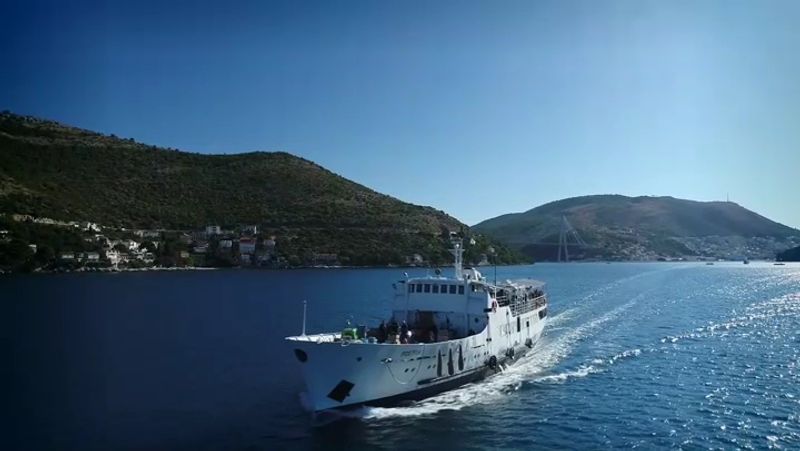
Reaching Mljet requires a ferry, and that short voyage across the water is part of what makes the island feel genuinely separate from the mainland. Car ferries operate from Prapratno on the Peljesac peninsula to Sobra on the eastern side of the island.
The crossing takes around 45 minutes and runs multiple times daily during the summer season.
A faster catamaran service connects Dubrovnik to Pomena on the western end of the island, which is more convenient if you plan to focus your visit on the national park area. The catamaran journey takes roughly two hours and operates seasonally, so checking schedules in advance is important.
Bringing a car to Mljet gives you more flexibility for exploring the eastern villages and more remote parts of the island. However, the national park area is compact enough that most visitors manage perfectly well on foot, by bike, or using the park’s own electric ferry service between key points.
10. Local Food and Waterfront Dining
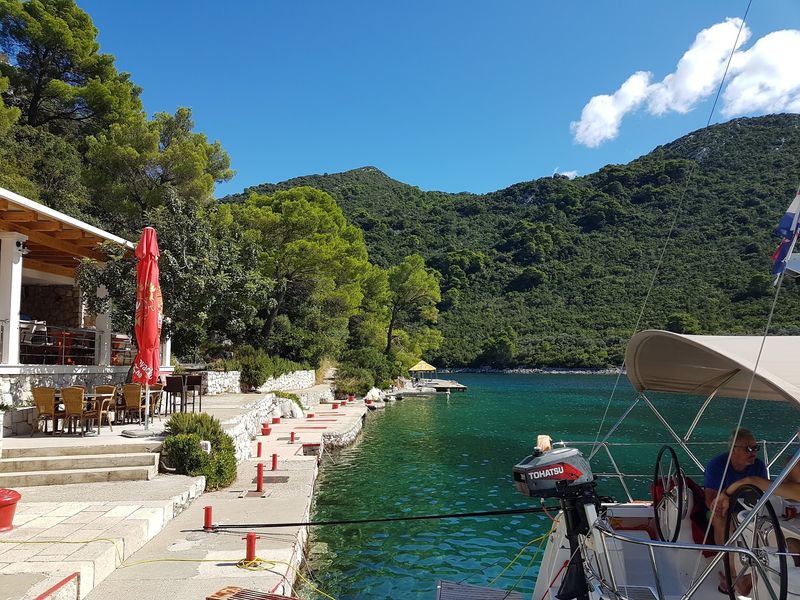
Eating on Mljet tends to be a relaxed, unhurried affair that matches the pace of the island itself. The restaurants in Pomena and around the national park lean heavily on fresh seafood, grilled fish, and simple local dishes that reflect the Dalmatian coastal tradition without much pretense.
There is a small restaurant on the islet of St. Mary, right inside the national park, where you can eat with a view of Veliko Jezero on all sides. It is one of the more unusual lunch settings in the entire Adriatic region, and the food is straightforward but satisfying after a morning of hiking or cycling.
Prices on the island run slightly higher than on the mainland, which is typical for remote island destinations where supplies must be ferried in. Booking a table in advance during peak summer months is a practical move, especially at the more popular waterfront spots in Pomena village.
11. Exploring the Eastern Side of the Island
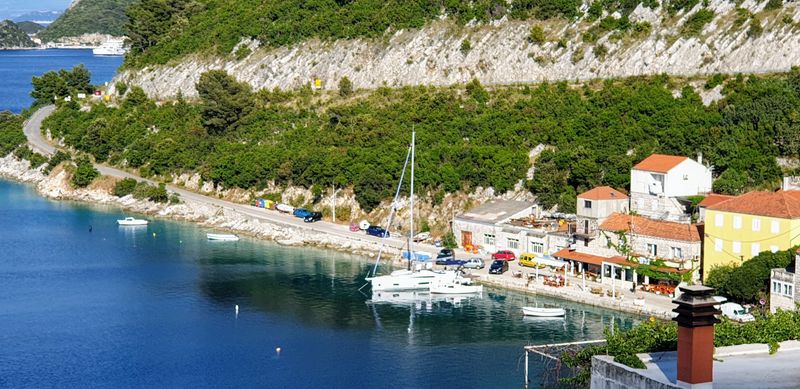
Most visitors to Mljet stay entirely on the western end near the national park, which means the eastern half of the island remains genuinely quiet even during the busiest summer weeks. The main ferry port of Sobra sits on the eastern side, but beyond the port, the roads thin out and the villages become noticeably smaller and less visited.
The eastern coastline has a rougher, more exposed character than the sheltered lake district to the west. Limestone cliffs drop toward the sea in places, and the views across to the Peljesac peninsula and the surrounding islands are wide and unobstructed on clear days.
Driving or cycling through the eastern villages gives you a better sense of everyday life on Mljet, away from the tourist infrastructure of the park. Small stone houses, local gardens, and quiet harbors appear along the route.
It is a side of the island that rewards the curious traveler willing to venture beyond the obvious highlights.
12. Best Time to Visit Mljet
June and early September are widely considered the best months to visit Mljet. The weather is warm and reliable during both periods, the water temperature is comfortable for swimming, and the island is noticeably less crowded than during the peak of July and August.
Early June has a particular appeal because the forest is at its greenest, the wildflowers are still blooming along the trails, and you can often walk the lake paths with very few other people around. Restaurant tables are easier to get, and the overall experience feels more relaxed and personal.
Winter visits are possible and surprisingly rewarding for hikers who enjoy solitude. The pine forest stays green year-round, the trails are well-labeled, and the island takes on a completely different character without summer visitors.
Ferry schedules reduce significantly outside the summer season, so planning transport carefully in advance makes the difference between a smooth trip and a stressful one.
Share this story