A museum in Ohio keeps more than 80 cases of glass, and each case comes with a story. The glass was made in a factory that once defined a whole town.
A short movie explains how the pieces came to life. Then a guide walks you through the displays, mostly in the order they were made.
I love when a small stop turns into a full afternoon. Some visitors planned a quick look and stayed about two hours.
So what makes a room of old glassware so hard to leave?
A Small-Town Museum With Big Sparkle
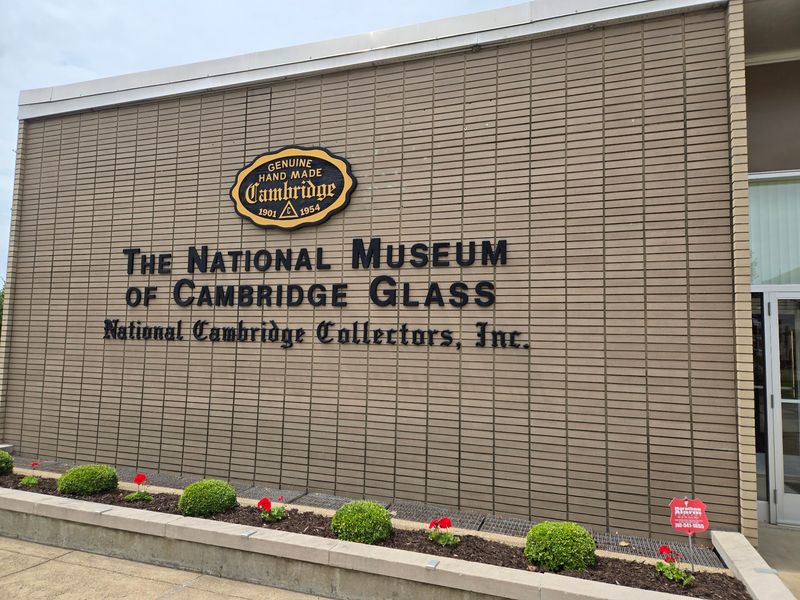
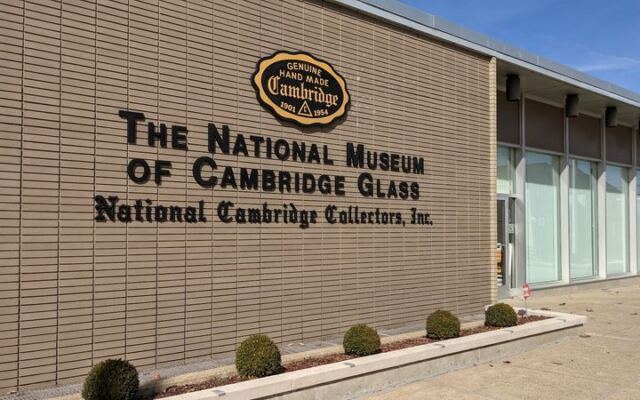
Start with the basics. The National Museum of Cambridge Glass is an art museum devoted to the glassware once made in Cambridge, Ohio.
Everything inside traces back to one local factory. That tight focus is the museum’s superpower.
It sits in the heart of Guernsey County, an easy drive for anyone in eastern or central Ohio. Salt Fork State Park and Columbus are both close enough to make it a handy stop.
Some travelers have dropped in on a whim between those two places.
Do not expect a giant campus. Expect a well-kept space where the collection is the star and the staff are happy to explain it.
That mix has earned a loyal following. Visitors often call it a surprise, and the surprise is usually a good one.
For an Ohio day trip, it checks a nice box. You get art, local history, and a bit of science in one stop.
The Factory Story Behind Every Piece
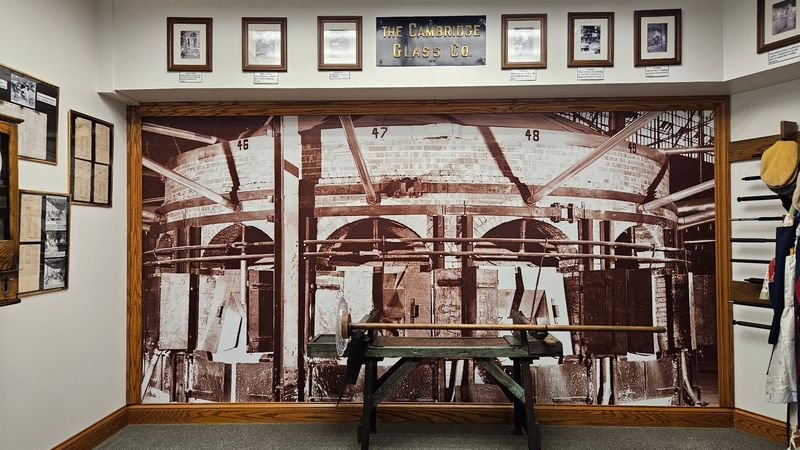
Cambridge was a glass town, and the glassware carried its name far beyond Ohio. The museum exists to preserve that legacy.
Guides share the history of the factory and the artisans who shaped each piece. Their stories give the glass a human face.
One visitor learned that this glass was made right here in Ohio decades ago. That kind of discovery is the Ohio payoff at its best.
The pieces are not just pretty. They show how fashion and style shifted over the years.
Displays tell the tale of Cambridge glass as it changed. Collectors especially enjoy seeing how the story unfolds.
Even people who knew nothing about Cambridge glass leave with the whole history in their heads. That is a strong result for a small museum.
Roll Film First, Then Watch The Glass Make Sense
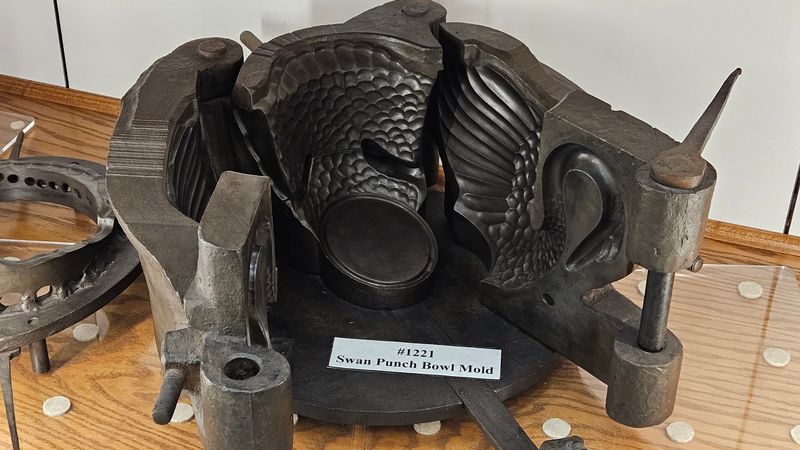
Before the tour begins, a short movie covers the glass-making process. It sets the stage for everything you will see next.
Plenty of visitors mention it as a favorite part. It turns a case of colorful glass into something you can actually understand.
The process is a big reason people come. Glass starts as heat and raw material, then becomes a finished tableware piece.
A guide often leads the film and answers questions afterward. That keeps the visit relaxed and personal.
The film also gives context for the factory story. Once you know the steps, the displays feel more alive.
So think of it as your warm-up. By the time you reach the first case, you already know what to look for.
More Than 80 Cases Of Color And Pattern
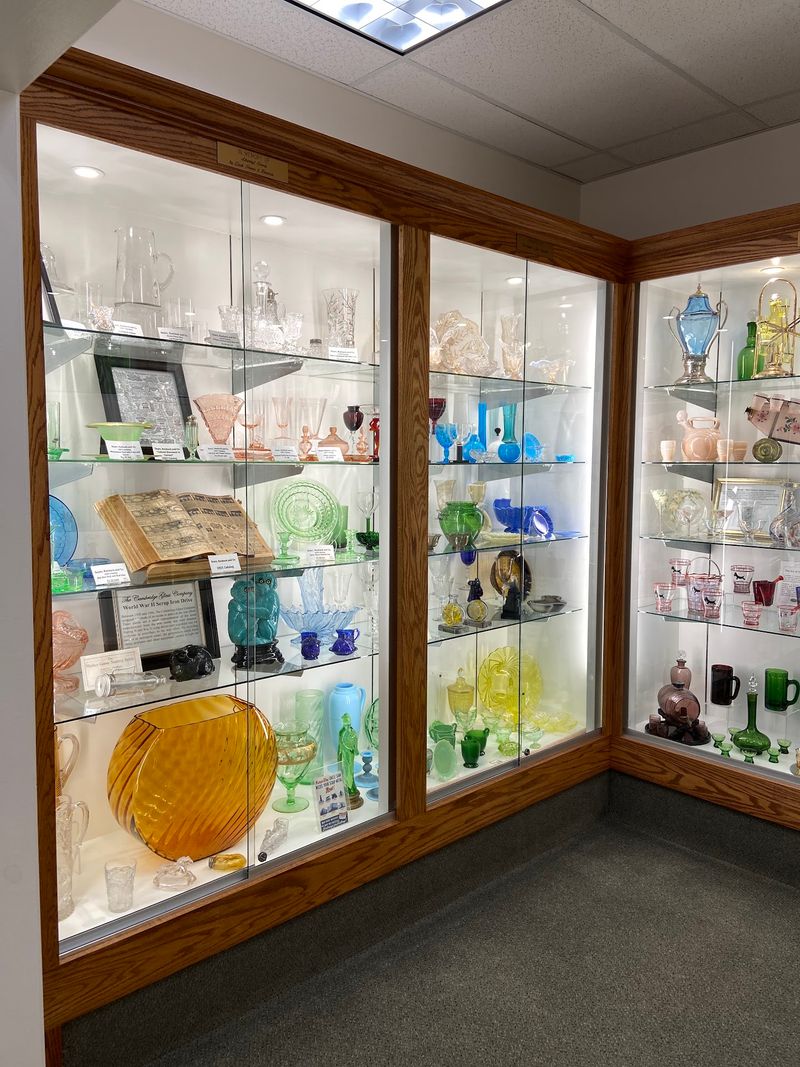
Count them if you like. The museum holds over 80 cases of glass, each with notes on when the pieces were made.
The displays run mostly in chronological order. That makes the changes in color and pattern easy to follow.
Colors range widely, and visitors rave about the variety. Some guests who love uranium glass say the guides pointed it out on request.
That kind of flexibility is a treat. Tell your guide what you like, and the tour can lean that way.
The cases are well maintained and nicely laid out. Visitors describe the displays as visually exciting.
It is a lot of glass in a modest space. Yet it never feels crowded, because each case has a clear story to tell.
Guides Who Clearly Love Their Glass
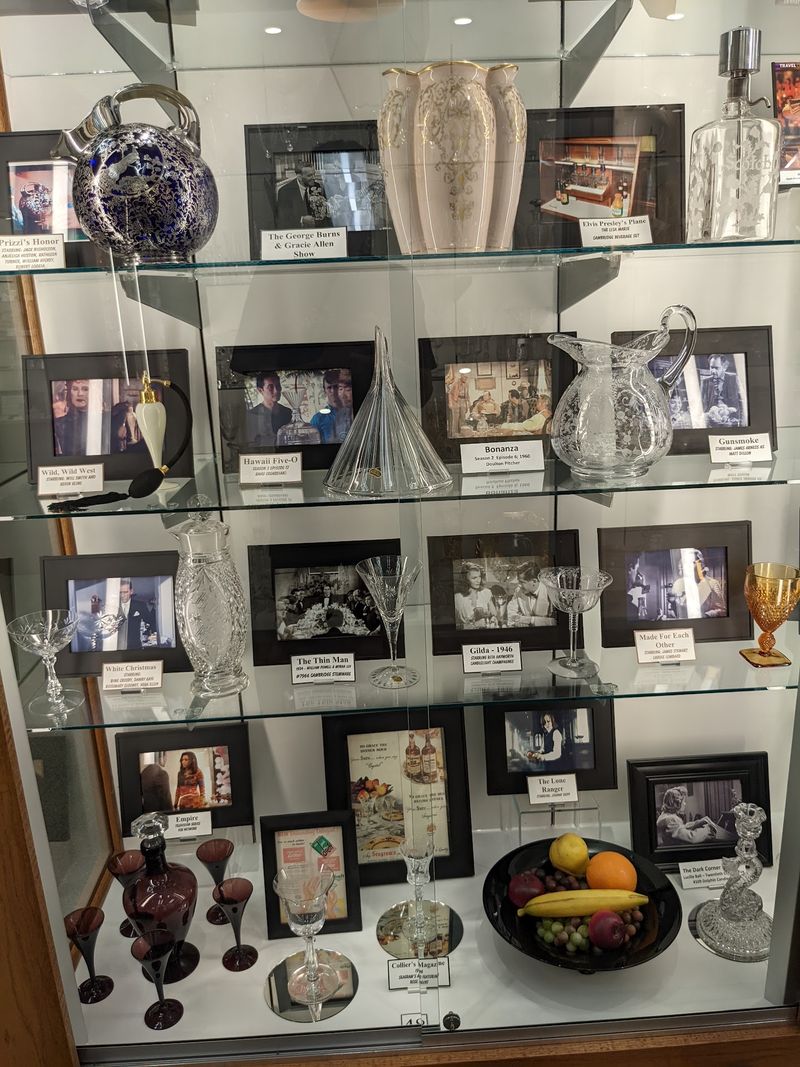
Ask around, and the same praise comes up again and again. The staff and volunteers know their stuff.
Many visitors expected a quick look and got a personal tour instead. Some stayed around two hours.
Guides explain how pieces were made and how to spot true Cambridge glass. They also share the people behind the work.
That is the difference between reading a label and hearing a story. It is also why one guest said they normally find tours boring but were not bored here.
The welcome starts at the door. Visitors say the greeting is warm and the knowledge is deep.
Bring questions. This is a place where curiosity gets rewarded with real answers.
Pencil Rubbings And Dress-Up For Younger Visitors
Kids get a hands-on moment here. One family says the children dressed up like Cambridge glass workers and loved it.
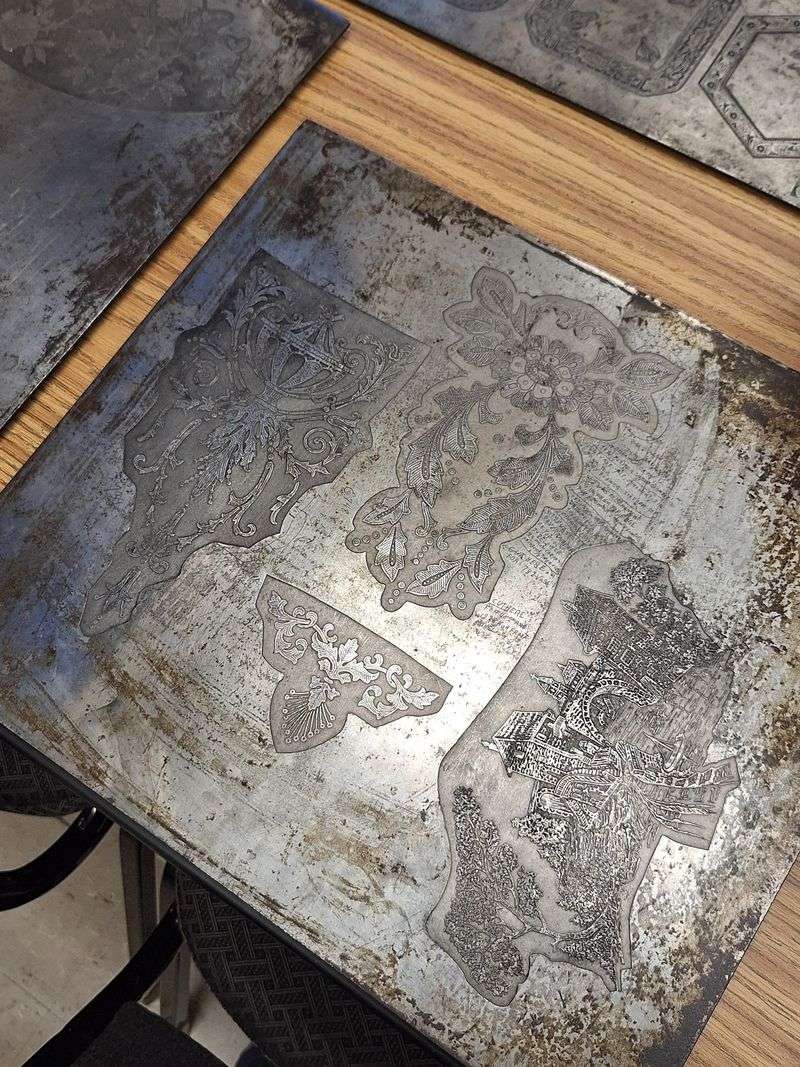
Near the end of the tour, a small room offers another activity. Visitors can make pencil rubbings of engraving plates once used for glassware.
Those plates were tools of the trade. Rubbing them shows how designs landed on finished pieces.
It is a simple idea, and it works. Paper, pencil, and a bit of history make a fun souvenir.
The mood stays friendly for all ages. Adults enjoy the history while kids enjoy the doing.
For a family day trip, that balance matters. It keeps everyone engaged without a huge price tag.
Two Gift Shops For Taking A Piece Home
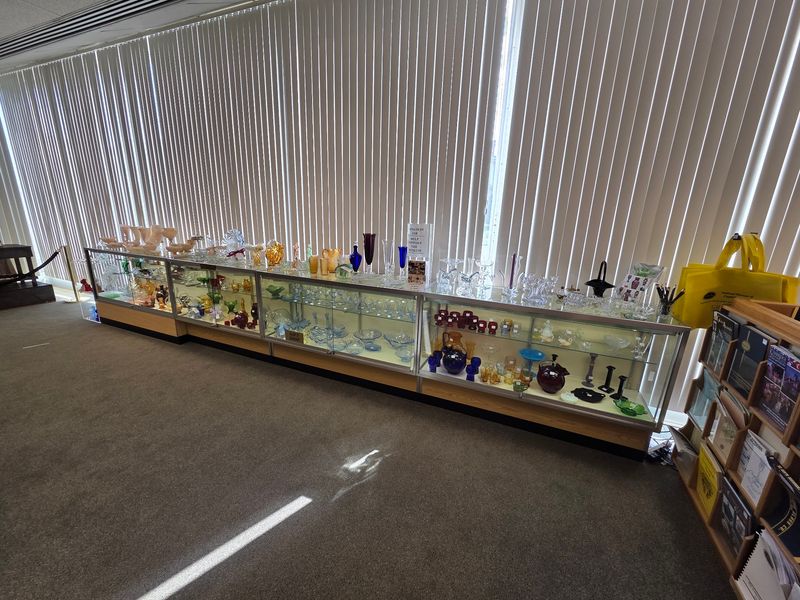
Souvenir hunters have options. Visitors mention two gift shops at the museum.
The selection changes, and it includes original Cambridge glass pieces. You will also find postcards and books on collecting art glass.
One collector added to a personal collection on a visit. Another bought an emerald artichoke plate.
Remember that this is vintage glass, so stock is limited. The pieces are no longer in production.
That scarcity makes browsing exciting. A find may not be there next time.
Even if you leave empty-handed, the books are handy. They help you spot Cambridge glass at antique shops later.
Hours, Admission, And Finding The Door
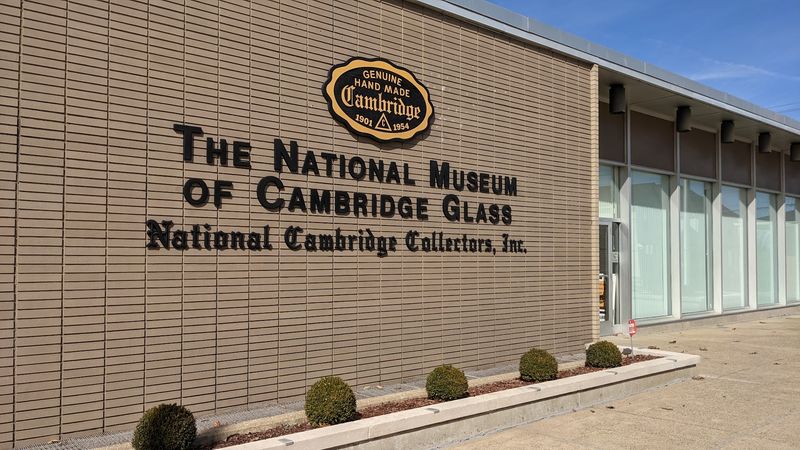
Plan ahead, because the schedule is short. The museum is open Friday and Saturday from noon to 4 pm and closed the other days.
You will find it at 136 S 9th St, Cambridge, OH 43725. It sits in downtown Cambridge, an easy stop off the main roads.
Admission has been modest. Visitors have reported a few dollars per person, with senior discounts mentioned, though amounts can change.
Give yourself at least an hour. Many guests spend longer, especially with a talkative guide.
Calling or checking the museum’s website before you go is smart. Hours can shift, and you want the doors open.
A pie stop down the street was one visitor’s follow-up. Cambridge is a pleasant place to wander afterward.
A Soft Verdict On This Glass-Filled Detour
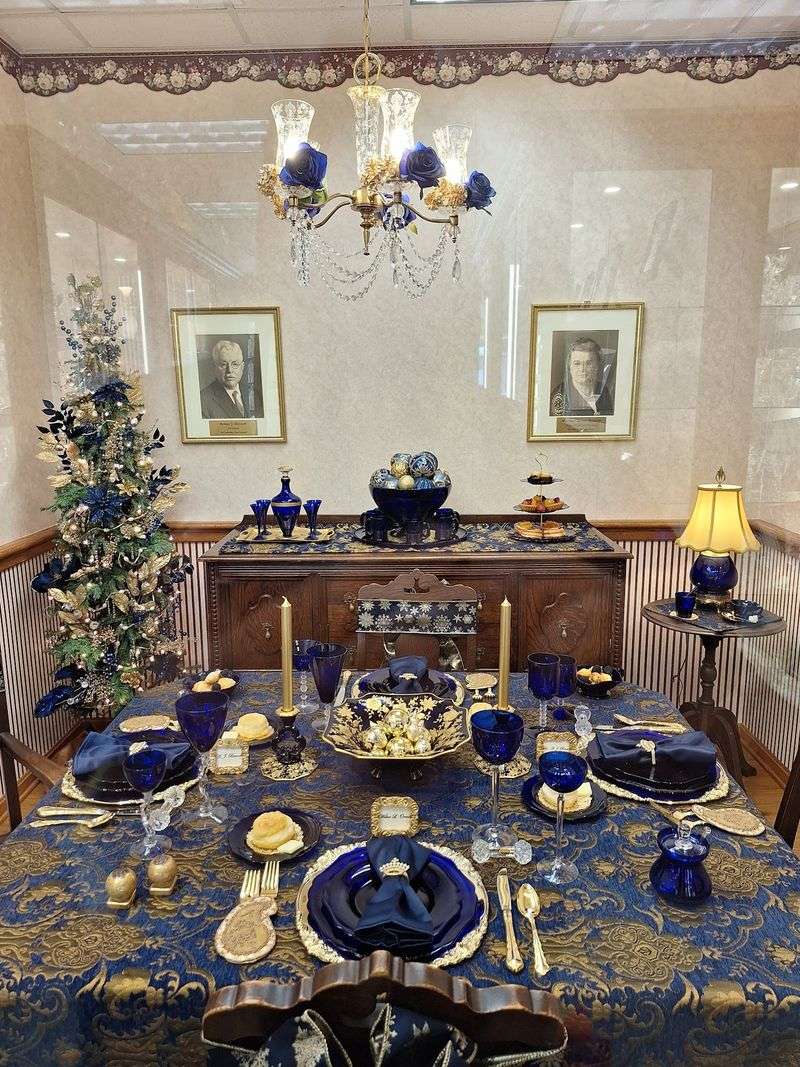
So, is it worth the drive? For anyone who likes history, art, or Ohio surprises, yes.
The National Museum of Cambridge Glass is small, but visitors praise its depth. One said it was among the best glass museums in the country.
Another visitor felt other glass museums were better. That is fair, and it helps to set expectations.
Go for the guided tour and the local story. Skip it if you want a giant, flashy attraction.
The glass shows what Cambridge once made, and the guides show why it still matters. That combo makes the visit memorable.
Pair it with Salt Fork State Park or a pie stop in town. Then you have a full Ohio day built around one unexpected find.
Share this story