The Manistee River High Bridge Site near Brethren offers a scenic stop along one of northern Michigan’s most celebrated rivers. Today, visitors come for river access, fishing, nearby trails, forest scenery, and the history of the enormous railroad bridge that once crossed the valley.
The original High Bridge is long gone, but its story remains one of the most interesting parts of the site. Built in 1889, the railroad trestle reportedly stretched roughly 1,200 feet across the valley and rose about 96 feet above the river before being dismantled in 1955.
What makes the area worth exploring today is the combination of history and outdoor recreation. Between the Manistee River, surrounding forest, fishing opportunities, and nearby trails, there is still plenty to experience even without the bridge that gave the site its name.
Where Exactly This Hidden Landmark Sits
Not every remarkable place comes with a big sign or a crowded parking lot, and the Manistee River High Bridge area is easy to overlook if you do not know its history. It sits near Brethren in Manistee County, surrounded by the forests and recreation areas of northern Michigan.
The name can be confusing for first-time visitors because you should not arrive expecting to find the towering historic railroad bridge still standing. Instead, the area preserves the story of the former High Bridge while providing access to the Manistee River and nearby outdoor recreation.
High Bridge River Access includes a boat launch and vault toilets, making it a useful starting point for anglers and paddlers. The North Country Trail also passes through the broader area, giving hikers another reason to explore beyond the riverbank.
Before visiting, it is worth downloading directions or an offline map. This is a relatively remote part of northern Michigan, and knowing exactly which access point you are looking for can prevent confusion once you leave the main roads.
The Story Behind the High Bridge
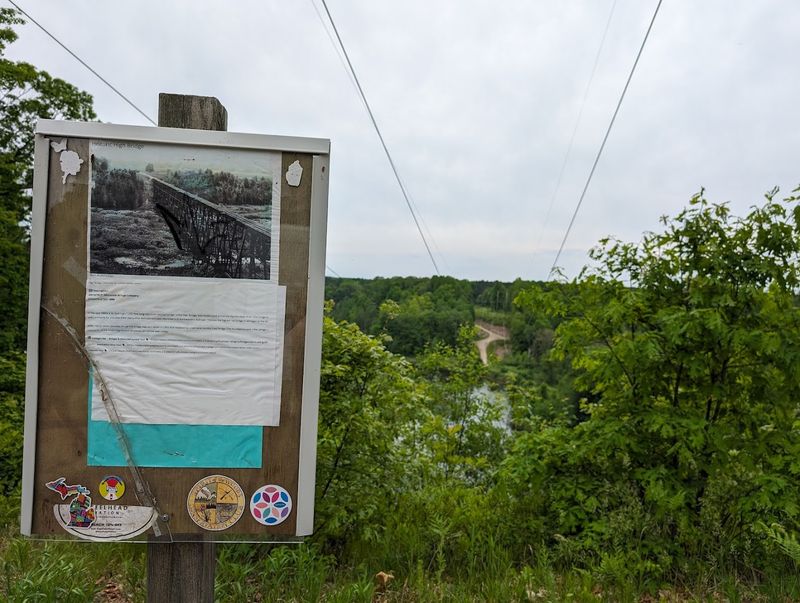
The name High Bridge is not just a clever label. This area takes its name from an enormous railroad bridge constructed across the Manistee River valley in 1889.
The original structure was approximately 1,200 feet long and stood about 96 feet above the river. According to local tourism records, it was considered Michigan’s highest railroad bridge when it was constructed.
The bridge served the railroad for decades before being dismantled in 1955. That means visitors today will not find the towering trestle shown in historic photographs, and there is no pedestrian suspension bridge spanning the river at the historic site.
Remnants of the old structure, including foundations and pilings, help mark what once stood here. A historical marker also tells the story of the bridge, giving visitors some perspective on just how enormous the vanished structure was.
Knowing that history changes the experience of visiting. Instead of coming to cross a hidden bridge, you are visiting a river corridor where one of Michigan’s most impressive railroad structures once towered over the landscape.
What the View Actually Looks Like From Up Top
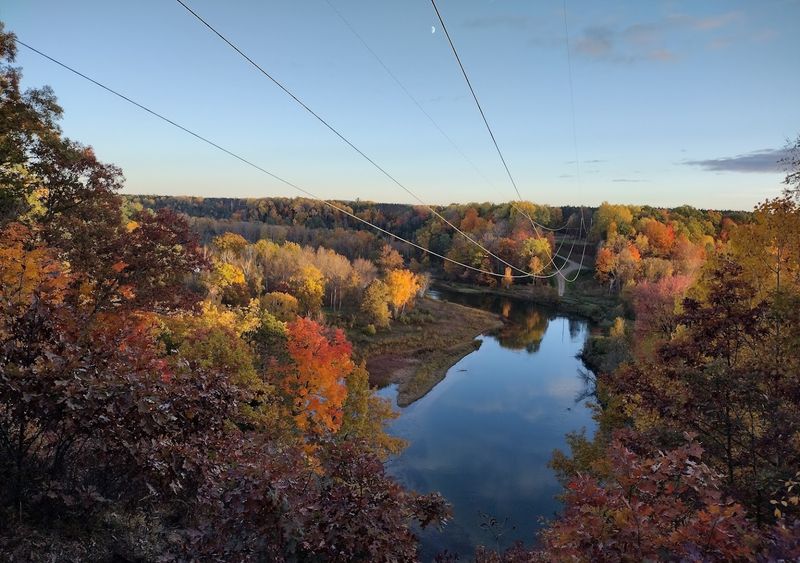
The biggest misconception about the High Bridge Site is that visitors can still walk onto a towering bridge and look straight down at the Manistee River. The historic railroad bridge was dismantled decades ago, so there is no elevated pedestrian crossing at the site today.
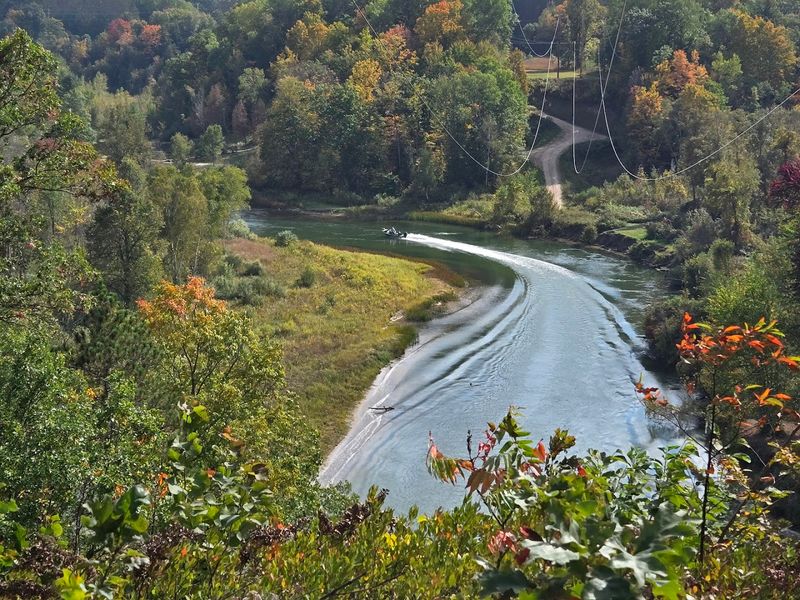
What remains is a beautiful stretch of the Manistee River surrounded by thick northern Michigan forest. The combination of river access, wooded terrain, and relatively undeveloped surroundings gives the area the quiet character that draws people to this part of the state.
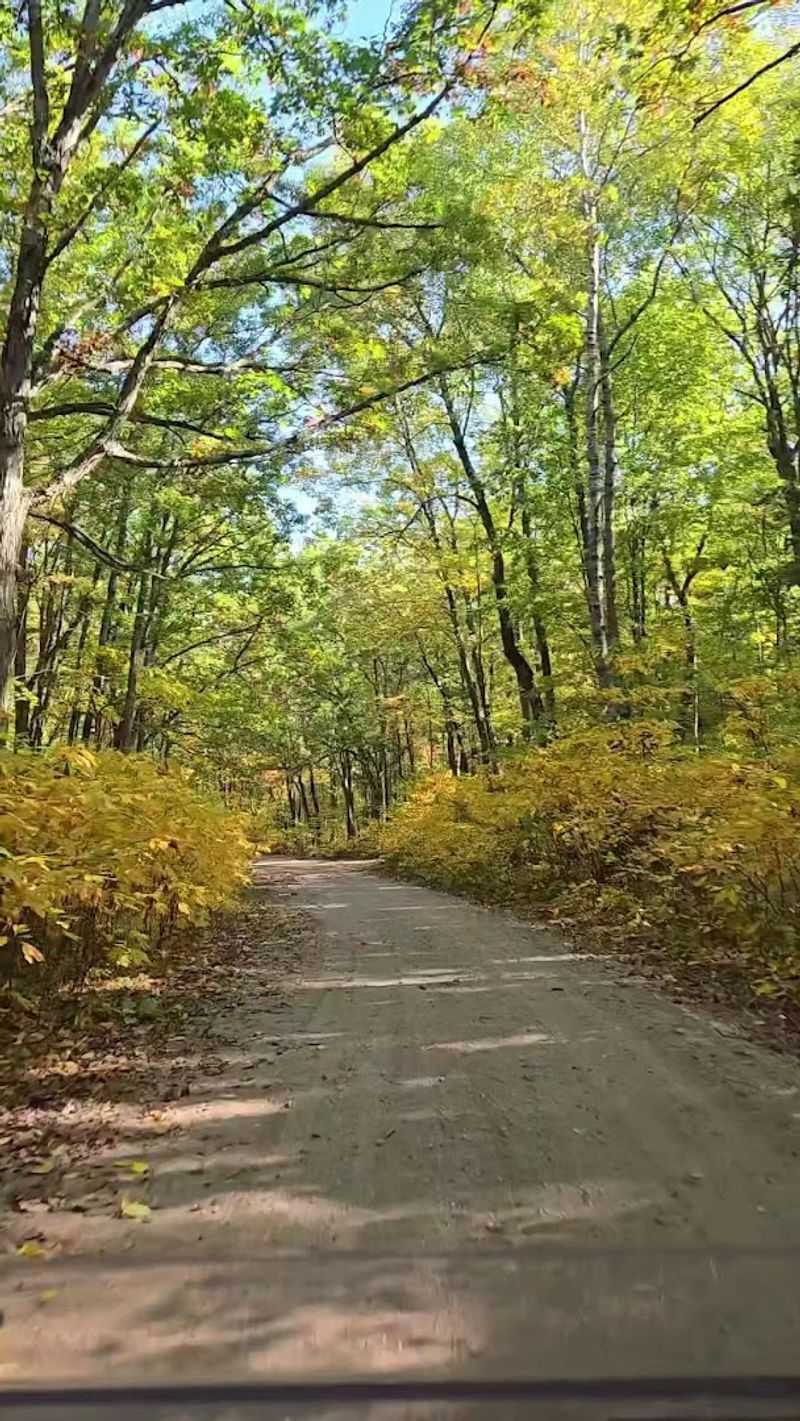
The scenery becomes especially appealing in fall, when hardwoods along the river corridor turn shades of yellow, orange, and red. Rather than expecting a dramatic view from the middle of a suspension bridge, visitors should think of this as a scenic river destination with an unusual piece of Michigan transportation history attached to it.
Bring a camera, but come with the right expectations. The attraction today is the river, forest, recreation, and history – not a surviving high bridge.
Fall Colors That Make the Drive Worth Every Mile
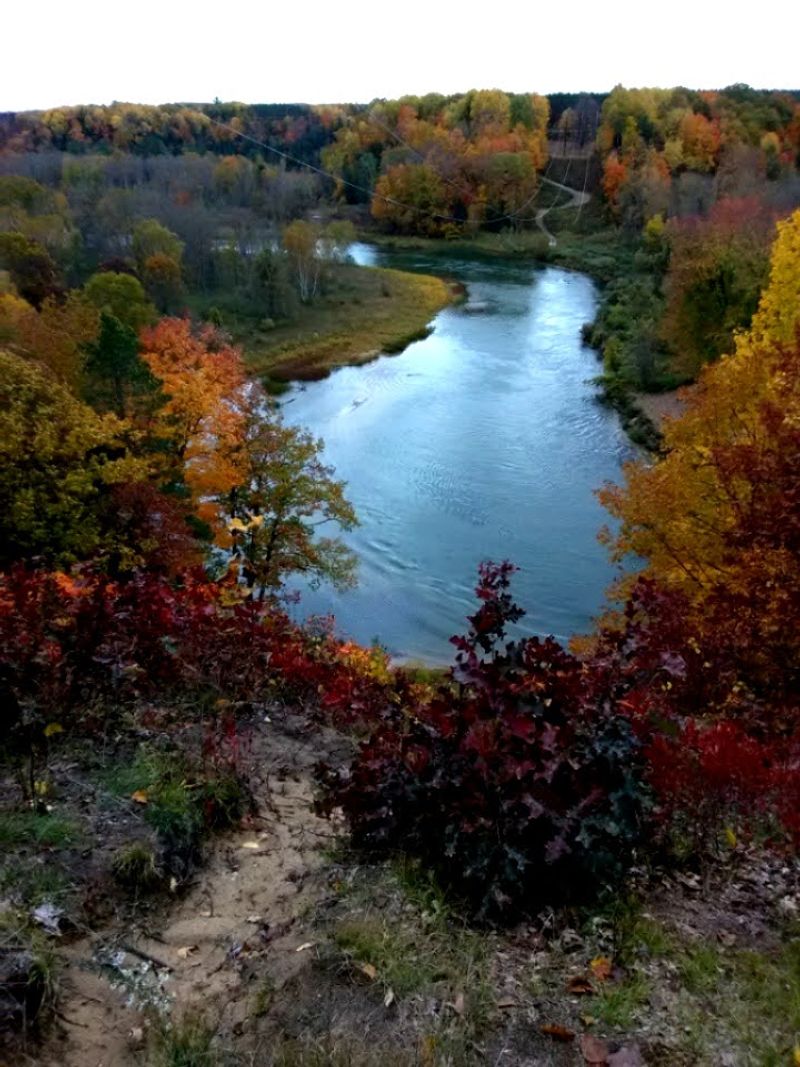
Northern Michigan’s fall colors can transform the Manistee River corridor, and the wooded landscape around High Bridge makes autumn an especially appealing time to explore the area.
Hardwoods throughout the region turn shades of yellow, orange, and red while evergreens add contrast along the river. The result is the kind of classic northern Michigan scenery that makes even the drive through the surrounding forest part of the experience.
Fall color timing varies considerably depending on temperatures and weather conditions, so checking a current foliage report before making a special trip is a better strategy than relying on a fixed peak date.
Visitors should also remember that autumn overlaps with popular fishing seasons on the Manistee River. Some river-access areas may be considerably busier with anglers than they are during an ordinary summer weekday.
Salmon Season and the King Run That Draws Anglers
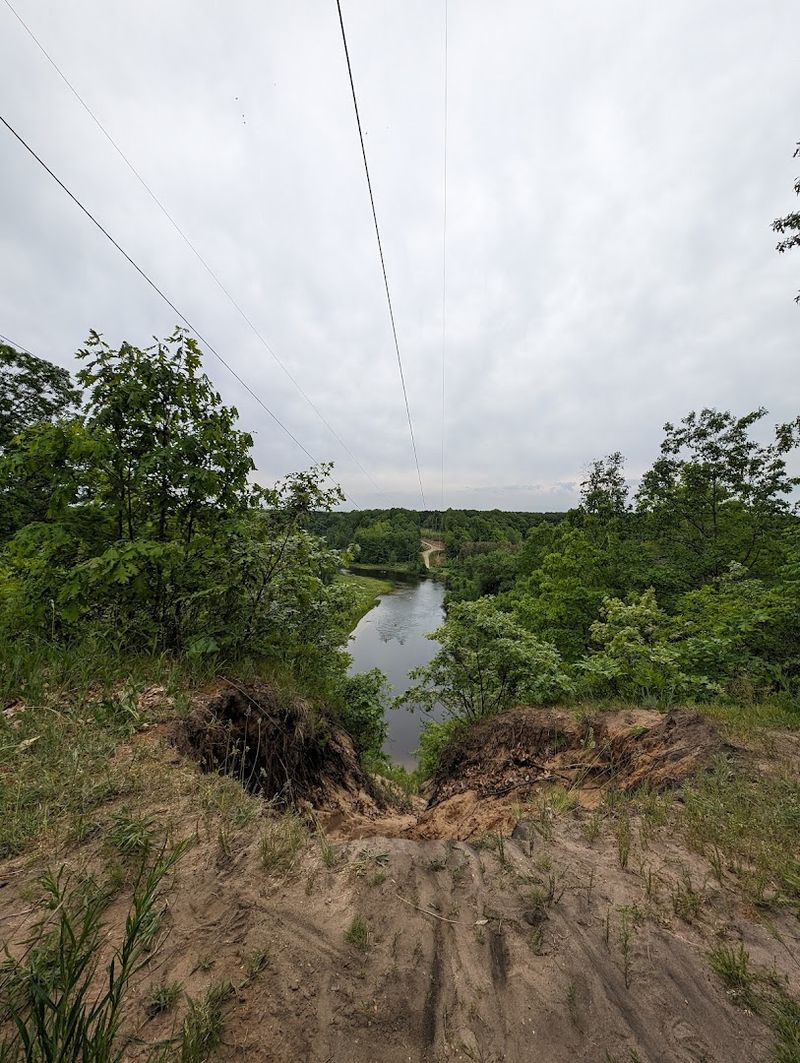
The Manistee River has a strong reputation among anglers, and fall brings particular attention as Chinook salmon move through the river system.
High Bridge is a recognized fishing access area, making it a useful destination for anglers hoping to reach this stretch of the river. Fishing activity can increase substantially during the seasonal run, so visitors looking for solitude should keep that in mind when planning a fall trip.
Steelhead provide additional fishing opportunities at other times of the year, helping make the Manistee a destination that anglers return to across multiple seasons.
Even if you are not fishing, visiting during salmon season offers a chance to see a different side of the river. Just do not expect to stand high above the water on the former railroad bridge watching fish below – the historic structure no longer exists.
Paddling and Boating on the Big Manistee Below
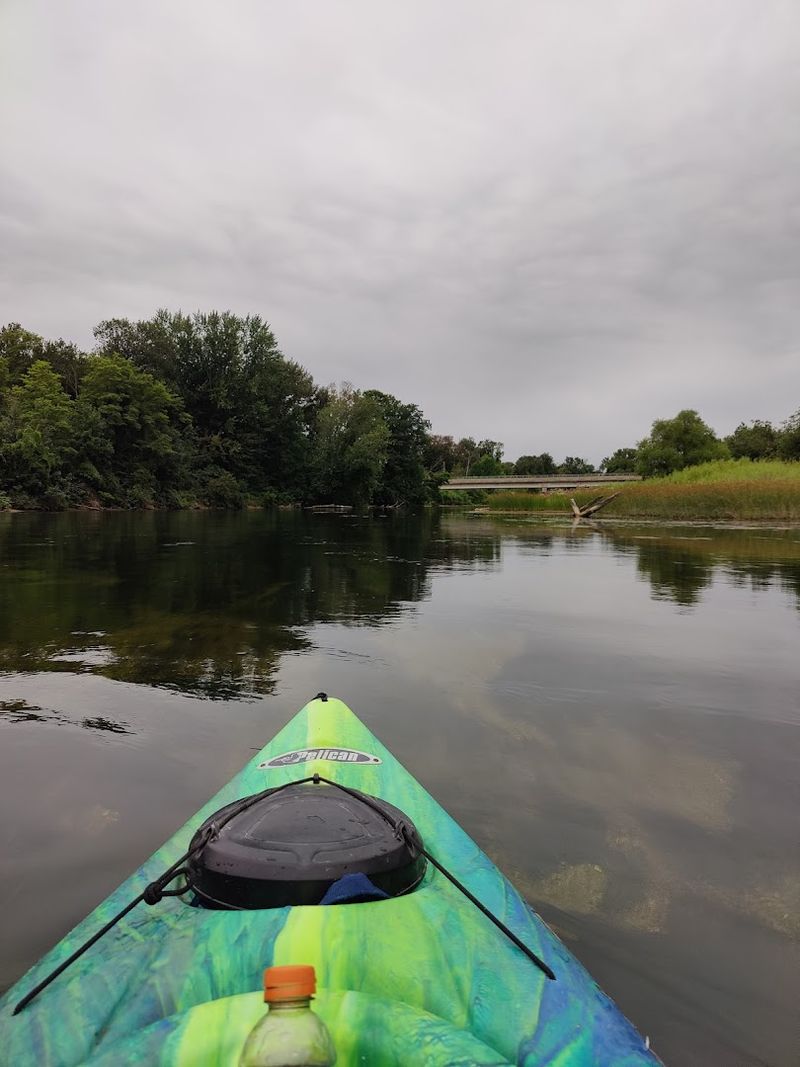
One feature visitors can still take advantage of is direct access to the Manistee River. High Bridge River Access includes a boat launch, making the area useful for paddlers, anglers, and other river users.
Traveling the river by canoe or kayak provides an entirely different perspective on the surrounding landscape. From water level, wooded banks and long stretches of undeveloped shoreline create the secluded atmosphere for which the Manistee is known.
Anyone planning a longer paddle should research put-in and take-out locations before arriving. River conditions, distances, and shuttle logistics can turn a casual outing into a much bigger trip than expected.
This is also one of the parts of the High Bridge experience that does not depend on the historic structure at all. The railroad bridge may be gone, but the river that once flowed beneath it remains the centerpiece of recreation here.
Trails Around the High Bridge Area
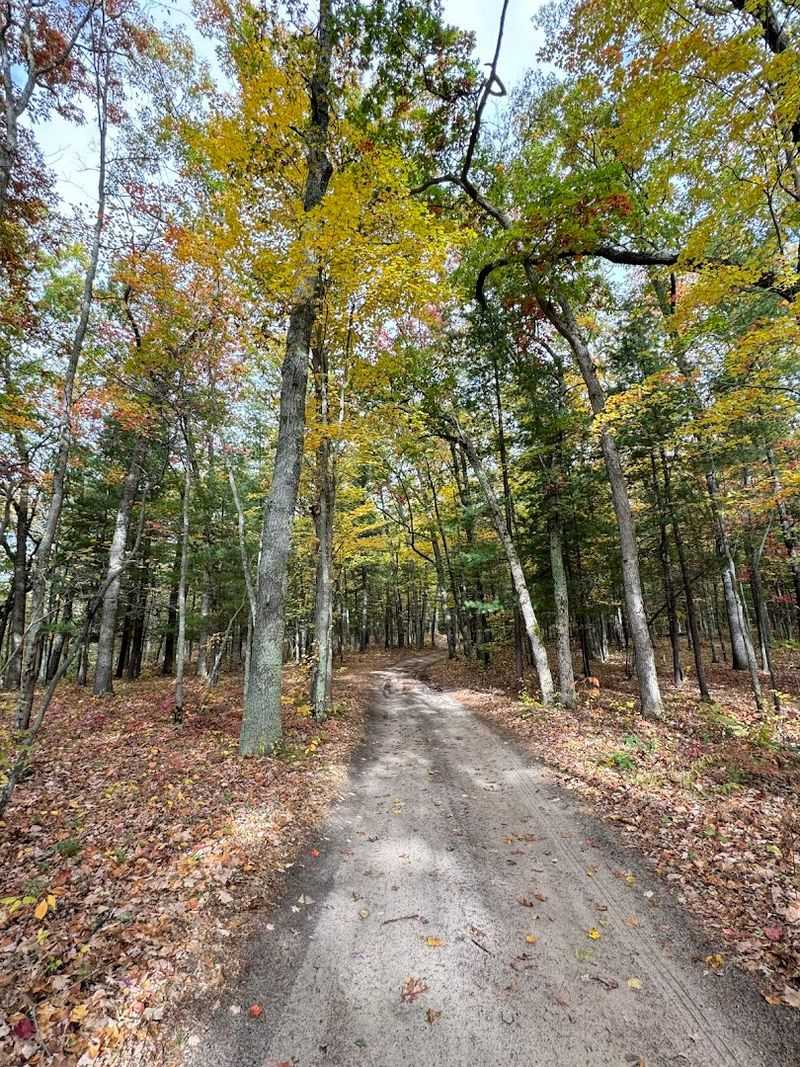
Hiking provides another way to explore the landscape around High Bridge. The North Country Trail passes through the broader area, connecting visitors with a much larger network of trails through northern Michigan.
The experience is less about following a short path onto a dramatic overlook and more about exploring the forest and river corridor on foot. That distinction matters because descriptions of a surviving bridge or dedicated pedestrian suspension crossing can give visitors the wrong impression of what they will find.
Conditions can vary with the weather and season, so sturdy footwear is a good idea when exploring unpaved trails. Wet leaves, mud, roots, and snow can all change the difficulty of an otherwise manageable walk.
For hikers interested in history, the former bridge site adds another dimension to the outing. Knowing that an enormous railroad trestle once crossed this landscape makes it easier to imagine how dramatically different the valley looked more than a century ago.
Snowmobile Season and Winter Access
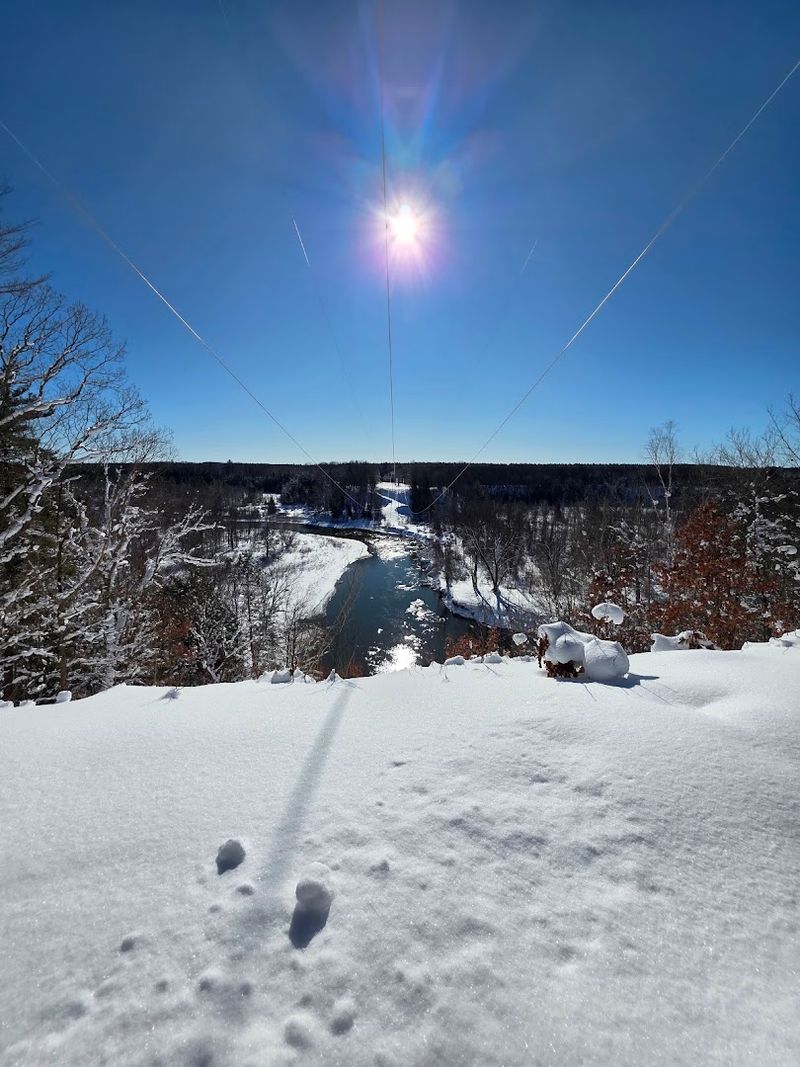
The High Bridge site does not close when the temperature drops, and winter brings its own crowd of enthusiasts who arrive on snowmobiles rather than hiking boots. The Manistee National Forest maintains an extensive network of groomed snowmobile trails, and the High Bridge area sits along routes that see regular traffic throughout the season.
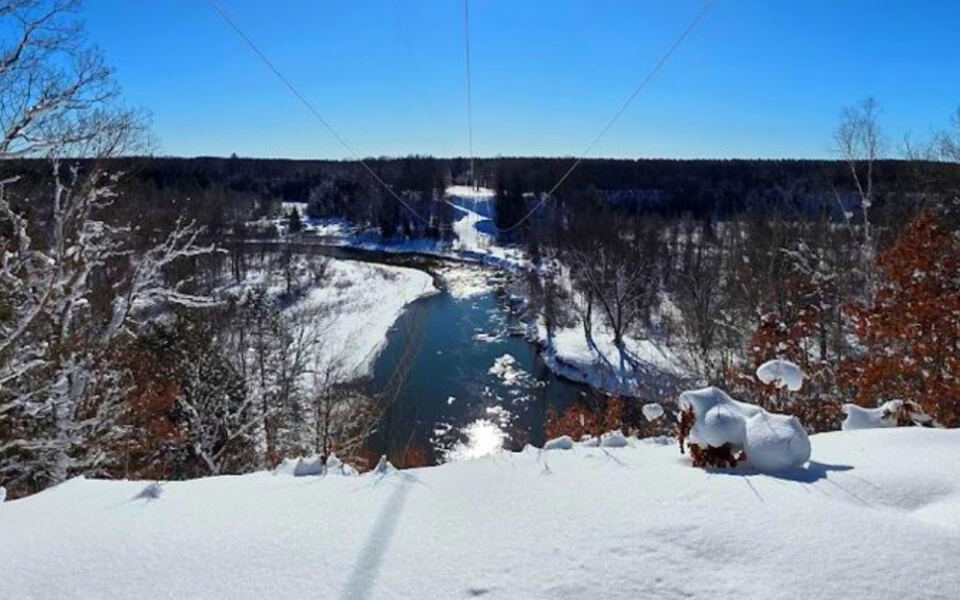
On a quiet winter weekday, the trails around the site can feel almost entirely private. The forest looks completely transformed under snow, and the river below, partially frozen along its edges, takes on a still and hushed quality that is very different from the busy energy of fall salmon season.
The site is open around the clock every day of the year, which means a late-afternoon snowmobile run to the overlook for a winter sunset view is entirely possible and genuinely rewarding. Cold weather photography here, with snow-covered trees framing the valley below, produces images that look nothing like the fall or summer versions of the same spot.
Wildlife You Might Spot Along the River Corridor
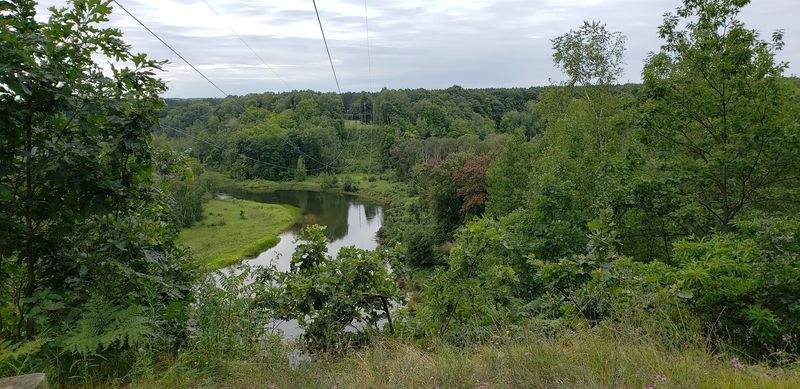
The forested valley around the High Bridge site supports a wide range of wildlife that makes every visit feel a little unpredictable in the best possible way. White-tailed deer are common along the river corridor, particularly in early morning and at dusk when they move down to the water to drink.
Bald eagles have been spotted riding thermals above the valley, and their presence above the river adds a genuinely wild quality to the overlook experience. The combination of mature forest, a clean river, and minimal human disturbance creates the kind of habitat that draws species that have largely disappeared from more developed parts of Michigan.
River otters, great blue herons, and various species of waterfowl use the Manistee River corridor regularly, and patient observers at the overlook or along the water’s edge are often rewarded with close-up encounters. Bringing binoculars is a genuinely useful move here, especially if wildlife watching is part of your reason for visiting.
Practical Tips for Planning Your Visit
The most important thing to know before visiting is that the historic High Bridge no longer stands. Do not plan the trip expecting a pedestrian suspension bridge or a towering railroad trestle that you can walk across.
Instead, treat High Bridge as a historic river area with fishing, boating, hiking, and access to the surrounding Manistee landscape. Knowing that beforehand makes the experience much less confusing when you arrive.
High Bridge River Access includes a boat launch and vault toilets. Because conditions and access can change seasonally, checking current information before a longer drive is always worthwhile.
Cell service can also be unreliable in remote parts of northern Michigan, so downloading directions before leaving is a sensible precaution. Anglers and paddlers should additionally check current river conditions and applicable fishing or boating regulations before heading onto the water.
Why This Historic Site Is Still Worth Finding
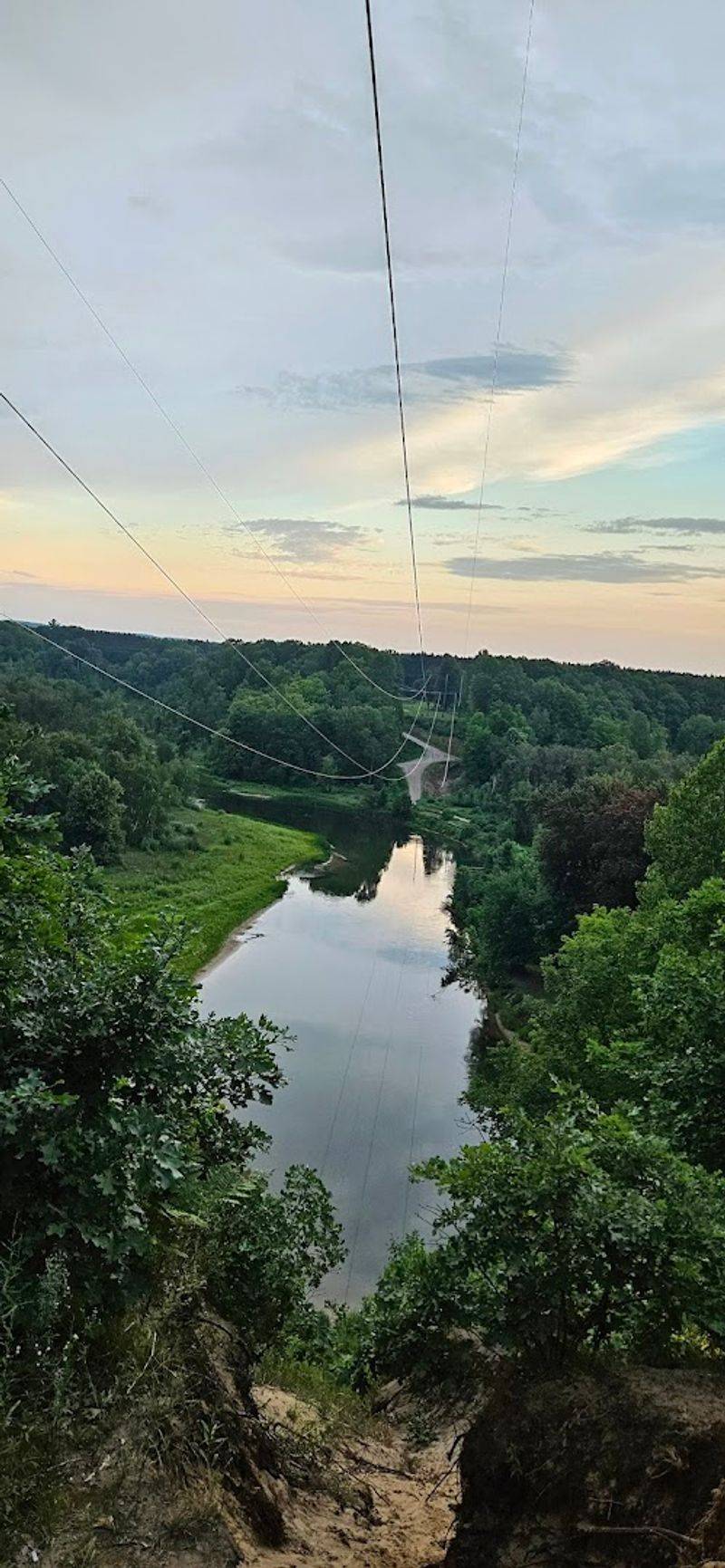
The most interesting thing about High Bridge may actually be what is no longer there. It takes some imagination to stand near the Manistee River today and picture a railroad trestle stretching roughly 1,200 feet across the valley and rising about 96 feet above the water.
The disappearance of the bridge does not mean there is nothing left to experience. Fishing, paddling, hiking, forest scenery, and the Manistee River itself continue to make the broader High Bridge area an appealing outdoor destination.
It is also a reminder of how dramatically northern Michigan has changed. Railroads and logging helped shape this landscape more than a century ago, while today many visitors come to the same area specifically for its forests, wildlife, trails, and water.
Come expecting a historic site rather than a hidden suspension bridge, and the trip makes much more sense. The bridge is gone, but the river, recreation, and story behind the High Bridge name remain.
Share this story