Most people think of China when they hear the name Pearl S. Buck, but her story actually begins in the rolling hills of West Virginia.
A modest two-story house tucked into the Appalachian Mountains holds the secret origin of one of America’s most celebrated writers, the first American woman to win both the Pulitzer Prize and the Nobel Prize in Literature. She spent only a few months here as a baby before her missionary parents carried her off to China, yet this small home shaped her in ways that echoed through every book she ever wrote.
What makes this place so magnetic is not just the literary history packed inside its hand-made brick walls, but the way it pulls you into a world that feels genuinely alive, not roped off or frozen behind glass. Stick around, because what you are about to discover about this birthplace museum might just change the way you think about American literature forever.
Where Pearl S. Buck’s Story Begins
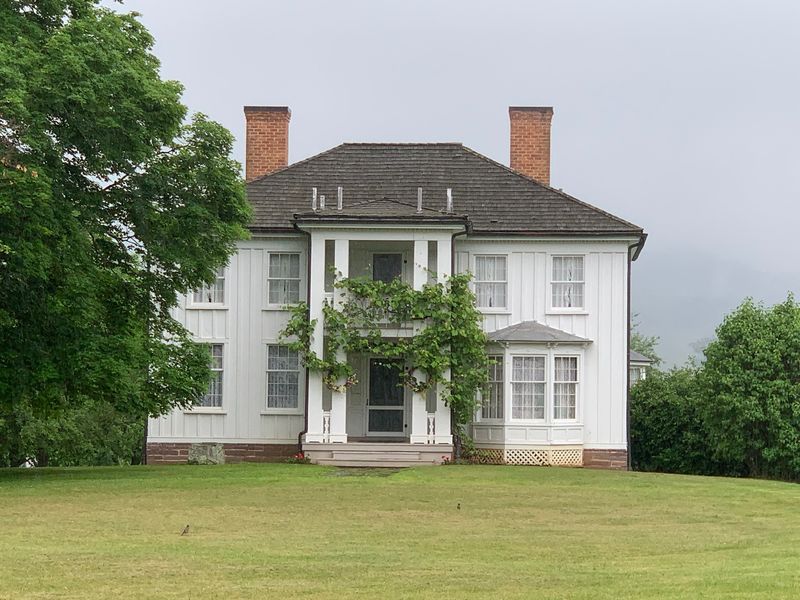
There is something quietly powerful about standing in front of a house that helped shape a Nobel Prize winner, even if she only lived there for a few months as an infant.
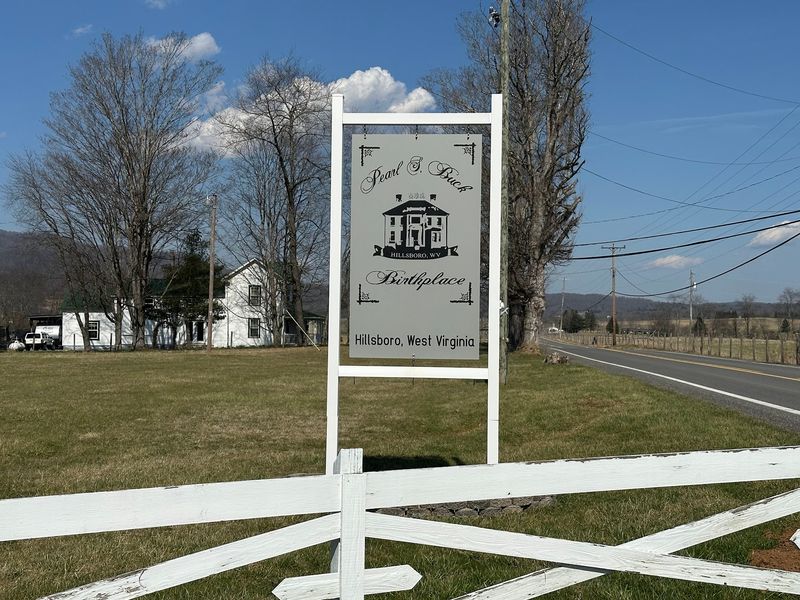
The Pearl S. Buck Birthplace Museum sits at 8129 Seneca Trail, Hillsboro, WV 24946, in the Little Levels area of Pocahontas County, right in the heart of the Appalachian Mountains.
The surrounding landscape is the kind that makes you slow down without even realizing it, with forested ridgelines, open meadows, and the kind of quiet that city life rarely offers.
Pearl Comfort Sydenstricker was born here on June 26, 1892, to Presbyterian missionary parents who were on furlough from China. The house itself was built by her maternal ancestors, the Stulting family, Dutch immigrants who constructed it largely by hand using materials sourced from the land itself.
That combination of immigrant grit and Appalachian resourcefulness is baked right into every wall.
The Stulting House and Its Remarkable Construction
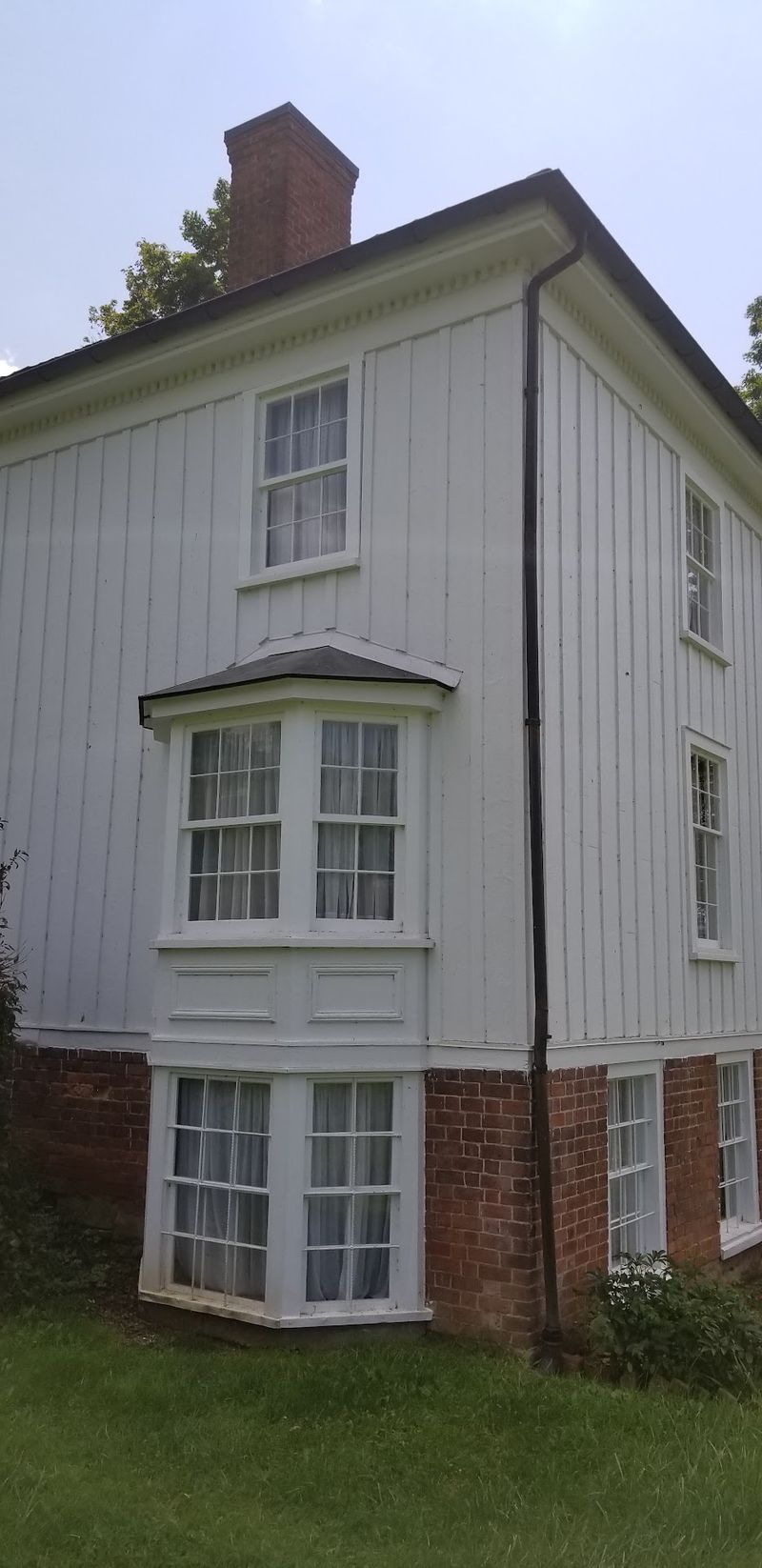
Built around the 1850s and finished by 1858, the Stulting House is not your average historic property. Cornelius Stulting, Pearl Buck’s great-grandfather, emigrated from Holland in 1847 with his family to escape religious persecution, and he set out to build a home that echoed the craftsmanship of the one he left behind.
The result is a 12-room, two-story structure featuring hand-made brick, hand-tooled woodwork, and a building technique called brick noggin. This method combines a timber frame construction with brick-lined walls covered by clapboard siding, a design specifically chosen to protect the home against strong winds and fire.
Every material used in the construction came from the surrounding property, which gives the house an almost organic connection to the Appalachian land it sits on. The house was listed on the National Register of Historic Places on June 15, 1970, and opened as a museum in 1974.
Walking through it feels less like a museum visit and more like a conversation with history.
A Nobel Prize Winner Born Far From the Spotlight
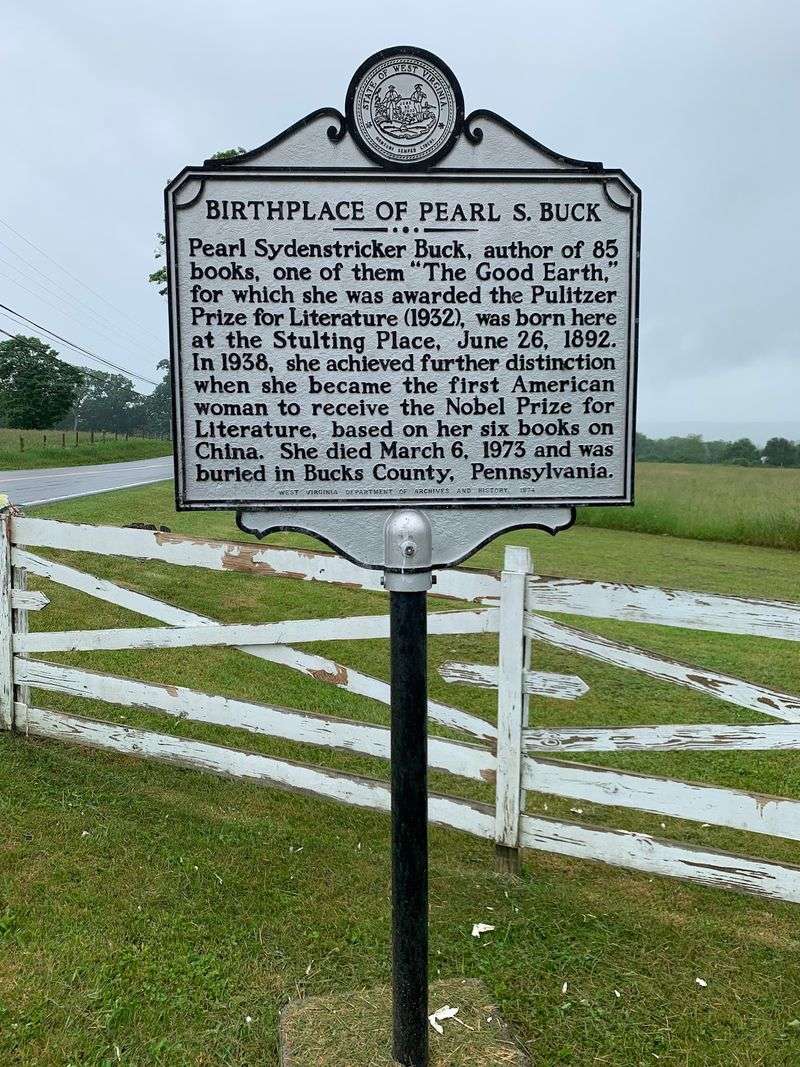
Pearl S. Buck became the first American woman to win both the Pulitzer Prize, awarded in 1932 for her novel The Good Earth, and the Nobel Prize in Literature, which she received in 1938.
That double achievement has never been replicated by another American woman, which makes her birthplace all the more worth visiting.
What surprises many visitors is how little of her early life was actually spent in America. Her parents returned to China when she was just three to five months old, and she grew up speaking Chinese, playing with local children, and absorbing a culture that would define her writing career.
Despite spending most of her childhood and young adult life abroad, Buck maintained a deep emotional connection to West Virginia. She revisited the birthplace during her youth, including a summer in 1901 and again in August 1902, and she explicitly wanted the home preserved as what she called a gateway to new thoughts and dreams and ways of life.
Touring a Home Where You Can Actually Touch Things
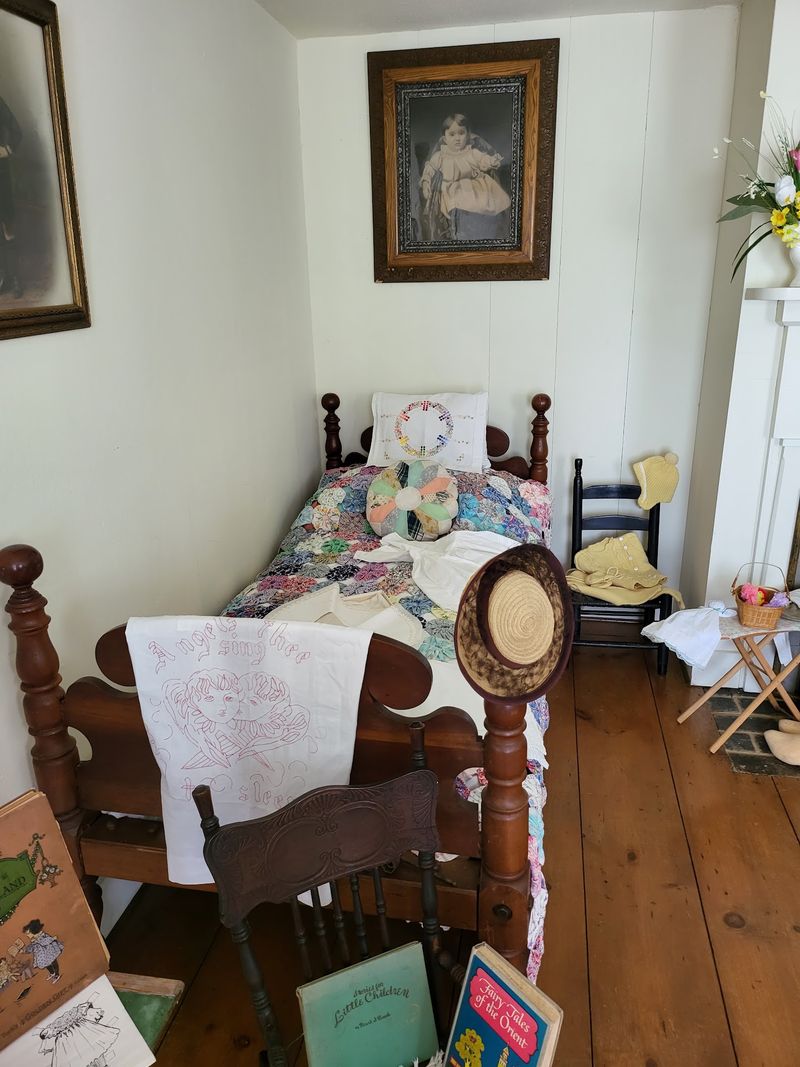
Most historic house museums greet you with velvet ropes and stern reminders not to touch anything. This place takes a refreshingly different approach.
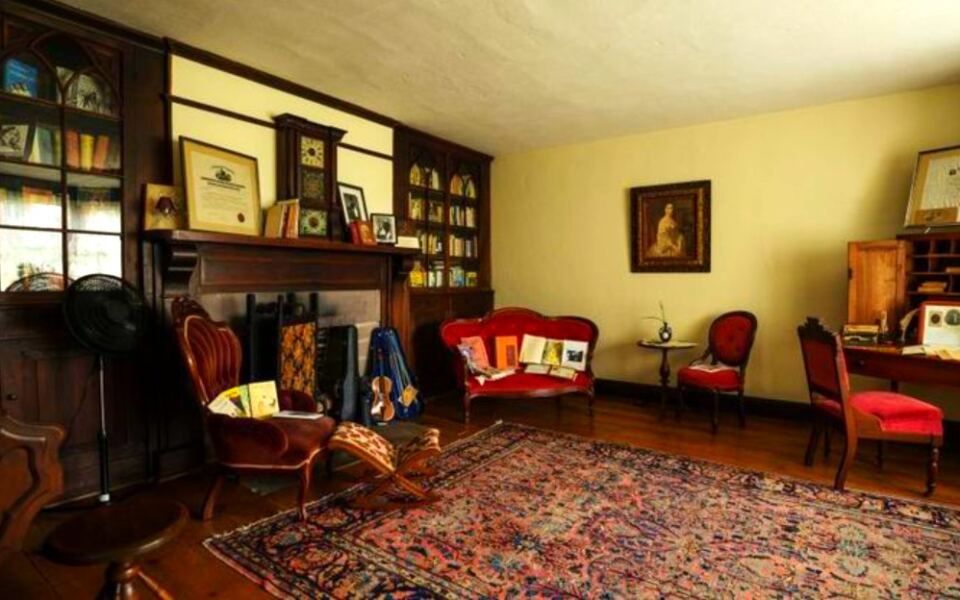
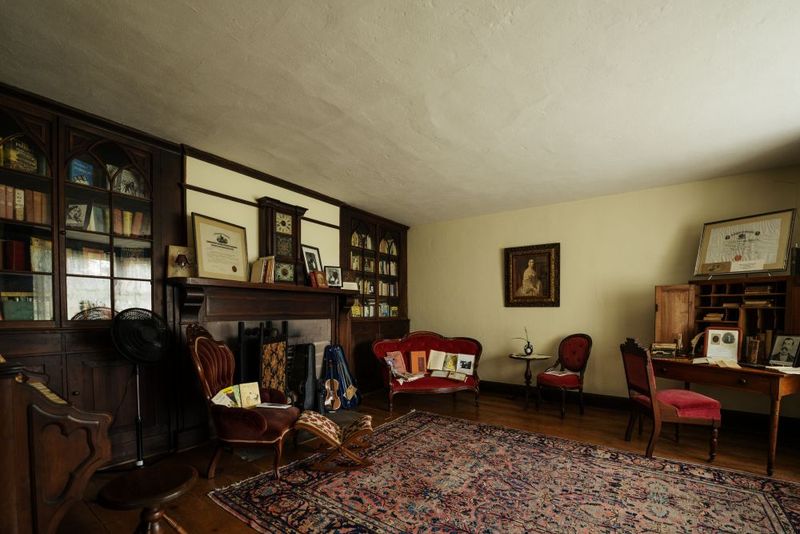
Guided tours at the Pearl S. Buck Birthplace Museum last approximately 45 minutes and take visitors through rooms filled with original furniture, family memorabilia, West Virginia crafts, and official Pearl S.
Buck stamps. The rooms are open and accessible, meaning you walk through them rather than peering in from a doorway, and some artifacts can actually be touched.
That hands-on philosophy creates a genuinely immersive experience, one that feels more like visiting a living home than inspecting a display case. The guides are deeply knowledgeable, having absorbed not just the facts of Buck’s life but the emotional texture of her story.
Tours run on Fridays and Saturdays from 10:30 a.m. to 5:00 p.m., with the first tour beginning at 11:15 a.m. Group and bus tours can be arranged by calling ahead at 304-653-4430.
What you discover inside might surprise you more than you expect.
The Exhibit That Traces Buck’s Journey Back Home
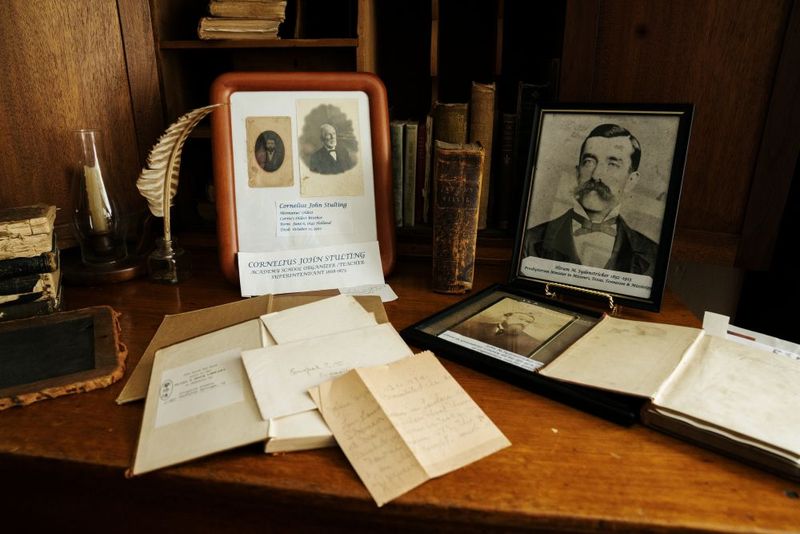
A newer exhibit called My Mother’s House – A Dream Shared adds a deeply personal layer to the museum experience. Through photographs, personal artifacts, and carefully curated displays, this exhibit traces Pearl Buck’s emotional journey back to her West Virginia roots and the dedicated work that went into restoring the birthplace.
The title itself carries weight. Buck’s mother, Caroline, often found comfort in the memory of the West Virginia hills when life in China became difficult, reportedly saying, I lift my eyes unto the hills, when she felt sad or overwhelmed.
That maternal longing for home runs like a quiet current through the entire museum.
The exhibit also highlights the restoration efforts led by Marie Leist, with meaningful support from Buck herself and the West Virginia Federation of Women’s Clubs. Seeing the before-and-after story of how this house was saved from neglect gives the museum visit an extra dimension that goes well beyond literary biography.
The farm complex surrounding the house holds even more to explore.
13 Acres of Appalachian Farmland and Historic Outbuildings
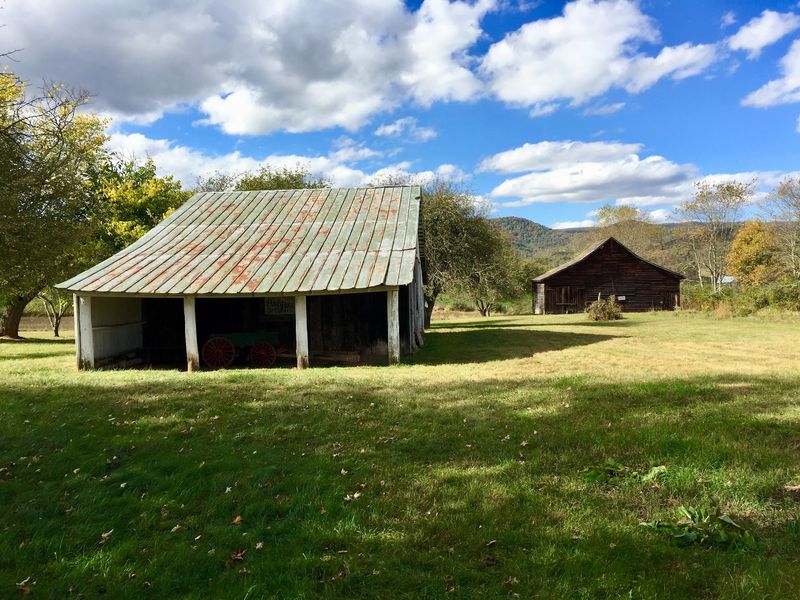
Beyond the main house, the museum property has grown into a full farm complex covering 13.5 acres of scenic Appalachian land, bordered by the Monongahela National Forest. The setting alone is worth the drive.
The restored Stulting Barn is one of the standout features of the property. Returned to its 1892 state in 1977, the barn houses over 100 historic farm and woodworking tools that paint a vivid picture of 19th-century rural life in the region.
There is something satisfying about seeing the tools that real people used to survive and build in these mountains.
Another significant addition to the site is the Sydenstricker House, the log cabin home of Pearl Buck’s paternal family, originally built in 1834. It was dismantled and moved 40 miles from Greenbrier County to the birthplace site in 1982 and now serves as a cultural center and Sydenstricker Museum, hosting quilting workshops and displaying period items.
The farm complex keeps revealing new layers the longer you explore it.
The Memorial Garden and a Tree From China
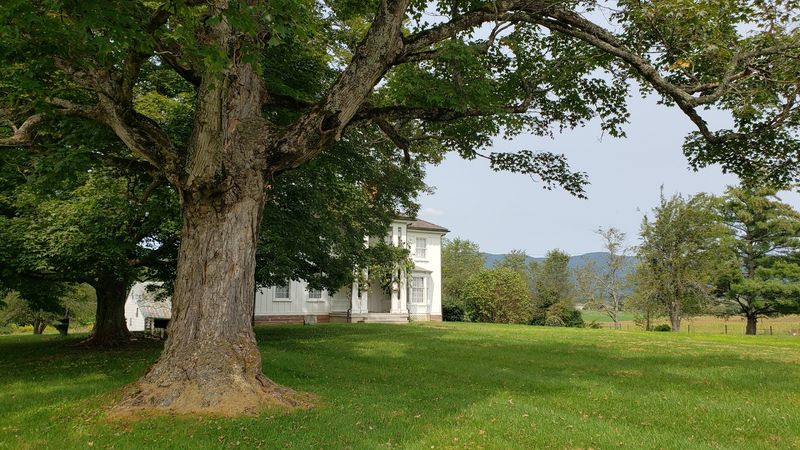
One of the most quietly poetic features of the property is the Memorial Garden being developed to honor Pearl S. Buck.
Initiated by the Greenbrier District of the West Virginia Garden Clubs, the garden includes a restored fruit orchard planted with old-fashioned trees, grapevines, and flowers in the same spots where the Stulting family originally cultivated them.
The most striking element of the garden is a Chinese mulberry tree that once stood in front of the house. Buck’s missionary parents reportedly brought it as a seedling from China, making it a living symbol of the two worlds that defined her life and writing.
There is something almost poetic about a tree carried from China taking root in the West Virginia hills, quietly growing alongside a house built by Dutch immigrants in Appalachian soil. The garden project gives the property a living, breathing quality that keeps it from feeling like a static monument.
It is the kind of detail that stays with you long after the tour ends.
Pearl Buck’s Manuscript Legacy and Literary Output
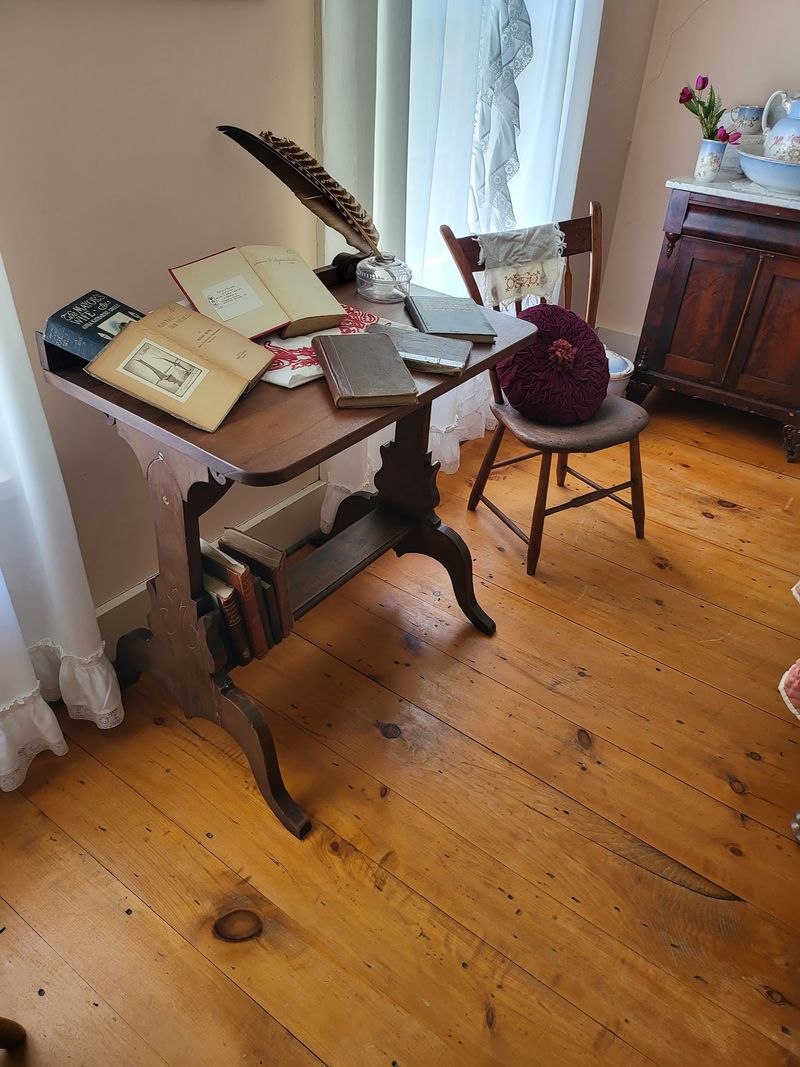
Few writers match Pearl S. Buck’s sheer volume of work.
Over the course of her career, she published more than 100 books, short stories, and articles, many of which were translated into 69 languages. That kind of reach is remarkable for any writer, let alone one born in a rural Appalachian farmhouse.
In 1970, Buck entrusted her valuable manuscript collection to the Birthplace Foundation. Those manuscripts were initially housed at West Virginia Wesleyan College before being moved in 2014 to the West Virginia and Regional History Center at West Virginia University, where they are preserved for researchers and admirers alike.
Her writing introduced Western readers to the lives of ordinary Chinese people at a time when that world was almost entirely unknown to American audiences. Beyond literature, Buck was a passionate advocate for civil rights, women’s rights, and social justice, causes she pursued through both her writing and her public actions.
The museum captures this fuller portrait of who she really was, not just as a novelist but as a force for change.
Admission, Hours, and What to Know Before You Go
Planning a visit to the Pearl S. Buck Birthplace Museum requires a little advance thought, mostly because the museum operates seasonally.
It is open from Memorial Day Weekend through October 15, or the last weekend of October, on Fridays and Saturdays only, from 10:30 a.m. to 5:00 p.m.
Admission is reasonably priced at $12 for adults and $5 for students in grades one through twelve, with children six and under admitted free. Seniors have also been listed at a $5 rate in some sources.
Group and bus tours can be arranged by calling ahead, and the parking lot includes a bus turn-around and drop-off area. The museum also features a handicapped accessible portico, making it welcoming to a wide range of visitors.
One practical tip worth keeping in mind: check the museum’s website at pearlsbuckbirthplace.com or call 304-653-4430 before making the trip, since tour availability can shift. The gift shop offers books, stamps, and other Pearl S.
Buck items that make for genuinely thoughtful souvenirs.
Hillsboro and the Broader Cultural Trail
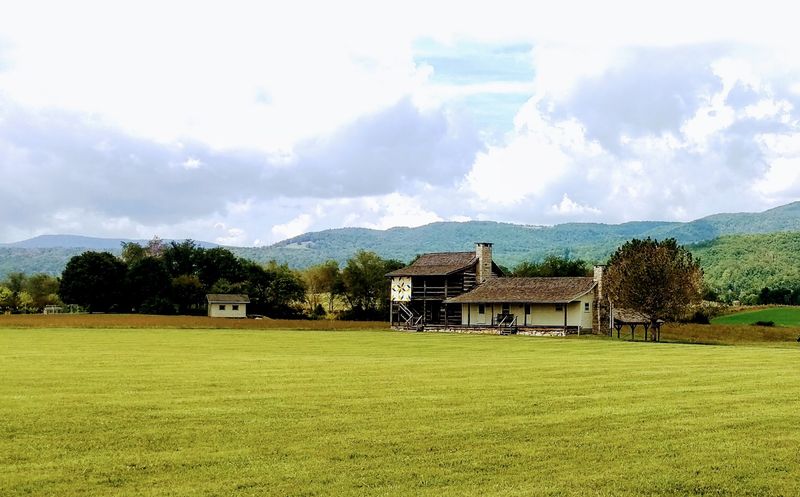
Hillsboro itself is a small, quaint town in Pocahontas County that rewards slow travel. The Little Levels area where the museum sits is framed by the rolling Appalachian Mountains, and the drive along Route 219 through the region is one of those roads that makes you want to pull over every few miles just to take it all in.
The Pearl S. Buck Birthplace Museum is an affiliate of the American Writers Museum and is also part of the Quilt Trail of Pocahontas County, the West Virginia Civil War Trails, and the Traveling219 cultural corridor.
That network of connections means a visit here can anchor a much broader day of exploration in the region.
Nearby attractions include Watoga State Park, Brooks Memorial Arboretum, Droop Mountain Battlefield State Park, and Beartown State Park, all within a short drive. If you have never spent time in this corner of West Virginia, the Pearl S.
Buck Birthplace Museum is a compelling reason to finally make the trip and discover just how much this mountain county has to offer.
Why This Place Stays With You Long After You Leave
The Pearl S. Buck Birthplace Museum earns its 4.8-star rating not through flashy exhibits or digital interactives, but through something harder to manufacture: genuine human connection to a remarkable story.
Visitors who knew nothing about Buck before arriving often leave wanting to read every book she ever wrote.
The guides bring real passion to the tour, having studied Buck’s life and work in depth, including visiting other Buck-related sites beyond West Virginia. That level of dedication translates directly into a tour that feels personal rather than scripted, and it is the kind of experience that makes history feel relevant rather than remote.
The museum also hosts special events like Christmas tree tours, which draw repeat visitors who somehow discover something new each time. That sense of ongoing discovery is rare in any museum, and it speaks to the depth of Pearl Buck’s story and the care taken to preserve it here.
Some places you visit once and forget. This is not one of those places.
Share this story