There is a place in Oregon where the air hums, literally, with the sound of hundreds of tiny wings beating at incredible speed. Every summer, a quiet sanctuary draws crowds of wild hummingbirds that swoop, dart, and hover just inches from your face.
The sheer number of these birds in one spot is something most people never get to witness in their lifetime. I made the trip to Orchard Park in Selma, Oregon, and what I found there was one of the most surprisingly joyful outdoor experiences I have ever had in the Pacific Northwest.
Where Exactly This Sanctuary Is Located
Orchard Park Hummingbird Sanctuary sits in Selma, Oregon, a small community tucked in the Illinois Valley in Josephine County, in the southwestern corner of the state. The address most visitors use is along Rockydale Road, off US-199, which cuts through some of the most rugged and beautiful terrain in southern Oregon.
The drive itself sets the tone perfectly. You pass through canyon walls, scattered pine trees, and stretches of open land that feel completely removed from the noise of city life.
The sanctuary is privately maintained and sits on a modest piece of land that somehow manages to feel enormous once you are surrounded by hundreds of birds. The owners have made it welcoming for visitors during hummingbird season, which typically runs from late spring through early fall.
Most GPS apps can get you close, but locals will tell you to watch for handmade signs near the turnoff. The whole journey from Grants Pass takes roughly 45 minutes, and every mile of it builds your excitement for what is waiting at the end of the road.
The Staggering Number of Hummingbirds on Site
The number that stops most first-time visitors in their tracks is somewhere between 200 and 300 hummingbirds at peak season. That is not a rough guess or an exaggeration for the sake of a good story.
The feeders at this sanctuary hold gallons of nectar, and they get emptied fast.
Rufous hummingbirds make up the largest share of the crowd, and their aggressive, territorial personalities make the whole scene feel like a tiny aerial sporting event. Anna’s hummingbirds and Black-chinned hummingbirds also show up regularly, adding flashes of different color to the mix.
What catches you off guard is the sound. You hear them before you fully see them.
The combined hum of hundreds of wings creates a low, vibrating drone that is oddly calming and electric at the same time.
Feeders are hung at multiple heights and in clusters, so there is almost no angle where you are not surrounded by birds. Regulars who return year after year say the numbers seem to grow a little more each season, which makes every visit feel like it could be the most spectacular one yet.
The Family Behind the Sanctuary
The sanctuary did not just appear on its own. A dedicated family created it through years of consistent effort, patience, and a genuine love for wildlife.
The property owners began putting out feeders decades ago and slowly built up the habitat to attract and support larger numbers of birds each year.
What started as a personal hobby quietly became one of the most remarkable wildlife attractions in southern Oregon. The family has invested significant time and money into maintaining clean feeders, fresh nectar, and a welcoming space for both birds and human visitors.
Their hospitality is a big part of what makes the experience feel special. They often chat with guests, answer questions, and share observations about individual birds they have come to recognize over multiple seasons.
That personal touch turns a nature visit into something closer to a conversation with people who truly care about what they are sharing.
Donations are welcome and genuinely appreciated, since the cost of feeding hundreds of hummingbirds daily adds up quickly. The family’s commitment to keeping the sanctuary free and open to the public is a quiet act of generosity that deserves recognition every single time someone shows up at the gate.
What the Best Time to Visit Actually Looks Like
Timing your visit makes a real difference in what you experience. The hummingbirds begin arriving in late spring, around May, but the true peak of activity happens in July and August when migration is in full swing and birds are fueling up for their long journeys south.
Early morning visits tend to offer the most frantic feeding activity. The birds are hungry after the night and the feeders draw them in by the dozens before the day warms up.
Mid-morning stays busy too, and the light is usually better for photos during those hours.
Weekdays are noticeably quieter than weekends, which means you get more space to stand near the feeders without bumping elbows with other visitors. If you can manage a Tuesday or Wednesday trip in late July, you are likely to have one of the most peaceful and personal experiences possible.
The season winds down by September as the birds begin heading south, so do not wait too long to plan your trip. Checking in with local Oregon birding groups or the sanctuary’s social media pages before you go can give you a real-time sense of how active the feeders currently are.
Getting Up Close Without Scaring the Birds
One of the most talked-about moments at this sanctuary is when a hummingbird lands on you. It sounds like a nature documentary cliche, but it happens regularly here, and it is just as surreal as it sounds.
The birds are so accustomed to human presence that they will land on a finger, a hat brim, or even an outstretched camera lens without hesitation.
The key is stillness. Move slowly, speak quietly, and resist the urge to reach out or grab.
The birds will come to you on their own terms, and that makes the moment feel earned rather than staged.
Wearing red or orange clothing is a well-known trick that many visitors swear by. Hummingbirds associate those colors with nectar-rich flowers, so a bright shirt can turn you into a landing target faster than you might expect.
Children tend to have incredible luck at this sanctuary because they are often naturally quieter and more patient than adults once they are truly enchanted by something. Watching a six-year-old stand perfectly still while a tiny bird investigates their red sneakers is the kind of moment that makes a parent reach for their camera with shaking hands.
Photography Tips for Capturing the Action
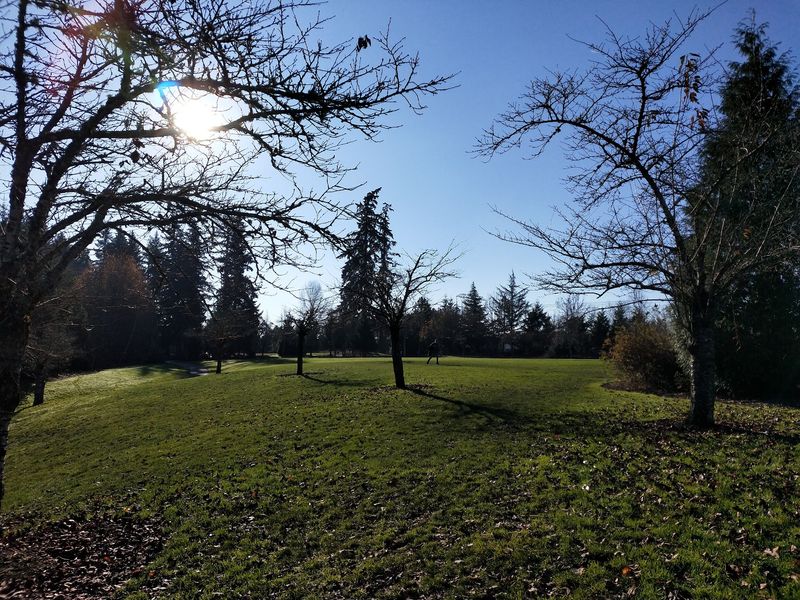
Photographing hummingbirds is one of those challenges that pushes your camera skills in a genuinely useful direction. Their wings beat between 50 and 80 times per second, so a fast shutter speed is non-negotiable if you want sharp images rather than a colorful blur.
Most experienced bird photographers recommend starting at 1/2000th of a second or faster in bright conditions. A wider aperture helps in lower light, but be careful not to sacrifice too much depth of field or your subject will be sharp while the feeder behind it turns into a muddy smear.
The sanctuary’s setup is actually quite generous for photographers. Feeders are positioned in open areas with decent background separation, which means you can get clean shots without too much clutter competing for attention behind your subject.
Smartphone photographers should not feel discouraged either. Modern phone cameras handle hummingbird photography surprisingly well in good light, especially with burst mode active.
The sheer number of birds at this sanctuary means you are almost guaranteed at least a few frame-worthy shots even if you have never tried bird photography before.
The Rufous Hummingbird and Why It Dominates Here
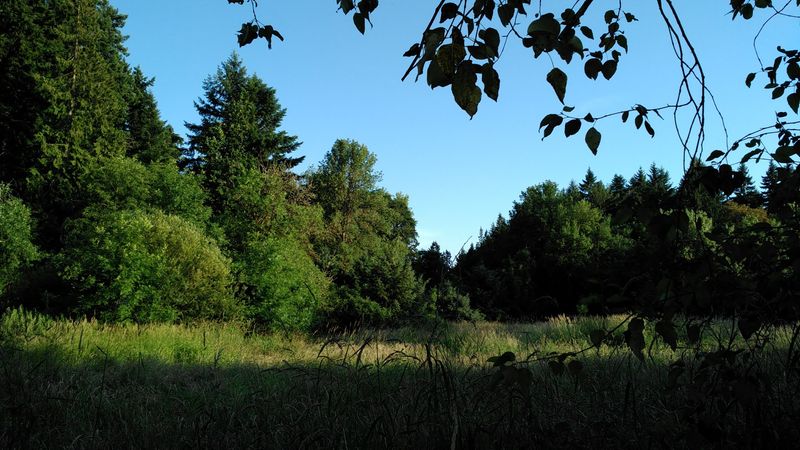
Of all the species that pass through this sanctuary, the rufous hummingbird is the undisputed star of the show. Its flame-colored feathers and boldly territorial attitude make it instantly recognizable, even to someone who has never paid attention to birds before.
Rufous hummingbirds breed in the Pacific Northwest and then migrate as far south as Mexico, making Oregon a critical stopping point along their route. The sanctuary sits right in the path of this migration, which explains why the numbers swell so dramatically during peak season.
What sets the rufous apart from other species here is its personality. These birds will chase off rivals twice their size without a moment of hesitation, and they seem to have a specific feeder they consider personal property, defending it aggressively for hours at a time.
Watching the aerial battles between competing rufous males is genuinely entertaining. They move so fast that a confrontation is over almost before you register it started, leaving behind only the sharp chitter of an angry winner and the retreating blur of a defeated rival zooming toward a different feeder.
The Surrounding Illinois Valley Landscape
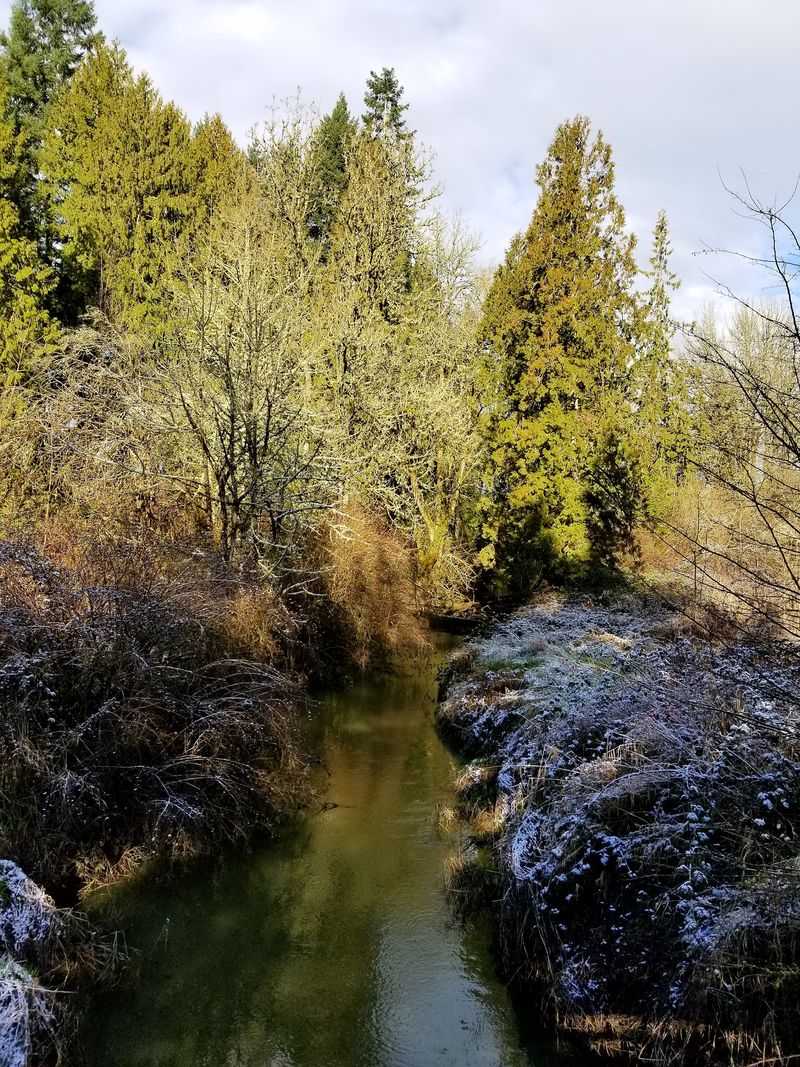
The sanctuary does not exist in isolation. The Illinois Valley surrounding it is one of the less-visited corners of Oregon, and that relative obscurity is a big part of its charm.
The valley sits between the Siskiyou and Klamath mountain ranges, creating a microclimate that supports an unusually diverse range of plant and animal life.
The Illinois River runs through the region and offers excellent opportunities for fishing, swimming, and kayaking. Several trailheads nearby lead into the Siskiyou National Forest, where old-growth trees and rocky ridgelines reward hikers with views that very few tourists ever see.
The town of Cave Junction is the closest commercial hub, about 15 minutes from the sanctuary. It has a handful of local restaurants, a grocery store, and enough services to make a multi-day trip comfortable without feeling like you are staying in a resort.
The whole area has a quiet, working-community feel that is refreshingly free of the tourist infrastructure you find in more popular Oregon destinations. Coming here feels like discovering something that the rest of the world has not quite caught up to yet, and that feeling is hard to put a price on.
Other Wildlife You Might Spot During Your Visit
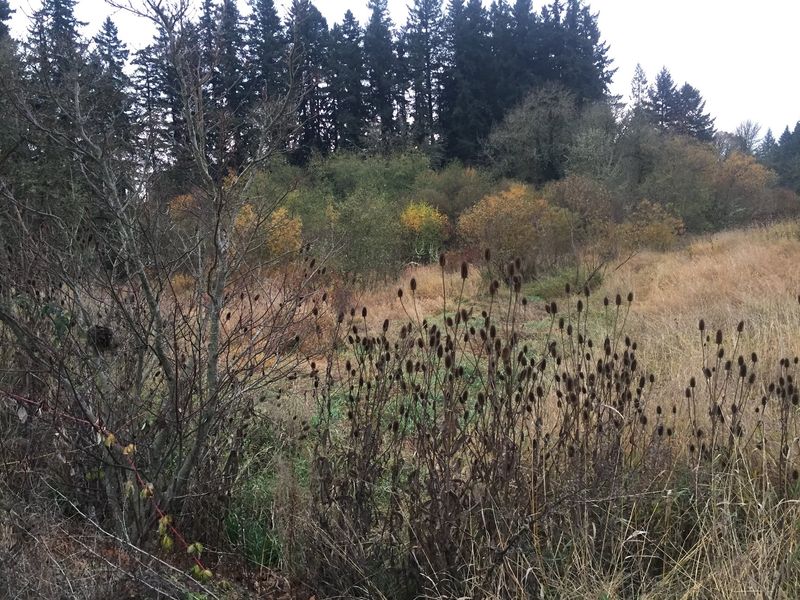
Hummingbirds may be the main attraction, but the sanctuary and its surroundings offer a supporting cast of wildlife that keeps your eyes busy even between bird sightings. Black-tailed deer are common in the area and occasionally wander through the property edges during quieter morning hours.
Western scrub jays are bold and frequent visitors, and their bright blue coloring makes a striking contrast against the green Oregon vegetation. Acorn woodpeckers, with their clown-like faces, are also spotted regularly in the trees just beyond the feeder area.
Butterflies are another pleasant surprise. The flowering plants that the property owners maintain to support the hummingbirds also attract swallowtails, fritillaries, and painted ladies in numbers that would make any pollinator enthusiast happy.
On the drive to and from the sanctuary, keep your eyes on fence posts and power lines. Red-tailed hawks, American kestrels, and the occasional osprey are common in the Illinois Valley, and a slow drive with the windows down turns the whole corridor into an impromptu birding route that extends your wildlife experience well beyond the sanctuary itself.
How to Support the Sanctuary Before and After Your Visit
Keeping hundreds of hummingbirds fed through a full season is not cheap. The sanctuary runs almost entirely on donations and the personal resources of the family who maintains it.
A few thoughtful steps before and after your visit can make a real difference in keeping this place going for future visitors.
Bringing a cash donation is the most direct way to help. The family does not charge admission, so a contribution at the gate goes straight toward the cost of sugar, feeders, and maintenance.
Even a modest amount adds up when many visitors contribute consistently.
Spreading the word thoughtfully also matters. Sharing your visit on social media or travel forums brings in more supportive visitors, but it is worth encouraging people to treat the sanctuary with respect rather than treating it like a photo opportunity that requires nothing in return.
Some visitors bring supplies like bulk sugar or extra feeders as a practical gift. Calling ahead to ask what is most needed at any given time shows consideration and prevents the family from being overwhelmed with things they already have plenty of.
Practical Tips for Planning Your Trip
A little preparation goes a long way when visiting a rural sanctuary like this one. The property is not a staffed nature center with a gift shop and restrooms, so arriving ready for a casual outdoor experience is the right mindset to bring.
Wear comfortable shoes you do not mind getting dusty, and bring water since the area can get warm in July and August. Sunscreen and a hat are worth packing, especially if you plan to linger for an extended time in the open areas near the feeders.
Binoculars are useful for watching birds in the trees beyond the immediate feeder zone, and a field guide to Pacific Northwest birds adds an educational layer to the trip that kids and adults both appreciate. A small notebook for jotting down species sightings turns the visit into a mini citizen-science project.
Cell service in the Illinois Valley is inconsistent, so download offline maps before you leave. Letting someone know your plans is a smart habit in any rural area.
The sanctuary rewards visitors who arrive relaxed, curious, and ready to let the birds set the pace for the afternoon.
Why This Place Stays With You Long After You Leave
Some travel experiences are impressive in the moment but fade quickly once you are back in your regular routine. This sanctuary is not one of those places.
The memory of standing in the middle of hundreds of hovering, buzzing, darting hummingbirds has a way of replaying itself unexpectedly for weeks afterward.
Part of what makes it stick is how personal the experience feels. You are not behind a fence or watching through a window.
The birds share the same air and the same square footage with you, and that proximity creates a sense of connection with the natural world that is genuinely hard to replicate.
The simplicity of the place also leaves an impression. There is no ticket booth, no souvenir stand, no scripted narration.
Just a family, their feeders, and an astonishing number of tiny birds that have chosen this particular spot to rest and refuel on their way across the continent.
Returning visitors often describe the sanctuary as the kind of place that recalibrates your sense of wonder without requiring you to travel far or spend a lot of money, and that combination of accessibility and magic is rarer than it should be.
Share this story