Not every museum earns your full attention. Some you walk through quickly, check off a list, and forget by dinner.
But a handful of museums do something entirely different. They pull you into rooms you never planned to enter, make you miss lunch without noticing, and leave you wondering where the afternoon went.
Over the course of visiting 31 famous museums across multiple continents, only 17 genuinely stopped time. These are the ones where the building, the collection, or the sheer scale of what you are standing in front of changes how you think about the world.
Whether you are planning a future trip or just curious what makes certain museums unforgettable, this list covers 17 places that consistently deliver more than expected.
Louvre Museum, Paris, France
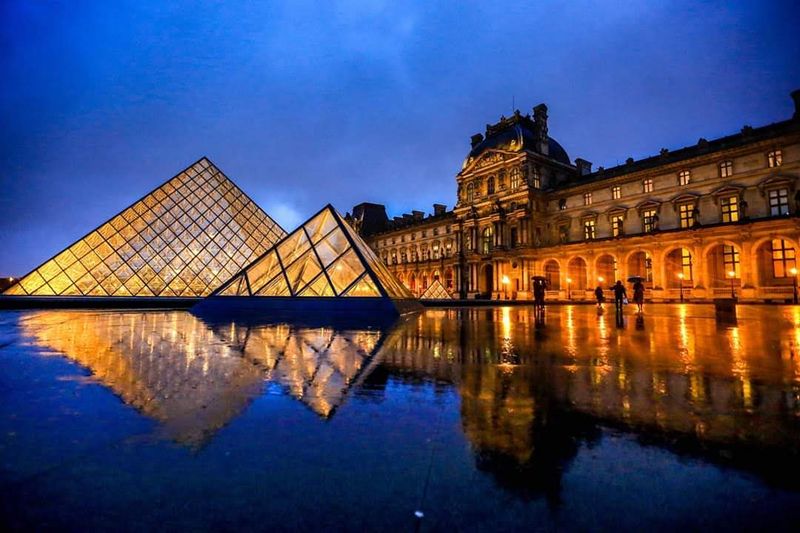
The Louvre was a royal palace before it became a museum, and that fact matters the moment you step inside. The architecture alone sets a tone that most museums cannot match, and the collection extends so far beyond the Mona Lisa that first-time visitors often find themselves surprised by what actually stops them longest.
Ancient Egyptian objects, Greek and Roman sculptures, Islamic art, and European paintings fill gallery after gallery across multiple wings. The Winged Victory of Samothrace, standing at the top of the Daru staircase, has a way of stopping visitors cold before they even decide where to go next.
A two-hour visit rarely feels like enough. The Louvre is open six days a week, with Tuesday as its regular closing day.
Evening hours are available on Wednesdays and Fridays, which is a practical option for visitors who want fewer crowds and more breathing room between galleries.
Vatican Museums, Vatican City
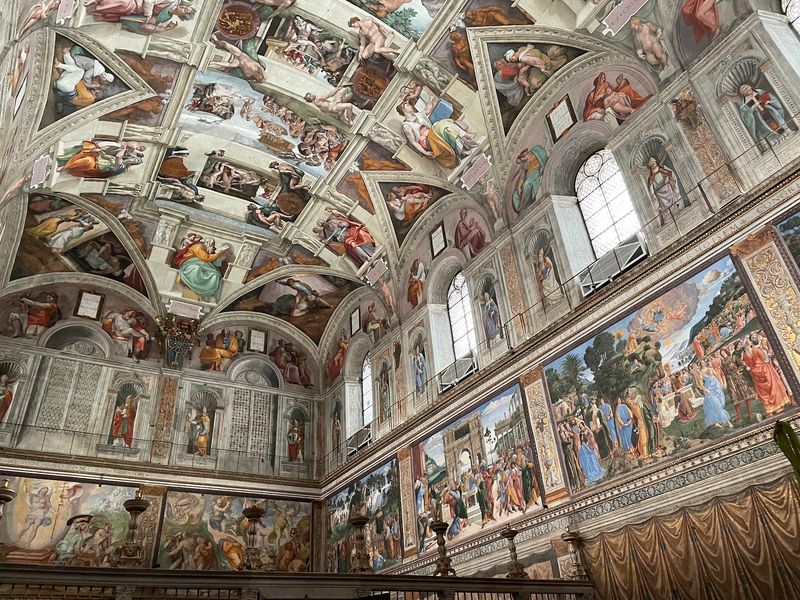
The Sistine Chapel is the destination most people have circled before they even arrive, but the path leading there is genuinely worth the walk. The Vatican Museums guide visitors through an extraordinary sequence of sculpture galleries, painted ceilings, tapestries, and papal apartments before Michelangelo’s famous frescoes finally appear overhead.
The Raphael Rooms alone could justify slowing the entire visit. Four rooms decorated by Raphael and his workshop between 1508 and 1524 include the Room of the Segnatura and its celebrated School of Athens fresco.
The Gallery of Maps, Egyptian and Etruscan collections, the Pinacoteca, and various courtyards add more layers to a complex that rewards patience rather than speed.
The museums currently operate Monday through Saturday, with an additional opening on the final Sunday of each month. Pre-booking a timed entry ticket is strongly recommended, particularly during peak travel seasons when queues outside can be lengthy.
British Museum, London, England
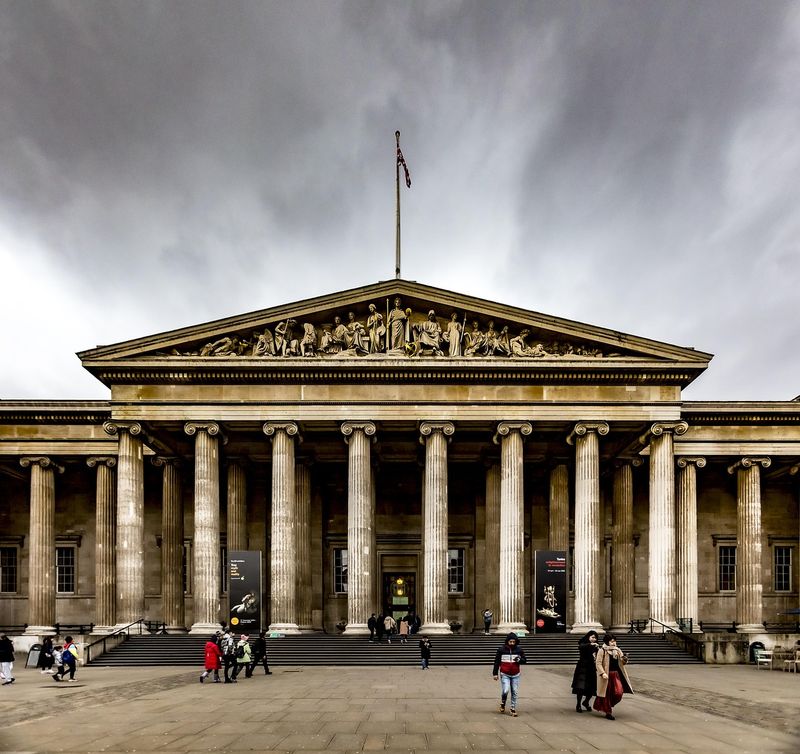
Plans tend to dissolve quickly inside the British Museum. Walk in intending to see ancient Egypt and you may spend the next hour studying Assyrian reliefs, Greek sculpture, Roman artifacts, or archaeological finds from across Britain.
The collection has a way of redirecting attention before you realize it has happened.
Among its most recognized holdings are the Rosetta Stone and extensive collections representing civilizations across Africa, Asia, Europe, the Middle East, and the Americas. The Great Court adds another reason to linger.
Its vast glass roof is one of the largest covered public squares in Europe, and daylight through that structure transforms the central space throughout the day.
Permanent collection admission remains free, though advance booking is recommended during busy periods. The museum currently opens daily from 10 a.m. to 5 p.m., with Friday hours extending until 8:30 p.m.
That Friday evening window is one of the better-kept practical tips for visiting with more space to move.
Museo Nacional del Prado, Madrid, Spain
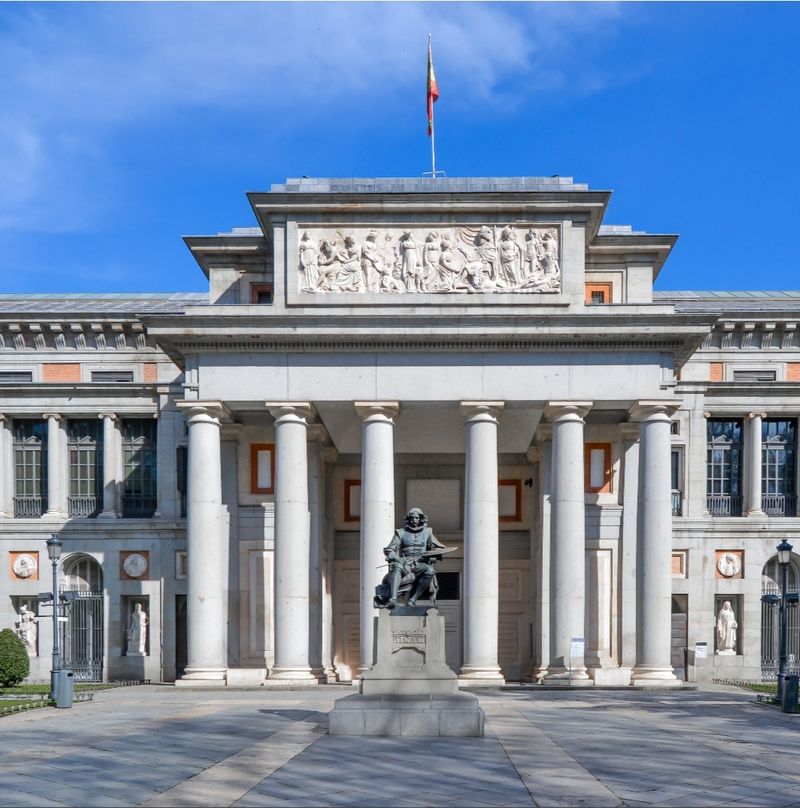
The Prado has a way of dismantling good intentions. Walk in planning to see two or three famous works and the Spanish masters alone can consume an entire morning.
Diego Velazquez’s Las Meninas is one of the museum’s defining paintings, and it tends to hold visitors in place longer than expected.
Francisco Goya, El Greco, Titian, and Rubens are all represented with major works that could anchor visits in their own right. Hieronymus Bosch’s Garden of Earthly Delights is another painting that earns extended attention, packed with hundreds of strange figures that reveal new details the longer you look.
The Prado remains fully operational in 2026. Current hours are 10 a.m. to 8 p.m.
Monday through Saturday and 10 a.m. to 7 p.m. on Sundays and public holidays. The museum offers free admission during the final two hours of each day, which draws longer queues but gives budget-conscious visitors a genuine opportunity.
Rijksmuseum, Amsterdam, Netherlands
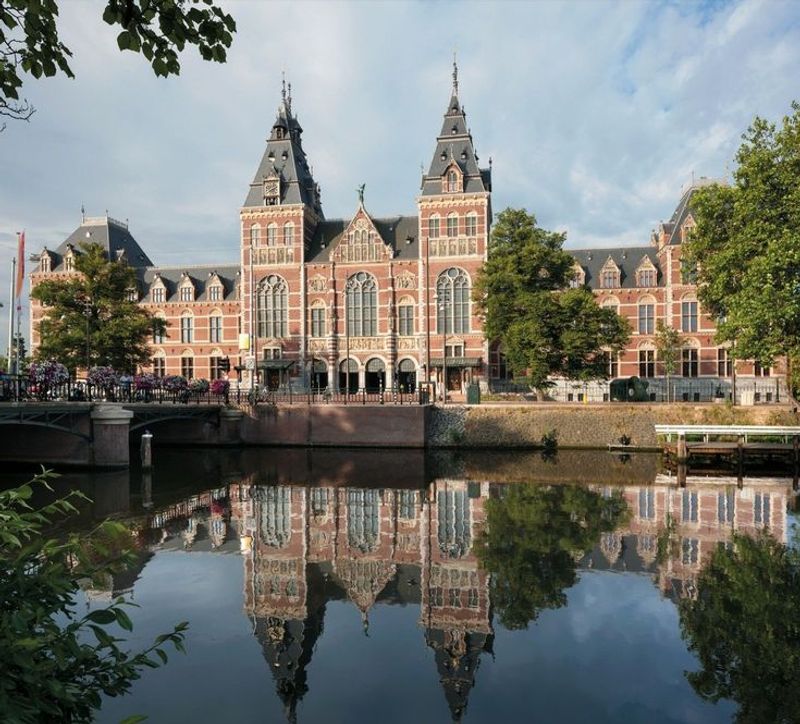
Amsterdam gives travelers plenty of reasons to keep moving, but the Rijksmuseum consistently interrupts those plans. Its galleries cover roughly 800 years of Dutch history, bringing painting, sculpture, decorative arts, and historical objects together in a building that is itself worth studying.
The Gallery of Honour contains works by Rembrandt, Vermeer, Frans Hals, and other Dutch masters. Rembrandt’s Night Watch draws the most attention, but Vermeer’s paintings offer a completely different experience.
They are quieter, smaller, and reward visitors who stop and look closely rather than moving through quickly.
The grand central passage running through the building and its richly decorated galleries add to the overall visit in ways that photographs rarely capture. The Rijksmuseum is open every day from 9 a.m. to 5 p.m., including public holidays.
Visitors are required to reserve a timed entry slot in advance, which keeps the galleries from becoming overwhelmingly crowded during peak periods.
Uffizi Galleries, Florence, Italy
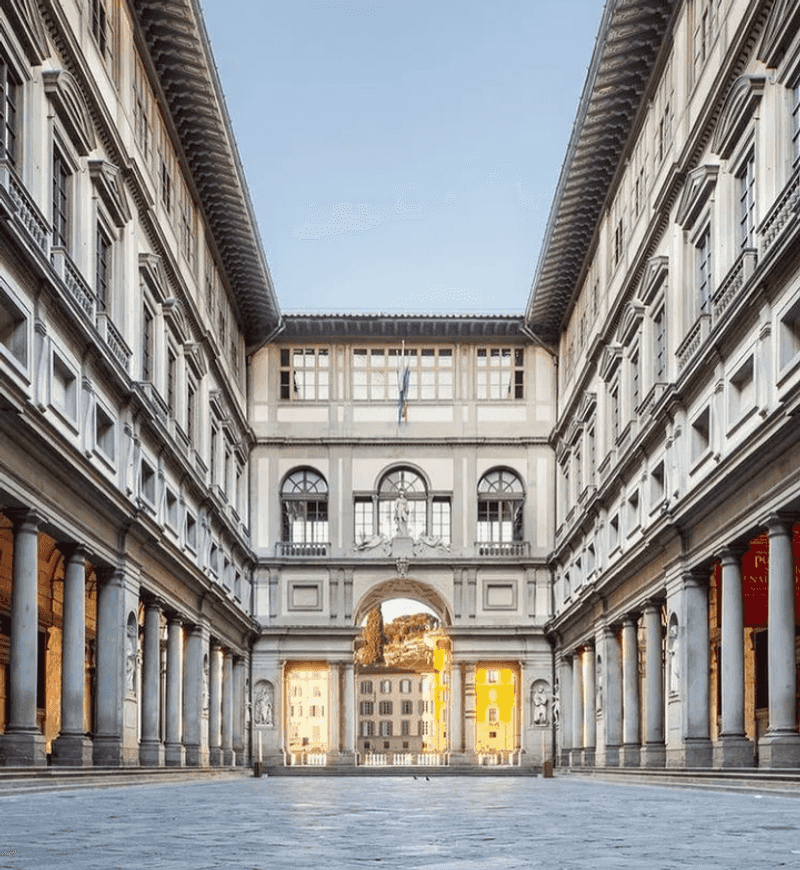
Florence already feels like an outdoor museum on its own, and then the Uffizi concentrates some of the Renaissance’s most recognized works inside one historic building. Botticelli is reason enough to lose track of time here.
The Birth of Venus and Primavera are the museum’s signature works, and in 2026 redesigned permanent rooms placed these two masterpieces facing one another.
Beyond Botticelli, the Uffizi holds major works connected to Leonardo da Vinci, Michelangelo, Raphael, and Caravaggio, along with numerous other significant figures in Italian and European art history. Even the long corridors overlooking Florence invite detours, with sculptures lining the walkways and views across the city available through the windows.
The Uffizi is currently open Tuesday through Sunday from 8:15 a.m. to 6:30 p.m. and normally closes on Mondays. Booking a timed entry ticket well in advance is strongly recommended, particularly during the spring and summer travel season when queues outside can be substantial.
Acropolis Museum, Athens, Greece
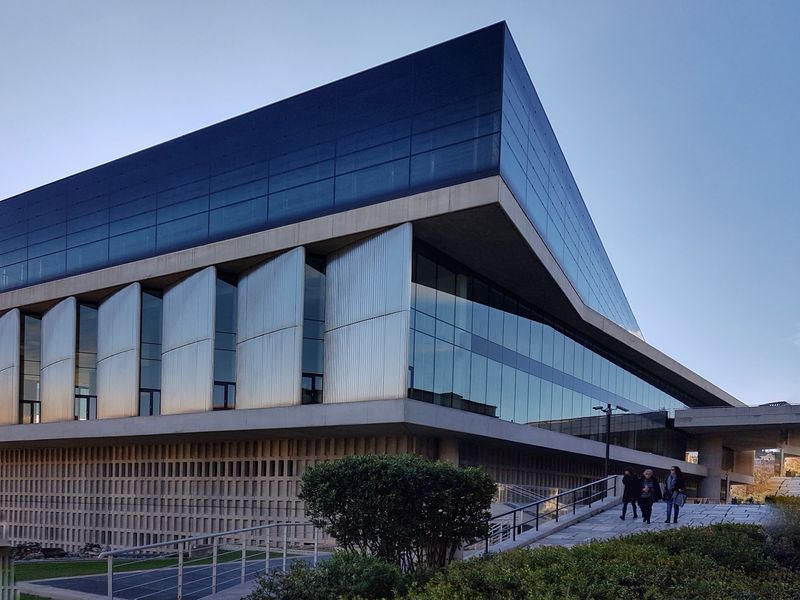
Few museums have such a direct relationship with the site their collection came from. The Acropolis Museum sits below the Acropolis itself, maintaining a constant visual connection between the ancient objects inside and the monuments visible above Athens through the glass walls of the upper gallery.
The surviving Caryatids from the Erechtheion are among the most striking objects on display, while the upper Parthenon Gallery is arranged in direct relation to the ancient temple itself. That architectural decision makes the space feel less like a conventional display and more like an extension of the site above.
One detail that surprises many first-time visitors is beneath their feet. Sections of glass flooring reveal archaeological remains underneath the modern museum, and the excavation below the building is accessible to visitors.
In the current summer season, the museum operates daily, with extended hours Tuesday through Sunday and until 10 p.m. on Fridays.
Vasa Museum, Stockholm, Sweden
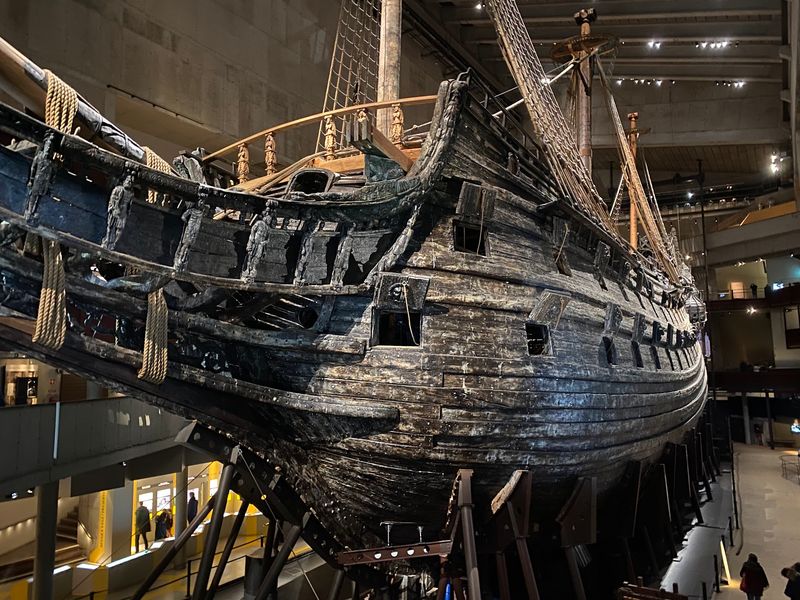
Most museums display fragments or reconstructions of history. The Vasa Museum places an enormous, largely preserved piece of it directly in front of you.
The centerpiece is the Vasa, a Swedish warship that sank on its maiden voyage in 1628 and remained on the seafloor for over three centuries before being raised and restored.
The vessel rises through the dark museum interior while multiple viewing levels allow visitors to inspect the hull, rigging, carvings, and sheer scale from different angles. That single object creates an atmosphere unlike any conventional gallery, and surrounding displays explain the ship’s construction, sinking, excavation, and the people connected to it.
Even visitors with little interest in maritime history tend to find the physical scale of the Vasa genuinely impressive. The museum currently opens daily, with longer Wednesday hours available outside the summer season.
It remains one of Scandinavia’s most visited museums and one that consistently surprises people who arrive without strong expectations.
Guggenheim Museum Bilbao, Bilbao, Spain
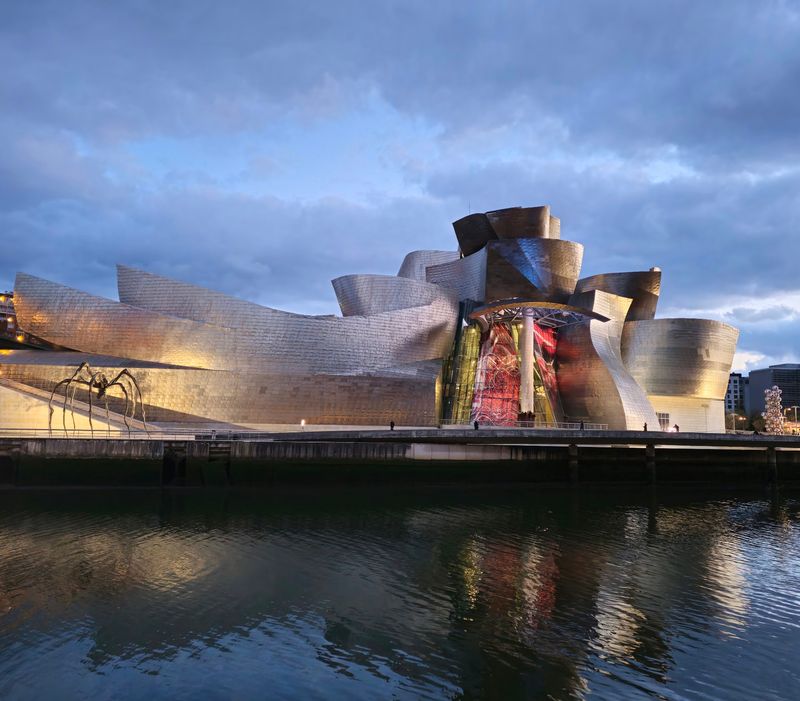
Deciding whether to look at the art or the building becomes a genuine question at the Guggenheim Bilbao. Frank Gehry’s sculptural museum transformed Bilbao’s riverfront when it opened in 1997 and remains one of the most recognizable contemporary museum buildings in the world.
Its sweeping metallic exterior shifts appearance depending on the light and the angle from which you approach.
Inside, a soaring central atrium and unusually shaped galleries are particularly well suited to large-scale contemporary installations. Richard Serra’s monumental The Matter of Time occupies its own gallery and gives visitors a physical, spatial experience that is difficult to describe without standing inside it.
Outside, the visit does not really stop at the gallery doors. Art continues around the building and along the riverfront, including Jeff Koons’s enormous floral Puppy near the entrance.
The Guggenheim Bilbao is currently open Tuesday through Sunday from 10 a.m. to 7 p.m., with extended hours during selected periods throughout the year.
Grand Egyptian Museum, Giza, Egypt
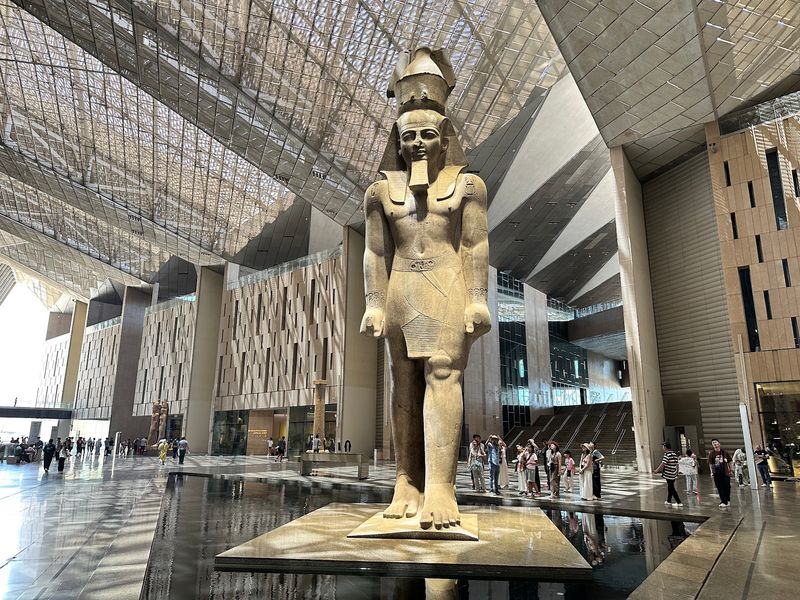
Few new museums arrived carrying expectations as high as the Grand Egyptian Museum, and by 2026 visitors can explore the enormous complex situated near the Giza pyramids. The location alone gives the museum a context that no urban gallery could replicate.
Standing inside a major archaeological museum within sight of one of the ancient world’s most famous landscapes is a specific kind of experience.
The collection includes the Tutankhamun Galleries, Main Galleries, Grand Hall, Grand Staircase, and Khufu’s Boats Museum. That combination allows visitors to move through thousands of years of Egyptian history rather than treating Tutankhamun as the beginning and end of the story.
Official museum and ticketing information confirms that the galleries are currently open, normally from 9 a.m. to 6 p.m., with later closing at 9 p.m. on Wednesdays and Saturdays. Given the scale of the complex, planning for at least a half-day visit is a practical starting point rather than an overestimate.
Museum of Islamic Art, Doha, Qatar
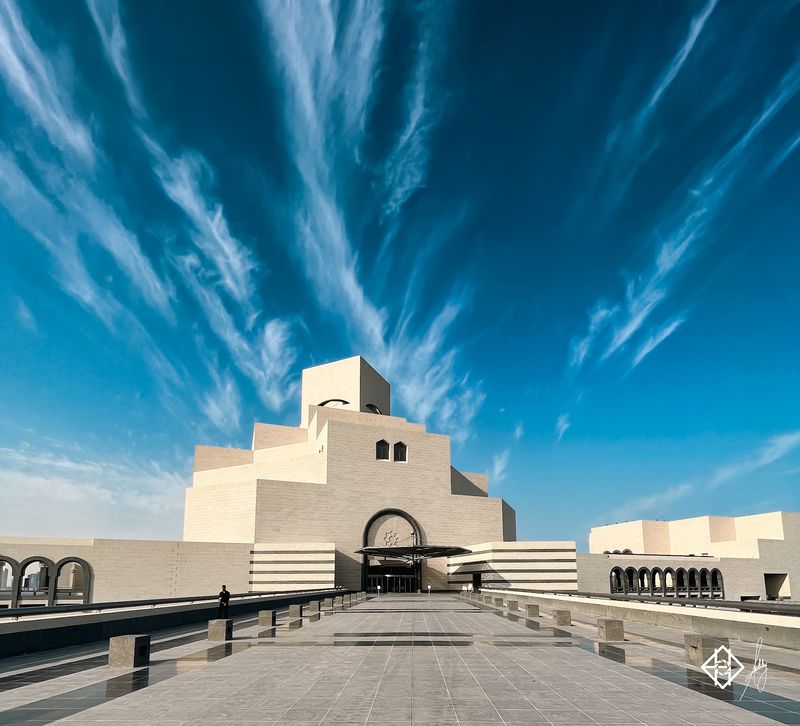
The Museum of Islamic Art commands attention before a single object comes into view. The building, designed by I.M.
Pei and completed in 2008, sits on its own island beside the Doha waterfront, with broad views across the city skyline from multiple points around the structure. The geometric stone exterior is deliberately restrained, which makes the interior galleries feel like a considered contrast.
Inside, the collection brings together Islamic art from regions across the world rather than presenting a story limited to one country or era. Ceramics, manuscripts, metalwork, jewelry, textiles, and glass objects reveal centuries of artistic exchange and craftsmanship spanning from Spain to Central Asia.
The waterfront setting also means a museum visit can naturally extend into MIA Park and the surrounding Corniche. Normal hours are 9 a.m. to 7 p.m.
Sunday through Tuesday and Saturday, 9 a.m. to 9 p.m. Thursday, and 1:30 p.m. to 7 p.m.
Friday, with Wednesday as the regular closing day.
National Palace Museum, Taipei, Taiwan
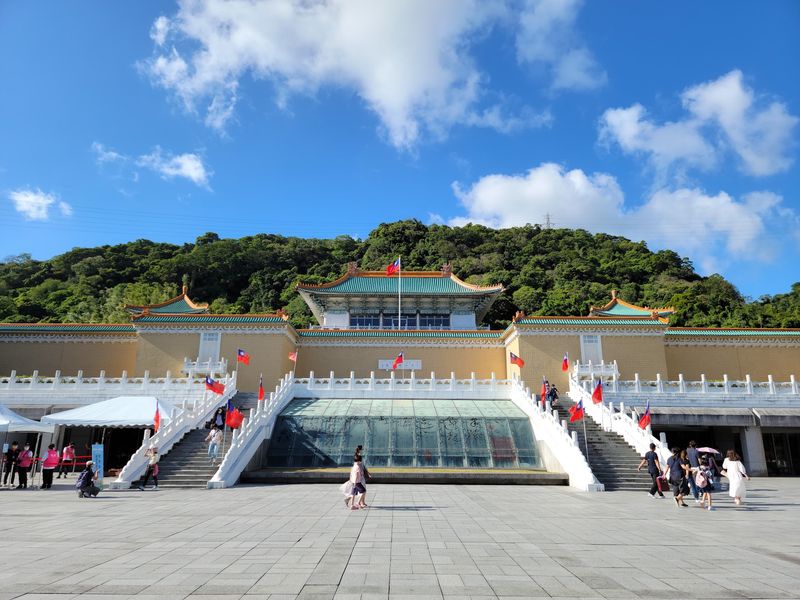
Sometimes the most captivating objects in a museum are not the largest ones. The National Palace Museum in Taipei has built a significant part of its reputation on precisely that idea.
Its collection of Chinese imperial art includes painting, calligraphy, ceramics, bronzes, jade, and decorative objects accumulated across centuries, and some of its most recognized treasures are surprisingly small in scale.
That modest scale actually encourages a slower kind of looking. Visitors who expect grand showpieces sometimes find themselves standing longer in front of a delicately carved jade cabbage or a miniature ivory object than in front of anything monumental.
The depth of the ceramics and painting collections alone can occupy an entire visit without covering everything on display.
The museum is currently open Tuesday through Sunday from 9 a.m. to 5 p.m., along with a number of specially designated Monday opening dates throughout 2026. Checking the official calendar before visiting is a practical step, particularly for travelers with limited time in Taipei.
Museo Nacional de Antropología, Mexico City, Mexico
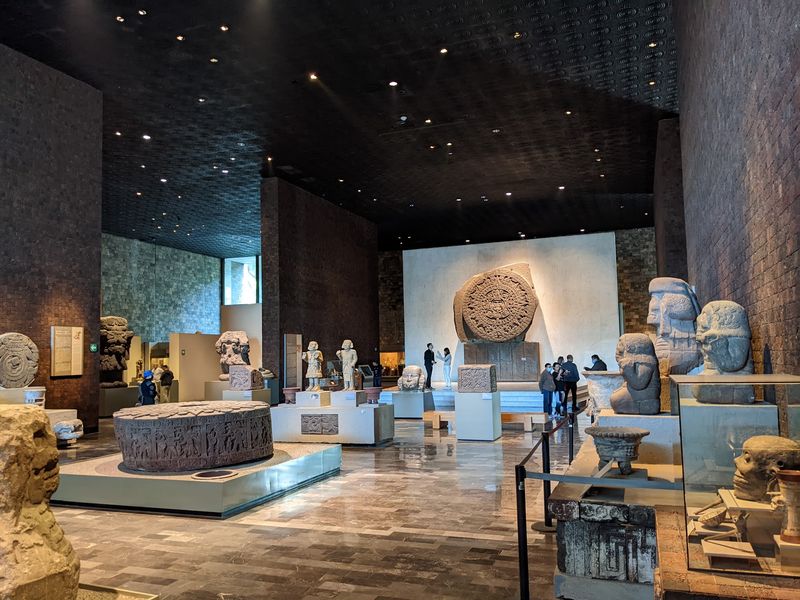
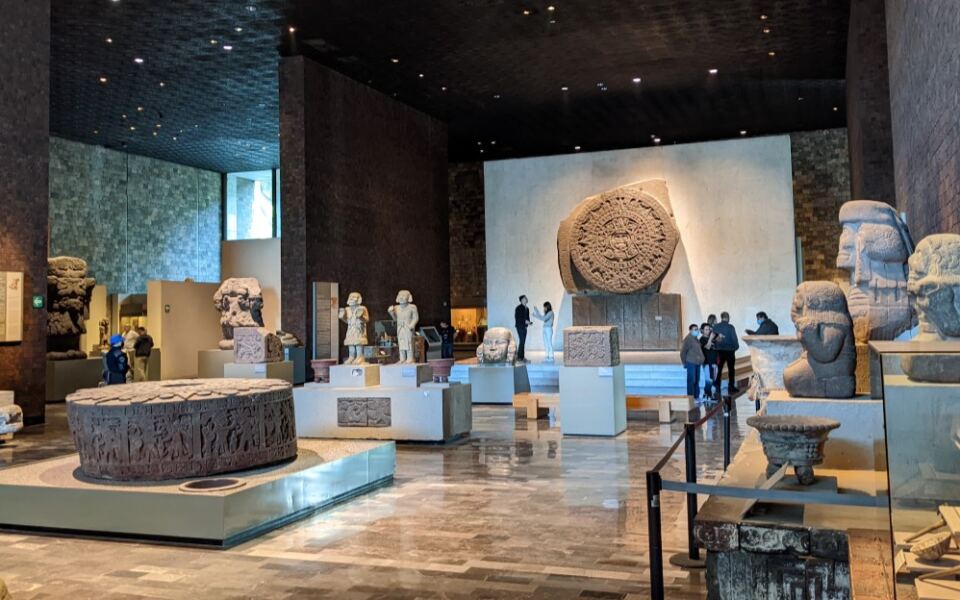
Mexico City’s National Museum of Anthropology does something particularly well: it makes a vast and complex subject feel tangible and specific rather than overwhelming. Eleven archaeology halls and additional ethnography galleries explore cultures and Indigenous communities across Mexico, covering the Mexica, Maya, Olmec, Teotihuacan, Oaxaca, Gulf Coast, and other cultural traditions in genuine depth.
The building itself has become iconic in its own right. Its vast central courtyard is dominated by a massive canopy supported by a single column, with water falling around it in a curtain that frames the outdoor space.
That architectural decision gives the museum a center of gravity that most large institutions lack.
The institution itself notes roughly 45,000 square meters of construction, which gives some sense of the scale visitors are dealing with. The museum remains open Tuesday through Sunday from 9 a.m. to 6 p.m.
Arriving early is a reasonable strategy for anyone hoping to cover more than a few of the major halls in a single visit.
National Museum of African American History and Culture, Washington, D.C.
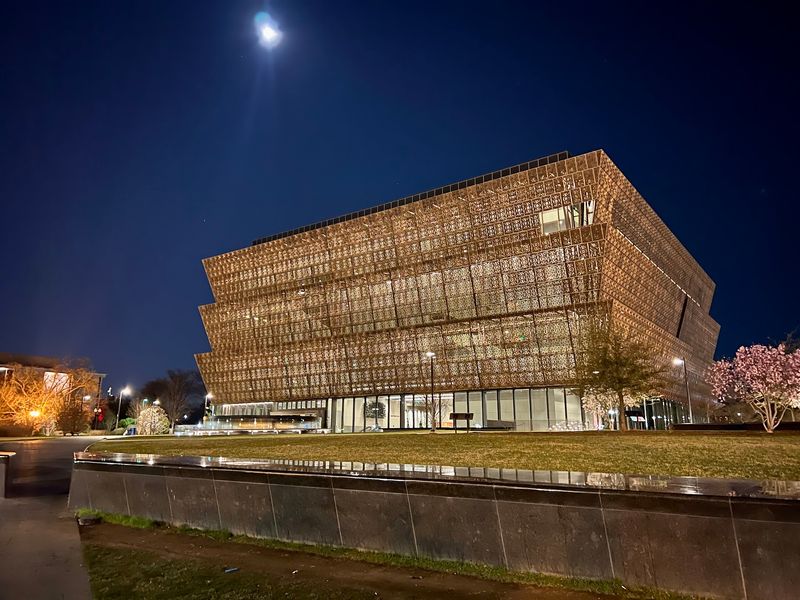
This Smithsonian museum has a way of turning a planned two-hour visit into an all-day commitment, and that shift tends to happen without much warning. Its galleries trace African American history through slavery, emancipation, segregation, migration, the civil rights movement, culture, music, military service, sports, and community life across multiple floors.
Rather than presenting those histories as separate chapters, the museum demonstrates how deeply they connect with the broader history of the United States. That interconnected approach is part of what makes the experience feel substantial rather than surface-level.
The Smithsonian itself advises that touring the History Galleries in their entirety takes approximately two hours and involves about a mile of walking, and that estimate does not account for time spent in other parts of the building.
The museum is currently open seven days a week, with Monday opening at noon and Tuesday through Sunday opening at 10 a.m. It is closed on December 25.
Timed entry passes are required and are available through the museum’s official website.
Museo Larco, Lima, Peru
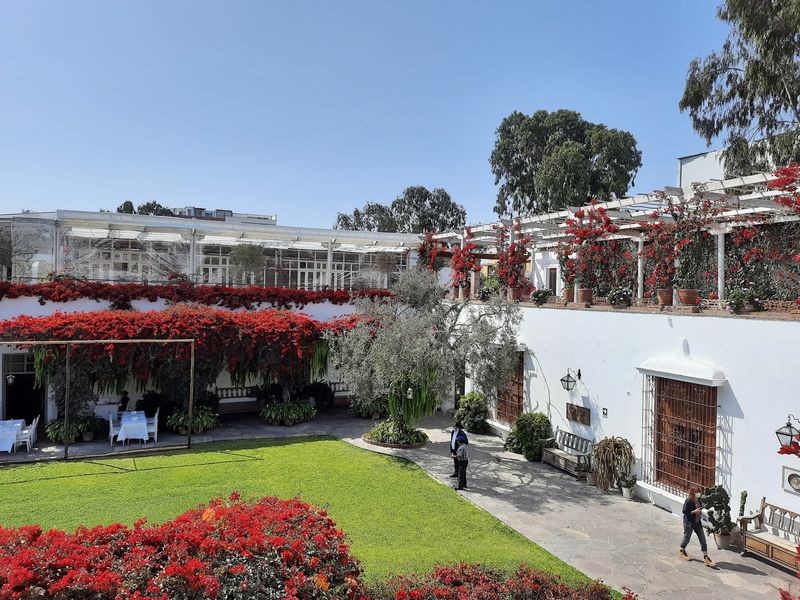
Museo Larco operates at a completely different scale from the giant national institutions on this list, and that difference is part of what makes it memorable. Housed in an elegant 18th-century vice-royal building surrounded by gardens in the Pueblo Libre district of Lima, the museum reaches far back into Peru’s pre-Columbian past through ceramics, textiles, gold and silver objects, and ceremonial pieces.
One of its most unusual features is the visible storage collection. Visitors can walk through rooms where thousands of archaeological objects are arranged on open shelving beyond the traditional gallery displays, giving a sense of the collection’s full scope rather than just its curated highlights.
That transparency about the depth of the archive is genuinely rare among museums of this kind.
The museum also maintains a separate gallery of pre-Columbian erotic pottery, which provides another perspective on ancient Peruvian beliefs and society. Museo Larco opens every day of the year, normally from 9 a.m. to 7 p.m., making it one of the more accessible options on this list for flexible travel schedules.
Museum of New Zealand Te Papa Tongarewa, Wellington, New Zealand
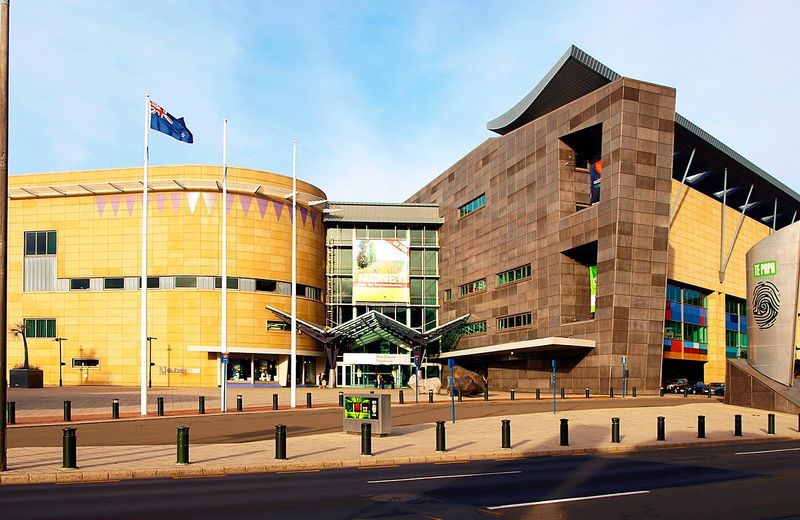
Te Papa feels less like a museum organized around a single category and more like a structured introduction to an entire country. Its collections and exhibitions bring together Maori taonga, Pacific cultures, natural history, New Zealand art, social history, geology, and the country’s ongoing relationship with its environment, all under one roof on Wellington’s waterfront.
Among its most famous natural history specimens is a colossal squid, one of the largest ever recovered and preserved. Other galleries explore both Maori culture and the geological forces that continue to shape New Zealand’s dramatic landscape, giving the museum a range that keeps visitors moving between very different kinds of experiences.
The waterfront location makes it easy to walk in for what feels like a short visit and emerge significantly later than planned. Te Papa is currently open every day from 10 a.m. to 6 p.m., except Christmas Day.
As of 2026, international visitors aged 16 and older pay an admission charge, while entry remains free for New Zealanders and residents.
Museum of Old and New Art, Hobart, Australia
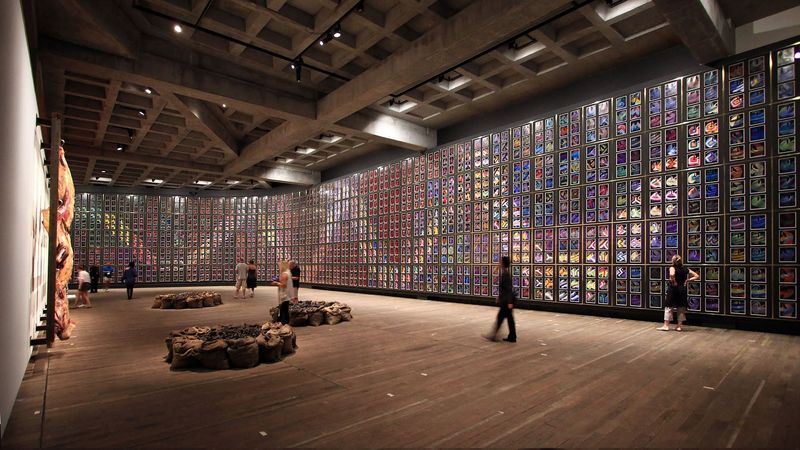
MONA is the museum for people who have convinced themselves they are done with museums. Built largely underground beside the River Derwent near Hobart, it deliberately sidesteps the predictable atmosphere of a conventional gallery.
Ancient objects appear alongside contemporary installations, some rooms are dark or disorienting by design, and certain works are intentionally confronting rather than comfortable.
That unpredictability is the actual attraction. Visitors are rarely walking through a straightforward chronological history of art.
Instead, the museum encourages reactions, arguments, confusion, and genuine curiosity in ways that more traditional institutions tend to avoid. The ferry approach from Hobart adds to the experience before the visit even begins.
The surrounding grounds include architecture, a winery, restaurants, and outdoor spaces that extend the visit well beyond the galleries themselves. MONA is currently operating Thursday through Monday from 10 a.m. to 5 p.m. and is closed Tuesday and Wednesday.
It is one of those rare places that generates strong opinions from nearly every visitor, which is probably the point.
Share this story