Picture a place where your eyelashes freeze and your breath crackles in the air. Oymyakon, in Russia’s Sakha Republic, is the coldest permanently inhabited village on Earth.
Around 500 people call it home, and they have clever ways of getting through the deep freeze. Here are ten chilly facts and stories about life in this icy corner of Siberia.
The Coldest Home on Earth
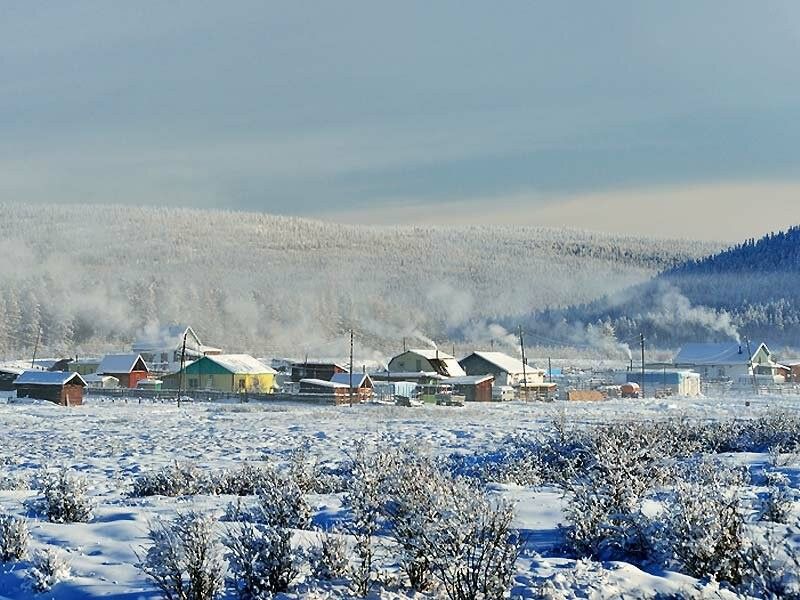
Brrr is not a big enough word for Oymyakon. It holds the title of the coldest permanently inhabited settlement on the planet, and locals wear that title with pride.
January temperatures hover around −46°C, and that is just the average.
The village sits in the Yana-Oymyakon Highlands, along the Indigirka River. The surrounding mountains trap cold air in the valley like a lid on a pot.
Heavy cold air sinks and settles there, so the chill has nowhere to go.
About 500 people live here year round. They do not see the cold as a problem to escape.
For them, it is simply the weather, and they plan their lives around it.
Visitors often say the first breath outside feels like needles in the nose. Moisture inside your nostrils can freeze in seconds.
Locals just nod, pull their scarves up, and keep walking to work.
Spring and summer do arrive, though. The short warm season can bring surprising heat, which makes the yearly swing one of the biggest on Earth.
The Record-Breaking Freeze
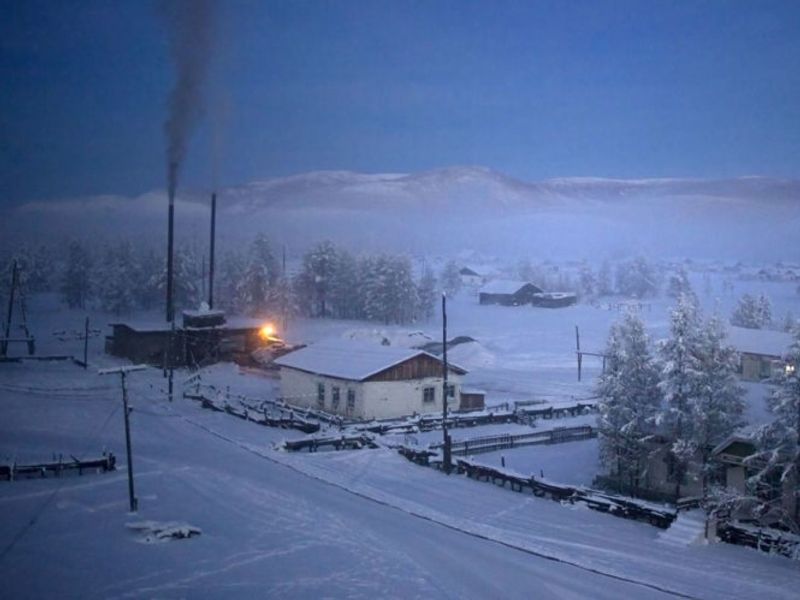
Here is a number to make your teeth chatter: −67.7°C. That was the temperature recorded in Oymyakon in 1933, and it is often cited as the lowest ever measured in a place where people live year round.
Some say the true reading may have been even lower. Old instruments were not always reliable, and some stopped working in the extreme cold.
Even so, the record has stuck around for decades.
Day to day, winter life stays far below zero for months. Most January days never come close to freezing.
A mild afternoon there might still be colder than your home freezer.
Weather stations in the region keep a careful watch each winter. Scientists enjoy studying a place where the cold is so steady.
It helps them learn how people, animals and machines behave in extreme conditions.
Locals shrug at the records. To them, a very cold morning is still just a morning, and school and work carry on as usual.
Dressing Like a Walking Blanket
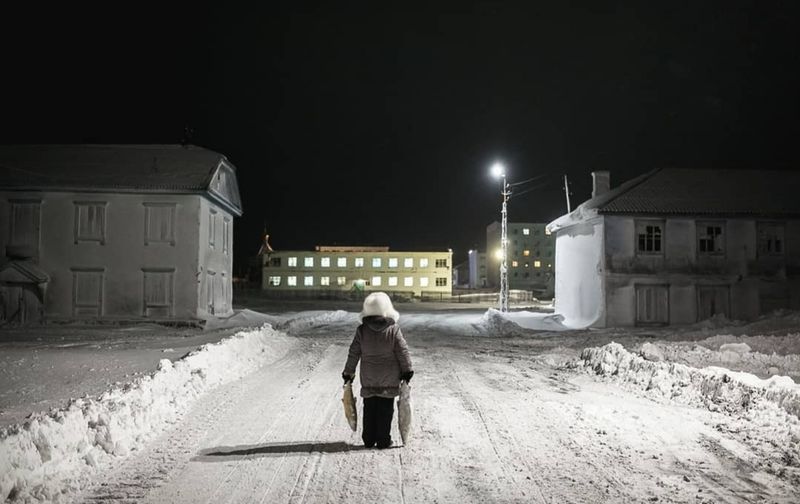
Forget fashion magazines. In Oymyakon, the best outfit is the one with the most layers.
Fur coats, thick hats, mittens and felt boots called valenki are standard gear.
Natural fur is a favorite because it traps warm air well. Reindeer and fox fur are common choices.
Many locals wear several layers of wool and fur under a heavy outer coat.
Skin is the weak spot. Bare skin can freeze in minutes, so scarves and face masks are daily habits.
Even a quick walk to the shop needs planning.
Metal can be a trap too. Touching it with bare hands can hurt badly in this cold.
Glasses frames can stick to your face, so many people skip metal frames outdoors.
Visitors usually say they felt silly in all that clothing at first. Ten minutes outside changed their minds fast.
Warm and puffy beats stylish and frozen every time.
Cars That Never Sleep
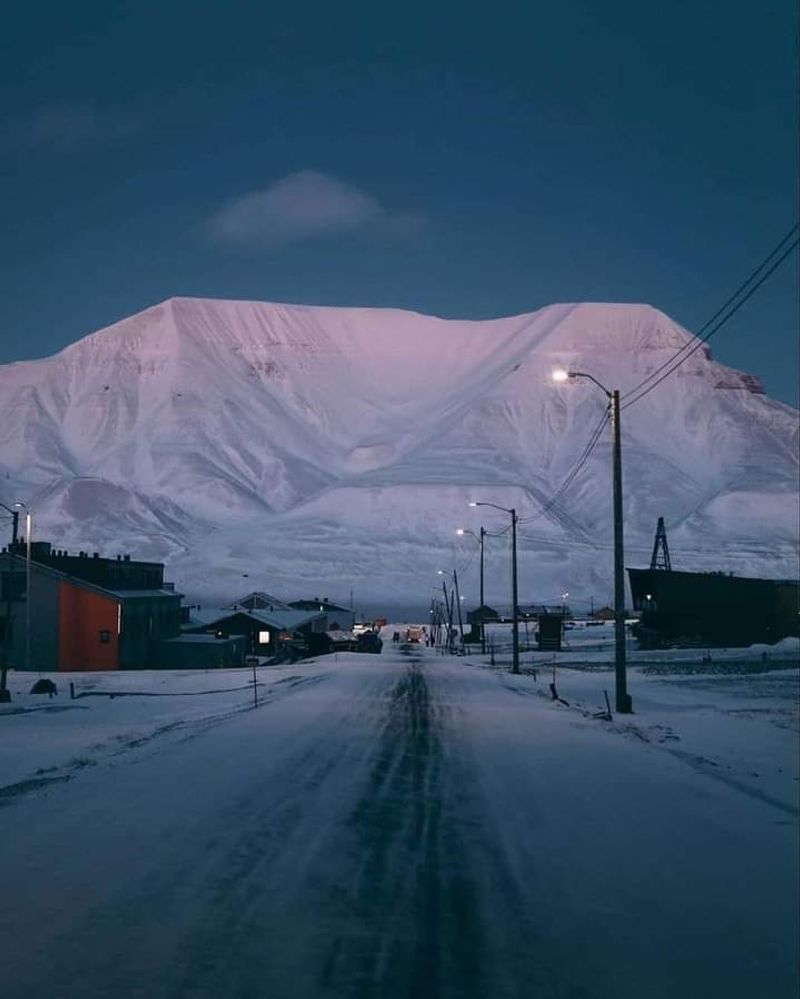
Leave a car outside overnight in Oymyakon and you may wake up to a block of metal. Oil thickens, batteries die and rubber turns brittle.
So many drivers simply never turn the engine off while they are working.
Others keep their vehicles in heated garages. Some people even light small fires or use heaters under the engine to warm it before starting.
It sounds odd, but it works.
Tires can flatten on one side from sitting frozen. When the car first rolls, the ride can feel like a bumpy square wheel.
The wheels round out after a bit of driving.
Special fuel and thin, cold-resistant oils help too. Locals know which tricks keep an old truck alive through winter.
Many of the vehicles are tough older models built for hard conditions.
Running out of fuel on the road here is serious business. Drivers pack warm gear, food and tools, just in case.
The Frozen-Eyelash Club
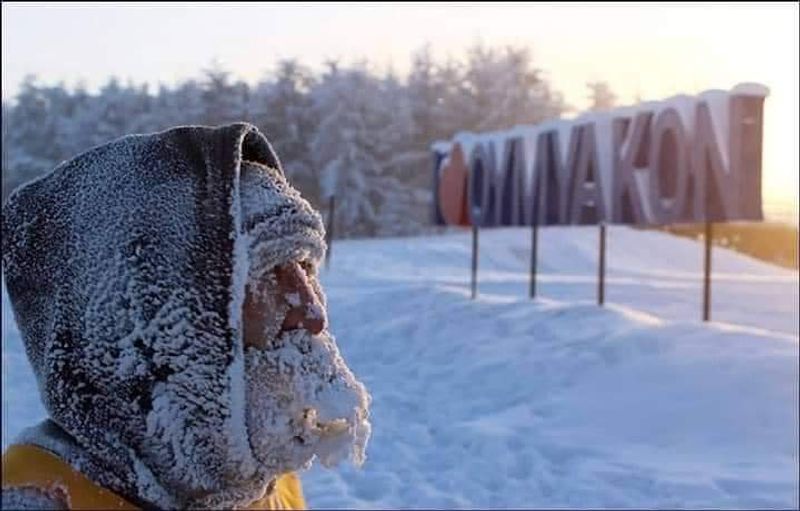
Blink slowly and you might feel your eyelashes stick together. In Oymyakon, frost forms on lashes, scarves and beards within minutes.
Photographers love the look, though the wearers love it less.
Your breath turns into tiny ice crystals almost the moment it leaves your mouth. Locals call this effect the whisper of stars, because the crystals make a faint crackling sound.
It happens in very low temperatures when moisture freezes fast.
Hair can freeze solid if you step out with a wet head. Most people take care to dry off completely before they go anywhere.
A frozen ponytail is not a good look.
Fog is common too. Smoke from chimneys and car exhaust hangs low in the still air.
The village can look like it is wrapped in a thin white veil.
Tourists often leave with photos of icy beards and lashes. It is a fun souvenir from a place that takes winter very seriously.
Meals Built for Winter
Hungry? Fresh vegetables are a rare sight here.
The soil is frozen for most of the year, so farming is nearly impossible. Meals lean heavily on meat and fish.
Reindeer meat and horse meat are local staples. They are rich and filling, which helps the body stay warm.
Soup with chunks of meat is a common winter comfort.
Stroganina is a famous Siberian dish made from thin shavings of frozen raw fish. People dip the curls in salt and pepper and eat them right away.
The cold does the chopping work for you.
Hot tea and broth are daily heroes. Many families drink several cups to keep their insides warm.
Fatty foods give energy that lasts through long, freezing days.
Food stays fresh without a fridge, since the whole outdoors works as a freezer. Locals simply store meat outside.
It is the easiest pantry ever.
Coal and Heat in Every Home
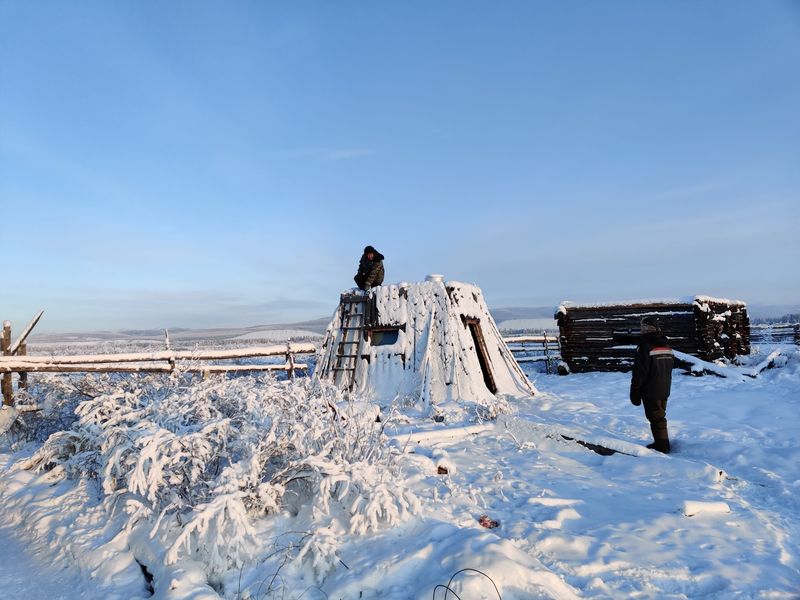
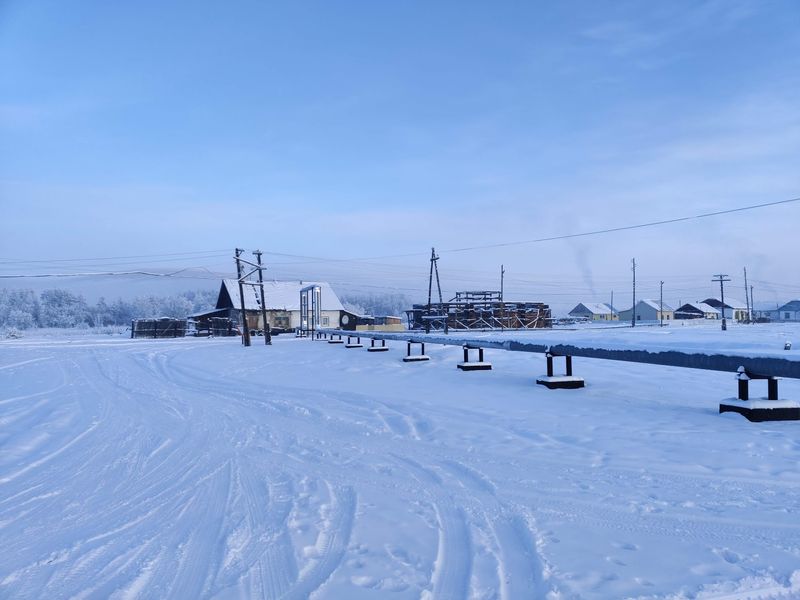
Smoke rising straight from a chimney is the village’s winter signature. Homes in Oymyakon depend on stoves, coal and a local power station to keep warm.
Heat is never optional.
Houses are built from wood and insulated heavily. Windows are small and have several layers of glass.
Every gap is sealed so the cold cannot sneak in.
Tending the stove is a daily chore. Families stack wood and coal early in the season.
Running out in January would be a real emergency.
Pipes cause headaches. Water pipes can freeze and burst, so many homes avoid running water altogether.
Wooden outhouses stand outside, and yes, quick trips are the rule.
Warm houses feel like a gift after hours outdoors. Neighbors often share tea and stories by the stove.
Cozy takes on a whole new meaning here.
School Days Below Zero
Snow day? Not here.
Schools in Oymyakon stay open unless the temperature drops below about −52°C, and even then, some kids would rather go. Class is a warm refuge from the freeze.
Children bundle up in layers before the walk. Their backpacks bounce along as frost clings to their hoods.
Once inside, they peel off fur and boots in the entrance.
Winter days are short, with only a few hours of daylight in the darkest weeks. Kids often walk to school in the dark and head home in the dark too.
Reflective strips and bright lamps help.
Sports still happen, though many are held indoors. Outdoor play is limited to short bursts.
Ice and snow games are still a favorite.
Teachers say the students are tougher than they look. They learn early how to read the weather and stay safe.
Horses Tougher Than Snow
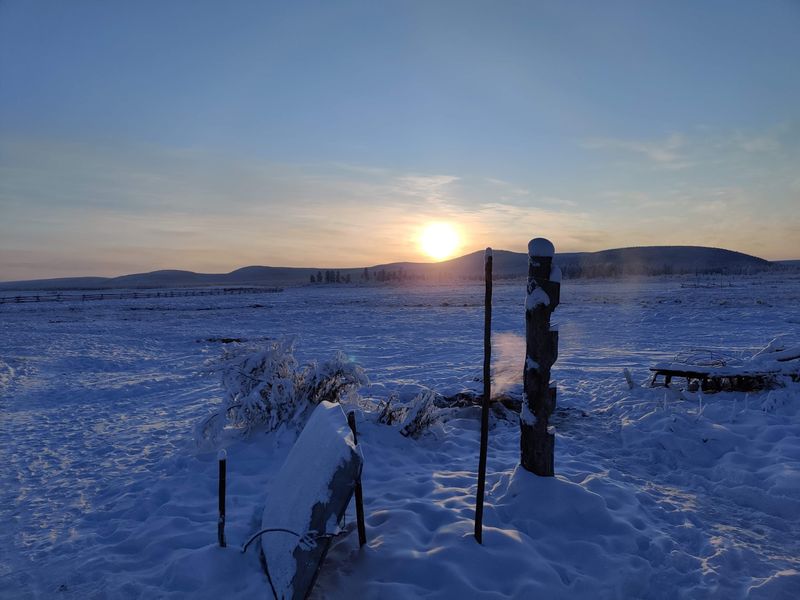
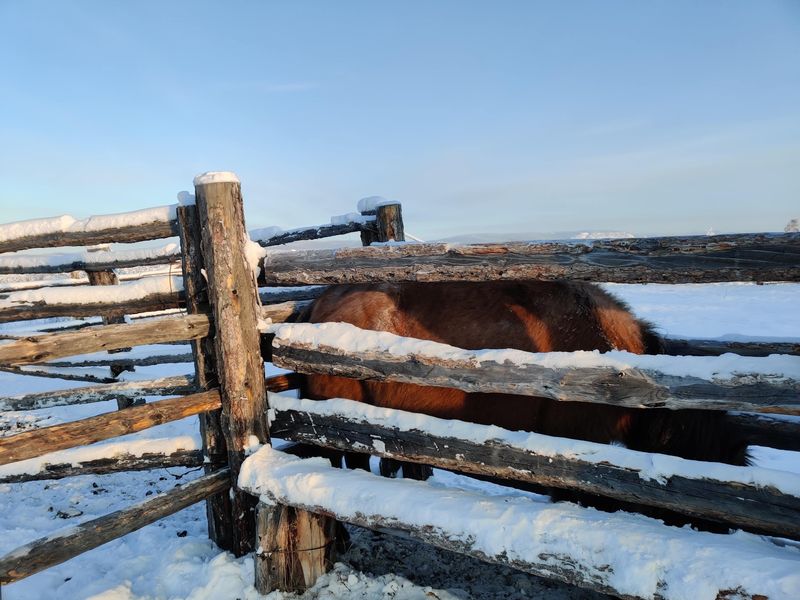
Meet the fluffiest locals in town: Yakutian horses. These sturdy animals stay outside all winter, and they do not seem bothered at all.
Thick coats and stocky bodies keep them going.
Their hair can grow very long, and their bodies store fat for energy. They dig through snow with their hooves to find grass underneath.
Few animals handle the freeze as well.
Herders have raised the breed for centuries. The horses give meat, milk and a trusted way to get around.
Their milk is turned into a fermented drink called kumis.
Scientists find them fascinating. Their bodies slow down certain functions to save energy in deep winter.
It is a built-in survival trick.
Seeing a herd in the frost, with ice on their manes, is a favorite sight for visitors. The horses simply munch on, as calm as can be.
Visiting the Pole of Cold
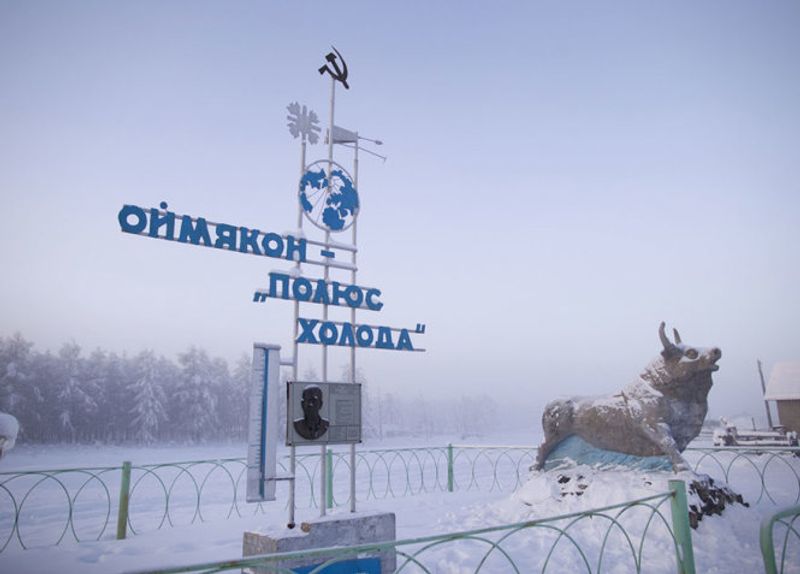
Adventure seekers travel thousands of kilometers just to shiver here. Oymyakon sits on the Kolyma Highway, about 30 km northwest of Tomtor, and winter visits are popular with brave travelers.
A winter festival, the Pole of Cold celebration, draws guests each year.
Getting there is a trip in itself. Roads are long, icy and remote, so travelers usually go with local guides.
Packing the right gear is not optional.
Once in town, visitors can see monuments, a small museum and local homes. Many hosts serve warm meals and share tales of life in the cold.
Photos with frosty beards are a must.
Summer offers a different view. Days are long, the air is mild and the valley turns green.
Mosquitoes may be the only thing you need to fight off.
Whatever the season, guests leave with a new respect for people who call this place home.
Share this story