Picture a giant stone chariot parked beside the sea, ready to carry the sun across the sky. That is the Sun Temple at Konark in Odisha, built around 1250 CE.
Its carved wheels, horses, and walls still stun visitors today. Here are ten things that make this place worth the trip.
A Chariot Made of Stone
Park a chariot by the sea and turn it to stone, and you get Konark. The whole temple is shaped like the vast ride of Surya, the sun god, built in the 13th century.
Visitors often stop at the gate just to stare. The long platform, the tall remains, and the carved steps all fit the chariot idea.
It looks ready to roll, even though it has not moved in about 800 years.
King Narasimhadeva I of the Eastern Ganga dynasty ordered the temple built around 1250 CE. The style is called Kalinga architecture, a proud tradition of Odisha.
Temple builders mixed it with the chariot form to create something truly one of a kind.
One reviewer wrote that they could not imagine how such work was possible without modern tools. That is a fair thought as you walk the grounds.
Give yourself a few quiet minutes at the entrance to take in the full shape before you start exploring up close. Your camera will thank you, and so will your sense of wonder.
Wheels That Tell Time
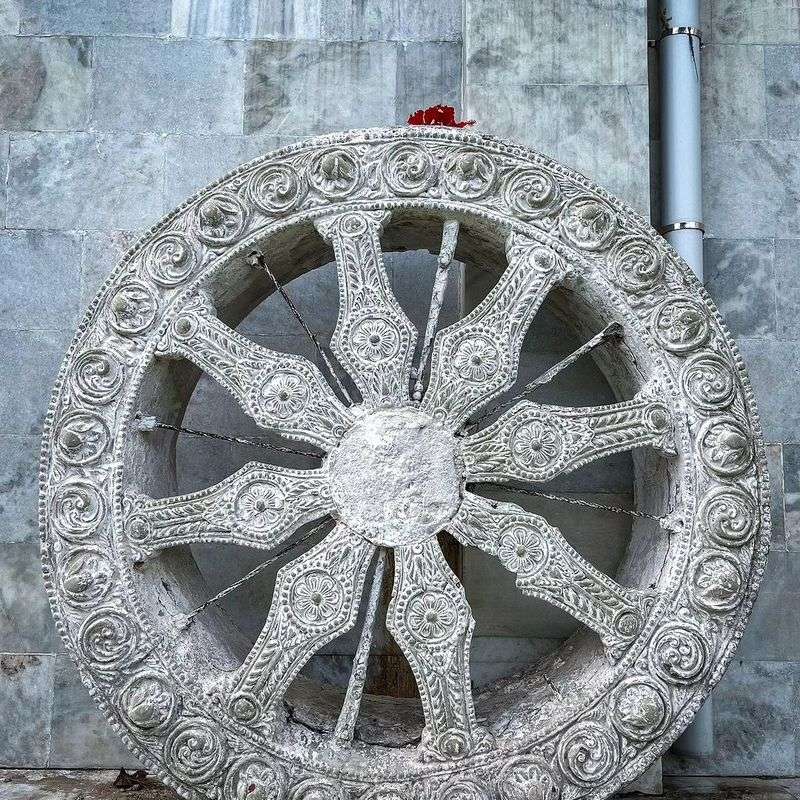
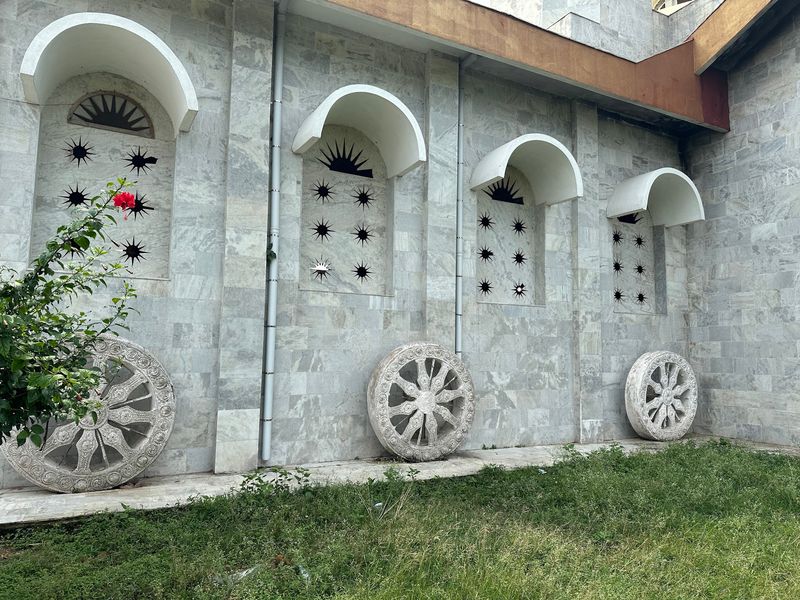
Here is a quirky fact: the wheels of this temple work like sundials. Shadows falling across the spokes can show the time of day.
Each wheel is about nine feet wide and covered in tiny carvings. The thick spokes mark the main hours, and the small beads between them help read minutes.
Guides at the site love showing this trick, and it never gets old.
Reviews mention sundials again and again, so you are not alone in being amazed. Sunny hours work best, since you need a clear shadow to read.
Many people say the temple has 24 wheels, one for each hour of the day. Others point to the seven horses as the days of the week.
The title of this article mentions 18 wheels, and the exact count you see can depend on what has survived and how it is counted. Ask your guide to explain what is left today.
Bring patience and a bit of curiosity. Once you spot the shadow line on a wheel, you will start checking every one you pass.
Seven Galloping Horses
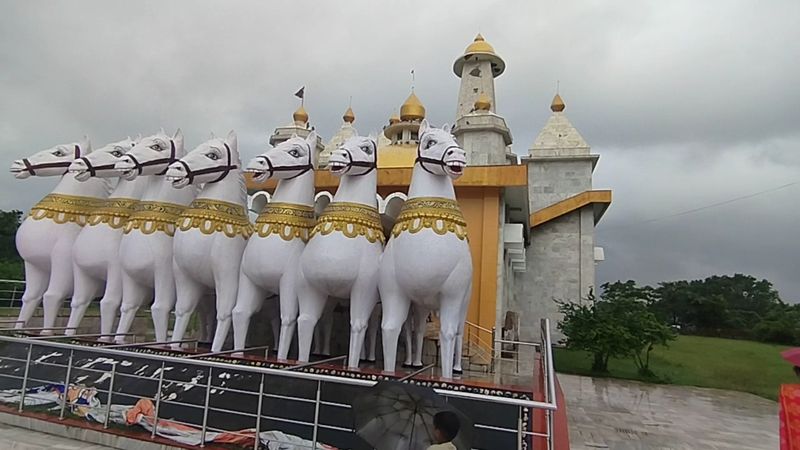
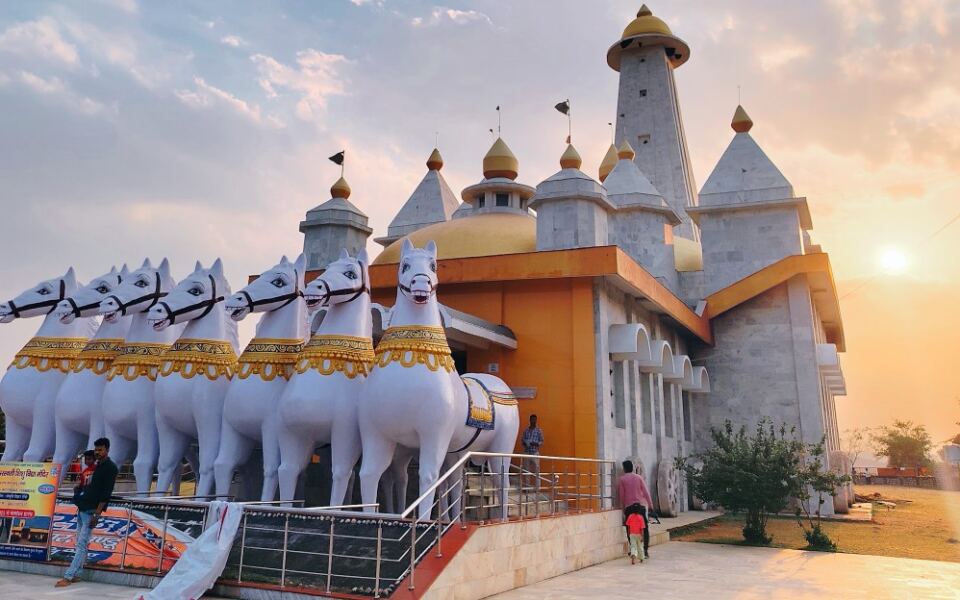
Look closely at the front steps and you will spot horses that seem to burst from the stone. Seven of them pull the chariot, and each one is full of motion.
Their legs lift, their necks arch, and their muscles look tense. Even after centuries of sea wind and sun, the details are still sharp.
That is no small feat for a carving made of hard stone.
The number seven is no accident. Many visitors and guides link the horses to the seven days of the week, and the whole chariot to the sun moving across the sky.
The horses are a favorite spot for photos. Try a low angle so they seem to rise over the lawn.
Early morning light gives them a warm glow, and the long shadows add drama.
Take a moment to walk around them rather than snapping one picture and leaving. Each angle shows something new, like a flared nostril or a braided harness.
It is a small treat that most people rush past.
Stories Carved in Every Wall
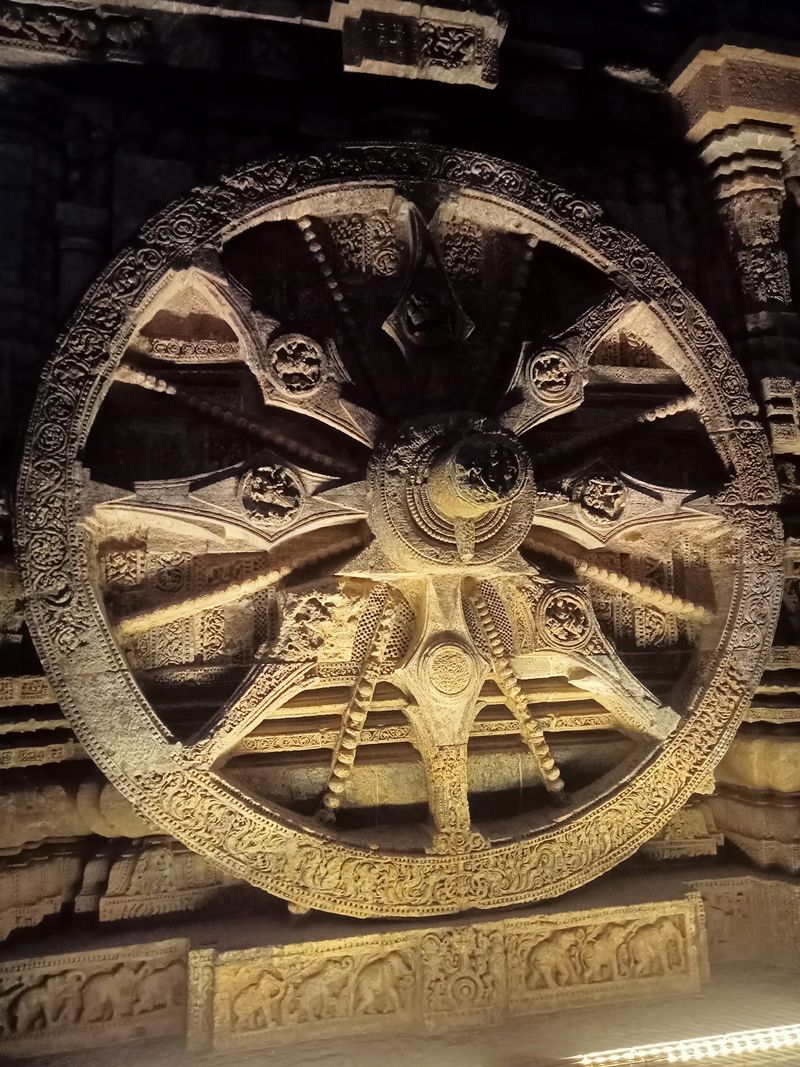
Walls here talk, if you know how to listen. Every panel holds a scene from myth, music, dance, or daily life.
You will find dancers mid-spin, drummers keeping a beat, and animals strolling through floral patterns. The carvers also added scenes of ordinary people, which makes the temple feel alive and human.
One visitor called it an open-air sculpture gallery, and that fits well.
Reviewers say the level of detail is unbelievable even after centuries. Bring a little patience and look at one small section for a full minute.
You will notice jewelry, hairstyles, and tiny expressions that fast walkers miss.
A local guide can make this part pop. Several reviewers urge hiring one at the entrance, because the stories behind the panels turn stone into a tale.
Without a guide, you might admire the art but miss the meaning.
Do not touch the carvings, and keep your snacks away from them. These walls have survived a long time, and a little care helps them last even longer.
The Legend of the Giant Magnet
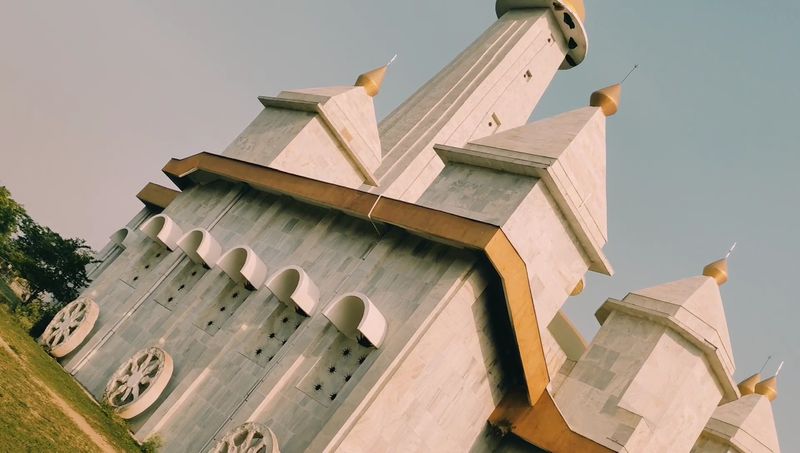
Whisper this one to your friends: a huge magnet once held the temple together. At least, that is what a popular local story says.
The tale claims a powerful lodestone sat at the top and balanced the structure. Some versions say it even pulled on the compasses of passing ships.
When it was removed, the temple supposedly began to crumble.
One reviewer mentioned a 52-ton magnet that kept the sun idol floating in the air. It makes for a great campfire story, and guides tell it with plenty of flair.
Historians have not found proof that any of this really happened. They point instead to weather, salty coastal air, invasions, and the long passage of time as the causes of the damage.
So treat the legend as a fun bit of local color rather than a fact. Ask your guide how they tell it, and compare it with what the experts say.
You will leave knowing both the tale and the truth, which is a pretty good deal.
Built by Hand, Without Modern Tools
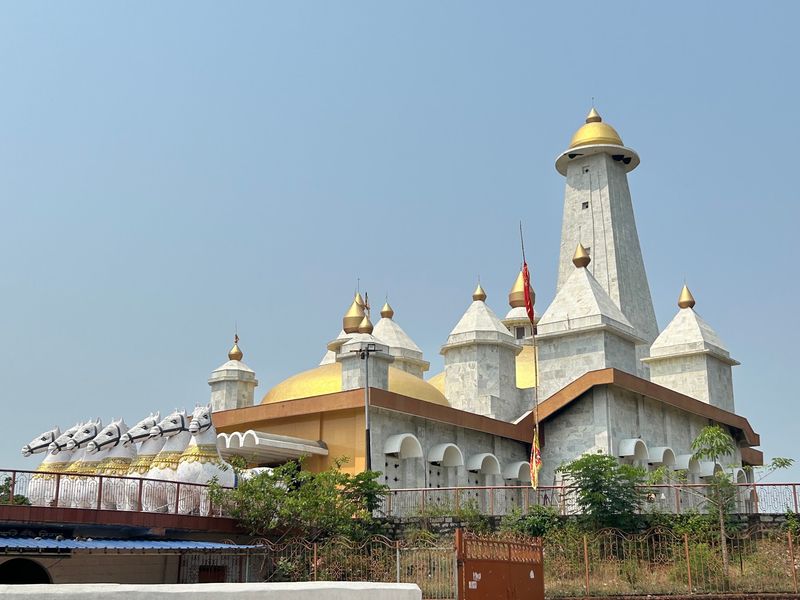
No cranes, no power saws, no problem. The builders of Konark shaped huge blocks of stone using skill, muscle, and clever planning.
The temple uses chlorite, laterite, and khondalite stone, with dark polished stone for fine sculptures. Moving and lifting such heavy pieces took serious teamwork.
Then came the carving, which demanded steady hands and a sharp eye.
Visitors keep saying the same thing: how was this even possible? One reviewer called it advanced civil engineering, and another praised the workers who put together such a piece of art.
Stand near the base and look at how the blocks fit. The joints are tight, and the patterns repeat with surprising care.
It is a good reminder that great design does not need fancy machines.
You could spend a whole day here and still miss details, as one traveler noted. Plan extra time, wear comfy shoes, and take breaks in the shade.
The more slowly you look, the more you will see.
Sunrise Magic at the Entrance
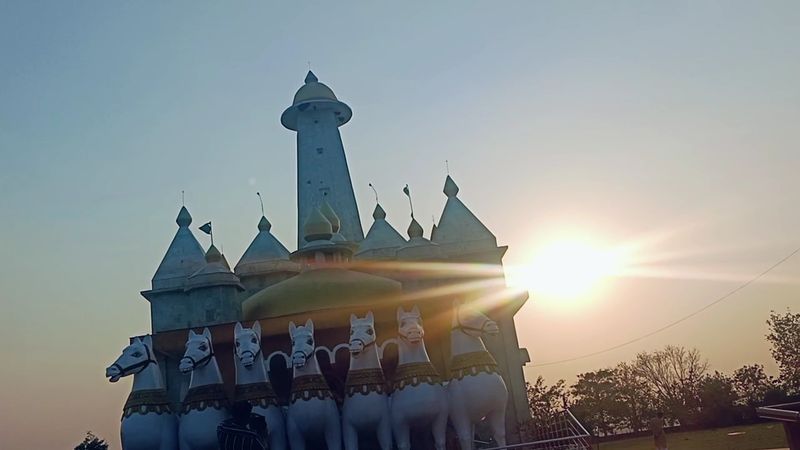
Set your alarm early, because the sun is the star here. The temple faces east, so the first rays light up the entrance and warm the stone to a gentle gold.
One reviewer said sunrise made their visit feel even more magical. Others suggest early morning or late afternoon for the best photos.
Soft light brings out every curve in the carvings and keeps the heat from wearing you down.
The site is generally open from around 6:00 AM to 8:00 PM, so you have a wide window to choose from. Midday can be harsh and hot, especially in summer, so save that time for a break or a museum visit.
Crowds are thinner in the morning too. That means cleaner pictures and a calmer walk around the grounds.
Pack water, a hat, and sunscreen. Then find a spot on the lawn, sit for a minute, and watch the light slide across the stone.
It is a fitting way to greet a temple built for the sun.
Ruins With Real Presence
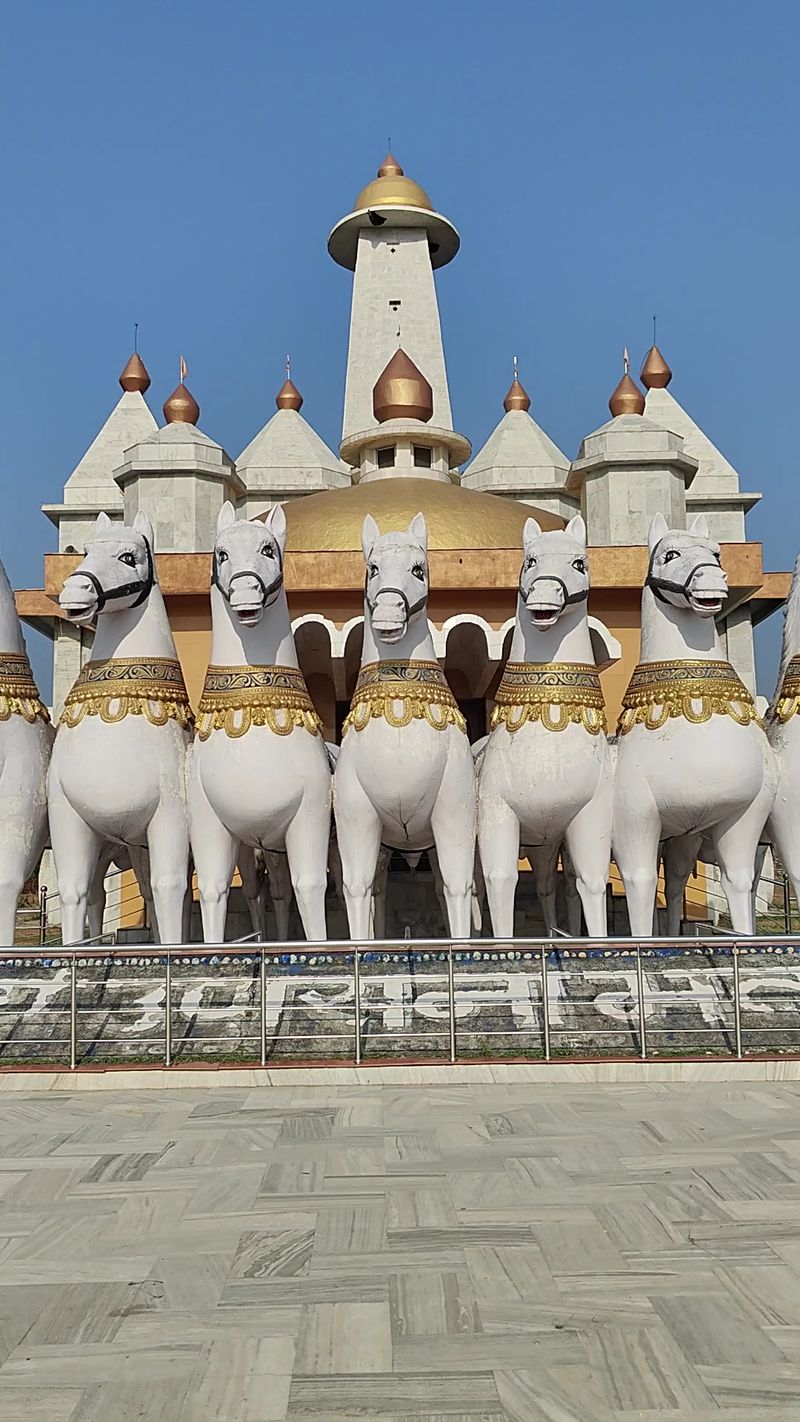
Parts of Konark have fallen, yet the place still feels grand. Visitors often say the ruins leave them speechless.
The main sanctum has partly collapsed, and the main tower is gone. What remains is the dancing hall, the platform, and many sculpted pieces.
You cannot enter the inner temple, but the view from outside is plenty impressive.
During British colonial times, conservation work filled the main sanctum with sand and sealed it to protect the structure. Some sculptures and fragments were also moved to museums for safekeeping.
One reviewer noted that even in ruins, the temple radiates grandeur. Another said that walking around feels like stepping back in time.
Take a slow loop around the whole complex rather than rushing to the biggest spots. Each side shows a different face of the temple, from tidy carvings to broken edges.
Both tell the story of how long this monument has stood by the sea.
A UNESCO Star by the Sea
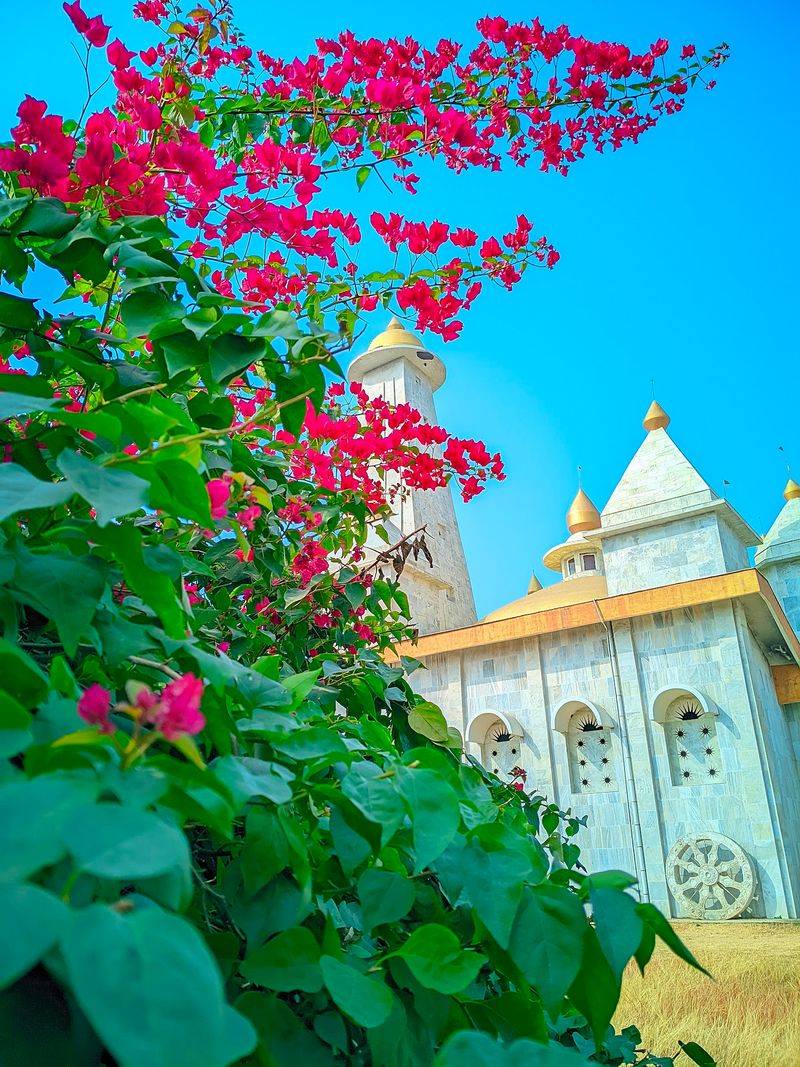
Konark holds the proud title of UNESCO World Heritage Site. That badge is one of the most mentioned topics in visitor reviews, with over a thousand shout-outs.
The temple earned its spot as a top example of medieval Indian art, engineering, and devotion. It sits on the coast of the Bay of Bengal, about 35 km from Puri and around 65 km from Bhubaneswar.
The grounds are clean and well kept by the Archaeological Survey of India, with neat lawns for strolling. Toilets are near the entrance, and drinking water points are spread around the complex.
Small shops outside sell snacks, drinks, and souvenirs.
Buy tickets online if you can, since reviewers say it helps you skip the line. Foreign visitors pay a higher fee, so check the latest prices before you go.
One traveler asked visitors not to litter, and that is good advice for everyone. A heritage site stays special only if we all treat it kindly.
Museum, Light Show, and Beach Nearby
Once you finish the temple, the fun is far from over. A museum sits nearby and explains how the monument was built and why it matters.
Reviewers say it is well worth a stop. You can see sculptures and pieces that were moved there for safekeeping, and the displays make the history easier to follow.
Evenings bring a light and sound show, mentioned by hundreds of visitors. The glowing temple at night looks a bit like a movie set, and the story told along with it adds extra context.
Chandrabhaga Beach is also close, and people often pair it with the temple for a relaxed sea breeze after a day of walking. Cashew and mango trees dot the area, so keep an eye out for local treats.
A smart plan is to start with the temple in the morning, visit the museum at midday, and return for the evening show. That way you avoid the worst heat and still see everything.
Share this story