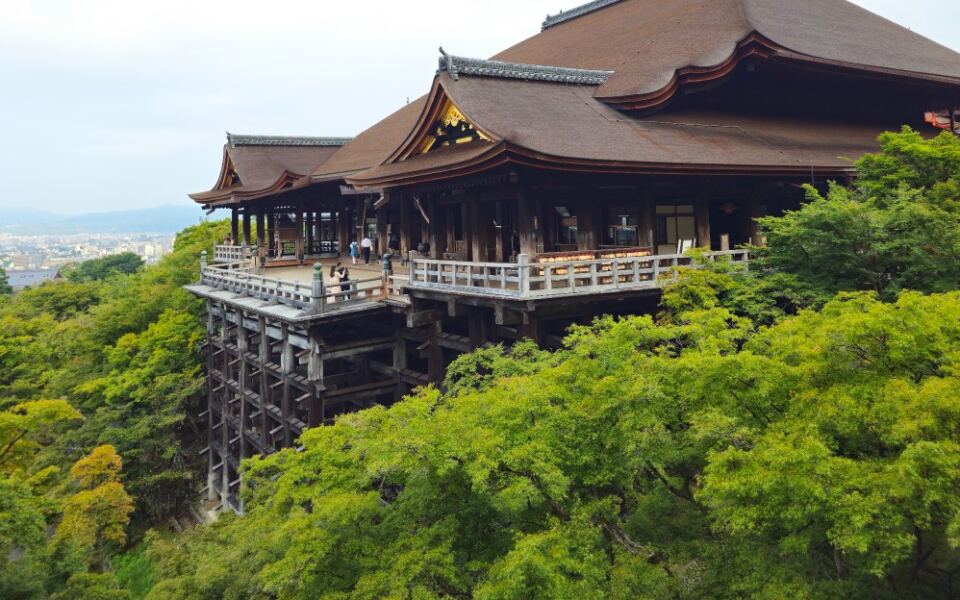
Perched on Mount Otowa, Kiyomizu-dera has been welcoming visitors for more than 1,200 years. Its huge wooden terrace hangs out over the hillside and gives you a wide look at Kyoto.
Add waterfalls, dark caves, old legends, and busy lantern-lit lanes, and you have one of the most exciting temples in Japan. Here are ten things that make a visit unforgettable.
The Wooden Stage That Floats Above the Hillside
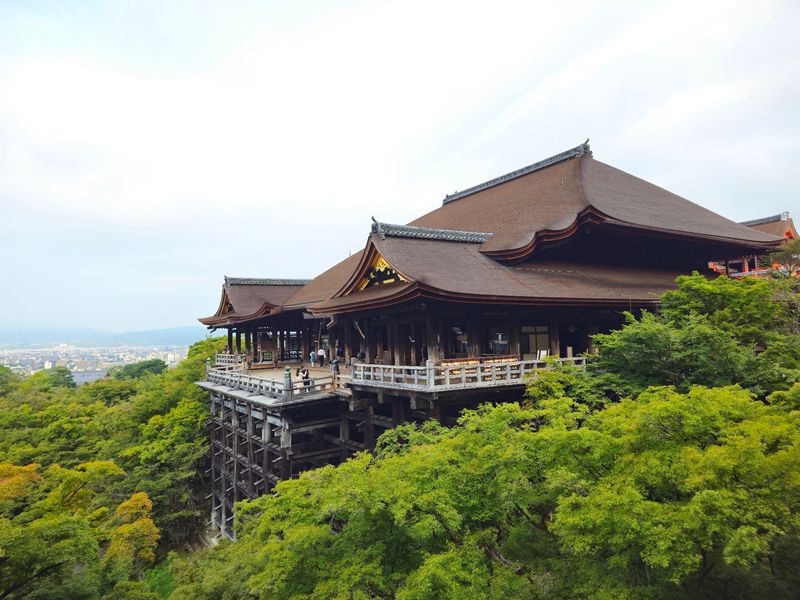
Stand on the main stage and your stomach may do a little flip. The wide veranda juts out from the hillside, and the city of Kyoto spreads out far below you.
On a clear day, you can even spot Kyoto Tower in the distance.
The stage sits about 13 meters above the slope. It is held up by dozens of tall wooden pillars, and the builders used no nails at all.
Each beam locks into the next, and the structure has stood strong through centuries of storms and crowds.
Most of the buildings you see today date back to 1633. That makes the stage older than many countries’ capital cities.
Not bad for a balcony.
Visitors pay a small fee, about 500 yen, to enter the main hall area. Many say it is worth every coin for the views alone.
Walk slowly along the edge and look down at the treetops, because the best photos often come when you pause instead of rushing.
Keep your balance, your camera strap, and your hat secure. Wind can swirl around up there, and nobody wants to chase a hat over a cliff.
The Famous Jump That Is Now Banned
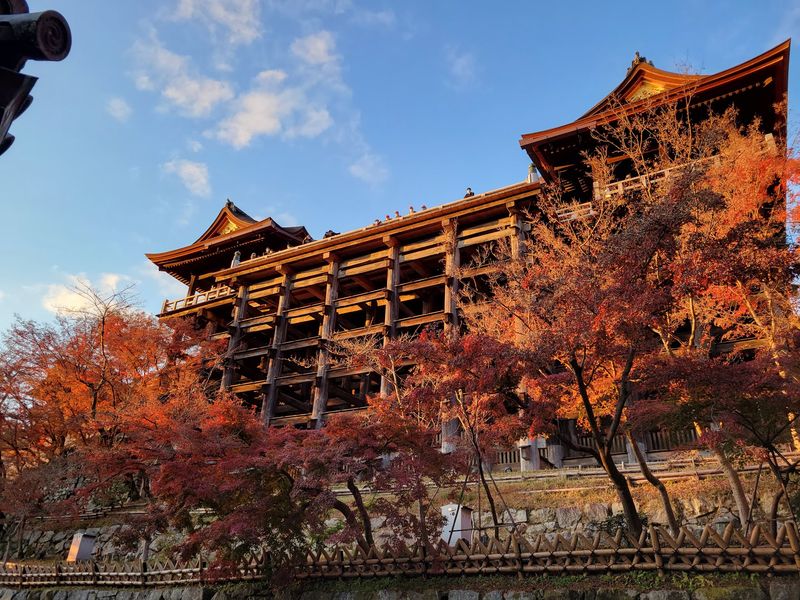
Here is a wild bit of history: people once leaped off this balcony on purpose. During the Edo period, locals believed that surviving the 13-meter drop would make a wish come true.
Records say a large number of jumpers actually lived.
The saying “jumping off the stage of Kiyomizu” is still used in Japan today. It means making a big, brave decision.
Next time you hesitate over ordering the spicy ramen, think of those bold jumpers.
Thankfully, the practice was banned long ago. Today you will find sturdy railings, and your only leap should be from one photo spot to the next.
Treat the old story as folklore, not a challenge.
Standing at the edge, you can picture why people felt such strong feelings here. The drop is real, the trees below look soft, and the whole place hums with old stories.
Tell the tale to friends while you stand on the stage. It adds a thrill to the view, and nobody has to risk a single bone.
Otowa Waterfall and Its Three Wishes
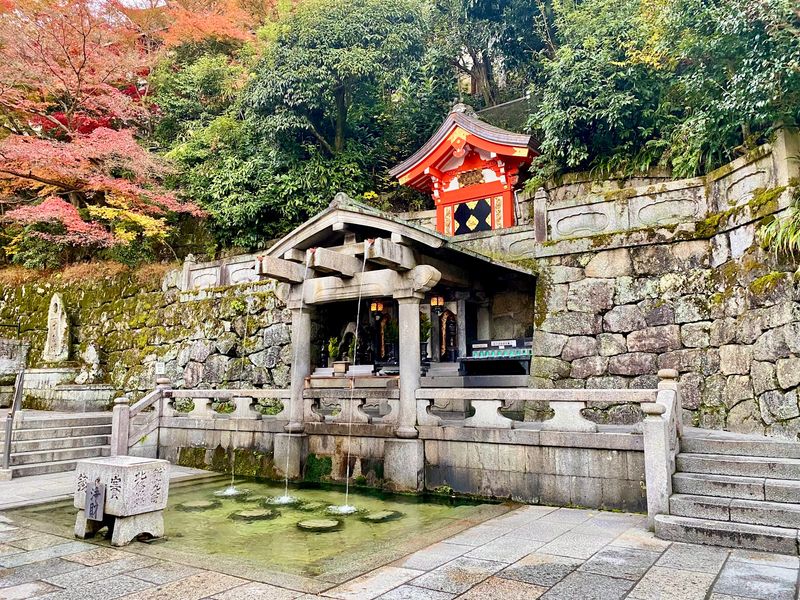
Cold, clear water pours down in three thin streams, and people line up with long poles to catch a sip. This is the Otowa Waterfall, the spring that gave the temple its name.
Kiyomizu means pure water.
Each stream is said to carry a different blessing. One is for health and long life, one is for success in school, and one is for love.
Choose with care, because tradition says drinking from all three is greedy.
The line can be long, but it moves steadily. Use the time to watch how others hold their cups and take their sips.
Cups are sterilized under a light, which is a neat touch.
Drinking is simple and surprisingly moving. One visitor called it small but deeply meaningful.
Whatever you wish for, the cool water tastes great after a climb up the hill.
Wait your turn, drink slowly, and make a quiet wish. Then step aside so the next person can have a moment too.
Tainai-meguri, the Pitch-Black Cave Walk
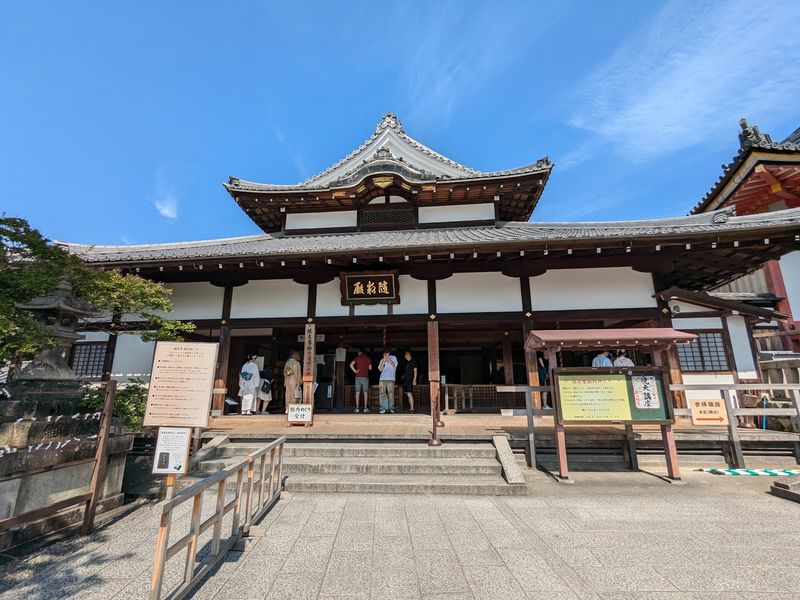
Total darkness is not something most of us meet in daily life. Under a small hall at Kiyomizu-dera, you can try it for about 100 yen.
The experience is called Tainai-meguri, meaning a passage through the womb.
You walk through a tunnel with only a thick rope of prayer beads to guide you. Your eyes find nothing, so your hands and ears take over.
Voices of other visitors sound oddly close.
At the end, a glowing stone waits. Touch it, make a wish, and the stone is said to bring good fortune.
The symbolism is rebirth, a fresh start after the dark.
One reviewer called it spiritual, slightly eerie, and absolutely worth it. Another found it a bit unnerving.
Both are fair, so go in expecting to feel something.
Move slowly, keep one hand on the rope, and breathe easy. The darkness lasts only a few minutes, but it tends to stay in your memory much longer.
Climbing Through Ninenzaka and Sannenzaka
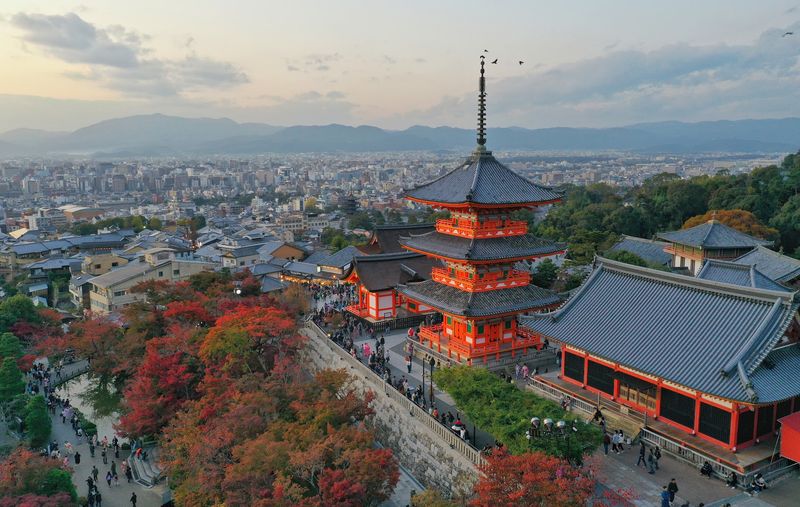
The journey starts long before the gate. Two charming stone lanes, Ninenzaka and Sannenzaka, lead up toward the temple.
Wooden storefronts, teahouses, and craft shops line both sides.
The slope is steady, and on a hot summer day it can feel long. A smart visitor stops in the shops along the way.
One traveler said the souvenirs made the distance disappear.
Snacks start around 300 yen, and sit-down meals run from about 2,000 to 6,000 yen. Try a sweet treat, browse pottery, and peek into side alleys.
Take your time, because the walk is half the fun.
Wear comfortable shoes, as the stones can be uneven. If you can, arrive early, when the lanes are calm and the light is soft.
By ten in the morning, the crowds usually swell.
Reaching the top feels like earning a reward. The view over Kyoto is your prize, and a snack in hand makes it even sweeter.
Kimono Strolls Around the Temple
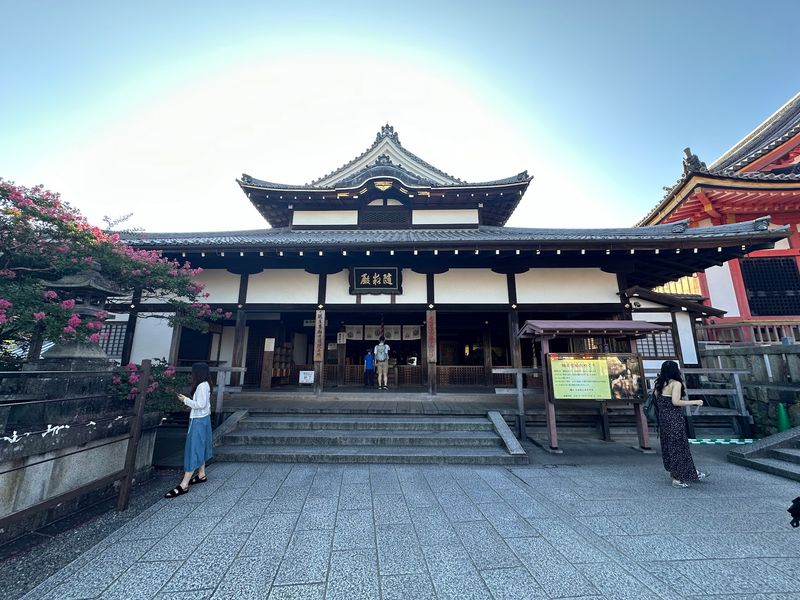
Colorful fabric flutters everywhere you look. Dozens of rental shops near the temple let visitors dress in traditional kimono for the day.
Prices run roughly 3,000 to 4,000 yen.
Walking uphill in a kimono is a skill. Steps are small, and the trip takes longer than usual, so plan for extra time.
Most people say the effort adds a special feel to the visit.
Photos look wonderful against the red pagoda, wooden gates, and stone steps. Locals and tourists alike love to snap pictures here.
One reviewer said the cheerful mood makes it easy to take pictures with other people.
Book ahead if you can, especially in spring and autumn. Shops fill fast during blossom and leaf seasons.
Ask staff about hair styling and bag storage too.
Wear socks that suit the sandals, and bring a small bag. Dress up, smile, and enjoy feeling like a character in a historical drama.
Benkei’s Giant Iron Staff and Other Quirky Sights
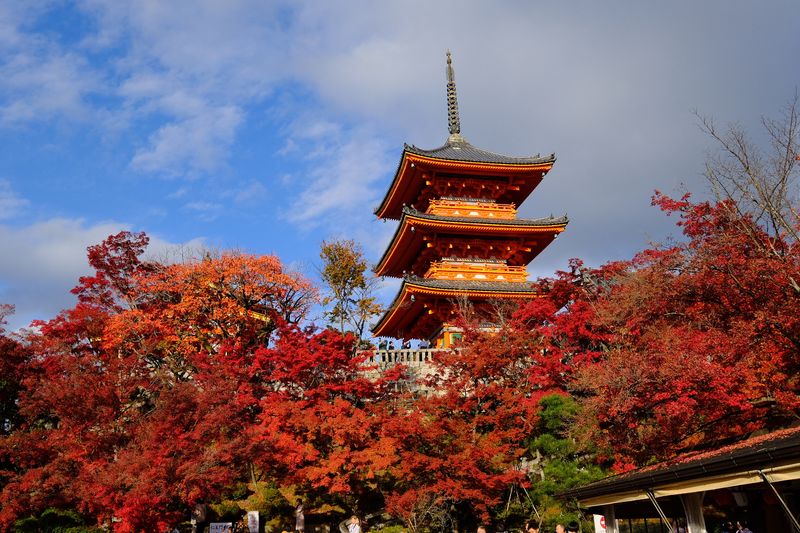
Ever wanted to test your muscles on a legend’s weapon? Near the main hall, you can find a replica of the spear linked to the warrior monk Benkei.
It weighs close to 100 kilograms. Visitors often try to lift it, with mixed results.
Look nearby for stone statues, small torii gates, and another pagoda. The grounds hold many small surprises.
Each corner seems to hide a new photo spot.
Plan on about two to three hours if you want to wander calmly. The walk is easy and has plenty of benches and shade.
Even families with young kids can manage the paths.
Do not rush past the little halls. Many are quiet and have lovely carvings.
The contrast with the busy main stage is refreshing.
Bring a friend for a lifting contest, but protect your back. Cheering counts as a perfectly good sport, and the spear will not mind.
The Three-Story Pagoda Selfie Trick
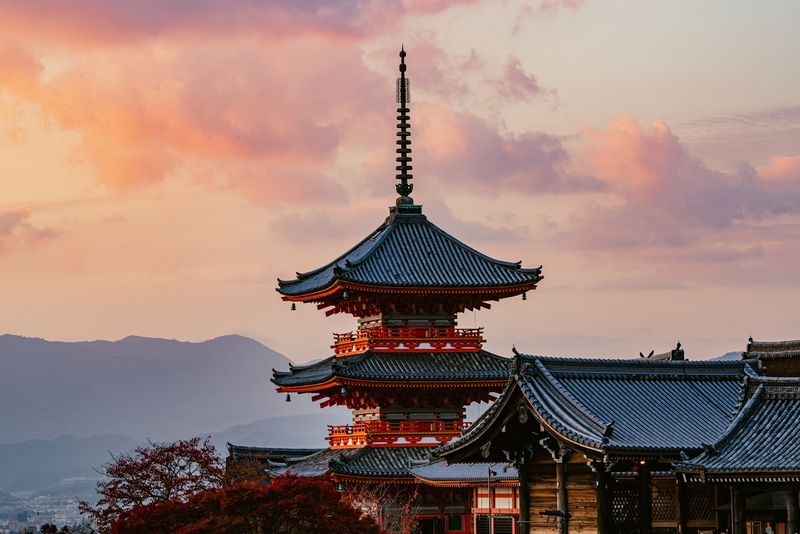
Most people point their cameras at the stage, and that leaves a better shot for you. Near the entrance stands a bright red three-story pagoda.
A clever traveler suggests a high-angle selfie, with the pagoda rising behind you.
The pagoda was originally built in 847 and has been rebuilt since. Its vivid color pops against the green hillside.
In spring, pink blossoms frame it, and in autumn, red leaves join the party.
Early morning light is soft and kind to photos. Late afternoon gives a warm glow.
At sunset, the sky and the wooden buildings blend into a perfect backdrop, as one visitor noticed.
Crowds can be thick, so patience helps. Step to the side of the path and wait for a clear moment.
Your picture will turn out better than a rushed one.
Do not forget to look around too. Photos are lovely, but the real thing is better.
Seasons That Change the Scenery
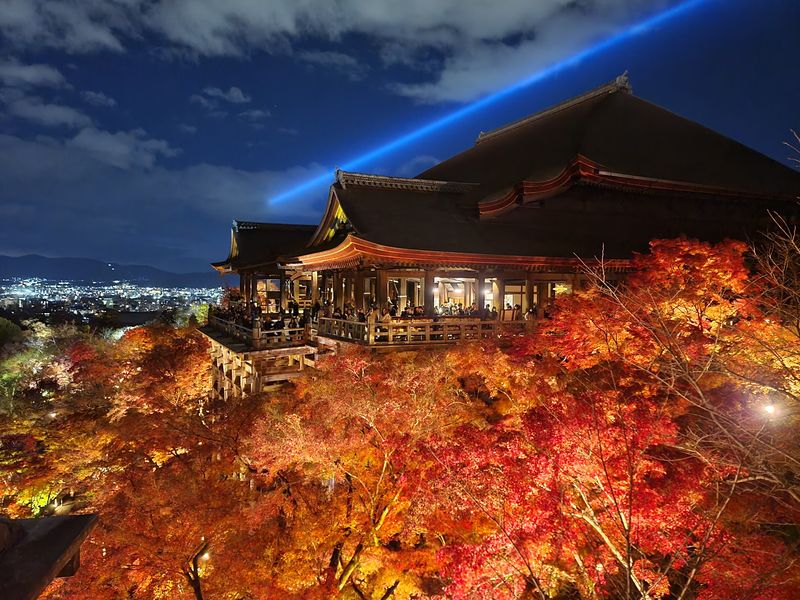
This temple wears a new outfit every season. Spring brings clouds of cherry blossoms, and summer wraps the hill in deep green.
Autumn sets the slopes ablaze with red maples. Winter adds a calm hush, and sometimes a dusting of snow.
Each season also changes the ticket. One visitor noted that the entry ticket matches the time of year.
It makes a pretty keepsake to tuck into a notebook.
Spring and autumn are the busiest. A Sunday during sakura season felt packed, yet visitors still found the mood peaceful.
If you want fewer people, aim for a weekday.
Special evening openings happen at certain times of year, with lights glowing on the buildings. Check the official website before you go.
Dates can change.
Whichever season you pick, bring layers. Hilltop weather shifts fast, and a warm jacket or a cool fan might save your day.
Beating the Crowds and Planning Your Day
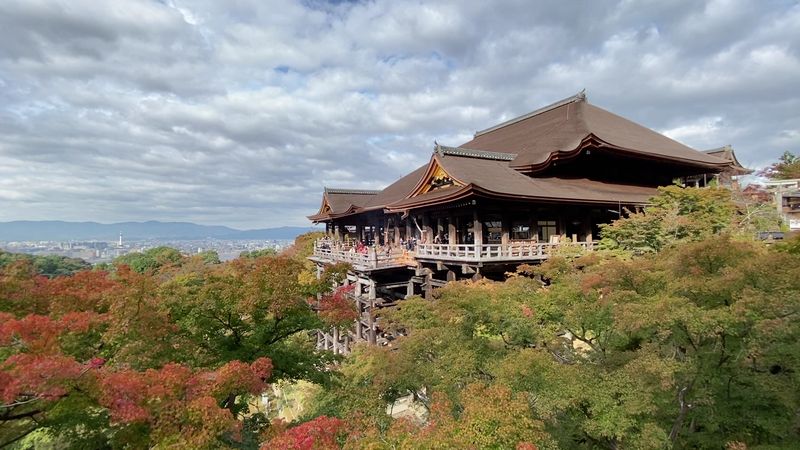
Gates open at 6 am, and the early birds win. Between 6 and 10 in the morning, the difference is huge.
Quiet paths and calm views reward those who set an alarm.
The temple closes at 6 pm every day. Admission to the main area is about 500 yen.
Allow at least two to three hours to explore and enjoy the lanes outside.
Getting there is simple. City bus 207 runs from Kyoto Station and takes about 30 minutes, then you walk uphill.
Bike rentals are another popular option, with parking nearby. Driving is possible, but parking gets tight.
Remember some rules. Photos are not allowed inside certain halls, and eating or drinking in the sacred spaces is discouraged.
Treat the place with respect, because it is still an active temple.
Finish with a slow meal in the lanes below. After all those steps, you have earned it.
Share this story