You might spot it from the highway and think it is just a big green hill with a curved building beside it. I almost drove right past, hungry for lunch and curious about nothing in particular.
Once I stepped inside, I found one of the most moving places in all of Oklahoma, where Native nations share their history, art, and voices on their own terms. It turned a quick stop into an afternoon I still think about.
A Landmark Hiding in Plain Sight Off I-40
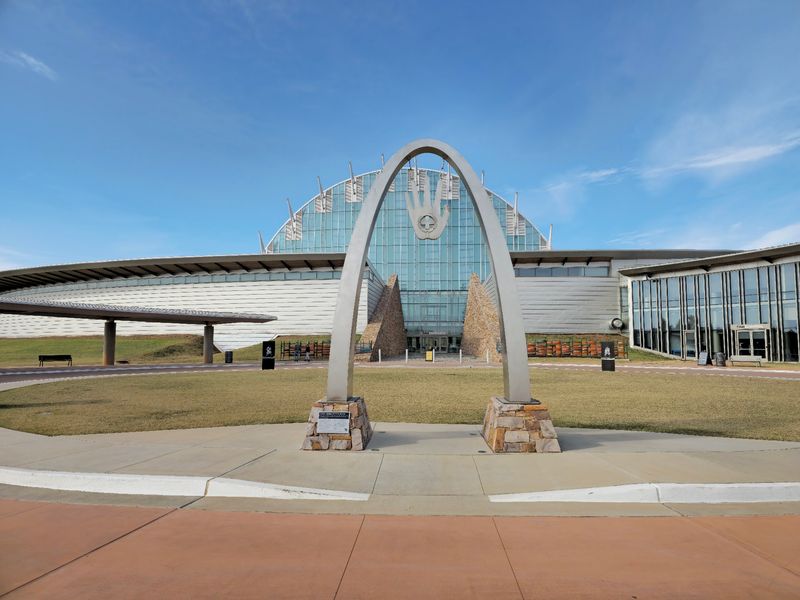
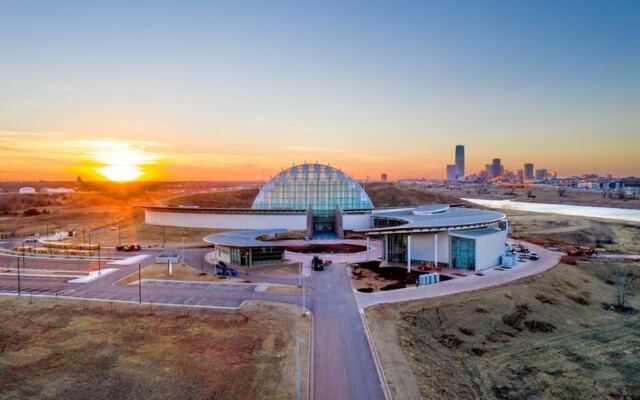
Drivers zipping along Interstate 40 through Oklahoma City often glance at a sweeping grassy mound and a low, curving building and wonder what on earth they just passed. That landmark is the First Americans Museum, sitting at 659 First Americans Blvd, Oklahoma City, OK 73129.
Plenty of first-time visitors admit they had no idea how much was waiting behind those walls.
Getting there could hardly be simpler. Visitors often point out how easy it is to reach right off I-40, which makes it a natural break for road-trippers crossing the state.
Parking is another pleasant surprise, with guests describing it as easy and free once the ticket office validates the parking ticket.
So what exactly is this place? At its heart, the museum is a large, modern space devoted to the history and living cultures of Oklahoma’s tribal nations.
Guests describe galleries packed with artifacts, interactive exhibits, video storytelling, and an outdoor mound walk with a view of the city skyline.
One traveler called it a true hidden gem, which feels fitting. It is big, beautiful, and still somehow under the radar for many Oklahomans who have driven by it a hundred times without stopping.
Stories Told From the Inside Out
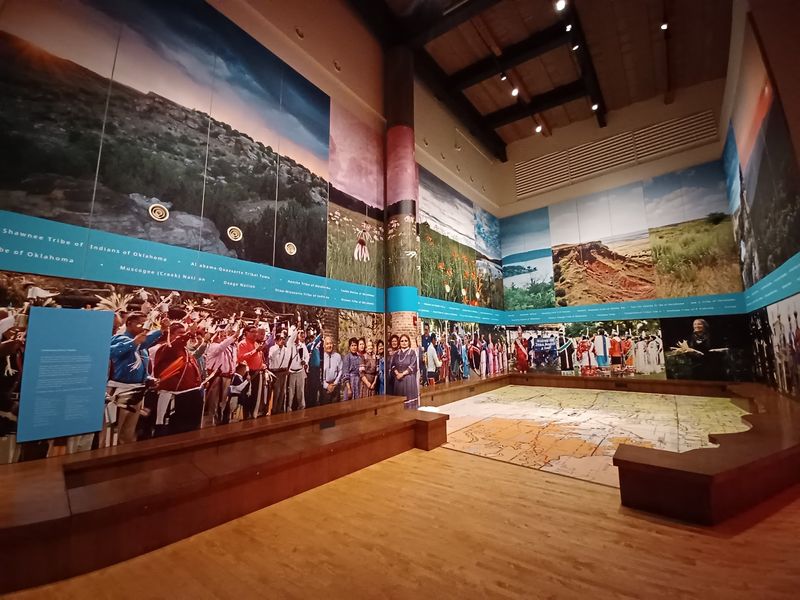
History books get a lot of things wrong, and many visitors walk out of this museum realizing just how much. One guest shared that the lessons they learned in school about Indigenous people were badly inaccurate, and the galleries here helped set the record straight.
Rather than telling one broad story, the museum focuses on the tribal nations of Oklahoma specifically. A mother and daughter who stopped in said they learned a great deal about Native Americans in general, but especially about the communities rooted right here in the state.
That local focus gives the experience a personal, close-to-home feel.
Guests frequently describe the way these stories are presented as respectful, moving, and deeply informative. Another visitor appreciated what they called accurate coverage of difficult chapters, including topics connected to the Trail of Tears and forced removal.
Not every account is heavy, though. Visitors also mention displays showing both current and past ways of living, which reminds everyone that these cultures are very much alive today.
The result is a museum that treats history as an ongoing conversation instead of a dusty chapter that ended long ago. It is a perspective many people simply have not encountered before.
Sweeping Curves and Natural Light
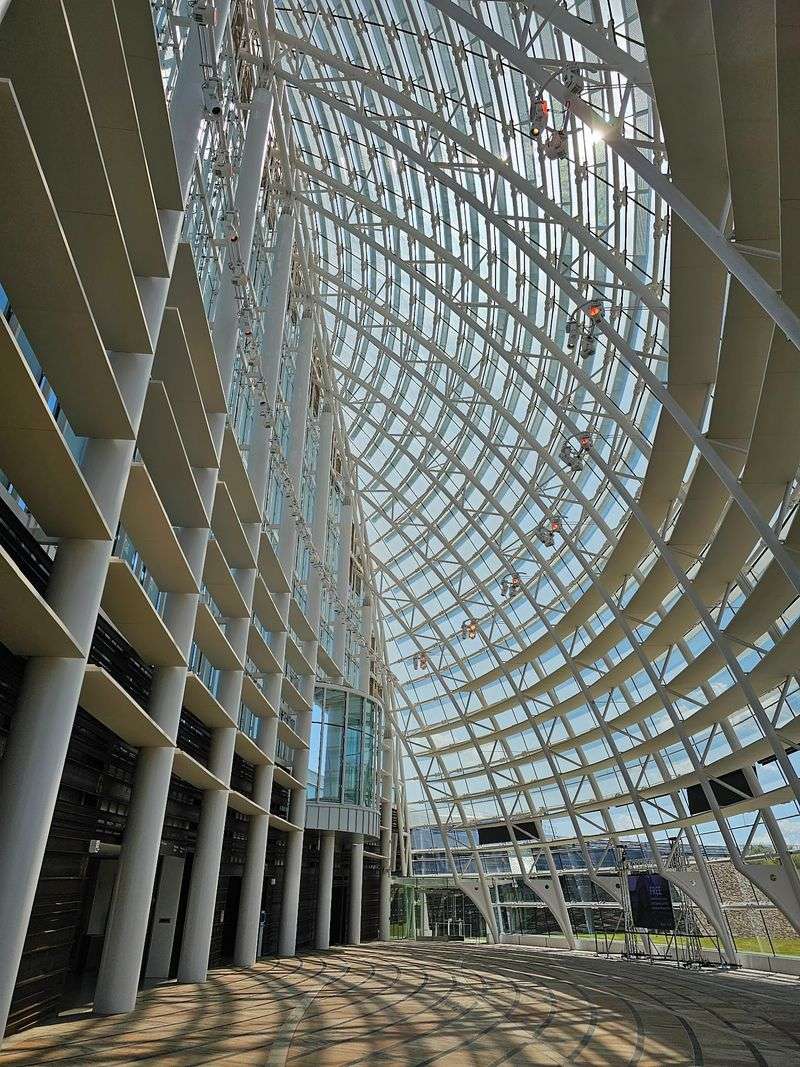
Architecture fans, take note. The building itself earns nearly as much praise as the exhibits, with visitors calling it stunning, impressive, and really unique in its construction.
Picture long, sweeping curves instead of boxy hallways, with natural light washing through the space. One guest who planned a short visit specifically pointed to those curves and that soft daylight as part of what made the place so memorable.
It feels open and calm, more like a gathering place than a typical museum.
There is also a sense of scale that surprises people. The footprint is large, and one visitor noted there is a lot of space throughout the property.
Some find that roominess peaceful, while others mention the actual display area feels smaller than the building suggests from outside.
Either way, the design leaves an impression. People talk about walking in and feeling a little bit of awe, a reaction one repeat visitor said happens every single time.
It is clean and modern, yet it never feels cold.
Bring a camera, or at least plan to pause in the main spaces. Those curved lines and bright windows make for some of the most striking views inside any Oklahoma museum.
The Mound Walk and Its Skyline Payoff
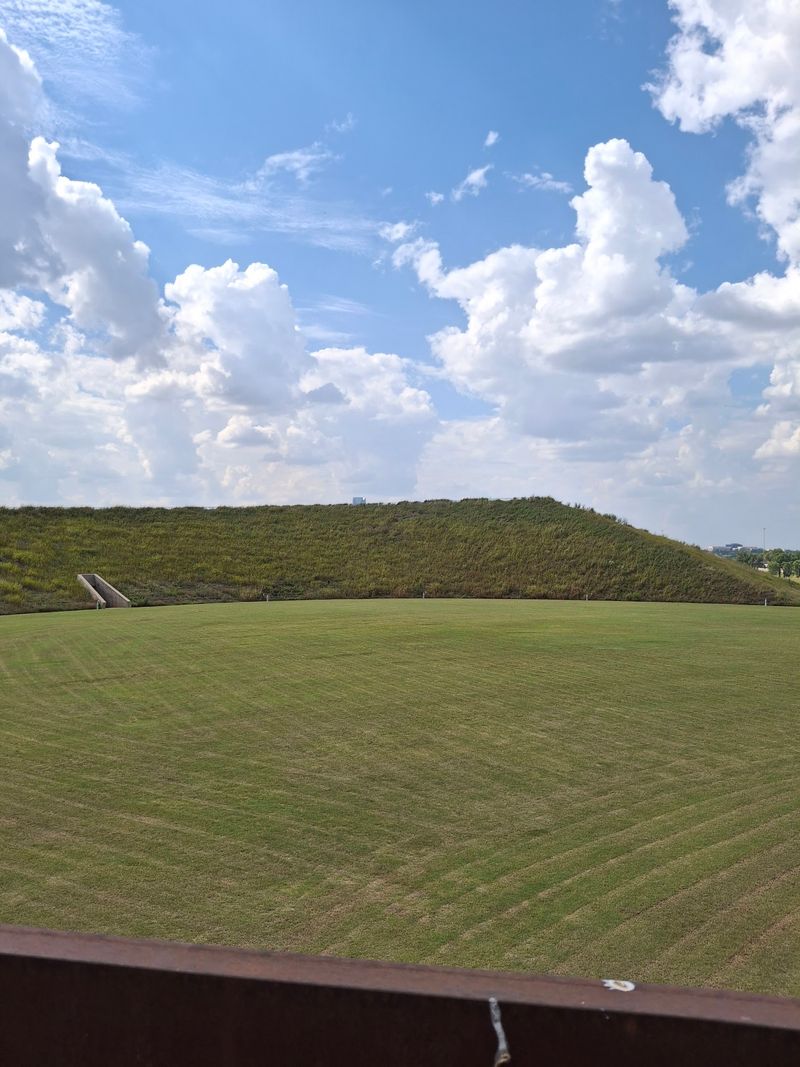
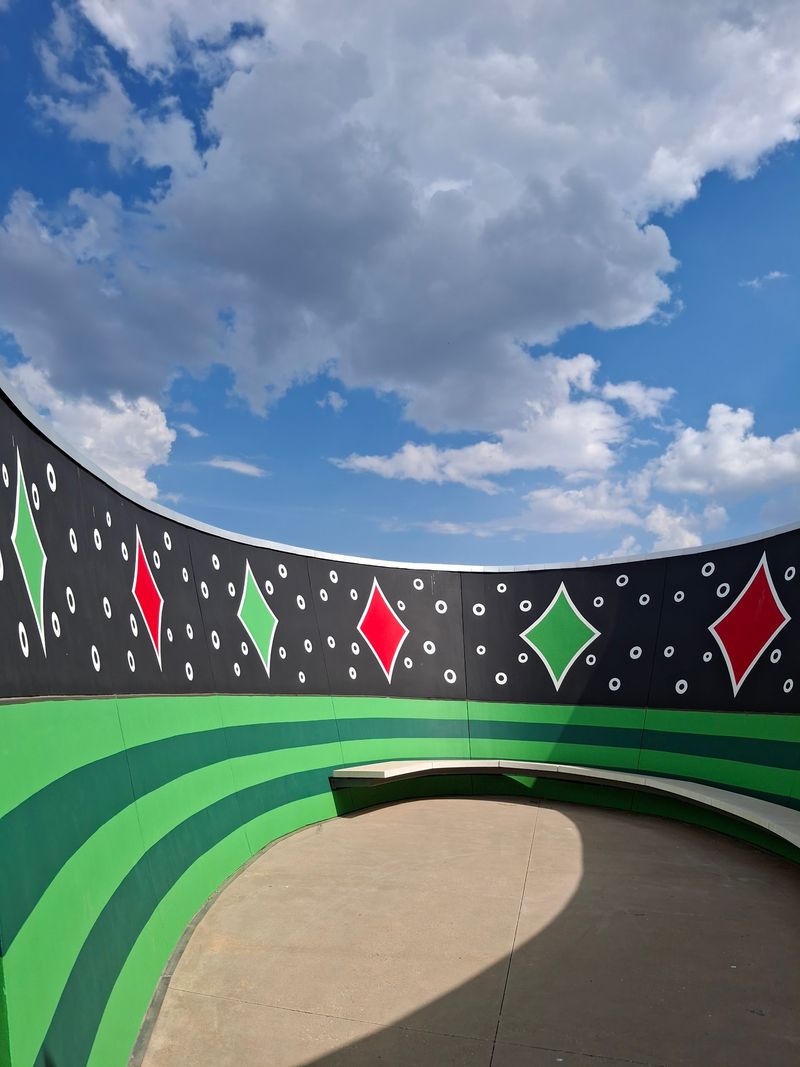
Here is the part that catches every driver’s eye from the interstate. That big grassy hill outside is a mound you can actually walk, and it is one of the quirkiest features of any museum in Oklahoma.
Visitors who make the climb tend to rave about the payoff at the top. One family described the mound walk as nice with a great view of downtown OKC, while another guest simply called the view breathtaking.
Seeing the city skyline rise beyond the green slope is a fun contrast worth the stroll.
A few honest notes help set expectations. Some guests were not sure how the mound was meant to be experienced, and one couple who live near well-known historic mounds elsewhere decided to skip it.
They also mentioned it was hot outside that day, which matters in an Oklahoma summer.
So timing counts. Going earlier in the day or during milder seasons makes the walk far more pleasant, and a water bottle never hurts.
Even if you only climb partway, the mound gives the whole visit a breath of fresh air. After hours of thoughtful galleries, stepping outside onto open grass feels like hitting a reset button before heading back inside.
Artifacts That Carry Real Weight
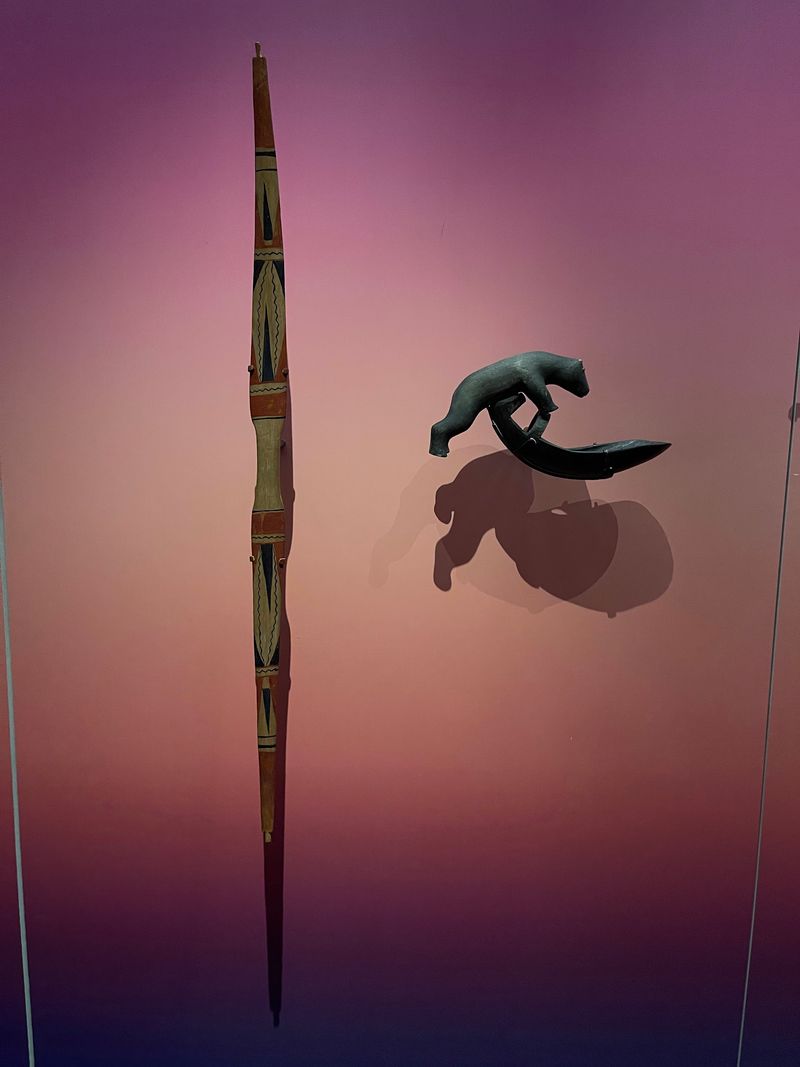
Artifacts come up more than anything else when people describe their time here, and for good reason. Guests talk about beautiful objects displayed with care, paired with stories that give each piece context and meaning.
Many visitors call the exhibits impressive, educational, and thought provoking. One guest said the layout itself gave them a better understanding and appreciation of Indigenous cultures and their struggles.
Another described the whole collection as a comprehensive, easy-to-grasp look at the history of Native people in Oklahoma.
Fair warning: some stories here are heartbreaking. A grandmother who brought her ten-year-old granddaughter said many accounts were hard to hear, yet important and powerful.
She also appreciated that the courage and resilience of the First Americans is highlighted throughout.
Opinions do vary. A couple of guests wished for more older, worn pieces from far back in time, or more focus on regalia and craftsmanship rather than hardship.
Others found the balance just right and called it historically accurate.
That range of reactions actually says something. These galleries spark conversation, and most people leave thinking harder about history than when they walked in.
It is a place meant to be felt, not just glanced at.
Voices on Screen and in Sound
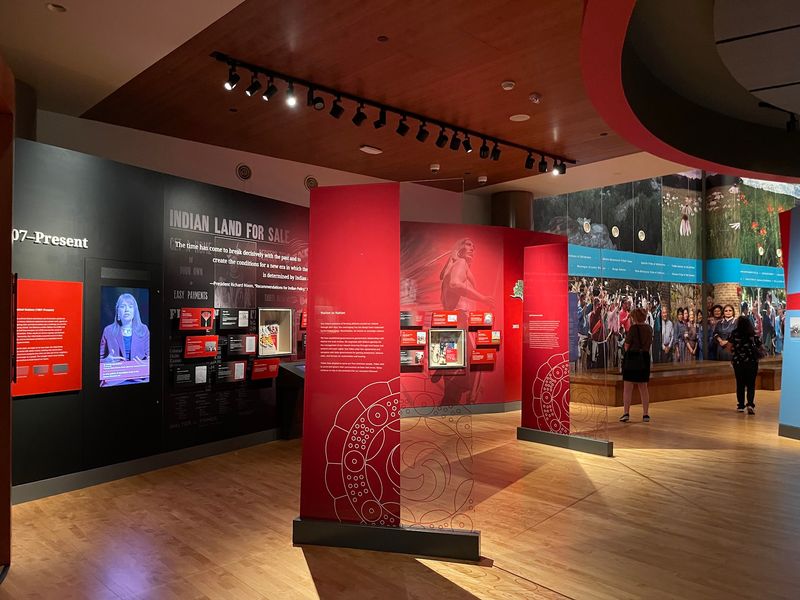
Reading every label is not the only way to learn here. A big part of the experience comes through sound and screens, and visitors describe the audio and visual elements as exceptional.
One guest found the videos about storytelling especially fascinating, along with the stories themselves. Hearing history told aloud adds warmth and personality that printed panels alone cannot match.
It also helps the message land with younger visitors who might drift past a wall of text.
Interactive exhibits pop up throughout the galleries too, and they get plenty of mentions from families and curious adults alike. Pressing, listening, and watching keeps the pace lively.
To be fair, not everyone clicks with this format. One visitor felt the museum leaned too heavily on reading and listening and wanted more hands-on variety for the ticket price.
That feedback is useful for anyone who prefers a fast-moving, touch-everything style of museum.
For most guests, though, the voices are the heart of it. Stories come across as personal, carried in the words of the people they belong to.
That approach is exactly what makes the museum feel so different from older, more distant exhibits elsewhere. Give yourself time to sit, listen, and let them sink in.
Treetop Tunnels and a Coyote Named Claudia
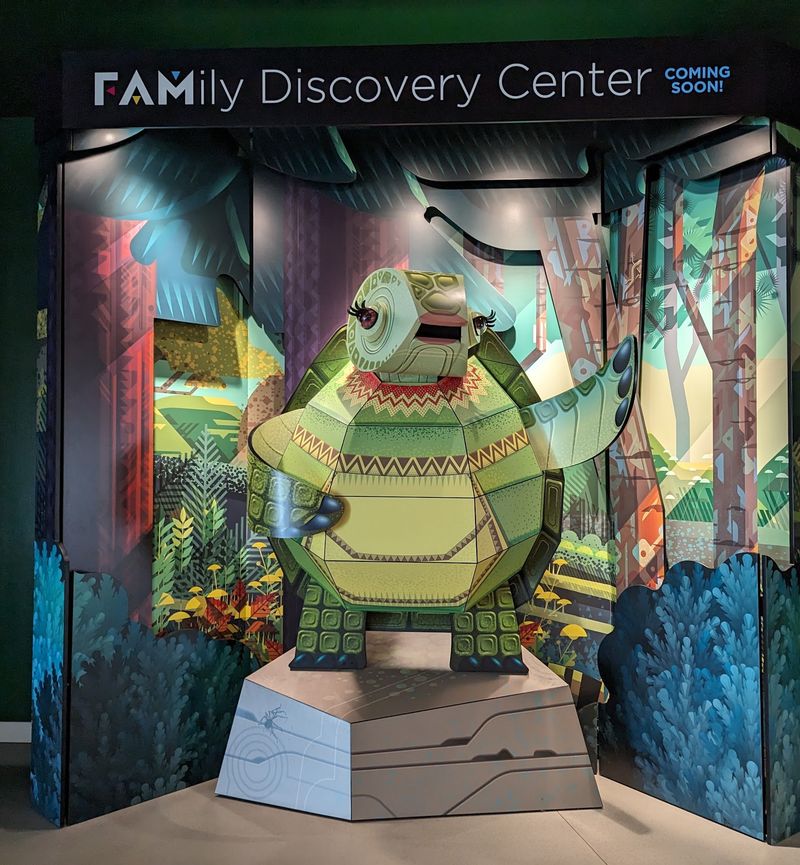
Kids have their own corner of fun here, and it might steal the show for the under-ten crowd. The interactive discovery center gets praise for its special effects and playful design, which one parent called a real joy to witness.
Little explorers can climb through treetop tunnels, though one family said it took their children a few minutes to work up the courage. Then there is Claudia the coyote.
A five-year-old was convinced she was a fox and loved hanging out in her den.
A few practical details help. Families mentioned signing a waiver for everyone, which was quick and easy and stays valid until 2028.
One parent visiting on Mother’s Day said the space was not busy at all and the staff were kind and helpful.
Budget-minded families should hear this tip. Some guests felt the full ticket price was a lot if you only came for the children’s area.
Several suggested the Pioneer Library System experience passes as a smart way to visit, and one family used a library pass to get in.
Pair the discovery center with a quick gallery walk, and the whole crew gets something out of the trip.
Guided Tours and a Knowledgeable Team
Want a tip that costs nothing? Several visitors strongly recommend catching one of the free guided tours if your timing allows.
One guest who stayed far longer than planned said the guided tour was excellent and really brought everything to life. A tour adds context you might miss on your own, and it gives you a chance to ask questions as you go.
For first-timers, it is an easy way to make sense of a lot of history in one afternoon.
Staff in general earn steady praise. Helpful staff ranks among the most talked-about topics, with guests calling the team friendly, kind, and professional.
One visitor said their knowledge about the galleries was second to none.
The kindness reaches beyond regular visiting days too. A couple who held their wedding here praised the events team as detail-oriented and flexible, and singled out the facilities crew as unmatched.
That says a lot about the care behind the scenes.
Visitors also appreciate how clean the museum stays and how accessible it feels. Whether you join a tour or wander solo, it helps to know friendly experts are close by, ready to point you toward something you might have walked right past.
Soup, Souvenirs, and the Gallery Next Door
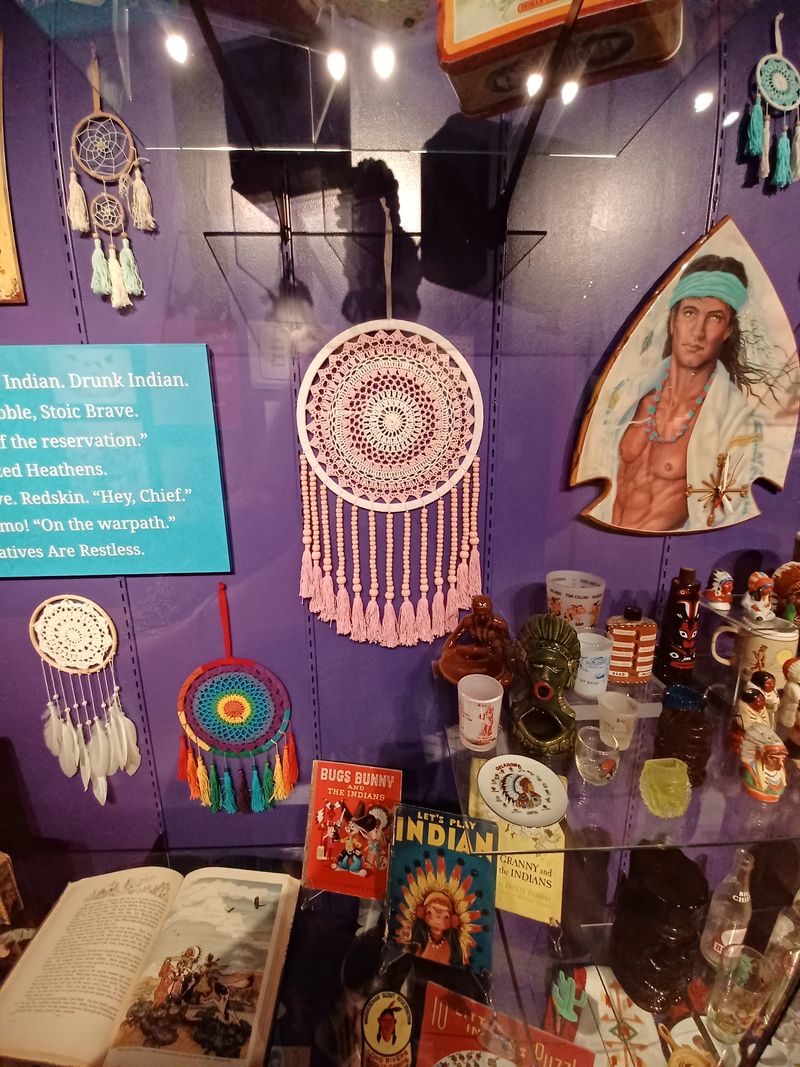
Hungry after all that walking? Good news: you do not have to leave to grab a bite, since there is a cafe right on site.
Guests describe it as a nice cafe, and one visitor said the soup was among the best they had ever tried. The catch is the portion.
That same guest joked it was about a quarter cup, just enough for a taste, and noted the restaurant leans pricey. Think of it as a flavorful snack rather than a full lunch.
Next comes the gift shop. One visitor observed that it mostly carries higher-end, more expensive gifts, so browsers on a tight budget may want to look before falling in love with anything.
For those hoping to bring home something meaningful, it is still worth a peek.
Here is an easy add-on many people miss. A grandmother who loved her visit urged others not to skip the art gallery next door, calling the artwork beautiful.
Native American art comes up often among guests, so this extra stop fits right in.
Plan a little extra time and money for these spots. They round out the day nicely and keep you from rushing back to the car.
Who Will Get the Most From a Visit
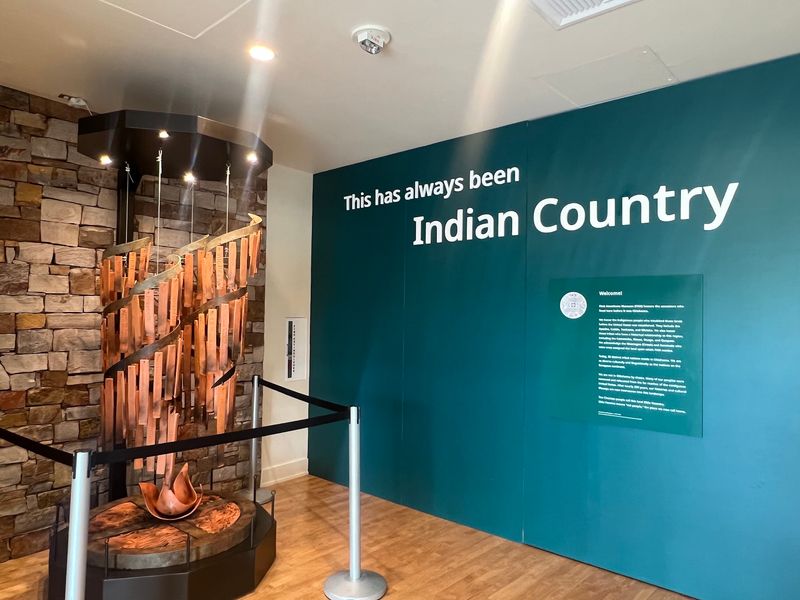
History lovers will be in heaven, plain and simple. Anyone curious about Native American culture or Oklahoma’s past will find hours of material, and one visitor said you could spend all day if you read everything.
Families do well here too. Grandparents bring grandchildren to share honest history, parents bring little ones to the discovery center, and mothers and daughters make it a day out together.
One family said everyone in their group really enjoyed it.
Road-trippers crossing Oklahoma on I-40 also have an easy reason to stop. Visitors from out of state often call it a must-see for anyone in OKC, and its location makes it a painless detour.
Who might feel less excited? Travelers hoping for a quick, mostly hands-on stop sometimes feel the reading-heavy galleries are not their style.
A few guests also wanted more focus on craftsmanship and celebration than on hardship.
The overall mood is reflective, beautiful, and occasionally uncomfortable in a meaningful way. One repeat visitor said that if you do not feel uneasy sitting with what you learned, you should go back in.
That kind of place rewards open-minded guests who arrive ready to listen.
Hours, Tickets, and Timing Tips
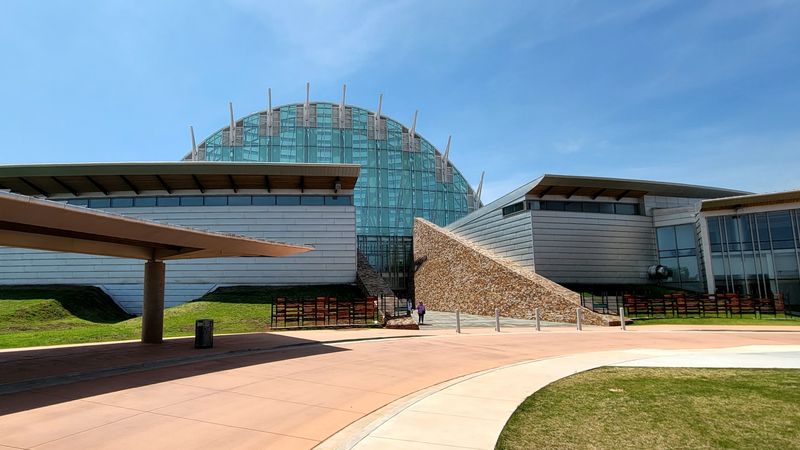
Mark your calendar carefully, because Tuesday is the one day the doors stay shut. Monday, Wednesday, Thursday, and Friday run from 10 AM to 5 PM, while Saturday and Sunday open a bit later at 11 AM and close at 5 PM.
Ticket prices are worth checking ahead. One visitor mentioned paying about 20 dollars per person, so confirm current rates on the website at famok.org or call 405-594-2100 before you go.
Library experience passes through the Pioneer Library System are another option several families mentioned.
How long should you plan? Answers vary a lot.
One guest found the display area quick to get through, while others spent three hours, and one person planned two hours but stayed nearly four.
Crowds matter too. A visitor noted some areas feel a bit busy on weekends and suggested arriving early, while a Mother’s Day family found it pleasantly quiet.
Also, one guest arrived to find the upstairs gallery closed that day, so calling ahead can save disappointment.
Parking is free and simple, with the ticket office validating your parking ticket. Combine an early arrival with a weekday visit, and you will likely enjoy the calmest experience.
Why the Detour Is Worth Taking
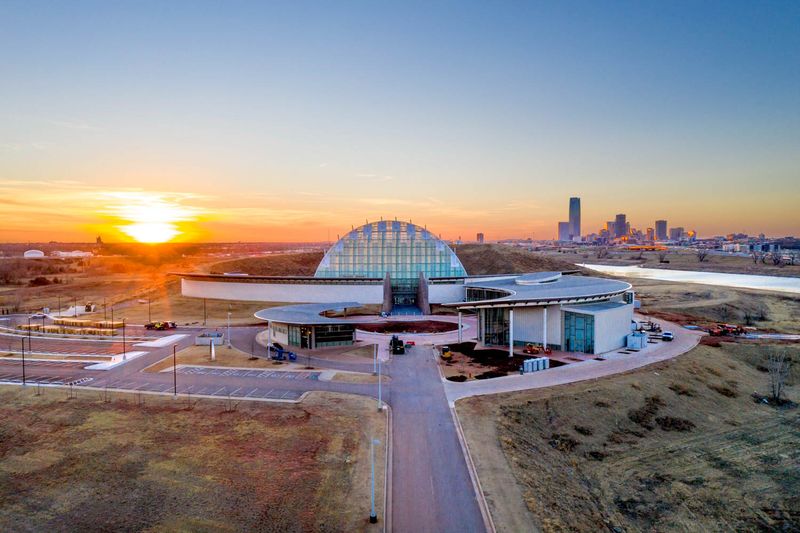
Some stops fill an hour, and some stick with you for weeks. Most guests put the First Americans Museum firmly in that second group.
Visitors keep using words like amazing, powerful, and beautifully done. One first-timer warned that anyone who has not visited is missing out, and plenty of others said they plan to return.
A grandmother even suggested it is worth a few visits to truly see it all.
It is not perfect for everyone. Some found the ticket price steep for the time spent, wished for more ancient pieces, or wanted a lighter tone.
Those are fair points to weigh before heading in.
Still, the bigger picture shines through. Here is a striking building off the interstate, a grassy mound with a skyline view, a playful kids’ zone, free tours, and galleries where Oklahoma’s tribal nations share their own history.
That mix is hard to find anywhere else in the state.
So next time you are cruising I-40 and spot that green hill rising beside the highway, take the exit. Give yourself a few unhurried hours, bring your curiosity, and let the stories inside change the way you see Oklahoma.
Share this story