Some lakes are famous for their color, their mountain backdrops, or their glassy reflections. Others carry something far harder to photograph: centuries-old stories of gods, monsters, forbidden love, and sacred rituals that locals have passed down through countless generations. The 13 lakes in this article are real, visitable places, but each one doubles as a living chapter of ancient mythology. You will find a lake where the Inca believed the world was born, a Scottish loch that launched a global monster obsession, a Slovenian jewel where a sunken bell supposedly grants wishes, and a Colombian lagoon that accidentally inspired one of history’s most relentless treasure hunts.
These are not dusty legends tucked away in libraries. They are stories still told, still celebrated, and still debated on the very shores where they began. Read on, and prepare to see some of the world’s most remarkable lakes in a completely different light.
1. Loch Ness, Scottish Highlands, Scotland
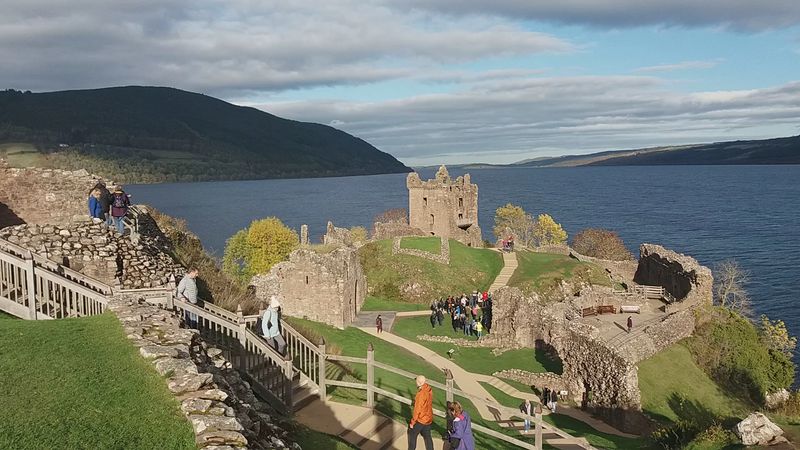
Long, dark, and flanked by steep Highland terrain, Loch Ness practically wrote its own monster story before anyone even picked up a pen. While the global frenzy around Nessie erupted in the 1930s, fueled by eyewitness reports and a famous photograph later revealed as a hoax, accounts of strange creatures near these waters stretch back considerably further. An ancient Pictish stone found near the loch features a carving of an unidentified flippered creature, which enthusiasts have pointed to for decades.
The 1933 sighting by George Spicer and his wife, who described a large animal crossing the road near the loch, set off a chain reaction of media coverage that turned a regional curiosity into an international phenomenon. Expeditions using sonar, submarines, and underwater cameras have since combed the loch without definitive results.
At over 230 meters deep, Loch Ness contains more fresh water than all lakes in England and Wales combined, giving the legend plenty of room to breathe.
2. Lake Toba, North Sumatra, Indonesia
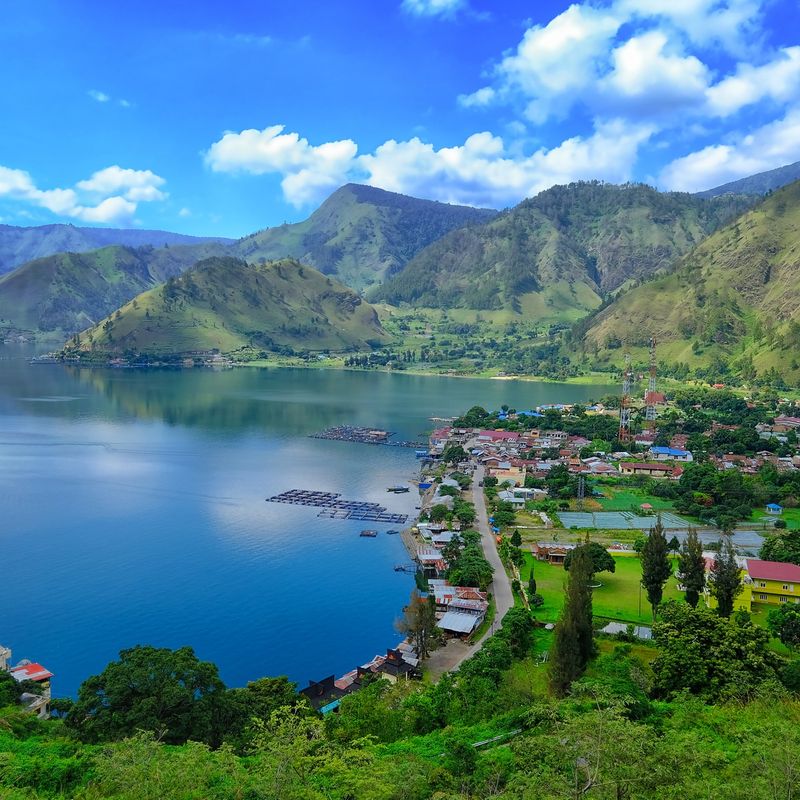
The origin story of Lake Toba begins with a lonely farmer who pulled an extraordinary golden fish from the water, only to watch it transform into a woman. She agreed to marry him under one condition: he must never reveal her origins. Their life together produced a son named Samosir, and for years the secret held.
During a moment of frustration with his son, who had eaten food meant for the family, the farmer broke his vow and blurted out that Samosir was “the son of a fish.” The sky darkened immediately, the ground shook, and water began rising rapidly from the earth, filling the valley to create the massive lake. Samosir Island, now resting in the lake’s center, is said to be the refuge where the mother and child took shelter.
This Batak legend functions as both a creation myth and a moral warning about the consequences of broken promises, and it remains central to local cultural identity today.
3. Lake Atitlan, Solola Department, Guatemala
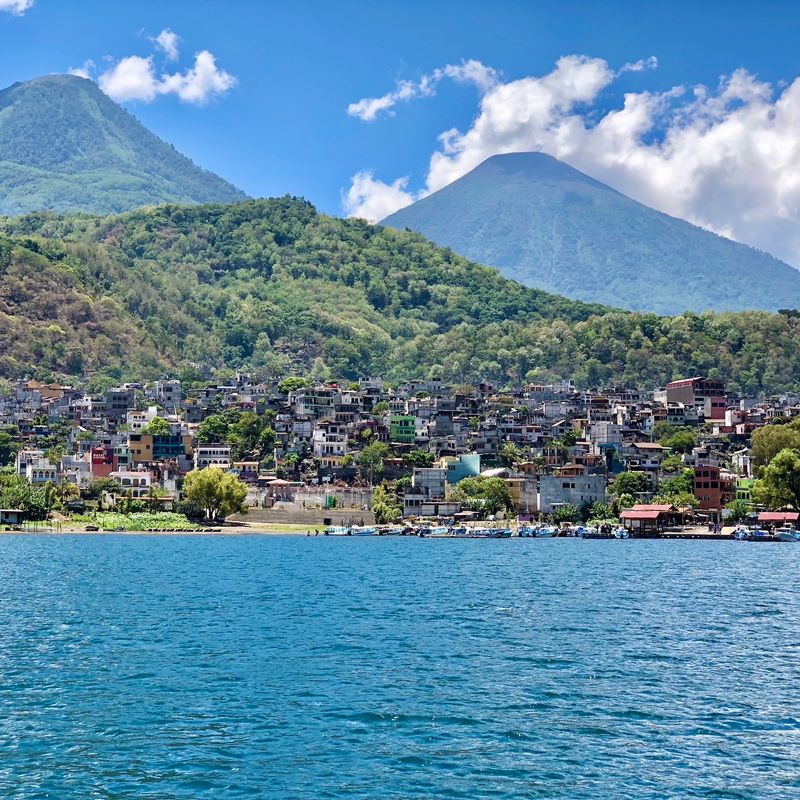
Ringed by three volcanoes and dotted with Maya communities that have occupied these shores for centuries, Lake Atitlan carries a spiritual weight that goes well beyond its postcard-worthy appearance. For the Kaqchikel and Tz’utujil peoples, the lake is not simply a body of water but a sacred living entity and a conduit to the underworld, where the boundary between the physical world and the spiritual realm is considered especially permeable.
The volcanoes surrounding the lake, Atitlan, Toliman, and San Pedro, are regarded as guardian spirits watching over the water and its communities. Even the fierce daily Xocomil wind, which can whip the lake’s surface into choppy waves with little warning, carries folkloric associations. Some traditions describe it as the breath of a divine force cleansing the lake, while others link it to a heartbroken spirit searching the water.
Beneath the surface lies the submerged ancient site of Samabaj, a Maya ceremonial center that sank roughly 2,000 years ago, adding yet another layer of mystery to this extraordinary place.
4. Lake Titicaca, Puno, Peru and La Paz, Bolivia
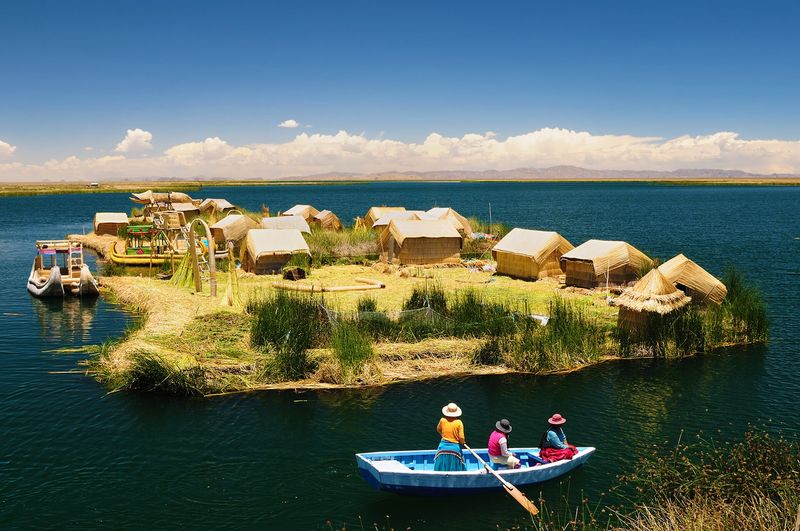
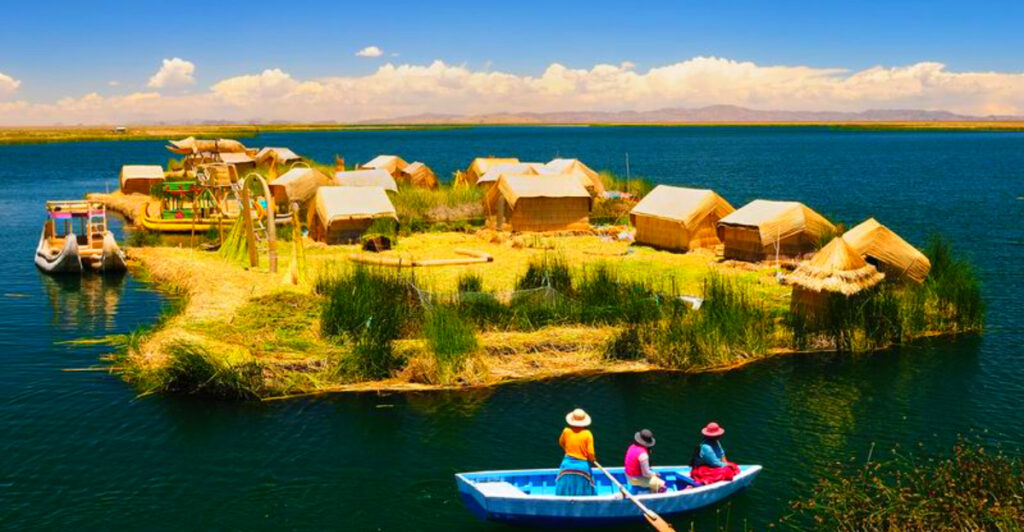
High in the Andes, at an elevation that leaves most visitors slightly breathless, this vast expanse of blue water holds a place at the very center of Inca creation mythology. Ancient tradition credits the creator god Viracocha with emerging from the lake’s depths to form the sky, the earth, and the first humans. His initial attempt involved stone giants, but when they proved unruly, a great flood destroyed them, and the receding waters became Lake Titicaca itself.
A second major narrative tells of Inti, the Sun God, sending his children Manco Capac and Mama Ocllo from the lake to civilize humanity and establish the Inca Empire. Armed with a golden staff, they searched for fertile land and eventually founded Cusco. Mama Ocllo taught women spinning and sewing, while Manco Capac instructed men in farming.
The Quechua and Aymara communities still regard these waters as a living, sacred entity, holding ceremonies that connect directly to these ancient stories.
5. Lake Avernus, Pozzuoli, Campania, Italy
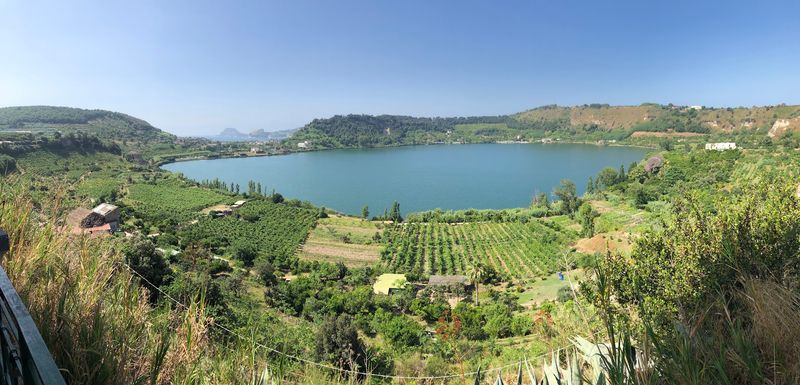
Ancient Romans did not need much convincing that this quiet volcanic crater lake was a doorway to the underworld. The name Avernus derives from the Ancient Greek word meaning “birdless,” a reference to toxic sulfurous fumes that historically prevented birds from flying over the water. That naturally eerie detail was enough to cement the lake’s reputation as a gateway to Hades for centuries of Roman writers.
Virgil’s epic poem the Aeneid places the hero Aeneas’s descent into the realm of the dead at a cave near this very lake, where he consults the spirit of his father Anchises. Other ancient sources suggest Odysseus also made his journey to the lower world from the same spot. In 37 BC, the Roman general Agrippa converted the lake into a naval base called Portus Julius, connecting it to the sea by canal.
Today, waterfowl rest comfortably on the surface, ruins of ancient temples dot the shores, and the Cumaean Sibyl’s grotto waits nearby, making Avernus an unexpectedly peaceful place with a very dramatic past.
6. Lake Nemi, Nemi, Lazio, Italy
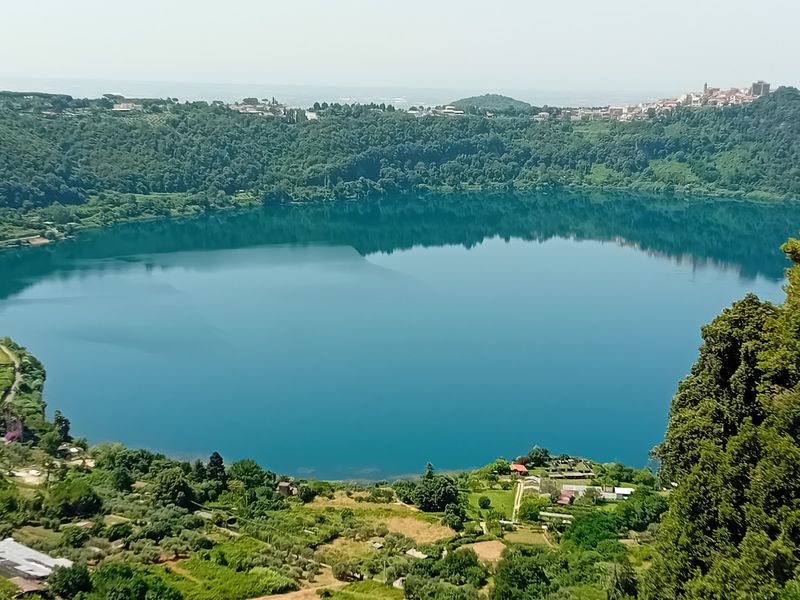
Hidden inside a wooded volcanic crater just south of Rome, Lake Nemi earned its ancient nickname “Mirror of Diana” because it was sacred to Diana Nemorensis, the Roman goddess of the hunt and the moon. Her sanctuary stood on the northern shore, and the surrounding sacred grove attracted worshippers from across the Roman world who came to seek the goddess’s favor.
The strangest tradition associated with the site involved the Rex Nemorensis, or “King of the Wood.” This position could only be claimed by a runaway slave who first broke a bough from a specific sacred tree and then killed the current king in single combat. The king lived in a permanent state of armed vigilance, knowing a challenger could appear at any moment. Scholar James George Frazer examined this ritual extensively in his landmark work The Golden Bough.
Two enormous ceremonial barges belonging to Emperor Caligula were recovered from the lake’s depths in the 20th century, suggesting that Lake Nemi’s connection to Roman power and ritual ran considerably deeper than its placid surface implied.
7. Lake Bled, Bled, Slovenia
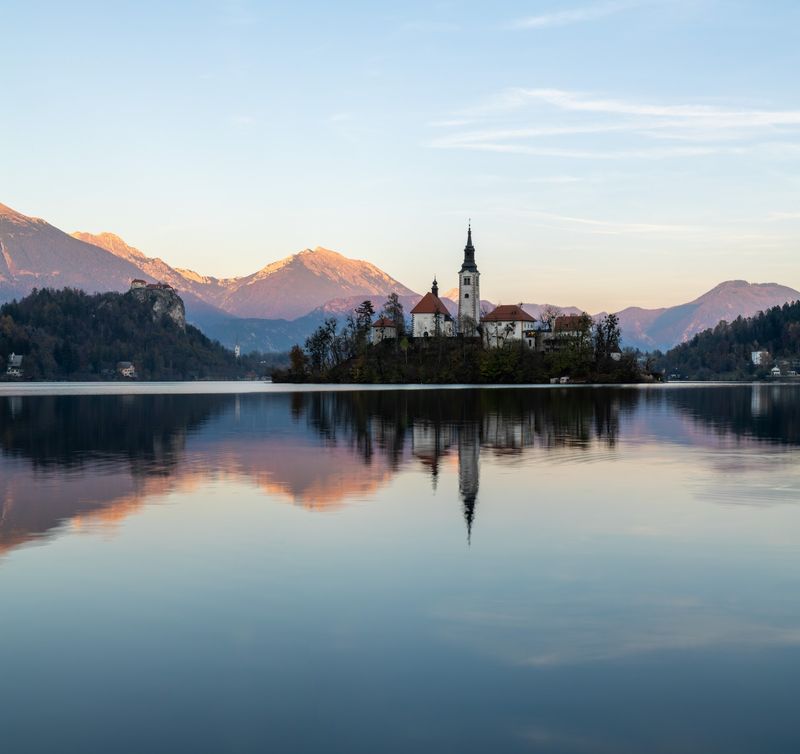
A tiny island, a clifftop castle, and an Alpine backdrop make Lake Bled look almost suspiciously perfect, as though someone designed it specifically for legends. The lake’s most beloved story centers on a grief-stricken widow from Bled Castle whose husband was robbed and thrown into the water. She gathered her silver and gold to commission a bell for the island chapel, hoping it would honor his memory.
During the crossing, a fierce storm sank the boat, sending the bell and its crew to the bottom. Local tradition holds that on quiet nights, the lost bell can still be heard ringing from beneath the water. The widow eventually sold everything she had, contributed the proceeds to building a new church on the island, and spent the rest of her life as a nun in Rome.
After her passing, the Pope sent a replacement bell to the island chapel. This bell, now hanging in the Church of the Assumption of Mary, is said to grant wishes to anyone who rings it three times with genuine belief, which explains the steady line of visitors climbing the island’s 99 stone steps.
8. Lake Van, Van Province, Turkiye
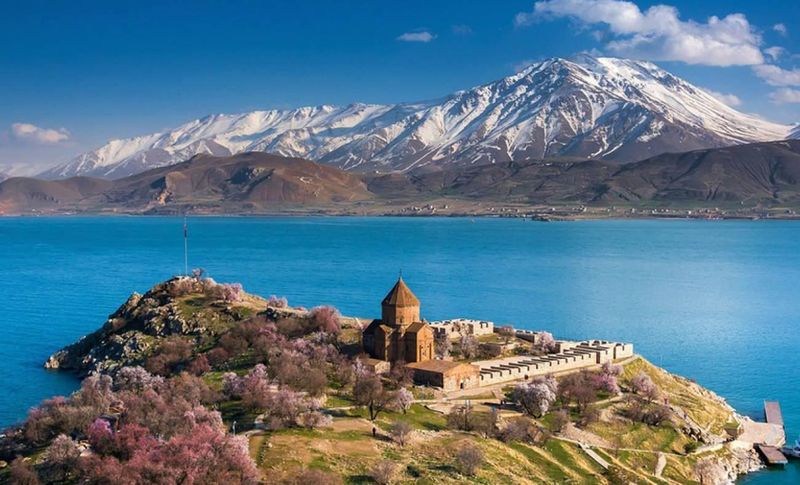
Vast and strikingly blue in eastern Turkiye, Lake Van holds a tragic love story within its waters that gave Akdamar Island its name. According to local tradition, a beautiful Armenian princess named Tamar lived on the island, secretly in love with a young man from the mainland. Each night she lit a lantern from her window to guide him as he swam across the dark lake to meet her.
When her father discovered the romance, he extinguished the guiding light one stormy night and, in some versions of the tale, moved it deliberately to confuse the swimmer. Lost in the darkness with no beacon to follow, the young man drowned. His final cries of “Ah, Tamar” are said to echo in the island’s name.
Visitors today can cross the same lake by boat to reach Akdamar Island and its magnificent 10th-century Church of the Holy Cross, a medieval Armenian architectural landmark covered in detailed biblical bas-relief carvings that draw travelers and historians from around the world.
9. Lake Rotorua, Rotorua, Bay of Plenty, New Zealand
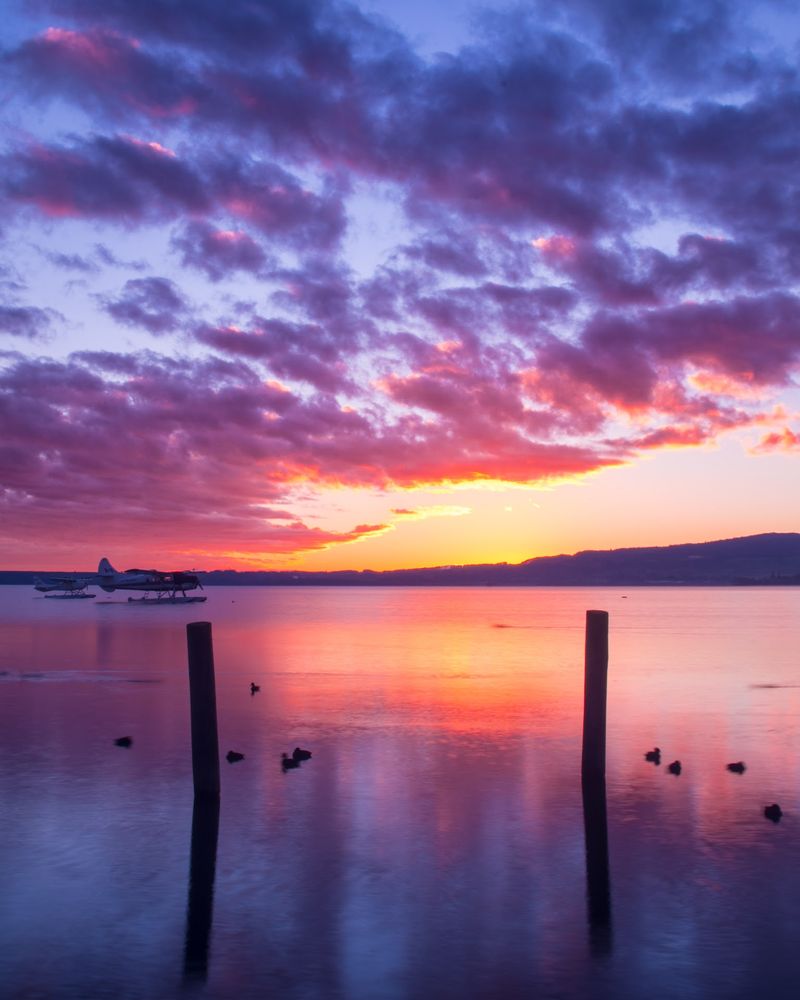
Mokoia Island sits at the center of Lake Rotorua and at the center of one of New Zealand’s most celebrated Maori love stories. Hinemoa was a young woman of high rank living on the lake’s shore, while Tutanekai was a warrior of lower status living on the island. Their families disapproved of the match, and Hinemoa’s relatives pulled every canoe ashore at night to prevent her from crossing.
Tutanekai played his flute, the koauau, from Mokoia Island each evening, and the music carried across the water to where Hinemoa waited. Refusing to accept the obstacle, she tied six hollow gourds together as floats and swam the full width of the lake in the dark, guided entirely by the sound of his playing. She warmed herself in a geothermal pool upon arrival before the two were finally reunited.
Mokoia Island remains sacred to the Te Arawa people, and the story of Hinemoa and Tutanekai continues to be told as a testament to determination and devotion, with the geothermal pool where she rested still identifiable on the island today.
10. Lough Gur, County Limerick, Ireland
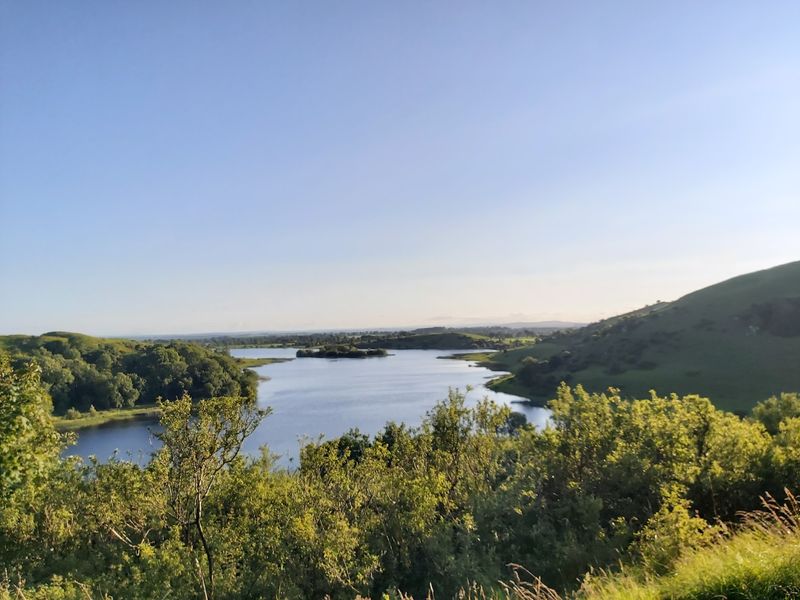
Lough Gur sits inside a landscape so packed with ancient monuments that archaeologists have been busy there for well over a century. Stone circles, megalithic tombs, and ancient field systems crowd the surrounding area, making it one of Ireland’s most significant prehistoric sites. But the folklore attached to the lake itself is just as compelling as anything the archaeologists have uncovered.
The most persistent local legend involves Gearoid Iarla, a medieval Fitzgerald chieftain of considerable reputation, who according to tradition was spirited away by supernatural forces and now sleeps in a hidden chamber beneath the lake. Every seven years, he is said to ride a white horse with silver shoes around the shore, and the spell holding him will only break when those silver shoes have worn completely thin.
Ancient monuments scattered within easy walking distance of the water make it straightforward to understand how such stories took root here. When the landscape itself looks as though it was arranged by forces beyond ordinary explanation, legends of sleeping lords and enchanted lakes feel entirely reasonable.
11. Llyn y Fan Fach, Carmarthenshire, Wales
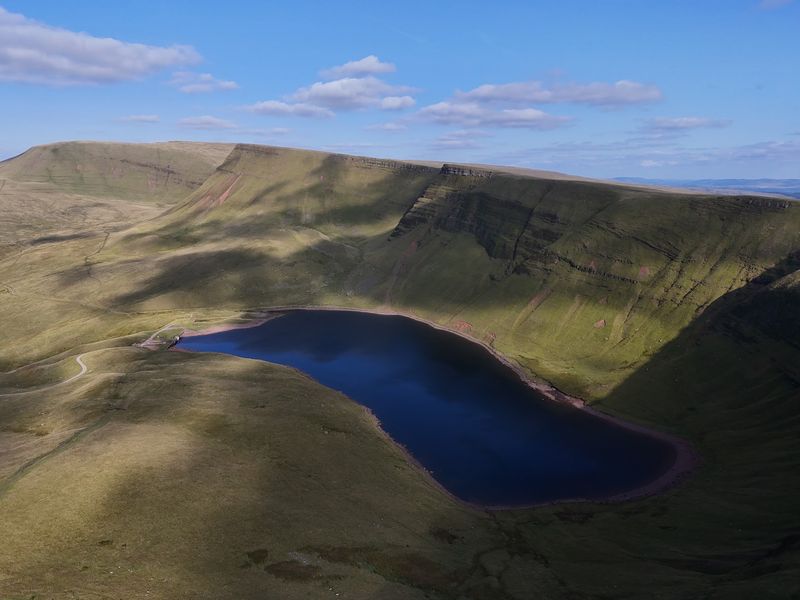
Tucked beneath a dramatic rocky escarpment in the Brecon Beacons, this small glacial lake is the setting for one of Wales’s oldest and most enduring supernatural love stories. A farmer named Gwyn encountered a mysterious woman sitting on the surface of the water, described as one of the Fair Folk, and fell immediately in love. She agreed to marry him under a strict condition: if he ever struck her three times without cause, she would return to the lake permanently.
Their marriage produced three sons and lasted for years before three accidental, unintentional touches broke the agreement. At the third instance, she returned to the water, sometimes taking the magical cattle she had brought with her as a dowry. The farmer was left behind, but the story did not end there.
She later reappeared to her sons and taught them the arts of herbal healing. Those sons became the celebrated Physicians of Myddfai, a lineage of Welsh healers whose remedies were recorded in the 14th-century Red Book of Hergest and are still referenced by historians of Welsh medicine today.
12. Laguna de Guatavita, Sesquilé, Cundinamarca, Colombia
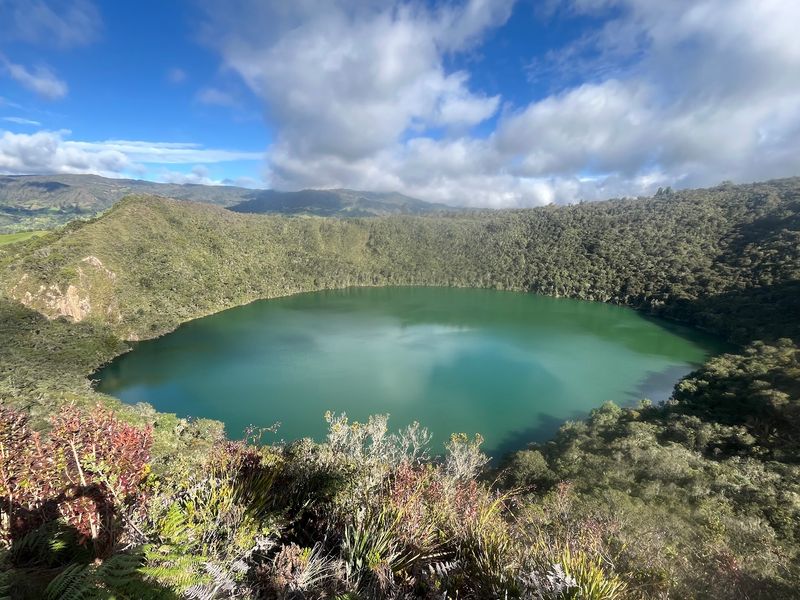
A near-perfect circle of green water in the Colombian highlands, Laguna de Guatavita looks modest enough until you learn that it accidentally launched one of history’s most obsessive treasure hunts. Long before Spanish explorers arrived, the Muisca people held elaborate ceremonies at this lake that involved genuine offerings of gold and emeralds cast into the water as gifts to their gods.
The most striking ritual centered on a newly appointed chief who was covered in gold dust and paddled to the center of the lagoon on a ceremonial raft. He would plunge into the water, washing the gold from his body, while attendants simultaneously threw precious objects into the depths as sacred offerings. Spanish accounts of this ceremony grew dramatically in the retelling, transforming a religious practice into the legend of El Dorado, a mythical city or ruler made entirely of gold.
Several attempts were made to drain or excavate the lagoon over the following centuries, with limited success. The Colombian government now protects the site as a nature reserve, and the Muisca’s original ceremonial tradition is recognized as the true foundation of one of the world’s most persistent legends.
13. Lake Biwa, Shiga Prefecture, Japan
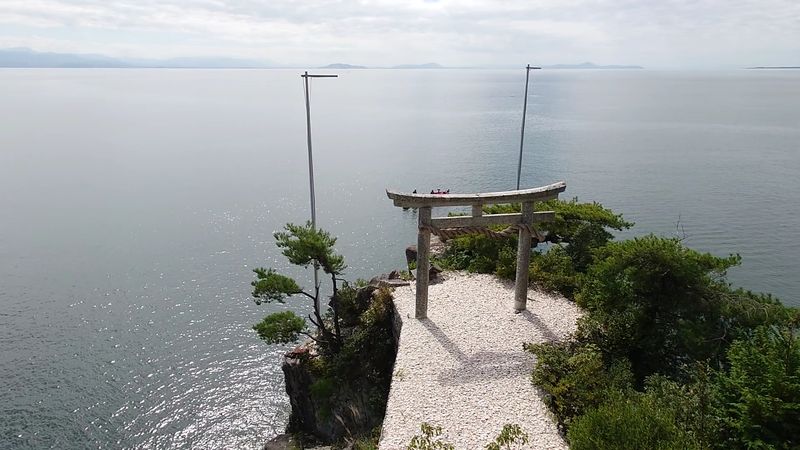
Japan’s largest freshwater lake has been accumulating legends for centuries, and the most famous involves a warrior known as Fujiwara no Hidesato, also called Tawara Toda, or Lord Bag of Rice. Crossing a bridge over the lake one day, he encountered an enormous serpent stretched across his path. Rather than retreating, he stepped over it without hesitation, a display of courage that impressed the creature enormously.
The serpent revealed itself as the Dragon King of Lake Biwa, who needed a hero’s help. A colossal centipede living on nearby Mount Mikami was terrorizing the Dragon King’s family, and no one had been able to stop it. Hidesato agreed to fight the creature, eventually defeating it with his bow. In gratitude, the Dragon King presented him with magical gifts, including an inexhaustible bag of rice, a bolt of cloth that never ran out, and a cooking pot that required no fire.
With historic temples, ancient settlements, several islands, and mountains encircling its vast perimeter, Lake Biwa is the kind of place where stories of dragon kings and giant centipedes feel less like fantasy and more like local history.
Share this story